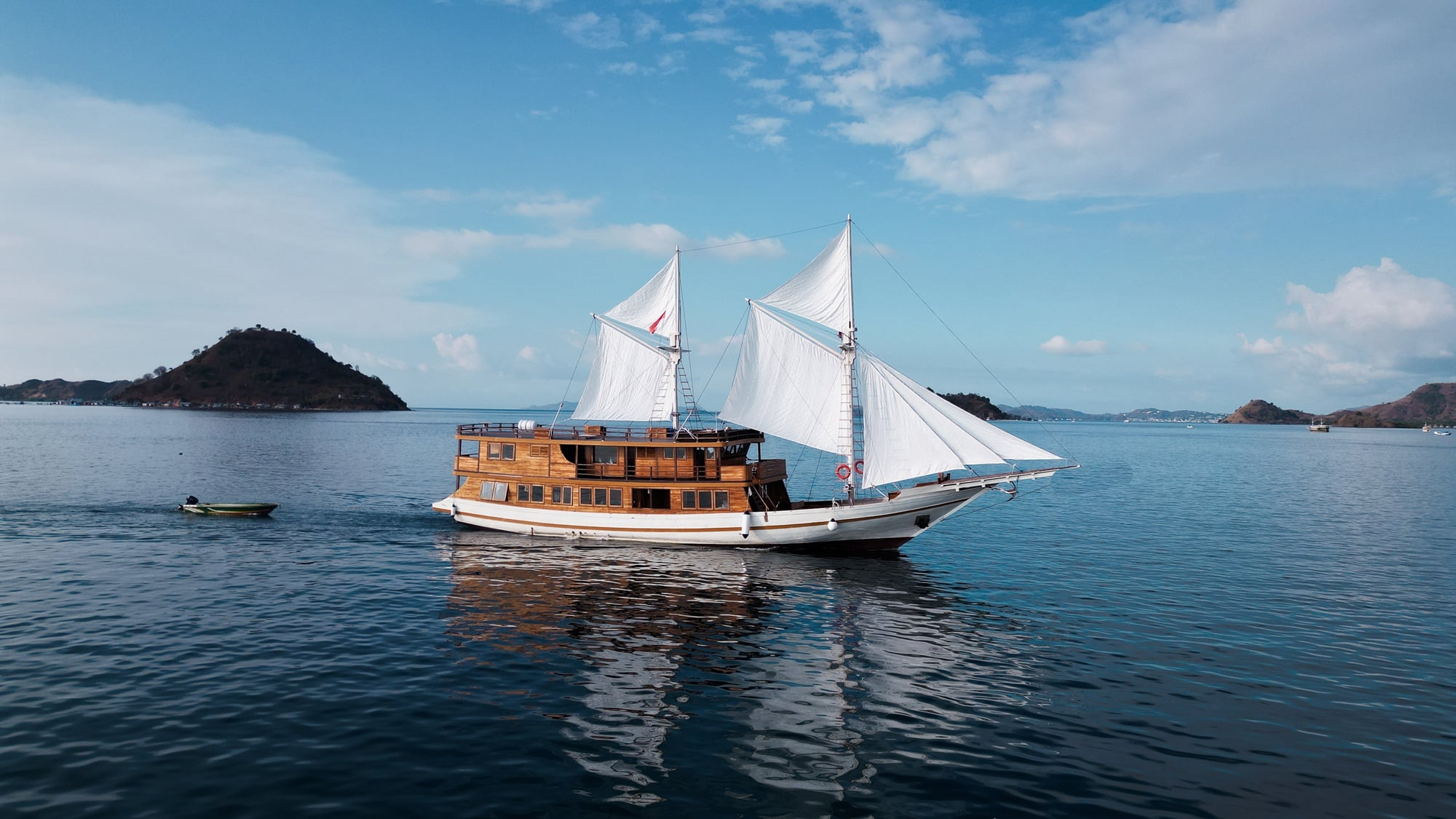
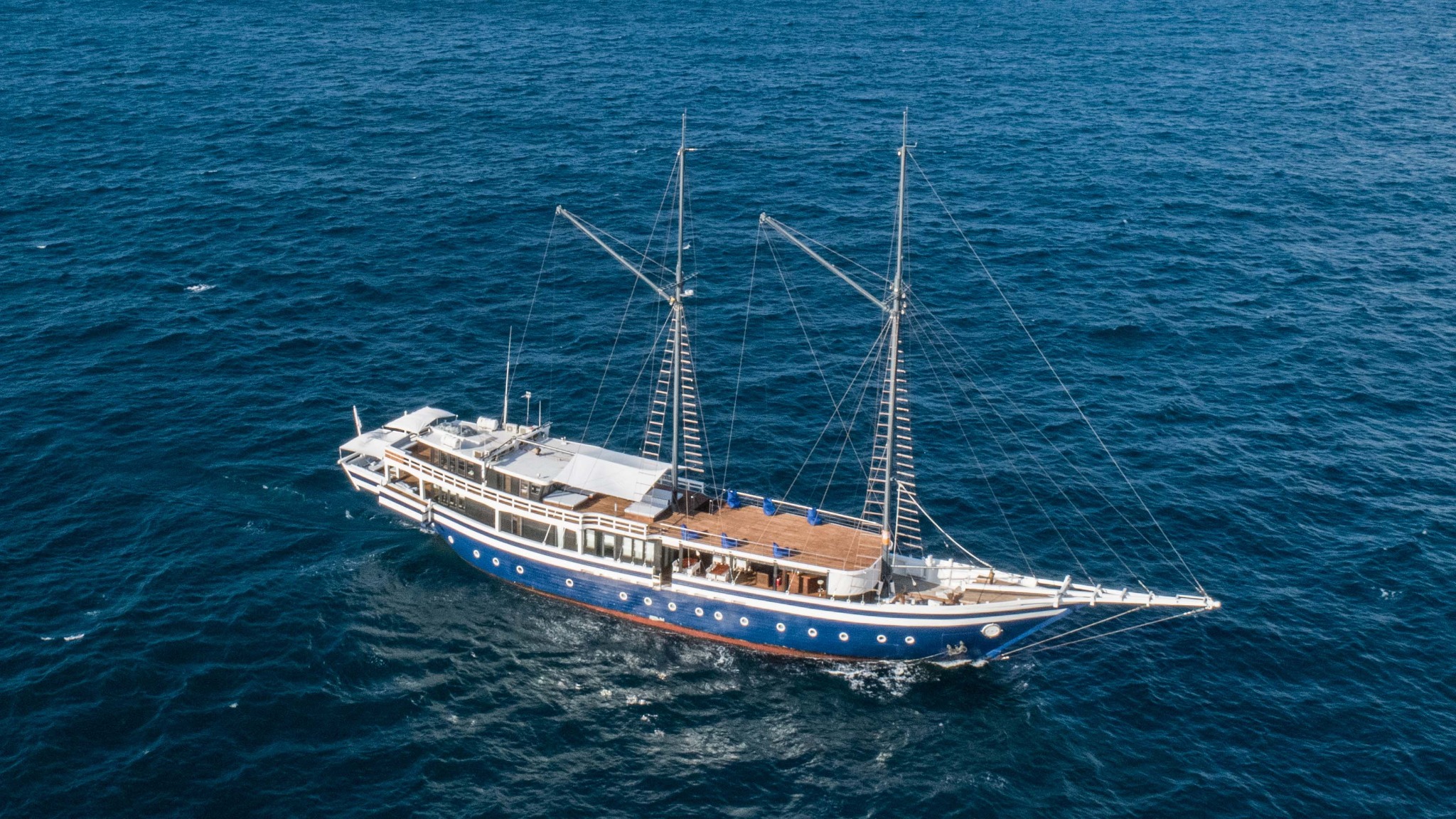
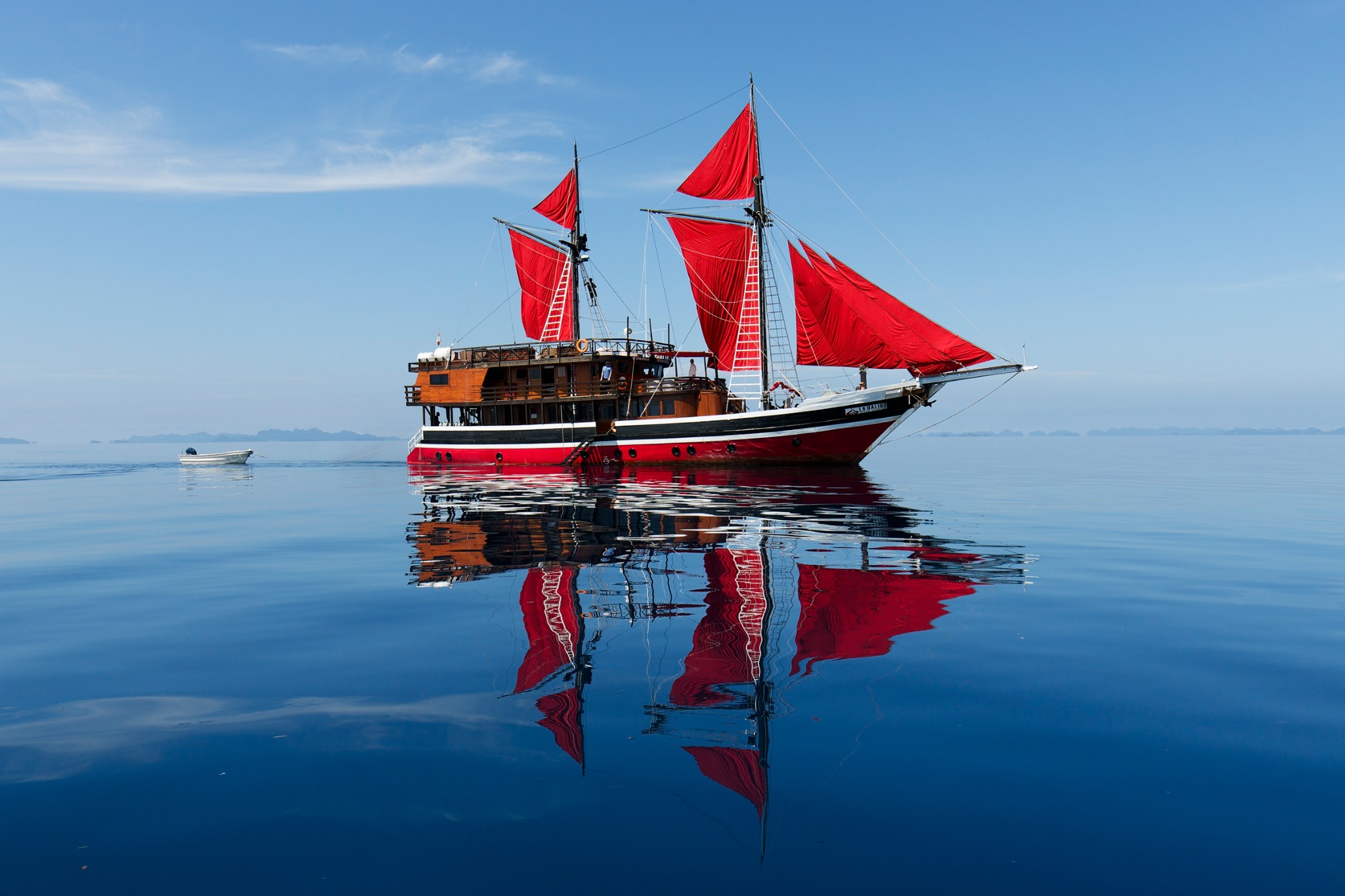
Mari liveaboard is a traditional Indonesian Phinisi built for divers who value space, comfortable accommodation, organized dive operations, and attentive service. Constructed from high-quality ironwood and teak by Phinisi boat builders in South Sulawesi, the vessel accommodates up to 14 guests in 7 sea-view en-suite cabins.
Built in 2008, Mari Indonesia measures 34 metres long and 6.5 metres wide, cruises at 8 knots, and has a range of 4,000 nautical miles. Fourteen crew members look after 14 guests, creating a 1:1 crew-to-guest ratio, while a maximum ratio of 4 divers to 1 guide keeps dive groups small.
Boat Interior
Mari liveaboard
Indonesia has 7 sea-view cabins, all located on the main deck. Each cabin has an en-suite bathroom with hot water and toiletries, individually controlled air conditioning, and daily housekeeping.
The vessel has several outdoor spaces for time between dives. Sun beds are available on the upper sun deck and sky deck, while the shaded lounge deck is furnished with bean bags. The open-air lounge and bar area offers 270-degree sea views, and free Wi-Fi is available on board.
Cabin Types
Mari liveaboard has 7 sea-view cabins on the main deck. Every cabin includes individually controlled air conditioning, an en-suite bathroom with hot water and toiletries, and daily housekeeping.
Deluxe Sea View Cabin
There are 3 Deluxe Sea View Cabins on the main deck. These cabins provide additional storage and floor space for longer cruises and camera equipment.
Each cabin includes an additional bunk bed and can accommodate families or groups of up to 3 guests. Two cabins have twin beds that can be joined as a double, while 1 cabin has a 1.8-metre king-size bed.
Superior Sea View Cabin
There are 4 Superior Sea View Cabins on the main deck, with sea-view windows and easy access to the outdoor areas.
Each cabin has a twin bunk-bed layout and accommodates up to 2 guests.
Dive Deck
Mari liveaboard has a spacious dive deck supported by 3 dedicated dive tenders. The dive team includes a cruise director and 3 dive guides, maintaining a maximum ratio of 4 divers to 1 guide.
The vessel carries 25 12-litre tanks and 6 15-litre tanks. Nitrox is available at an additional cost, while dive equipment can be rented when requested in advance. The filling system includes 2 CAT 9 compressors, 1 ASTRA compressor, and 1 NRC Nitrox membrane system.
Up to 4 dives may be scheduled each day. A typical routine includes dives at 7:00 a.m., 10:00 a.m., and 2:00 p.m., followed by a night dive at 6:30 p.m. when scheduled. Eleven-night cruises include up to 33 dives, with a maximum dive time of 70 minutes and a maximum depth of 40 metres.
The minimum requirement for all cruises is an Open Water certification and 30 logged dives.
Safety
Mari liveaboard Indonesia is equipped with radar, an echo sounder, GPS chartplotter, VHF and SSB radios, an EPIRB, SART, and satellite phone.
Safety equipment also includes 2 life rafts, life jackets, and fire extinguishers. Diving insurance that includes medical evacuation is mandatory for all diving guests, while travel insurance is highly recommended.
Food and Beverages
Meals are served in a shaded 50 m² open-air dining area with a full bar, lounge seating, and 270-degree sea views.
Breakfast, lunch, and dinner are freshly prepared each day and combine Indonesian and Western cuisine. Coffee, tea, water, and snacks are available throughout the day.
Soft drinks, juice, and alcoholic beverages can be purchased on board. Special dietary requirements can be accommodated with advance notice.
Itineraries
Mari liveaboard Indonesia operates across Raja Ampat, Komodo, Bali, the Banda Sea, Triton Bay, and Sumbawa. The schedule follows the diving seasons, moving between different regions of Indonesia throughout the year.
Komodo
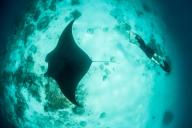
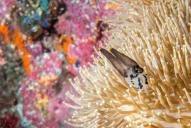
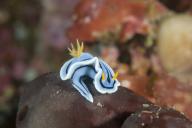
Komodo offers strong currents, fish-covered pinnacles, coral walls, and manta ray cleaning stations. Divers can experience current-swept drift dives and year-round manta encounters, while South Komodo adds smaller subjects such as frogfish, pygmy seahorses, and nudibranchs.
Above the water, Komodo is home to the Komodo dragon, the world’s largest lizard, and is known for dramatic scenery on land and below the surface.
Mari visits Komodo in May and operates Bali and Komodo routes from June through August. Bali, Komodo, and Banda Sea itineraries may also be available in September.
Raja Ampat
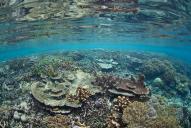
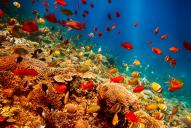
Raja Ampat combines exceptionally rich fish and coral life with manta ray cleaning stations and reefs covered in soft and hard corals. Divers may encounter walking sharks, tasseled wobbegongs, and Raja Ampat pygmy seahorses around walls, slopes, and bommies.
Limestone karst peaks and turquoise lagoons shape the scenery above the water, including the distinctive landscape of Wayag.
Mari operates Raja Ampat itineraries from January through March and again in December, with combined Raja Ampat and Banda Sea routes in April.
Banda Sea
Banda Sea is known for remote diving around deep volcanic walls, isolated atolls, and pristine reefs. Seasonal schooling hammerhead sharks are among the region’s best-known encounters, while Manuk Island is associated with sea snakes.
The itinerary also reaches the historic Spice Islands, adding a cultural dimension to the journey.
Mari visits the Banda Sea in April, September, and October, with Banda Sea and Triton Bay routes offered in November.
Sumbawa
Sumbawa offers seasonal whale shark encounters at Teluk Saleh. Around Moyo Island, divers can explore healthy reefs, drift sites, macro-rich coral gardens, and volcanic reef formations.
The region lies on the route towards Komodo and may be included in combination itineraries.
Triton Bay
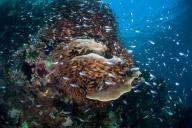
Triton Bay is known for dense soft coral formations extending from shallow water down its walls. Whale sharks gather around traditional fishing platforms at Namatote, while endemic wobbegong sharks and macro life add further variety.
With fewer visiting liveaboards and relatively undisturbed reefs, Triton Bay offers remote diving in one of Indonesia’s least-visited regions. Mari operates Banda Sea and Triton Bay routes in November.
When to Go
Mari liveaboard follows a seasonal schedule across Indonesia. Raja Ampat itineraries operate from January through March and again in December, with combined Raja Ampat and Banda Sea routes in April.
Komodo routes begin in May, followed by Bali and Komodo itineraries from June through August. September may include Bali, Komodo, and Banda Sea, while October focuses on the Banda Sea. November combines the Banda Sea and Triton Bay.
Boat for Photographers
Mari liveaboard provides camera charging stations for underwater photographers. Deluxe Sea View Cabins also offer additional storage and floor space for longer trips and camera equipment.
The itineraries provide varied photographic opportunities. Komodo combines manta rays, current-swept pinnacles, macro subjects, and dramatic landscapes, while Raja Ampat offers coral-covered reefs, endemic species, and wide-angle scenery. The Banda Sea adds hammerhead sharks, sea snakes, volcanic walls, and remote atolls. Triton Bay offers shallow soft corals, whale sharks, wobbegongs, and macro life, while Sumbawa brings seasonal whale sharks, healthy reefs, and volcanic reef formations