Best Mexico Liveaboards
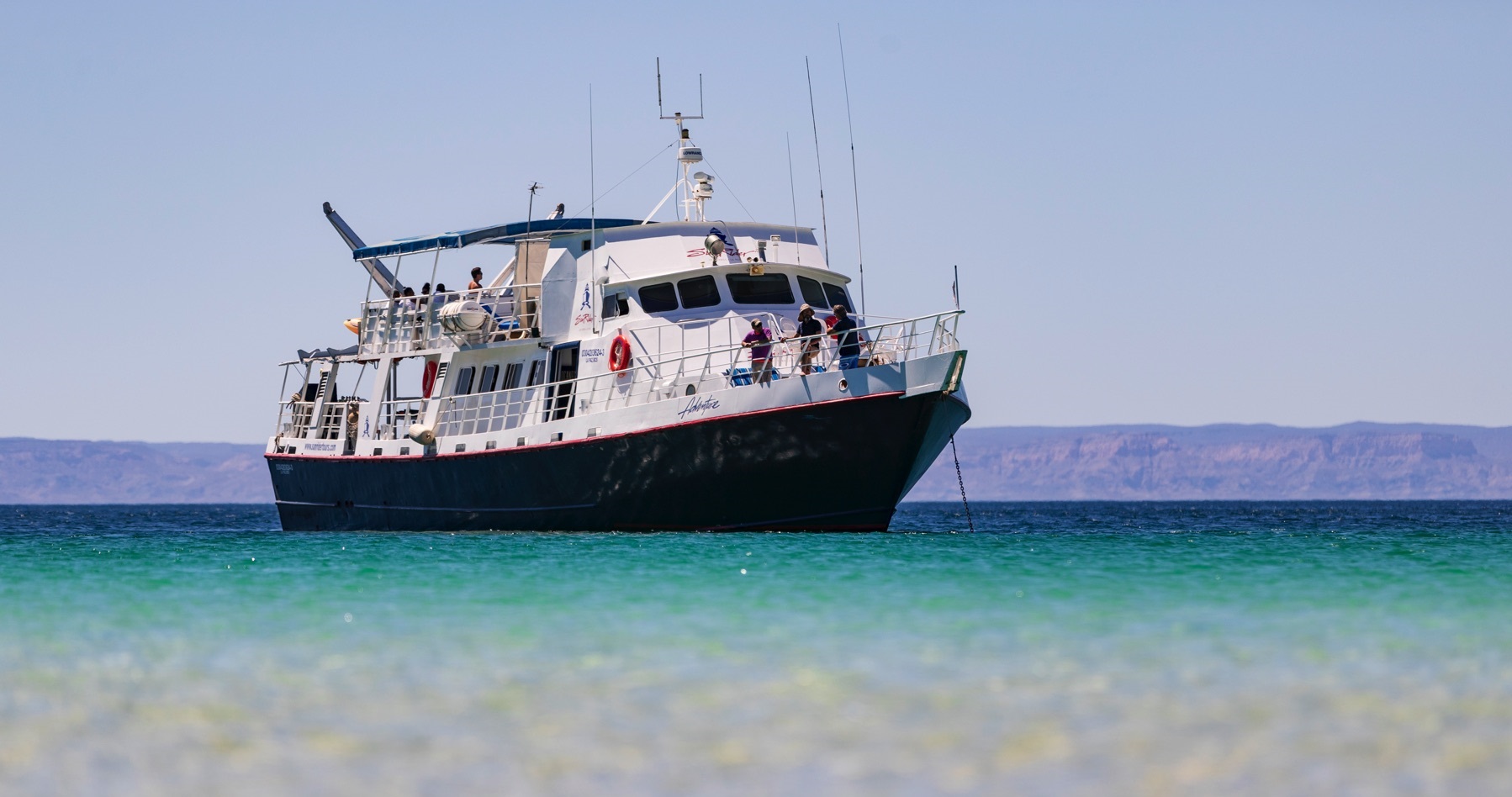 Adventurefrom
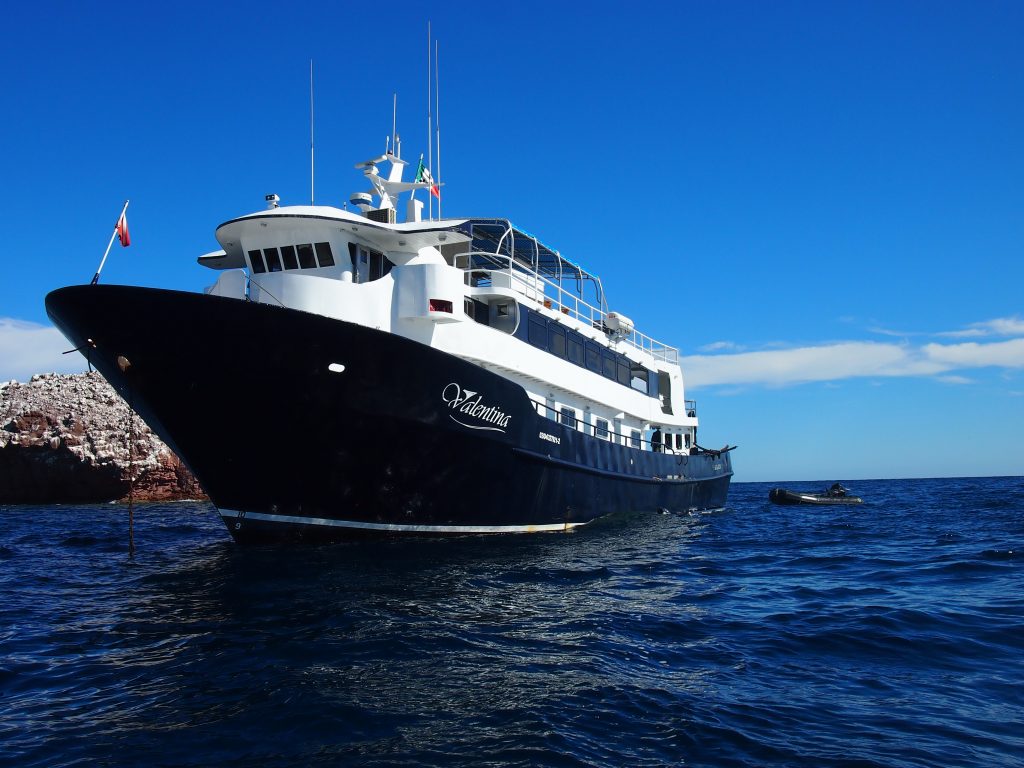 Valentinafrom
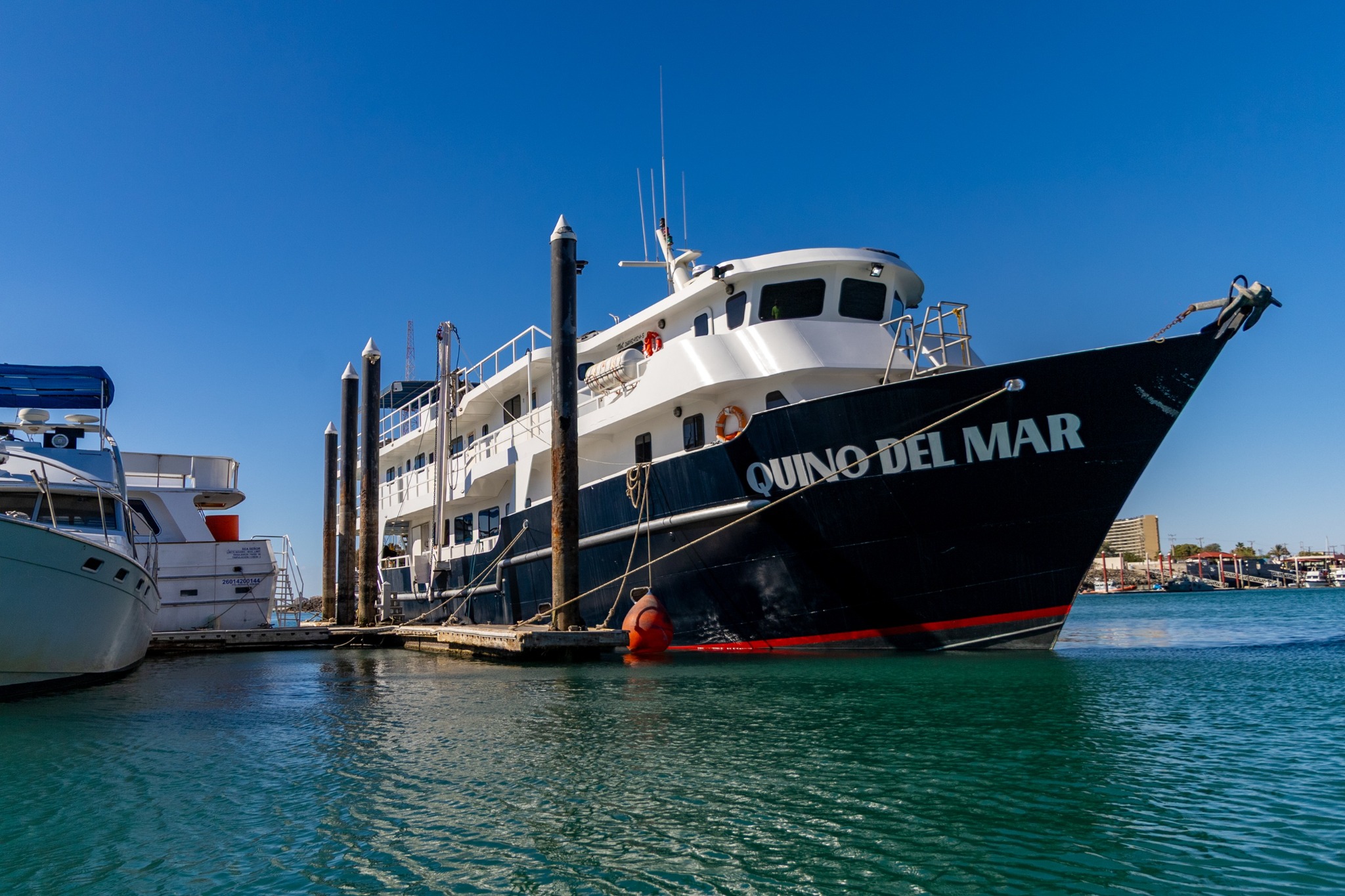 Quino del Marfrom
Handpicked Mexico Selections
Get more with Divebooker rewards
- Free DAN insurance
- 5% money back
- Up to 10% savings for the next travel
- 2X money back on select days
- Extra care support package
Liveaboard Diving in Mexico
Unique Underwater Topography
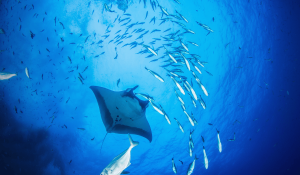
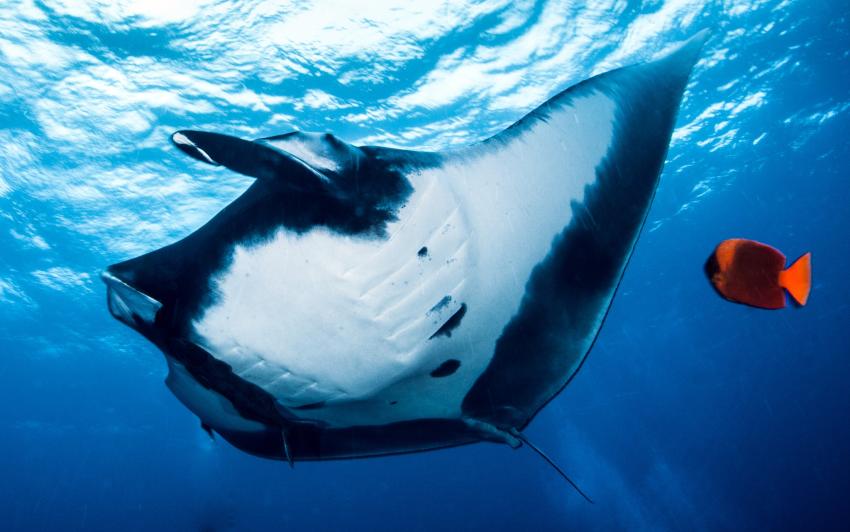
Framed by the Pacific Ocean, the Gulf of Mexico, and the Caribbean Sea, Mexico offers an exceptional mix of marine environments that captivate divers from around the world. While coastal sites abound, it’s the offshore waters of the Pacific that host the country’s most remarkable underwater encounters. For those in search of truly immersive exploration, liveaboard diving in Mexico is the way to go – whether drifting alongside giant mantas or exploring the life-rich depths of the Sea of Cortez. Liveaboard dive trips in Mexico primarily focus on two regions: the Revillagigedo Archipelago and the Sea of Cortez. These areas are best accessed by liveaboard boats in Mexico, which combine extended itineraries with a comfortable onboard experience. Socorro and the surrounding Revillagigedo islands require multi-day journeys at sea – typically eight to ten days – but reward divers with encounters that have become legendary among the global dive community. Massive oceanic manta rays glide in with impressive regularity, schooling hammerheads move in shadowy formations, and tiger sharks, whale sharks, and curious dolphins all make appearances. Seasonal visitors like humpbacks pass through as well, adding even more to this dynamic marine biosphere. The seascape is bold and open, with few corals but no shortage of action.
Diverse Ecosystem
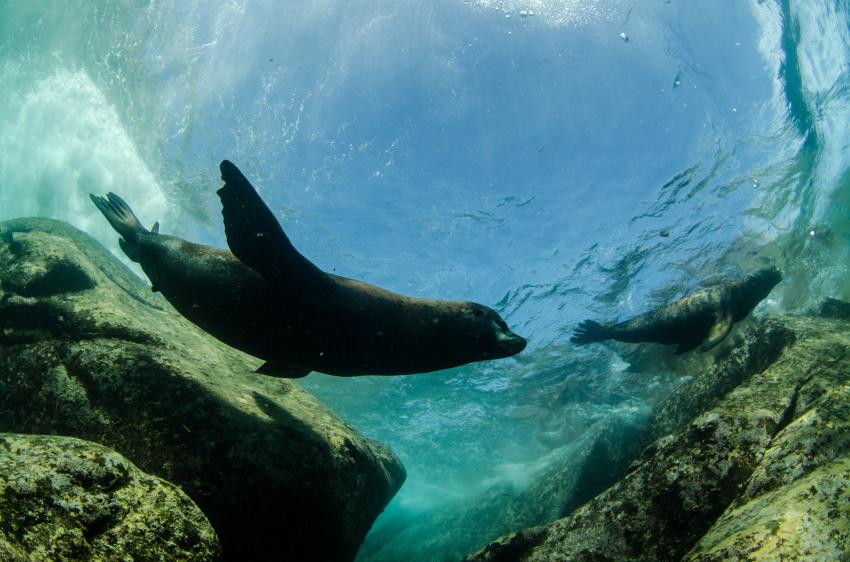
The Sea of Cortez offers a different rhythm. Its waters are teeming with marine life, from playful sea lions to wide-winged mobula rays that leap above the surface in acrobatic displays. Hammerheads, whale sharks, and several species of whales – including orcas, humpbacks, and sperm whales – also frequent the region. In between larger sightings, divers can spend time observing intricate reef life, including nudibranchs, gobies, and eels. Some dive sites in the Sea of Cortez are accessible from shore, but the best way to fully experience this region’s diversity is through a diving liveaboard in Mexico.
Unforgettable Diving Adventure
Itineraries vary by region and vessel, with Socorro liveaboard trips often offering up to four dives per day. Weekend scuba liveaboard options in the Sea of Cortez may feature a more relaxed pace but still provide ample underwater time. Most liveaboards include full board dining, Nitrox availability, and dive equipment rental. The staff is generally bilingual, and the atmosphere on board is friendly and professional, regardless of your dive experience level. What sets liveaboard diving in Mexico apart is the scale and intensity of the encounters. From the giant silhouettes of mantas circling in open blue water to the joyful presence of sea lions twirling around your fins, every dive offers something extraordinary. Between dives, passengers often relax on deck, scan the horizon for surfacing whales, or share stories with fellow divers as the boat sails through remote waters. For those seeking a dive holiday that delivers high-impact marine encounters alongside the comforts of well-equipped vessels, a Mexico scuba liveaboard offers a truly unforgettable escape. With easy access, rich biodiversity, and expert crews, there’s no better time to book your place aboard and see why this destination has become a favourite among serious divers
Top Places to Dive in Mexico
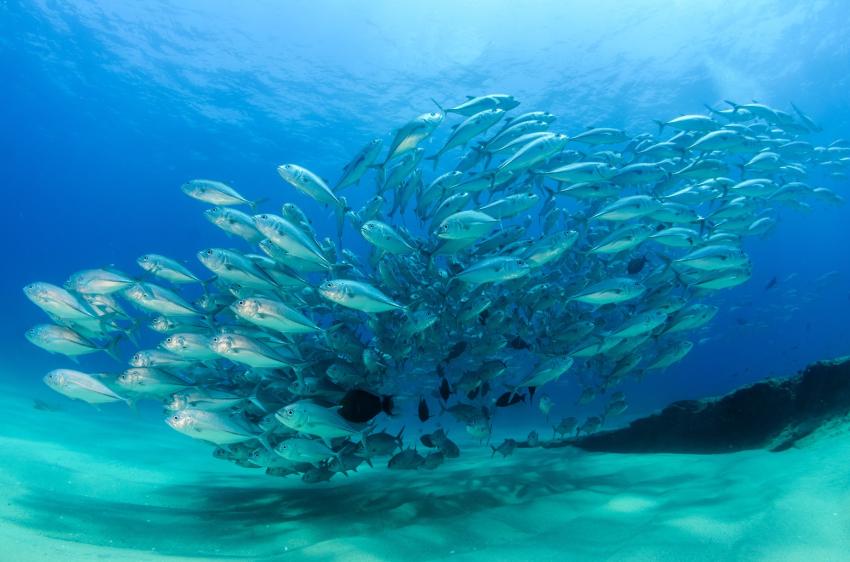
There are a couple of significant diving destinations in Mexico. Each with its charm to it.
Socorro Island
Mexico is a diver’s paradise, and Socorro Island stands out as one of its most extraordinary liveaboard destinations. Located far off the Pacific coast, this remote archipelago offers some of the most thrilling pelagic encounters anywhere in the world. Liveaboard diving in Socorro is defined by regular sightings of giant manta rays, schooling hammerheads, playful dolphins, and seasonal visits from humpback whales. The islands also host unique species like the endemic Clarion angelfish, making the area a magnet for underwater photographers. With excellent visibility, dramatic drop-offs, and minimal boat traffic, Socorro delivers a pristine and unforgettable dive environment ideal for experienced divers looking for powerful big-animal interactions.
Sea of Cortez
Another remarkable destination for liveaboard diving in Mexico is the Sea of Cortez, a UNESCO World Heritage Site known for its extraordinary marine diversity. These nutrient-rich waters attract whale sharks, sea lions, orcas, and massive schools of mobula rays. The topography ranges from shallow reefs to steep walls, allowing for a wide variety of dive profiles suitable for different skill levels. With warm, clear water and both protected and open-water sites, the Sea of Cortez caters to everyone from newer divers to seasoned enthusiasts. Its vibrant reef fish populations and frequent encounters with larger marine life make it a rewarding destination for extended diving safaris
Must See Mexico Dive Sites
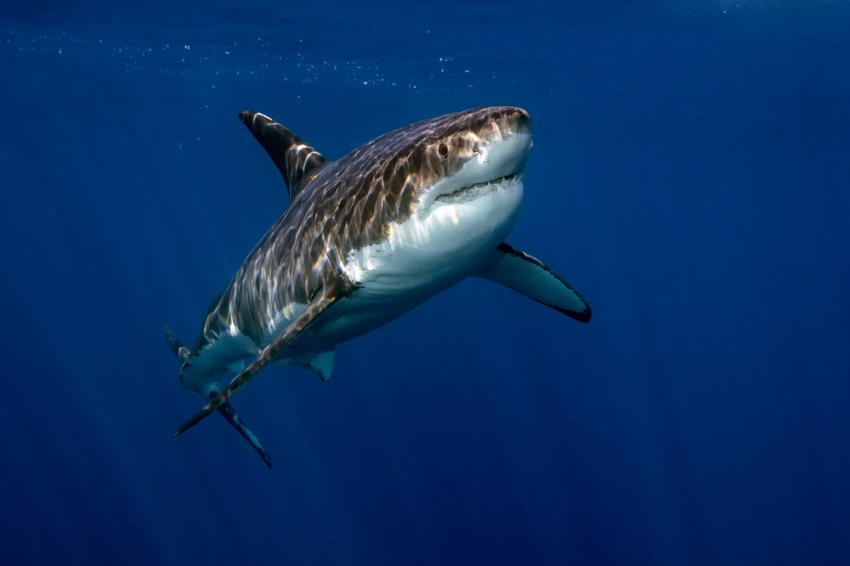
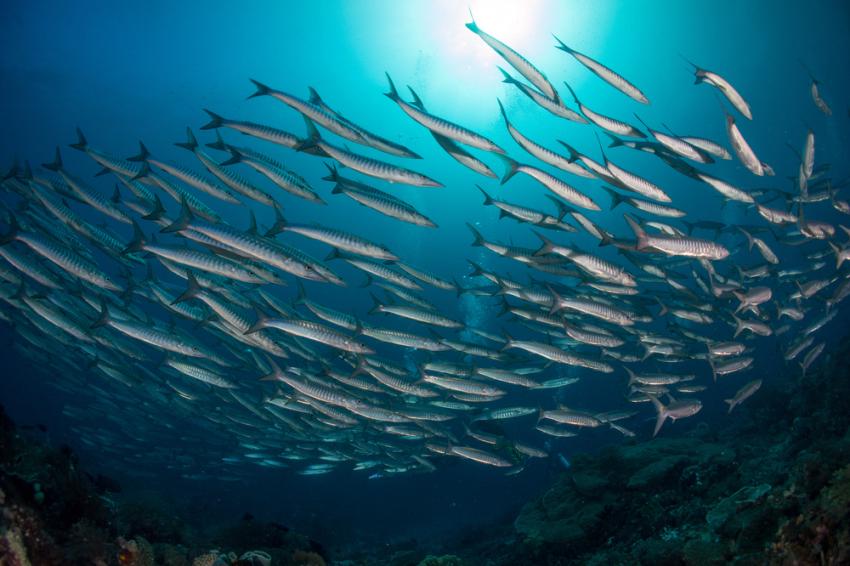
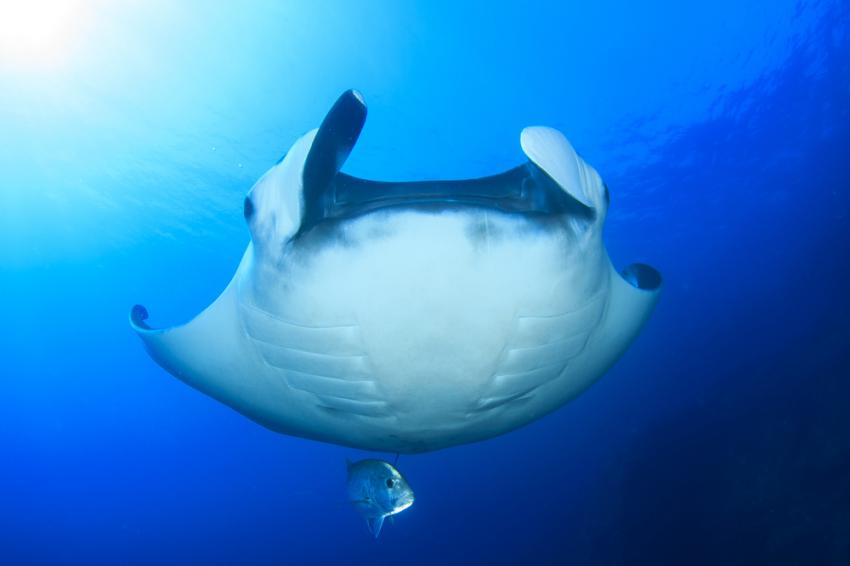
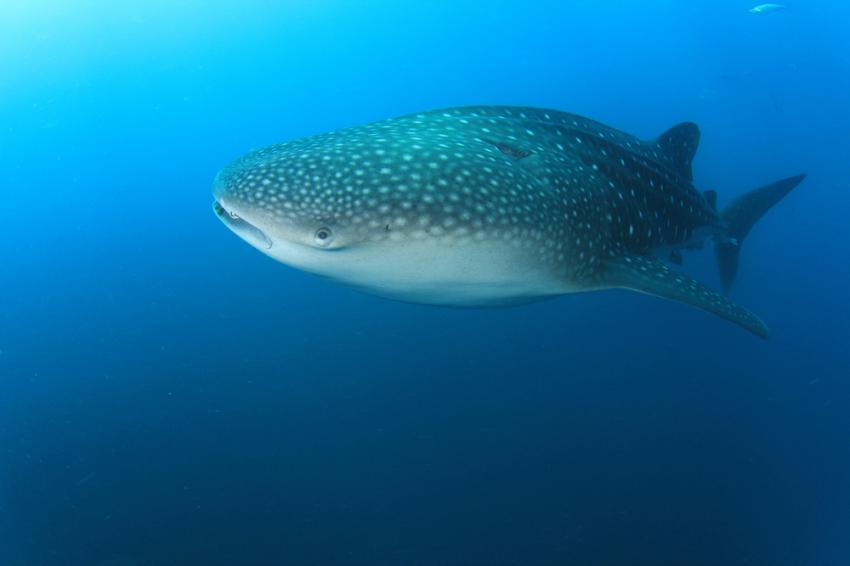
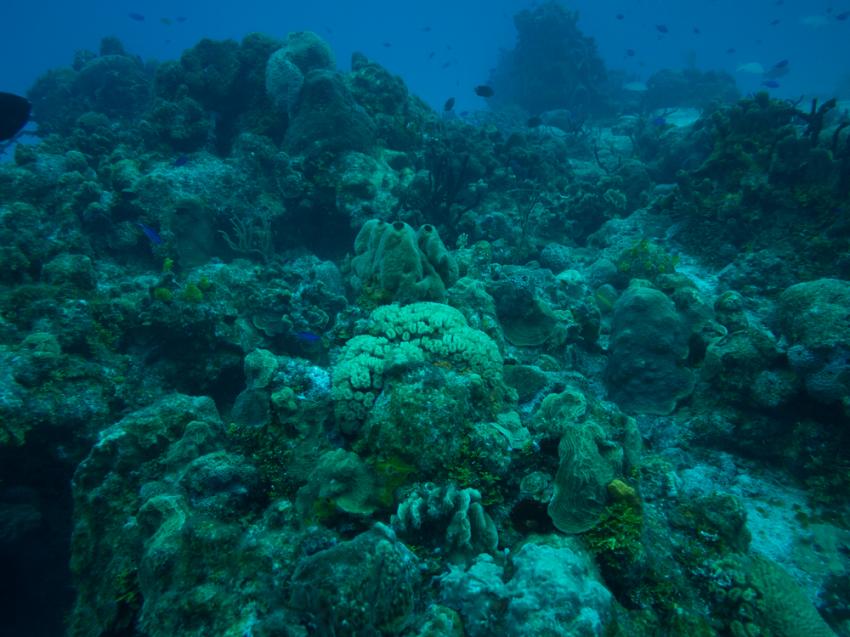
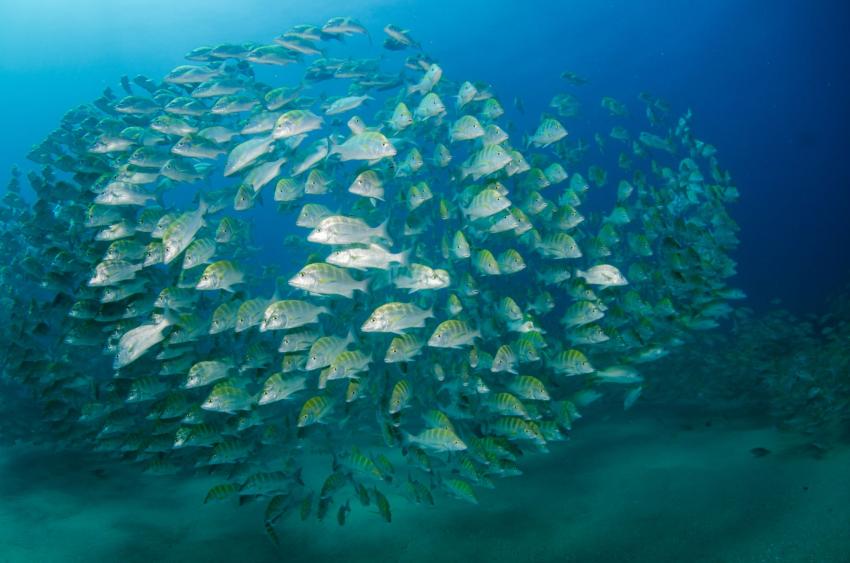
Mexico is home to some of the world's most exciting and diverse dive sites, and we want to highlight a few must-see destinations that you don't want to miss.
Socorro
A volcanic island in the Pacific Ocean, famous for its incredible underwater topography and large pelagic animals. Divers can explore steep walls, ridges, and seamounts while encountering giant manta rays, whale sharks, humpback whales, and even hammerhead sharks.
Roca Partida
A small, rocky island in the middle of the Pacific Ocean, known for its crystal-clear water and abundant marine life. Divers can explore underwater pinnacles and rock formations, encountering schools of tuna, jacks, and snappers, as well as the occasional hammerhead or tiger shark.
San Benedicto
Another volcanic island in the Pacific Ocean, located near Socorro Island. Divers can explore steep walls, canyons, and underwater caves while encountering giant mantas, hammerhead sharks, and even dolphins.
La Reina
It is a seamount located off the coast of Baja California, famous for its abundant marine life and diverse underwater topography. Divers can explore steep walls, ridges, and underwater canyons while encountering schools of fish, sea lions, and even whale sharks.
Las Animas
It is a small, uninhabited island off the coast of Baja California, known for its colourful reefs and abundant marine life. Divers can explore shallow coral gardens, encountering schools of tropical fish, octopuses, and even sea turtles.
Punta Martir
A remote dive site located in the Sea of Cortez, known for its crystal-clear water and abundant marine life. Divers can explore steep walls and underwater pinnacles, encountering schools of snappers, jacks, and even the occasional hammerhead or whale shark
When To Go Diving in Mexico
Mexico is a year-round destination for diving, but the best time for a liveaboard diving trip depends on the region you plan to visit. The Sea of Cortez has warm waters and the best visibility from June to November, making it a popular time to dive. During this period, the water temperature ranges from 80-85°F (27-29°C), and currents are generally mild. On the other hand, the Socorro Islands have cooler waters and the best visibility from November to May, making it the ideal time to visit. The water temperature ranges from 70-75°F (21-24°C) during this period, with stronger currents experienced in some areas.
It's important to note that diving conditions can vary depending on the location and weather patterns. Therefore, it's essential to check the diving conditions before embarking on a liveaboard trip. It's also important to ensure that you have the appropriate wetsuit and other diving equipment to ensure your safety and comfort in the water
Frequently Asked Questions About Mexico
Do I need a minimum number of dives to join a Mexico liveaboard?
The diving experience required for a liveaboard diving trip in Mexico can vary depending on the specific dive sites and conditions. Some sites, such as the Socorro Islands, can have strong currents and deeper depths, which may require more advanced diving skills and experience.
In general, it is recommended that divers have a minimum of Open Water certification and have experience with drift diving, as this is common in many areas of Mexico. It's also recommended to have experience with diving in deeper waters and managing your buoyancy.
It's important to be honest about your experience level and comfort in the water when booking a liveaboard diving trip, as some trips may have more challenging diving conditions than others. Additionally, some liveaboard operators may require a certain level of certification or a minimum number of logged dives to participate in their trips. Always check with the operator for their specific requirements and recommendations before booking a trip
How long are typical trips on Mexico liveaboards in the Sea of Cortez or Socorro Islands?
Mexico liveaboards offer itineraries as diverse as the marine life you’ll encounter. In the Sea of Cortez - a biodiversity hotspot tucked between the Baja California Peninsula and mainland Mexico - trips range from 7 to 12 nights. Shorter itineraries typically explore the North and Midriff Islands, where sea lions swirl playfully around divers and humpbacks breach on the horizon. These journeys usually last 7 nights.
Longer expeditions (up to 12 nights) span the full stretch of the Sea of Cortez, offering the chance to dive across the nutrient-rich Midriff region and into the southern waters, famed for mobula rays, dolphins, and occasional whale sharks.
For a mix of both worlds, consider a 10-night adventure that combines the southern Sea of Cortez with the Revillagigedo Archipelago - home to Socorro, San Benedicto, and Roca Partida. This hybrid itinerary offers everything from coral reefs to volcanic drop-offs teeming with pelagic life
What are the water temperatures and visibility like in Mexico dive sites?
The water temperature in Mexico can vary depending on the region and time of year. In general, the water temperature ranges from around 21-29°C (70-85°F) throughout the year.
In the Sea of Cortez, the water temperature tends to be warmer and ranges from around 24-29°C (75-85°F) from May to November, while in the winter months, it can drop to around 65-70°F (18-21°C). On the other hand, the water around the Socorro Islands tends to be cooler, ranging from around 21-26°C (70-78°F) in the winter months from November to April, and around 26-28°C (78-82°F) from May to October.
It's important to bring the appropriate wetsuit to ensure you stay warm and comfortable while diving. A full wetsuit is recommended for most diving in Mexico. In the cooler months, a 5mm or 7mm wetsuit with a hood may be necessary, while in the warmer months, a 3mm or 5mm wetsuit may be sufficient. It's also important to consider any additional layers, such as a rash guard or dive skin, to protect against the sun and provide extra warmth. Be sure to check with your dive operator for their specific recommendations based on the time of year and diving conditions
Do I need dive insurance to join a Mexico liveaboard diving trip?
Absolutely. Dive insurance isn’t just a checkbox - it’s a safeguard for your underwater adventures. While the community around diving liveaboards in Mexico operates with strict safety protocols, nature and physics sometimes chart their own course. Whether you're gliding alongside giant Pacific mantas or exploring the volcanic arches of Socorro, there’s always a chance of encountering issues like decompression sickness or barotrauma.
Specialized scuba insurance ensures rapid response in case of emergencies and covers treatments like recompression therapy or emergency evacuation
Mexico Diving Reviews
Tips for travelers
Tourist Visas
Many nationalities do not require a visa to enter Mexico for tourism, but all visitors must obtain a Tourist Card (Forma Migratoria Múltiple), which can be completed in advance or upon arrival. Even if you’re exempt from a visa, immigration officers may request supporting documentation such as proof of accommodation, return tickets, or financial means during entry.
Visitor Health
There are no mandatory vaccines for entry into Mexico, but health authorities such as the CDC recommend several immunizations, especially for extended travel or visits to rural areas. It’s wise to consult a doctor before departure to confirm which vaccinations may be appropriate based on your itinerary. Basic health supplies and travel insurance that includes diving coverage are strongly recommended.
Tourist Security and Safety
Mexico’s safety landscape varies from region to region. Most dive-related destinations and established tourist zones are secure and well-patrolled, but visitors should exercise caution, especially when traveling outside populated areas. Avoid carrying large sums of money, keep valuables out of sight, and be mindful of your belongings even in hotel lobbies or other seemingly secure areas. Staying within well-traveled zones is generally the safest option.
Mexican Time Zone
Mexico spans more than one time zone. Most of the country, from Baja California to Veracruz, uses UTC−7 (based on 105°W), while the southeastern states, including Quintana Roo and Yucatán, observe UTC−6 (based on 90°W). Travelers should confirm local time when planning internal flights, transfers, or liveaboard departures.
Electricity
The electrical standard in Mexico is 127 volts at 60 Hz, which is compatible with plugs from the United States and Canada. Travelers from other regions should pack a plug adaptor and possibly a voltage converter, especially for high-sensitivity electronics.
Communications
Spanish is the official language and is spoken throughout the country. While English is commonly used in tourist areas, hotels, and onboard liveaboards, it’s far less prevalent in rural towns and non-tourist districts. Guides and staff involved in diving tourism generally speak functional English, but learning a few Spanish phrases can greatly enhance your experience and interactions.
Codes of Behavior
Mexican social customs emphasize politeness and warmth. A respectful tone and calm demeanor are valued, particularly when handling misunderstandings. Personal space is often smaller than in some cultures, with gestures like handshakes, back pats, and cheek kisses forming part of everyday greetings. Once rapport is established, men often greet with an abrazo - a hug combined with back-slapping - while women may kiss each other on the cheek