Sea of Cortez Liveaboard Diving
60% of divers returns to us
Best Sea of Cortez Liveaboards
Sea of Cortez Liveaboard Deals
Handpicked Sea of Cortez Liveaboard Collections



Scuba Diving in Sea of Cortez
Breathtaking Underwater Landscape.
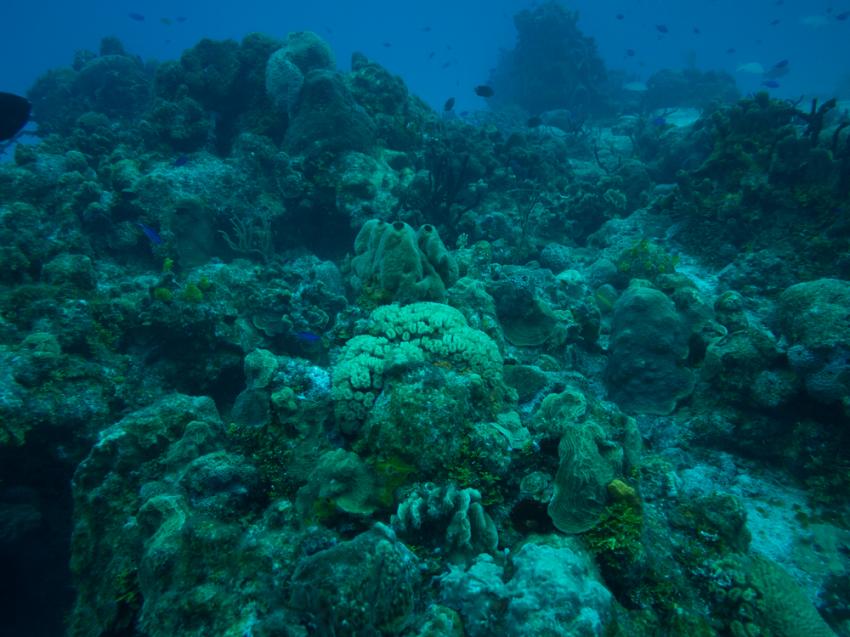
The topography alone is worth the journey. From the dramatic drop-offs near the Midriff Islands to the sculpted arches and current-swept canyons of La Reina and Las Animas, this underwater world is layered with colour and texture. Giant kelp forests sway between rocky pinnacles, while gorgonian fans and vivid sponges cling to walls alive with movement. Whether drifting along sunlit ridges or ducking through caverns in search of octopus and moray eels, divers find endless fascination in the smallest corners. Watch for sea horses, nudibranchs, Panamic porkfish, and the flashes of blennies and damselfish darting through cracks in the reef.
Variety of Marine Species
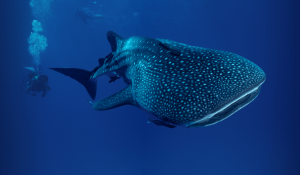
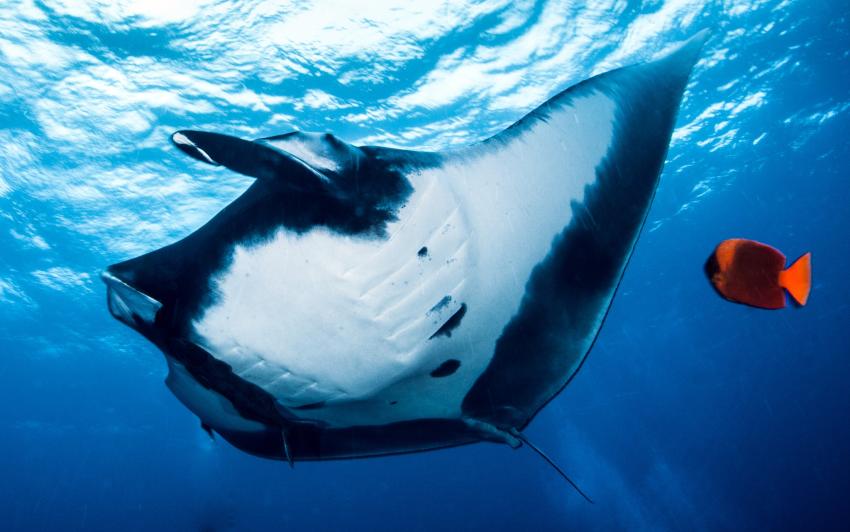
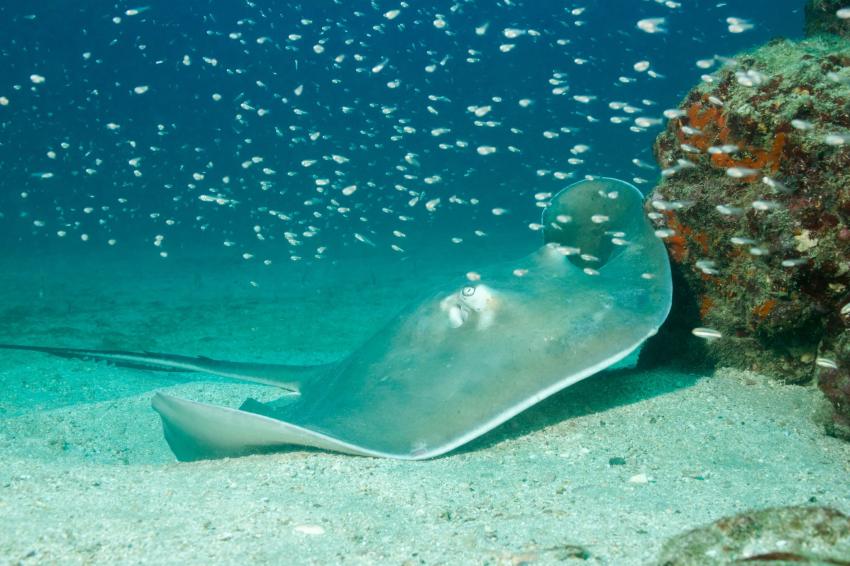
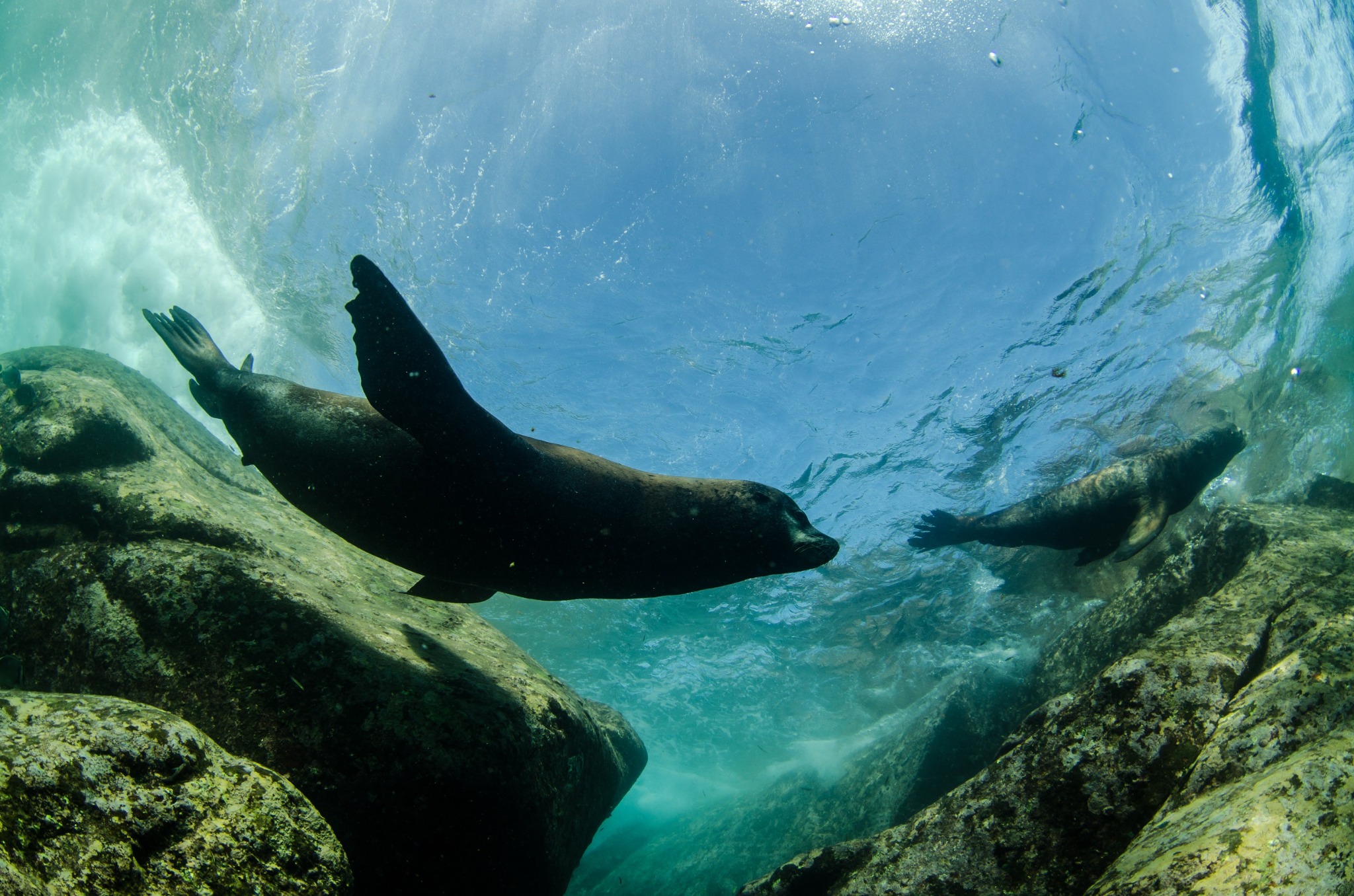
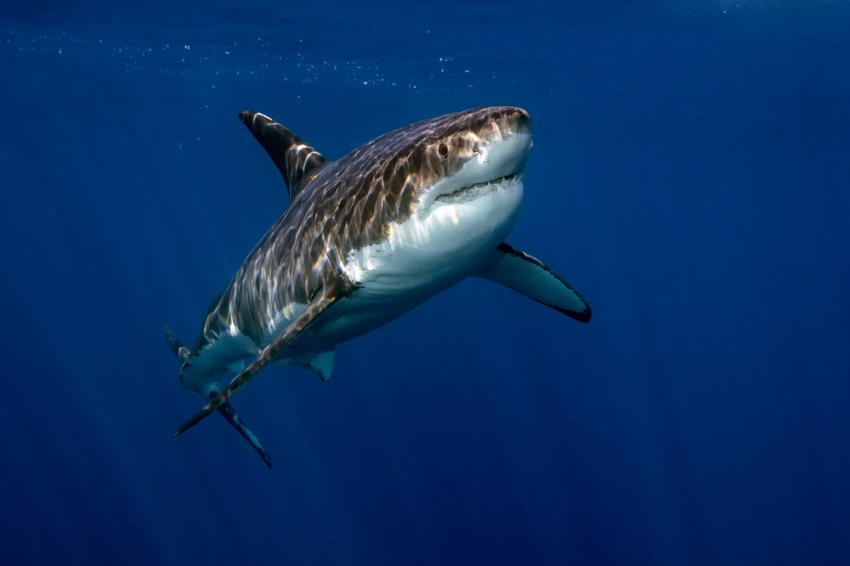
Above all, the Sea of Cortez is about abundance. During the summer months, massive schools of mobula rays sweep through the southern sea in squadrons that number in the tens of thousands. Hammerhead sharks begin to arrive in May and can be spotted into the early winter, while sperm whales, pilot whales, and even orcas join the cast of characters migrating through the Pacific Ocean corridor. Whale sharks, both juveniles and pregnant adults, appear seasonally near Bahía de Los Ángeles, feeding on plankton-rich blooms. Dolphins travel in huge pods, while bull sharks and manta rays make appearances around the more remote island sites. Throughout the year, playful sea lions steal the spotlight, especially at sites like Los Islotes near La Paz.
Diverse Range of Diving Opportunities
Scuba diving the Sea of Cortez is as versatile as it is vibrant. From shallow coral gardens to deep pelagic sites, the options suit all dive experience levels. While day trips are available from shore in places like San José del Cabo and La Paz, the most rewarding encounters await those who board a Sea of Cortez diving liveaboard.
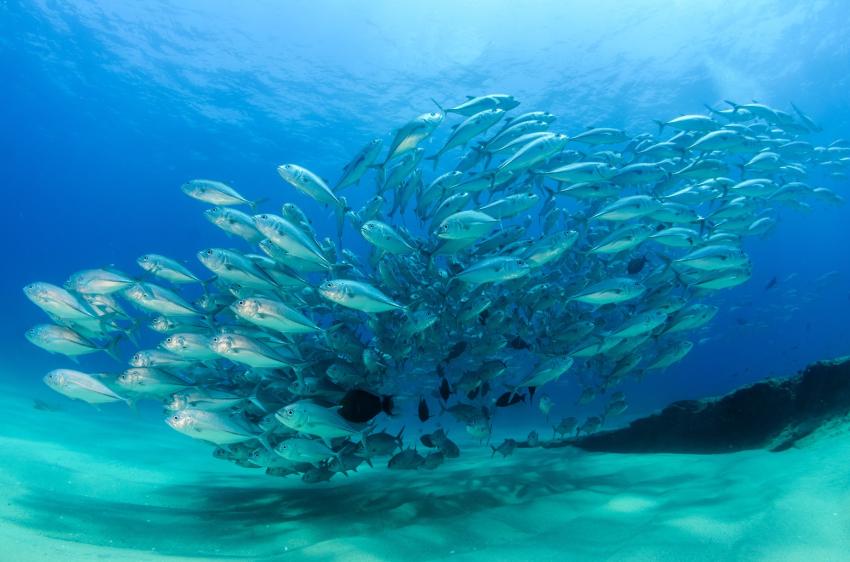
One moment you’re surrounded by a swirling tornado of jacks at El Lavadero, the next you’re face to face with a hammerhead at Los Animas or gliding past reef fish at Punta Martir. There are chances to encounter gobies, turtles, manta rays, and, if the season is right, blue whales. Some liveaboard adventures even combine scuba with snorkelling, kayaking, or paddleboarding, creating a true ocean safari that extends beyond the dive deckMust See Sea of Cortez Dive Sites
La Reina
This remote island site is known for pelagic action and its underwater architecture, pinnacles, canyons, and walls populated by schooling fish and passing mantas. Visibility can be exceptional, particularly from July to December, and occasional sightings of giant manta rays and whale sharks elevate this site to a must-visit status.Las Animas
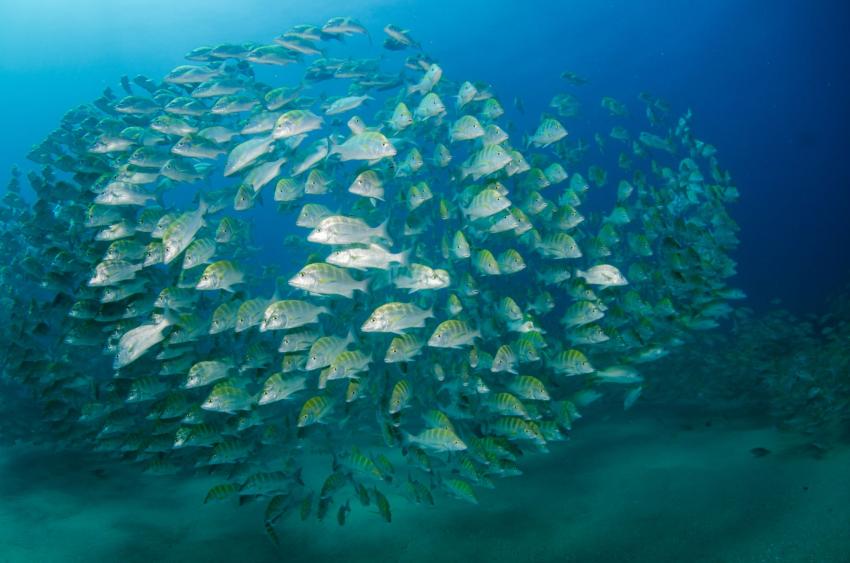
A firm favourite for those who charter dive boats in the Sea of Cortez, Las Animas offers rich biodiversity and striking formations. Here, the namesake “washing machine of lost souls” delivers jarring currents, thick schools of jacks, and regular visits from hammerhead sharks and tunas. The site’s shelves and caverns hide sea horses, horn sharks, and giant jawfish, perfect for divers who love exploration.Punta Martir
Reserved for more experienced divers, this current-exposed site is home to steep walls and large marine life. Swarms of hammerheads and rays pass through, while sea turtles cruise the drop-offs. The surrounding area is also a haven for seabirds, and a dive here often begins with the surreal sight of hundreds of boobies perched above, watching from their guano-covered outcropLiveaboard Ports of Departure and How to Get There
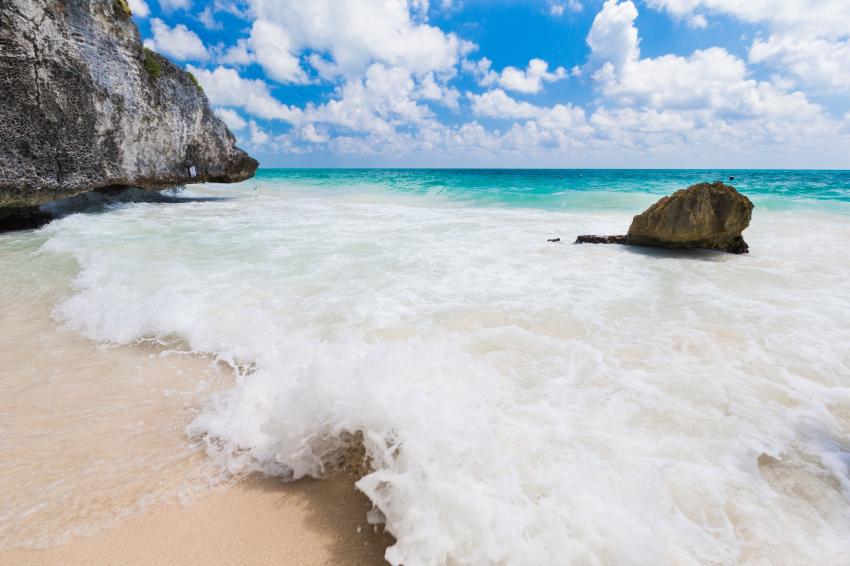
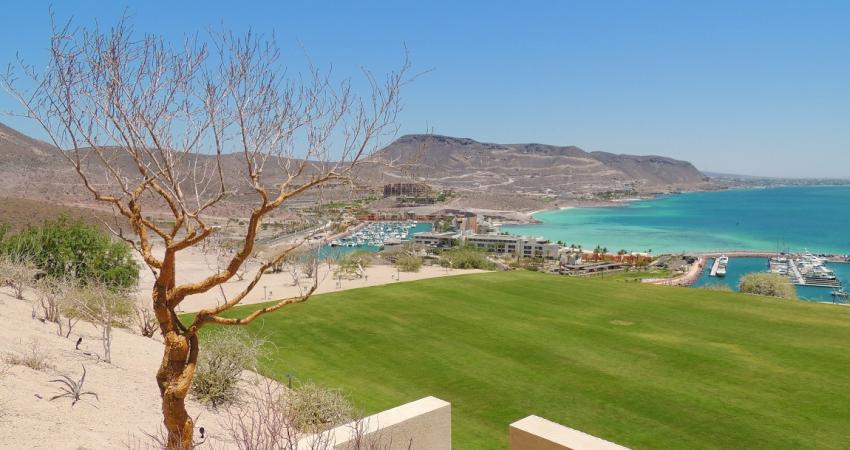
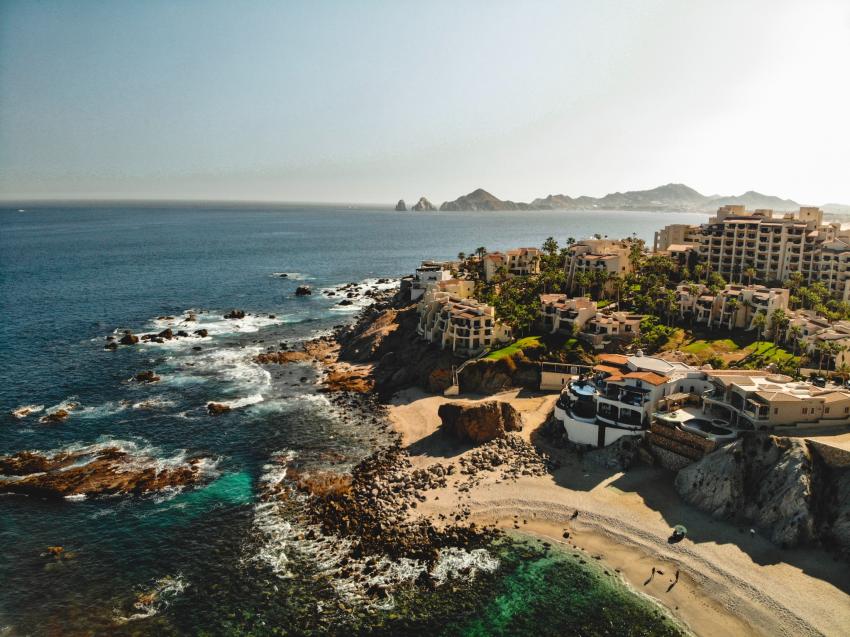
Most Sea of Cortez liveaboard boats begin their journey from Cabo San Lucas, La Paz, or Puerto Peñasco, depending on the itinerary and region. To ease into your liveaboard adventure without rushing, it’s strongly recommended to arrive at your port of departure at least a day in advance. Not only does this give you time to settle in and prepare, but it also adds a layer of flexibility in case of travel delays. The same principle applies when disembarking—building in a buffer day before flying home can make the end of your trip just as relaxed as the start. If arriving on the day of departure is unavoidable, aim for a morning landing and plan to fly out the day after your return, ideally in the late afternoon or evening. This approach allows for a more comfortable transition both before and after your time at sea
When To Go Diving in Sea of Cortez
Diving in the Sea of Cortez is part of Pacific liveaboard diving trips, which offer varying conditions depending on the season. The Sea of Cortez liveaboard diving season typically runs from July to November, though diving is possible year-round in some areas. Summer and autumn bring the warmest waters (up to 27°C or 80.6°F), excellent visibility, and peak access to remote sites via liveaboard Sea of Cortez routes. This is the best time to dive Sea of Cortez liveaboard style, whether to see whale sharks up close or encounter schooling scalloped hammerheads.
Between May and July, the ocean comes alive with the great mobula ray migration, and orcas are known to make appearances. August and September offer the best chance to interact with juvenile sea lions, while whale sightings, including blue and humpback whales, peak in the winter months of January to March. Gray whales and sperm whales are most often seen during this period, and though water temperatures can drop to 19°C (66°F), the pelagic action is unmatched
Frequently Asked Questions About Sea of Cortez
What makes the Sea of Cortez a unique and world-class diving destination?
Los Islotes is often the crown jewel for those aboard Sea of Cortez liveaboards. Here, playful sea lions steal the show, adorable pups nibble on fins, juveniles chase bubbles, and graceful adults swirl around divers in a blur of underwater agility. Add in dense shoals of sardines, Mexican barracuda, macro life, and the brilliant flashes of king angelfish, and this stretch of ocean becomes an unforgettable experience for divers, snorkellers, and photographers alike
Are there opportunities for snorkelling or other water activities on Sea of Cortez liveaboards?
How do liveaboards in the Sea of Cortez compare to land-based dive resorts in terms of convenience and experience?
While resort-based diving adds comforts like beaches, pools, and restaurants, liveaboards provide a more immersive liveaboard adventure, think early morning dives with huge schools of jacks, night dives among reef fish, and sunsets spent scanning the horizon for blue whales. If you're travelling with non-divers, resorts offer additional activities like kayaking and snorkelling, but liveaboards still include sun decks and excellent whale-watching opportunities for those who prefer to stay topside
What factors should I consider when choosing a liveaboard for a diving trip in the Sea of Cortez?
First, consider where your journey begins. Most Sea of Cortez dive liveaboard itineraries depart from Cabo San Lucas in the south or Puerto Peñasco in the north. The southern Sea tends to offer warmer water and encounters with pelagics like bull sharks and manta rays, while the northern region, including the Midriff Islands, is wilder and more rugged, with nutrient-rich upwellings and frequent whale activity.
Because the area isn’t saturated with operators, it’s common to have entire dive sites to yourself. That solitude far from “diver soup” scenarios is one of the best features of Sea of Cortez liveaboard boats. And for underwater photographers, it’s worth noting that bringing high-end camera housings into Mexico may be subject to import taxes, so it’s a good idea to check customs guidelines before your trip
Are there any unique or special diving experiences offered in the Sea of Cortez, such as encounters with whale sharks or night dives?
And yes, night dives are part of the journey too. Some sites, like Las Animas and El Lavadero, come alive after dark with reef fish and macro life, making them favourites for those seeking more than just the big stuff
What does a typical Sea of Cortez liveaboard itinerary look like?
On a typical Sea of Cortez liveaboard diving itinerary, expect to visit multiple remote island sites, enjoy up to four dives per day, and spend evenings relaxing under starlit skies. Some days may include beach walks, snorkelling, or even kayaking. But the real focus is the underwater world, whether that’s being enveloped by swirling schools of fish species, floating alongside a curious sea lion, or drifting through the blue with whale sharks. Every trip is different, and that unpredictability is what makes a Cortez liveaboard sea voyage so thrilling
Sea of Cortez Diving Reviews
Tips for travelers
Getting There: Transportation and Embarkation Ports
The starting point of your Sea of Cortez liveaboard adventure depends on your chosen itinerary. Most trips depart from Cabo San Lucas, La Paz, or Puerto Peñasco. Travellers heading to southern departures often fly into Los Cabos International Airport (SJD), which offers convenient non-stop connections from many North American cities. La Paz (LAP) is another viable gateway, especially for those planning to extend their stay and soak up the quiet charm of Baja before boarding.For voyages beginning in the northern Sea of Cortez, Puerto Peñasco serves as the launch point. This port town is roughly a four-hour drive from Phoenix, Arizona, with the border crossing about an hour before you reach the marina. Most guests flying from the United States arrive at Phoenix Sky Harbor (PHX), with shuttle services available directly from the airport to the port.
If your cruise embarks from Marina Puerto Los Cabos in San José del Cabo, the airport is just 25 minutes away. Upon arrival, guests can easily book a taxi in the arrivals hall, simply follow the signage to the TAXI counter and pay on the spot by card or cash. Regardless of where you begin, it's wise to arrive at least one day before embarkation and to book your return flight for the day after disembarkation. This buffer not only allows time to unwind but ensures your ocean safari begins and ends stress-free.
Where to Stay: Hotels and Dive Resorts
Several hotels are located near the marinas used by Sea of Cortez liveaboard boats, and your vessel operator can often recommend accommodations that pair well with your itinerary. Some mexican liveaboards may even offer small discounts at select partner hotels. Whether you prefer boutique charm or resort comfort, options are available in all the key departure points, La Paz, Cabo San Lucas, and San José del CaboWhat to Budget For: Park Fees and Extras
Costs can vary depending on your selected vessel, but certain fees are consistent across the board. National park entry fees are government-regulated and required for all guests. In addition, you may encounter extra charges for nitrox fills, equipment rentals, high-speed internet, bar tabs, or crew gratuities. Transfers between the airport and marina are typically not included, so it's worth confirming details in advance. Booking early and reviewing what’s included helps avoid surprises and allows you to focus on the divingWhat to Pack: Essentials for the Sea of Cortez
Travelling light is easy, especially if you plan to rent gear onboard, but a few essentials are worth bringing. The desert climate can be intensely hot during the day with cooler nights, so light summer clothing plus an extra layer for the evening is ideal. Sunscreen, preferably reef-safe, is a must, though it’s often provided onboard along with towels, linens, and basic toiletries.For diving, exposure protection is key. A 3mm wetsuit typically works well for September, with the addition of a hooded vest in October when waters start to cool. Gloves are permitted and useful, and a light hood is recommended for night dives where krill density can be high. Rash guards are ideal for sun protection during snorkelling, especially when swimming with whale sharks. A dive light enhances visibility on deeper dives and brings out the full colour of reef fish and coral formations. The vibe onboard is casual—don’t forget your sunglasses, hat, and a sense of adventure