Philippines Liveaboard Diving
60% of divers returns to us
Best Philippines Liveaboards
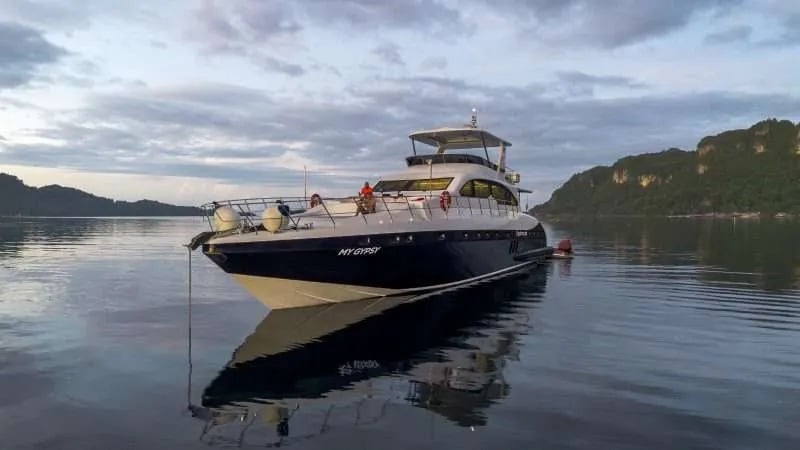 Gypsyfrom
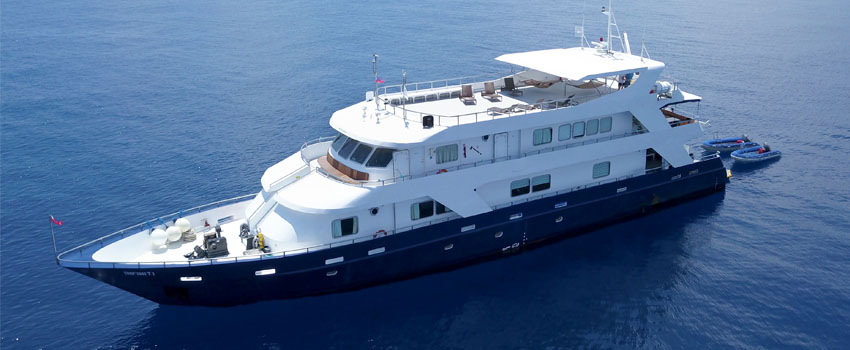 Infinitifrom
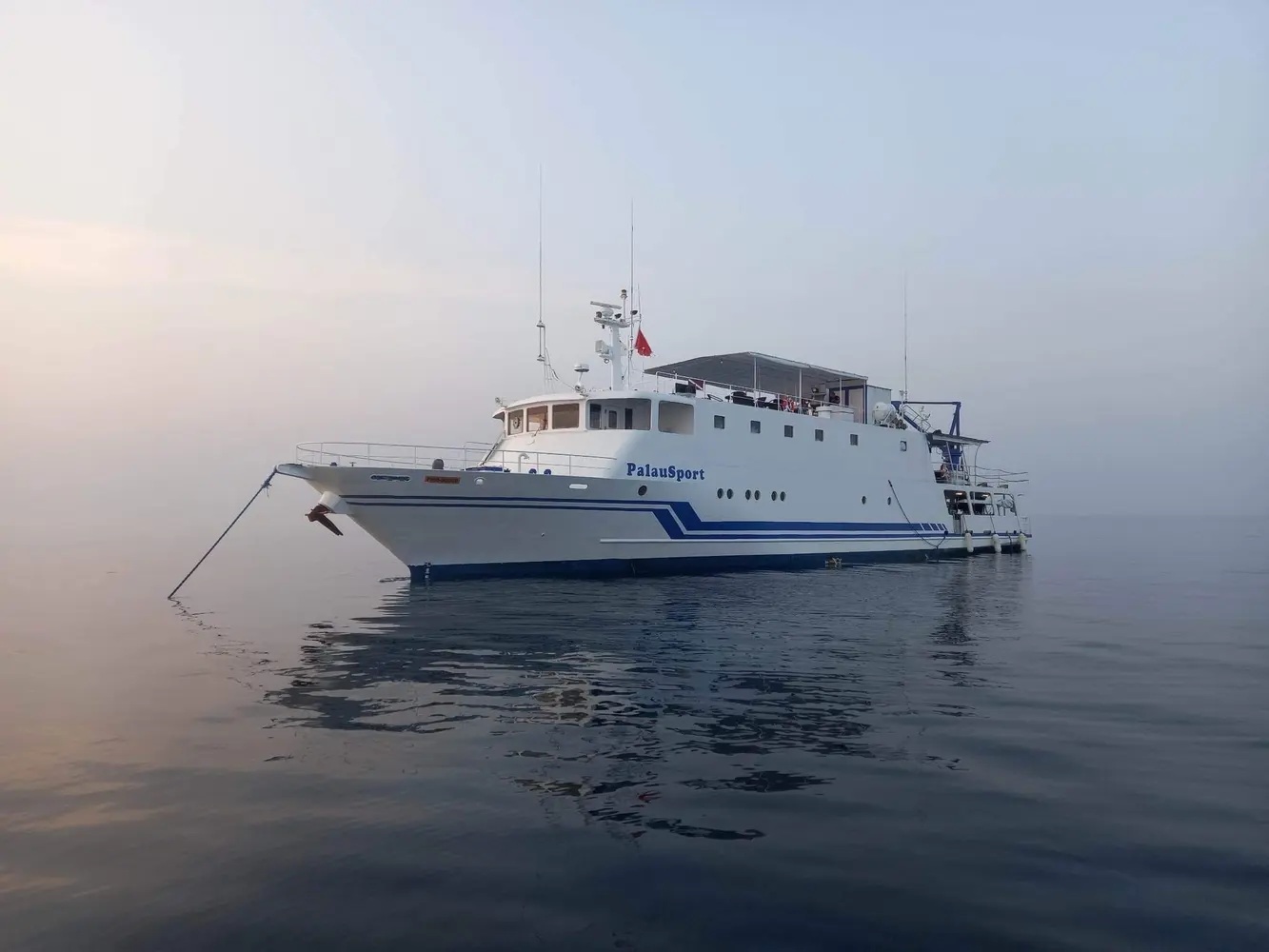 Palau Sportfrom
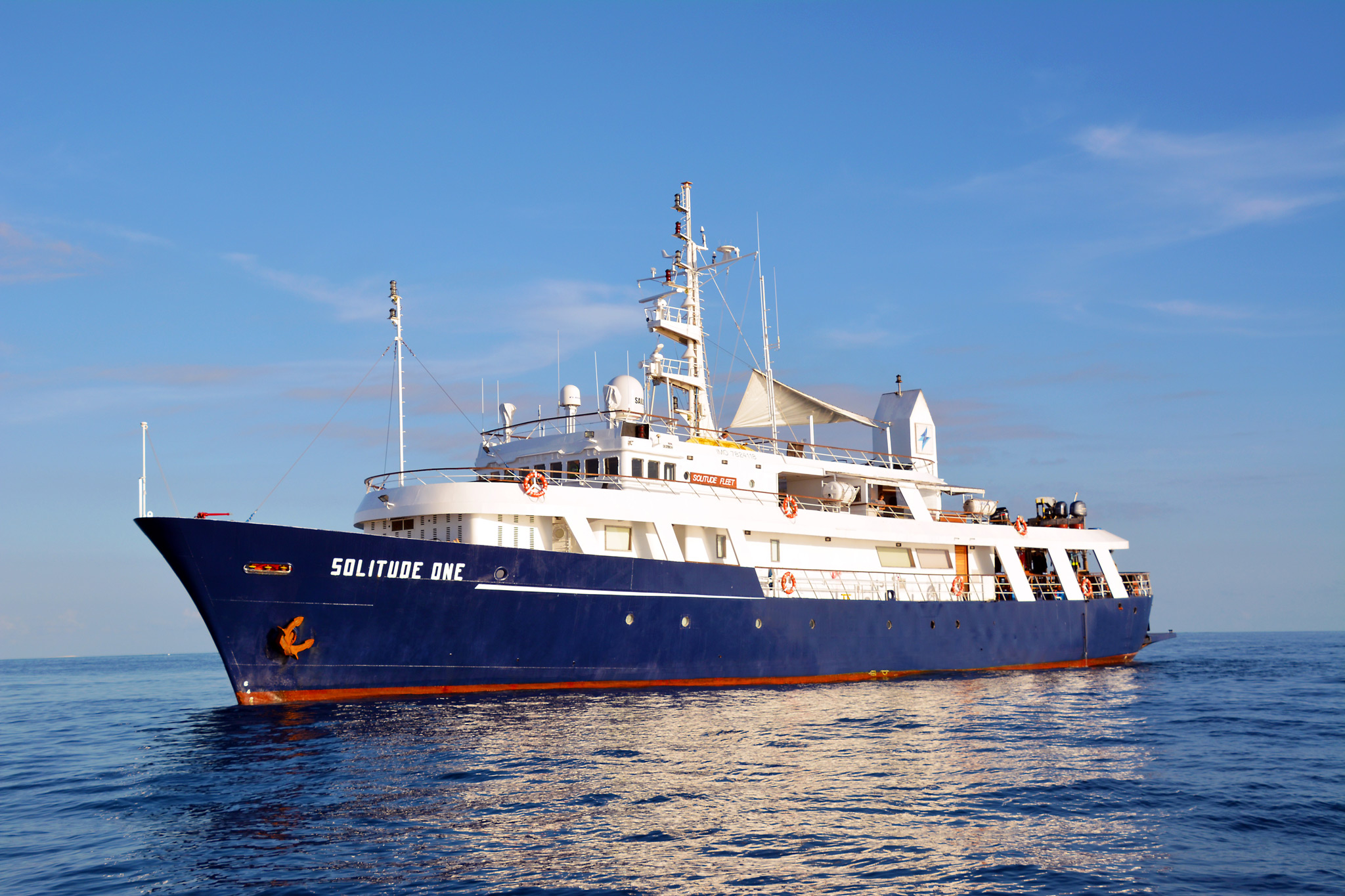 Solitude Onefrom
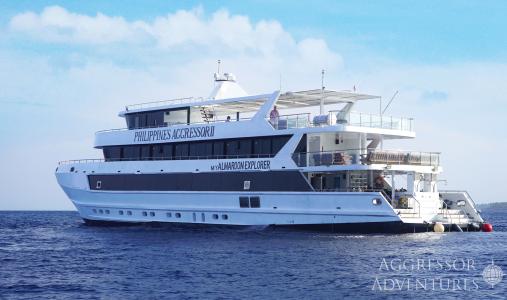
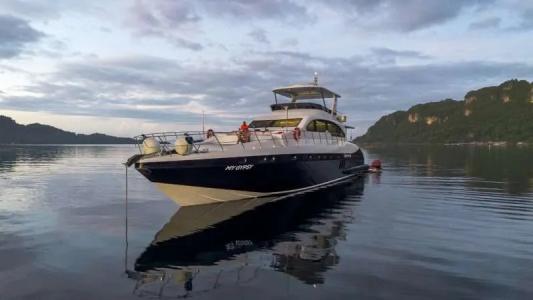
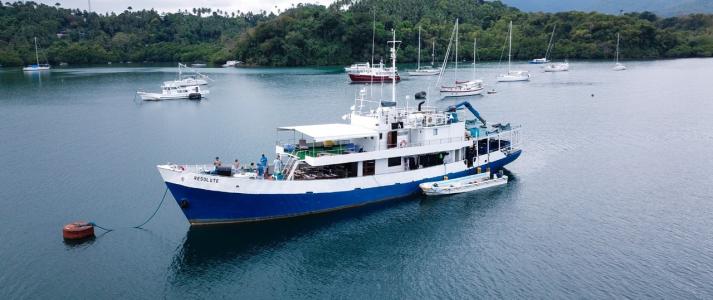
Handpicked Philippines Selections
Liveaboard Diving in Philippines
Vibrant Coral Reefs
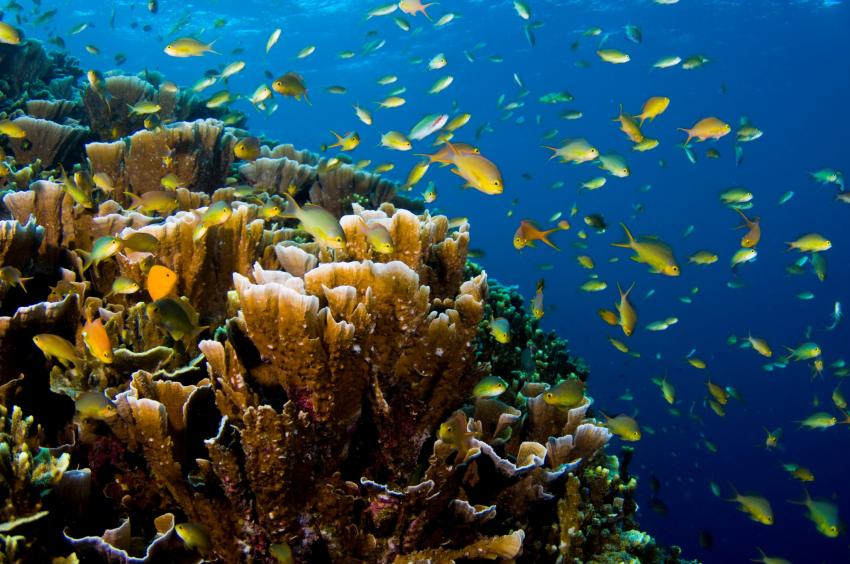
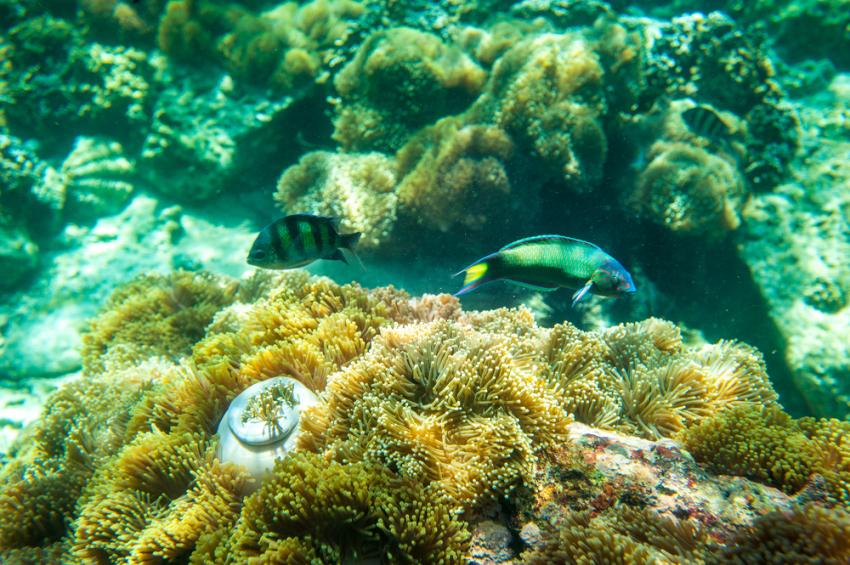
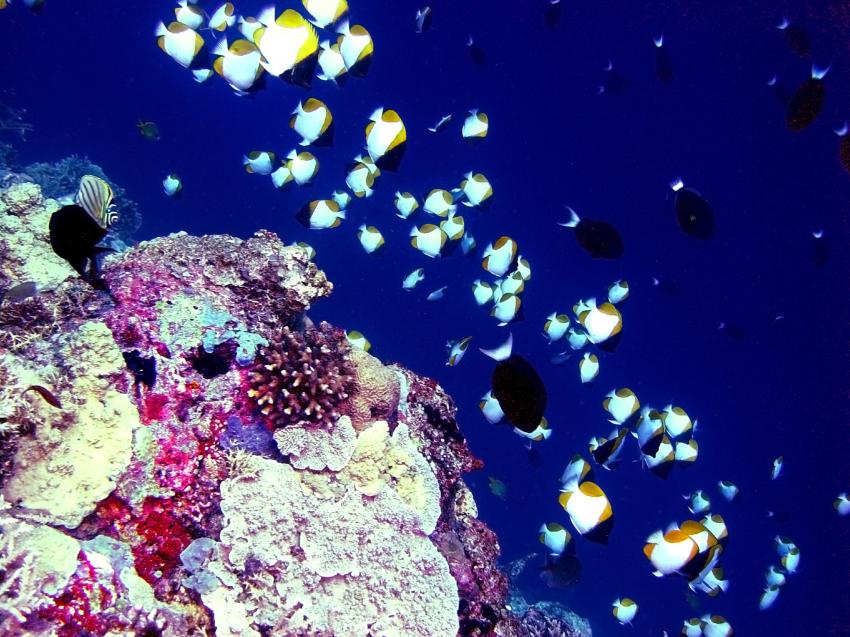
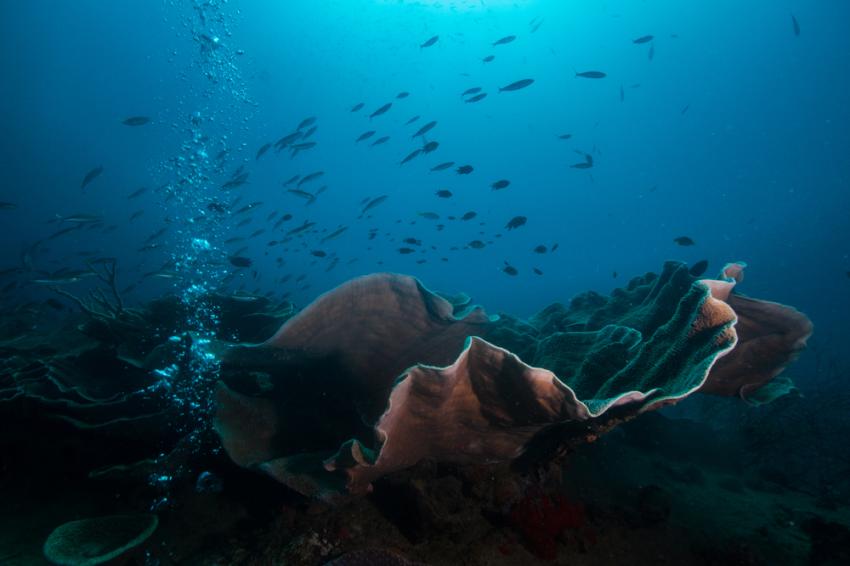
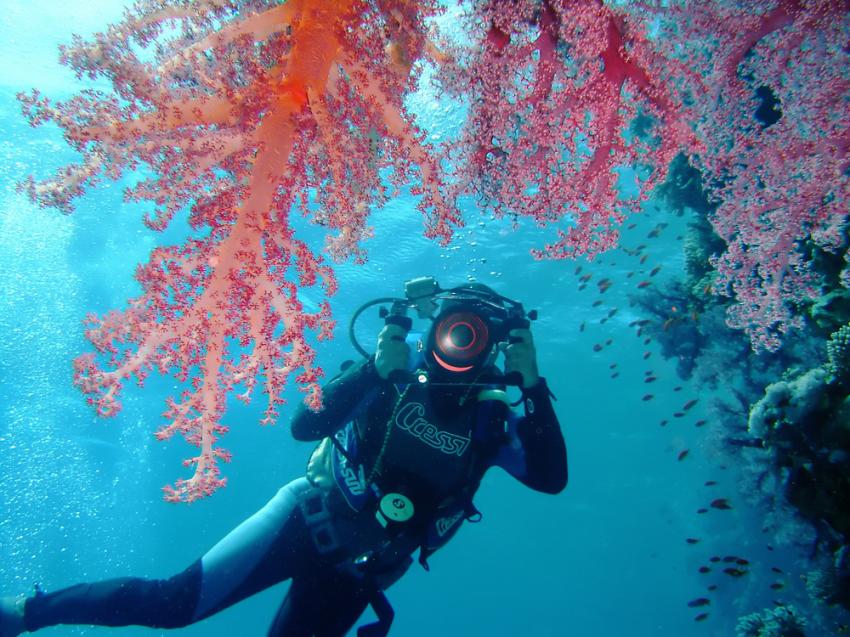
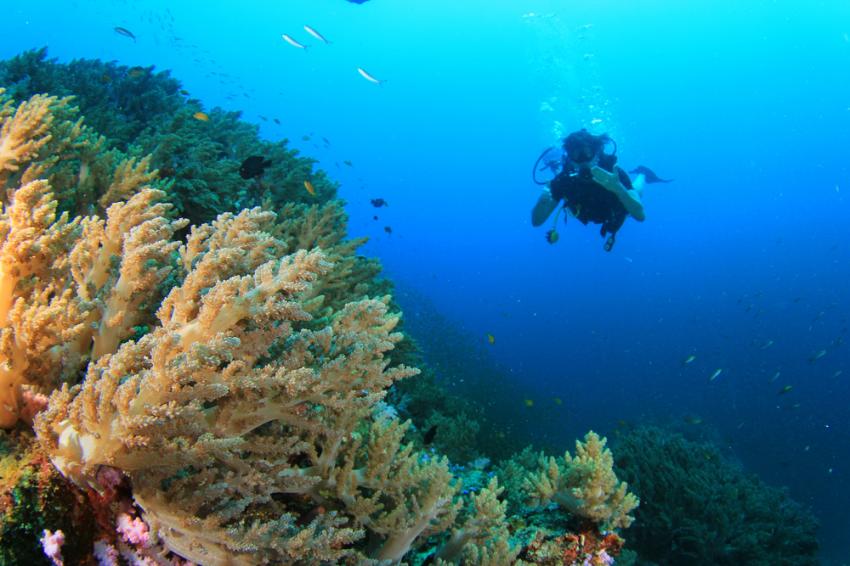
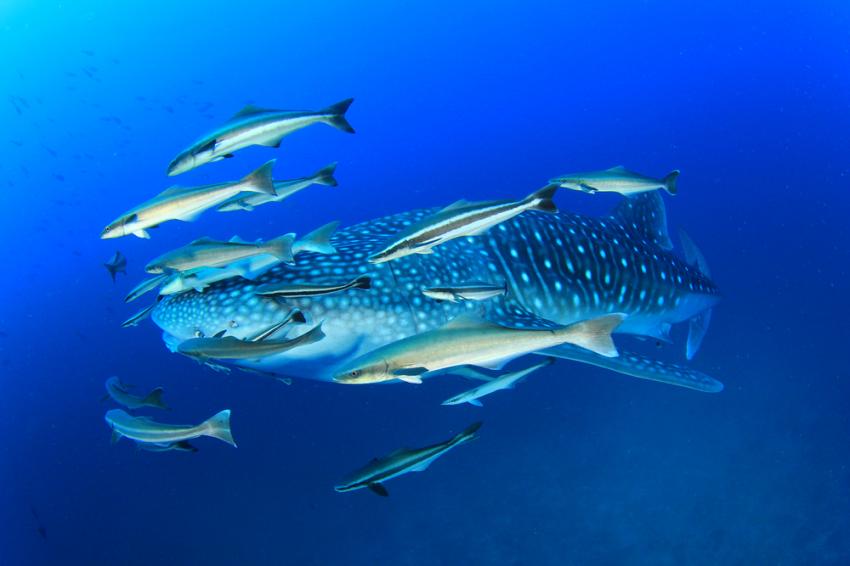
The Philippines is at the heart of the Coral Triangle, where pristine coral gardens and vibrant coral reefs flourish among its many islands. Regions like Visayas and Tubbataha Reef are celebrated for dense coral cover, flourishing reef fish, and diverse marine life. In places such as Sumilon and Balicasag, superb dive sites showcase massive schools of tropical fish, playful reef sharks, and healthy soft corals and hard corals alike. Philippines liveaboards often include these reef-rich areas in their itineraries so divers can drift over canyons, garden reefs, and walls searching for macro creatures, rays, and even whale sharks.
Historic Wrecks
For those drawn to submerged stories, shipwrecks around Coron or the Malayan Wreck in Tubbataha offer hauntingly beautiful underwater structure. These wrecks, now encrusted with coral and inhabited by reef fish, provide contrasts to the open water and pelagic action. They transform into artificial reefs where soft corals, morays, and occasionally reef sharks take shelter.
UNESCO World Heritage
Tubbataha Reefs Natural Park is a designated UNESCO World Heritage site. It can be accessed only via liveaboard dive trips in Philippines during its limited season. This protection helps sustain its reputation as one of the best dive sites in the Philippines, with remarkable biodiversity - requiring careful booking and respect for regulations.
Top Places to Dive in Philippines
Tubbataha National Park
In the remote Sulu Sea, Tubbataha National Park is a UNESCO World Heritage Site that has become a rite of passage for serious divers. The park’s atolls rise from the deep, their walls dropping into blue water alive with pelagic species. At the iconic Tubbataha dive sites, schools of barracuda and jacks swirl against a backdrop of pristine coral gardens, while reef sharks patrol the current. Encounters with manta rays, hammerheads, and even whale sharks are part of what makes this site one of the best scuba destinations in the Philippines.
Visayas
At the heart of the archipelago, the Visayas offer a remarkable diversity of underwater experiences. Coron is famous for its sunken warships, now transformed into living reefs, making it a top destination for wreck diving. Nearby, Cebu is a hub for travellers, with easy access to spectacular reefs, drift dives, and the sardine runs of Moalboal. These central islands combine accessibility with variety, ensuring every diver, from macro hunter to pelagic enthusiast, finds their ideal adventure.
Malapascua
North of Cebu, Malapascua Island is synonymous with thresher sharks. Early-morning dives to Kimud Shoal deliver reliable sightings of these elegant predators, their long tails cutting through the blue. The island also offers vibrant reefs, macro critters, and access to day trips around the Visayas, but it’s the thresher encounters that make Malapascua one of the most unique diving destinations in the world.
Bohol
The reefs of Bohol reveal an underwater world rich in colour and life. Off Panglao Island, sites like Balicasag are renowned for their steep walls covered in coral, frequented by sea turtles, reef fish, and swirling schools of jackfish. Anda, on the island’s eastern side, adds variety with macro diving, caves, and dramatic drop-offs. Together, these sites make Bohol one of the Philippines’ most rewarding destinations for divers of all levels.
Apo Reef
Located off Mindoro, Apo Reef is the second-largest contiguous coral reef in the world after Australia’s Great Barrier Reef. Its sheer walls, sweeping plateaus, and abundant marine life make it a diver’s sanctuary. Expect to see reef sharks, bumphead parrotfish, and huge schools of tropical fish while exploring its expansive coral gardens. With visibility that often stretches beyond 30 metres, Apo Reef offers a dazzling experience that stands alongside Tubbataha as one of the crown jewels of Philippine diving.
Leyte
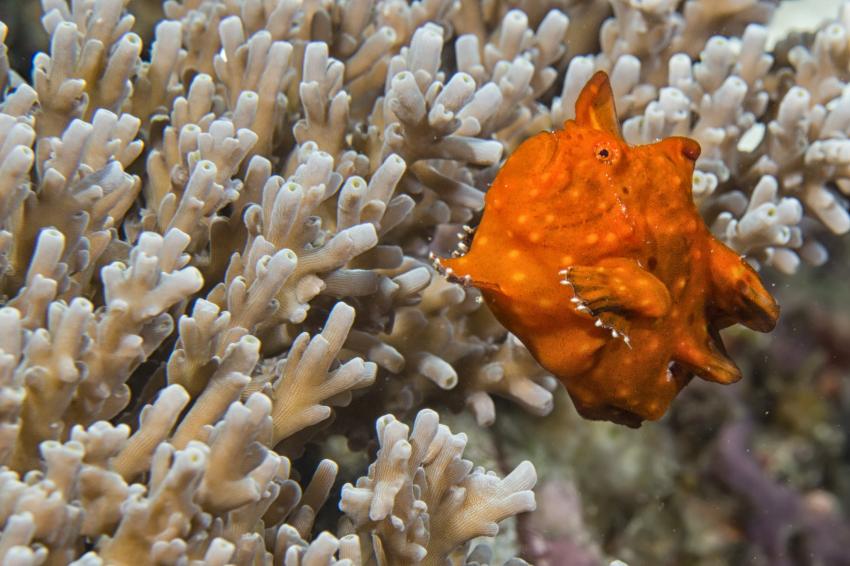
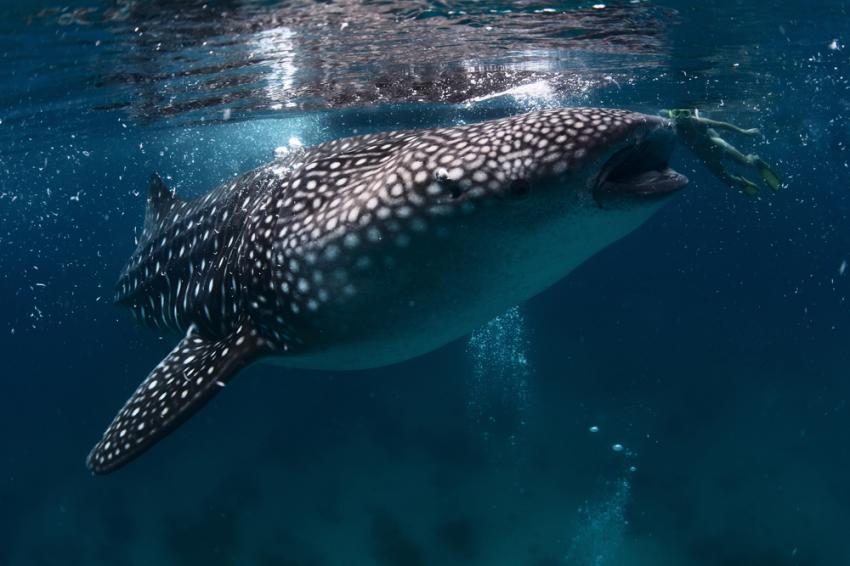
For divers who love close encounters with marine life in a quieter setting, Leyte is a haven. Southern Leyte is particularly known for whale shark sightings, with snorkelers and divers alike drawn to the seasonal gatherings of these gentle giants. Beyond megafauna, muck and macro diving flourish here, rewarding patient photographers with nudibranchs, frogfish, and ghost pipefish hiding among volcanic sand slopes.
Romblon
Still emerging on the international dive map, Romblon is quickly gaining recognition among enthusiasts. Crystal-clear waters reveal a mix of pristine reefs, small caves, and muck sites perfect for macro spotting. With fewer crowds than the more established regions, Romblon offers a sense of discovery, whether you’re chasing rare critters like Melibe nudibranchs or simply enjoying colourful coral gardens in peace
Must See Philippines Dive Sites
Moalboal
On the shores of Cebu, Moalboal is best known for its astonishing sardine run, where countless fish move in shimmering walls along the reef edge. The town is a gateway to reefs rich with reef fish and colourful corals, as well as a starting point for nearby island diving.
Sumilon
Sumilon Island lies to the south and is celebrated for its clarity of water and bright coral gardens. Its reefs are home to swirling schools of fish, occasional reef sharks, and a relaxed diving pace that appeals to many.
Apo Island
Apo Island, off Negros Oriental, is a pioneer of community-based conservation and one of the Philippines’ most famous scuba diving sites. Its slopes are alive with turtles, reef fish, and macro species darting through the corals, offering divers both large-scale spectacles and close-up encounters.
Tubbataha Reef
The heart of Tubbataha National Park, this reef system is the highlight of any liveaboard itinerary and one of the most celebrated dive sites in the Philippines. Rising from the depths of the Sulu Sea, Tubbataha Reef is a vast and varied underwater landscape where sheer walls drop into blue water alive with pelagics. Schools of jacks and barracuda move like silver clouds across the reef edge, while grey reef sharks, whitetips, and the occasional hammerhead patrol the currents.
Malayan Wreck
Within Tubbataha, the Malayan Wreck offers a different atmosphere, part history, part reef. Coral growth has transformed its remains into a haven for reef fish and moray eels, while sharks cruise by in the blue.
Jessie Beazley Reef
Jessie Beazley Reef rises steeply from the depths and reveals coral slopes covered in Porites and Acropora corals. Whitetip and blacktip reef sharks patrol the edges, while tuna and barracuda hunt above the reef.
Amos Rock
Amos Rock’s steep walls and coral-laden ledges make it a favourite among Tubbataha sites. Midnight snapper school in the current, while reef sharks and angelfish add colour and movement to every dive.
Shark Airport
Named for the sight of whitetip reef sharks resting in neat rows on the sand, Shark Airport is a striking reminder of the abundance here. Grey reef sharks, nurse sharks, and silky sharks are also common, alongside eagle rays gliding above the plateau.
Delsan Wreck
Another highlight within Tubbataha, the Delsan Wreck is now part of a thriving reef system. Divers drift past schools of reef fish, reef sharks, and even the occasional manta ray that visits the site.
Balicasag
Near Bohol, Balicasag offers lush coral gardens, calm diving, and encounters with turtles feeding on the reef. Schools of jackfish swirl around divers, creating a spectacle that makes it a top 10 dive site in the Philippines.
Oslob
Oslob has become known for whale sharks, which frequent the area and attract visitors from around the world. Combined with diving at nearby Sumilon, it provides a varied experience of both gentle giants and coral reefs.
Cabilao
Cabilao is part of the Visayas circuit and offers healthy reefs, reef sharks, and macro subjects. It’s a quieter option compared with some of the larger hubs, but equally rewarding.
Pescador Island
Pescador Island, just offshore from Moalboal, presents sheer walls and cavern-like formations filled with marine life. Its sardine schools, reef fish, and occasional pelagics make it a staple in any Philippines diving liveaboard itinerary.
Gato Island
Off Malapascua, Gato Island features dramatic rock formations, caverns, and white tip reef sharks resting under ledges. It combines adventure with a chance to explore habitats that differ from open-ocean dives.
Monad Shoal
Monad Shoal remains the only place in the world where thresher sharks are reliably seen by divers. At dawn, these elusive sharks rise from the deep for cleaning, joined at times by manta rays and other pelagic visitors
When To Go Diving in Philippines
Dive season in Philippines is year-round but the dry season from November to June brings the warmest water and the best visibility. Diving in the Philippines is possible year-round but the dry season starts in November and lasts till June bringing with it the best conditions for diving. There are three distinct seasons in the Philippines. December-March is known for its northeast monsoon (called Amihan) with strong winds. April-June are the summer months with dry, warm days and a little wind. July-November is the time for southwest monsoon (called Habagat) with wet and rainy weather but the water still remains warm. The average air temperature ranges between 25-32°C/78-90°F. The average water temperature stays between 23-30°C/73-86°F depending on the season. Visibility ranges between 5-45m/16-148ft depending on the season and wind conditions. Depths range from 5m/16ft to 40m/130ft. Currents are mostly mild but always present due to the tidal flow between the islands. In some areas, currents can be very strong.
Tubbataha National Park in the Sulu Sea is best visited between March and June, when the park is open for diving and the seas are calm. Visayas, a central region of the Philippines, offers several notable diving locations like Coron, Cebu, Malapascua, Bohol, and Leyte. Here, the dry season is also the preferred time for diving, although some sites like Malapascua are known for thresher shark sightings year-round. Bohol, also part of the Visayas, offers excellent diving conditions from December to May, featuring famous spots like Balicasag Island. Leyte, another Visayas destination, is great for macro diving and is best visited between April and June. Romblon is another gem for macro photographers, and its diving season aligns with the dry months of November to May. Apo Reef, separate from Apo Island, is a magnificent atoll reef and is best visited during the dry season as well, especially from December to May, when visibility is at its peak
Frequently Asked Questions About Philippines
What is the diving capital of the Philippines?
Many divers consider Tubbataha Reef the diving capital of the Philippines. Its sheer slopes and vertical walls act as both refuge and hunting ground for some of the ocean’s most impressive predators. Strong currents create exhilarating drift dives, though depth awareness and vigilance for down currents are essential. Encounters with marine megafauna are frequent here, whale shark encounters, graceful manta rays, and an impressive diversity of shark species. Hundreds, sometimes thousands, of grey reef sharks patrol the atolls, while hammerhead sharks and tiger sharks appear in the deep blue. Whale sharks and mantas are never guaranteed, but the possibility of seeing them makes every dive unforgettable. Tubbataha also serves as a highlight for Philippines scuba liveaboard itineraries, where experienced divers join diving liveaboards in the Philippines to explore this remote national marine park
Where can beginners dive in the Philippines?
For newcomers to scuba diving, Bohol is an inviting option with calm conditions and colourful reefs. Around Panglao Island and Anda, coral gardens are home to turtles, frogfish, and seahorses, ideal for building up your logbook. On Negros Island, Dauin and Dumaguete offer relaxed shore dives that are perfect for critter hunting, with sightings of octopus, cuttlefish, and the occasional mandarin fish. Once divers feel more confident, Apo Island provides a natural progression with vibrant reefs, walls, and schooling reef fish. Those who want a more immersive journey can choose liveaboard boats in the Philippines, such as the Philippine Siren or the Infiniti liveaboard, both renowned for comfort, a friendly crew, and access to superb dive sites
Where is the best place to dive in the Philippines?
What is the best time of year to scuba dive in the Philippines?
The Philippines is a year-round destination, though conditions vary by region. Across much of the archipelago, the dry months from December to April bring calm seas and excellent visibility, while June to October is wetter, particularly in Palawan. The Visayas often remain accessible even during the rainy season, with diving around Dumaguete, Bohol, and Malapascua offering consistent conditions. Tubbataha Reef, however, is unique. This remote national marine park is only open to divers from March to June, when seas are calm enough for diving liveaboards in Philippines to make the crossing. Because access is limited, spaces aboard liveaboard boats in Philippines fill up quickly, so advance booking is crucial. Choosing a Philippines scuba liveaboard allows divers to maximize encounters, with multiple dives per day in pristine atolls. From options like the Philippine Siren to trusted names such as the Infiniti liveaboard, itineraries offer an unforgettable journey through reefs teeming with reef fish, pelagics, and some of the richest vibrant marine life in the Coral Triangle