Tubbataha National Park Liveaboard Diving
60% of divers returns to us
Best Tubbataha National Park Liveaboards
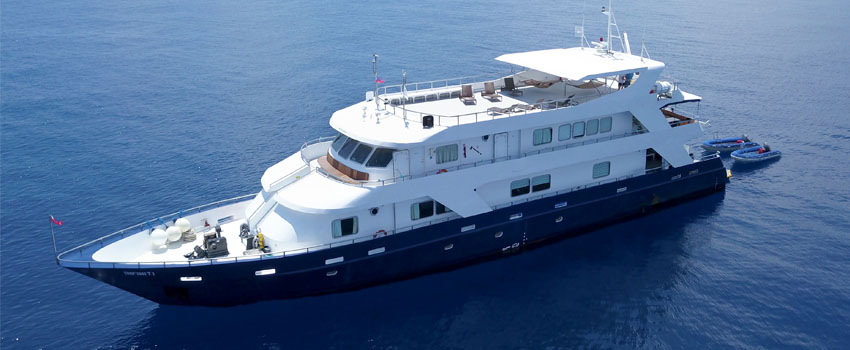 Infinitifrom
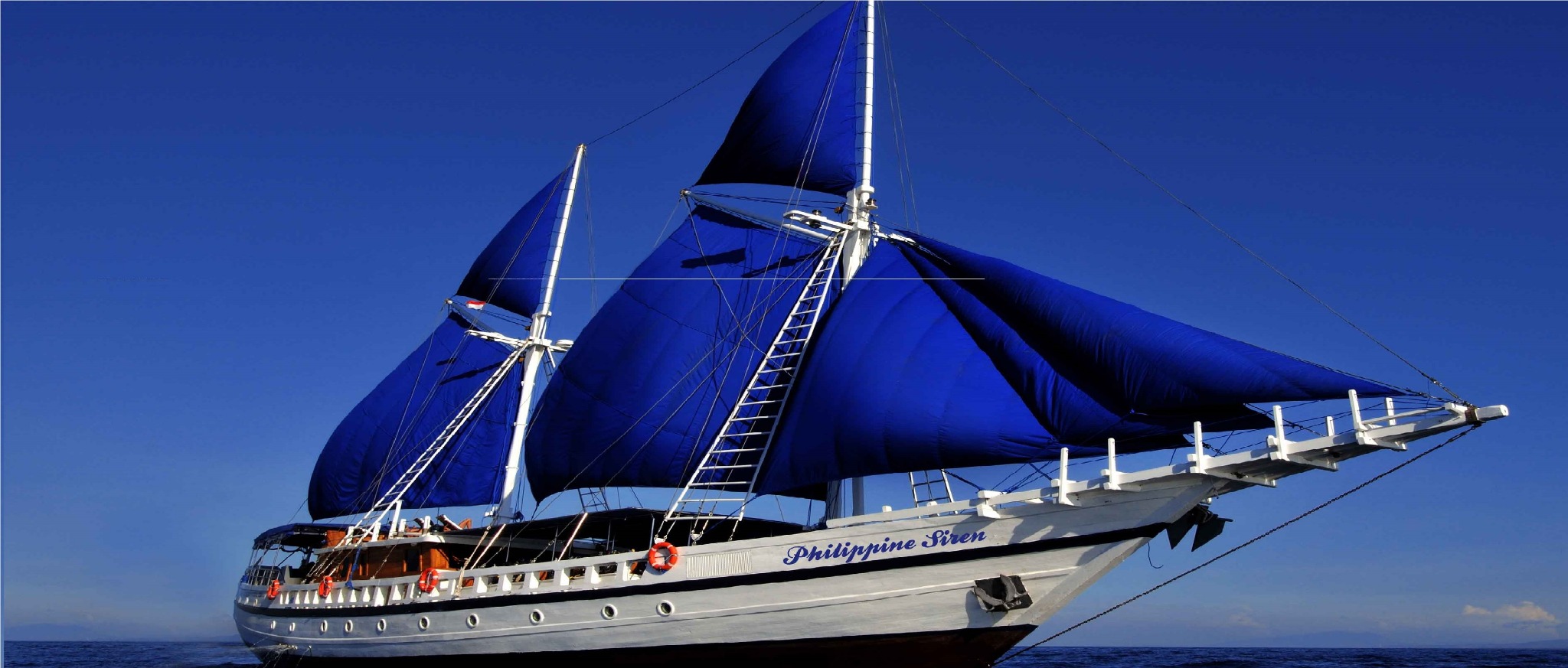 Philippine Sirenfrom
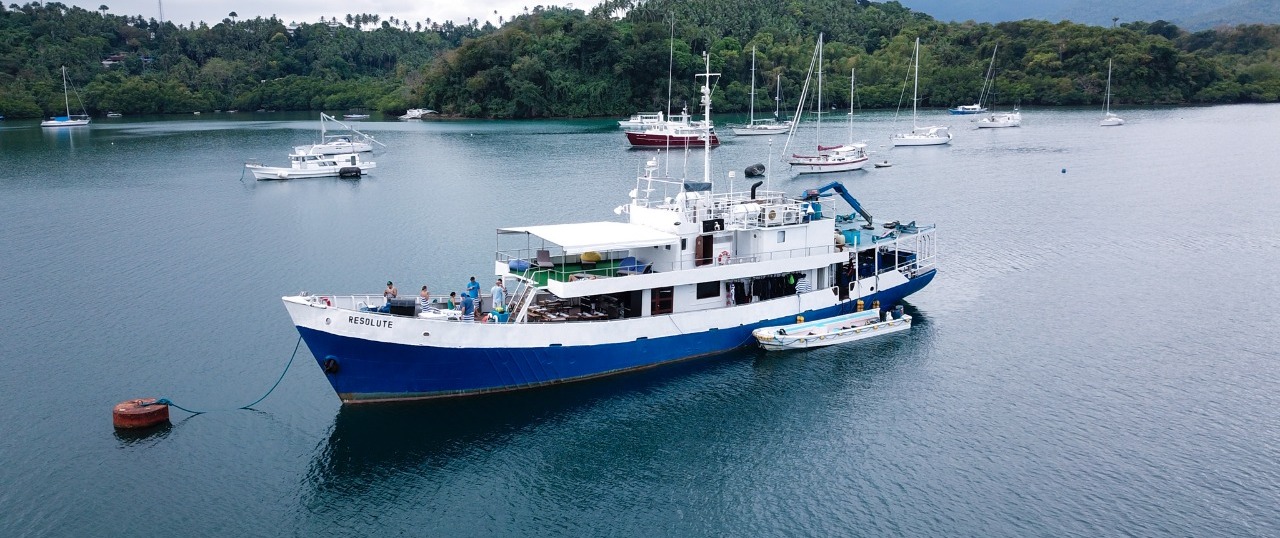 Resolutefrom
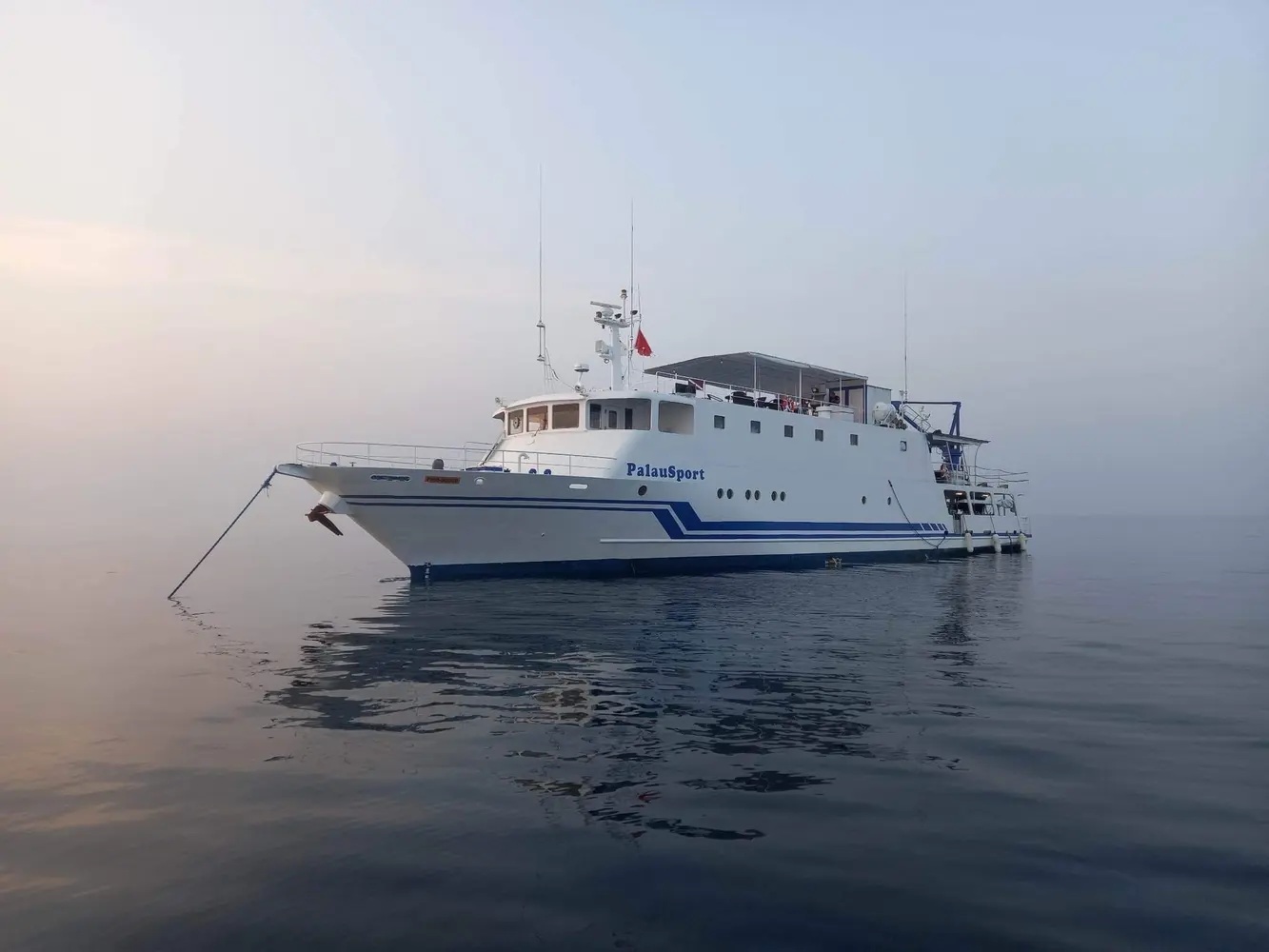 Palau Sportfrom
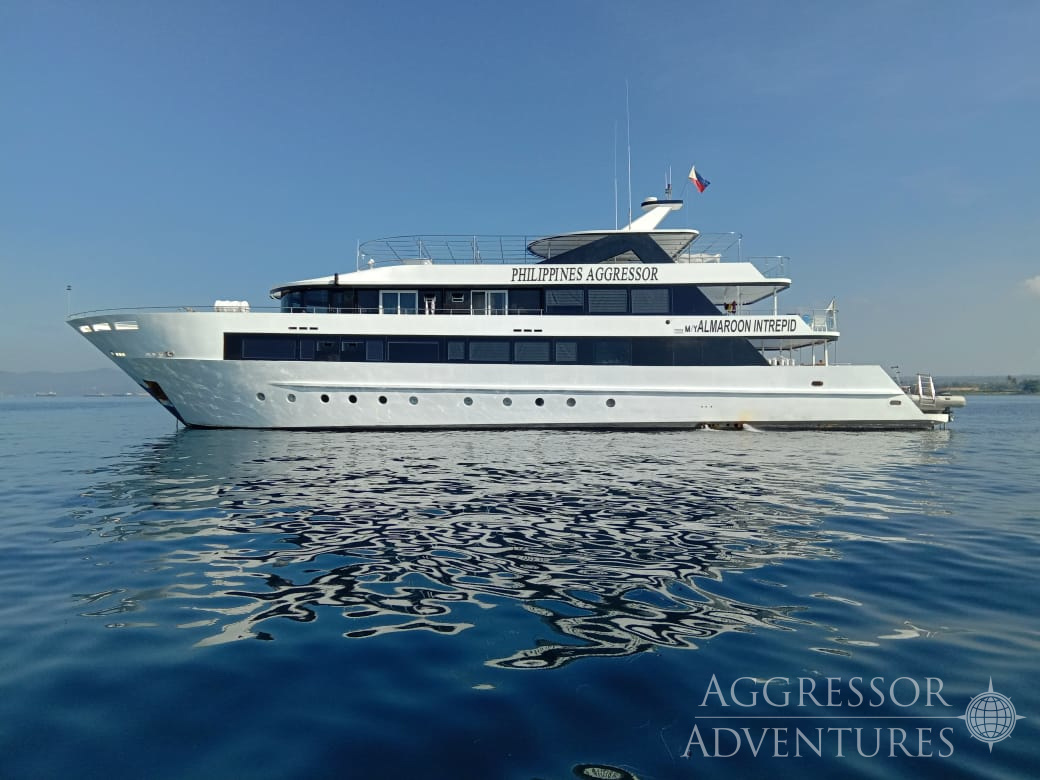
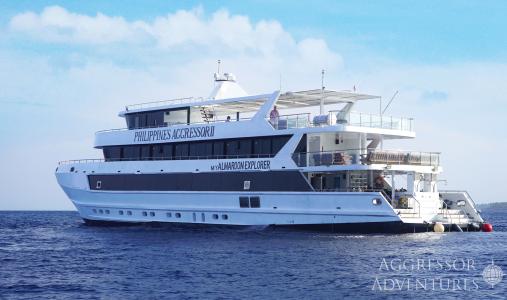
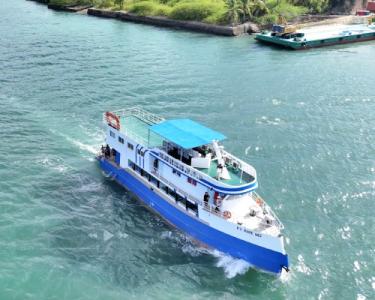
Handpicked Tubbataha National Park Liveaboard Collections


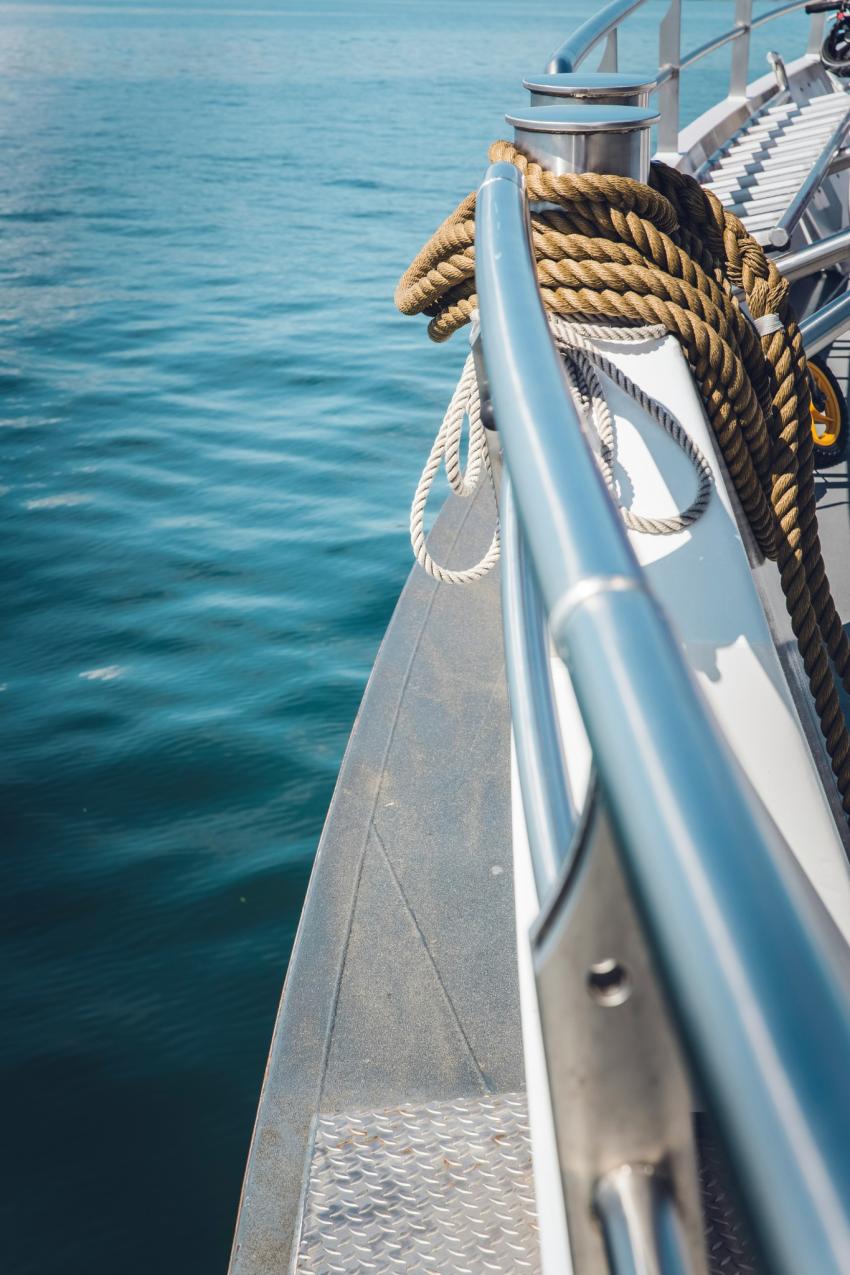
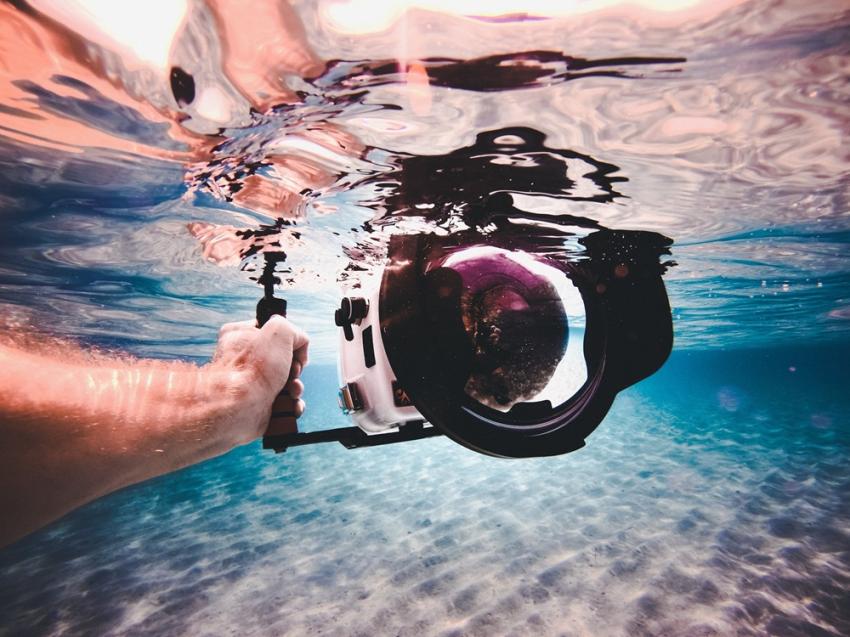
Scuba Diving in Tubbataha National Park
Tubbataha Reefs Natural Park, a UNESCO Marine Park, lies deep in the Sulu Sea, far from the coastlines of western Philippines and even further from everyday human interference. This remote sanctuary, accessible only by boat, is widely regarded as the crown jewel of liveaboard diving in Tubbataha Philippines. Declared a UNESCO World Heritage Site in 1993 and immortalized on the 1000-peso note, Tubbataha stands as both a national treasure and one of the most extraordinary diving destinations in the Coral Triangle.
Its isolated position, formed from submerged volcanic atolls, creates a convergence zone for oceanic life. Here, Tubbataha National Park liveaboards take divers to sites that reveal staggering biodiversity and flawless marine conditions. From massive coral gardens to encounters with pelagics, this is Tubbataha diving liveaboard at its best.
North and South Atolls & Jessie Beazley Reef
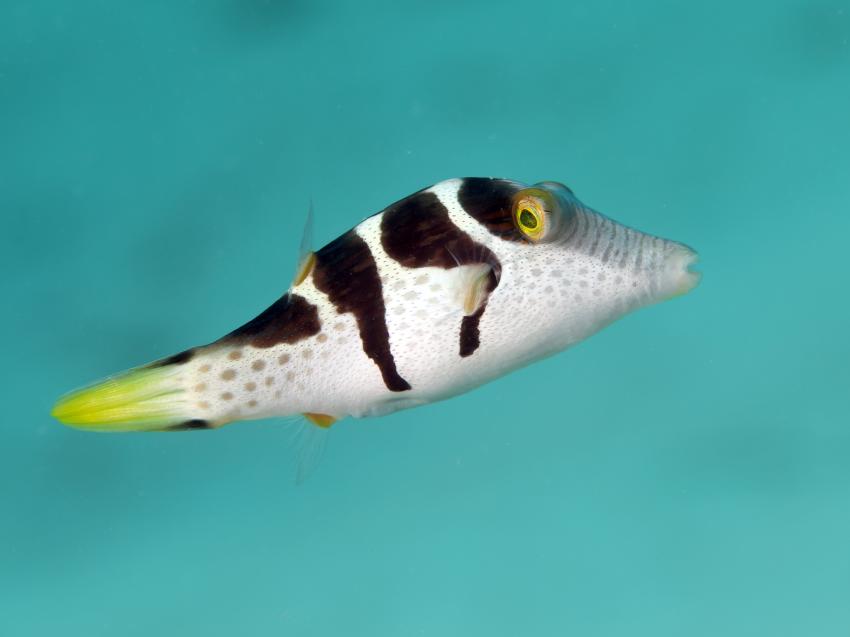
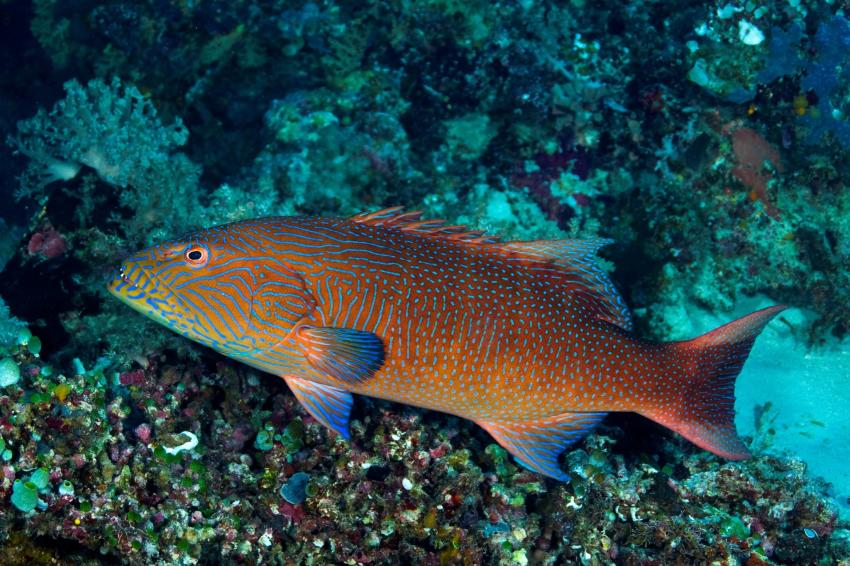
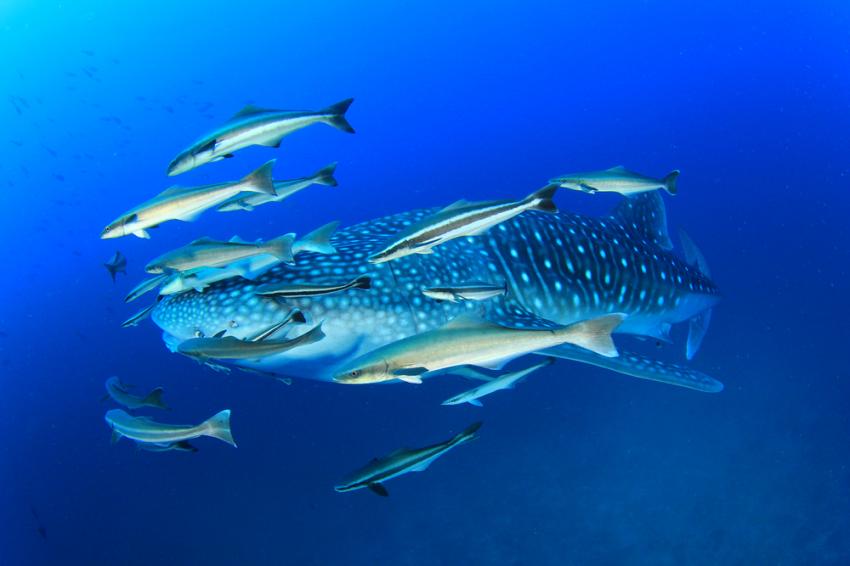
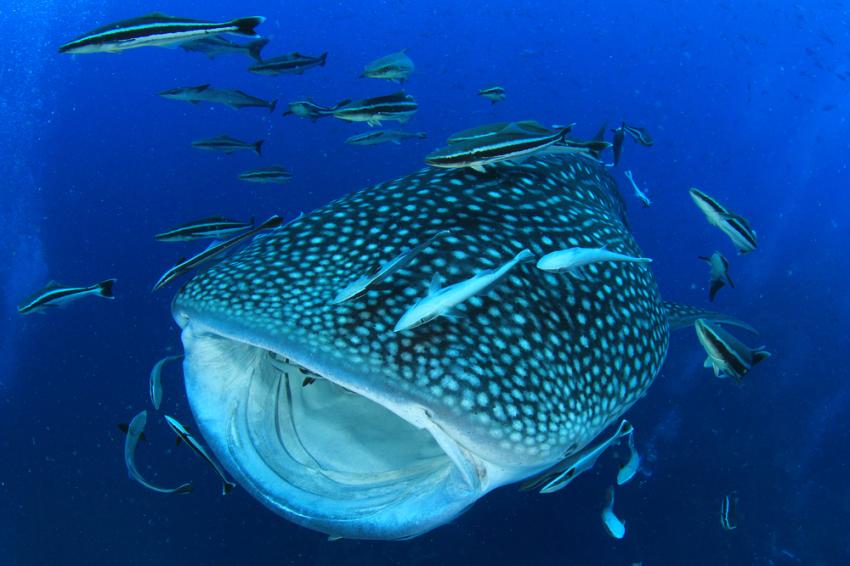
The park consists of three main formations: North Atoll, South Atoll, and Jessie Beazley Reef. More than 370 coral species, 600 species of fish, 14 shark species, and 12 types of cetaceans have been recorded here. Swarms of reef fish, swirling baitballs, manta rays, and occasional whale sharks highlight the diving experience. While it’s primarily about pristine reefs, some itineraries may also include a shipwreck dive site for variety.
Sea Turtles and Reef Sharks
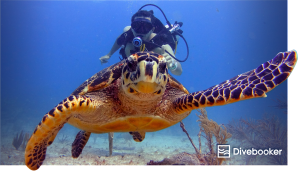
Dives often begin with trevallies, tuna, and barracuda in the blue, then drift past schools of sweetlips, butterflyfish, and curious sea turtles. Shark encounters are frequent—blacktip, whitetip, grey reef, silky, and occasionally hammerhead or tiger sharks. Rays, including eagle rays and mantas, round out the experience.
Pristine Corals and Marine Ecosystems
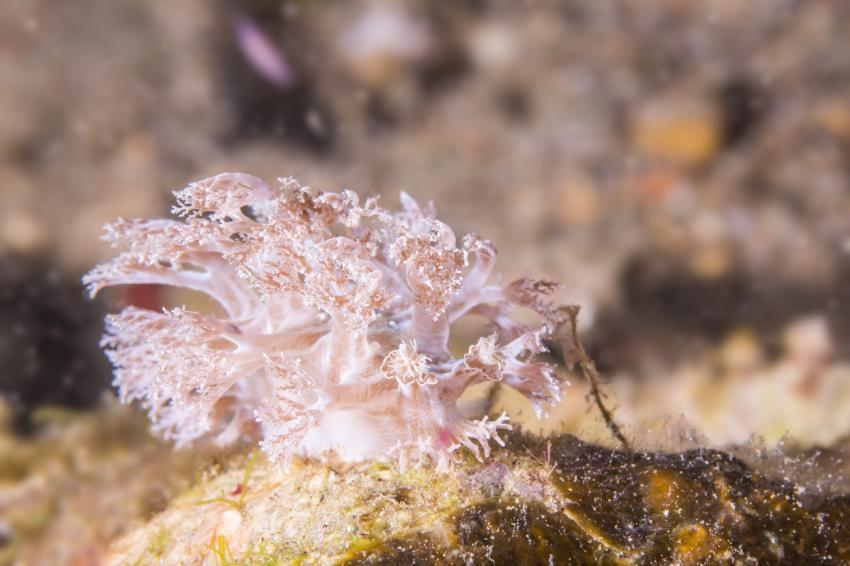
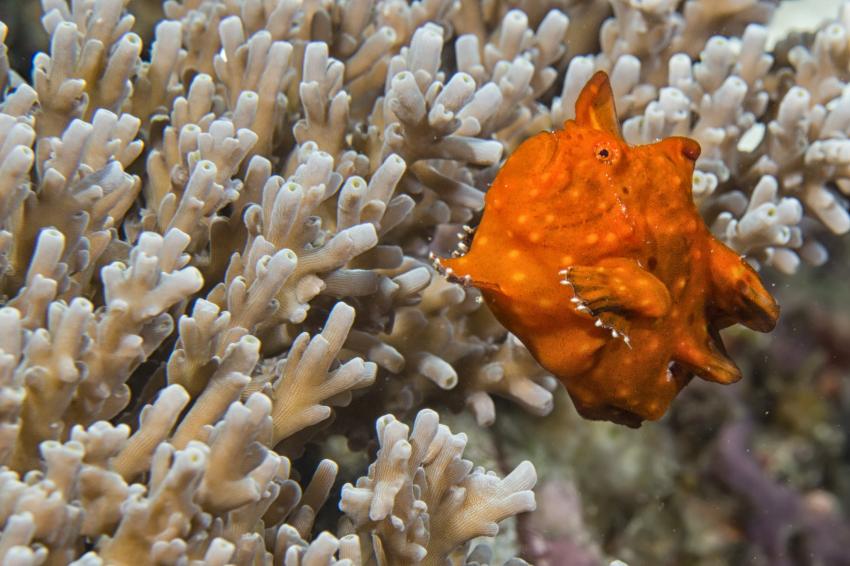
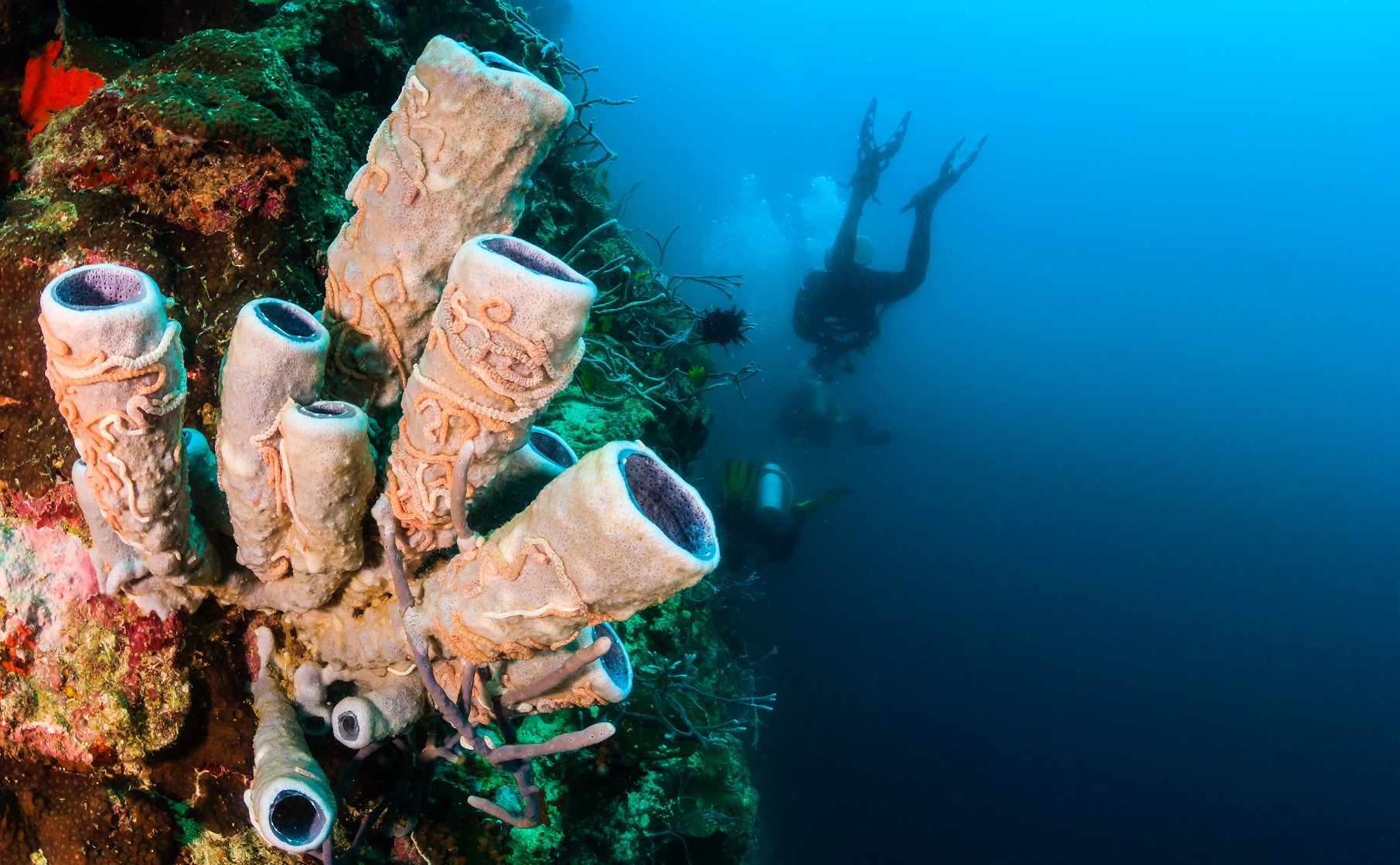
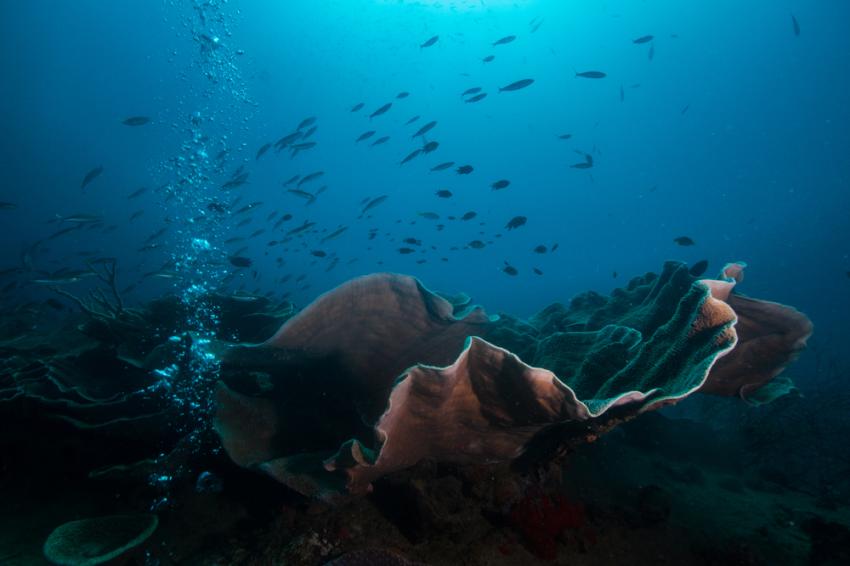
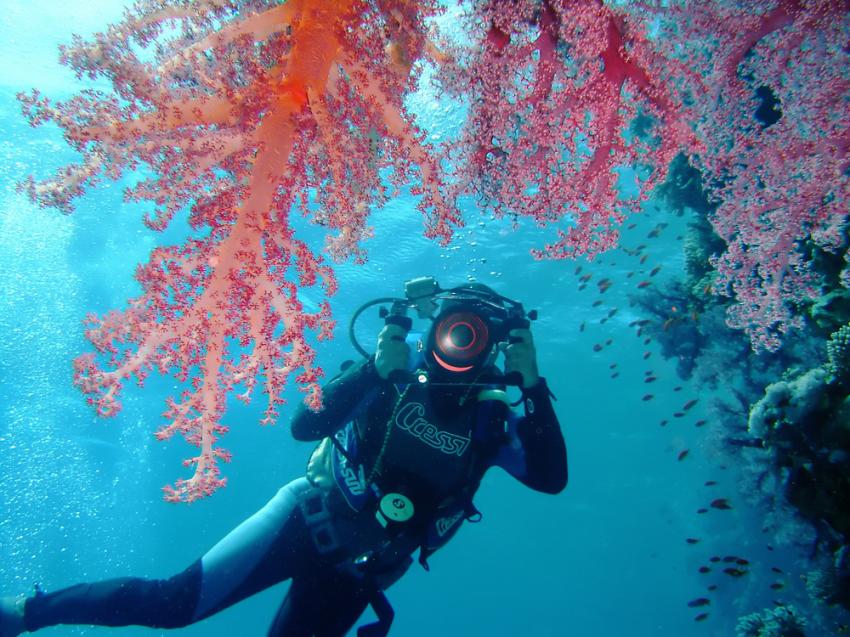
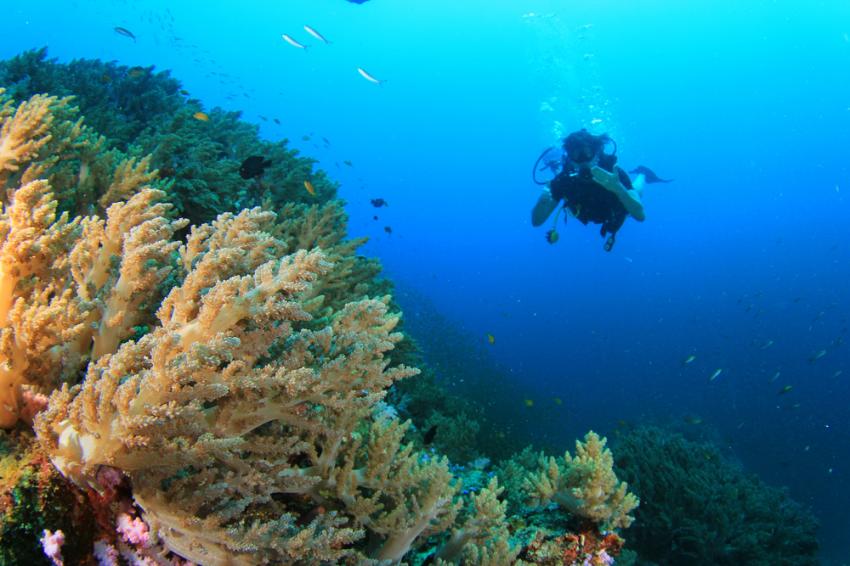
Tubbataha lies at the centre of the Coral Triangle, home to one of the world’s richest ecosystems. With over 360 species of coral, divers encounter massive barrel sponges, gorgonian fans, forests of Acropora, and delicate soft corals. Macro enthusiasts will find nudibranchs, pygmy seahorses, and shrimp tucked into coral folds
Must See Tubbataha National Park Dive Sites
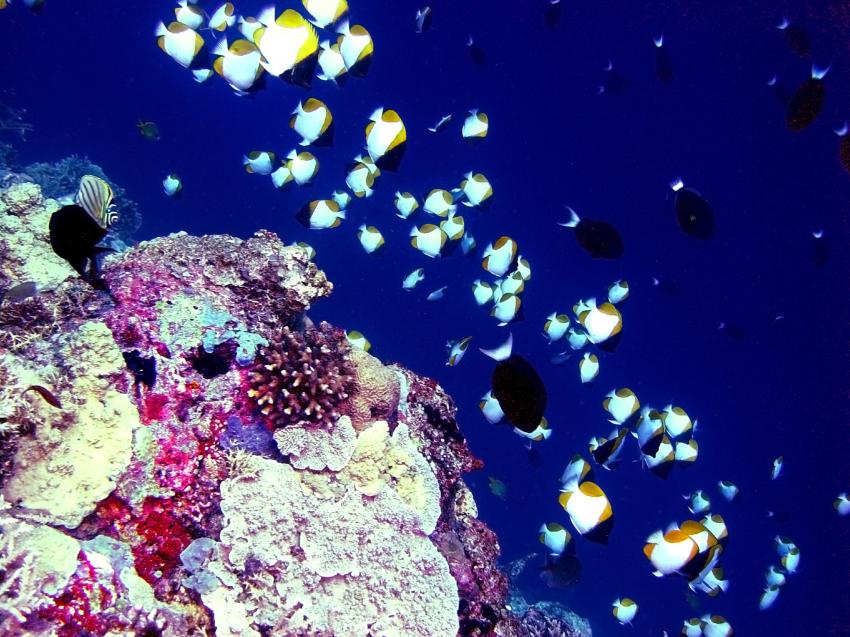
Tubbataha Reef
Tubbataha Reef is the centrepiece of every Tubbataha Reef liveaboard diving itinerary. It offers everything: dramatic drop-offs, swirling pelagics, dense coral growth, and a constant buzz of reef activity. Divers here can expect to encounter shark species, manta rays, reef fish, and, with a bit of luck, even whale sharks.Malayan Wreck
The Malayan Wreck, perched on the southwest edge of the North Atoll, offers a dive that unfolds in chapters. Before even reaching the wreck, divers drift along a coral wall where grey reef sharks, whitetips, and the occasional hammerhead glide by. The wreck itself, likely a freighter from the WWII era, is home to harlequin sweetlips, rainbow runners, and lurking giant morays. At night, it transforms: Spanish dancers undulate across the sand while crustaceans retreat into the crevices of twisted steel.Jessie Beazley Reef
Roughly 20 km northwest of the North Atoll, Jessie Beazley Reef is a compact site that delivers outsized diving. With coral slopes starting at 7 metres and plummeting to over 50, the reef teems with reef sharks, tuna, barracuda, and sometimes even mako or thresher sharks. On calm days, the site is ideal for wide-angle photography, offering a kaleidoscope of vibrant coral reefs and pelagic encounters.Amos Rock
Named after a rock outcrop where midnight snapper school, Amos Rock is a go-to site when winds limit access to eastern spots. The reef is alive with fusiliers, Napoleon wrasse, batfish, and flashes of colour from angelfish and butterflyfish.Shark Airport
At Shark Airport, the nickname isn’t an exaggeration. White tip reef sharks sprawl across the shallow plateau like aircraft on a runway. Drift dives here often yield sightings of silky sharks, nurse sharks, grey reef sharks, and, occasionally, whale sharks. Triggerfish nest along the edges, adding an extra dose of energy to this already active site.Delsan Wreck
Less famous than Malayan but equally atmospheric, the Delsan Wreck draws in huge schools of fish, cruising reef sharks, and the occasional manta ray. Nestled within the protected zone, it’s a favourite for divers seeking a combination of wreck structure and natural reef lifeLiveaboard Ports of Departure and How to Get There
When To Go Diving in Tubbataha National Park
From June to February, the wet season brings heavy rains, strong winds, and unpredictable swells. These conditions make the long open-water crossing unsafe, and the park is closed to divers until the following dry season. No Tubbataha liveaboards operate during this period, allowing the reefs and diverse marine life to recover undisturbed. By the time the next season begins, divers are often rewarded with an abundance of reef fish, healthy corals, and a greater chance of encountering larger pelagic species such as manta rays, hammerhead sharks, and even whale sharks.
For anyone planning a Tubbataha reef liveaboard diving trip, whether aboard a Tubbataha luxury liveaboard or a Tubbataha liveaboard budget option, booking well in advance is essential. The short season and limited number of vessels mean spaces fill quickly. Arriving in Puerto Princesa at least one day before departure and allowing a buffer day after your return ensures the journey begins and ends without unnecessary stress