Komodo National Park Liveaboard Diving
60% of divers returns to us
Best Komodo National Park Liveaboards
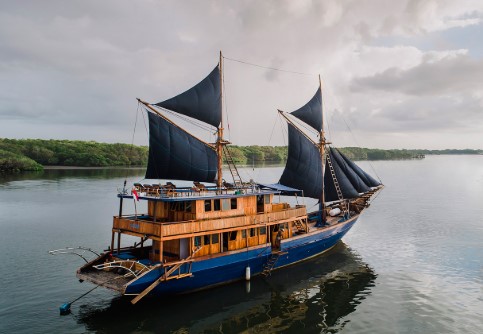 Situju7from
 Ilikefrom
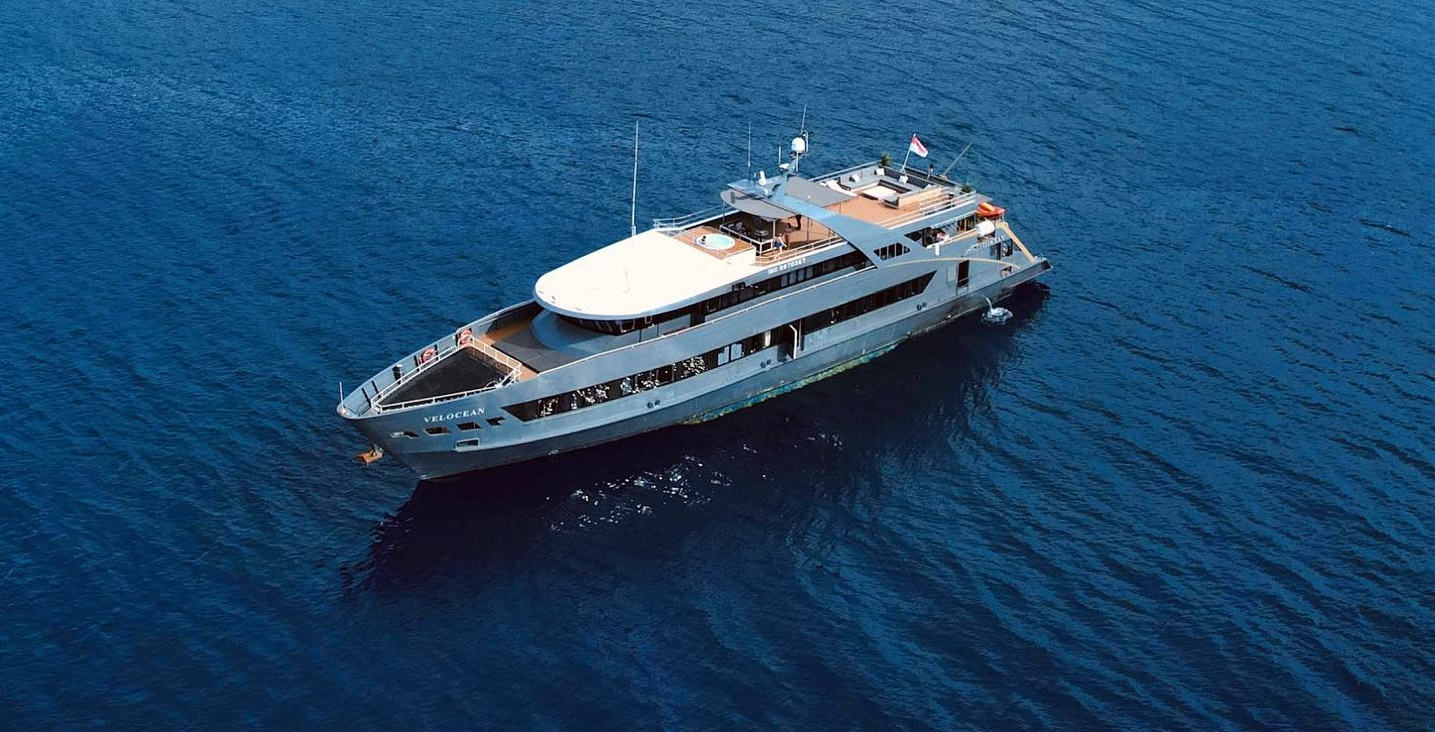 Veloceanfrom
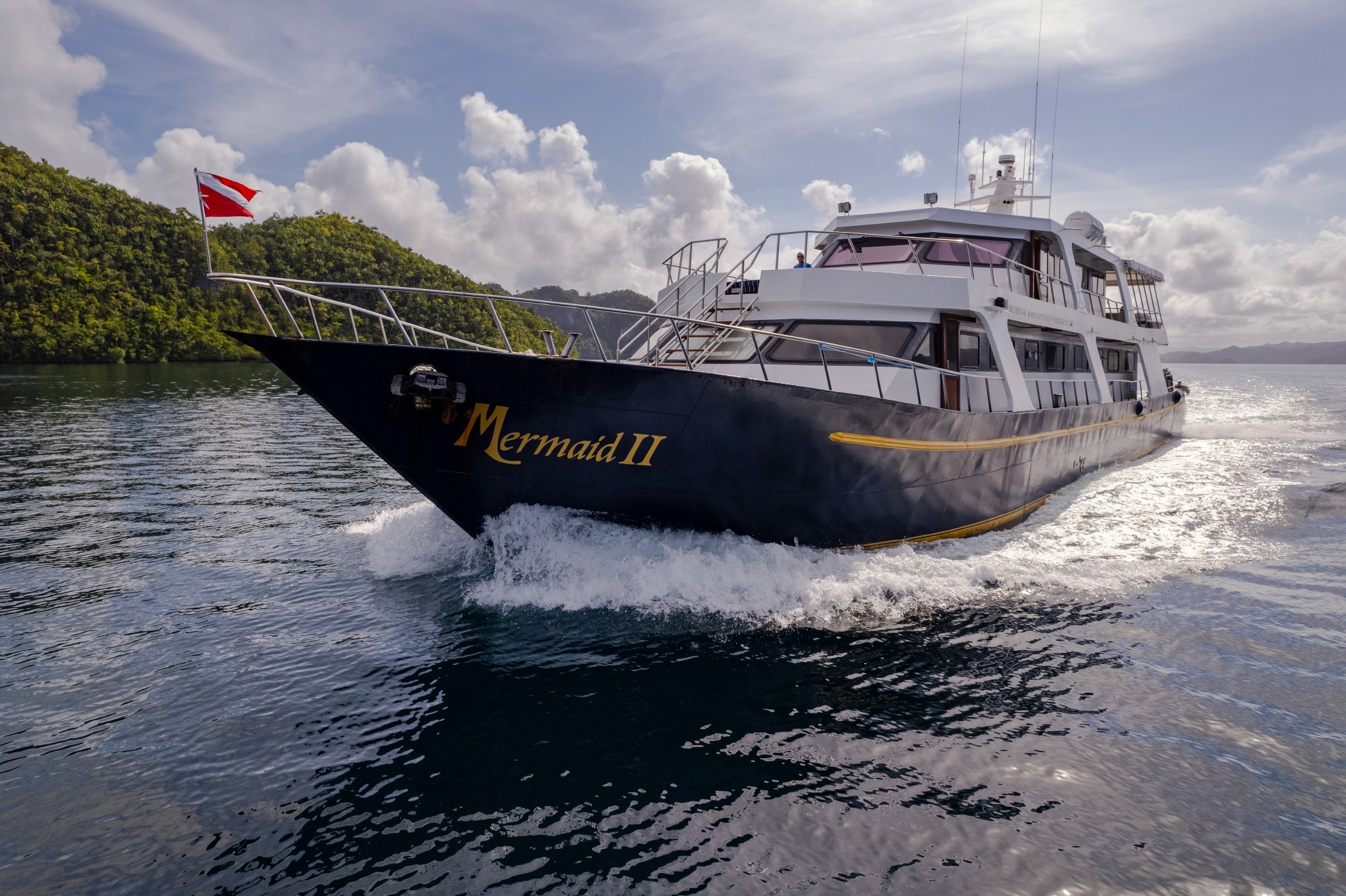 Mermaid IIfrom
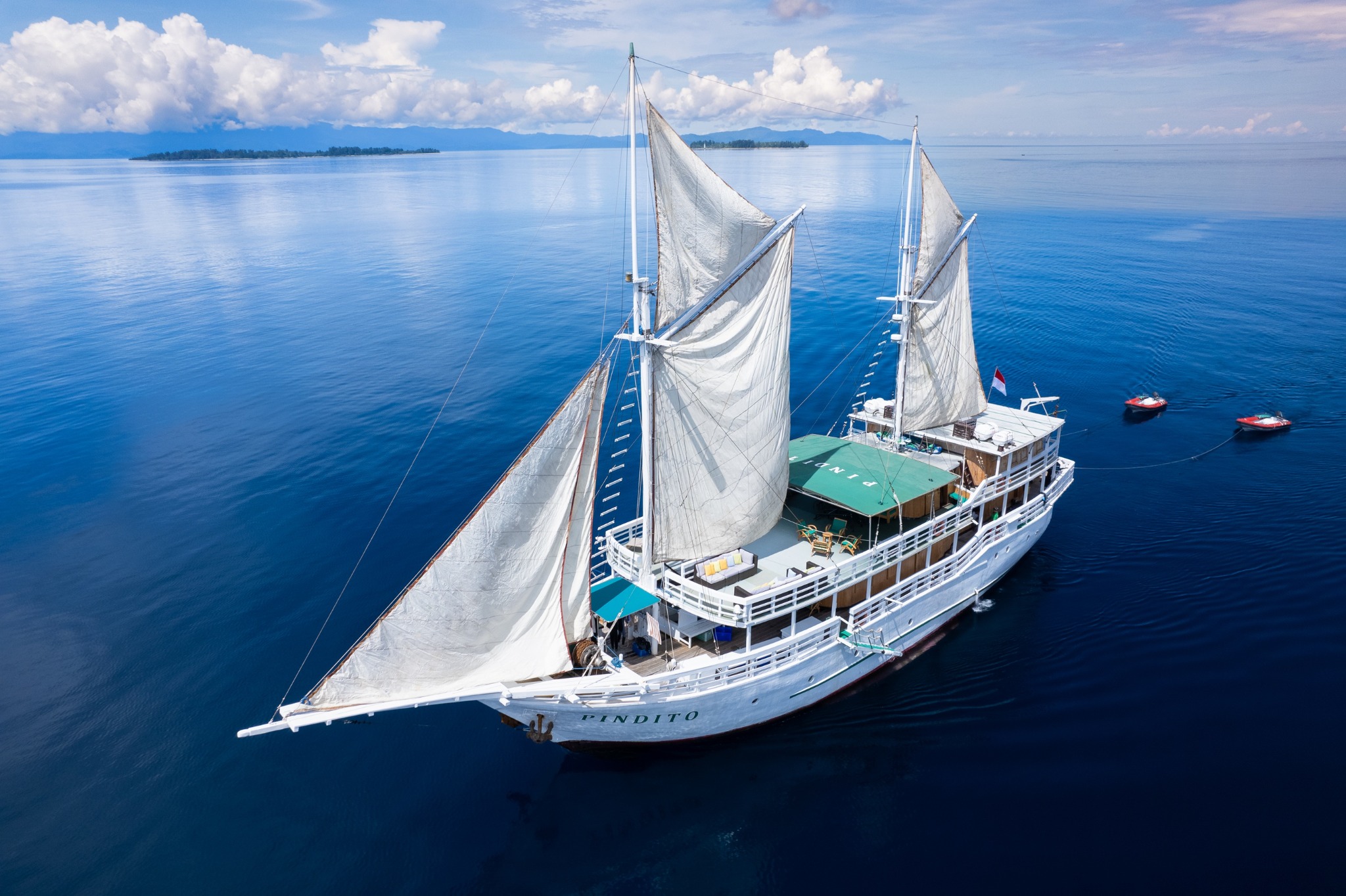 Pinditofrom
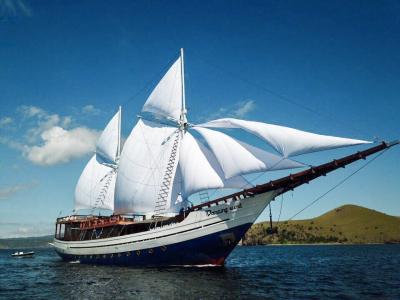
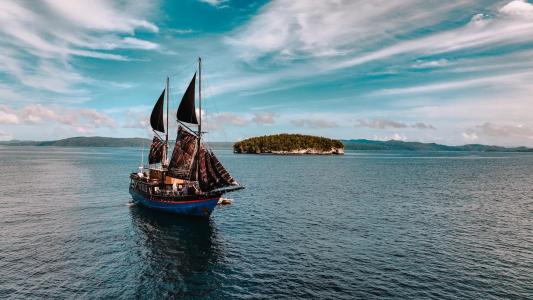
Handpicked Komodo National Park Liveaboard Collections

Scuba Diving in Komodo National Park
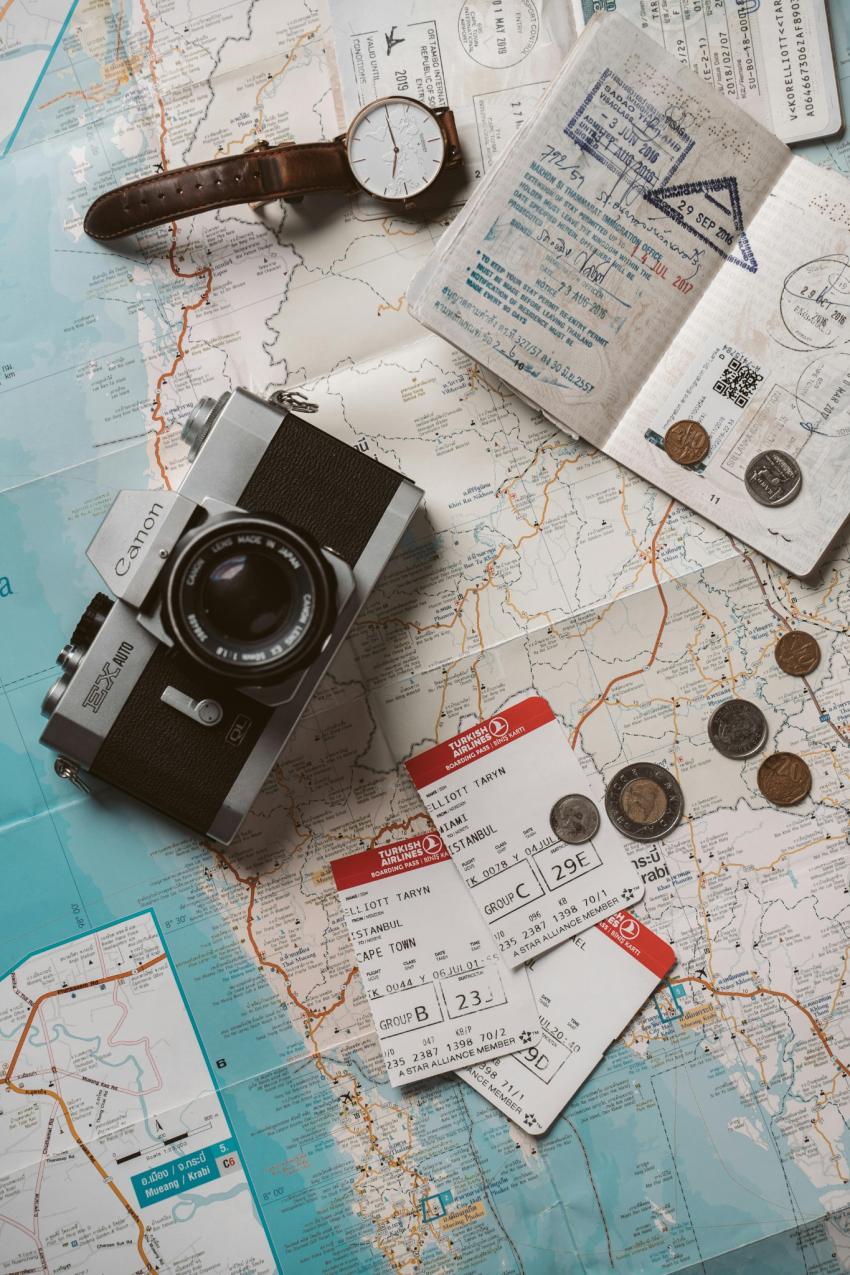
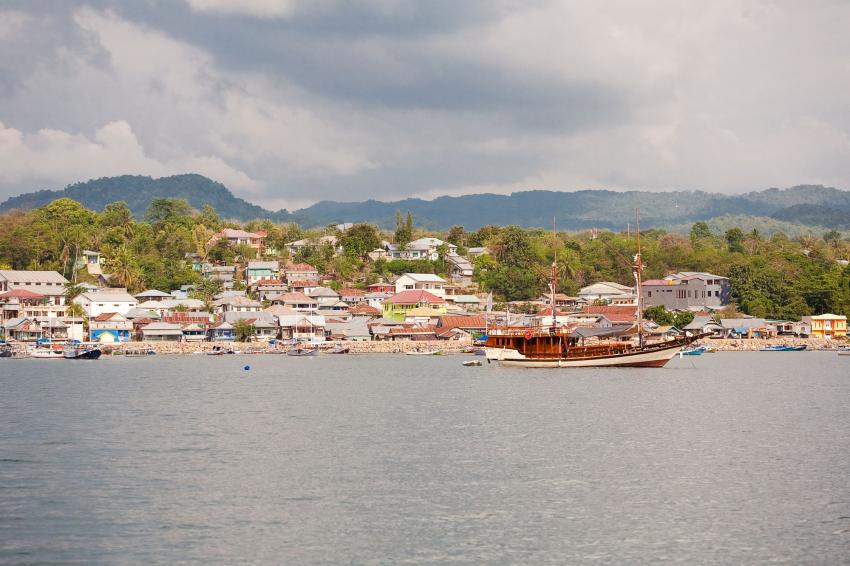
Komodo National Park is a remote and stunning destination in Indonesia, and reaching it requires a combination of air and sea travel. The nearest airport to Komodo National Park is Komodo Airport (LBJ) located on the island of Flores. To reach Komodo Airport, you'll need to book a domestic flight from one of the major international airports in Indonesia, such as Jakarta, Bali.
Nestled within the Coral Triangle, this UNESCO World Heritage Site offers divers a unique opportunity to explore breathtaking marine ecosystems, encounter mesmerizing marine creatures, and witness awe-inspiring underwater landscapes. Join us as we embark on a vivid description of the wonders that await beneath the surface in Komodo.
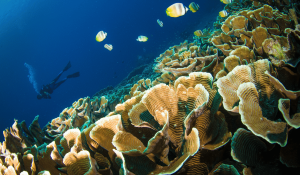
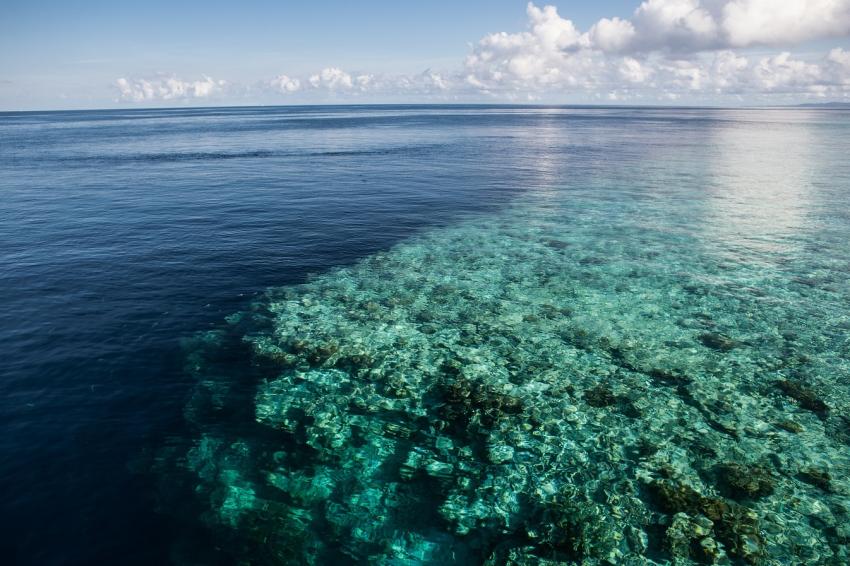
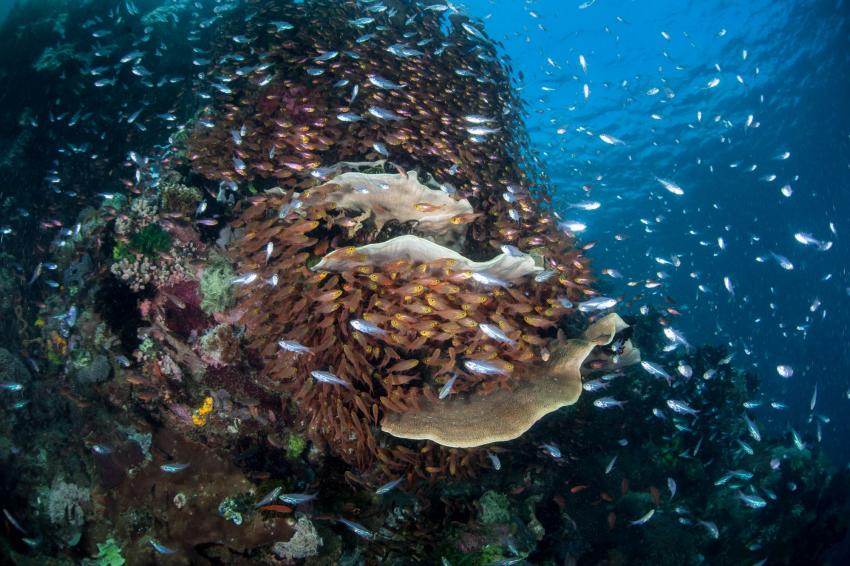
As you plunge into the crystal-clear waters surrounding Komodo, a world of vibrant colors and captivating marine life unfolds before your eyes. The underwater landscapes here are a true testament to nature's artistry. Picture yourself diving into a realm adorned with stunning coral gardens, intricate sea fans, and rocky outcrops covered in colorful sponges. These submerged gardens create a mesmerizing backdrop for your underwater adventures.
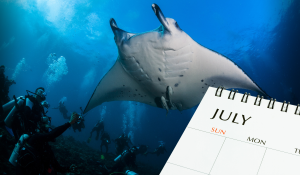
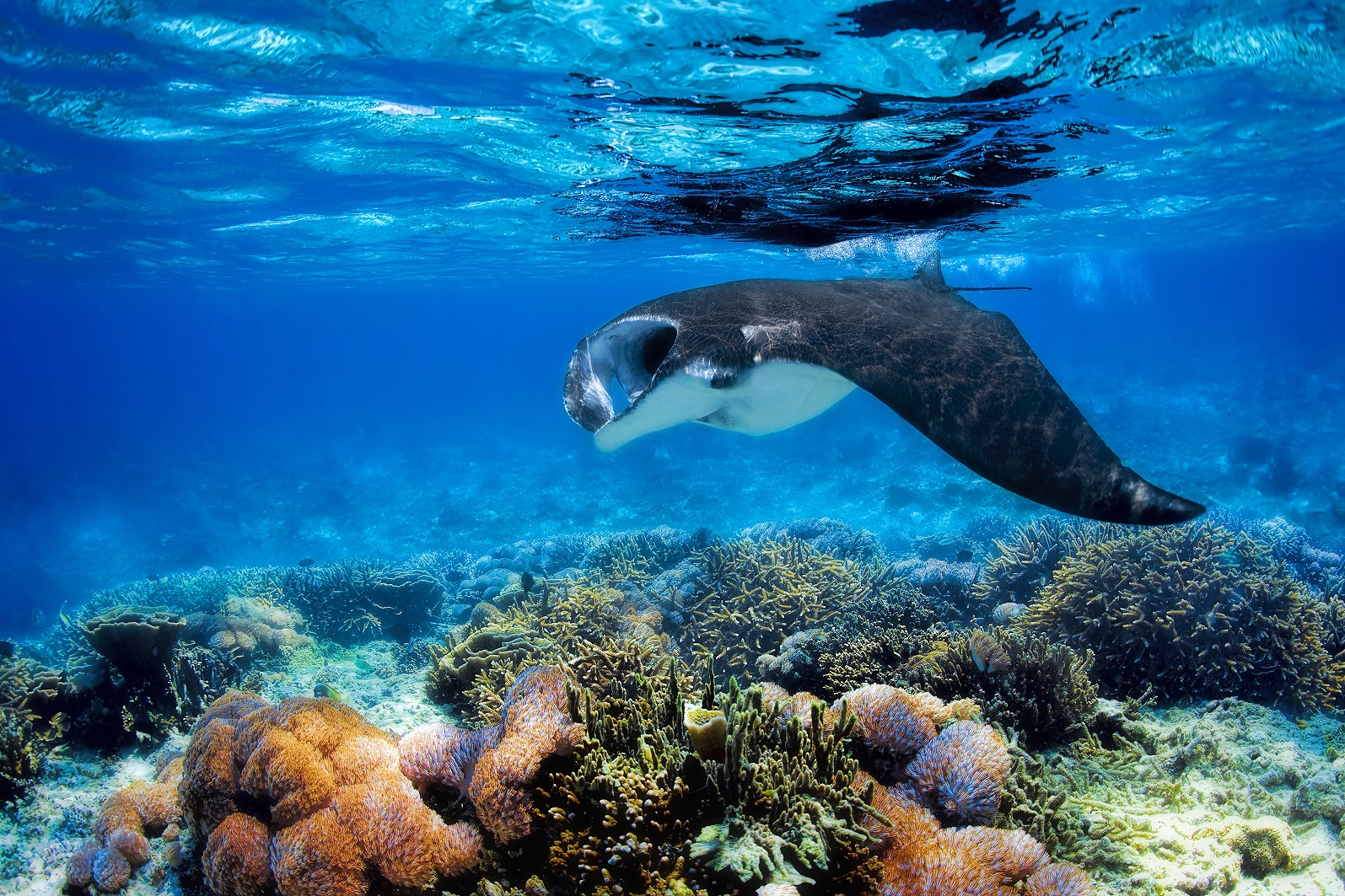
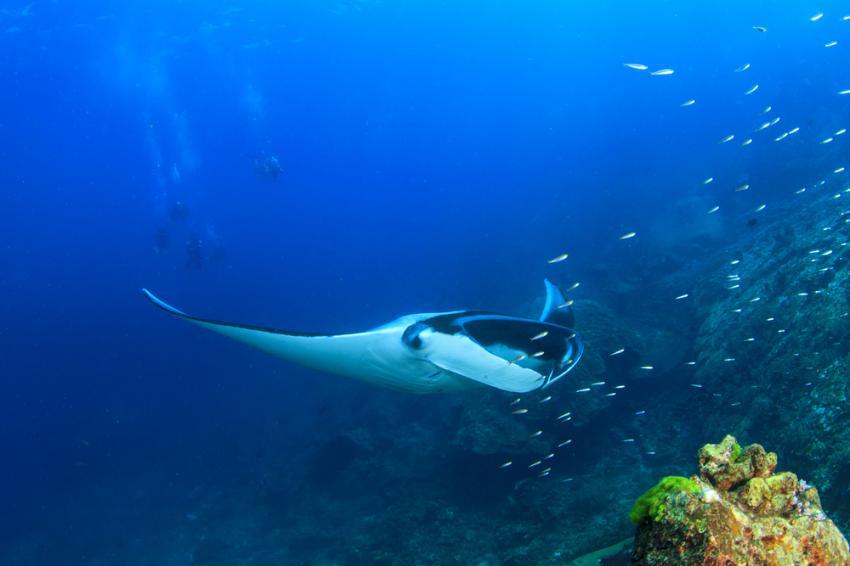
Moving along the reef, you'll encounter an astounding array of marine creatures. The waters of Komodo are renowned for their biodiversity, and it's not hard to see why. One of the most sought-after encounters is with the majestic manta rays. These graceful giants, with their wing-like fins spanning up to 7 meters, glide effortlessly through the water, captivating divers with their elegance.
One of the main features of liveaboard diving in Komodo is the opportunity to explore the renowned dive sites that dot the archipelago. Sites like Batu Bolong, Crystal Rock, and Manta Point offer divers the chance to immerse themselves in a world where encounters with marine creatures are plentiful and unforgettable.
Liveaboard diving in Komodo is a feast for the senses. From vibrant coral gardens to majestic marine creatures, every dive promises a visual spectacle and an immersive experience into the wonders of the underwater world
Must See Komodo National Park Dive Sites
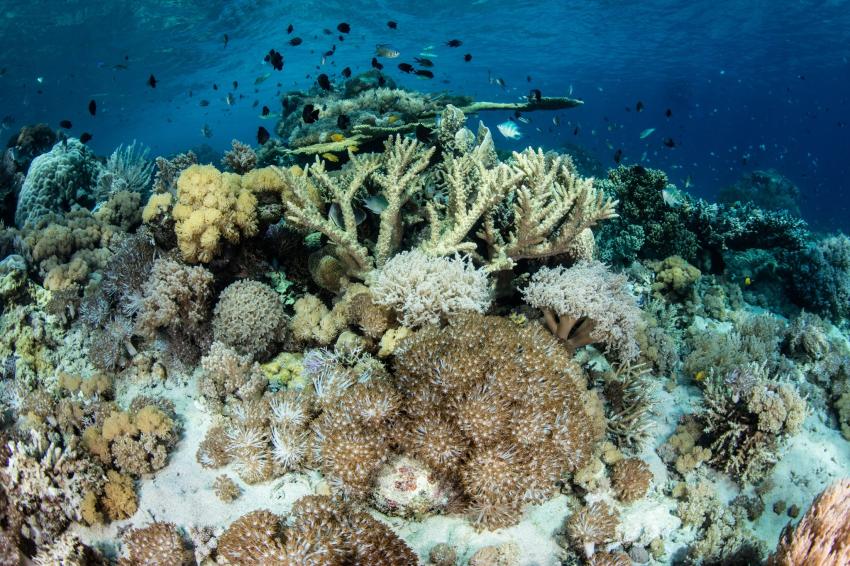
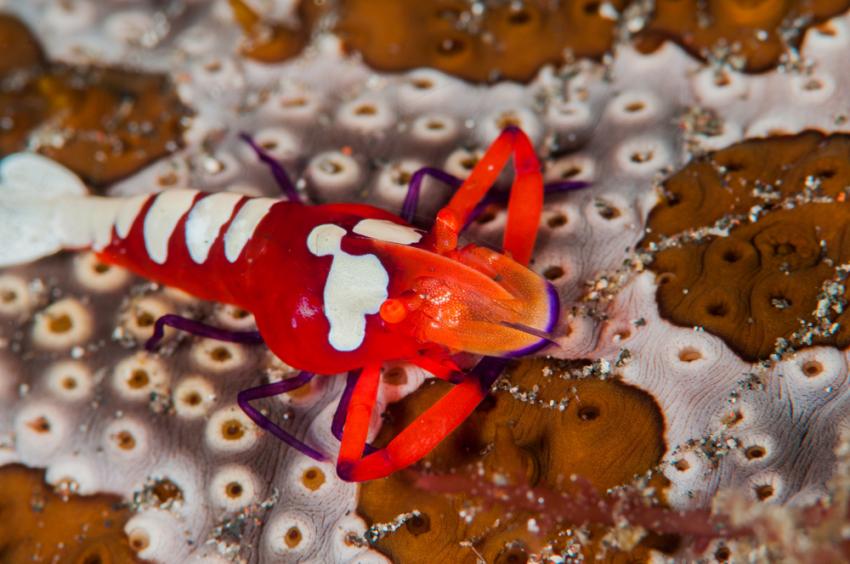
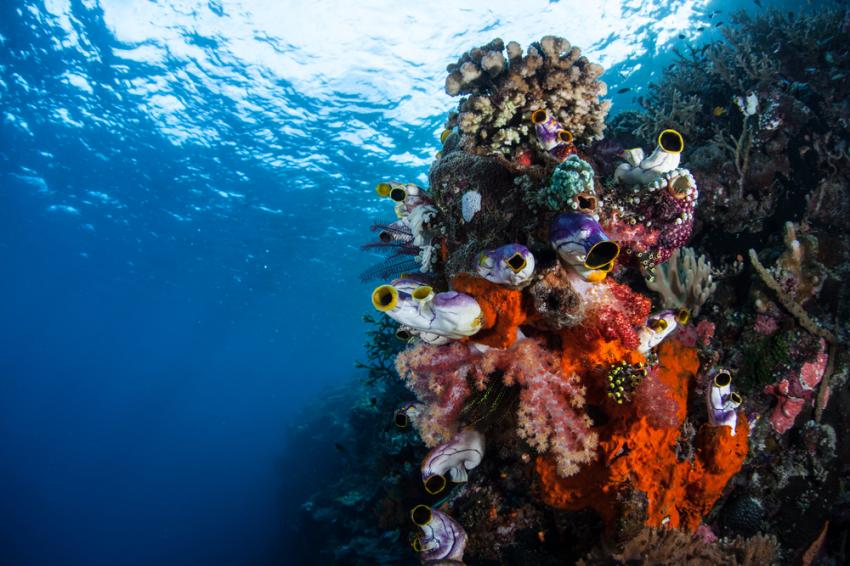
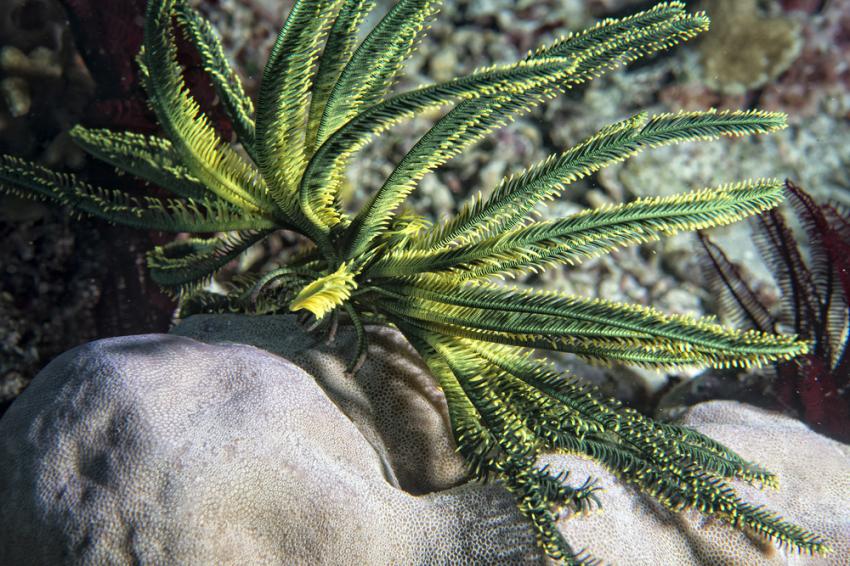
Komodo, Indonesia, is a diver's paradise, boasting a plethora of captivating dive sites that draw enthusiasts from around the globe. Each site offers its own unique marine creatures and breathtaking underwater landscapes, providing divers with an unforgettable adventure beneath the waves. Let's dive into a few of the most popular dive sites in Komodo, where nature's wonders await.
One such site is Karang Makassar, also known as Manta Point. Descending into the azure waters here, divers are greeted by the majestic presence of manta rays. These graceful giants effortlessly glide through the depths, their elegant movements captivating all who are fortunate enough to witness them. It is a humbling experience, leaving divers in sheer admiration of these magnificent creatures.
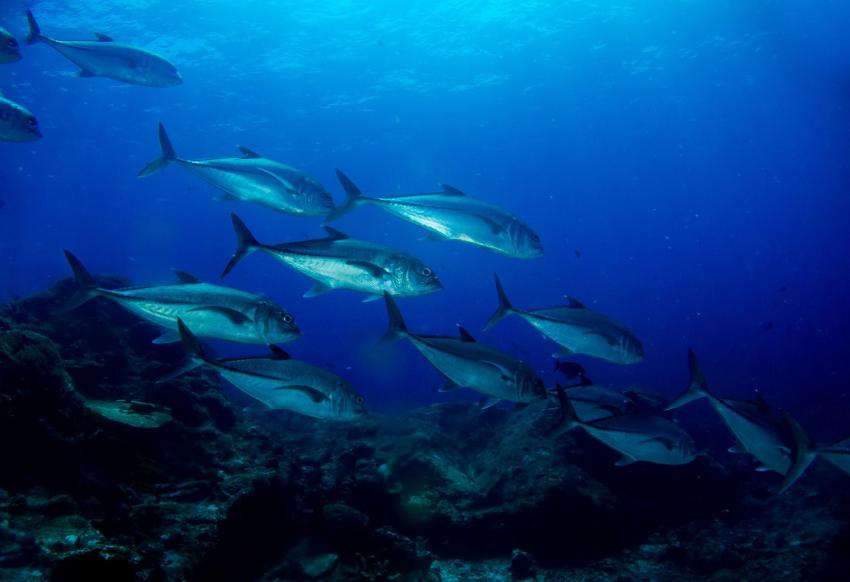
Crystal Rock is another gem in Komodo's underwater realm. As its name suggests, this dive site is known for its crystalline waters, which reveal a vibrant ecosystem. Schooling fish species such as trevallies, barracudas, and snappers create a mesmerizing spectacle, moving in synchronized harmony. Against the backdrop of colorful corals and intricate sea fans, divers are treated to an underwater ballet that truly showcases the beauty of marine life.
Batu Bolong presents a unique underwater landscape that divers can't resist exploring. Rising like a pinnacle from the depths, it is adorned with a tapestry of corals, sea fans, and sponges. Among the coral gardens, curious clownfish peek out from their anemone homes, adding a touch of whimsy to the dive.
Venturing beyond the borders of Komodo, Sangeang Island beckons with its volcanic terrain. Diving in Sangeang offers a captivating contrast between the underwater world and the island's volcanic slopes. The black sand bottoms and volcanic formations create a unique backdrop for divers to explore. Here, encounters with flamboyant cuttlefish and rare species of nudibranchs are not uncommon, adding a sense of adventure to the dive experience.
Rinca Island offers a fascinating blend of diving and wildlife encounters. Divers can explore the waters surrounding Rinca Island while keeping an eye out for its famous residents - the Komodo dragons. Beneath the surface, a diverse range of marine life awaits. Hard and soft corals adorn the underwater landscapes, providing a habitat for an array of underwater creatures. Turtles gracefully glide through the water, adding a touch of serenity to the dive experience.
Castle Rock stands out as a thrilling dive site known for its drift dives and encounters with pelagic species. Drifting along with the current, divers are treated to a thrilling underwater spectacle. The presence of reef sharks adds an element of excitement to the dive, as these majestic creatures patrol their territory. Spotting a rare hammerhead shark here is the ultimate highlight, an exhilarating experience that lingers in the memory.
Komodo's dive sites offer a cornucopia of underwater marvels. From encounters with manta rays at Karang Makassar to exploring vibrant coral gardens at Crystal Rock and Batu Bolong, each site presents unique marine creatures and stunning underwater landscapes. Diving in Komodo is an immersive adventure that reveals the richness and beauty of the underwater world, leaving divers with unforgettable memories of this extraordinary destination
Liveaboard Ports of Departure and How to Get There
When To Go Diving in Komodo National Park
The best time to go diving in Komodo is during the dry season, which typically spans from April to December. The peak diving season is generally considered to be from April to June and September to November when the weather conditions are more stable, and the waters are clearer. During these months, divers can expect optimal visibility and a higher chance of encountering marine life.
In terms of underwater temperatures, the average water temperature in Komodo ranges between 26°C to 29°C (79°F to 84°F). However, it's important to note that temperatures can vary depending on the specific dive site and the depth at which you are diving. Generally, the waters tend to be warm and comfortable, allowing for enjoyable diving experiences.
When it comes to currents, Komodo is known for its strong and unpredictable currents, particularly around certain dive sites. These currents can vary depending on the tides and lunar cycles. While strong currents can provide exhilarating drift dives and attract larger marine species, they also require divers to have experience and proper training in managing currents. It is recommended that divers have advanced open water certification or equivalent experience before diving in Komodo