Best Egypt Liveaboards
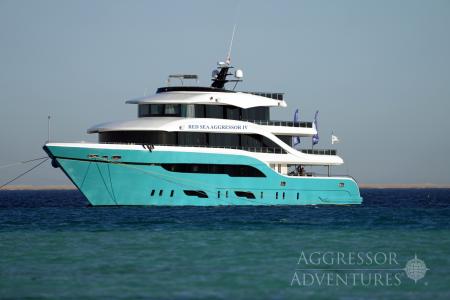
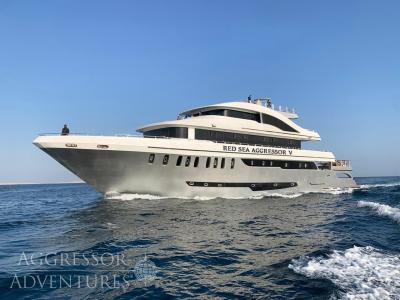
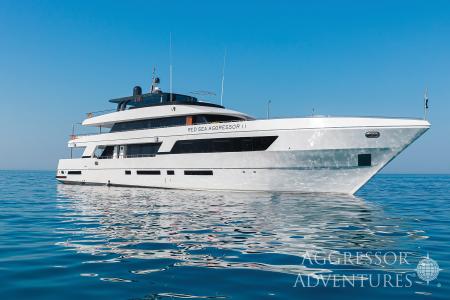
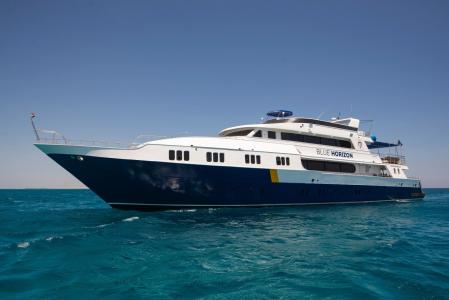
Handpicked Egypt Selections

Liveaboard Diving in Egypt
Wrecks and Reefs
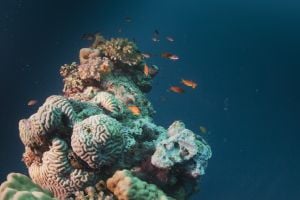
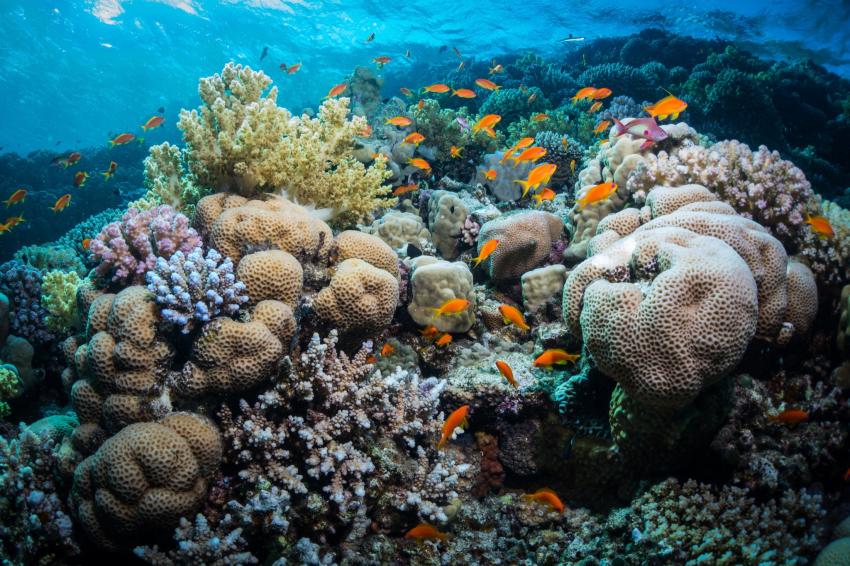
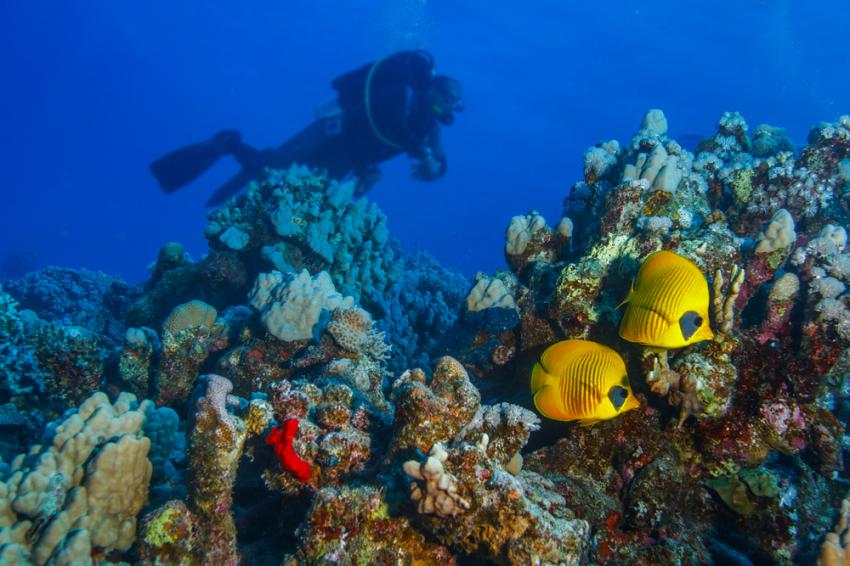
The Egyptian Red Sea has earned its place as one of the Seven Wonders of the Underwater World, showcasing vibrant coral reefs and an ecosystem filled with colour and movement. More than 200 types of coral form the backbone of this habitat, sheltering over 1,100 species of reef fish and countless invertebrates. For wreck enthusiasts, Egypt liveaboards bring divers to iconic sites like the SS Thistlegorm and Abu Nuhas, where submerged history has become fused with vibrant marine life. These wrecks lie side by side with pristine coral gardens, making liveaboard diving in Egypt a journey that offers both natural and cultural richness.
Pelagic Encounters
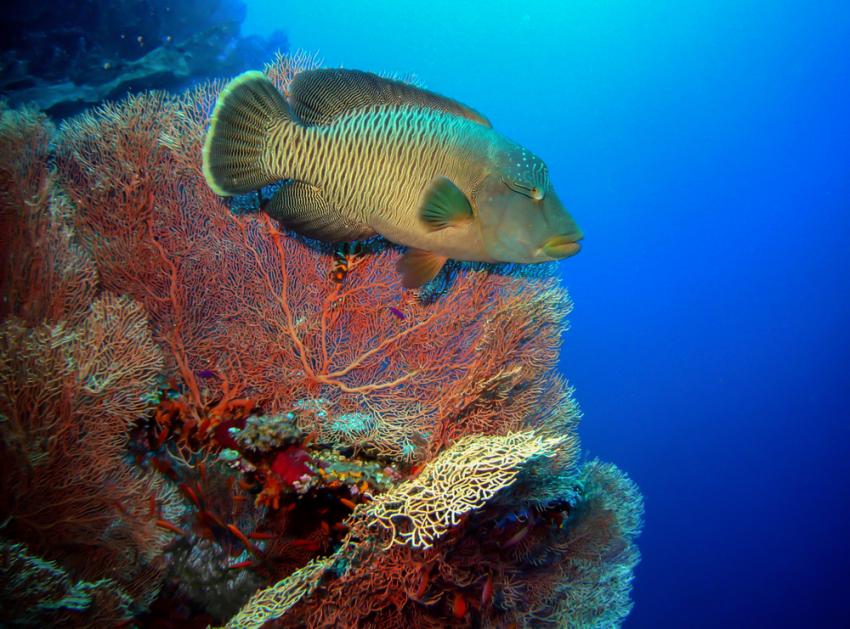
The Red Sea is famed for pelagic action. Diving liveaboards in Egypt frequently cross paths with hammerhead sharks, thresher sharks, and oceanic whitetips, while giant trevallies and tuna sweep the blue water. Reef sharks and grey reef sharks circle the drop-offs, and eagle rays and Napoleon wrasse add to the spectacle. For divers seeking exhilarating drift dives, offshore marine parks such as Daedalus and Brothers Islands deliver close-up encounters with shark species that few other destinations can rival.
Marine Biodivercity
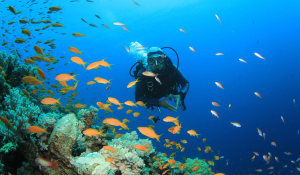
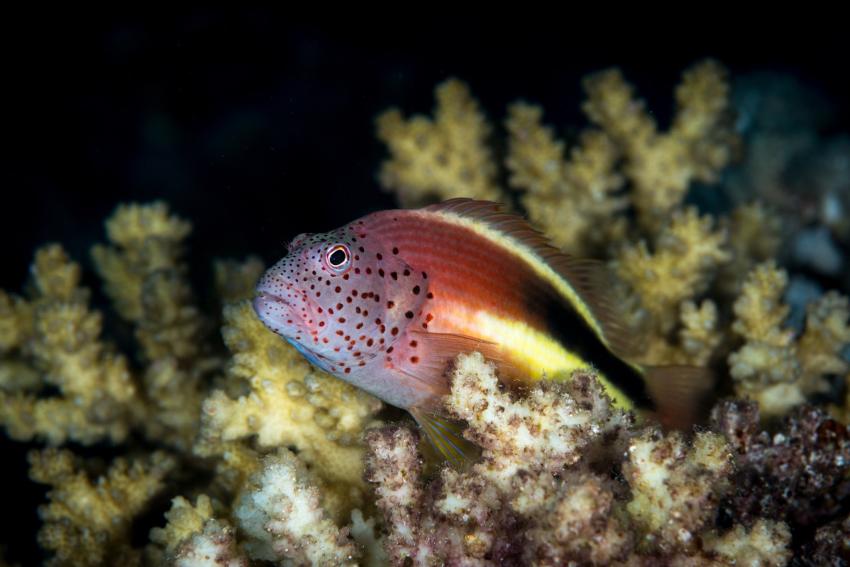
The biodiversity here ranges from the ocean’s largest fish, whale sharks, to delicate nudibranchs hiding among sponges and corals. Manta rays occasionally glide across cleaning stations, while reef fish species from butterflyfish to parrotfish dominate the shallow reefs. Macro enthusiasts delight in nudibranchs, ghost pipefish, and leaf fish. Together, these encounters make liveaboard diving in Egypt an unforgettable journey, where vibrant marine life thrives against a backdrop of pristine coral formations
Top Places to Dive in Egypt
Brothers Islands
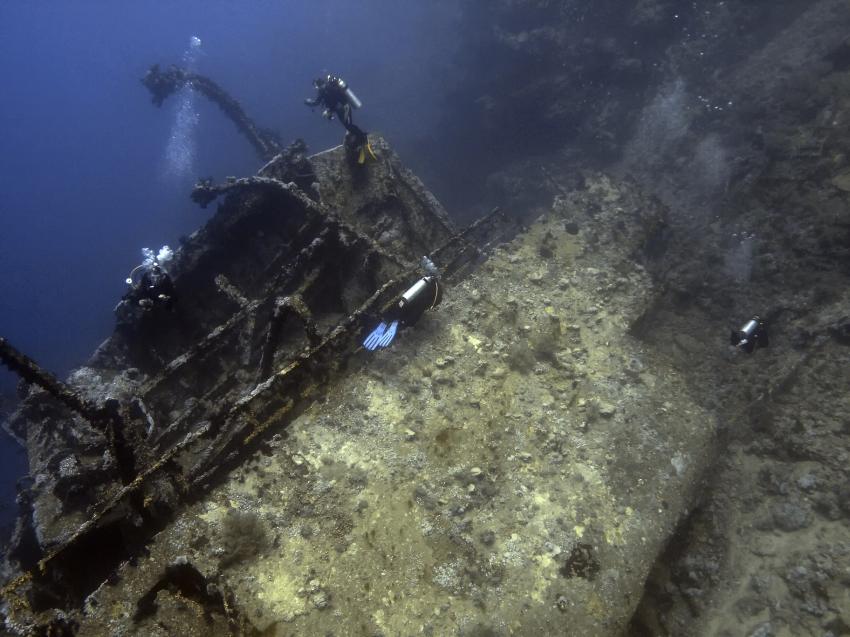
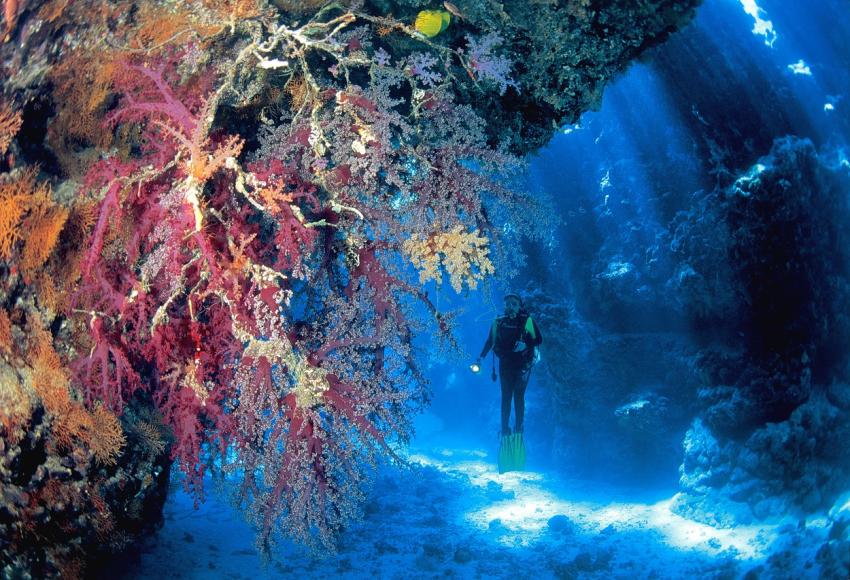
The Brothers Islands, accessible only by Egypt diving liveaboards, are among the most famous offshore marine parks. Sheer walls blanketed in soft coral host thresher sharks, grey reef sharks, and seasonal hammerheads. Historic wrecks like the Numidia and Aida rest here, now home to schooling fish and diverse marine life.
Fury Shoals
Fury Shoals is a mosaic of dive sites that cater to every taste, from shallow coral gardens to current-swept walls. Shaab Claudio enchants divers with its swim-throughs and colourful reef life, while steep drop-offs attract reef sharks patrolling the blue. At Sataya, Dolphin Reef is known for its resident pod of dolphins, often seen gliding through the lagoon.
Brothers – Daedalus – Elphinstone
Brothers, Daedalus, Elphinstone, often called the best shark itinerary in Egypt, this route is a highlight for advanced divers. Itineraries take passengers to remote offshore reefs where hammerhead sharks, oceanic whitetips, and even threshers are frequent sightings. Liveaboard dive trips in Egypt make it possible to combine all three in one cruise.
St. John’s
Located near the Sudanese border, St. John’s offers pristine coral reefs, tunnels, caves, and steep walls. Divers encounter reef sharks, vibrant reef fish, and macro species while surrounded by some of the healthiest coral in the Red Sea.
Daedalus – Rocky – Zabargad
Daedalus Reef is famous for its scalloped hammerheads and zebra-striped lighthouse. Rocky Island and Zabargad combine dramatic topography with pristine coral, offering shark encounters and remote sites only reachable by Egypt scuba liveaboards.
North of the Red Sea
The northern Red Sea combines Ras Mohammed National Park with world-renowned wrecks. The SS Thistlegorm remains the region’s crown jewel, its cargo of motorbikes and jeeps still intact. Yolanda Reef and Anemone City deliver colourful reefs, reef sharks, and superb drift dives.
Dahab
Dahab is famous for shore diving and relaxed itineraries. Transfers by jeep or camel bring divers to sites like the Blue Hole and the Canyon, where dramatic underwater landscapes and vibrant coral attract divers of every experience level.
Abu Fandera
South of St. John’s, Abu Fandera offers a seven-kilometre reef system filled with coral blocks, schools of reef fish, reef sharks, Napoleon wrasse, and, the highlight, large schools of humphead parrotfish.
Straits of Tiran
The Straits of Tiran, at the mouth of the Gulf of Aqaba, feature four reefs: Gordon, Thomas, Woodhouse, and Jackson. Strong currents bring hammerheads, grey reef sharks, and barracuda to patrol coral-covered drop-offs, while turtles, surgeonfish, and reef sharks add to the vibrant marine life.
Must See Egypt Dive Sites
Elba Reef
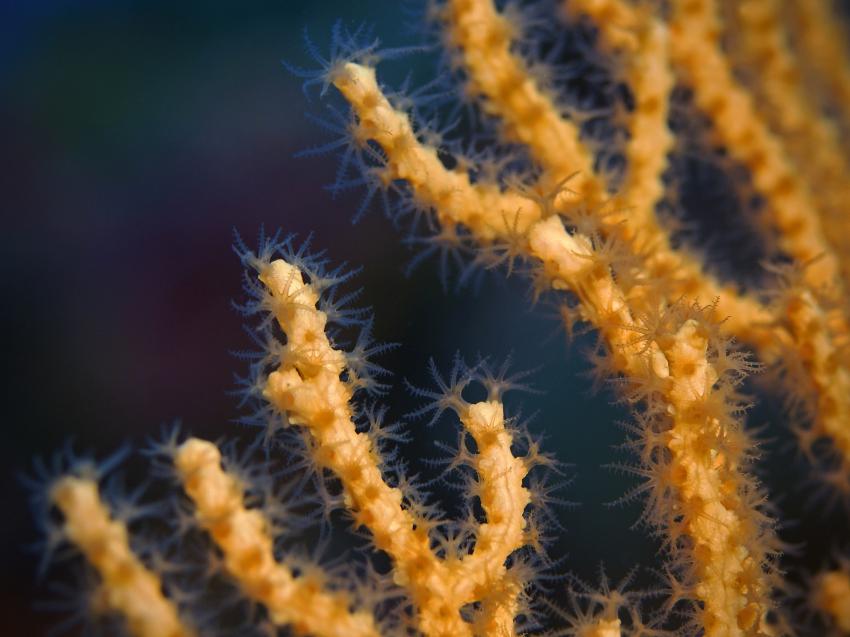
Close to the Sudanese border, Elba Reef is one of Egypt’s least-visited diving areas, where unspoiled reefs showcase pristine coral gardens and a high chance of spotting pelagic species cruising the blue. Its remoteness ensures minimal diver traffic and superb visibility.
Jackson Reef
One of the Straits of Tiran’s iconic dive sites, Jackson Reef is known for dramatic walls covered in vibrant coral. Grey reef sharks, hammerheads, and schools of barracuda are often encountered here, while the northern end can challenge divers with powerful currents.
Abu Fandera Bay
South of St. John’s, Abu Fandera Bay features a long reef line with passages that reveal colourful soft corals, schools of reef fish, and the occasional small reef shark. Divers may also encounter napoleons and large humphead parrotfish in impressive groups.
Little Brother Island
Part of the Brothers Islands, Little Brother boasts steep walls decorated with gorgonians and soft corals. Strong currents sweep past the reef, bringing pelagic visitors such as hammerheads, threshers, and grey reef sharks.
SS Turkia
This rarely visited wreck in the Gulf of Suez is a hidden gem for wreck enthusiasts. Laden with cargo, the SS Turkia offers an atmospheric penetration dive, with much of its structure intact and marine life now making it home.
Giannis D
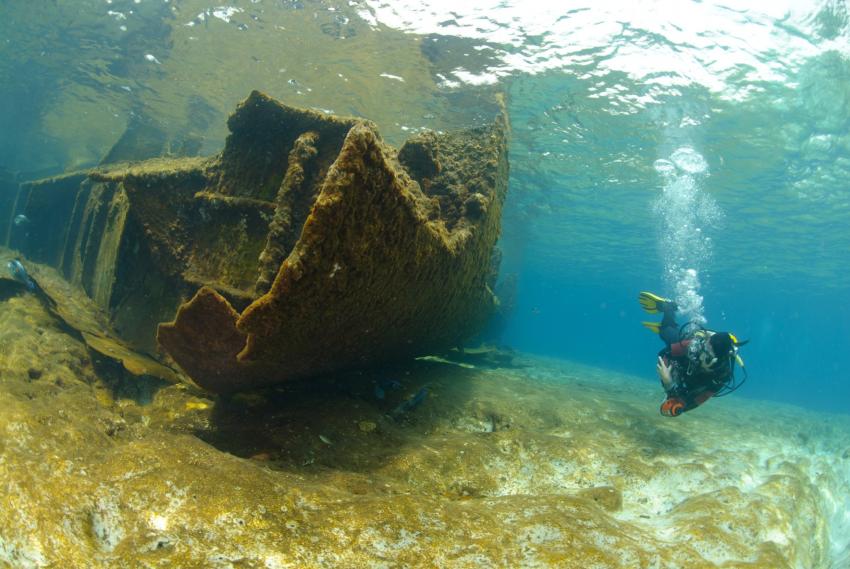
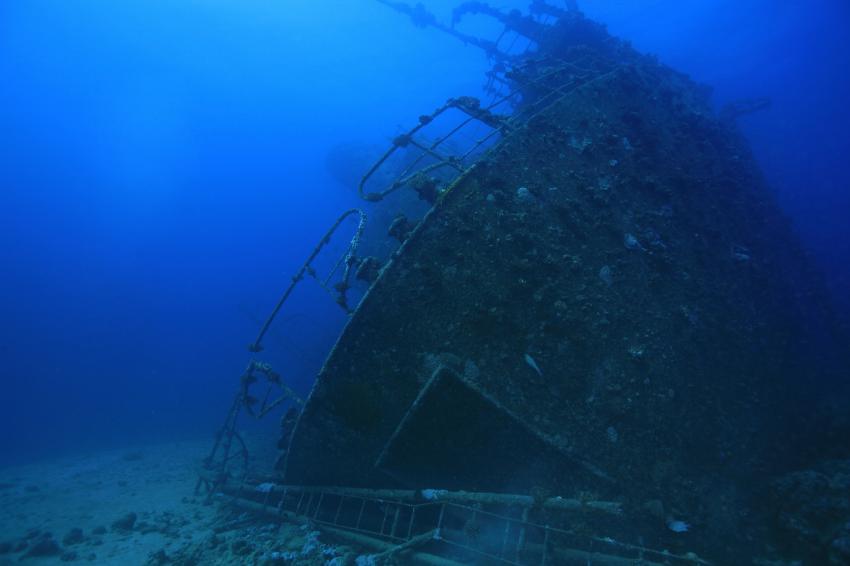
Resting at Abu Nuhas, this Greek freighter lies broken into three sections at a maximum depth of 27 metres. Its tilted engine room, overgrown with coral, makes it a favourite wreck for underwater photographers and experienced wreck divers alike.
Shaab El Erg
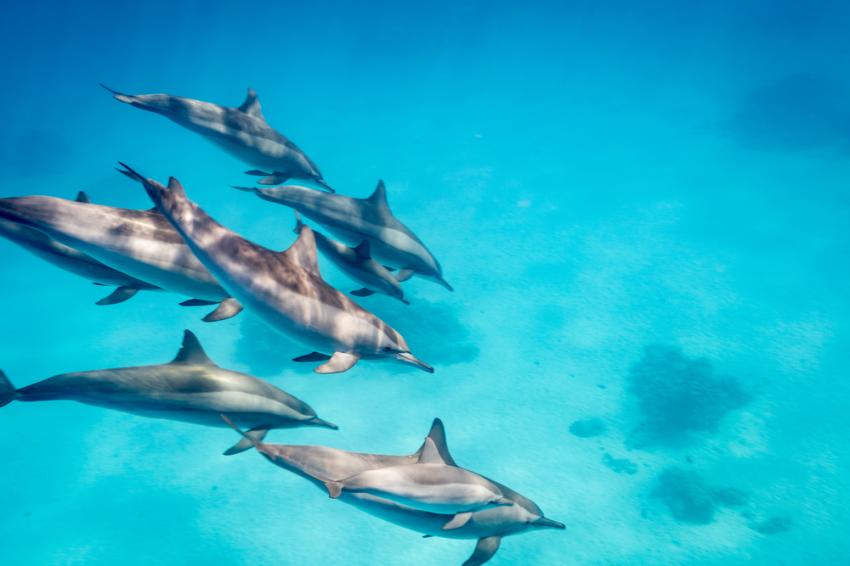
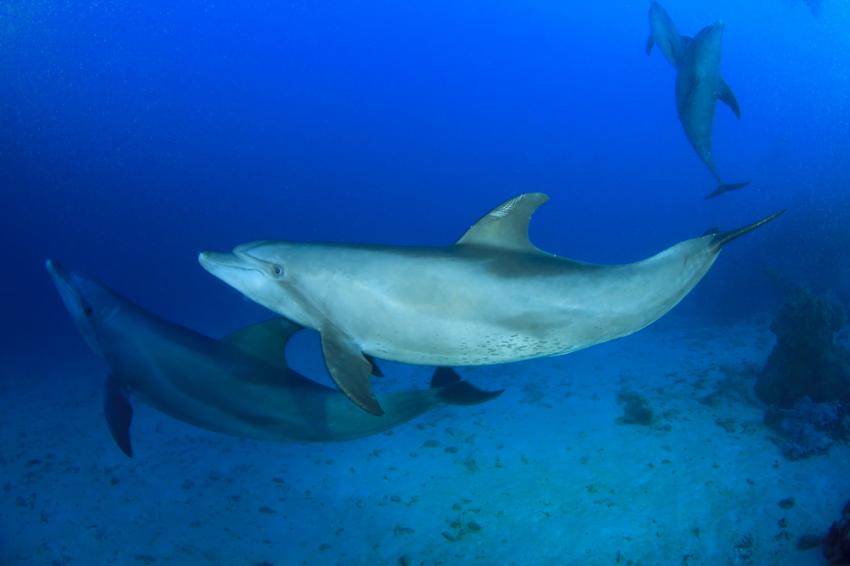
Famous for its resident pod of dolphins, Shaab El Erg is a horseshoe-shaped reef that appeals to divers of all levels. Coral gardens, pinnacles, and abundant reef fish complete this lively site.
Habili Ali
Located at St. John’s, Habili Ali is famed for towering walls adorned with huge gorgonians and black corals. Grey reef sharks and schooling fish patrol the blue, making this a quintessential southern Red Sea dive.
Shaab Abu Dabbab
Near Marsa Alam, this shallow site is one of Egypt’s best places to encounter dugongs and green turtles grazing on seagrass beds. Easy conditions make it popular for relaxed dives and snorkelling.
St. Johns Caves
A labyrinth of shallow swim-throughs and caverns lit by shafts of sunlight, St. John’s Caves offers a surreal diving experience. Soft corals, glassfish, and schooling snappers inhabit the maze.
Big Brother
The larger of the Brothers Islands is dominated by steep walls teeming with soft corals and pelagic fish. The wrecks of the Numidia and Aida rest on its slopes, while hammerheads and threshers are regularly seen in the surrounding blue.
Abu Galawa Kebir
This reef is home to a small wreck of a tugboat, beautifully overgrown with hard and soft corals. It’s an easy dive with plentiful reef fish and colourful coral blocks.
Shaab Claudia
Renowned for its network of swim-throughs, Shaab Claudia offers an exciting exploration dive. Sunlight streams through openings, illuminating hard coral gardens and creating a magical atmosphere.
Rosalie Moller
This WWII wreck lies in deeper water near Gubal Island. A sister ship to the Thistlegorm, Rosalie Moller sits upright and is frequented by schooling jacks, barracuda, and reef sharks.
Zabargad
A large island south of St. John’s, Zabargad features lagoons, drop-offs, and a wreck resting on a reef slope. Soft corals and abundant reef life make this a varied site.
Rocky Island
Exposed and remote, Rocky Island is surrounded by sheer walls covered in vibrant soft corals. Currents bring in large pelagics, with hammerheads and oceanic whitetips frequenting the site.
Daedalus Reef
Far offshore, Daedalus is a legendary dive site marked by its lighthouse. Sheer walls, vibrant coral growth, and seasonal schooling hammerheads make it a must for advanced divers.
Dunraven
This 19th-century British steamship sank near Ras Mohammed and lies upside down in shallow water. Inside, schools of glassfish shimmer in the beams of diver lights, while the exterior is blanketed in coral.
Carnatic
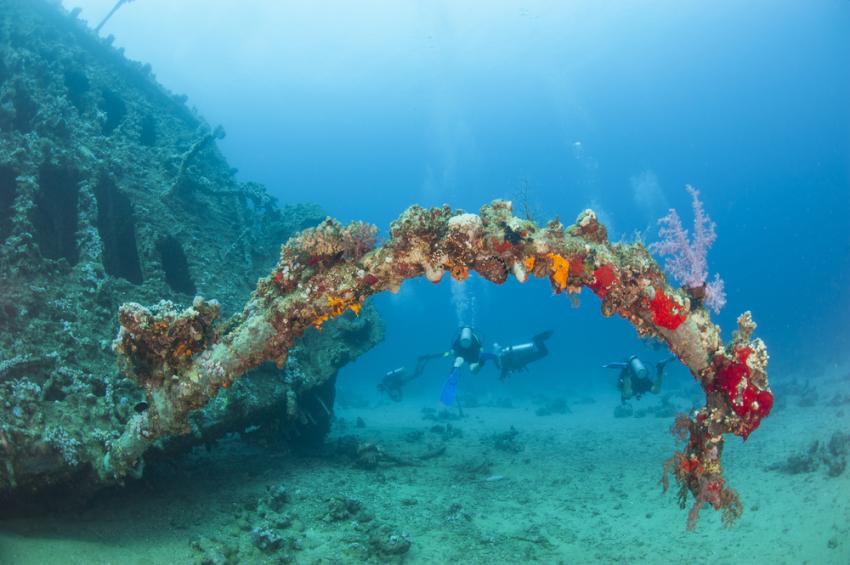
Another Abu Nuhas wreck, the Carnatic sank in 1869 and now rests on its side at 27 metres. Its skeletal remains are covered in soft corals, and divers can swim through the ship’s collapsed structure.
Shaab Sataya
Also known as Dolphin Reef, Shaab Sataya is famous for its resident pod of spinner dolphins. The lagoon offers sheltered diving with coral gardens, reef fish, and a chance for snorkellers to join in.
Salem Express
This passenger ferry tragically sank in 1991 near Safaga. The wreck lies at a depth of 30 metres and remains a poignant dive site, visited with respect for those who lost their lives.
Elphinstone Reef
A long, narrow reef off Marsa Alam, Elphinstone is famed for dramatic drop-offs, strong currents, and encounters with oceanic whitetips and hammerhead sharks.
Abu Nuhas
Known as the “Ship Graveyard,” Abu Nuhas is home to several famous wrecks, including the Giannis D, Carnatic, Chrisoula K, and Kimon M. Its shallow depths and variety make it a wreck diver’s paradise.
Woodhouse Reef
One of the four reefs of Tiran, Woodhouse features a long drift dive with sheer walls and colourful coral. Strong currents add excitement, and pelagic sightings are possible.
Thomas Reef
Compact but spectacular, Thomas Reef is renowned for its canyon that drops beyond recreational diving limits. Its steep walls host rich coral growth, making it a favourite among photographers.
Gordon Reef
The southernmost reef of Tiran, Gordon Reef is marked by a stranded shipwreck and coral slopes that attract reef fish, turtles, and the occasional shark.
Ras Mohammed
Egypt’s most famous national park offers sites like Shark Reef and Yolanda Reef, where walls draped in corals meet schooling barracuda, jacks, and snapper. It’s a highlight of northern Red Sea itineraries.
Thistlegorm
Perhaps the Red Sea’s most famous wreck, the Thistlegorm, is a WWII cargo ship sunk by German bombers in 1941. Its holds are filled with wartime cargo, including motorbikes, trucks, and rifles, making it a true underwater museum.
Bells
North of Dahab, Bells is a dramatic wall dive that begins with a vertical descent through a chimney-like fissure. The drop-off continues into the famous Blue Hole, combining spectacular topography with vibrant marine life
When To Go Diving in Egypt
Diving in Egypt is possible year round, but each season has its own highlights. From March to May, conditions are superb both above and below the surface. The air and water are comfortably warm, the reefs are alive with activity, and whale sharks are occasionally spotted in the northern Red Sea. This is peak diving season, so expect popular sites to be busier.
During June to August, air temperatures can be intense, but these summer months bring hammerhead sharks further north. This period also offers the warmest water, making it one of the best times for liveaboard diving in Egypt. Operators often offer attractive deals during the quieter summer, rewarding those willing to brave the heat with excellent pelagic encounters.
September to November offers another sweet spot, with balanced temperatures and a higher chance of seeing thresher sharks. Like spring, it’s a busy time for divers drawn to the superb conditions. December to February is winter, when the waters are cooler and strong winds are more common. Still, it is the best period to encounter Oceanic whitetip sharks, and a great season if you plan to combine Egypt liveaboard adventures with cultural tourism on land
Frequently Asked Questions About Egypt
Is the Red Sea safe from sharks?
Safety is a key concern for divers visiting Egypt. With large numbers of scuba travellers exploring the Red Sea each year, the Egyptian authorities maintain facilities to handle diving emergencies. Most marine animals in the region are shy, and the risk of a shark attack is extremely small compared to everyday hazards like sunburn. Knowing what species inhabit the vibrant coral reefs, and understanding currents or surface conditions, helps divers feel confident in the water. By staying informed and considerate, the chances of encountering any problems remain negligible, making scuba diving liveaboard in Egypt a safe and rewarding experience
Is there good diving in Egypt?
For European divers, Egypt is the closest warm-water destination, with short flights and little to no time difference. Travellers from North America face longer journeys and some jet lag, while divers from Asia typically have the longest flights. Still, Egypt delivers bucket-list diving with world-class reefs, wrecks, and pelagic encounters. From the iconic Thistlegorm wreck to Ras Mohammed’s superb reefs and the Brothers–Daedalus–Elphinstone triangle, the choices are vast. With reliably clear waters, diverse itineraries, and a wide range of liveaboard boats in Egypt, the Red Sea has become one of the most celebrated diving destinations worldwide
What is the best month to dive in the Red Sea, Egypt?
The best time for diving in the Red Sea is autumn, particularly September through November, when conditions are often ideal. During these months, water temperatures range from 21–30°C (70–86°F), and visibility can reach 20–40 metres. This period is considered peak season for certified divers, offering comfortable conditions both in and out of the water. Of course, with liveaboard diving in Egypt possible year-round, travellers can find excellent conditions throughout different seasons, depending on the dive sites and marine life they hope to encounter