Brothers Islands Liveaboard Diving
60% of divers returns to us
Best Brothers Islands Liveaboards
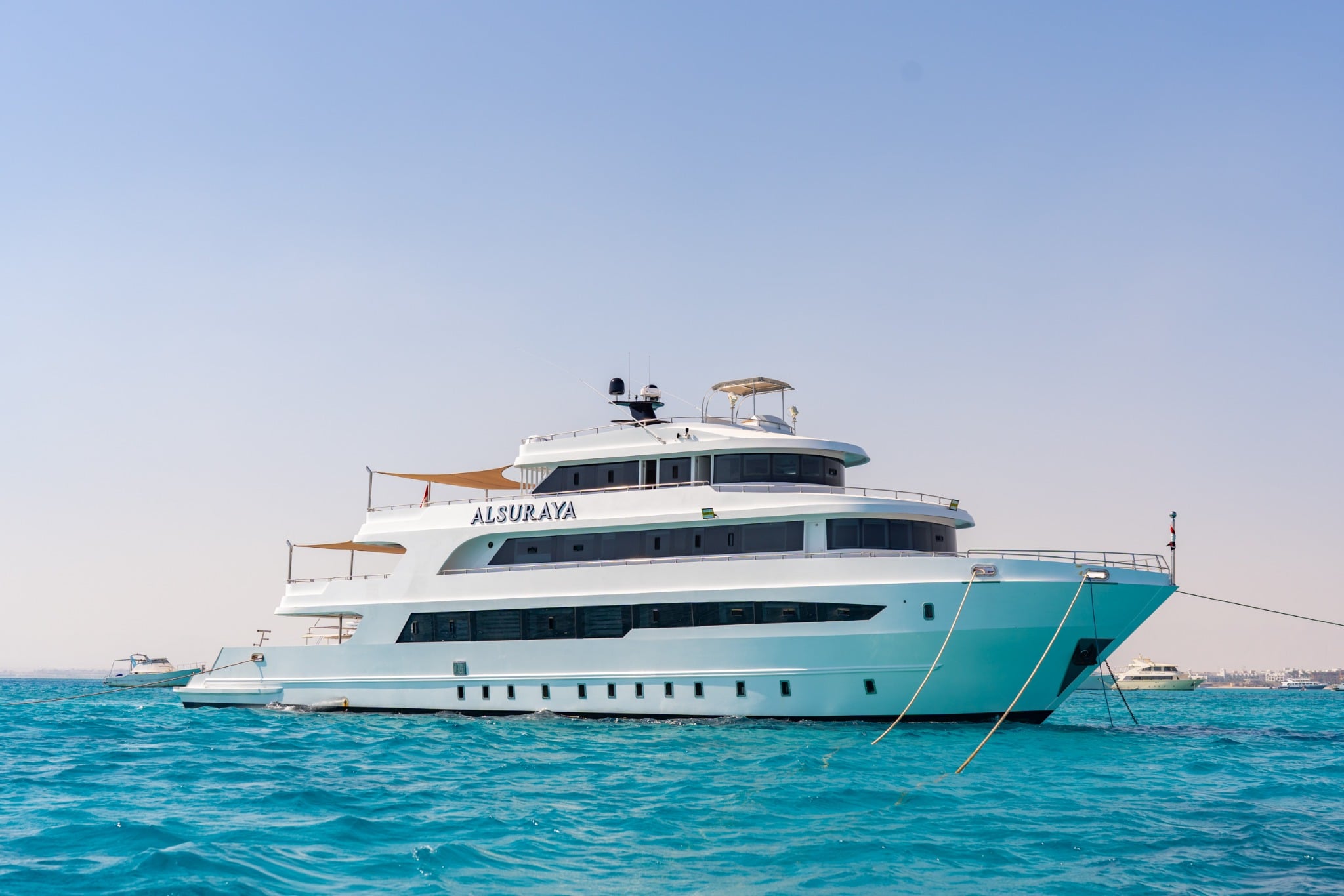 Alsurayafrom
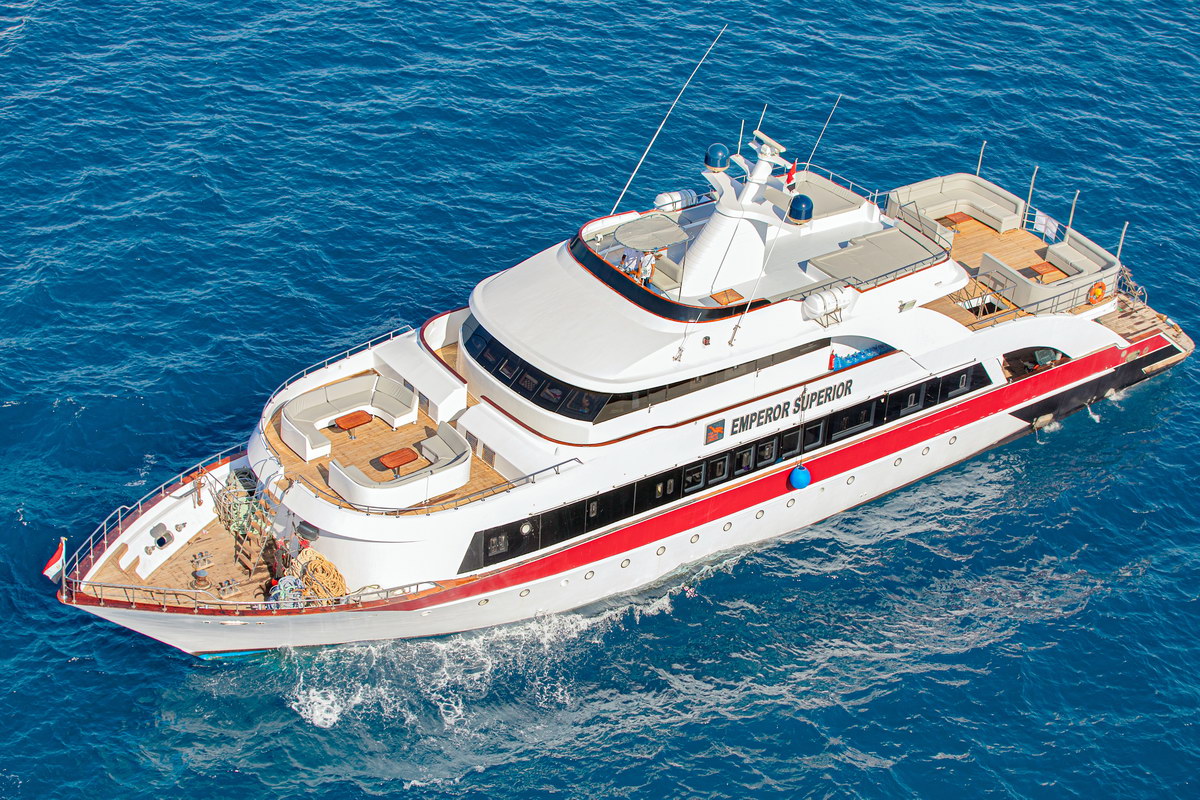 Emperor Superiorfrom
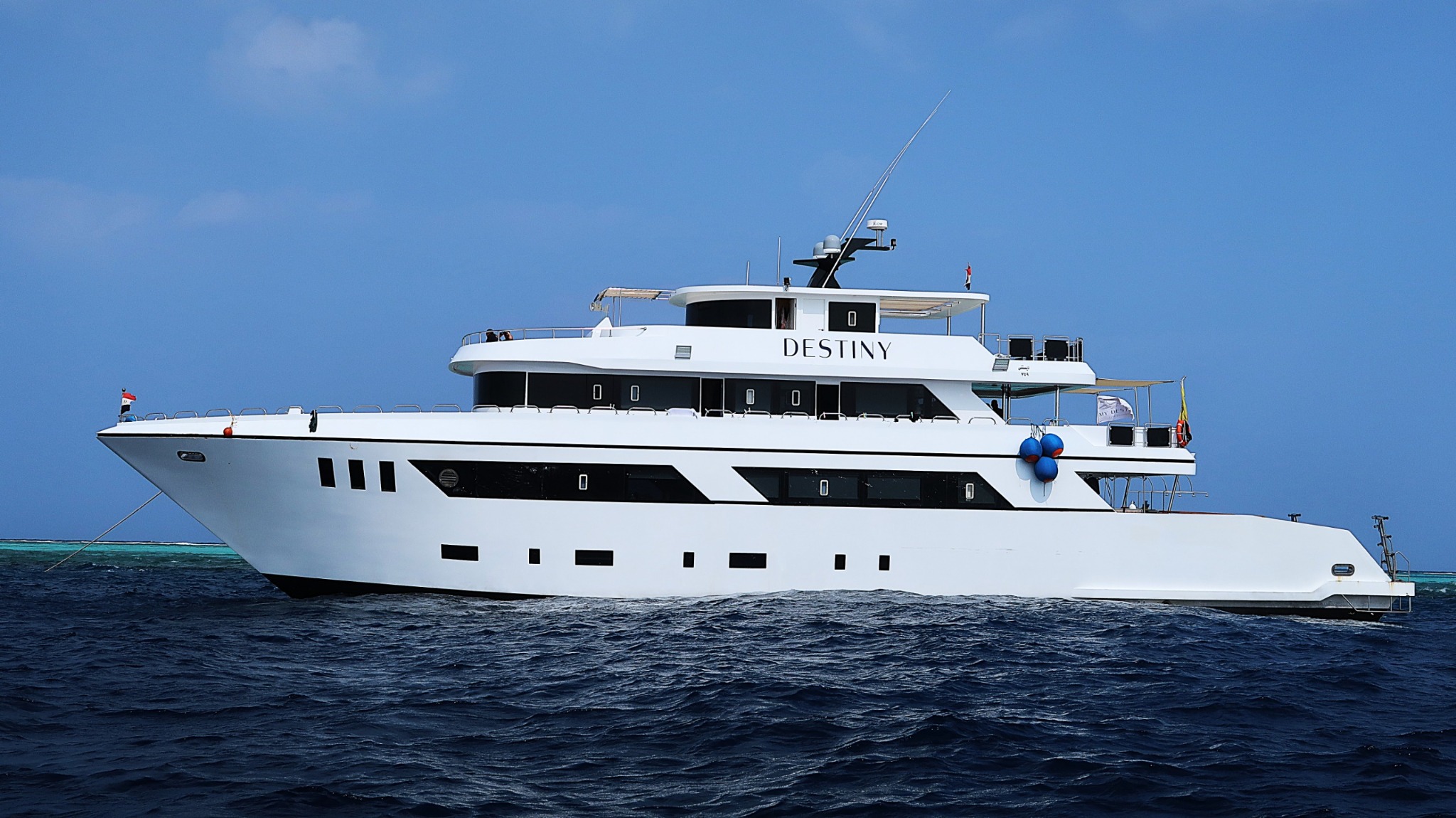 Destinyfrom
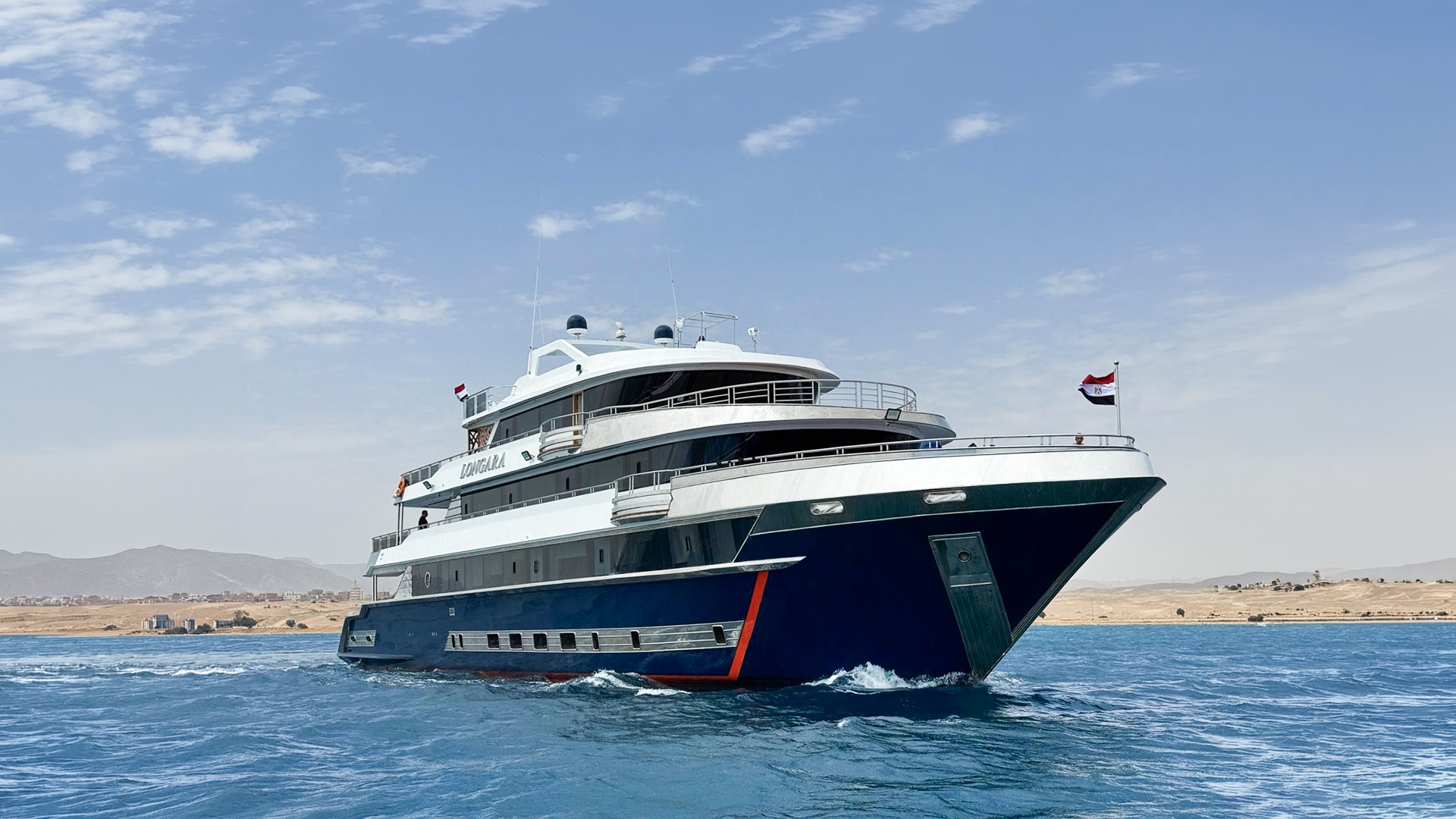 DUNE Longarafrom
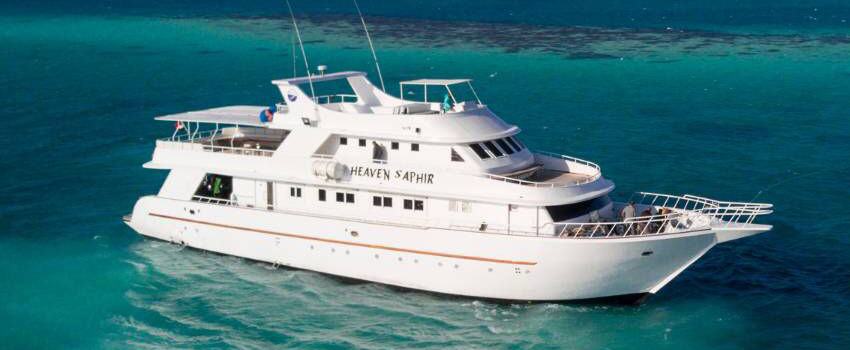 Heaven Saphirfrom
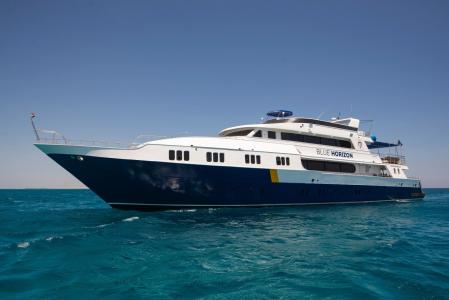
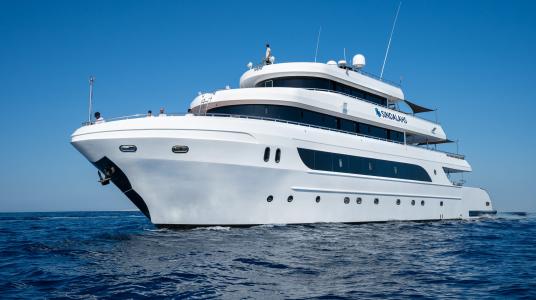
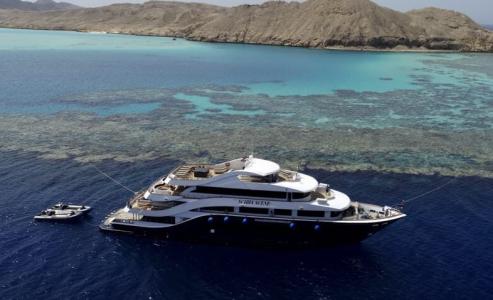
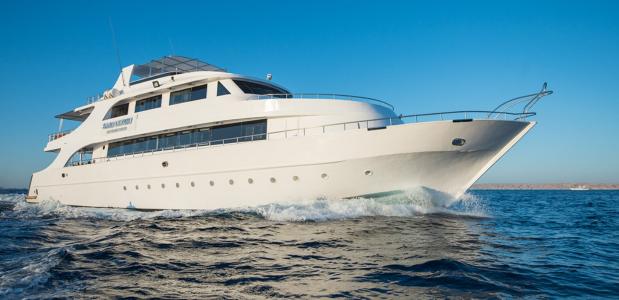
Handpicked Brothers Islands Liveaboard Collections


Scuba Diving in Brothers Islands
Rising dramatically from the depths of the Southern Red Sea, the Brothers Islands, or El Akhawein as they are known locally, offer some of the most exhilarating underwater experiences in Egypt diving. Located roughly 67 kilometres offshore from El Quseir, these two isolated pinnacles are a magnet for pelagic species and a bucket-list destination for serious enthusiasts. Because of their remote location, a Brothers Islands liveaboard is the only way to access these pristine waters.
Wrecks and walls
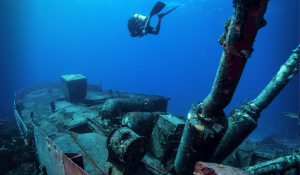
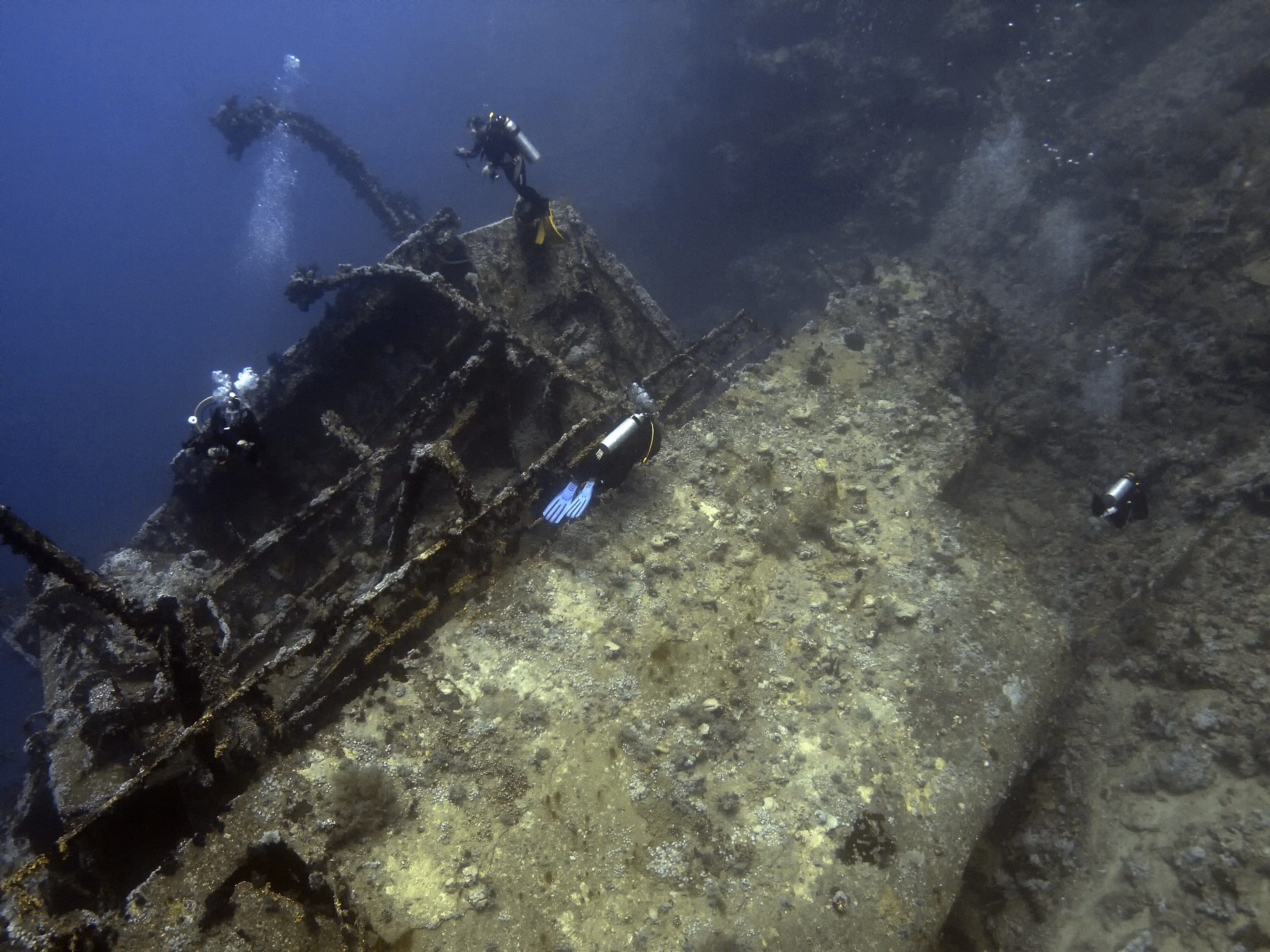
For those who crave history alongside marine biodiversity, the Big Brother Island serves as the resting place for two iconic Red Sea wrecks. The Numidia Wreck, a railway cargo ship, lies vertically on the reef, adorned in vibrant soft coral and hard coral that have transformed the twisted metal into a living masterpiece. Nearby, the Aida Wreck, a former lighthouse supply vessel, offers a hauntingly beautiful backdrop for photographers. Both sites feature steep wall diving where Gorgonian fans filter the nutrient-rich currents, creating a kaleidoscope of colour against the deep blue.
Dived by liveaboard
As a protected marine park, El Akhawein, the Arabic name for the Brothers Islands, is accessible only by liveaboard, making every descent feel like a privilege reserved for those who venture far offshore. A Brothers Islands liveaboard or Brothers Islands diving liveaboard gives divers front-row access to towering pinnacles, exposed drop-offs, and the distinctive plateau dive site on Big Brother Island, where pelagic creatures sweep in from the blue. Whether you board one of the Brothers Islands liveaboard boats, choose premium charter dive boats in the Brothers Islands, or join a classic Red Sea liveaboard, you’ll find an itinerary crafted around drift dives, deep-water sightings, and days shaped by the rhythm of the open ocean. Because conditions fluctuate quickly, night dives are prohibited, and an SMB (Surface Marker Buoy) is mandatory.
Delight for shark lovers
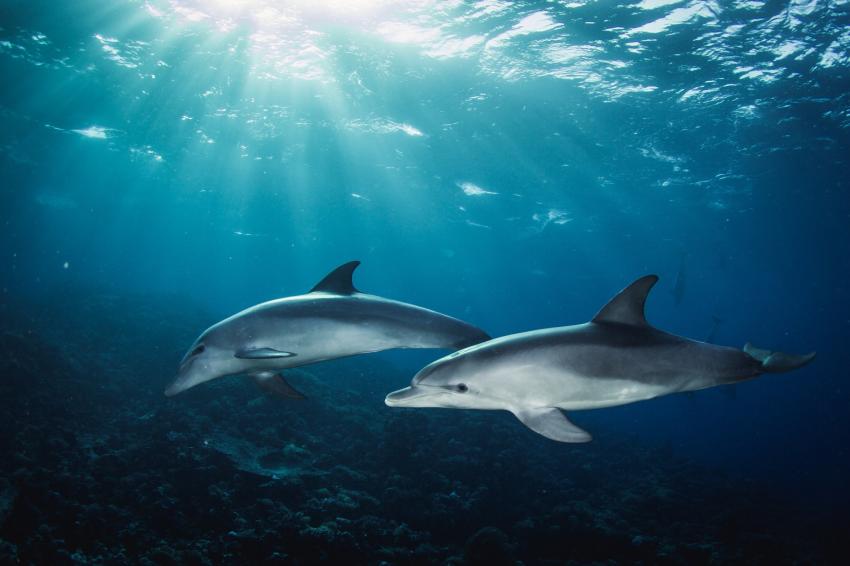
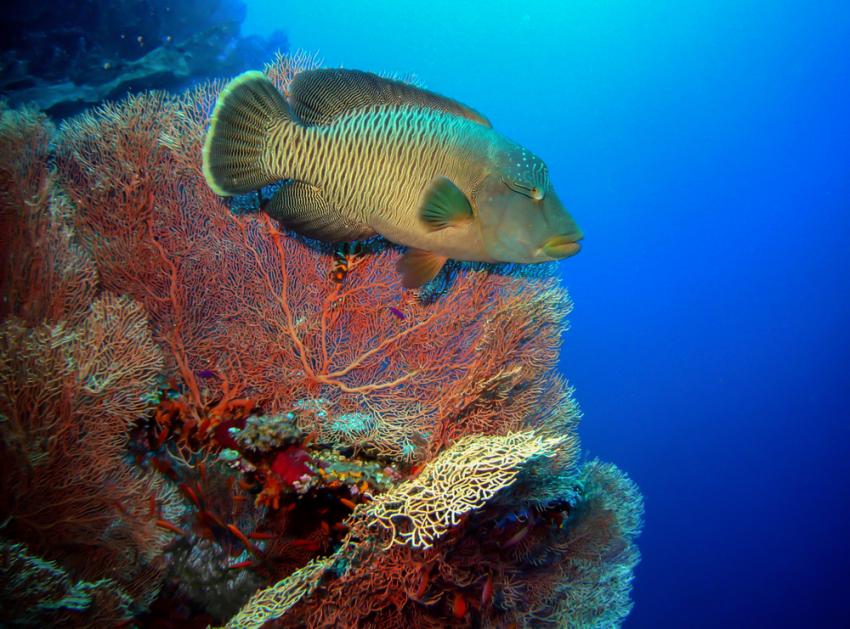
Few places in Egypt diving offer sharks encounters of this calibre. These volcanic islands sit along a migratory highway where pelagic species cross between deep basins, drawing in hammerhead sharks, elusive thresher sharks, sleek grey reef sharks, shimmering silvertip sharks, and the unmistakable oceanic whitetip shark, known for circling the plateaus with effortless authority. Add in clouds of barracuda, powerful tuna, passing manta rays, and the charismatic Napoleon wrasse, and the Brothers become a genuine delight for shark lovers. Divers sometimes drift along the walls to the soundtrack of distant dolphin clicks. Dolphin sightings are not unusual in this offshore wilderness
Must See Brothers Islands Dive Sites
Big Brother
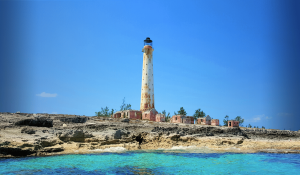
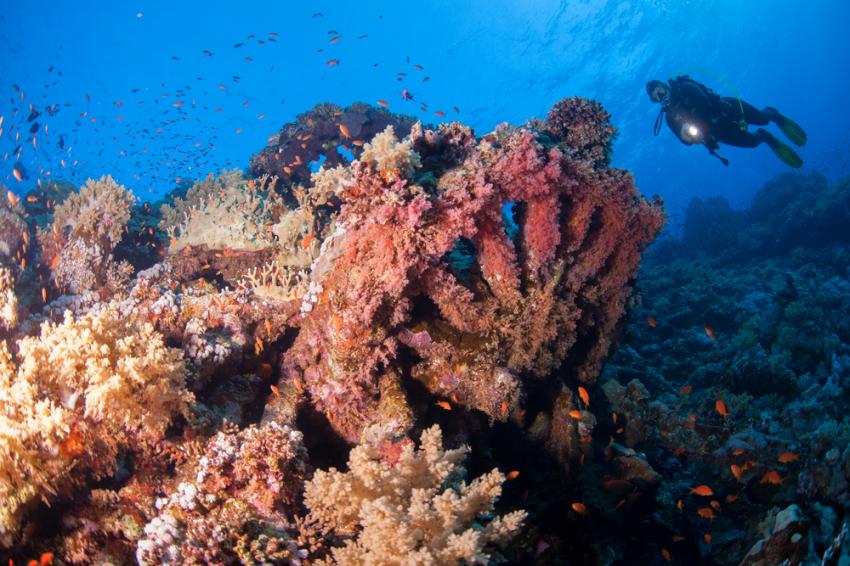
Marked by its iconic lighthouse, Big Brother is a deep-water oasis where steep walls descend into cobalt-blue nothingness. The north plateau is a magnet for pelagics, especially hammerhead sharks and oceanic whitetip sharks, while the western wall hides the magnificent Numidia Wreck, colonized by brilliant coral growth and patrolled by the occasional grey reef shark. The Aida Wreck, resting along the island’s flank, adds another layer of history and character, its skeletal remains home to swarms of reef fish and shy moray eels. The diving is raw, exhilarating, and intensely atmospheric.
Little Brother Island
Though smaller in size, Little Brother offers some of the region’s richest biodiversity. Its seamount structure brings in thresher sharks from the depths, alongside schools of barracuda and sleek silvertip sharks. The walls are draped in gorgonian fans, their delicate branches sheltering anthias clouds and the occasional Napoleon wrasse grazing along the reef top. Strong current is common, making each dive a dynamic dance between vibrant coral life and pelagic drama
Liveaboard Ports of Departure and How to Get There
Port Ghalib
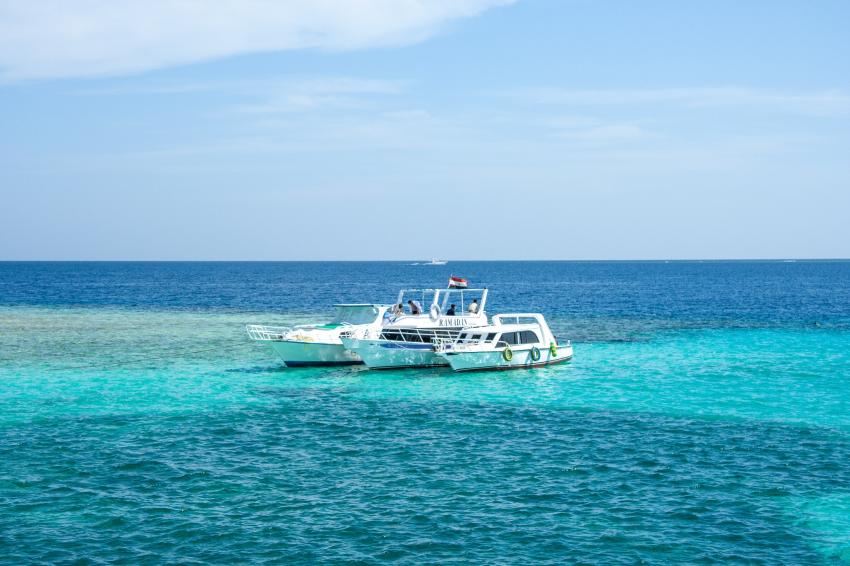
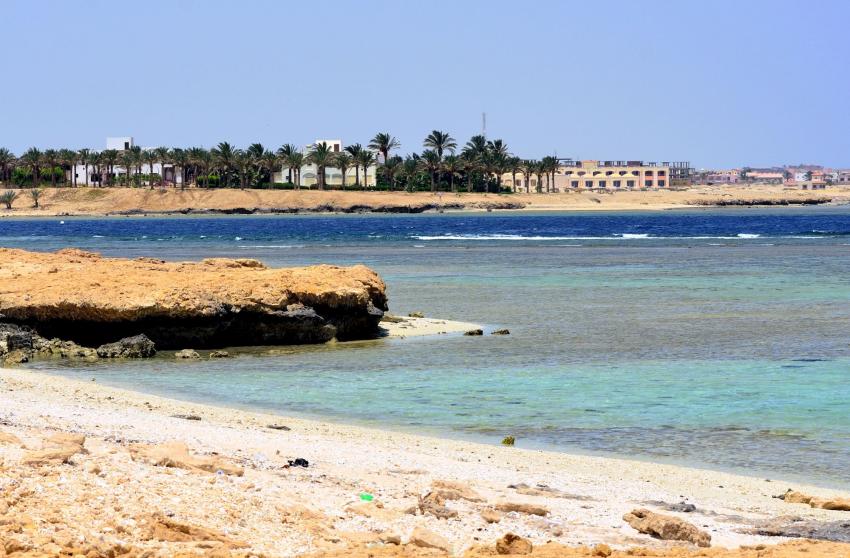
Many Brothers Islands liveaboards depart from Port Ghalib, a modern marina located just a short drive from Marsa Alam airport. It is a convenient hub that offers a seamless transition from your flight to your luxury vessel.Hurghada
As a major tourist centre, Hurghada offers a wide selection of liveaboard Brothers Islands departures. It is an excellent choice if you wish to combine your diving holiday with a few days of land-based relaxation. Hurghada offers a lively blend of reef diving, historic wrecks, and bustling tourism infrastructure.Marsa Alam
For those seeking a quieter start to their journey, Marsa Alam is the gateway to the deep south. Departing from here often means shorter travel times to the southern reefs, maximising your time exploring the underwater wondersWhen To Go Diving in Brothers Islands
Egypt enjoys a desert climate with long sunny days, making liveaboard Brothers Islands itineraries viable year-round. Water temperatures fluctuate from cooler winter conditions, which can attract pelagics like oceanic whitetips, to warmer summer months when visibility soars along the reefs. From Hurghada to Marsa Alam and the deep south around El Quseir, marine life thrives across seasons, though wind patterns may occasionally alter routes for safety. For those eager to explore the Brothers, spring and autumn often deliver the best balance of comfort and marine activity.
December to February bring cooler air and sea temperatures, with water often ranging between 20–23°C. These months draw divers hoping for encounters with pelagic species such as oceanic whitetip sharks that favour the winter’s brisker thermoclines. Although the sea can be chillier, brilliant visibility and quieter decks create a peaceful atmosphere offshore.
As the spring months of March to May arrive, both air and water warm to a more comfortable balance. Water temperatures gradually rise through 22–26°C, creating ideal conditions for long wall dives on Big Brother and Little Brother. It’s also an excellent period for spotting seasonal wildlife across the region. Egypt’s shark species become more active along the outer reefs, and coral life appears especially vibrant in the soft spring light.
June to August mark the warmest stretch of the year, with water temperatures climbing to 27–29°C and air temperatures soaring along the desert coastline. While land-based tourism slows, the offshore reefs flourish under summer’s calmer seas. Schools of barracuda gather along the plateaus, hammerheads shift northward in search of cooler layers, and the southern reefs of the Red Sea buzz with life. Divers comfortable in heat often find this a rewarding time to secure a liveaboard Brothers Islands itinerary.
From September to November, Egypt settles into a second golden season. Air and water temperatures meet again in perfect harmony, generally between 26–28°C, creating effortless diving conditions. Many consider autumn the best time to explore the Brothers Islands, when thresher sharks, grey reef sharks, and other pelagics cruise reliably along the drop-offs and cross currents pulse with energy
Frequently Asked Questions About Brothers Islands
What level of experience is needed to dive in the Brothers Islands?
You’ll need to be comfortable with deep wall dives, negative entries from zodiacs, and classic drift-dive techniques, as well as maintaining precise buoyancy while navigating along sheer drop-offs adorned with delicate gorgonian fans. When those skills are in place, the Brothers reward divers with some of the most electrifying encounters in the Red Sea, an unforgettable blend of reef, wreck, and big-animal action
Is diving in the Brothers Islands considered difficult?
What marine life can I see, and when is the best time to visit?
What about the famous wrecks?
On Big Brother, the iconic Numidia wreck lies along the northern tip of the island, descending from 10 to nearly 80 metres. Its hull is cloaked in soft coral, visited by passing pelagics and framed by swirling reef fish. On the island’s western flank rests the Aida wreck, a supply vessel that slipped beneath the waves in 1957. Today, it sits between 28 and 60 metres, adorned with vibrant coral growth and regularly visited by curious predators cruising the walls.
Both wrecks rise from a backdrop of plunging drop-offs and powerful currents features that make them spectacular for experienced divers exploring the Brothers by liveaboard
Brothers Islands Diving Reviews
Tips for travelers
Transportation – Getting There and Around
Most divers fly directly into Hurghada or Marsa Alam international airports. From there, your Brothers Islands liveaboard operator typically arranges private transfers to the marina. If you are departing from Port Ghaleb, the drive from Marsa Alam is short and breezy, allowing you to settle in quickly. For those embarking from Hurghada, the transfer is equally seamless. Once on board your charter dive boat in the Brothers Islands, your transportation is taken care of—you’ll simply wake up at the dive site!Accommodation Options: Dive Resorts and Hotels
Since diving at the Brothers is restricted to Brothers Islands liveaboard diving, your primary "hotel" will be your vessel. These boats often rival boutique hotels, offering varying levels of luxury from bunk cabins to master suites. However, because advanced divers often arrive a day early to acclimate or stay a day late to off-gas before flying, booking a land-based stay is common. Hurghada and Marsa Alam are dotted with upscale dive resorts where you can relax by the pool. A stay in El Quseir offers a quieter, historic charm, perfect for unwinding after a week of high-adrenaline scuba liveaboard Brothers Islands action.Marine Parks and Other Fees
Preserving the biodiversity of El Akhawein where biomass thrives and shark lovers rejoice requires resources. As this destination is a designated Marine Park, divers must pay government environmental fees and port fees. These are rarely included in the initial booking price of your Brothers Islands dive liveaboard and are typically collected in cash (Euros or US Dollars) on board. It is a small price to pay to support the conservation of the oceanic whitetip shark and the vibrant soft coral gardens that make this region legendary.Packing Essentials for diving in Brothers Islands
Packing for a liveaboard dive boat's Brothers Islands trip means preparing for remote, open-ocean conditions.- Safety Gear: As mentioned, a Surface Marker Buoy (SMB) is mandatory for every diver. With strong current and drift dive scenarios being the norm, a reef hook is also highly recommended to help you hold your position on the plateau dive site without damaging the reef.
- Exposure Protection: despite the sunny Egyptian weather, repetitive diving can lower your core temperature. A 5mm wetsuit is standard for most of the year to ensure you stay warm while waiting for thresher shark sightings.
- Spare Equipment: You are kilometres from the nearest dive shop. Bring a spare mask, fin straps, and a save-a-dive kit.
- Seasickness Medication: The crossing to Big Brother Island can be choppy. To ensure you are ready to jump in with the hammerhead shark schools, pack motion sickness medication just in case