When to Dive the Sea of Cortez: A Seasonal Guide to Mexico’s Marine Jewel
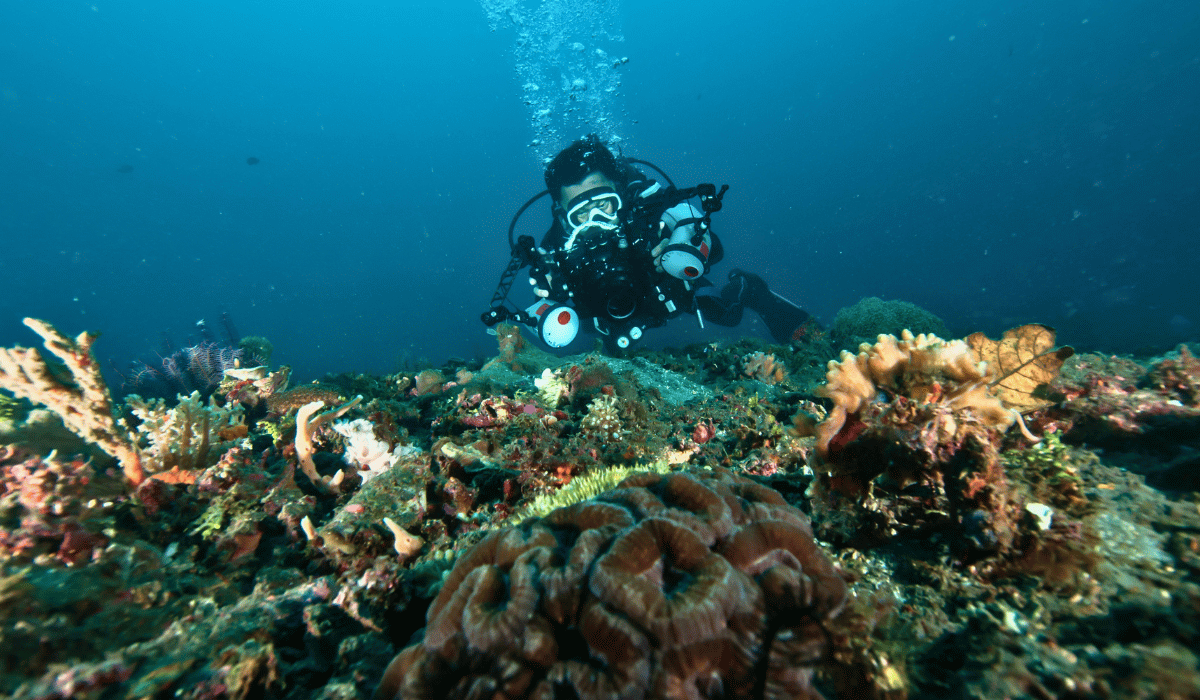
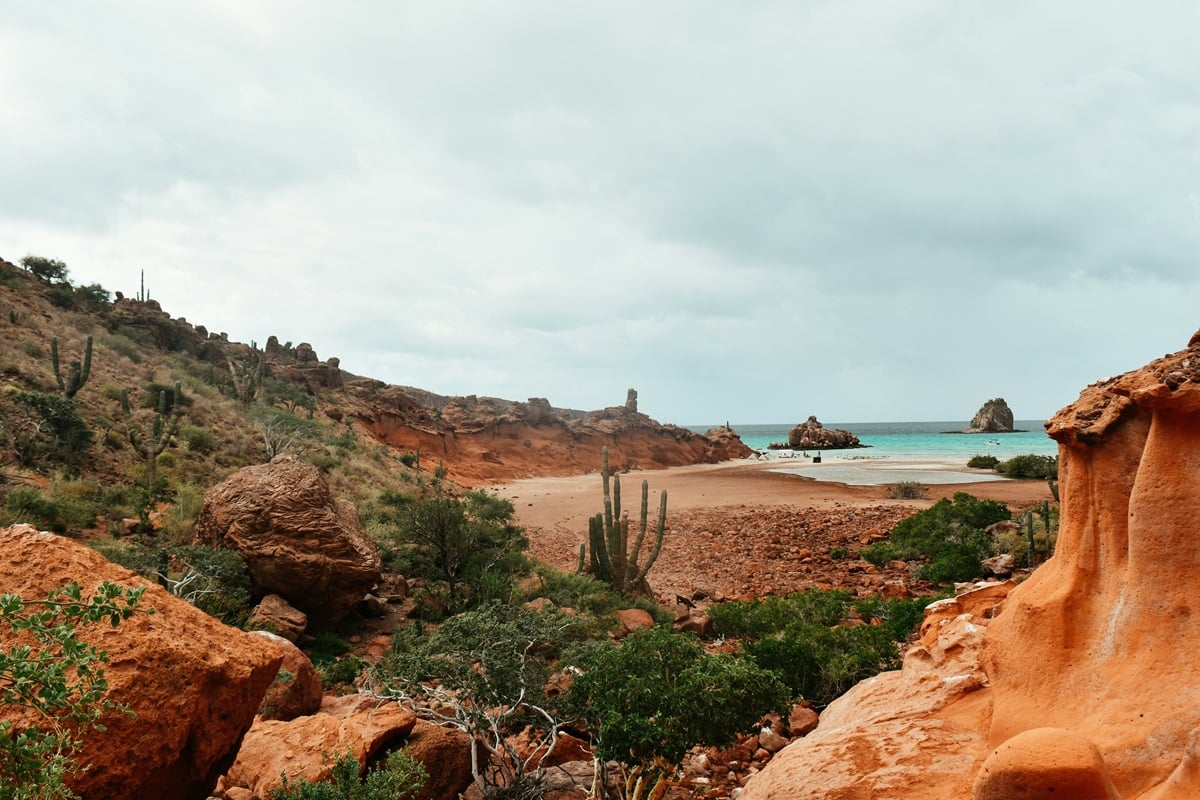
From the arid coastlines of Baja California to the rugged offshore islets of Espiritu Santo, the Sea of Cortez dazzles with its dramatic geography and biological wealth. Known as the “world’s aquarium,” a phrase popularized by Jacques Cousteau, this region of northwest Mexico offers divers one of the most biodiverse marine environments on the planet. But what’s the best time to dive the Sea of Cortez? The answer depends on what you’re hoping to find beneath the surface.
Whether you’re chasing hammerhead sharks at El Bajo, drifting through clouds of jacks, or hoping for a playful encounter with a curious sea lion, the Sea of Cortez delivers a different kind of magic every season. With conditions shaped by seasonal monsoons, water temperatures, and wildlife migrations, knowing when to visit is key to planning a rewarding scuba diving experience in this spectacular marine area
Quick Overview: When Is the Best Time to Dive the Sea of Cortez?
Diving in the Sea of Cortez is technically possible year-round, but the best time to dive the Sea of Cortez, especially for liveaboard diving, is between July and November. This stretch marks the core Sea of Cortez diving season, when water temperatures climb, visibility improves, and marine megafauna make their presence known. From whale sharks and sea lions to mobula rays and humpbacks, the region’s wildlife varies significantly by month.
However, comfort levels differ, and it’s wise to consider your own tolerance for cold water diving or surface conditions. Hurricanes are also possible in late summer, and thermoclines can shake up temperature expectations. Still, few areas in the world offer such a rich blend of marine life, dive site variety, and seasonal spectacle
Sea of Cortez Diving Seasons Explained
Summer (June to September) – Warm Water & Best Visibility
This is the prime Sea of Cortez liveaboard season. Water temperatures hover between 21–28°C (70–82°F), though thermoclines may bring sudden dips. Conditions are generally calm and clear, with visibility often reaching up to 25 meters. Dive sites such as El Bajo explode with activity, and the great mobula ray migration peaks between May and July, occasionally accompanied by passing orcas.
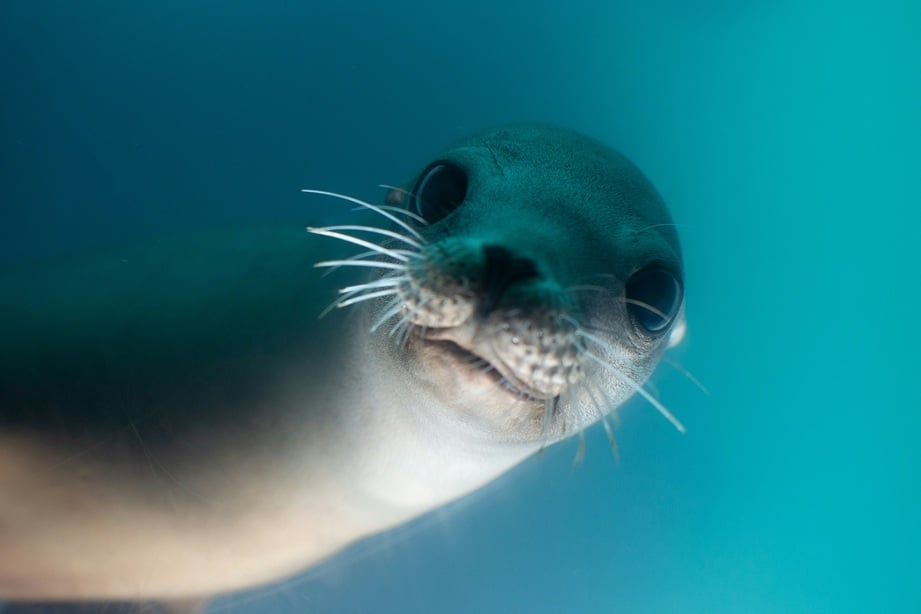
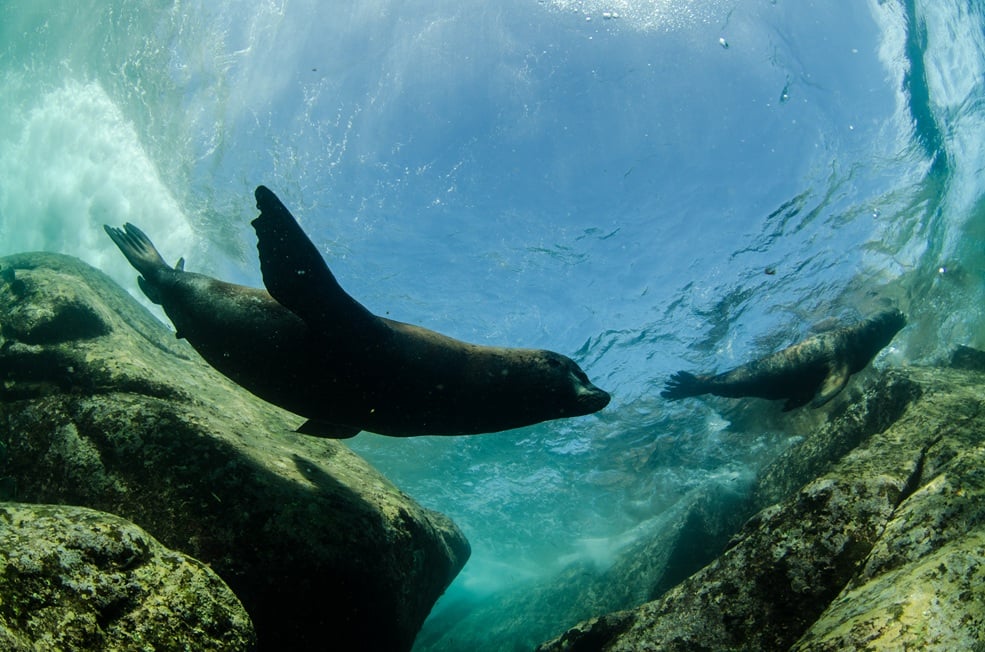
Sea lions, particularly juveniles, are highly active in late summer. August and September offer some of the most charismatic interactions with these underwater acrobats
Fall (October to December) – Peak Season & Whale Sharks
October and November usher in the best season to dive the Sea of Cortez for encounters with whale sharks. Juveniles begin gathering near Bahía de Los Ángeles, drawn in by seasonal plankton blooms. While visibility may dip during snorkel sessions with these filter-feeders, the chance to swim alongside the ocean’s largest fish is worth the trade-off.
Water temperatures remain warm through October but begin to cool by December. It’s also a time to spot mobula rays and catch a last glimpse of sea lions before the winter winds set in
Winter (January to March) – Cooler Water & Big Animals
If pelagics top your wish list, winter is the best time to scuba dive in the Sea of Cortez. Though water temperatures dip to 19°C (66°F), humpback whales, grey whales, and mobula rays make dramatic appearances. Visibility varies, and winds can cause surface chop, but the marine life action is exceptional.
Shore-based divers will find December to March ideal for whale watching, while underwater, the potential for life-changing encounters makes it worth braving the chill
Spring (April to May) – Transitional Conditions
Spring months bring a shift in biomass and biodiversity. Large, pregnant whale sharks and schooling scalloped hammerheads begin to reappear. It’s also the season for yellowfin tuna and an uptick in reef activity. Water temperatures begin their upward climb, typically ranging from 23–26°C (74 to 78°F)
Marine Life Highlights by Season
- December to March: Expect humpbacks, grey whales, and mobula rays
April to May: Yellowfin tuna, hammerheads, large pregnant whale sharks
July to September: Sea lion pups, mobula rays, orcas
October to December: Whale sharks, pelagic fish schools
Year-round residents include sea lions, reef fish, and macro life, from blennies and jawfish to Mexican barracuda and king angelfish
Top Dive Spots in the Sea of Cortez by Season
Los Islotes
A crown jewel for sea lion encounters. Located north of Isla Espíritu Santo, this island buzzes with barking colonies year-round. Expect close interactions with playful pups in late summer. Below the surface, you’ll find sardines, barracuda, angelfish, and the occasional mobula ray or passing shark.
El Bajo
A trio of submerged seamounts is famed for schooling hammerhead sharks, especially in summer and fall. The dive often begins in currents and includes encounters with green morays, jacks, manta rays, and even marlin. This is an advanced drift dive.
Swanne Reef
Ideal for wide-angle and macro photography, Swannee’s coral-covered walls are home to spottail grunts, goatfish, and barracudas. Dolphins are occasionally spotted patrolling the edge.
Salvatierra Wreck
A sunken ferry turned artificial reef, lying at 20 meters. Schools of grunts, angelfish, and surgeonfish now call it home, while coral and sea fans grow on its frame. Trucks on the wreck provide a unique visual element, though penetration is not allowed.
La Paz Bay
Whale shark season here runs from November through April, when juveniles gather to feed on plankton. These gentle giants are a must-see, often the highlight of any visit to the Sea of Cortez.
Cabo Pulmo
Declared a National Marine Park in 1995, Cabo Pulmo is now a thriving no-fishing zone. Expect dense bait balls of jacks, mobula rays, groupers, snappers, and pelagic sharks, including bull sharks, makos, and silkies, especially from September to December.
La Reina
Remote, wild, and breathtaking. La Reina’s pinnacles and walls attract schooling fish, manta rays, and, in the right season, whale sharks. Currents here bring both nutrient-rich water and incredible visibility.
Las Animas
Popular among those who charter dive boats in the Sea of Cortez, Las Animas is a sensory overload. Schools of tuna and jacks, hammerheads, strong currents, and dramatic topography make it a diver’s dream.
Punta Martir
A remote site with steep drop-offs and strong currents. Expect turtles, rays, and hammerheads gliding through the deep. On the surface, seabirds gather in huge colonies, setting the scene for an unforgettable dive
Best Season to Dive the Sea of Cortez
Liveaboard Peak: July to November
Mobula Rays: May–July
Whale Sharks: Nov–Apr (juveniles Sep–Nov)
Sea Lions: Year-round; pups Aug–Sep
Grey/Humpback Whales: Jan–Mar
Blue Whales/Sperm Whales: Jan–Aug
Shore Diving: Year-round
The best time to dive the Sea of Cortez ultimately comes down to your goals. Are you hoping to snorkel with whale sharks? Seek out pelagic giants like humpbacks and sperm whales? Or simply enjoy warm waters and vivid reefscapes teeming with marine life? Whatever your ambition, this region of Mexico offers a season for it.
From first-time visitors to seasoned divers, those who explore the Sea of Cortez come away with memories as vibrant as the waters themselves. And with liveaboard options concentrated between July and November, it’s never been easier to discover this aquatic treasure in full.
Whether you’re drawn by playful pinnipeds or the thrill of hammerhead schools, diving in the Sea of Cortez is an experience that stays with you long after your fins are dry
Liveaboards you might like:
Water Temperature & Visibility by Month
| Months | Water Temperature | Recommended Wetsuit | Visibility |
|---|---|---|---|
| January–March | 19–22°C (66–72°F) | 5mm | 10–25m |
| April–May | 23–26°C (74–78°F) | 5mm | excellent, up to 25m |
| June–August | 27–30°C (80–86°F) | 3mm | peak visibility 25m |
| September–November | 23–28°C (74–82°F) | 3–5mm | 15–25m |
| December | 20–22°C (68–72°F) | 5mm | 10–20m |
Frequently Asked Questions
Yes, you can. While the best season to dive the Sea of Cortez aboard a liveaboard is between July and November, shore-based scuba diving is available year-round. Each season offers different advantages, from warm visibility-packed summers to wildlife-rich winter months. Divers can tailor their visit based on what kind of marine life they want to experience
The best time to see whale sharks in the Sea of Cortez is from October through April. While some individuals are seen year-round, the highest concentration gathers during late fall and winter, particularly around La Paz Bay. These gentle giants are drawn to plankton blooms, which can reduce visibility but increase your chances of memorable encounters. Strict protections are in place Mexico to regulate swimming tours to ensure safety and ethical practices, with occasional temporary closures for population recovery
Absolutely. December marks the start of the pelagic season in the Sea of Cortez. Though the water dips to around 19°C (66°F), the cooler conditions bring with them an influx of megafauna. Humpback whales, grey whales, and mobs of mobula rays appear during this time, making it an excellent season for wildlife lovers. If you’re land-based and can handle the chill, diving in the Sea of Cortez in December delivers world-class sightings
Depending on Sea of Cortez diving season, in warmer months (June to October), a 3mm full wetsuit is typically sufficient for most divers. During the shoulder seasons of April, May, and November, some may prefer a 5mm full suit depending on comfort level. For winter diving between December and March, a 5mm wetsuit is highly recommended, along with a hood or hooded vest. The best time to dive in the Sea of Cortez includes a wide range of water temperatures, so layering options help accommodate thermoclines and personal tolerance