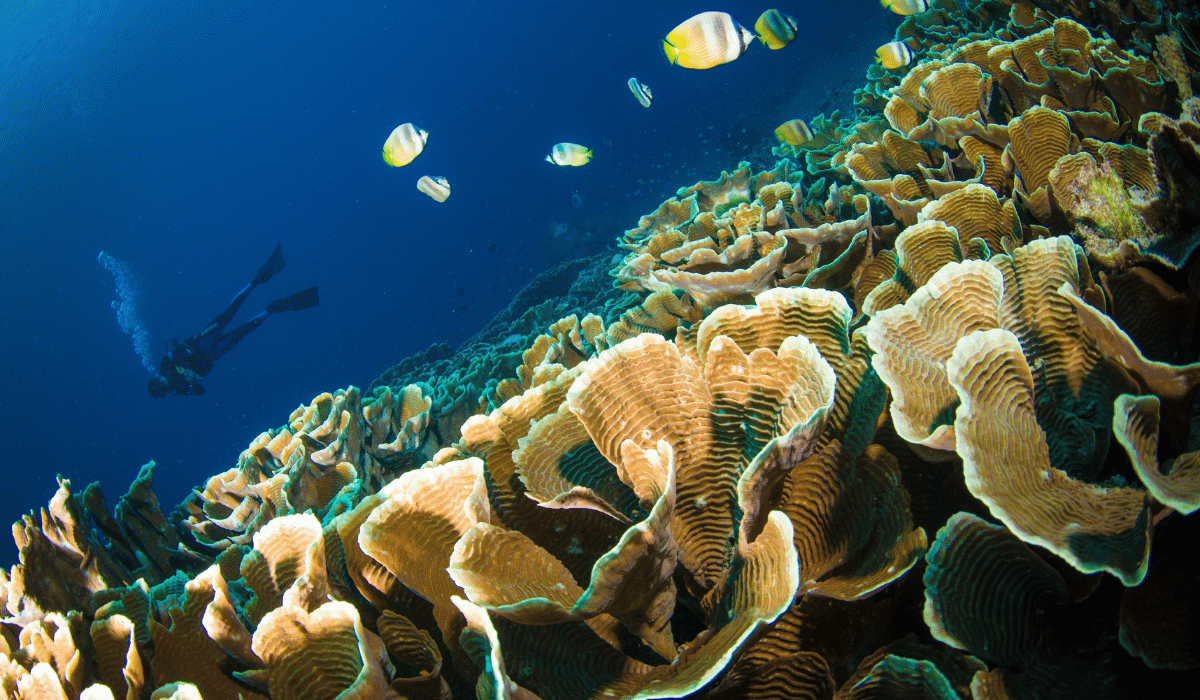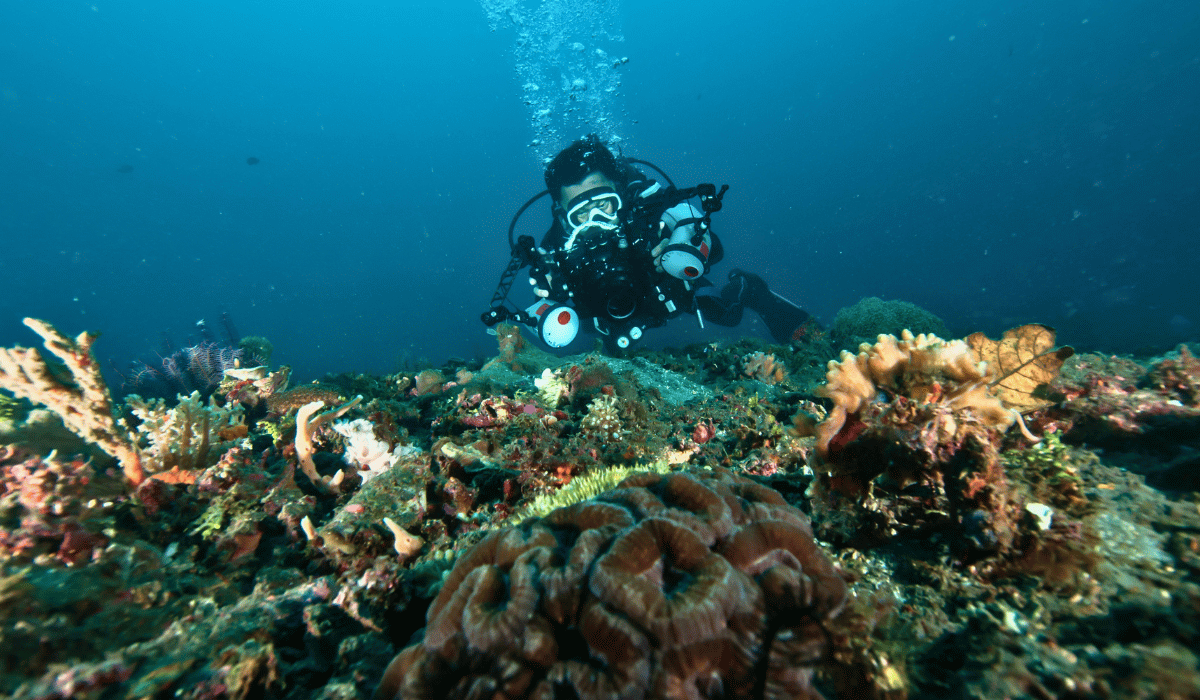
From the remote volcanic peaks of the Pacific to the vibrant, wildlife-filled waters of the Sea of Cortez, Mexico offers some of the most thrilling liveaboard diving on the planet. This is a destination where manta rays glide beside you, humpback whales breach on the horizon, and playful sea lions dart past dramatic reef walls. But what’s the best time of year to dive in Mexico? That depends on where you go and what you hope to see. Here’s a month-by-month look at diving conditions, marine life highlights, and destination-specific insights to help you plan your next trip beneath the surface.
Quick Overview: Best Time to Dive in Mexico
For liveaboard divers, the spotlight falls on Mexico’s Pacific coast – home to two of its most legendary destinations: the Socorro Islands and the Sea of Cortez. Both regions are magnets for marine megafauna, offering everything from giant mantas and schooling hammerheads to dolphins and whale sharks. So what’s the best time to visit Mexico for diving?
Mexico’s diving seasons break into two general patterns. The rainy season, from May through October, brings warmer waters and plankton blooms – ideal for filter feeders but with reduced visibility and higher storm risk. The dry season, from November through June, features clearer conditions and cooler temperatures, with windier weather and occasional surface chop due to northerly winds sweeping down from the U.S.
Where to Dive in Mexico
Baja California & Sea of Cortez – Peak: July to November
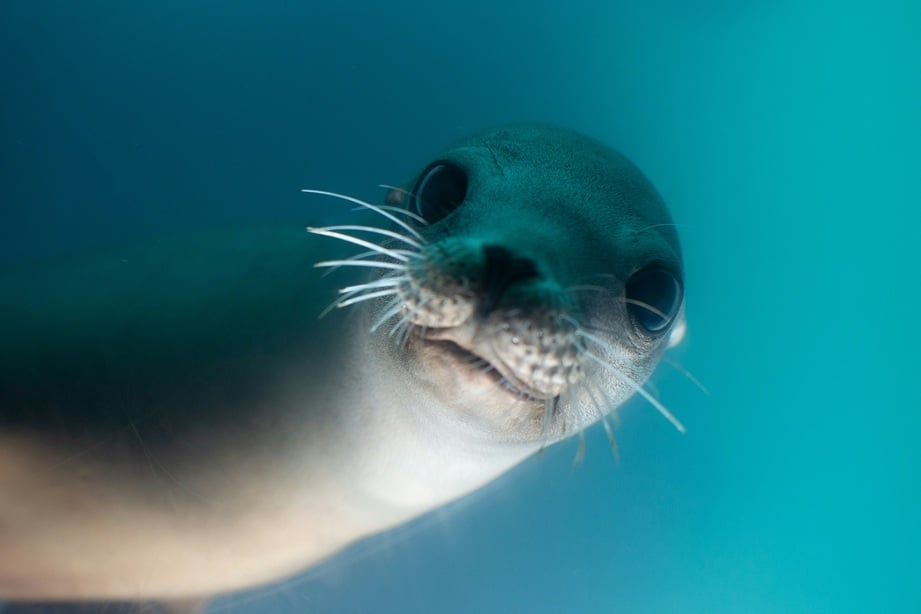
Nicknamed “the world’s aquarium,” the Sea of Cortez offers a remarkable diversity of marine encounters. Between July and November, liveaboard diving here reaches its peak. Expect encounters with whale sharks, breaching mobula rays, hammerheads, and playful sea lions. Dolphins, orcas, pilot whales, and even sperm whales may also make an appearance, especially in the deeper channels.
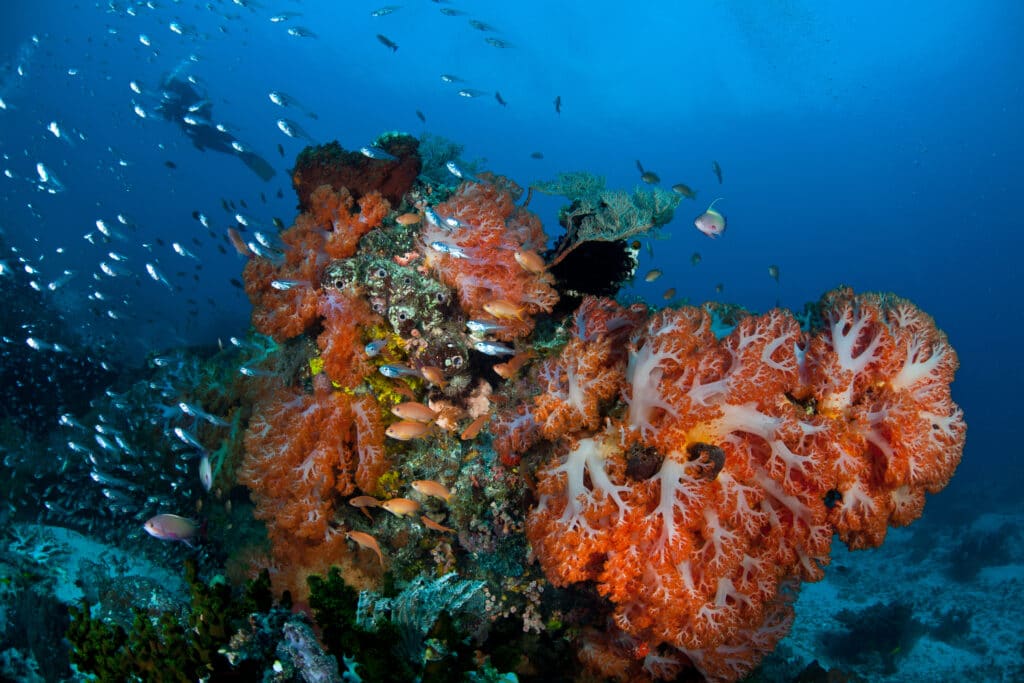
Reefs are rich with gorgonian fans, colorful sponges, and mystical kelp forests that shelter seahorses, nudibranchs, and tropical reef fish. August and September are ideal for diving with curious juvenile sea lions, while earlier months may offer a glimpse of pups just after birth.
The great mobula ray migration takes place between May and July, sometimes coinciding with sightings of orcas. Whale sharks are a year-round possibility, but they’re especially common from late September through November when juveniles gather near Bahía de Los Ángeles to feed on plankton blooms. Visibility may be reduced, but the spectacle is worth it. Large, pregnant females are typically seen in April and May, along with schooling yellowfin tuna and scalloped hammerheads.
Gray whales appear in sheltered bays from January to March, while blue whales and humpbacks pass through in the winter months. Sperm whales can be seen between January and August, adding to the list of once-in-a-lifetime encounters.
Socorro Islands – Best from November to May
Located over 600 kilometers off Mexico’s western coast, the Socorro Islands are only accessible by liveaboard and deliver a pure open-ocean diving experience. November to May marks the official dive season here, with distinct wildlife patterns depending on the time of your visit.
Humpback whales migrate to Socorro between late January and early April, when the water drops to its coolest temperatures (70–73°F / 21–23°C). While visibility can be slightly lower in November and December (15–20m), this is one of the best times to see whale sharks, along with early manta and shark activity.
From November through early January, and again in April and May, divers enjoy warmer waters (73–79°F / 23–26°C) and sightings of manta rays, tuna, and multiple shark species. El Cañón is famous for its schooling hammerheads, while sites like Punta Tosca deliver sightings of tiger sharks, silky sharks, silver tips, Galapagos sharks, and oceanic white-tip sharks. Dolphins, seahorses, angelfish, octopus, and other macro life complete the picture.
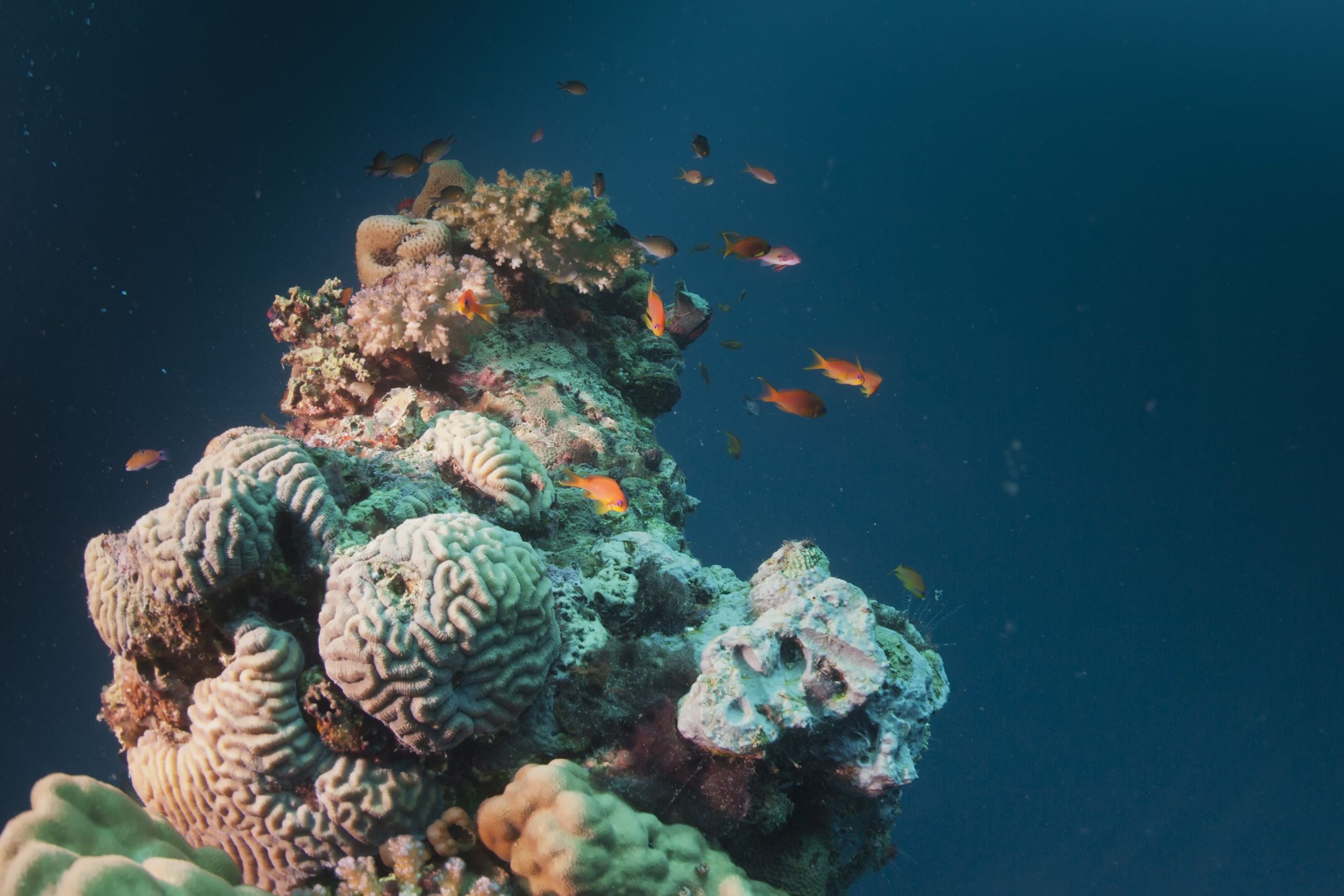
Although Socorro’s reefs are less known for coral than for pelagics, they do support black coral forests and large sea stars, adding visual texture to the underwater terrain. Being remote islands, surface conditions can vary, especially during crossings, but most mooring sites around the islands offer protection during dives.
Marine Life by Season in Mexico
Mexico’s marine life shifts with the seasons, offering different highlights depending on when and where you go:
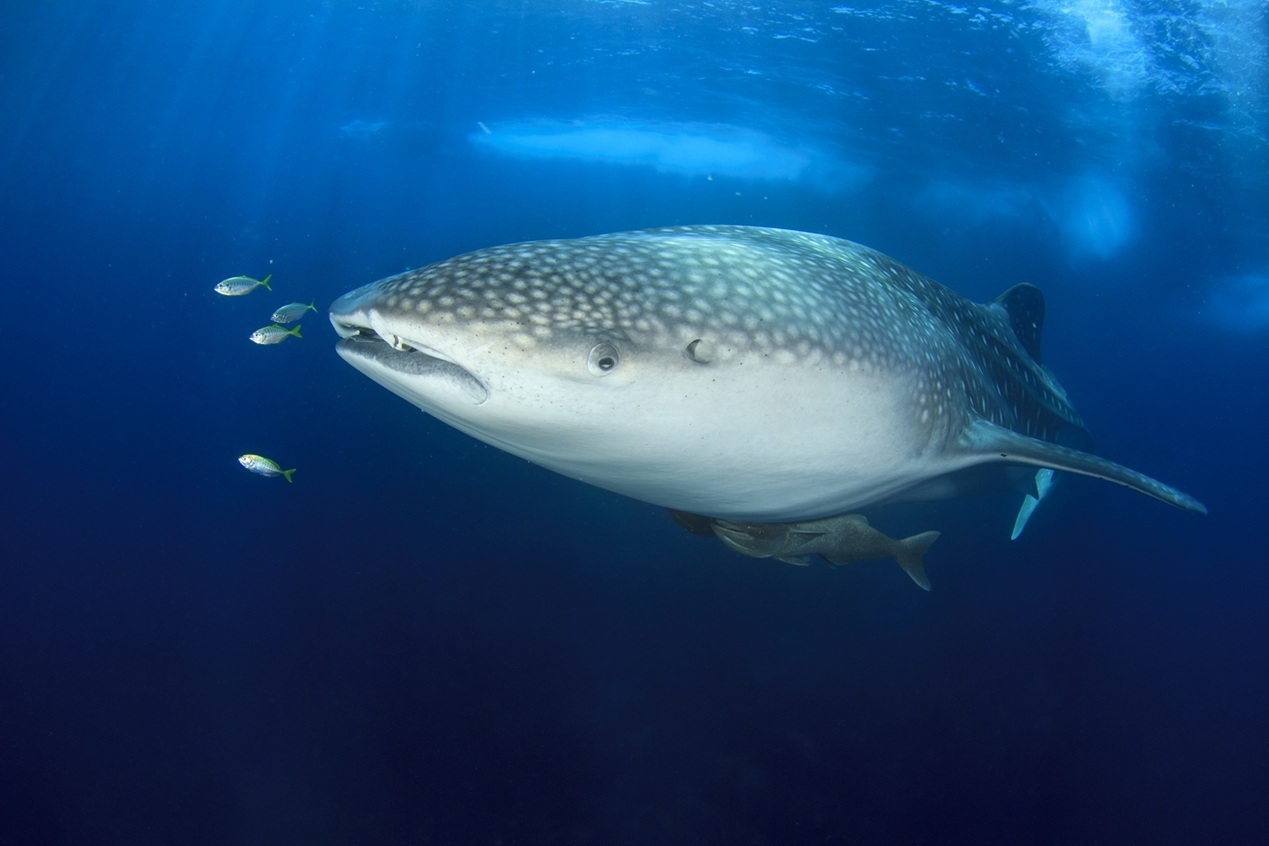
- Whale Sharks: Present in both Socorro and the Sea of Cortez. Best seen in November–December in Socorro and September–November in the Sea of Cortez. Large females arrive in spring.
- Mobula Rays: Best viewed between May and July during their migration through the Sea of Cortez.
- Hammerhead Sharks: Often seen in schools from November to January and again in May and June at sites like El Cañón.
- Humpback Whales: Migrate to Socorro from January to March. Surface sightings are common, and acoustics often fill the water.
- Manta Rays: Resident throughout the November–June Socorro season, especially active during warmer months.
- Sea Lions: Present year-round in the Sea of Cortez, with peak interaction in late summer.
- Tuna and Gamefish: Appear in spring and early summer, particularly in the pelagic zones of Socorro and Baja.
From macro critters like jawfish, nudibranchs, and seahorses to apex predators like tiger sharks, manta rays, and whale sharks, diving in Mexico offers something for every underwater enthusiast.
Some great liveaboards in Mexico
Nautilus Belle Amie Liveaboard
November and December are peak months for whale shark sightings in Socorro, where you may also encounter giant mantas, humpback whales, and silky sharks. In the Sea of Cortez, juvenile whale sharks are common from late September through November, while pregnant females appear in April and May
Yes, every time of the year can be the best time of year for scuba diving in Mexico. While liveaboard schedules follow specific seasons (Socorro closes in summer), shore-based diving is possible year-round in many regions. Regardless of the month, there’s always a destination offering excellent diving conditions and wildlife encounters
Best time to visit mexico for diving depends on which region you’re exploring. Socorro is best from November to May, while the Sea of Cortez peaks between July and November. Each region has its own seasonal highlights, and wildlife sightings vary depending on temperature, food availability, and mating cycles—so even in peak season, nature plays by its own rules