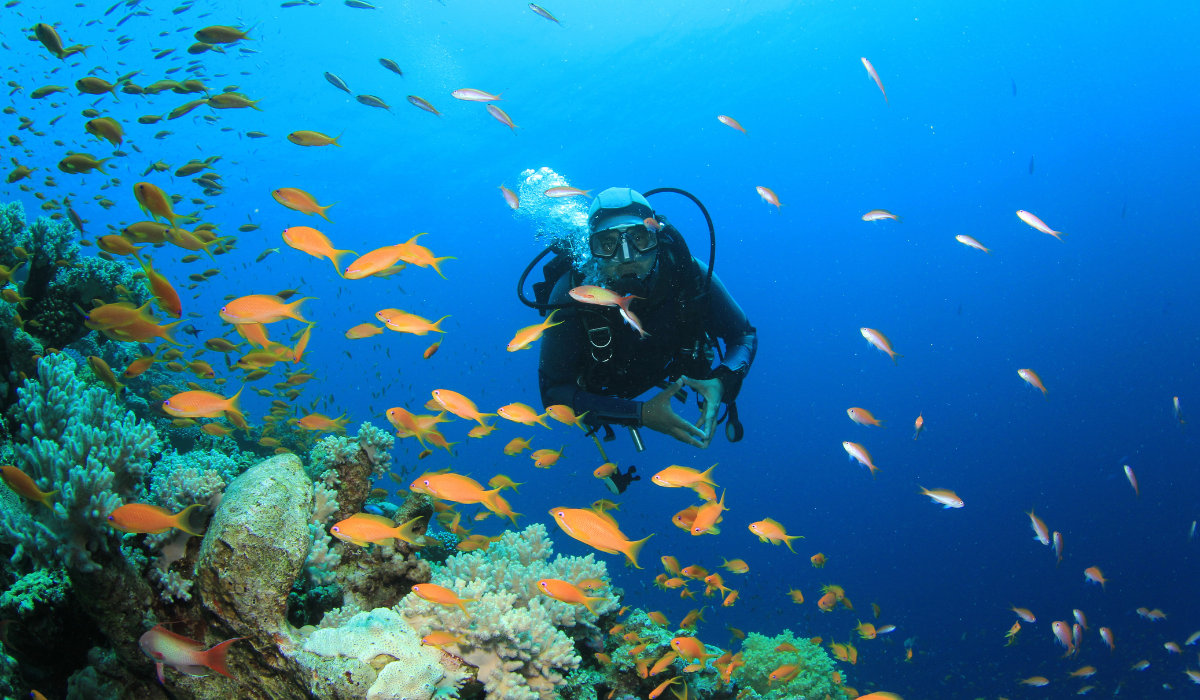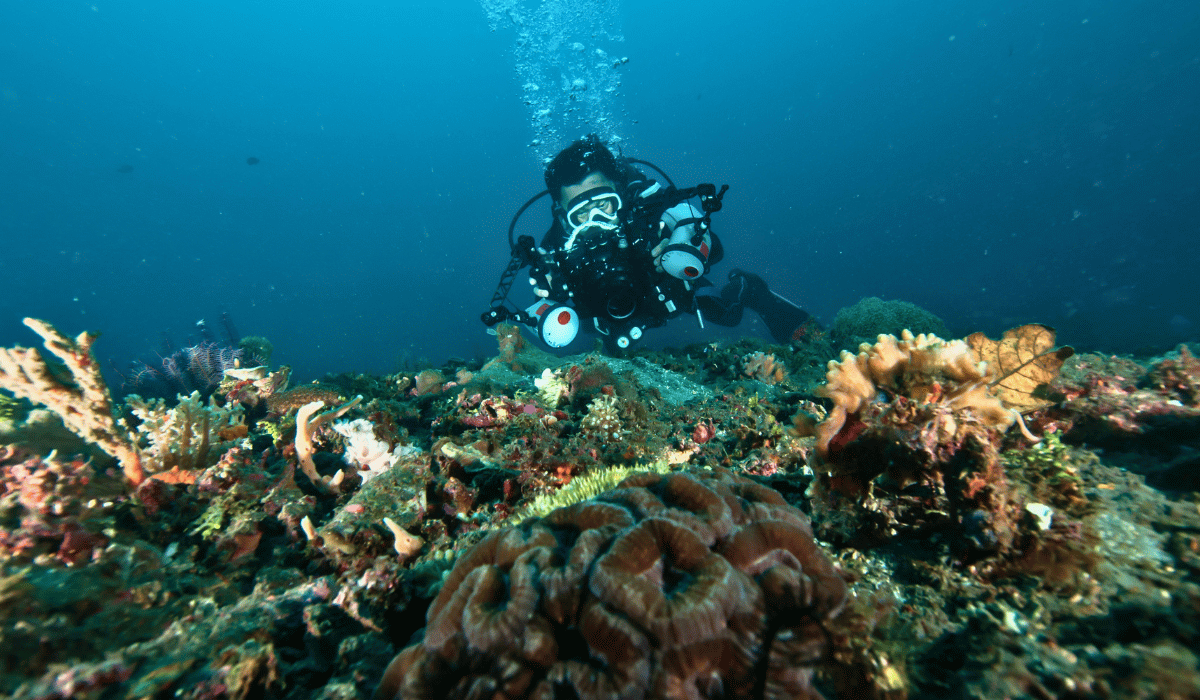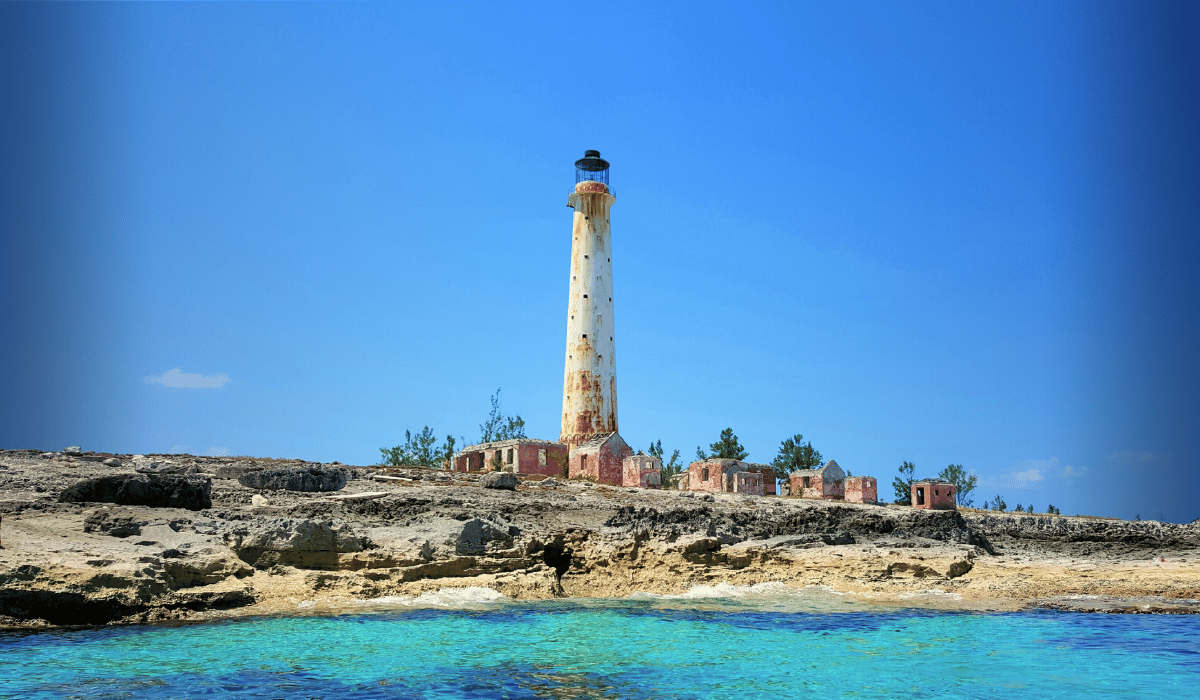
Just 80 kilometres off the coast of Miami, Bimini sits at the edge of the Great Bahama Bank where the Gulf Stream funnels nutrient‑rich water through coral reefs, wrecks and walls. This is one of the best shark diving destinations in the Caribbean. The warm water, 24°C to 30°C, makes Bimini scuba diving comfortable year‑round, and visibility often stretches beyond 24 metres.
Bimini’s sites cover a wider range than most divers expect. You can explore a concrete shipwreck that sits in less than six metres of water, or drift along a sloping wall lined with swim‑throughs. If you want more excitement, then you can put yourself in the middle of a hammerhead aggregation. Dive sites offer something for almost every certification level, from sheltered shallow reefs to deeper wrecks that challenge advanced divers.
Why Bimini Is a World-Class Dive Destination
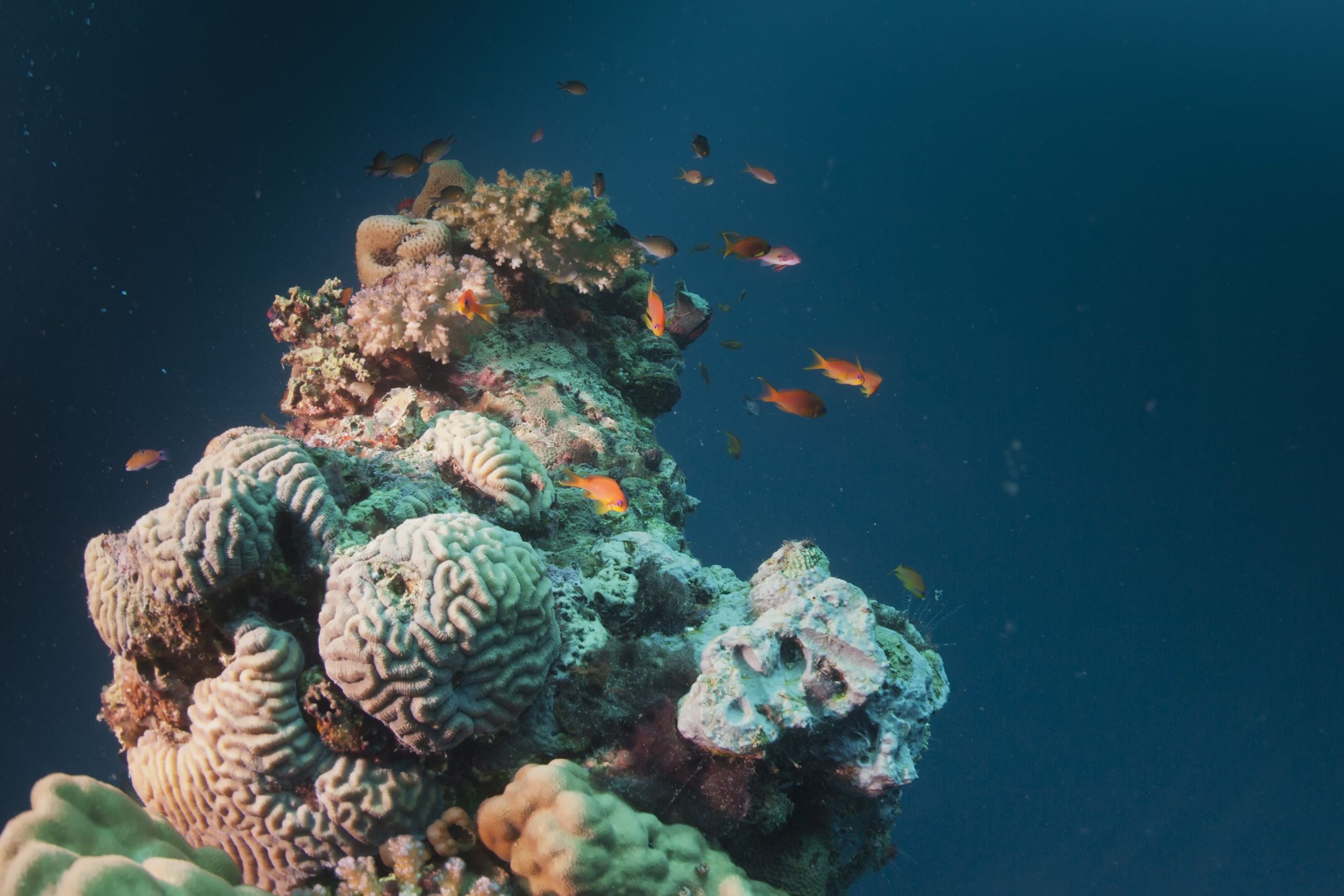
Bimini’s diving reputation starts with its location. The island sits at the edge of the Great Bahama Bank, where shallow sandy flats meet the deep, fast-moving waters of the Gulf Stream. That collision creates a nutrient-rich “liquid highway” that feeds coral reefs, attracts big marine life, and keeps visibility clear year-round, typically 24 to 30 metres. Dive sites dot the area, ranging from sheltered reefs to dramatic walls and wrecks.
What makes Bimini stand out?
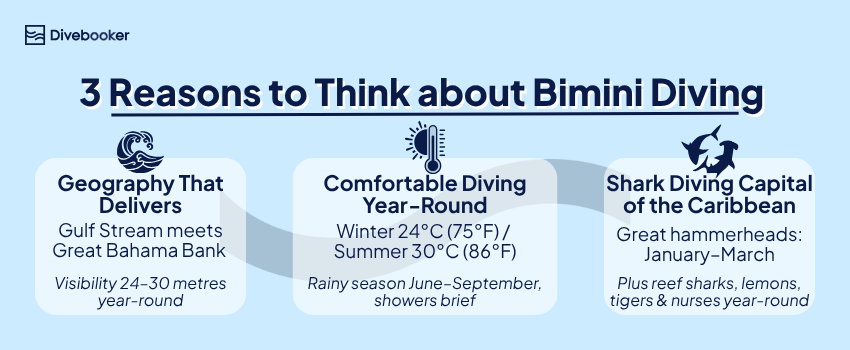
- Geography that delivers. The Gulf Stream funnels nutrients directly into Bimini’s reefs, supporting everything from tiny reef fish to pelagics like tuna and wahoo. This same current keeps water moving, which means consistently high visibility even during warmer months.
- Comfortable diving year-round. Water temperatures range from about 24°C (75°F) in winter to 30°C (86°F) in summer. The rainy season runs roughly from June through September, but showers are usually short-lived and rarely disrupt dive days.
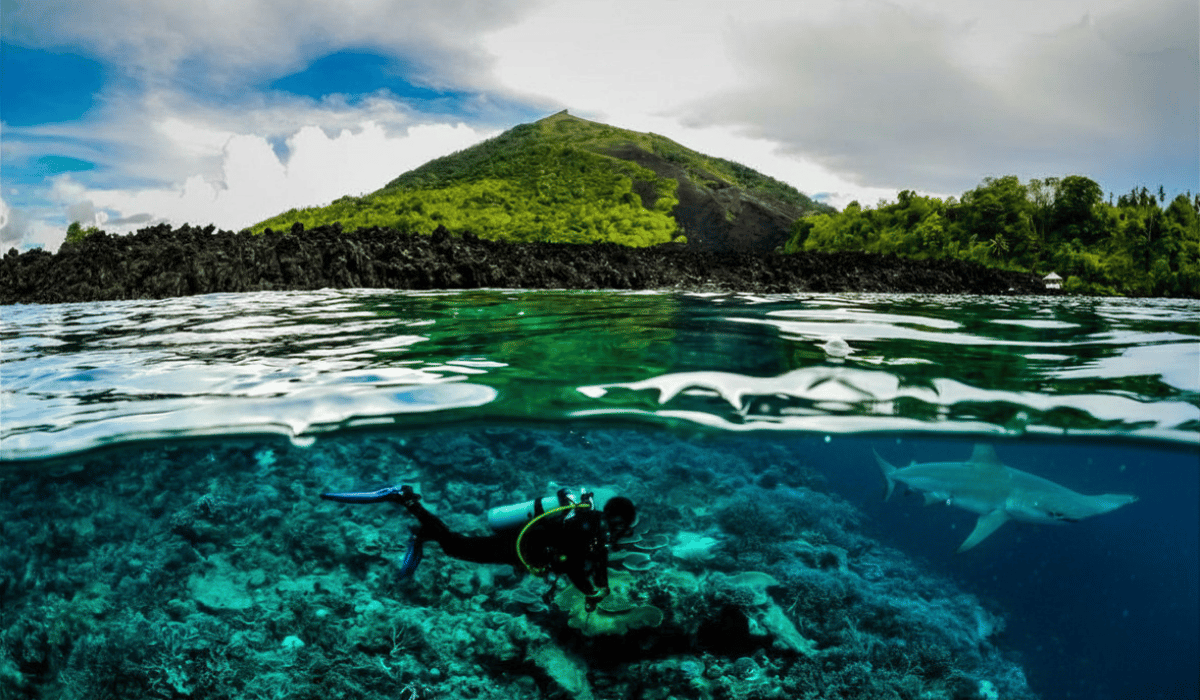
- Shark diving is a core strength. Bimini is widely known as one of the best places to dive with sharks in the Caribbean. Great hammerheads aggregate here from January through March, but even outside that window, you will find Caribbean reef sharks, lemon sharks, tiger sharks and nurse sharks patrolling the reefs. The nearby Bimini Biological Field Station, “Shark Lab”, studies these populations and helps keep them healthy.
Whether you come for the hammerheads or just want reliable conditions and healthy reefs, Bimini delivers. It works for beginners, advanced divers, and everyone in between.
Top Dive Sites in Bimini
Bimini’s dive sites range from shallow, sunken wrecks to sloping coral walls and drift dives along the edge of the Gulf Stream.
Three of the most popular Bimini diving sites are:
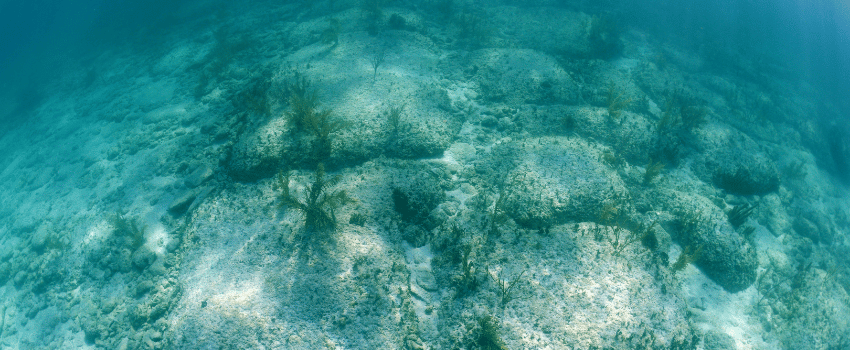
A classic starter dive. These shallow coral formations sit inside the shelter of the Great Bahama Bank, with depths from 6 to 12 metres. You will find schools of grunts and snapper, the occasional turtle, and plenty of macro life for photographers. Current is usually mild, making it a good choice for beginners or easy dives.
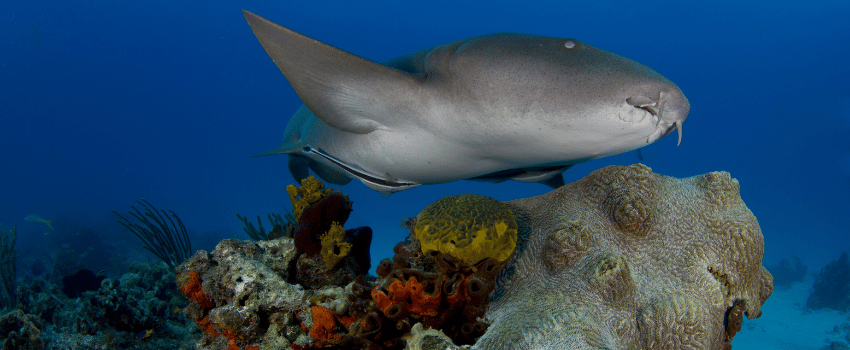
A drift dive along a sloping wall where the current picks up speed. Large groupers, jacks and barracuda patrol the edge, and if you time it right, you might spot eagle rays or a passing reef shark. Depth ranges from 12 to 24 metres, and the current makes it best for intermediate and advanced divers.
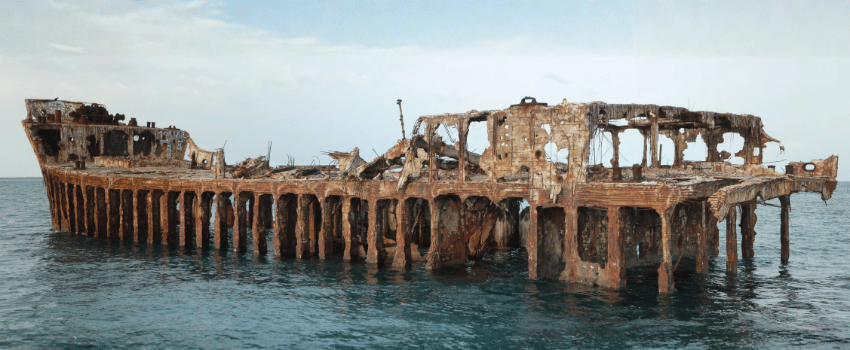
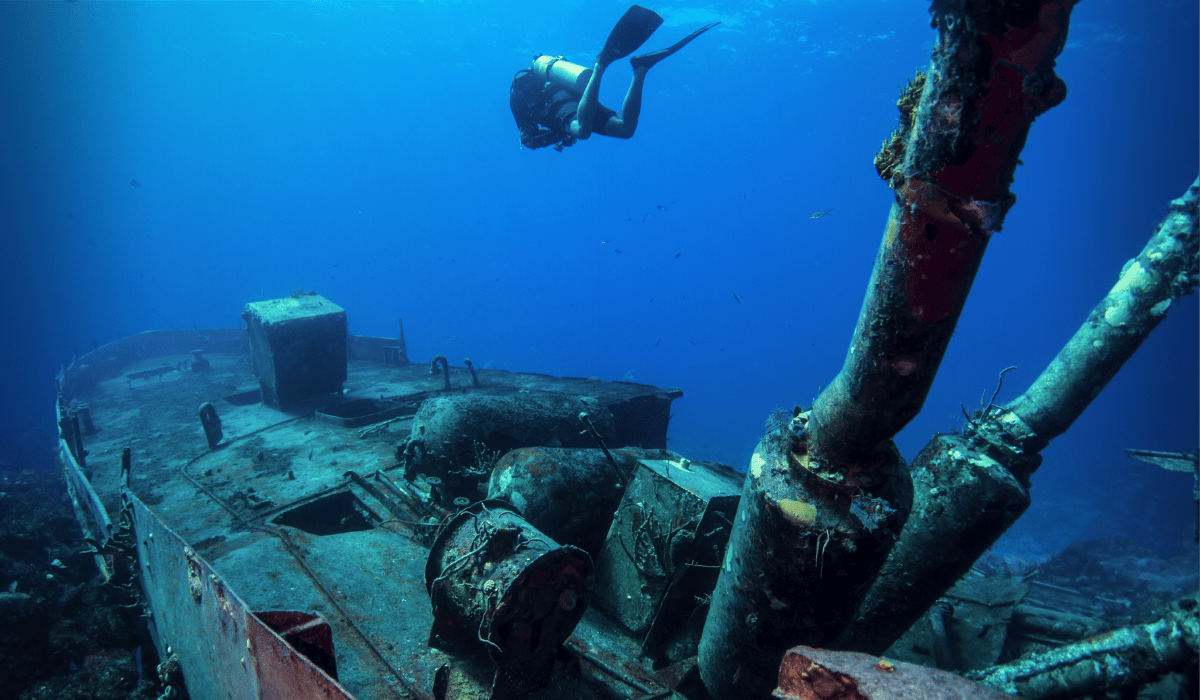
One of Bimini’s most iconic dive sites, the SS Sapona was a concrete‑hulled cargo steamer that ran aground in a hurricane in 1926. Later, the US Army Air Forces and US Navy used it for bombing practice during WWII. Today it sits in just 4.5 to 5.5 metres of water, with much of the wreck still intact. You can swim through broken hull sections, peer into old storage rooms, and watch schools of grunts and soldierfish hover above the debris. Nurse sharks often rest under the wreck. Because it is so shallow, the SS Sapona wreck is perfect for beginners, snorkellers, and underwater photographers. You can also see it from the surface, a dramatic landmark that tells part of Bimini’s history. It is a spectacular site that easily holds its own among the top wreck dives in the Caribbean.
Other notable sites include the Bimini Barge (a deeper wreck for advanced divers, 24‑30 metres), Victory Reef (a sloping wall with pelagic action), and the mysterious Bimini Road, a collection of rectangular limestone blocks at 5 metres that some believe is a remnant of Atlantis.
The Ultimate Shark Diving Destination
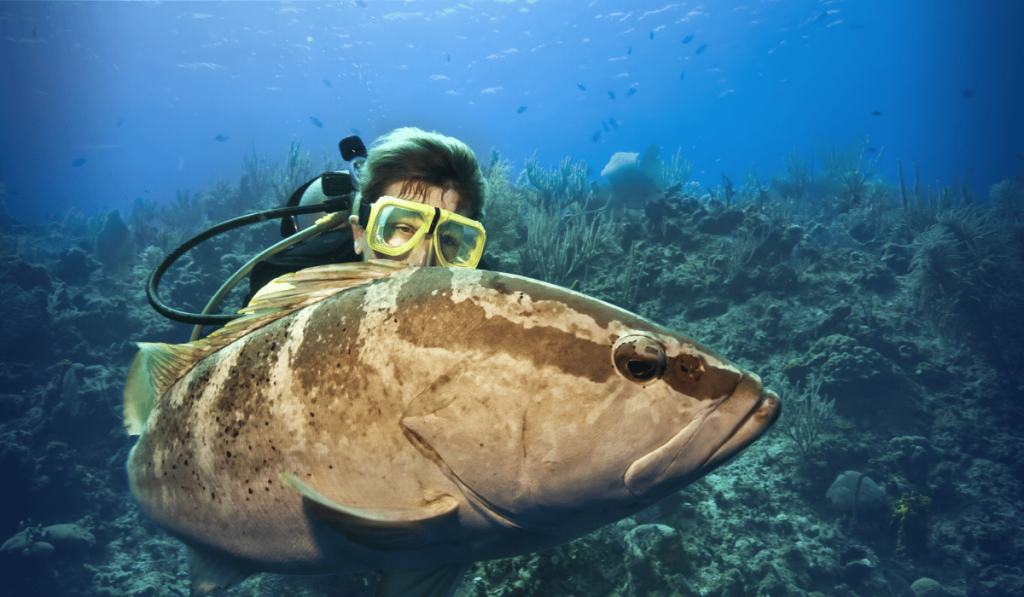
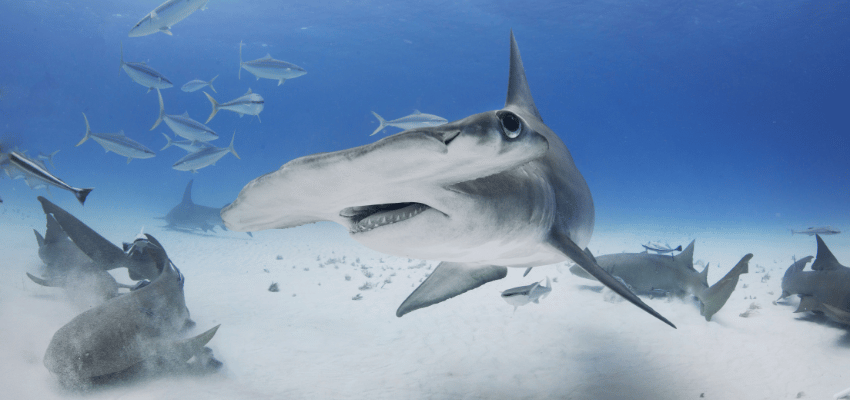
Fans of Tiger Beach might argue over which is the best shark diving in the Caribbean, but Bimini’s reputation comes down to one thing: the great hammerhead. From January through March, these legendary sharks gather in the island’s shallow western waters, offering encounters that few places on earth can match. The dive takes place in roughly 6 metres (20 feet) of water. There’s no cage or deep descent, just divers kneeling on a sandy bottom as four‑metre sharks glide past. It’s a photographer’s dream, with natural light reaching the bottom and bottom times that can stretch over 90 minutes.
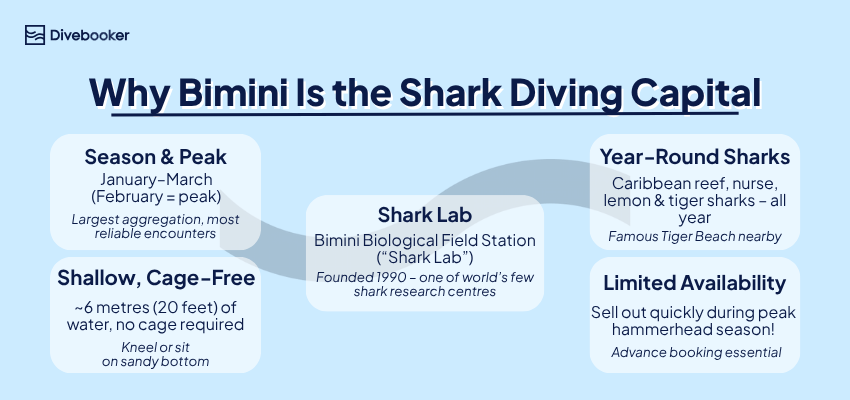
What you need to know about Bimini’s shark diving:
- January to March is hammerhead season, with February generally considered the peak. That’s when the aggregation is largest and encounters are most reliable.
- You stay in shallow water (about 6 metres / 20 feet), no cage required. Just kneel or sit on the sand and watch the sharks circle. Most dives are guided and closely supervised by experienced teams.
- Other sharks are present year‑round. Caribbean reef sharks, nurse sharks, lemon sharks and tiger sharks patrol Bimini’s reefs regardless of the season.
- Advance booking is essential. Liveaboard trips and popular shark‑diving departures sell out quickly, especially during peak hammerhead season from January to March.
Beyond the dives themselves, Bimini is home to the Bimini Biological Field Station, known locally as the Shark Lab. Founded in 1990, it is one of the world’s only shark‑focused research centres. The lab studies lemon sharks, hammerheads and other elasmobranchs, and occasionally offers public tours.
Diving Conditions & Best Time to Visit
Bimini is a year-round diving destination, but different seasons bring different strengths. Here is how the conditions break down.
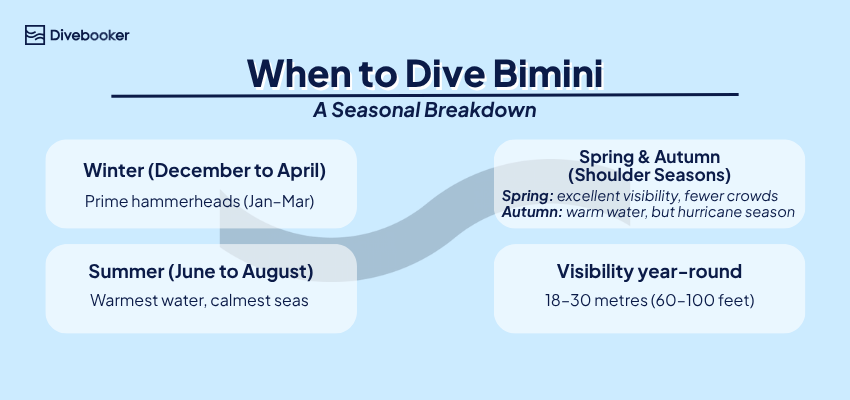
- Winter (December to April): Prime for hammerheads is January to March. Water temperatures sit around 22–24°C (72–75°F), so a 5mm wetsuit with hood and gloves is a good idea. Seas are generally calm and visibility remains high. This is the dry season and peak tourist period, with February generally having the highest concentration of great hammerhead sharks. Book well in advance if you are coming for the sharks.
- Summer (June to August): Warmest water, calmest seas. Temperatures climb to 29–30°C (84–86°F), making a 3mm wetsuit sufficient. Conditions are often glassy calm, which is ideal for reef diving and dolphin encounters. Visibility can exceed 30 metres (100 feet).
- Spring and Autumn: Shoulder seasons. Spring has excellent visibility and fewer crowds. Autumn brings warm water and good conditions, though hurricane season officially runs from June to November, so keep an eye on forecasts if you travel in the late fall.
- Visibility year-round. Expect 18–30 metres (60–100 feet) of visibility in most conditions, with the clearest water typically from May through July.
Whether you chase hammerheads in February or prefer calm summer seas, Bimini diving is reliable for great diving year‑round. For more Bahamas shark species and the best times to see them, read our Shark Encounters in the Bahamas guide.
Practical Information for Divers in Bimini
Getting to Bimini is straightforward. Daily flights from Fort Lauderdale take about 30 minutes. A ferry from Miami runs roughly two hours, or regular inter-island flights are available if you are spending time on other islands like Nassau. Once you arrive, liveaboards typically include transfers from the airport or ferry terminal. If you are staying at a resort, local dive operators are a short taxi ride away.
Who can dive here?
Bimini has sites for every level. Shallow wrecks like the SS Sapona sit in less than six metres of water, making them ideal for beginners and snorkellers. Deeper wrecks like the Bimini Barge (24–30 metres) and drift dives at Victory Reef are better suited for advanced divers.
What should you pack?
- Summer (June–August): A 3mm wetsuit is plenty. Water temperatures reach 30°C (86°F).
- Winter (December–April): Bring a 5mm wetsuit with hood and gloves. The water sits around 22–24°C (72–75°F), and you will want the extra warmth during surface intervals.
- Year-round essentials: A dive computer, an underwater camera (the hammerhead dives are exceptionally photogenic), and reef‑safe sunscreen.
Beyond Diving: What Else to Do in Bimini
Bimini is not just about diving. The islands offer plenty of ways to fill your surface intervals or spend a rest day.
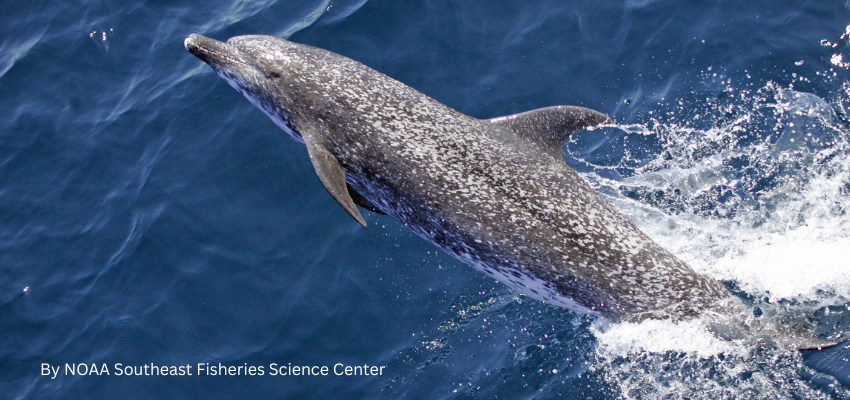
- Wild dolphin encounters. Atlantic spotted dolphins around Bimini are known to seek out human interaction. You can book dedicated wild dolphin safaris year‑round. Summer has the calmest conditions and the highest success rates.
- World‑class fishing. Ernest Hemingway was a regular here, and for good reason. The same Gulf Stream that feeds the reefs also attracts marlin, tuna and wahoo. Charter a boat for a half‑day or full‑day trip.
- Explore by golf cart. North and South Bimini are small and laid‑back. Rent a golf cart and bounce between Alice Town, the beaches, and roadside conch stands. There is no rush.
- Local flavours. Grab a cold Kalik (the national Bahamian beer) and a plate of fresh conch salad. The cracked conch and fried fish at local spots like Stuart’s Conch Stand are worth the trip on their own.
As noted above, if you have an extra day, the Bimini Shark Lab sometimes offers public tours. It is a fascinating look at how researchers study the sharks that make these islands so special.
Conclusion
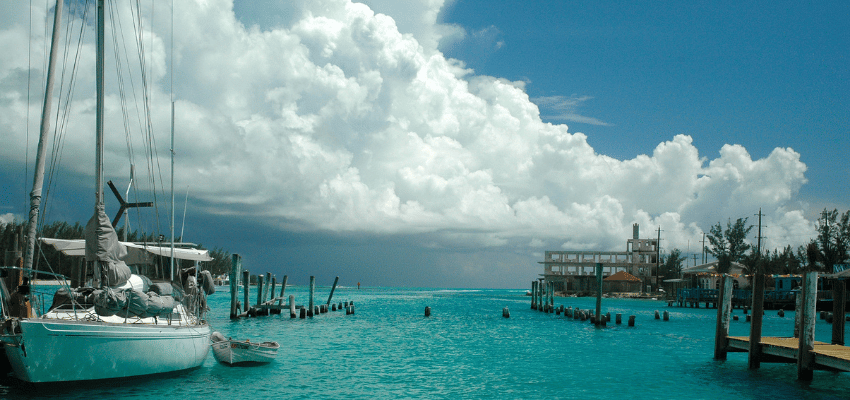
From the shallow, sunken history of the SS Sapona wreck to the sight of a great hammerhead gliding past in crystal clear water, scuba diving in Bimini, Bahamas, provides experiences that stick with you long after you’ve dried off. World‑class reefs, deep wrecks, and the legendary Gulf Stream combine to create an underwater playground for every skill level.
Whether you are chasing peak hammerhead season from January to March or the calm, warm waters of summer, Bimini delivers reliable diving conditions and unforgettable encounters.
Ready to plan your trip?
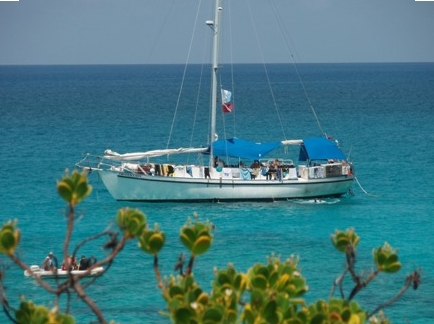
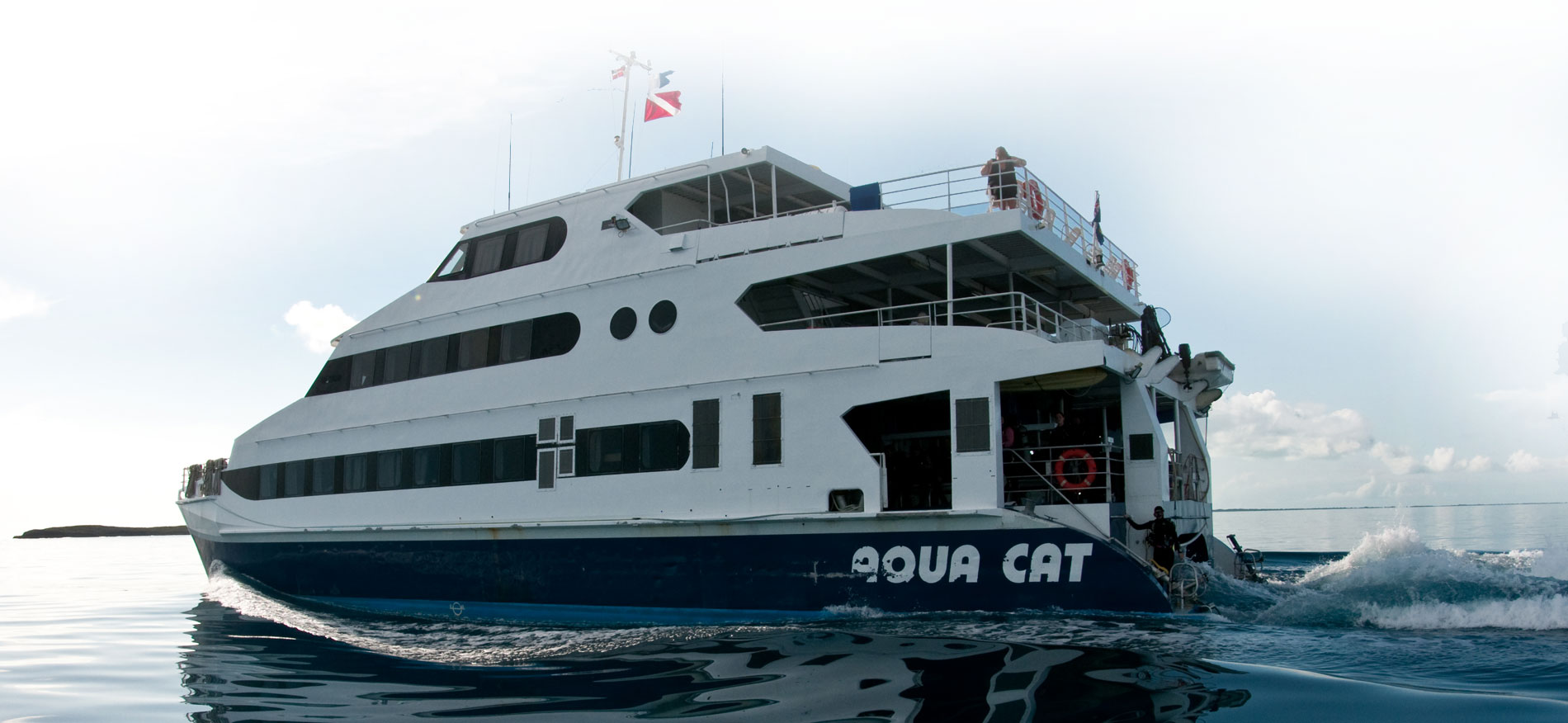
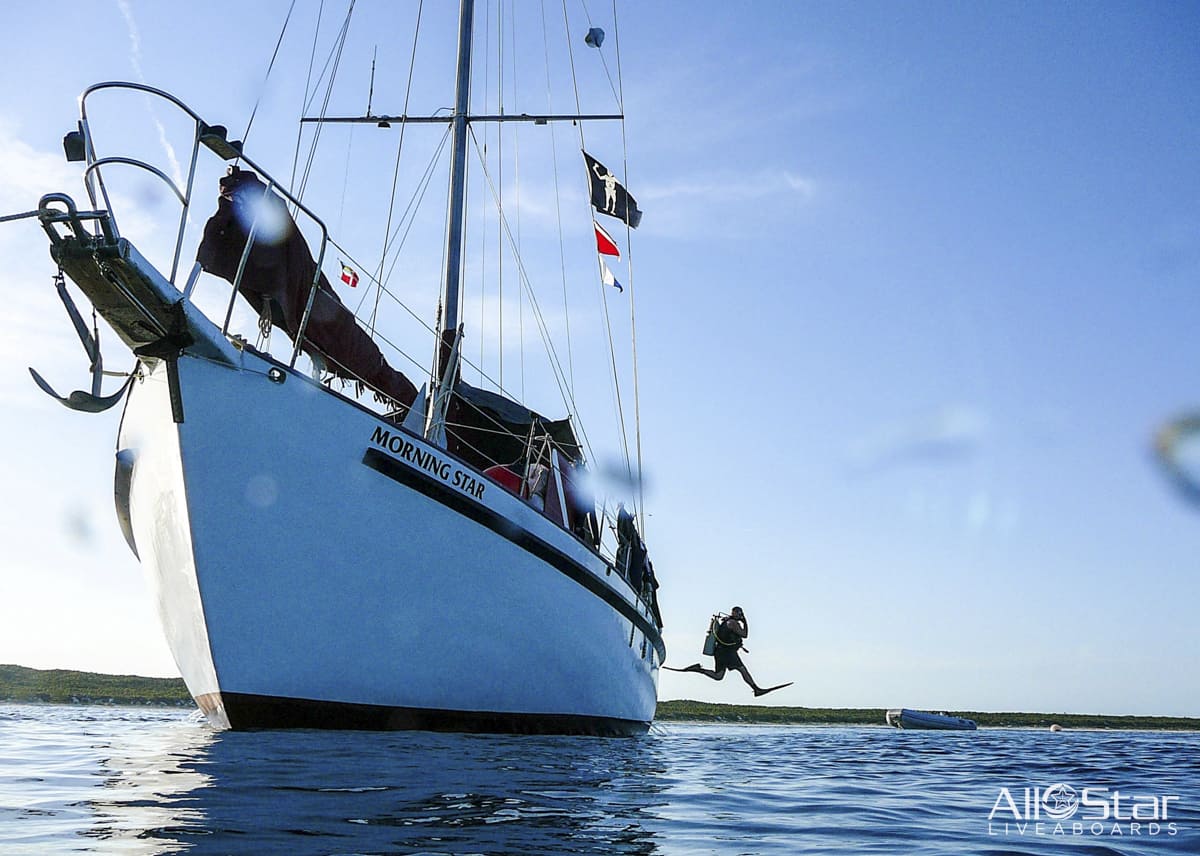
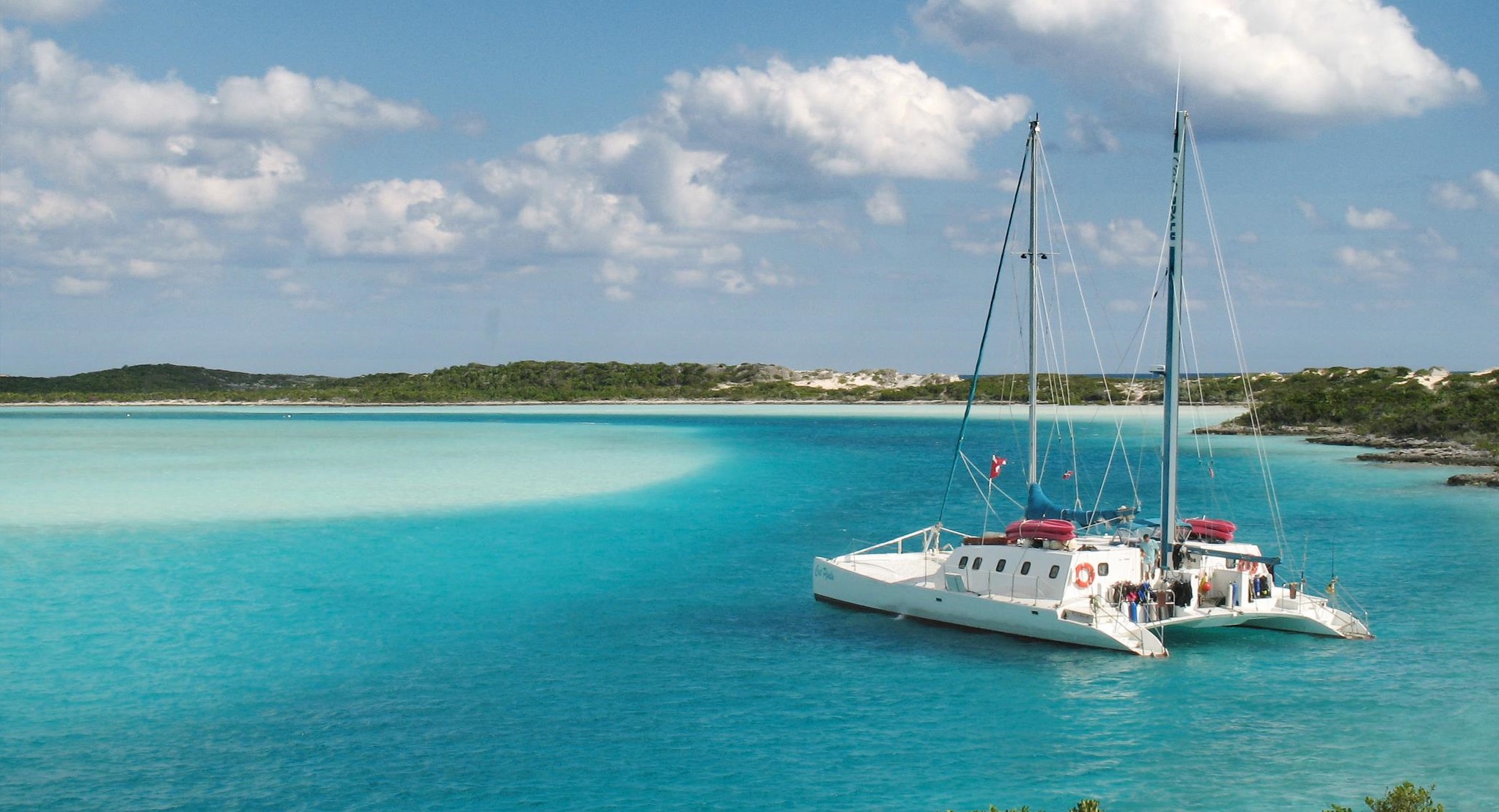
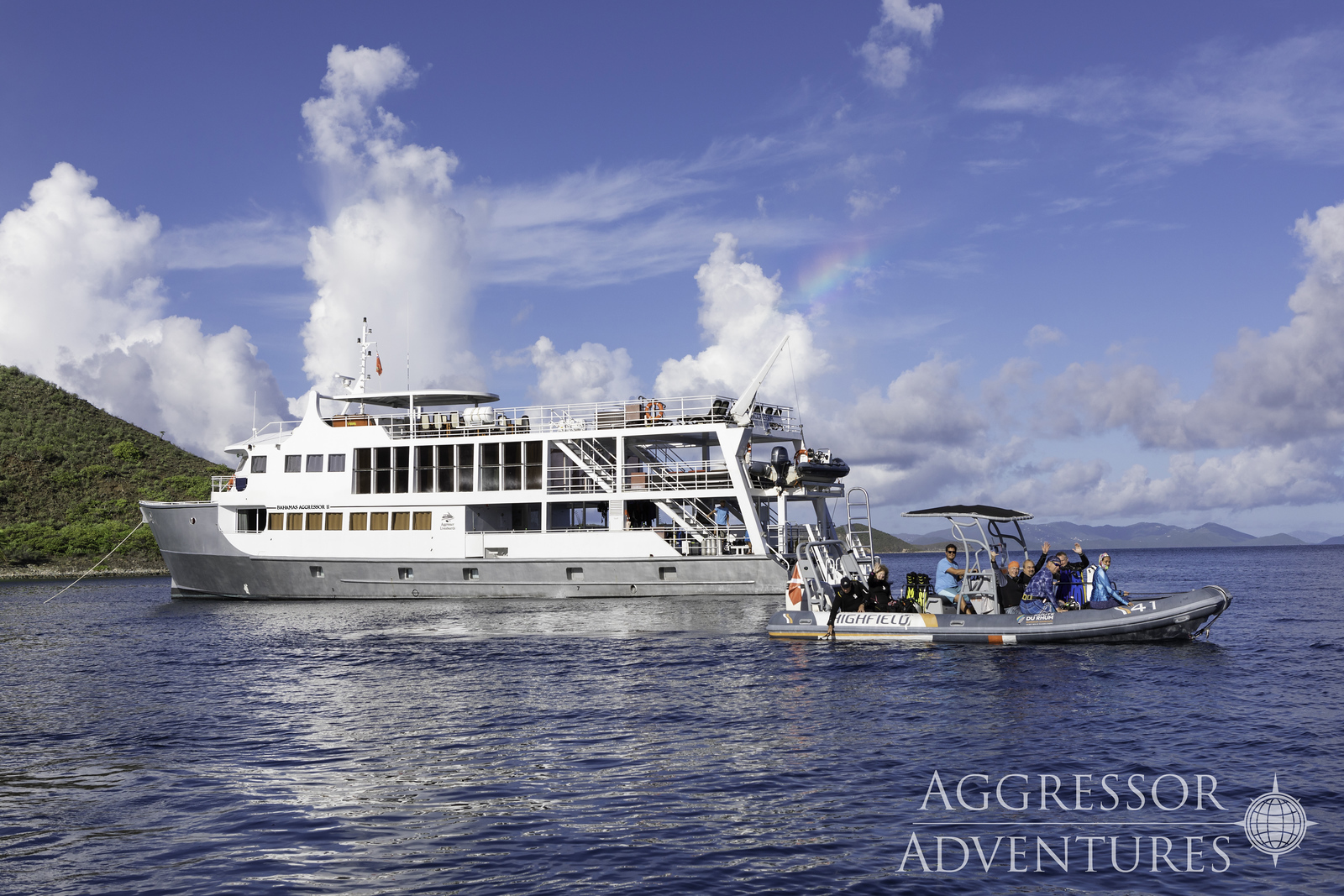
Divebooker is here to help you find and book the best diving holidays in Bimini. Check out our listings for liveaboards and soon, dive resorts, to find the perfect base for your next underwater adventure. Your Bimini dive trip is just a click away.
-
 from$170 /day
from$311 /day
from$170 /day
from$170 /day
from$311 /day
from$170 /day
Frequently Asked Questions about Bimini Diving
Is Bimini diving suitable for advanced divers?Divebooker Team2026-05-29T13:59:30+00:00Yes. Deeper wrecks like the Bimini Barge (24–30 metres) and drift dives at Victory Reef offer current and depth that require experience.
What visibility can I expect?Divebooker Team2026-05-29T13:53:35+00:00Typical visibility in Bimini ranges from 18 to 30 metres (60–100 feet), with the clearest water usually from May through July.
Do I need to book hammerhead dives in advance?Divebooker Team2026-05-29T13:53:13+00:00Yes, well in advance. Bimini liveaboard trips and popular shark‑diving departures sell out quickly, especially during peak hammerhead season from January to March.
How do I get to Bimini?Divebooker Team2026-05-29T13:52:43+00:00Getting to Bimini is easy. Daily flights from Fort Lauderdale take about 30 minutes. A ferry from Miami runs roughly two hours, and there are inter-island flights if you are spending time on other islands like Nassau. Once you arrive, liveaboards typically include transfers from the airport or ferry terminal. If you are staying at a resort, local dive operators are a short taxi ride away.
Are there sharks in Bimini outside hammerhead season?Divebooker Team2026-05-29T13:52:21+00:00Yes. Caribbean reef sharks, nurse sharks, lemon sharks and tiger sharks are present in Bimini year‑round.
Can beginners dive the SS Sapona wreck?Divebooker Team2026-05-29T13:51:46+00:00Absolutely. The SS Sapone wreck sits in only 4.5 to 5.5 metres (15–18 feet) of water, with little to no current. It is a perfect site for first‑time wreck divers and snorkellers, but can be tricky if there is a swell.
Do I need a wetsuit for diving in Bimini?Divebooker Team2026-05-29T13:51:21+00:00Yes, but thickness depends on the season in Bimini. In summer (June to August), a 3mm suit is enough. In winter (December to April), use a 5mm suit with hood and gloves – water temperatures drop to around 22–24°C (72–75°F).
When is the best time to dive with great hammerheads in Bimini?Divebooker Team2026-05-29T13:50:56+00:00The hammerhead season in Bimini runs from January through March, with February generally considered the peak for numbers and encounter quality. January through March is the core aggregation period.