- Quick Answer: Best Time to Dive in Indonesia
- Understanding Diving Seasons in Indonesia
- Best Time to Dive Indonesia by Region
- Indonesia Diving by Month
- Best Time to See Marine Life in Indonesia
- Best Time to Dive Indonesia for Different Types of Divers
- So, What Is the Best Time to Dive in Indonesia?
- Frequently Asked Questions About the Best Time to Dive Indonesia
The best time to dive in Indonesia is not the same for every region, island, or atoll. Indonesia is diveable year-round and rarely disappoints. But Komodo, Raja Ampat, Wakatobi, Lembeh, and the Banda Sea each peak at different times of year, for various reasons.
Some destinations are known for calmer seas during certain months, while others are better for manta rays, whale sharks, macro life, reef sharks, strong currents, or remote liveaboard itineraries. That is why the Indonesian diving season is best understood as a regional calendar rather than one fixed “best” period.
Quick Answer: Best Time to Dive in Indonesia
The best time to dive in Indonesia depends on the region you choose. Some destinations are at their best during the dry season, others peak during transition months.
| Destination | Best Planning Window | Why Go Then | Notes |
|---|---|---|---|
| Komodo National Park | April to November | Manta rays, reef sharks, schooling fish, strong currents, colourful reefs | Conditions vary between north, central, and south Komodo. Currents can be strong, and water temperature may change noticeably by site |
| Raja Ampat | October to April | Coral, biodiversity, manta rays, reef sharks, schooling fish, rich reefs | Rain is possible year-round, but this is usually the main season for calmer seas and easier liveaboard planning |
| Misool | October to April | Manta rays, soft corals, reef life, remote reefs | Seasonality is closely linked to Raja Ampat, but Misool is a little more remote, so schedules and sea conditions matter |
| Banda Sea | March to May and September to December | Hammerhead sharks, reef sharks, schooling tuna, remote reefs | Best suited to experienced divers and expedition-style trips |
| Cenderawasih Bay | Much of the year, operator-dependent | Whale sharks, remote reefs, warm-water diving | Local conditions and operator access are important |
| Triton Bay | October to April | Soft corals, schooling fish, nutrient-rich reefs, remote diving | Visibility can be lower than in clearer reef destinations, but marine life can be excellent |
| Halmahera | March to November | Reef sharks, schooling fish, remote reefs, biodiversity | Check current liveaboard or resort schedules before choosing dates |
| Forgotten Islands | March to April and September to November | Remote reefs, reef sharks, schooling tuna, possible hammerheads | Weather, crossings, and liveaboard schedules are key planning factors |
| Alor | April to November | Currents, reef sharks, macro life, schooling fish, possible pelagics | Advanced due to currents and cooler upwellings. Best for confident divers |
| Wakatobi | March to December, often April to November | Reefs, turtles, wall diving, visibility, coral gardens | Generally, more stable than current-heavy regions, but travel logistics still need planning |
| Lembeh | May to September | Macro life, muck diving, rare critters, underwater photography | Visibility is different from reef destinations. This is normal for muck diving |
| Ambon | September to May, often October to April | Macro life, muck diving, critters, photography | Best treated as a specialist macro destination rather than a general reef-diving choice |
| Sumbawa | April to November | Reefs, currents, less-crowded diving, regional route options | Use where relevant to available routes. Conditions change by site, season, and operator |
| Sangalaki | April to December | Manta rays, turtles, reefs | Manta and turtle encounters should not be guaranteed. Check local weather and operator advice |
| Derawan Islands | April to December | Turtles, reefs, island diving, manta opportunities nearby | Conditions can vary between islands, so local planning is important |
There is no single Indonesia diving season that works everywhere. Raja Ampat and Misool are usually strongest from October to April, while Komodo, Alor, Wakatobi, Sumbawa, Sangalaki, and Derawan are often easier to plan between April and November. Remote areas such as the Banda Sea, the Forgotten Islands, Halmahera, Cenderawasih Bay, and Triton Bay should be planned around current routes, sea conditions, and operator schedules.
-
 from$390 /day
from$412 /day
from$315 /day
from$390 /day
from$412 /day
from$315 /day
Understanding Diving Seasons in Indonesia
Indonesia does not have one simple dive season. The country is vast, stretching over more than 5,000km andthousands of islands. Weather, sea conditions, visibility, currents, and marine-life activity can change a lot from one region to another. That is why the best months to dive in Indonesia should always be checked by destination, not by the country as a whole.
In many southern and central regions, the drier period falls around April to November. This can make destinations such as Komodo National Park, Alor, Wakatobi, Sumbawa, Sangalaki, and the Derawan Islands more predictable during these months. However, this does not mean April to November is the best answer for all of Indonesia. Raja Ampat, Misool, and Triton Bay follow a different pattern, with many divers planning trips between October and April.
Also, off-peak season does not automatically mean bad diving. Short tropical rain showers rarely affect conditions underwater. What changes is surface access: wind, swell, and whether boat crossings are safe. Indonesia’s climate is influenced by monsoon patterns, but rainfall varies regionally because the archipelago includes monsoonal, equatorial, and local climate zones. The World Bank Climate Change Knowledge Portal highlights this regional variation, while Indonesia’s BMKG notes that the country has several rainfall patterns rather than one uniform climate.
Remote destinations like the Banda Sea, the Forgotten Islands, Halmahera, Cenderawasih Bay, and Triton Bay need extra planning because getting there can be complex. If your preference is a liveaboard through remote routes, this overview of liveaboard diving in Indonesia can help explain how itineraries shift between regions.
Best Time to Dive Indonesia by Region
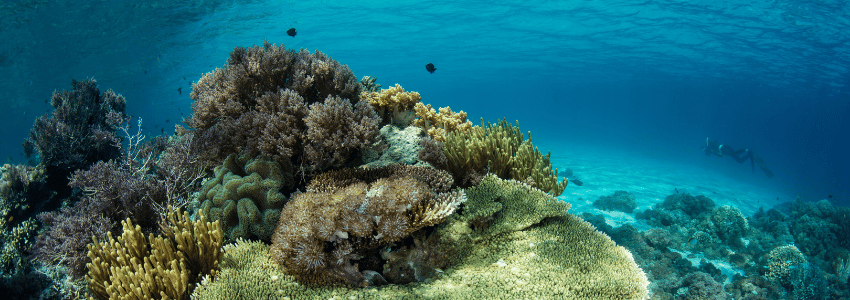
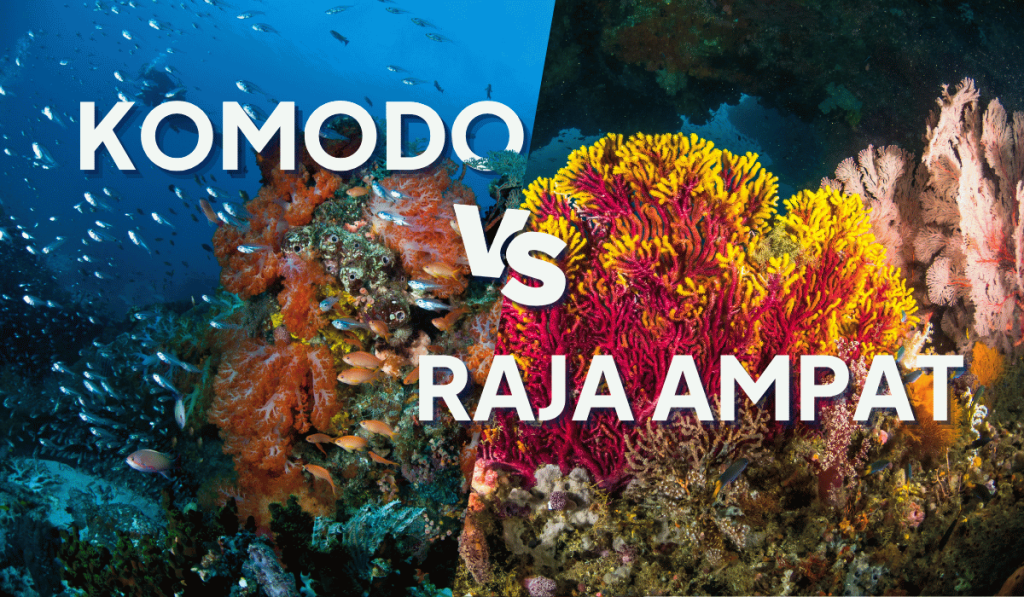
The Komodo diving season peaks from April to November, when there are generally better surface conditions and more choices and availability from Labuan Bajo. Komodo is famous for current-rich diving, manta rays, reef sharks, schooling fish, turtles, colourful reefs, and the dragons. Conditions vary between north, central, and south Komodo, so water temperature and visibility can change a lot, even between dives on the same day. If Komodo is on your shortlist, take a look at our Komodo dive sites breakdown and the latest Komodo National Park entrance fee update.
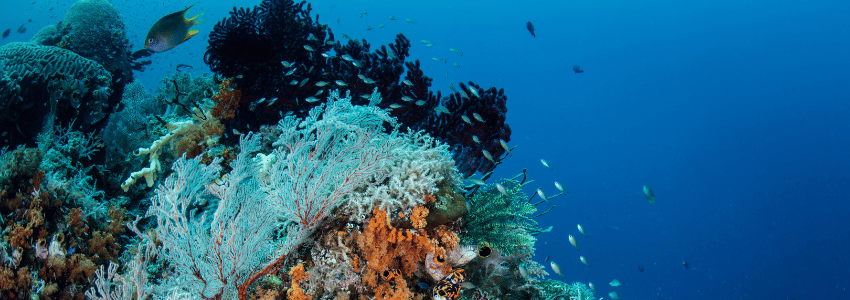
The Raja Ampat peak season runs from October to April, when seas are calmer and liveaboard routes are more active. It is one of Indonesia’s best regions for coral biodiversity, mantas, reef sharks, and wide-angle photography. Rain can happen at any time of year, so the season is more about sea conditions and route access than completely dry weather. Visibility can vary when plankton is present, but that nutrient-rich water also supports the marine life Raja Ampat is known for. For route inspiration, this Raja Ampat liveaboard route overview can help you understand how to plan your trip.
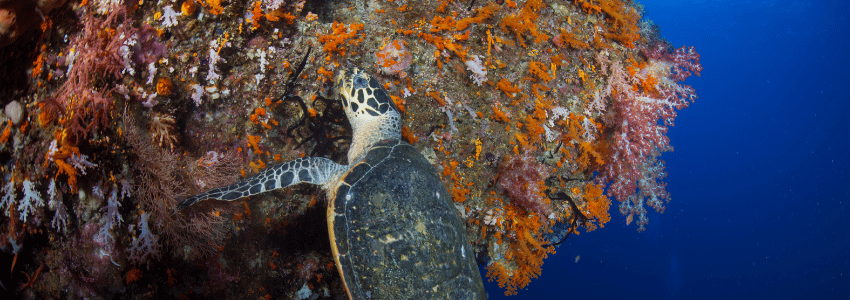
Misool usually follows a similar planning window to Raja Ampat, with October to April considered the strongest season. It is remote, reef-rich, and especially appealing for divers interested in soft corals, manta rays, reef fish, schooling fish, and dramatic seascapes. Because Misool is more isolated, the best time is not only about weather but also about boat schedules and resort access.
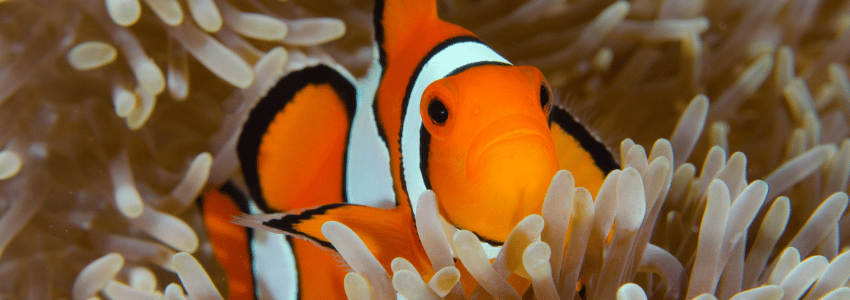
Wakatobi is best between March and December, with April to November commonly favoured due to more regular domestic flight options. It is a strong choice for divers who want reefs, wall diving, turtles, coral gardens, and generally more predictable conditions than current-heavy destinations such as Komodo or Alor. Visibility in Indonesia varies, but Wakatobi is valued for clear water and healthy reef systems.
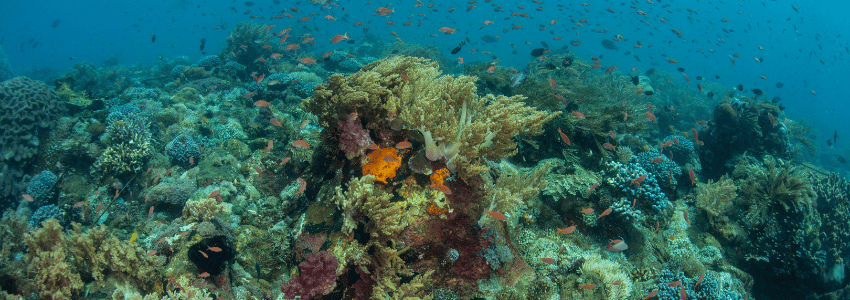
Alor is best planned from April to November, although conditions can shift by site and season. The area is known for strong currents, reef sharks, schooling fish, macro life, colourful reefs, and occasional cooler upwellings. Water temperature in Indonesia is usually warm, but Alor is one place where cooler water can surprise divers. This can bring excellent marine life, but it also makes exposure protection worth considering. Alor is better suited to confident divers who are comfortable with currents and variable conditions.
The Banda Sea & Forgotten Islands
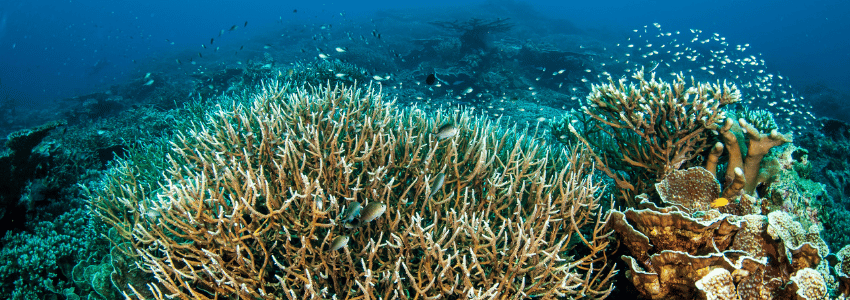
The Banda Sea and Forgotten Islands can both be dived from resorts, but for easier domestic travel and to cover the most ground, with maximum variety, they are best planned around limited liveaboard windows. These are usually around March to April and September to November, depending on the route. These are remote, expedition-style regions with reefs, walls, strong currents, reef sharks, schooling tuna, and possible hammerhead shark encounters in the right season. In the September to November window, liveaboard operators often focus on hammerhead sightings, but these are never guaranteed. Because crossings, weather, and schedules matter here, confirm the exact itinerary before booking.
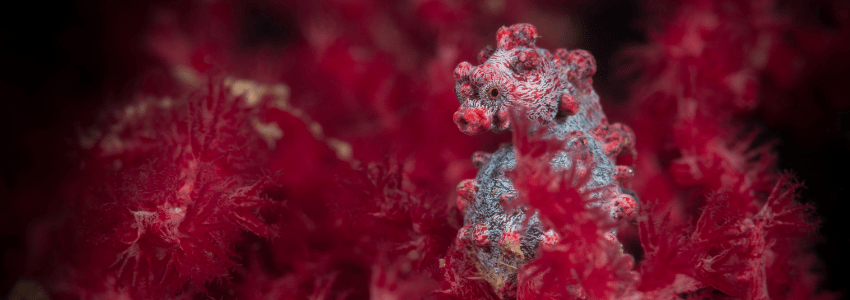
Lembeh can be dived year-round, with May to September generally having drier weather, and August to October being interesting for increased critter activity and cooler water. This is Indonesia’s classic muck-diving destination, known for frogfish, nudibranchs, mimic octopus, seahorses, and underwater photography. Visibility is usually lower than in reef destinations, but that is normal for macro diving.
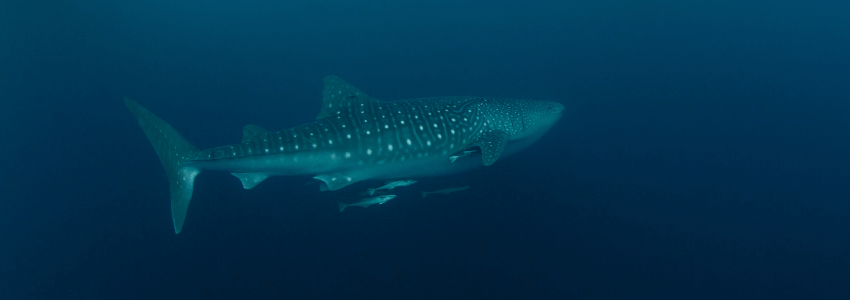
Cenderawasih Bay is planned around whale shark encounters, remote reefs, and operator logistics rather than a simple high season. Whale sharks are the main draw, but sightings are never guaranteed on any single day, so diving here over multiple days is recommended if you really need to tick that box. Before booking, check current access, local conditions, and the exact trip schedule.
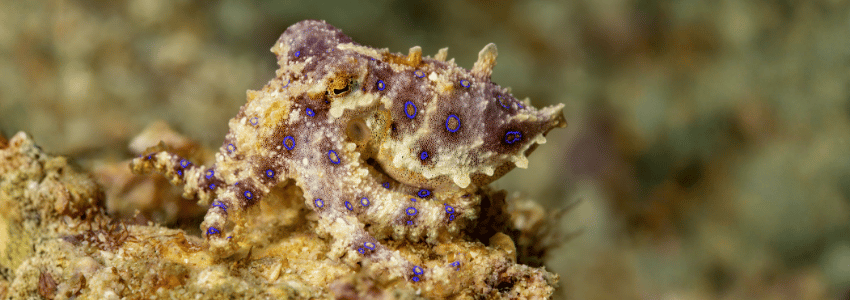
Most Triton Bay trips are planned from October to April, with some extending later depending on conditions and schedules. It is known for soft corals, schooling fish, nutrient-rich water, black coral forests, and remote landscapes. While it is on the opposite side of the island of New Guinea to Cenderawasih Bay, you can also experience whale sharks under fishing bagans in the bay. Visibility can be lower than in classic clear-water destinations, but the marine life can be excellent. Photographers and experienced divers often get the most from this region.
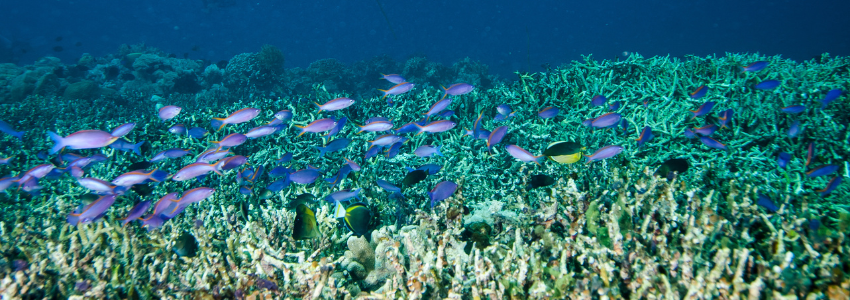
The Derawan Islands, including Sangalaki, can be dived year-round, but many divers prefer the calmer months from around April to December. The area is known for turtles, reefs, island diving, and manta opportunities, especially around Sangalaki. As always, manta and turtle encounters should be treated as possibilities, not guarantees. Check local weather and boat access before booking.
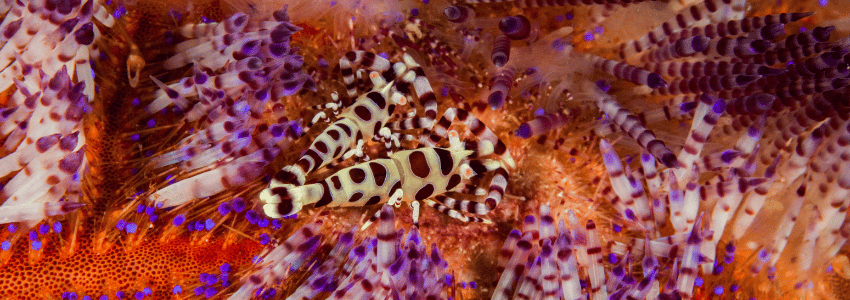
Ambon is best known as a specialist macro and muck diving destination. Its main season is commonly noted as September to May, with October to April often preferred for calmer conditions and better visibility. June to August are the months to avoid for many dive trips. Divers come for critters, unusual macro life, muck sites, and photography rather than classic clear-water reef scenes.
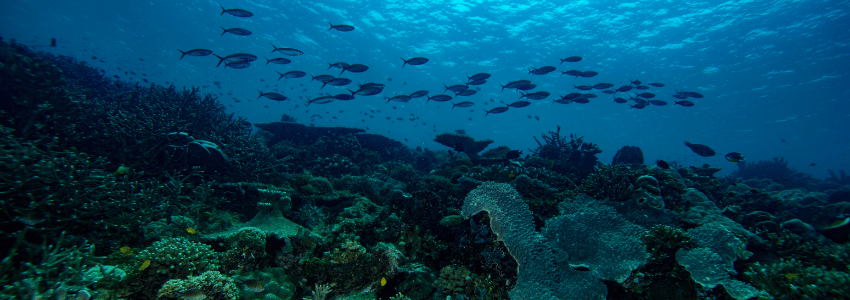
Halmahera and Sumbawa are better planned around current route availability than a fixed national season. While you can dive from resorts, choices are limited. Halmahera is known for remote reefs, biodiversity, reef sharks, and schooling fish, while Sumbawa can suit divers looking for reefs, currents, and less-crowded sites. Both are best checked against current operator schedules before booking.
Indonesia Diving by Month
The best months to dive in Indonesia depend on where you want to go. This month-by-month overview is a planning guide, not a guarantee. Weather, visibility, currents, water temperature, marine life, and liveaboard schedules can change by year and operator, especially in remote regions.
Period Dates Best destinations Notes Eastern Indonesia season October to April Raja Ampat, Misool, Triton Bay Calmer seas, active liveaboard routes, strong reef and manta diving. Rain is possible throughout, but rarely disrupts diving. Central and southern season April to November Komodo, Alor, Wakatobi, Sumbawa, Sangalaki, Derawan Islands Drier conditions across central and southern destinations. Komodo and Alor offer current-rich diving; Wakatobi is a stronger option for calmer reef trips. Expedition windows March–April and September–November Banda Sea, Forgotten Islands, Halmahera Limited liveaboard windows only. Remote, current-heavy routes with reef sharks, schooling tuna, and possible hammerheads. Confirm exact itineraries and schedules before booking. Year-round specialists Year-round, peaks vary Lembeh, Ambon, Cenderawasih Bay These destinations follow their own logic. Lembeh is strongest for critters from August to October. Ambon peaks from October to April. For wider seasonal planning, compare this Indonesia overview with the Ultimate Diving Calendar.
Indonesia is a year-round dive destination, but, as you can see, the right region changes with the month. Always check route-specific liveaboard schedules before booking, as the best timing can be narrower and more operator-dependent.
Best Time to See Marine Life in Indonesia
Marine life is another reason that the best time to dive in Indonesia changes by region. Encounters are never guaranteed, but choosing the right destination and season can improve your chances.
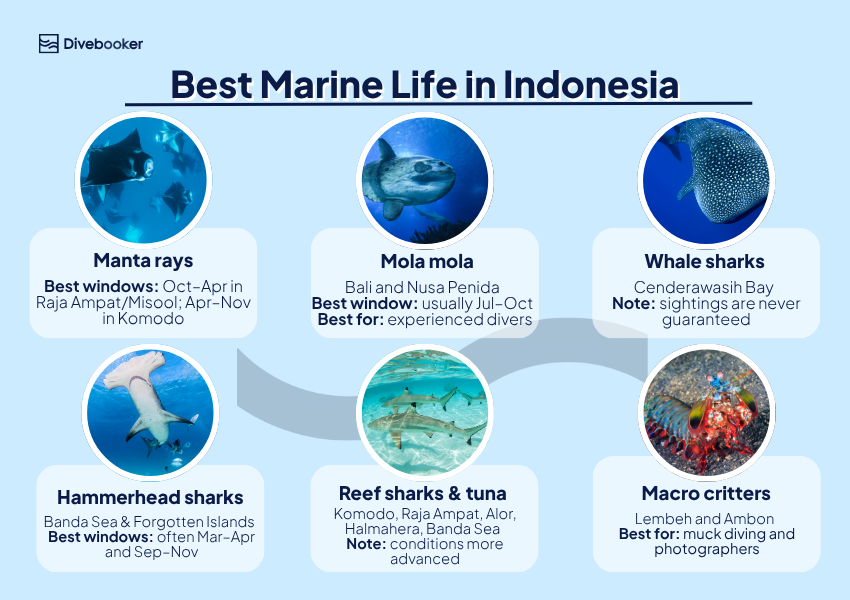
Manta rays are possible in several Indonesian regions, including Raja Ampat, Misool, Komodo National Park, Sangalaki, Derawan Islands, and, if included in the wider route, Nusa Penida. Raja Ampat and Misool are strongest from October to April, while Komodo peaks from April to November. Sangalaki and Derawan are commonly considered strongest from April to December, depending on local conditions.
Mola mola are most closely associated with Bali and Nusa Penida, usually from July to October. These dives can involve cooler water, stronger currents, and more advanced conditions, so they are not always ideal for beginners. For more background, see Divebooker’s guide to mola mola.
Whale sharks are one of the main reasons divers head to Cenderawasih Bay, but while sightings are regular, multiple days are generally required if you really want to ensure an interraction. The best timing should be checked with current local operators before planning a trip around whale sharks. For a wider look at destinations where whale sharks are a trip highlight, see this overview of where to swim and dive with whale sharks.
Hammerhead sharks are most commonly seen on remote liveaboard routes that include the Banda Sea and Forgotten Islands, during limited transition-season liveaboard windows. These trips are better suited to experienced divers.
Reef sharks, schooling tuna, and other big fish are associated with current-rich areas such as Komodo, Raja Ampat, Alor, Halmahera, Banda Sea, and the Forgotten Islands. Conditions can be more demanding, but these currents are part of what makes diving so productive.
Macro critters thrive in muck-diving destinations such as Lembeh and Ambon. These areas can be dived for much of the year, with timing depending on local conditions, visibility, and photographer priorities.
Best Time to Dive Indonesia for Different Types of Divers
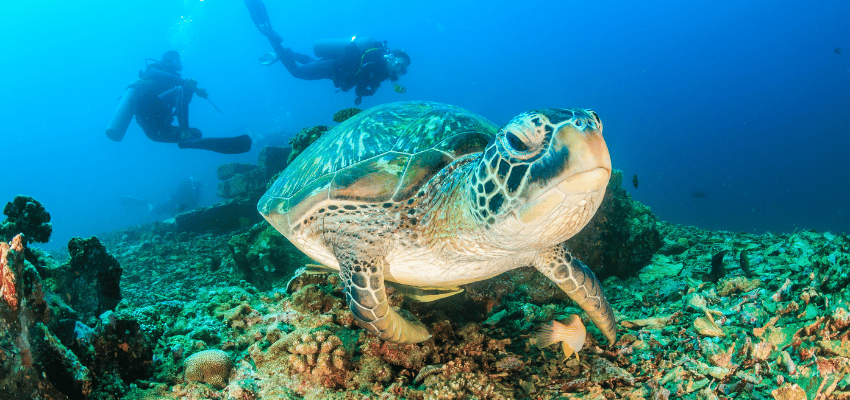
The best time to dive Indonesia depends on your experience level and what you want from the trip.
- First-time Indonesia divers: Wakatobi, selected Lembeh sites, and easier resort-based routes are good options for calmer, more predictable diving.
- Experienced divers: Komodo National Park, Alor, Banda Sea and Forgotten Islands, Raja Ampat, and Misool are better for currents, drift dives, and remote routes.
- Underwater photographers: Raja Ampat, Misool, Wakatobi, Lembeh, Ambon, and Triton Bay all offer strong wide-angle and macro opportunities.
- Big-animal seekers: Raja Ampat, Misool, Komodo, Sangalaki, and Derawan are known for manta ray opportunities, while Cenderawasih Bay and Triton Bay are linked with whale sharks.
- Macro lovers: Lembeh and Ambon are the strongest choices for muck diving, rare critters, and close-up photography.
So, What Is the Best Time to Dive in Indonesia?
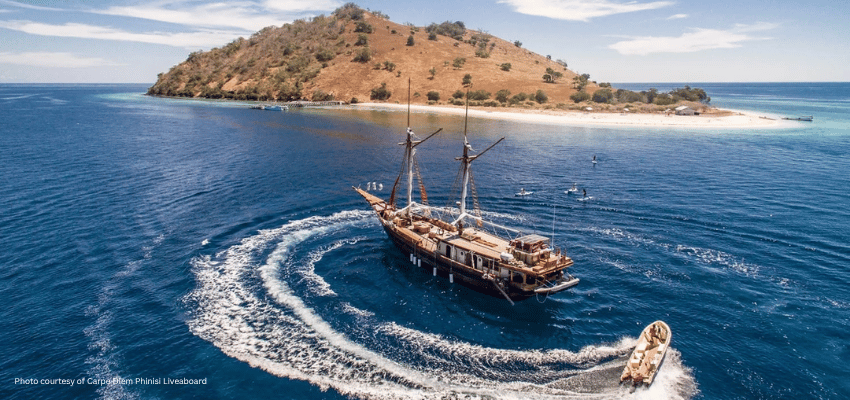
The best time to dive in Indonesia really is ‘any time’, but getting the best from it depends on what you want from your trip. If you want to see Raja Ampat or Misool, plan for October to April. If Komodo National Park, Alor, Wakatobi, Sumbawa, Sangalaki, or the Derawan Islands are your focus, April to November is easier for trip planning.
For remote routes such as the Banda Sea, Forgotten Islands, Halmahera, and Triton Bay, timing is more specific. These areas depend on seasonal crossings, liveaboard schedules, and local sea conditions, so it is best to check before booking.
Indonesia is diveable all year, but not every region peaks at the same time. Choose your dates based on the marine life you want to see, your comfort with currents, and the destination’s usual season.
To plan your trip, compare Indonesia liveaboards and destination options before choosing your route.
Frequently Asked Questions About the Best Time to Dive Indonesia
Where is visibility best in Indonesia?Divebooker Team2026-06-19T13:03:03+00:00Visibility when diving in Indonesia also varies by destination and season. Wakatobi, the Banda Sea, the Forgotten Islands, and parts of Komodo can have very clear conditions at the right time. Nutrient-rich destinations such as Triton Bay, Lembeh, and Ambon may have lower visibility, but that same environment can support excellent marine life and macro photography.
What is the water temperature for diving in Indonesia?Divebooker Team2026-06-19T13:02:41+00:00Water temperature in Indonesia is usually warm, around 26°C to 30°C, depending on the region and season. But that’s not always the case, especially in the south. Places, such as Alor, Komodo, and Nusa Penida, can have much cooler upwellings, 20°C -to 22°C. A 3 mm wetsuit is common, but divers who get cold easily may want extra exposure protection.
What is the best time to see manta rays in Indonesia?Divebooker Team2026-06-19T13:02:16+00:00The best time to see manta rays in Indonesia depends on the destination. Raja Ampat and Misool are strongest from October to April, while Komodo is planned from April to November. Sangalaki, Derawan, and Nusa Penida can also offer manta opportunities, but sightings are never guaranteed.
When is the Komodo diving season?Divebooker Team2026-06-19T12:56:51+00:00The Komodo diving season is strongest from April to November. This period brings better surface conditions and strong route availability from Labuan Bajo. Komodo is known for manta rays, reef sharks, turtles, schooling fish, and current-rich dive sites. Conditions can vary between north, central, and south Komodo.
When is the Raja Ampat diving season?Divebooker Team2026-06-19T12:56:16+00:00The Raja Ampat diving season usually runs from October to April. These months have better sea conditions for liveaboards and resort trips, although rain can happen at any time. Raja Ampat is best known for coral biodiversity, manta rays, reef sharks, schooling fish, and some of the richest reefs in Indonesia.
When is the dry season for diving in Indonesia?Divebooker Team2026-06-19T12:55:53+00:00Dry season diving in Indonesia is associated with April to November in many central and southern destinations, including Komodo, Alor, Wakatobi, Sumbawa, Sangalaki, and Derawan. However, this is not a rule for the whole country. Eastern areas such as Raja Ampat, Misool, and Triton Bay follow different seasonal patterns.
Is diving in Indonesia during the rainy season worth it?Divebooker Team2026-06-19T12:55:29+00:00Diving in Indonesia during any specific region’s rainy season can still be worth it, depending on where you go. Rain does not always mean poor diving, especially if showers are short and sea conditions remain calm. However, wind, waves, visibility, and boat access can change by region, so rainy-season trips should be planned destination by destination.
Can you dive in Indonesia year-round?Divebooker Team2026-06-19T12:55:06+00:00Yes, Indonesia can be dived year-round if you choose the right destination for your travel month. The key is to match your dates with the right region. For example, Raja Ampat is strong during many Northern Hemisphere winter months, while Komodo National Park is often better during spring, summer, and fall.