Lembeh Liveaboard Diving
60% of divers returns to us
Best Lembeh Liveaboards
 Mermaid Ifrom
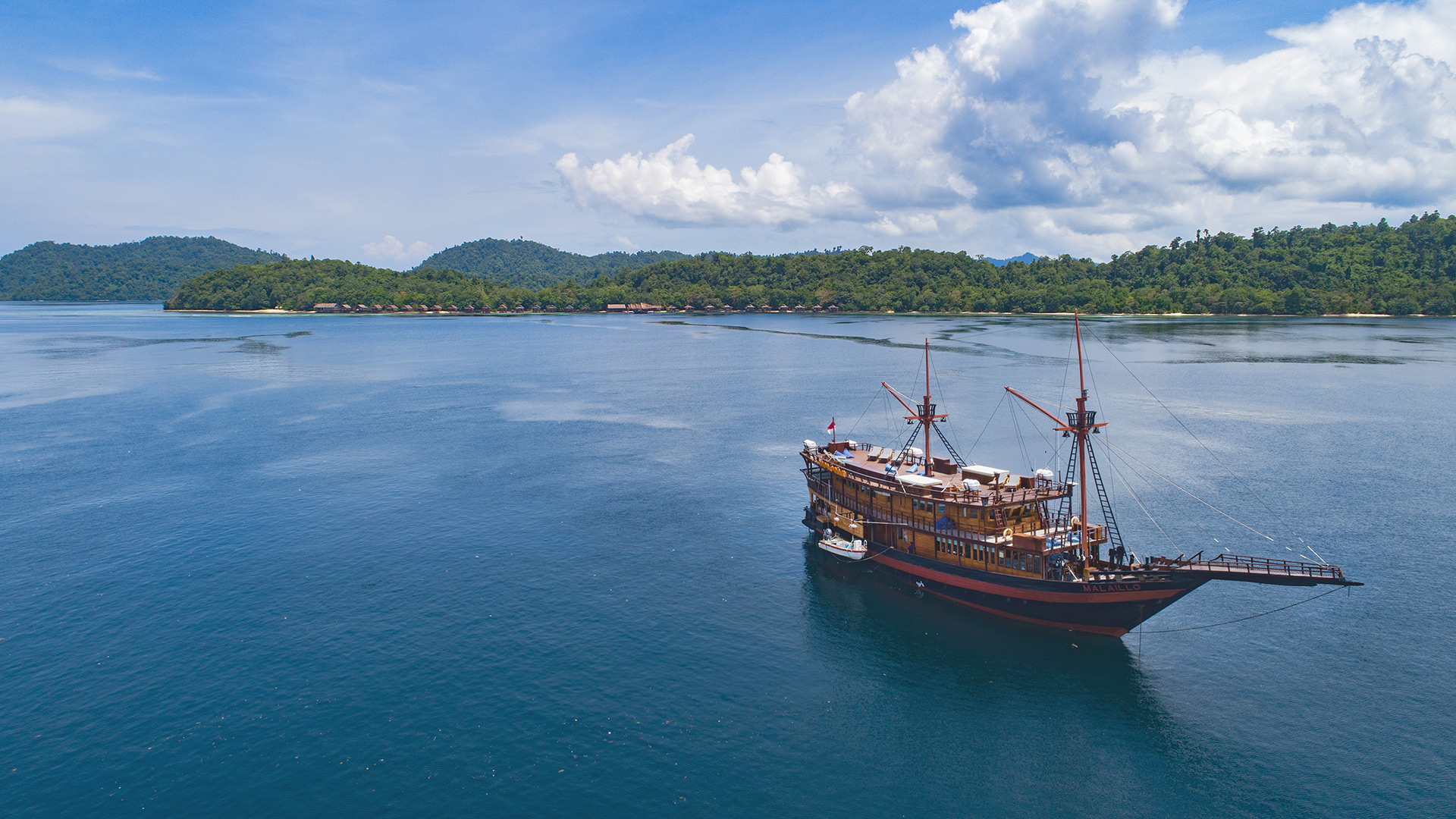 Malaillofrom
 Wellenrengfrom
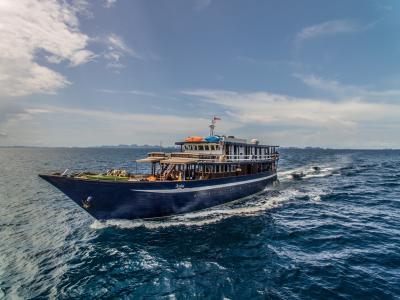
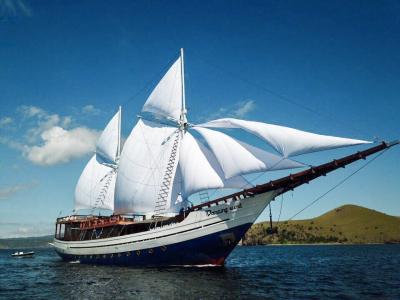
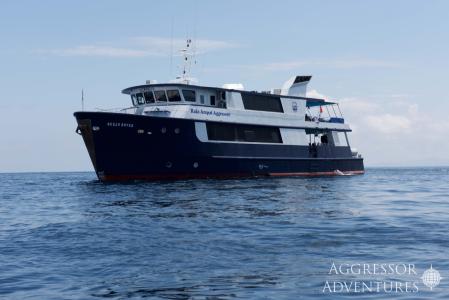
Handpicked Lembeh Liveaboard Collections



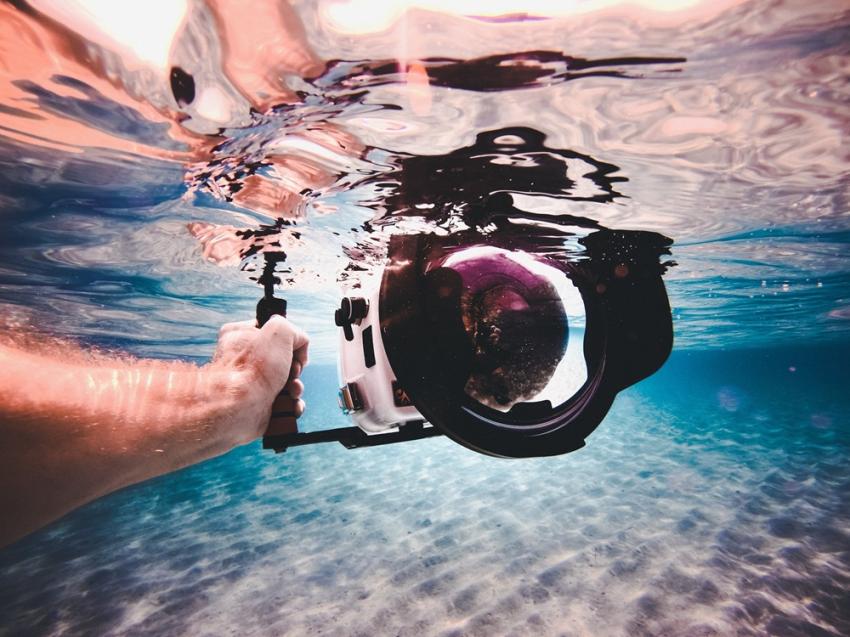
Scuba Diving in Lembeh
Lembeh, a small island located in North Sulawesi, Indonesia, is a hidden gem revered by underwater photographers and marine enthusiasts. Known as the "Critter Capital of the World," Lembeh offers a unique and captivating diving experience like no other.
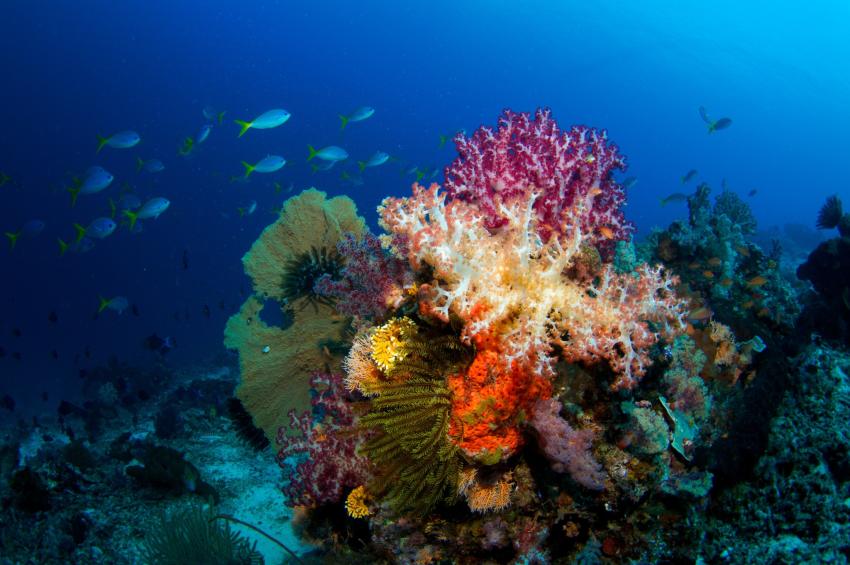
Beneath the surface of Lembeh's waters lies a world teeming with extraordinary marine creatures. The island's diverse underwater ecosystem is a haven for rare and unusual critters, making it a paradise for macro photography and critter spotting. From fascinating crustaceans to peculiar nudibranchs, Lembeh's underwater realm never fails to astonish and delight divers. The underwater landscapes of Lembeh are a mixture of black sandy slopes and patches of coral. The dark sand provides an intriguing backdrop for the vibrant colors and intricate patterns of marine life. Diving in Lembeh unveils a series of muck diving sites, where divers can immerse themselves in a treasure trove of peculiar creatures that have evolved to blend seamlessly with their surroundings.
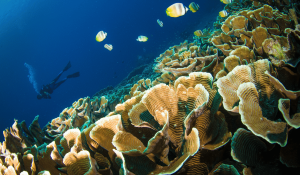
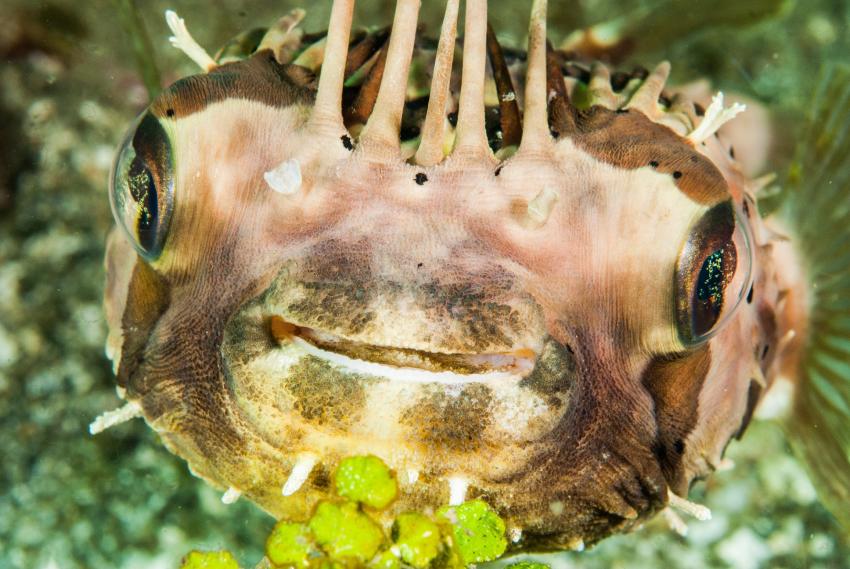
Lembeh Strait is particularly famous for its muck diving opportunities. As you explore the sandy bottom, you may encounter camouflaged frogfish, elusive mimic octopuses that mimic various marine species, and flamboyant cuttlefish displaying their mesmerizing color-changing abilities. The seafloor is also home to an array of fascinating critters, such as hairy frogfish, pygmy seahorses, and ghost pipefish. The coral patches in Lembeh are equally captivating, hosting a variety of marine life. Vibrant coral gardens provide shelter for numerous reef fish species, including angelfish, butterflyfish, and damselfish. Divers may also spot graceful sea turtles gliding above the corals, while schools of vibrant anthias add a burst of color to the underwater landscape.
For international travelers, the most convenient airport to fly into is Sam Ratulangi International Airport (MDC) in Manado, North Sulawesi. This airport is well-connected to major international cities, such as Jakarta, Bali, Singapore, and Kuala Lumpur. From Sam Ratulangi International Airport, you can continue your journey to Lembeh by taking a domestic flight or arranging ground transportation. The domestic airport closest to Lembeh is the Bitung Airport (BXT), also known as the Lasondre Airport or Mopah Airport
Must See Lembeh Dive Sites
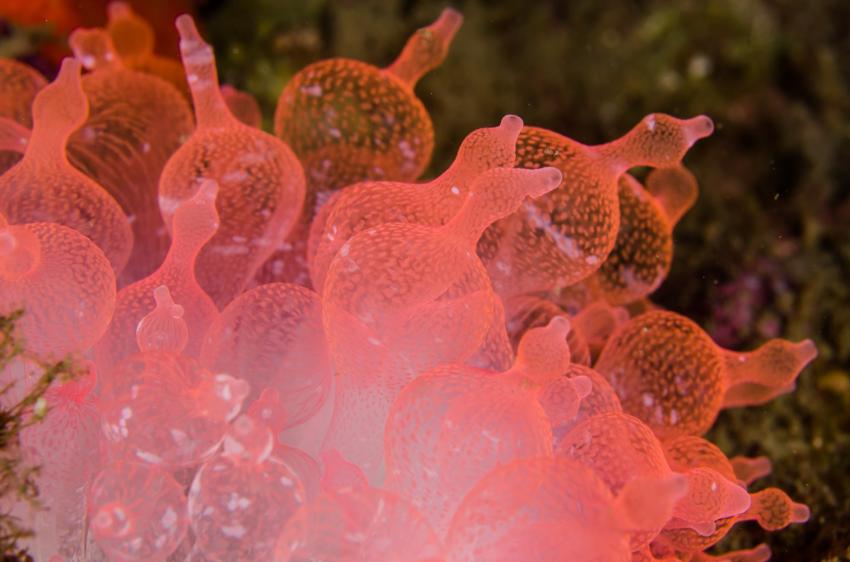
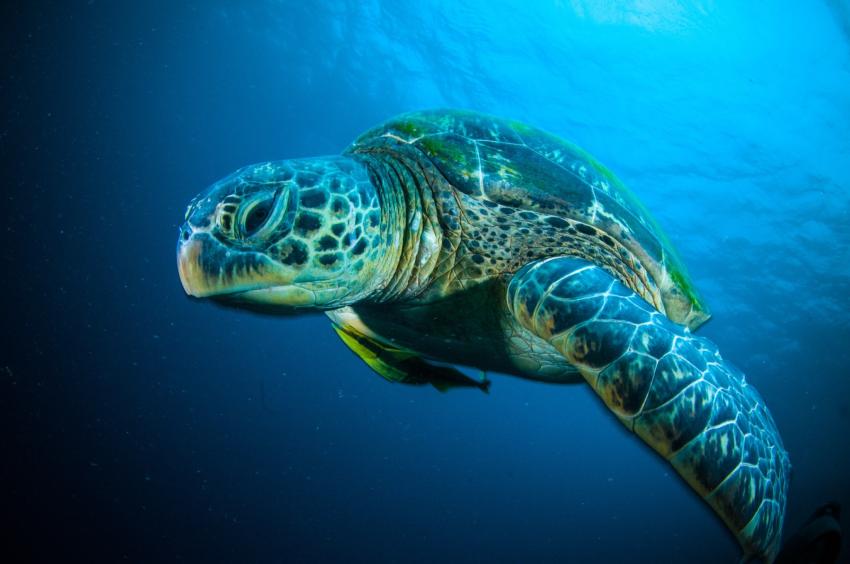
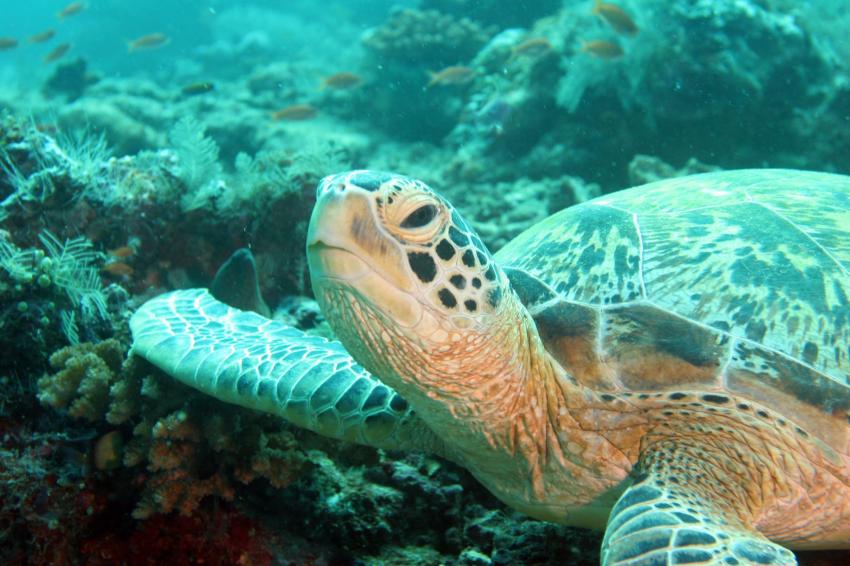
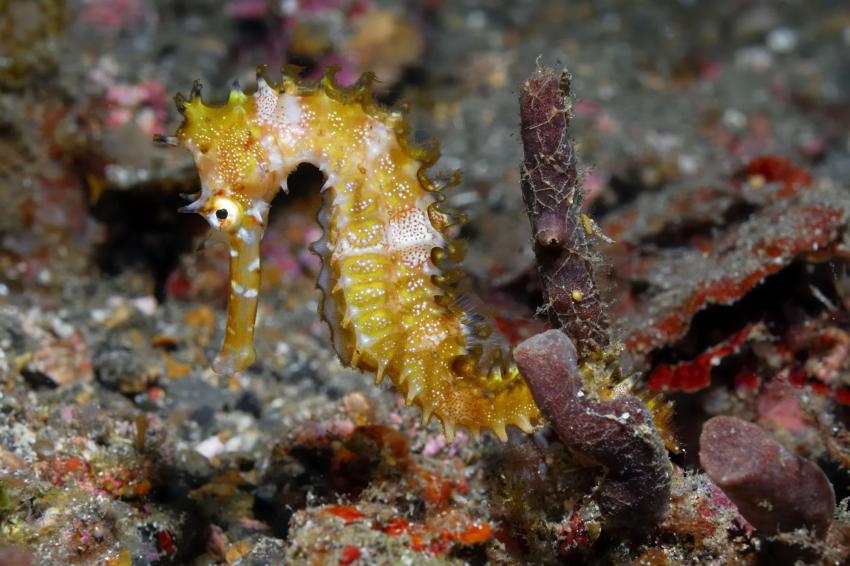
Lembeh, located in North Sulawesi, Indonesia, is renowned for its exceptional dive sites that showcase remarkable marine biodiversity. Among these sites are Nil Desperandum, Bunaken, Pulau Dua, and Nudi Falls.
Nil Desperandum in the Lembeh Strait offers an immersive experience in macro diving. This captivating site reveals an array of elusive critters like frogfish, pygmy seahorses, and octopuses against a sandy backdrop.
Nearby, the world-class Bunaken beckons divers with its awe-inspiring coral walls that plunge deep into the ocean. Here, vibrant coral gardens serve as the habitat for sea turtles, reef sharks, and a kaleidoscope of colorful reef fish.
Pulau Dua, or "Dua Island," boasts pristine coral reefs teeming with diverse marine life. This must-visit site captivates divers with its vibrant coral formations, tropical fish, and the possibility of encountering larger marine creatures.
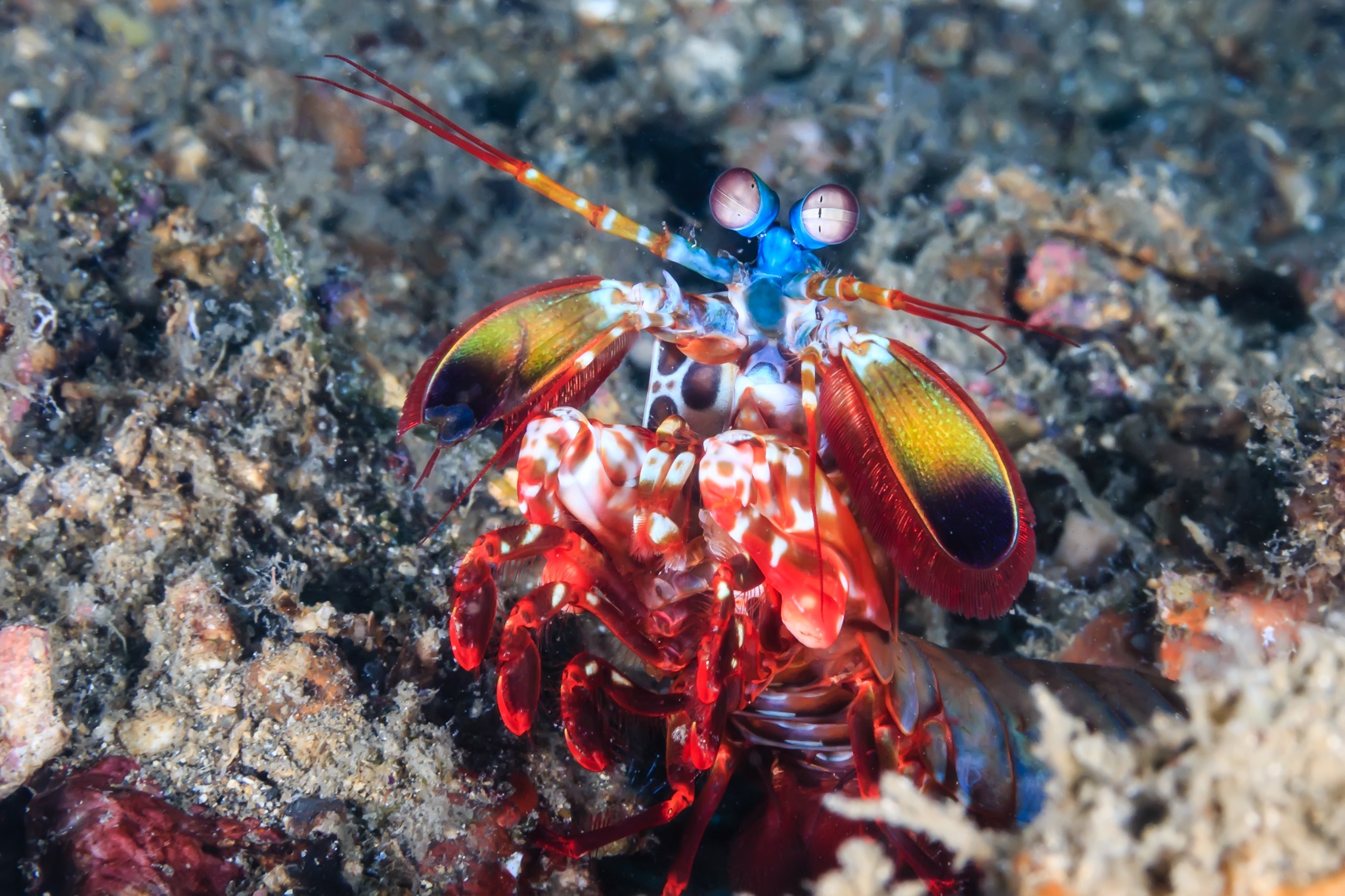
Nudi Falls is another captivating dive site in Lembeh known for its abundance of nudibranchs. Amidst the gentle slopes adorned with colorful soft corals and sponges, divers can also spot mantis shrimps, reef fish, and occasional sightings of larger marine species
Liveaboard Ports of Departure and How to Get There
When To Go Diving in Lembeh
The best time for diving in Lembeh is generally considered to be between April and November, during the dry season. During this period, the weather is typically more stable, with calm seas and better visibility underwater. However, diving is still possible year-round in Lembeh, as the region offers incredible marine life and unique diving experiences regardless of the season. The water temperature in Lembeh is warm throughout the year, ranging from around 27 to 30 °C (81 to 86°F). It is advisable to wear a thin wetsuit or a rash guard to protect against the sun and potential minor stings from marine organisms