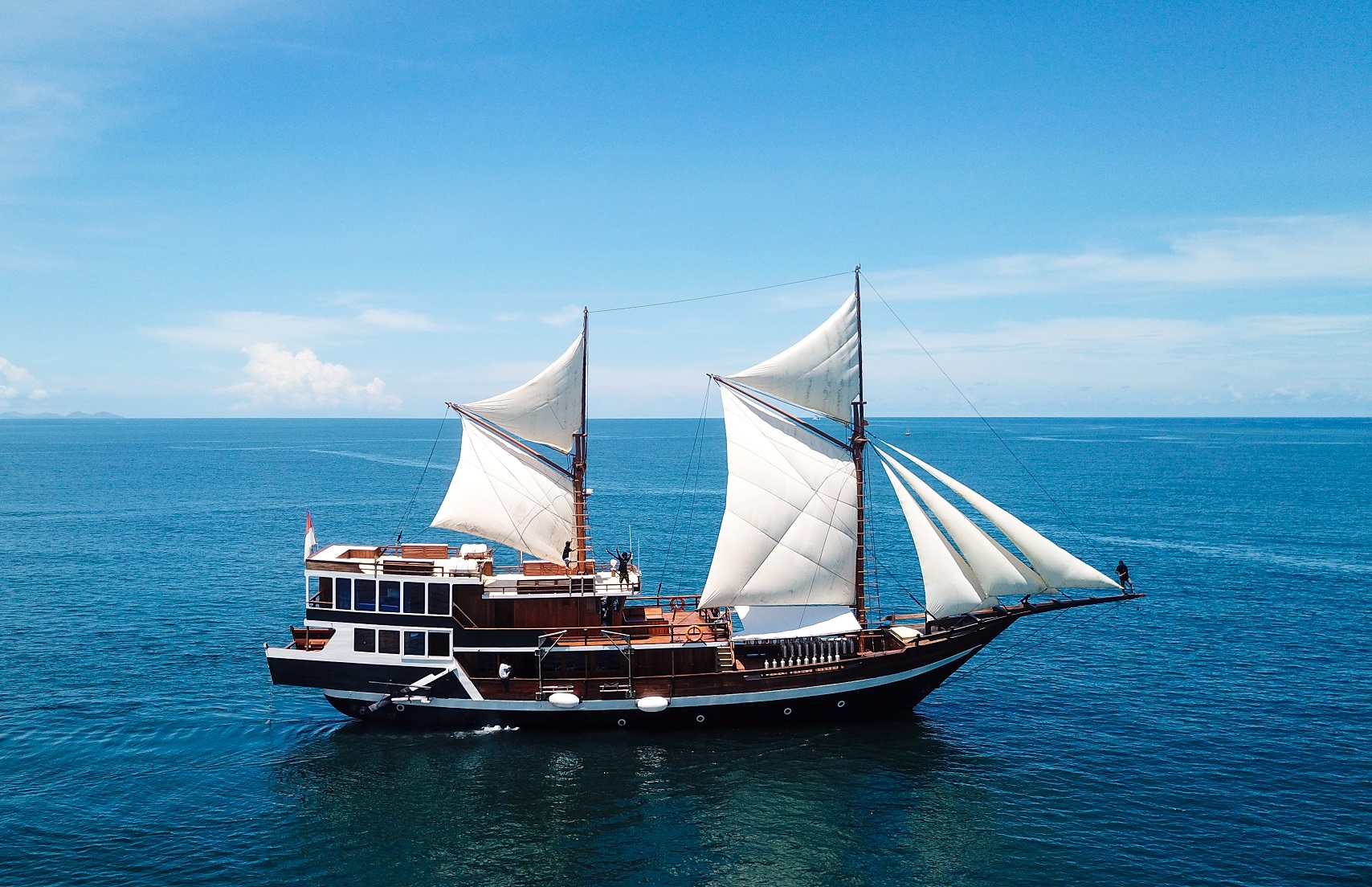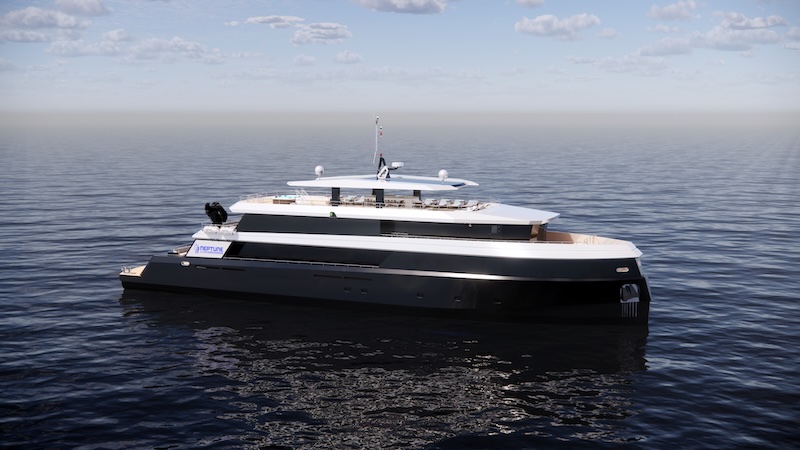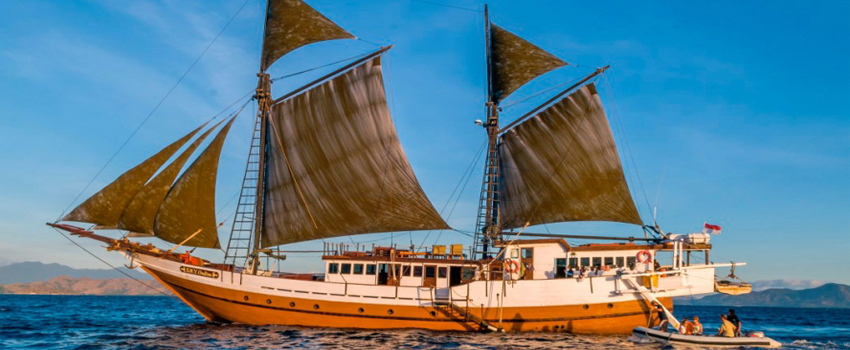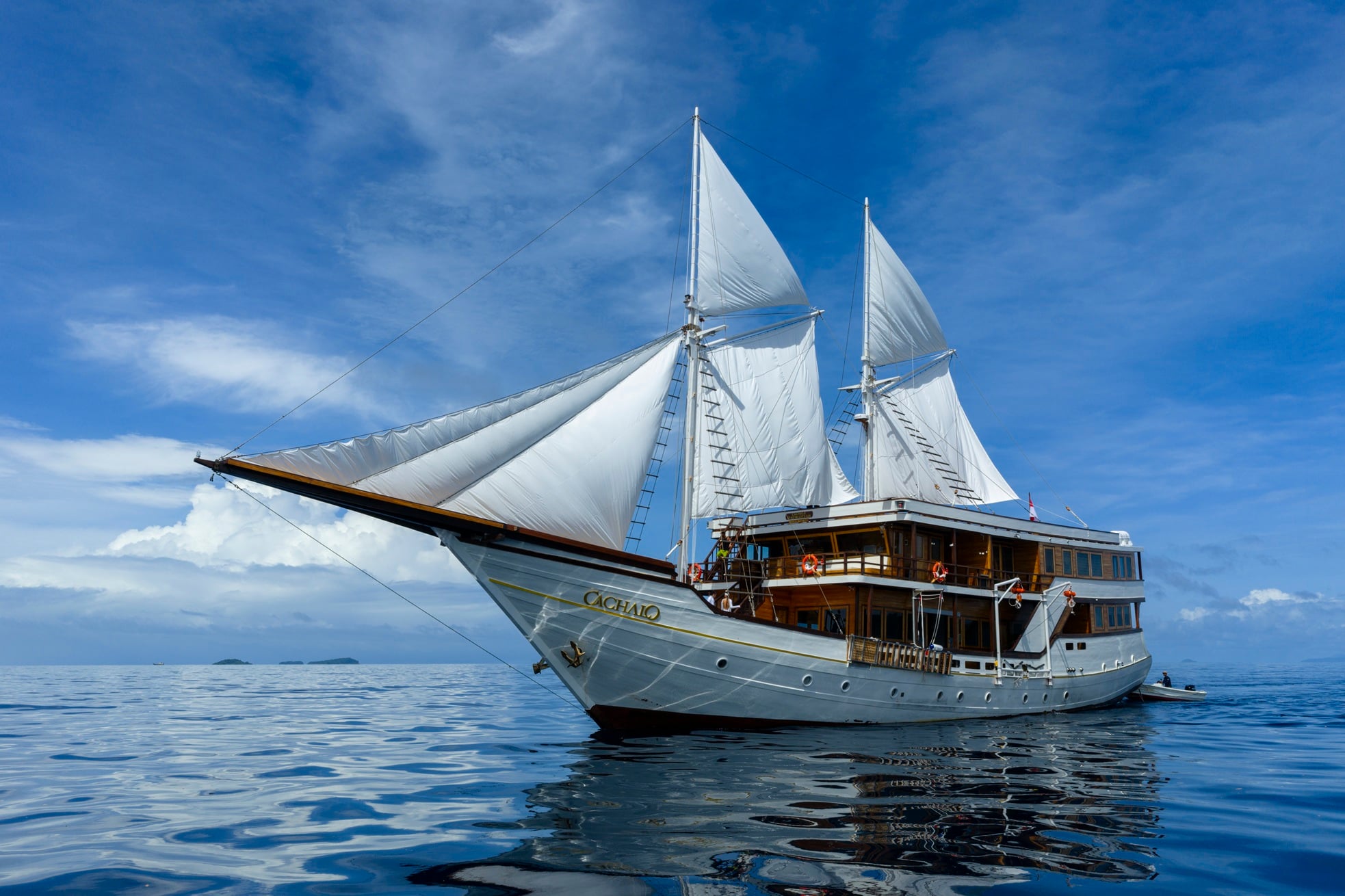
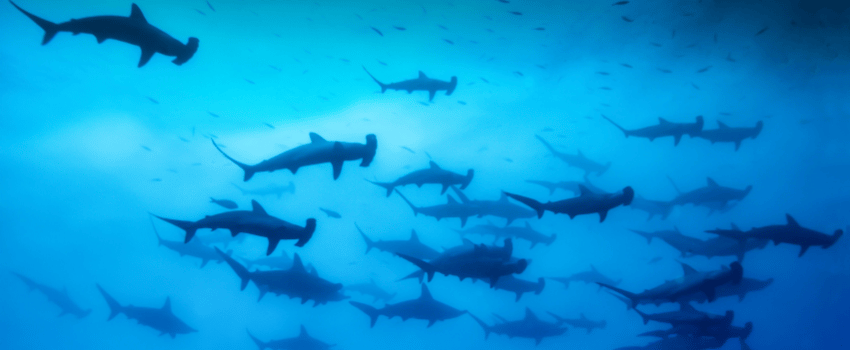
Scuba diving in the Banda Sea is a remote, seasonal, and strictly liveaboard-focused experience. Experienced divers often travel to this region in eastern Indonesia specifically for the chance to see schooling hammerheads during the limited season.
Timing your trip is critical, and wildlife sightings are never completely guaranteed. So the famous hammerhead migration is best understood as a seasonal encounter window rather than a fully predictable biological event.
The Hammerhead Migration: Timing, Chances, and Expectations
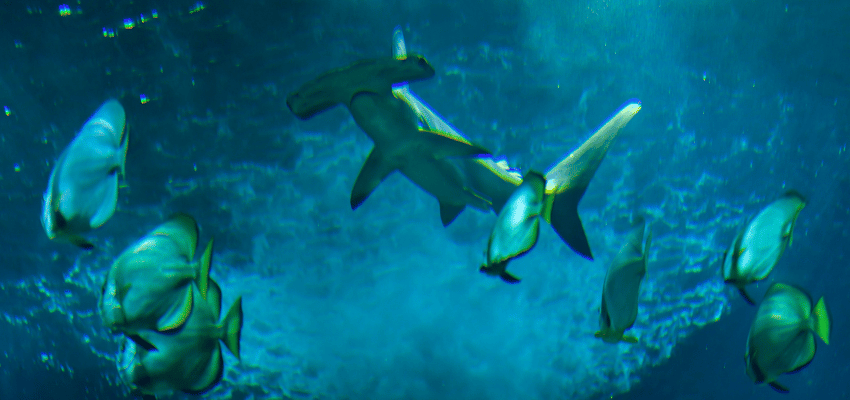
As mentioned, the hammerhead season in the Banda Sea is a window. Sharks show up when conditions suit them; they do not use calendars. Schooling hammerheads are wild pelagic animals, and their presence depends on oceanic conditions that we do not yet fully understand.
When to Go for Hammerheads
The main window for hammerheads in the Banda Sea is September to November:
- October and November are the peak months. Conditions during this period give you the best chance at large schools.
- September is a solid early-season option, though sea conditions and shark behaviour tend to be more variable.
- April and May are much less certain months for hammerheads, but they can be seen during this period.
For a broader look at where to dive in October, see our best scuba diving in October guide.
The Science Behind the Sightings
The sharks encountered here are scalloped hammerheads (Sphyrna lewini), a highly mobile species known for gathering in large groups. Tracking data from Mexico, published in Frontiers in Marine Science, shows these pelagic predators regularly use oceanic islands, seamounts, and deep trenches to navigate open water. While the area is different and not confirmed by research in Indonesia, it would be logical that the same is true in the Banda Sea.
Seasonal currents push cold, nutrient-rich water from deep trenches up toward shallower reefs, which seems to be at least one reason that the sharks appear within recreational diving limits.
What Hammerhead Dives Are Like
Finding a school of hammerheads takes preparation, patience, and comfort with open-ocean environments. Dives often happen at exposed offshore sites or involve blue-water descents with no reef in sight. Dive guides typically direct the group to find a spot along a deep wall, head out into the blue a little, and wait quietly in the current for schools to pass.
When you do see a school, stay calm. Watch quietly, keep your buoyancy controlled, and avoid sudden movements. Do not chase, touch, crowd, or block the sharks. Treating them with quiet respect gives you the best encounter and the safest dive.
Banda Sea Diving Conditions and Diver Requirements
Most Banda Sea trips run round-trips from Ambon between September and November. October and November are the strongest months for hammerheads at Serua, Pulau Hatta, and Suanggi, the exposed offshore islands where sightings are most consistent. Trips that connect through Maumere or Alor cross more of the region, but the extra transit days eat into your time at the hammerhead sites. A round-trip Ambon departure keeps the full schedule in Banda Sea waters. April and May departures exist but fall outside the main hammerhead window. There are no day boats out here and no Banda Sea dive resorts. If you are searching for land-based Banda Sea resorts, the Banda Islands have a few guesthouses, but they will not get you anywhere near the offshore islands. The sites sit far out in the water, spread across hundreds of kilometres of open ocean, and a liveaboard is the only way to reach them.
Underwater, a typical drop at Serua puts you into deep blue water with no reef to orient against, a current running along the wall, and thermoclines that can knock the temperature from 27-30°C at the surface to 22-24°C or colder below 20 metres. Some divers manage in a 3 mm suit, but for comfort, a 5 mm suit is advisable, especially on itineraries with four dives a day. Visibility is usually 15-30 metres but shifts with the weather and plankton, and profiles often push past 30 metres. Nitrox helps with repetitive deep dives, so check whether your boat supplies it.
The region suits Advanced Open Water divers or equivalent with experience in currents. Each vessel sets its own minimum. For example, Indo Master asks for Advanced Open Water and 50 logged dives. Mermaid II wants Advanced Open Water or equivalent and 30. DUNE Aurora sets the bar at only 25. Dive insurance with emergency evacuation and recompression coverage is essential this far from shore-based medical care.
Banda Sea Dive Sites and Itinerary Variations
Banda Sea diving is liveaboard-only. The distance between sites and the remoteness of the region mean you are on a boat for the full trip. Exact sites will depend on your itinerary, but most trips cover some combination of the following.
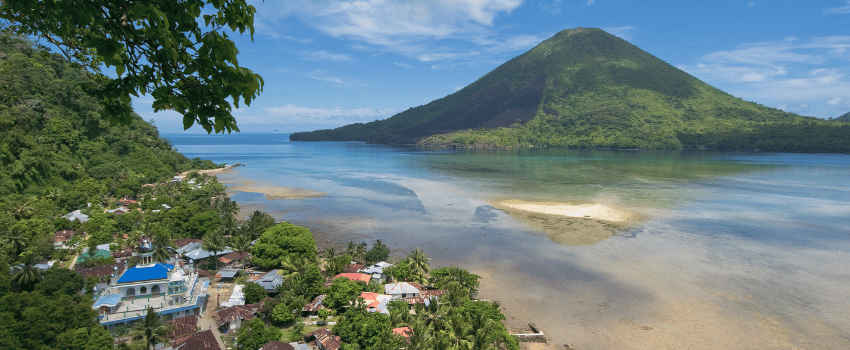
Banda Neira and the Banda Islands are the historic centre of most itineraries. Diving here covers walls, coral slopes, and the Banda Neira Pier, a well-known muck site. Topside, the old colonial forts and nutmeg plantations are worth the stop.
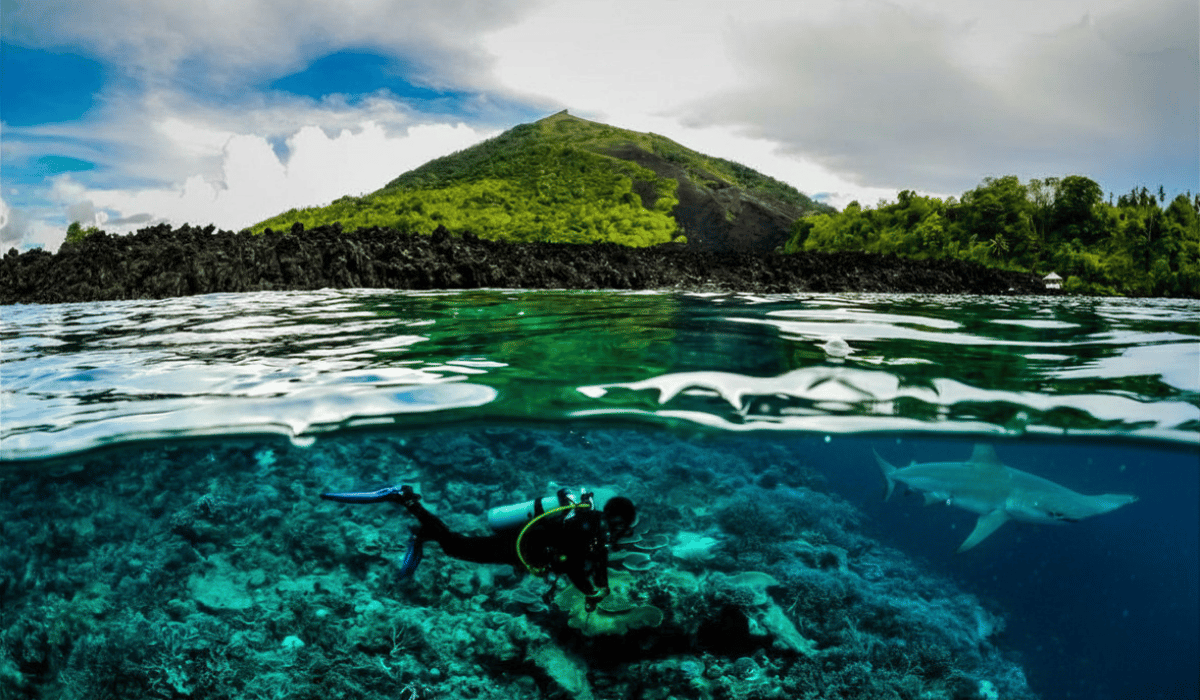
Gunung Api is a volcanic island with dramatic walls covered in gorgonian sea fans and soft corals. Tuna, jacks, and the occasional hammerhead move through the site.
Manuk is a volcanic island known for its sea snakes. Thousands of them. The drop-offs here also attract reef sharks, mackerel, tuna, and barracuda.
Serua and Suanggi are the exposed offshore sites most consistently associated with hammerhead encounters. Deep walls, strong currents, and blue-water conditions. These are the dives where guides position the group along a wall and wait for schools to pass.
Karang Hatta is a submerged pinnacle with table corals, sponges, and a mix of macro life and larger species like Napoleon wrasse and hawksbill turtles. It stands alongside Serua and Suanggi as one of the three premier sites most consistently associated with hammerhead encounters.
Nusa Laut is a well-known spot often included in regional itineraries. While you can still see hammerheads here on occasion, they are not encountered with the same regularity or consistency as the top three sites listed above.
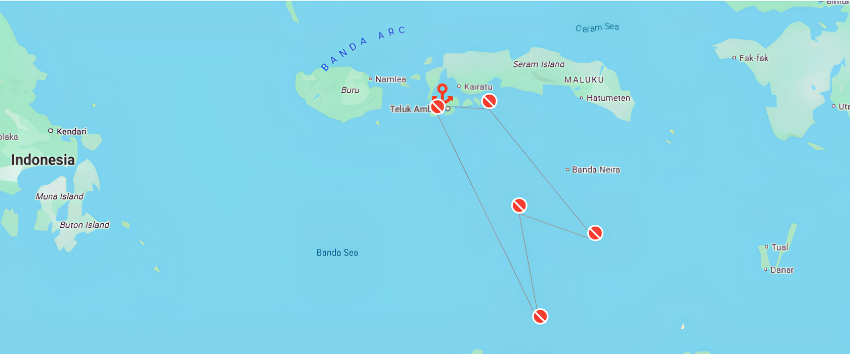
One example of a Banda Sea itinerary map is the DUNE Aurora’s 9-night Ambon round-trip, covering Ambon Bay, Nusa Laut, Pulau Manuk, Banda Neira Pier, and Pulau Nila
Not every Banda Sea diving trip follows the same itinerary. Some stay tight around the Banda Islands and the hammerhead sites. Others combine the Banda Sea with the Forgotten Islands, which makes for a longer, more remote trip. Most departures begin and end in Ambon, with Ambon Bay often serving as the check-dive site before the boat heads into open water.
Compare Banda Sea liveaboards by date, itinerary, and dive sites.
Banda Sea Diving at a Glance
| Feature | Quick Details |
|---|---|
| Location | Eastern Indonesia, between the Maluku Islands to the north and Timor and the outer island arcs to the south and east |
| Best For | Experienced divers, liveaboard travellers, pelagic enthusiasts, wall divers, and those targeting schooling hammerheads |
| Main Season | September to November for hammerhead-focused trips, with October and November widely considered the strongest months. Itineraries also run from April to May, depending on the vessel schedule |
| Conditions | Warm tropical water with the potential for cooler thermoclines. Visibility is generally good but remains variable depending on the site, weather, and currents, which can range from mild to strong |
| Diving Style | Liveaboard-based expeditions featuring deep walls, volcanic islands, oceanic reefs, and exposed sites that may require blue-water descents |
| Not Ideal For | Newly certified divers, individuals uncomfortable with depth, strong currents, or blue-water conditions, and travellers who require simple logistics or resort-style flexibility |
Compare Banda Sea liveaboards by date, diver level, and onboard comfort.
-
 from$420 /day
from$5,936,800 /day
from$355 /day
from$420 /day
from$5,936,800 /day
from$355 /daySee also: Best Time to Dive in Indonesia for a full seasonal breakdown by region.
Marine Life Beyond Hammerheads
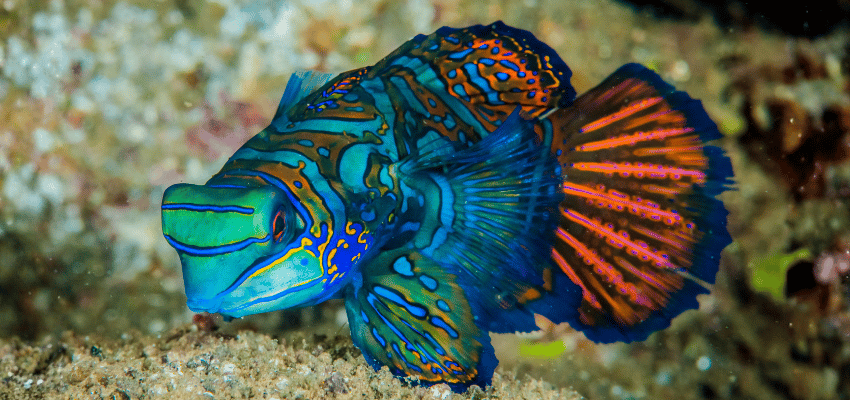
Many divers book specifically around the hammerhead season. The rest of the diving: Manuk’s sea snakes, the walls at Gunung Api, the macro at Karang Hatta, would justify the trip on its own.
Reef sharks, mostly whitetips and blacktips, are common across the itinerary. Tuna and barracuda patrol the walls and offshore sites, and schooling jacks are a regular sight on current-exposed dives.
Manuk deserves its own mention. The island is famous for sea snakes, and the numbers are hard to believe until you see them. You will see them on the reef, in the water column, and sometimes in dense hunting aggregations along the drop-off. It is one of the stranger wildlife experiences in Indonesian diving.
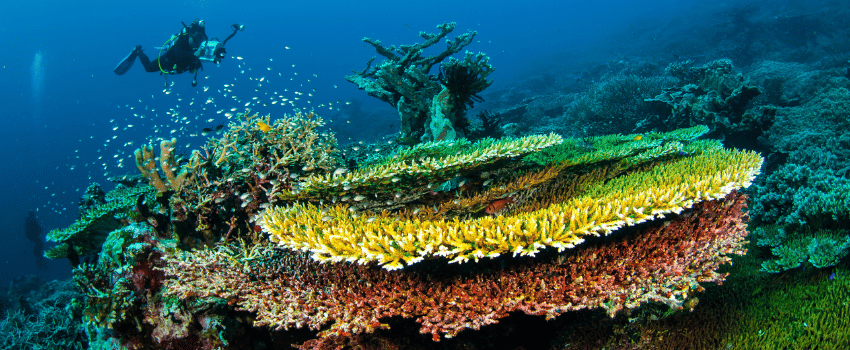
The reefs range from healthy hard coral slopes around the Banda Islands to gorgonian-covered walls at Gunung Api and colourful sponge growth on the deeper pinnacles. Turtles, mostly hawksbills, appear regularly. Macro photographers will find pygmy seahorses, nudibranchs, and frogfish at sites like Karang Hatta and Banda Neira Pier. If muck diving is more your focus, Lembeh Strait takes macro to another level entirely. Read our Lembeh muck diving guide for more on that.
Topside, the Banda Islands add something most liveaboard trips skip. The colonial forts, nutmeg plantations, and views of Gunung Api volcano from Banda Neira are worth getting off the boat for.
Even on an itinerary where hammerhead sightings are thin, the quality of the reef diving, the pelagic action, and the sheer remoteness of the region make it a strong expedition in its own right.
Conclusion
Banda Sea diving is a serious commitment. The season is short, the conditions are demanding, and the logistics are liveaboard-only. For the right diver, it is one of the best trips in Indonesia.
If hammerheads are your main goal, book an October or November departure and pick an itinerary that spends real time around Serua, Hatta, and Suanggi. Check the minimum dive requirements, the start and end ports, and what your insurance covers before you confirm anything.
Even without a hammerhead sighting, the Banda Sea holds up. The reefs, the sea snakes, the pelagic life, and the topside history around the Banda Islands make it more than a one-species trip. Plan around the sharks. Expect them to be elusive.
Compare Banda Sea liveaboards by season, itinerary, and experience requirements. For more on choosing between Indonesian destinations, read our Komodo vs Raja Ampat comparison.
Frequently Asked Questions about Hammerheads in the Banda Sea
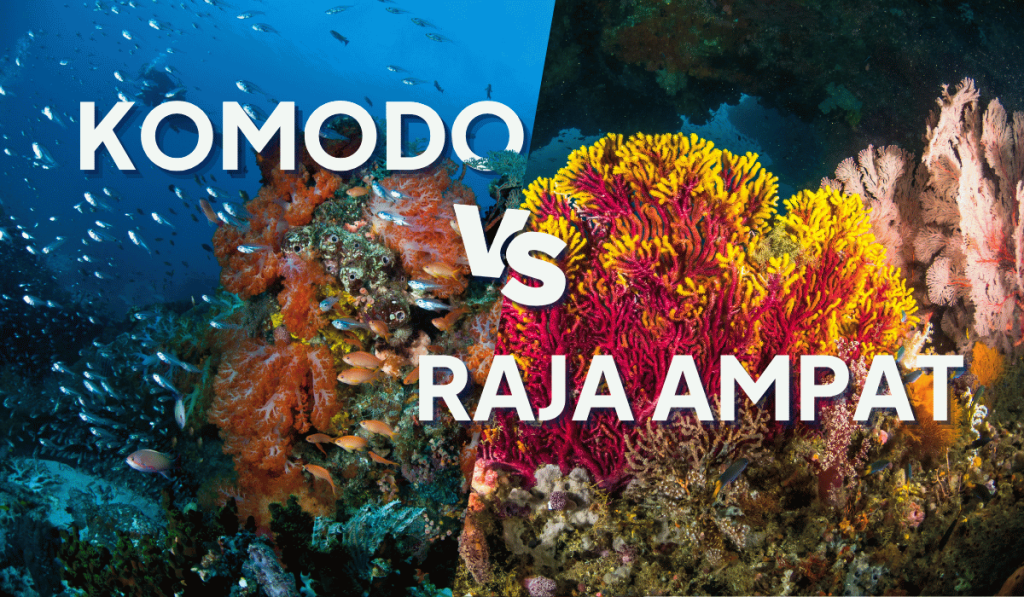
How does the Banda Sea compare to Komodo and Raja Ampat?Divebooker Team2026-07-01T10:19:49+00:00The Banda Sea is more remote, more seasonal, and arguably more demanding than both. Comparing Banda vs Komodo, the latter has strong currents, mantas, and dragons, along with with easier logistics. If we are talking about the Banda Sea vs Raja Ampat, Raja Ampat delivers unmatched coral diversity and a longer season, but no hammerheads. Read our Komodo vs Raja Ampat guide for a full comparison of those two.
Are Banda Sea trips liveaboard-only?Divebooker Team2026-07-01T10:18:50+00:00Hammerhead-focused Banda Sea diving is almost entirely liveaboard-based due to the region’s remoteness. Some land-based diving exists around specific islands, but liveaboards are the main option for the core hammerhead sites.
What else can divers see in the Banda Sea?Divebooker Team2026-07-01T10:18:29+00:00In the Banda Sea, divers can spot reef sharks, tuna, barracuda, schooling jacks, sea snakes, turtles, and healthy reefs. Manuk is famous for sea snakes, and macro life around the Banda Islands holds up for photographers. For pure muck diving, Lembeh Strait is the go-to.
Are hammerhead sightings guaranteed?Divebooker Team2026-07-01T10:18:09+00:00No. Liveaboards plan around the best season and known sites, but hammerheads are wild animals. Sightings depend on currents, thermoclines, visibility, and luck.
Can beginners dive the Banda Sea?Divebooker Team2026-07-01T10:17:50+00:00Banda Sea is better for advanced and experienced divers. Remote logistics, strong currents, deeper profiles, and variable conditions make it a poor fit for newly certified divers.
What is the water temperature in the Banda Sea?Divebooker Team2026-07-01T10:02:36+00:00Banda Sea diving water temperature generally sits in the 27-30°C range, but thermoclines can drop to 22-24°C or cooler on deeper dives. Check with your operator for current wetsuit recommendations.
When is the Banda Sea hammerhead migration?Divebooker Team2026-07-01T10:02:02+00:00In dive travel, the term usually refers to the September to November seasonal encounter window in the Banda Sea. Exact timing is not guaranteed and can vary by itinerary, year, and conditions.
When is the best time to see hammerheads in the Banda Sea?Divebooker Team2026-07-01T10:01:41+00:00The best months for diving in the Banda Sea are considered to be from September to November for hammerhead-focused trips, with October and November the strongest months. Some itineraries also run from April to May, but these are not the main hammerhead window. See our best time to dive in Indonesia guide for a full seasonal breakdown.
Where is the Banda Sea?Divebooker Team2026-07-01T10:01:17+00:00The Banda Sea is in eastern Indonesia, with Sulawesi to the west, the Maluku islands to the north, Timor to the south, and the outer islands curving up to the east.. It is most commonly visited by divers on liveaboard itineraries departing from Ambon.