- Shark Diving in the Bahamas: Meet the Fabulous Five
- Tiger Beach Bahamas and Other Prime Shark Dive Locations
- Best Time for Shark Diving in the Bahamas
- Bahamas Sharks: Quick Species Reference Table
- Liveaboards for Shark Diving in the Bahamas
- Why the Bahamas Shark Sanctuary Matters
- Conclusion
- Frequently Asked Questions about Bahamas Shark Diving
Shark diving in the Bahamas is considered world-class for a reason. The country became a shark sanctuary in 2011. That means no commercial shark fishing anywhere in its 630,000 square kilometres of ocean. Over a decade of protection has paid off. Tiger sharks patrol Tiger Beach off Grand Bahama. Great hammerheads hunt the channels around Bimini. Caribbean reef sharks cruise the walls of Nassau and the Exumas. Lemon sharks drift through shallow mangroves. And during spring and early summer, oceanic whitetips appear in deeper waters. You can see The Bahamas’ big five species without travelling between oceans.
The Bahamas offers more predictable shark encounters than most places worldwide. Some dives happen in 6 metres of gin-clear water. Others take you into the blue where sharks emerge from the depths. Bahamas Liveaboard Diving Adventures reach the most remote sites and give you the best access to tiger sharks and hammerheads. For diving with tiger sharks, great hammerheads, reef sharks, lemon sharks and oceanic whitetips, the Bahamas has no equal.
Shark Diving in the Bahamas: Meet the Fabulous Five
The Bahamas became a shark sanctuary in 2011. That means no commercial shark fishing, no fin trade and no exports. Today, the islands protect more than 40 shark species. But there are five in particular that stand out for divers.
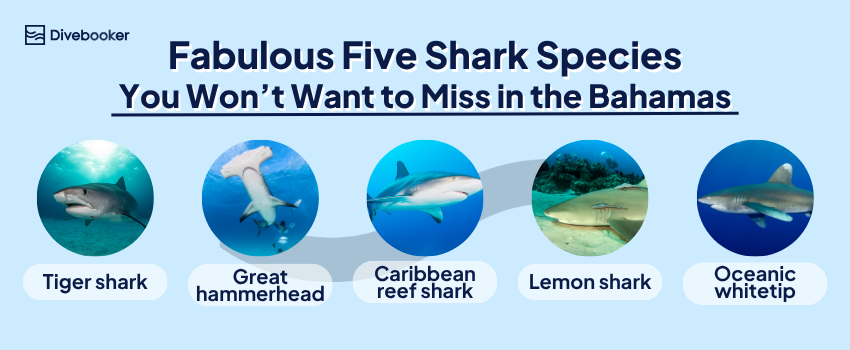
- Tiger shark. The star of Tiger Beach off Grand Bahama. Females can reach 5 metres. They are curious, calm, and photogenic.
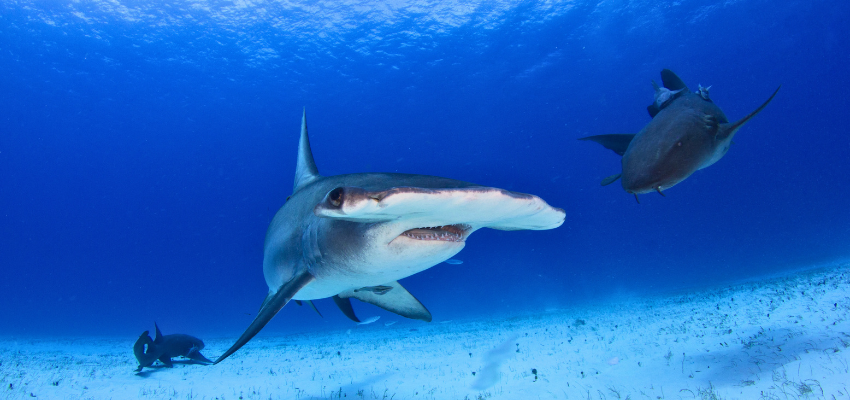
- Great hammerhead. Bimini is the place from December through March. They can grow to 6 metres. That flat-headed silhouette materialises from the blue, and nothing else looks like it, or feels like it.
- Caribbean reef shark. The most common shark on Bahamian reefs. Usually 2 to 3 metres in length. You will see them on almost every dive in Nassau, the Exumas, and Eleuthera.
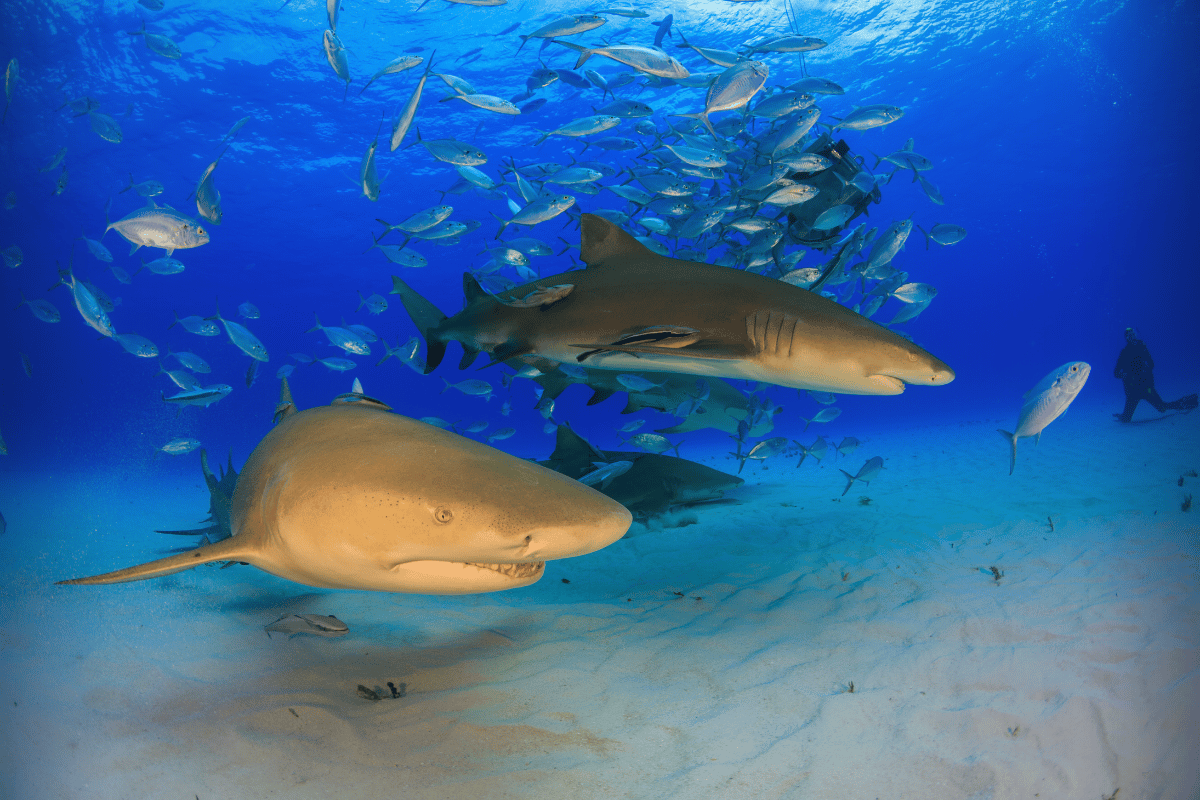
- Lemon shark. Shallow sandy bottoms and mangroves. They have a yellow‑brown tint and a docile nature. Perfect for photographers.
- Oceanic whitetip. Open water specialists. Look for them from April to June off remote islands like Cat Island. Their rounded fins have white tips. They are bold and graceful.
These five species make shark diving in the Bahamas world-class. You do not need to travel across the Pacific or Indian Ocean, but pick your dates carefully as some species live here year‑round while others are seasonal.
Tiger Beach Bahamas and Other Prime Shark Dive Locations
Tiger Beach sits off the west end of Grand Bahama. The water is shallow, usually 6 to 10 metres deep, and crystal clear. Tiger sharks cruise the sandy bottom year-round, but numbers grow from December through to March. Some are 4 metres long. You kneel on the sand and watch them pass within arm’s reach. There’s no cage, just passive observation. The Bahamas Aggressor and other liveaboards include Tiger Beach on most Grand Bahama itineraries.
Bimini is arguably the ultimate shark diving destination. From December through March, great hammerheads gather in the channel between North and South Bimini. Local operators such as Neal Watson’s Bimini Scuba Center, run dedicated hammerhead dives. You descend to around 12 metres and wait. The sharks will usually appear within 30 minutes.
Nassau offers the most accessible shark diving in the Bahamas. A local operator runs a site called Shark Arena. Caribbean reef sharks and lemon sharks show up minutes after you hit the bottom. It is a controlled feed, but divers stay behind a line for safety. Great for photographers and first-timers. Read more in our Nassau Scuba Diving Guide.
Eleuthera and Exuma Cays are reef shark territory. Caribbean reef sharks patrol the walls and coral heads. Liveaboards like Aqua Cat visit these remote sites. You often see dolphins and turtles on the same dive.
Each location gives you a different shark encounter. Tiger Beach for tigers. Bimini for hammerheads. Nassau for reef sharks. Pick your species and go.
Best Time for Shark Diving in the Bahamas
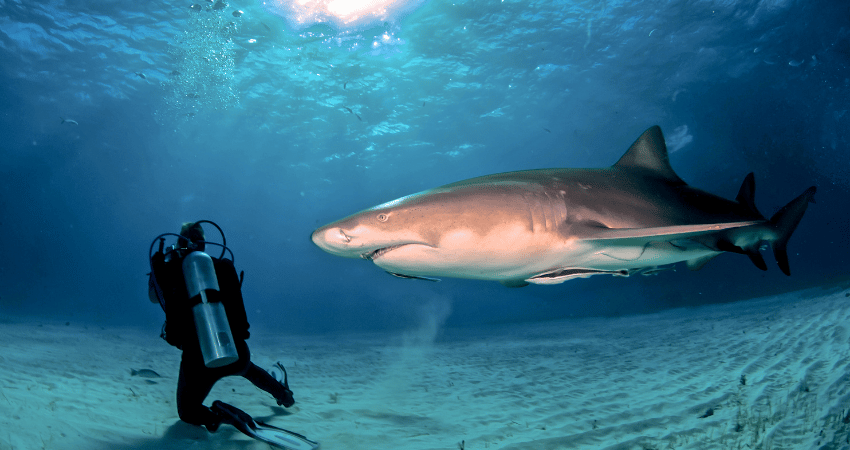
You can see sharks in The Bahamas any month of the year. But some species have their own peak season. Plan your trip around the sharks you want to meet:
Tiger sharks patrol Tiger Beach year-round. Pregnant females tend to arrive from late-November before departing in mid-March. January and February are the most reliable months for calm seas and peak numbers of sharks. Winter water temperatures sit around 23–25°C.
Great hammerheads gather off Bimini from December through March. February is the statistical peak. As with Tiger Beach, you kneel on the sand in 12 metres of water and wait. Hammerheads are more shy than tigers, but will still usually appear within 30 minutes.
Caribbean reef sharks and lemon sharks do not have a true low season. They live on the reefs and in the mangroves every day. Visibility in Nassau and the Exumas is best from March to August.
Oceanic whitetips appear off Cat Island and other remote banks from April through June. They follow baitfish into deeper water. Liveaboards offer the best access during these months.
Plan around the species you want to see most. If you want tigers and hammerheads in one trip, come in January or February. If oceanic whitetips are your target, book a liveaboard for April or May.
Bahamas Sharks: Quick Species Reference Table
| Species | Max Length | Typical Depth | Best Location | Best Season | Behavior | Conservation Status |
|---|---|---|---|---|---|---|
| Tiger shark | 5 metres | 6–30 metres | Tiger Beach, Grand Bahama | Year round (peak Jan–Feb) | Curious, calm | Near Threatened |
| Great hammerhead | 6 metres | 20–40 metres | Bimini | Dec – Mar | Shy, pelagic | Critically Endangered |
| Caribbean reef shark | 3 metres | 10–30 metres | Nassau, Exumas & Eleuthera | Year round | Common, curious | Endangered |
| Lemon shark | 3 metres | 5–15 metres | Nassau, Tiger Beach, Grand Bahama | Year round | Docile, coastal | Vulnerable |
| Oceanic whitetip | 4 metres | 15–50 metres | Cat Island, remote banks | Apr – Jun | Bold, open water | Critically Endangered |
The table also fits into our broader Caribbean Marine Life guide, where you will find more species across the whole region.
The Endangered species matter. Caribbean reef sharks have declined across the Caribbean due to overfishing, but The Bahamas sanctuary now protects them. Great hammerheads and oceanic whitetips are both Critically Endangered globally, and so seeing each one is a genuine privilege.
These sharks share the same warm, clear Bahamian water. But each one needs a different dive site and a different season.
Liveaboards for Shark Diving in the Bahamas
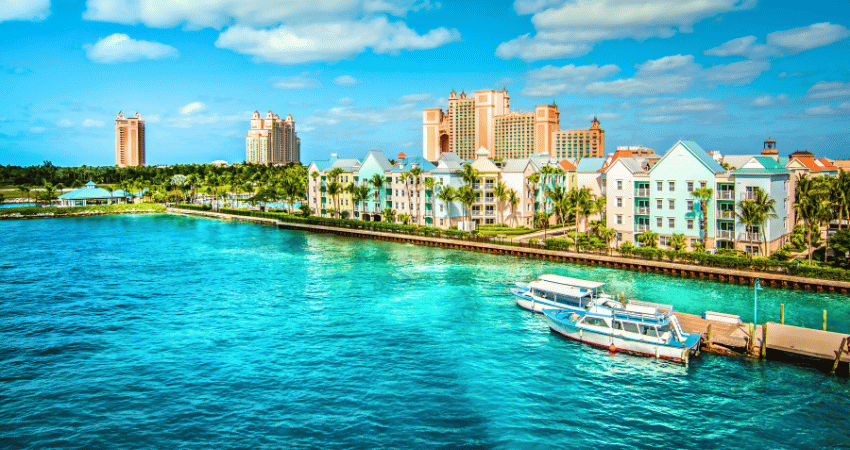
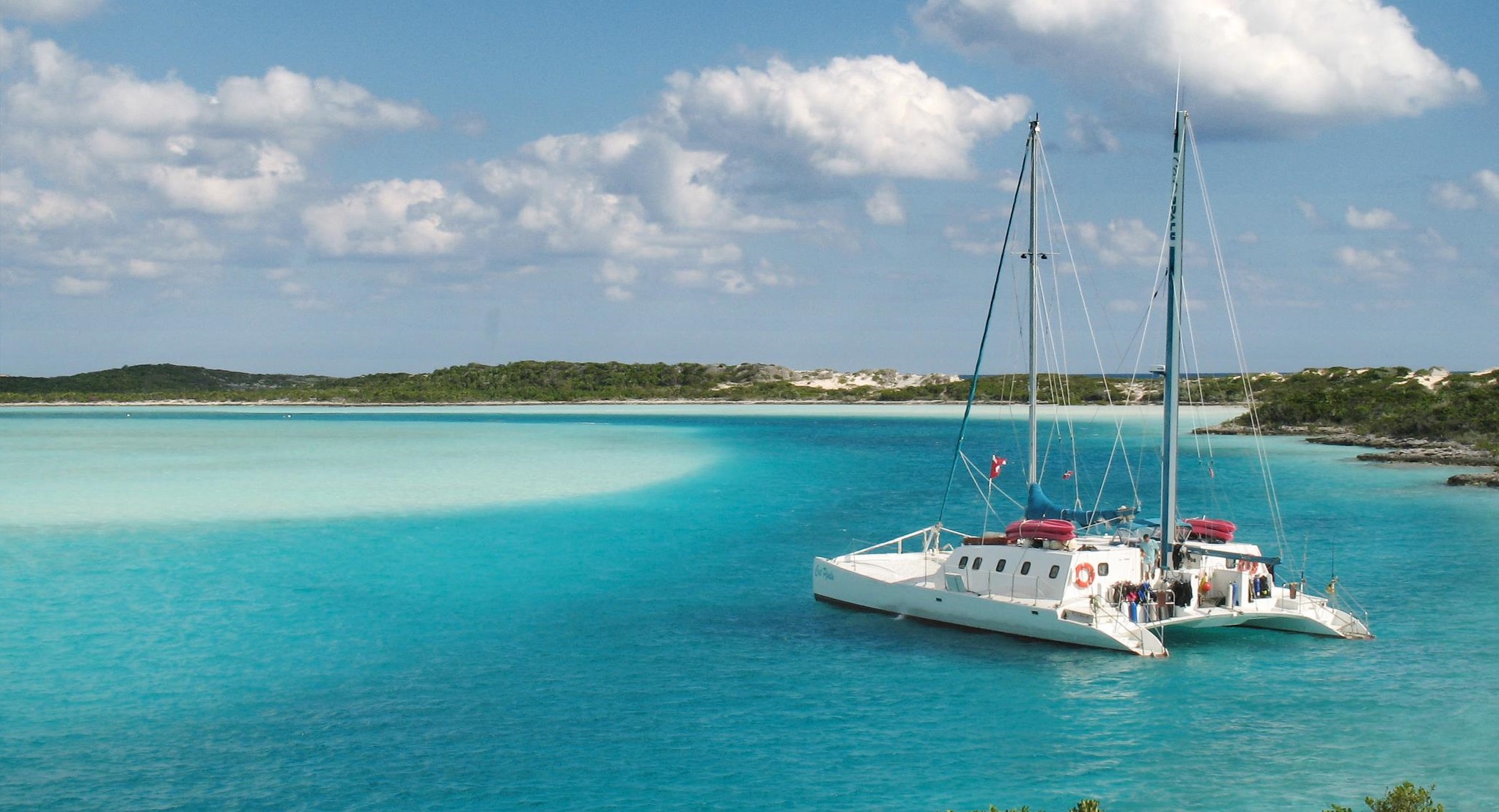
A liveaboard is the best way to reach the Bahamas‘ top shark dive sites. You wake up at Tiger Beach, Bimini, or the Exuma Cays without wasting time on long boat rides from shore.
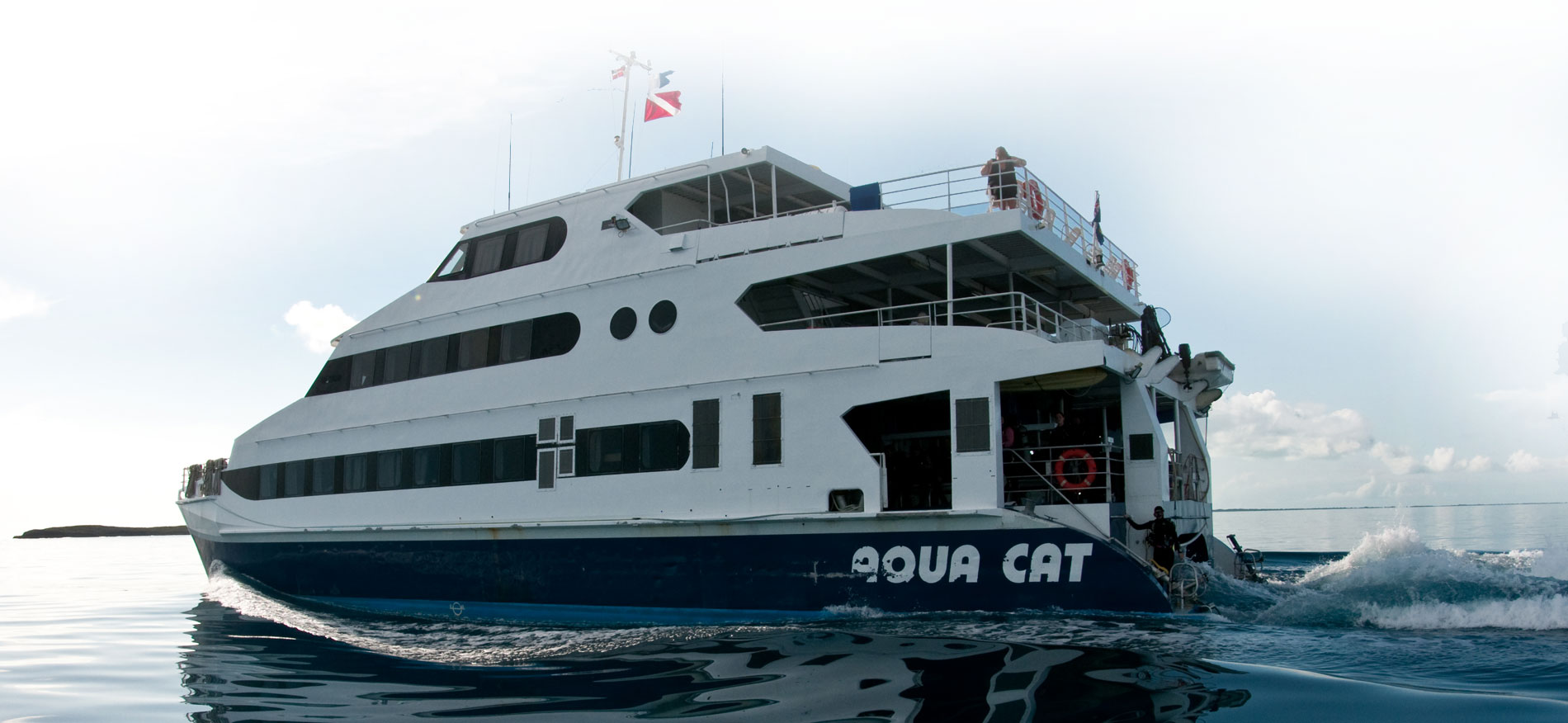
Aqua Cat sails to the Exuma Cays and Eleuthera. Divers encounter Caribbean reef sharks, nurse sharks, and occasional hammerheads. The crew runs a passive shark feed dive where you observe natural behavior. No bait. No chumming.
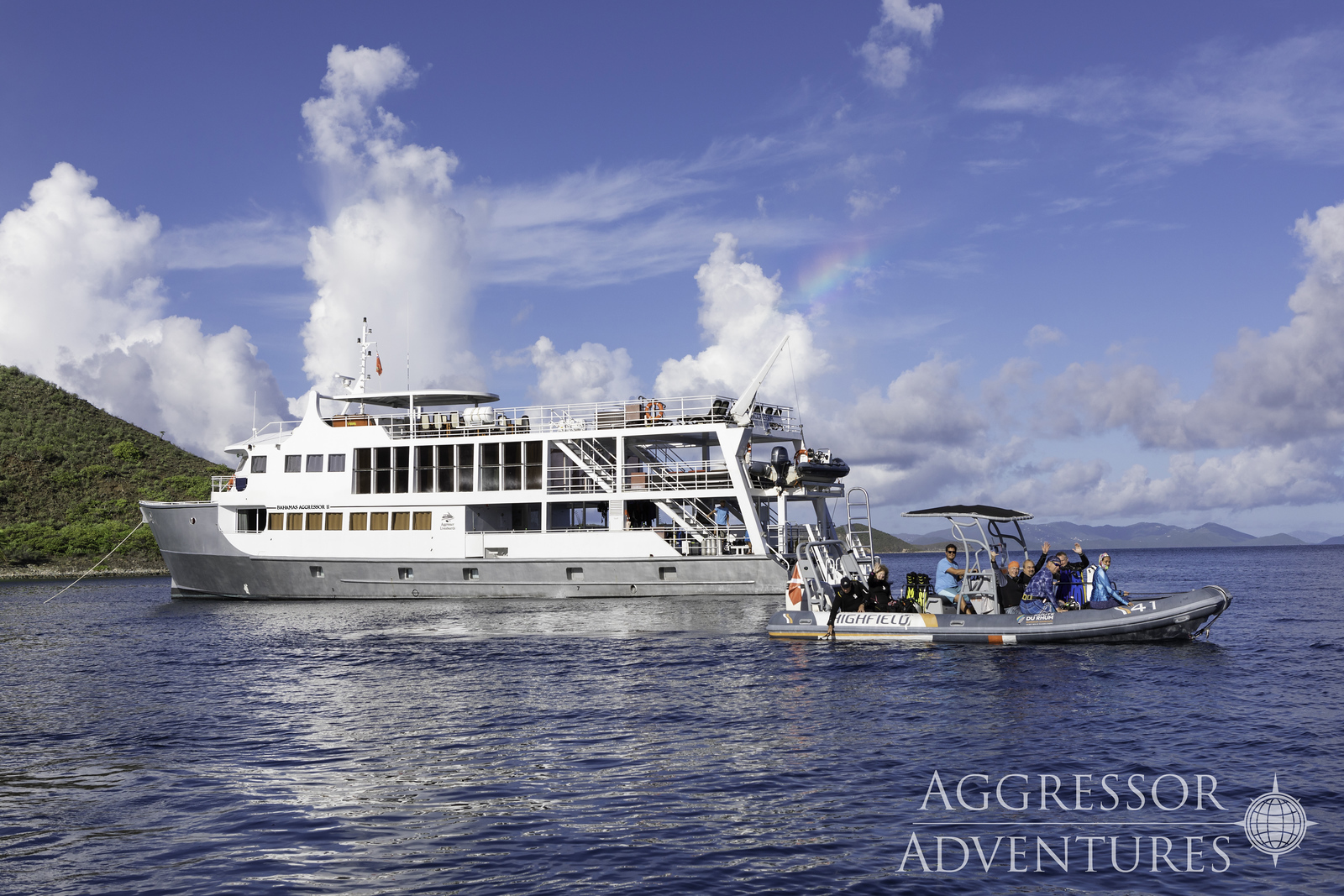
Belize Aggressor V (Bahamas Aggressor) has two itineraries. One explores the Exuma Cays, blue holes, and Periwinkle Reef. The other goes to Tiger Beach and Bimini from November through March. The boat takes only 14 guests.
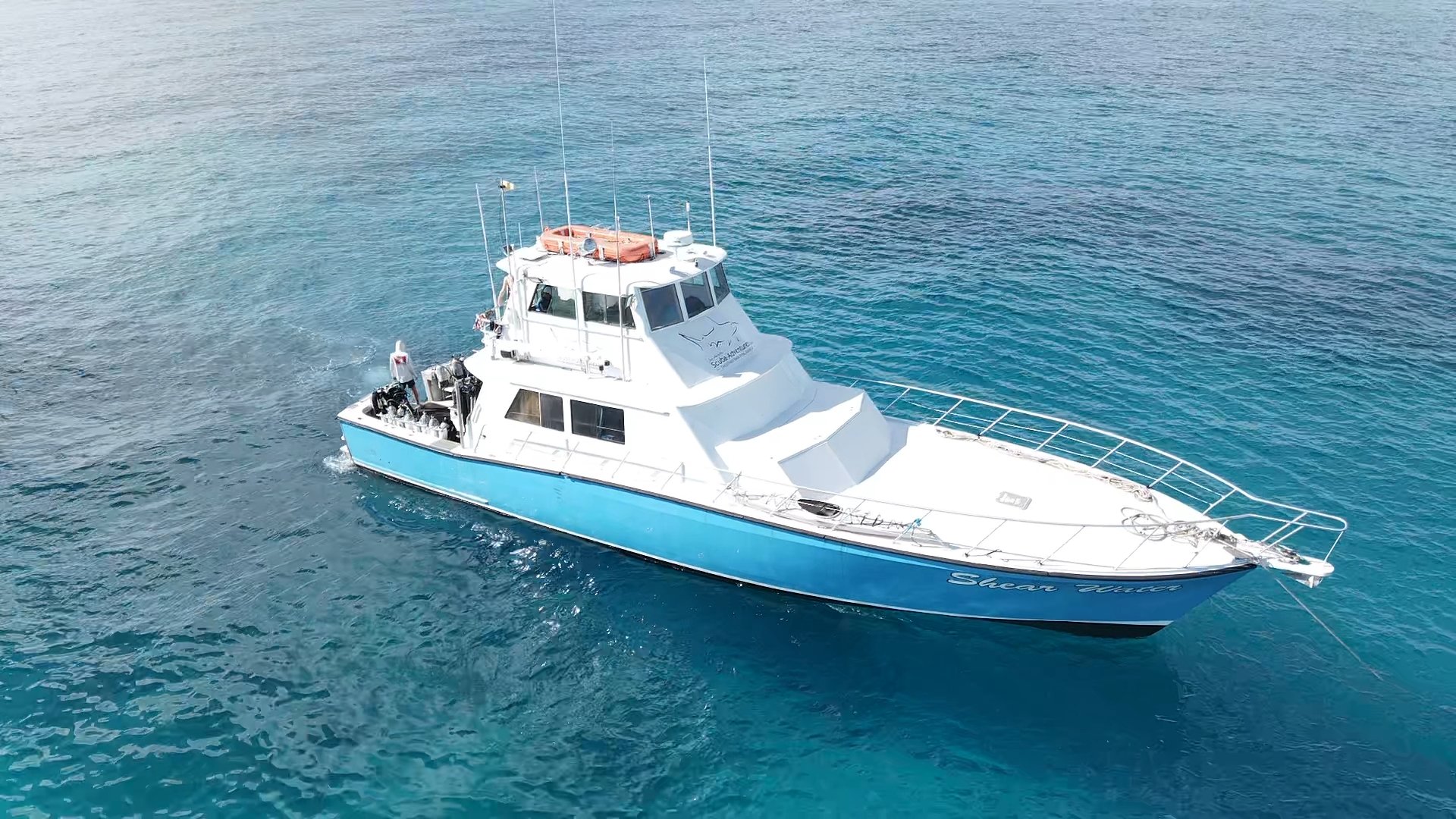
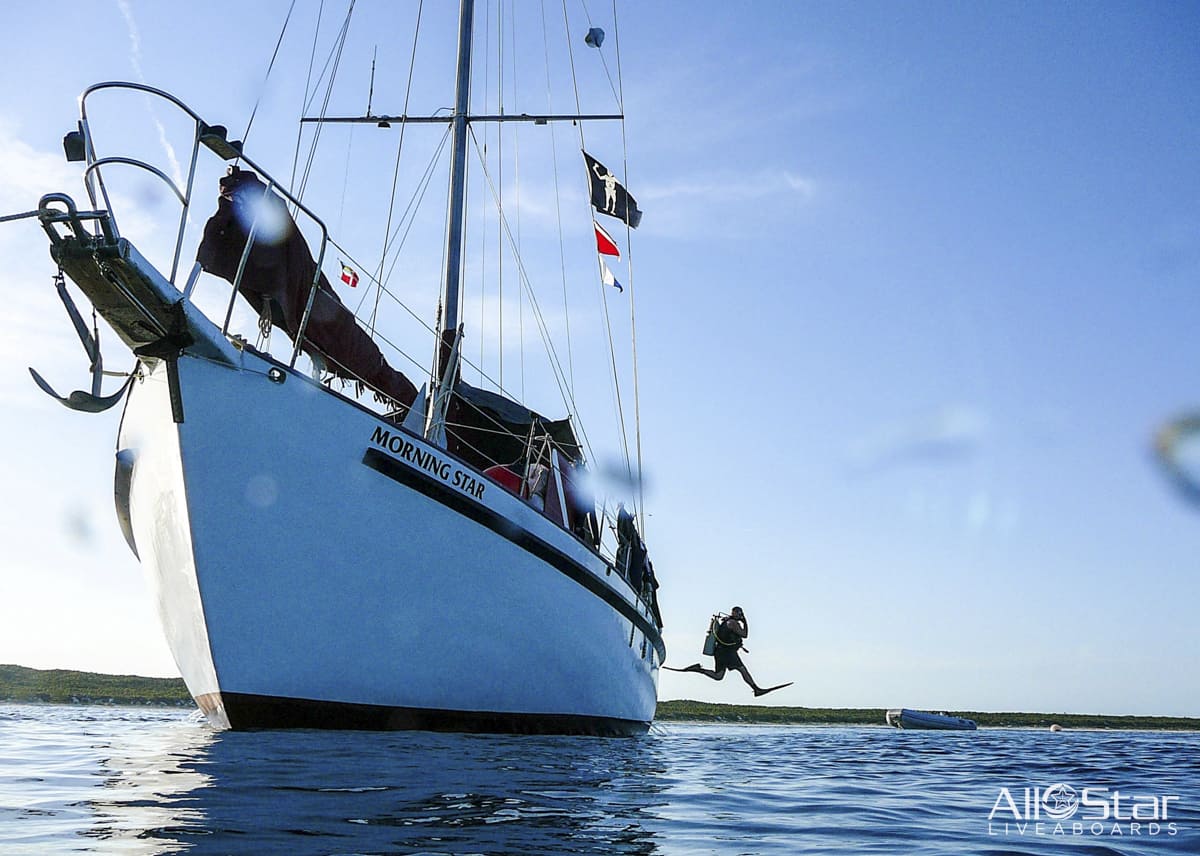
For a more budget‑friendly option, Blackbeard’s Sea Explorer and Morning Star offer similar Exuma Cays itineraries with a focus on value. Shear Water has an excellent reputation for shark diving, particularly at Tiger Beach and Bimini.
Most liveaboards run week‑long trips from Nassau or Freeport. For a deeper look at Bahamas liveaboard options, including itineraries and what to expect, check our Bahamas Liveaboard Diving Adventures post.
-
 from$263 /day
from$539 /day
from$170 /day
from$263 /day
from$539 /day
from$170 /day
Why the Bahamas Shark Sanctuary Matters
The Bahamas banned commercial shark fishing in 2011. That decision created the first national shark sanctuary in the Atlantic. Today, the sanctuary covers around 630,000 square kilometres. Shark tourism brings in an estimated $114 million annually to the Bahamian economy. A single reef shark is said to be worth roughly $250,000 over its lifetime in tourism revenue.
The protection works. The Bahamas has some of the healthiest shark populations in the Caribbean. But globally, the picture is different. The Caribbean reef shark, the species you will see on most dives in Nassau and the Exumas, is listed as Endangered on the IUCN Red List. Great hammerheads and oceanic whitetips are Critically Endangered, with populations declining by 80% over the past 70 years.
Shark diving in the Bahamas supports a growing body of research. Scientists at the Bimini Biological Field Station track great hammerhead migrations using non-invasive tagging methods. Other researchers study oceanic whitetip sharks off Cat Island, one of the last remaining strongholds for the species.
A recent study found pharmaceuticals in three shark species sampled off Eleuthera. Caffeine, cocaine, and painkillers were detected in 28 sharks. Sharks with detectable contaminants showed altered blood chemistry. The findings highlight pollution risks even in protected waters.
When you go shark diving in the Bahamas, you contribute directly to this conservation economy.
Conclusion
Shark diving in the Bahamas is not an unreachable fantasy. It is a trip you can book today. Tiger Beach delivers face-to-face encounters with four-metre tiger sharks. Bimini has great hammerheads in crystal clear water, while Nassau puts Caribbean reef sharks and lemon sharks within a short boat ride from the capital. And if you time it right, oceanic whitetips appear in the deep blue off remote banks.
Liveaboards give you the best access. A week on the water hits Tiger Beach, Bimini, or the Exumas and Eleuthera without packing and unpacking hotels.
The Bahamas made the right choice in 2011. Protecting sharks brought back healthy populations and built a real conservation economy. Every diver who books a shark trip contributes to that success.
Pick your species. Pick your month. Go see why the Bahamas is the shark diving capital of the Atlantic.
If the Bahamas has inspired you to try shark diving elsewhere, see our Top‑5 Most Adventurous Spots to Dive with Sharks.
Frequently Asked Questions about Bahamas Shark Diving
What is the water temperature for shark diving in the Bahamas?Divebooker Team2026-06-05T12:55:14+00:00Winter months (December to March) are 23 to 25°C. A 5mm wetsuit works well. Summer months (June to August) reach 28 to 30°C. A 3mm wetsuit is enough. Liveaboards provide rental gear, but bring your own if you prefer.
Are great hammerhead sharks endangered?Divebooker Team2026-06-05T12:54:52+00:00Yes. In fact, the great hammerhead is listed as Critically Endangered on the IUCN Red List. Populations have declined by roughly 80 percent over the past 70 years. The Bahamas sanctuary provides one of the last safe places to see them.
Do I need a liveaboard to see tiger sharks and hammerheads?Divebooker Team2026-06-05T12:54:34+00:00Yes, day trips from Freeport can reach Tiger Beach, and day trips from Bimini can reach the hammerhead sites. However, seeing both species on the same day trip is nearly impossible because they are on different islands. A liveaboard lets you dive both locations on a single trip without domestic flights or extra hotel nights. During peak season (January–February), some liveaboards even encounter hammerheads at Tiger Beach and tiger sharks off Bimini, but that is a bonus, not a guarantee. Browse Bahamas liveaboards here.
Which liveaboard is best for shark diving in the Bahamas?Divebooker Team2026-06-05T12:54:17+00:00Bahamas Aggressor specialises in Tiger Beach and Bimini. Aqua Cat focuses on the Exuma Cays and reef sharks. All three are bookable through Divebooker.
Can I snorkel with sharks in the Bahamas?Divebooker Team2026-06-05T12:53:59+00:00Yes. Compass Cay in the Exumas has nurse sharks in waist-deep water. Some snorkel excursions from Nassau include encounters with Caribbean reef sharks. No certification needed.
When is the best month for shark diving in the Bahamas?Divebooker Team2026-06-05T12:53:41+00:00It depends on the species you want to see in the Bahamas. January and February are best for tiger sharks and great hammerheads together. April through June is the time for oceanic whitetips. Caribbean reef sharks and lemon sharks are present all year.
What certification do I need for shark diving in the Bahamas?Divebooker Team2026-06-05T12:52:55+00:00Most shark dives require only Open Water Diver certification in the Bahamas. Tiger Beach and hammerhead dives are shallow, usually 6 to 20 metres. Some operators recommend Advanced Open Water due to currents. Check the specific trip requirements before booking.