Quick Overview: Why the Philippines Is a Top Diving Destination
At the heart of the Coral Triangle, the Philippines stands among the best dive destinations in the world. This island nation is astonishingly varied: atmospheric WWII wrecks, lavish coral gardens, rare macro critters, and big-animal thrills all share the same map. Distinct regions follow their own diving season, so you can explore different underwater landscapes again and again. For travelers planning a liveaboard, or for those hopping between islands, this is a place you’ll return to more than once because every visit reveals something new. What locations can be considered amongst the best dive sites in the Philippines?
Best Dive Sites in the Philippines by Region
If wreck histories set your imagination alight, Coron’s sunken fleet is one of the most famous collections anywhere. If you’d rather hover over radiant reefs and watch reef sharks ghost along a wall, Tubbataha Reefs Natural Park awaits. And for shark lovers, Malapascua has become synonymous with thresher sharks, an encounter that draws divers from across the world. In short, there are dive sites in the Philippines for every experience level and every obsession, from wide‑angle pelagic drama to critter‑hunting macro dives.
Tubbataha Reefs Natural Park, Palawan
Set squarely within the Coral Triangle, Tubbataha consistently ranks among the top dive sites in the Philippines and is only accessible by liveaboard during a short diving season. Permits are limited; places sell out quickly, so trips are often booked several seasons ahead. Strong currents, deep walls, and the park’s remoteness reward prepared divers with some of the best scuba diving sites in the Philippines.
Amos Rock
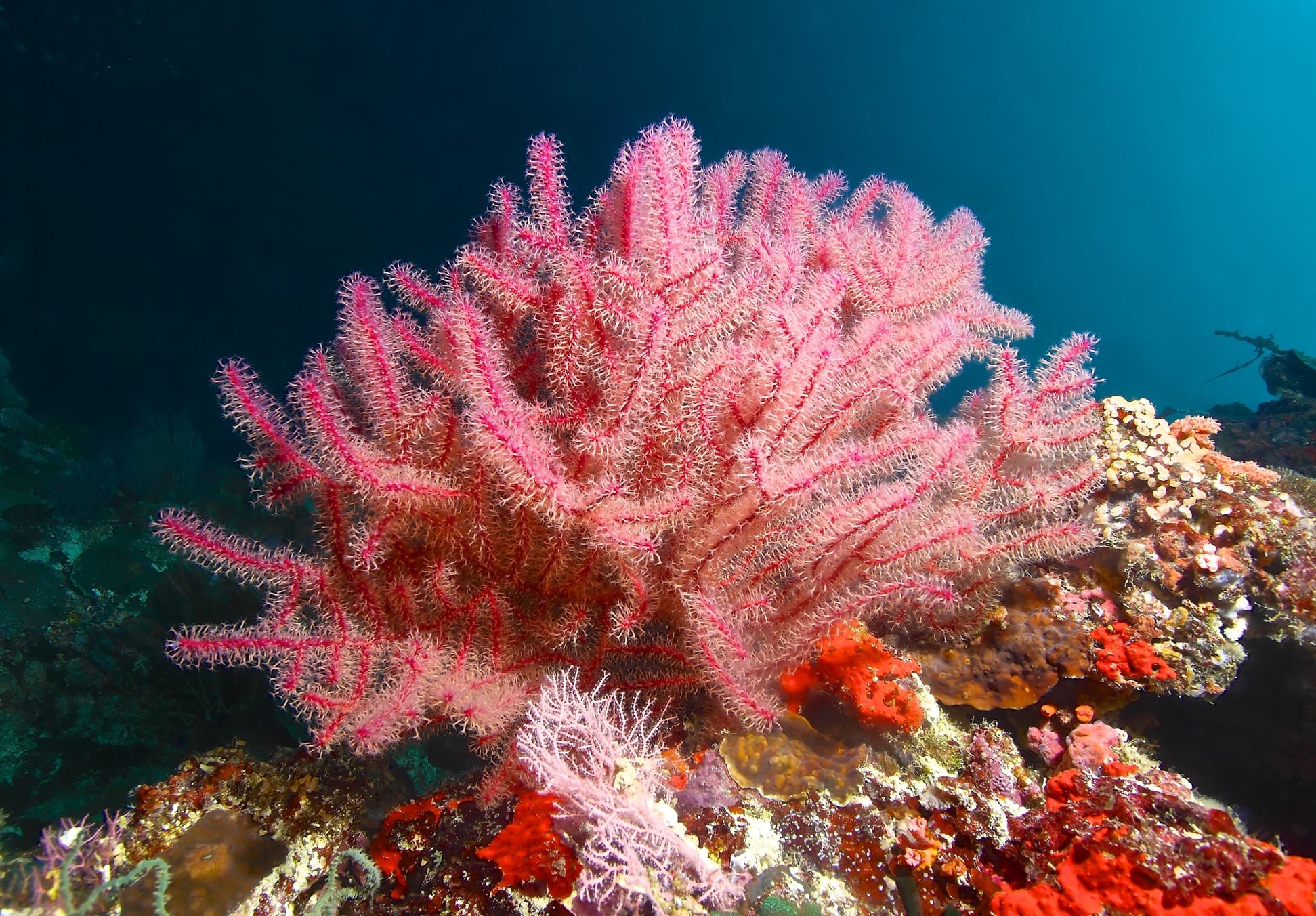
On the North Atoll, Amos Rock begins as a gentle slope and then plunges into a gorgonian‑draped wall where soft corals bloom. Currents can be muscular here, which is exactly why schooling fish gather to feed. Expect dense fusilier clouds, hunting jacks, and reef sharks patrolling the edge. Recommended level: comfortable with the current.
Washing Machine
Also on the North Atoll, this site is named for its notoriously changeable flow and sparkling visibility. The rush of water ushers in action: grey reef sharks cruise the perimeter, and a kaleidoscope of reef fish pours across the rock. It’s a thrilling drift when conditions line up.
Malayan Wreck
Believed to be a WWII‑era Philippine freighter resting around 35 m, the wreck is the finale rather than the start of the show. The dive unfolds along a dramatic wall where divers scan the blue for sharks, grey reef, and whitetips are regulars, with nurse sharks and even hammerheads reported. Gorgonian fans sometimes shelter pygmy seahorses; look closely. African pompano flash past; leaf scorpionfish hide in plain sight; rainbow runners streak by. At the wreck itself, bumphead parrotfish, batfish, marble rays, and giant morays linger, and after dark, Spanish dancers ripple like crimson pennants while squid, cuttlefish, lobsters, and other crustaceans emerge. Recommended level: advanced, with excellent buoyancy.
Delsan Wreck
The name misleads: there are only scant remains of a small vessel on the south‑eastern side of the atoll. The real headline is the predator parade. Dogtooth tuna, great barracuda, and giant trevally sweep through; white‑tip reef sharks patrol; and on red‑letter days, hammerheads or even tiger sharks make an appearance. A gash in the reef known as “The Cut” funnels baitfish and, with them, packs of grey reef sharks in full hunting mode. Featured creatures: pelagics and reef sharks.
Jessie Beazley Reef
Twenty kilometres north of the main atolls, this mushroom‑shaped coral cay rises from 7 m and plunges to beyond 50 m. When conditions are calm, dives on the North End and South End reveal spinning barracuda, Spanish mackerel, Napoleon wrasse, and phalanxes of unicornfish and surgeonfish. Grey reef sharks can be numerous. Remote, pristine, and a photographer’s daydream.
 Coron Bay, Palawan
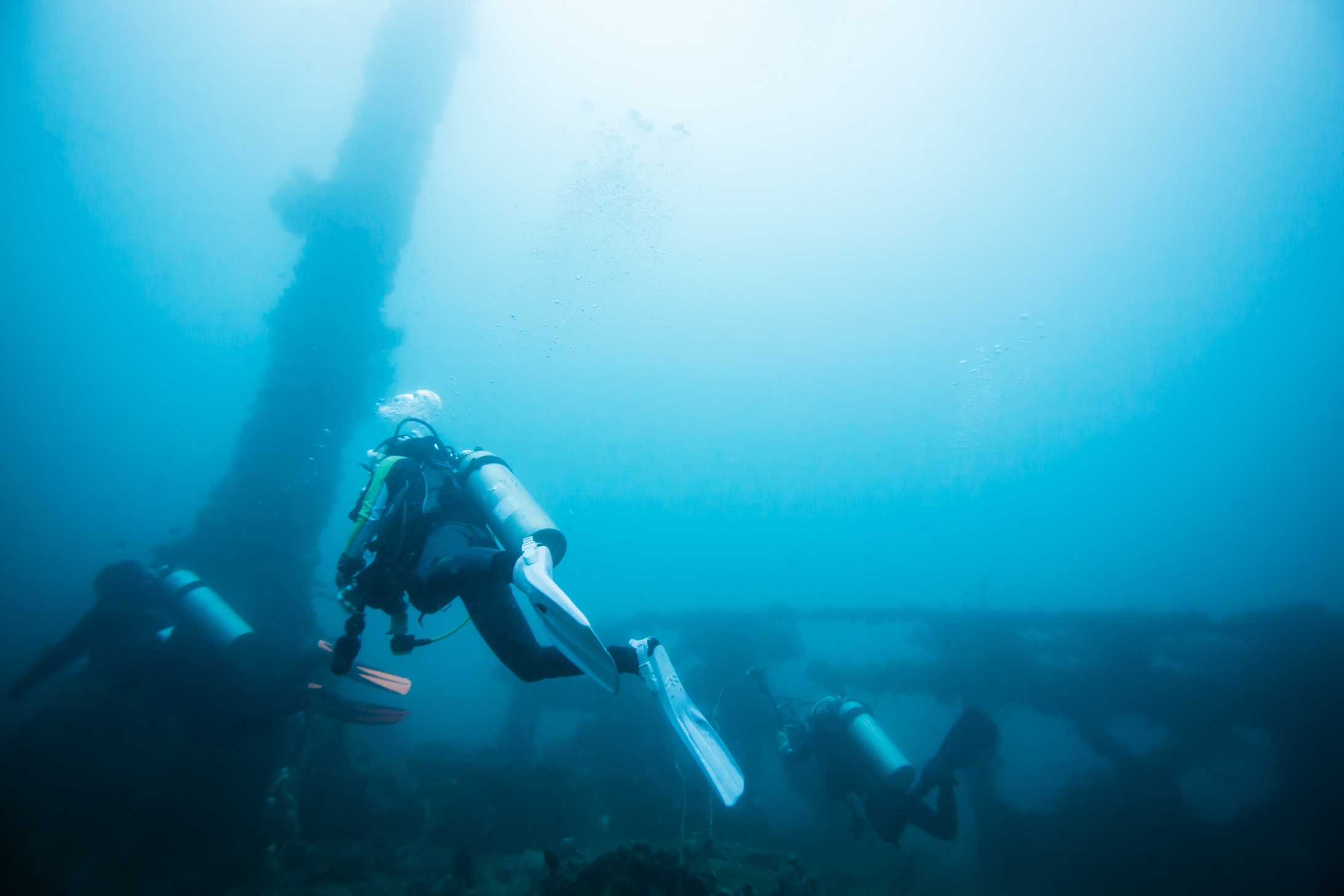
Coron is a byword for wreck diving in the Philippines, indeed, in the world. Yet the appeal reaches beyond steel and rivets: healthy reefs, caves, and lakes, and even the possibility of dugong encounters enrich an already famous destination. Among the best dive sites in the Philippines for wreck fans, Coron delivers large, intact ships with atmospheric swim‑throughs and abundant fish life.
Irako
This 145‑m provisions ship, attacked in September 1944, now rests upright but slightly canted, with the most compelling exploration between 28 and 35 m and a seabed around 43 m. The scale is immense: cavernous engine rooms, catwalks, boilers, transmission spaces, the galley and cargo holds that still hide supplies, and a partially collapsed wheelhouse and bridge. Outside, lionfish, scorpionfish, turtles, and groupers drift in and out; in the blue, batfish, fusiliers, and jacks gather. Recommended level: experienced wreck divers with torches; penetration requires training.
Kogyo Maru
A 135‑m auxiliary cargo ship that once carried construction equipment and materials for Pacific runways now lies at rest around 34 m. The tour through engine room, bridge, and six holds stays mostly in the 22–28 m band, making long, rewarding penetrations possible for trained divers. Batfish and barracuda school here; lionfish and nudibranchs dot coral‑carpeted hull plates; turtles and the occasional manta glide by. The cargo bulldozers, a wall of fallen cement bags, a tractor, and a diesel engine add a poignant human thread to the dive. Recommended level: intermediate to advanced; overhead environments for those certified.
Okikawa Maru
This 160‑m oiler is the bay’s giant. Bombed and ablaze in the September raids, she limped on until a bow strike sent her to the seabed. Sitting upright in 10–25 m, the ship is extensively colonised by colourful corals, especially in the shallows, and bristles with macro life. In current, the fish biomass is striking: platoons of batfish and snappers wheel over the decks. Penetration routes include the propeller shaft, accommodations, and the vast oil tanks, finishing in the engine room. Recommended level: suitable outside for newer divers; penetration for those trained.
Olympia Maru
Upright near Tangat Island at 16–26 m with a max of 30 m, this 122‑m freighter is often a gentle introduction to Coron wrecks. A concentrated bombing finally struck true on the fourth pass, sending her down and taking 19 lives. While interior artefacts are sparse, a bow gun turret draws both photographers and schooling fish. The twin masts remain intact and harbour macro subjects; black coral bushes shelter lionfish and ghost pipefish. Recommended level: beginner‑friendly profile with easy navigation.
Barracuda Lake
Inside a volcanic caldera, this otherworldly dive trades fish lists for physics. Surface layers are saline; below lies clear freshwater; and at depth, at around 32 m, the “seafloor” is a viscous brown gel formed by tannin‑rich leaves, a surreal sensation to the touch. Temperatures fluctuate dramatically with depth: hot salt water near 37°C at the top, noticeably cooler fresh layers beneath, creating a pronounced thermocline around 15 m. Lunar rock formations, walls, and caverns frame the route. Expect freshwater shrimps and crayfish, with occasional batfish, grouper, and rabbitfish; a lone resident barracuda reportedly patrols the lake. Recommended level: open‑water and above; excellent buoyancy essential.
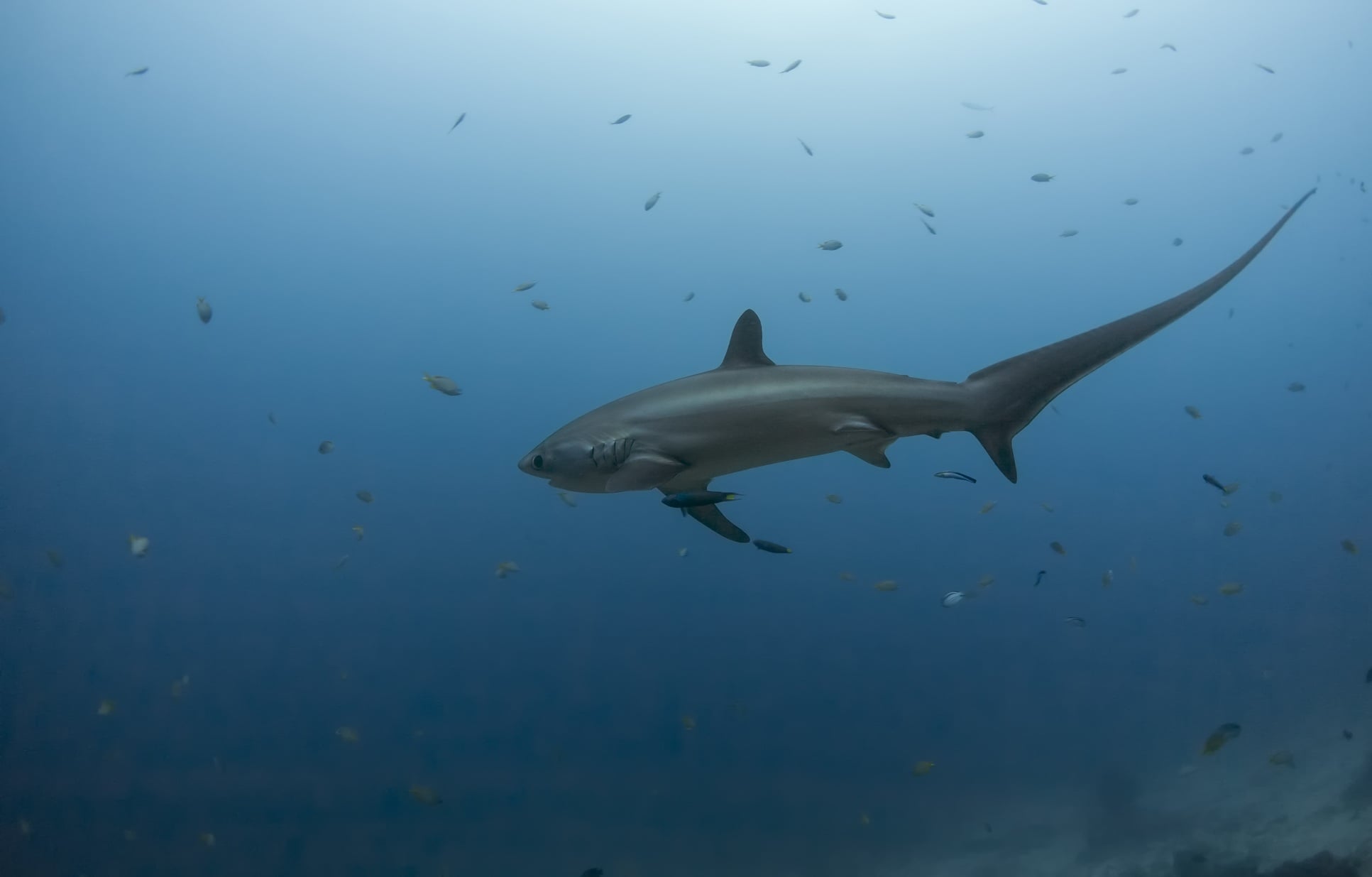 Malapascua, Cebu
Malapascua is the capital for thresher shark diving in the Philippines. Divers come for that sleek tail and stay for sea snakes, reef sharks, rays, and a trove of macro. Among Philippines scuba diving sites, few deliver this kind of predawn anticipation.
Kimud Shoal
Once overshadowed by Monad Shoal, Kimud has become the more reliable cleaning station for threshers, and it sits shallower, with typical sightings between 15 and 20 m. The compact plateau improves your odds even on hazy days, and threshers may circle close, have your camera primed. Sea fans and soft corals host octopus and reef fish; the shoal drops away into deep blue, where devil rays and hammerheads sometimes materialise. Recommended level: comfortable mid‑depths; early starts.
Gato Island
Less than two hours from Malapascua, Gato mixes caves, bommies, and sanctuaries. White‑tip reef sharks lounge under ledges; macro lovers find nudibranchs and other small wonders; in season, cuttlefish perform elaborate courtship displays. A classic island day that balances drama with detail.
Moalboal, Cebu
Each morning, the sardine run assembles just offshore, a living storm cloud that reshapes itself with every predator pass. Beyond the baitball spectacle, Moalboal’s reefs hold their own against any in the Visayas, and the town’s lively pace makes it a well‑rounded holiday base, with great diving by day and plenty to do at night.
Pescador Island
Moalboal’s showpiece. A coral‑capped reef terrace drops to a wall that sinks beyond 50 m, with black corals, sea fans, and sponges layered along its face. Expect scorpionfish, frogfish, morays, and the occasional leaf scorpionfish; out in the blue, barracuda and jacks cruise past. The west side hides the celebrated “Pescador Cathedral,” a funneling cavern system starting near 18 m and plunging beyond 40 m with arches and swim‑throughs. Currents can be tricky; it’s a heady, beautiful dive.
White Beach
A sandy slope at the top gives way to a vertical face around 22 m, where soft corals paint the wall. Garden eels and flounder speckle the shallows; deeper, ghost pipefish and a rotation of classic reef fish hold court. A short boat hop makes it a relaxed but colourful immersion.
Dauin
South of Dumaguete, Dauin’s black volcanic sands hide a macro universe. Season by season, the cast changes: flamboyant cuttlefish and mimic octopus, pygmy seahorses and ghost pipefish, baby frogfish and their brazen elders. For photographers, these scuba diving sites in the Philippines are a studio of surprises.
Mainit
Often ridden as a one‑way drift, Mainit stitches together dark sand, patches of coral, and sudden bursts of fish life. The finale is unforgettable: a field of sulphur‑rich yellow hot sand that radiates warmth – the Visayan name “mainit” says it all. Featured creatures: ghost pipefish, flamboyant cuttlefish, and whatever else the current delivers.
San Miguel
Shallow slopes, seagrass beds, and a tidy reef brim with macro. This is where “featured creatures” becomes a checklist: kaleidoscopic nudibranchs, ghost pipefish, tiny juvenile frogfish, pygmy squid, mimic octopus, and even newly hatched flamboyants. Slow down and let the sand reveal its secrets.
Apo Reef Natural Park
Covering roughly 34 square kilometres, Apo Reef is the second‑largest contiguous reef system in the world and a perennial favourite for liveaboard itineraries. Hundreds of coral species flourish here, and the fish life is exuberant exactly why many rank it among the best scuba sites in the Philippines.
Apo Island
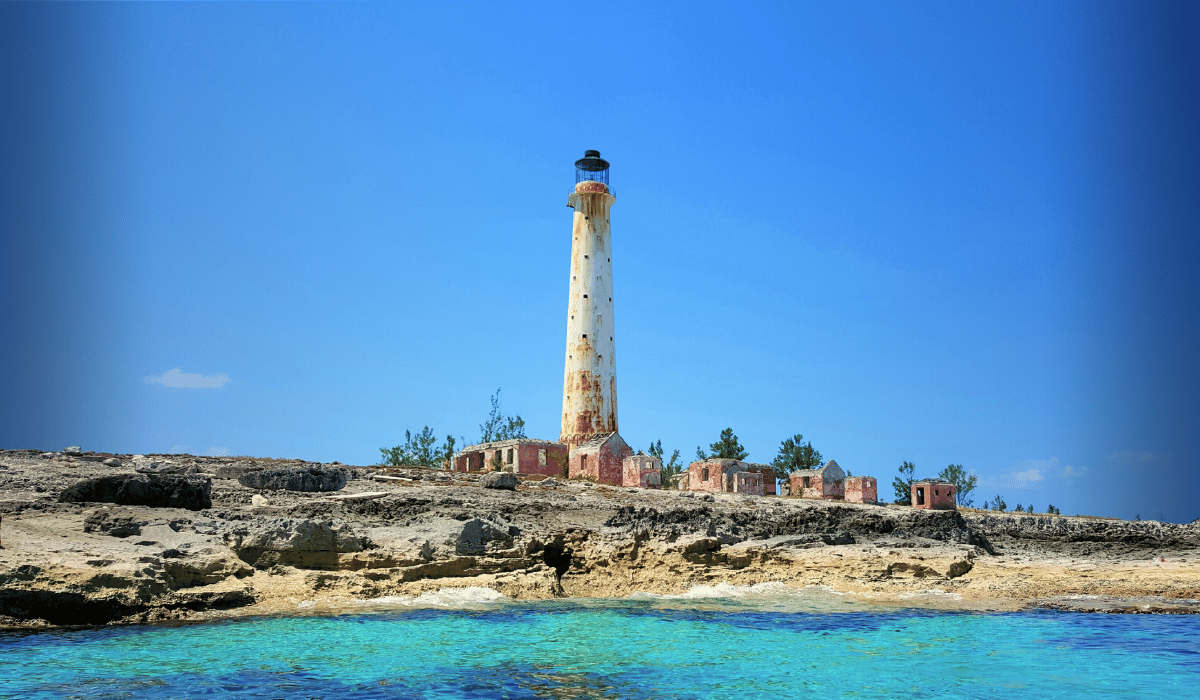
Identifiable by its lighthouse, this is the park’s largest island, divided from the main reef by a deep, striking channel. Turtle encounters are common, and reef sharks patrol along the edge; the topography swings from sloping gardens to brisk drop‑offs with clear blue vistas.
Manta Bowl
On the south‑eastern fringe of the reef complex, Manta Bowl draws oceanic manta rays to its cleaning stations, particularly from November to May. Depths run to about 30 m, and currents can pick up, so it suits intermediate divers comfortable in flow. Reef sharks, eagle rays, and schooling jacks round out the cast.
Top 5 Dive Sites in the Philippines (Summary Table)
| Dive site | What to see |
|---|---|
| Balicasag | vibrant corals and marine life like turtles, sea snakes, moray eels, and frogfish |
| Apo Island | huge sea turtles, a battery of barracuda, and if you’re lucky, a shark or eagle ray gliding into the deep |
| Tubbataha Reef | sharks, manta rays, sea turtles, and vibrant coral reefs |
| Kimud Shoal | thresher shark |
| Moalboal | sardine run |
Water Conditions
Tropical waters and two distinct seasons shape the experience. The dry season, roughly November to April, usually brings calm seas and wide‑angle visibility; the wet months from May to October can still be excellent, with fewer crowds and softer prices. Expect water temperatures in the 25–30°C range. Surface conditions are typically kind, though currents can become very strong in exposed areas and at seamounts. Plan your exposure protection accordingly and match your ambitions to the prevailing conditions.
Tips for Planning Your Scuba Trip to the Philippines
Advance planning pays off. Some Philippines scuba diving sites are open only in a short window Tubbataha liveaboard season is a prime example, so the best cabins on the best boats can be snapped up a year or more out. Travel and dive insurance will let you relax on the trip. Sun care matters in the tropics: pack a rash guard or a full‑suit for long days on deck and choose reef‑safe sunscreen before you slip into the water. A little preparation turns a good itinerary into a great one.
Travel & Safety Recommendations
Philippines is a popular tourist place, and the islands welcome visitors from around the world. Apply the same common‑sense habits you’d use anywhere: leave flashy jewellery behind, keep small cash and documents secure, choose reputable hotels and restaurants, and be mindful in crowds. In lesser‑known areas, going with a guide elevates both safety and storytelling. Keep a copy of your passport and your embassy’s contact details in a safe place. On the water, respect forecasts, avoid questionable conditions, and follow your dive guide’s briefing to the letter. The ocean rewards prudence
Liveaboards in Philippines you might like:
FAQ
The Philippines is home to many bucket-list dive spots, but three stand out as world-class. Tubbataha Reefs Natural Park, known for pristine walls and pelagics, often tops rankings of the best scuba sites in the Philippines. Apo Reef, the country’s largest contiguous reef system, offers vast coral gardens and shark encounters. Malapascua completes the trio, with its famous thresher shark sightings. Together, these destinations represent the very best of scuba diving sites in the Philippines and would easily make any diver’s top 10 list
Yes. Several dive sites in the Philippines are ideal for new divers. Moalboal in Cebu features shallow reefs and calm conditions, while Panglao Island in Bohol offers easy entries, colourful corals, and abundant small reef fish. Both locations provide excellent training grounds before progressing to more advanced areas like Tubbataha. Although most of Tubbataha’s diving is suited to advanced levels, there are occasional calm reef dives suitable for confident beginners looking to expand their experience
Malapascua Island is world-renowned for thresher shark encounters. At Kimud Shoal, divers regularly witness these elusive sharks during early-morning dives. This makes Malapascua one of the best scuba sites in the Philippines and a must-visit destination for those seeking unique pelagic encounters
Yes. Tubbataha Reefs Natural Park is one of the top 10 dive sites in the Philippines, located in the remote Sulu Sea. It is only accessible by licensed liveaboard Tubbataha operators departing from Puerto Princesa. There are no resorts or day trips available due to its isolated location, making a liveaboard the only option to experience this UNESCO-listed marine park
The Philippines offers year-round diving thanks to its diverse geography, though conditions vary by season. The dry season from December to April generally provides the best visibility and calm seas. During this time, divers enjoy some of the best scuba sites in the Philippines, including Tubbataha, Anilao, and Bohol. The wet season from June to October brings heavier rains, particularly in Palawan, but the central Visayas can still offer good conditions.
One of the top dive sites in the Philippines, Tubbataha, can only be visited between March and June, when the seas are calmer and visibility often exceeds 30 metres. In contrast, the Visayas destinations like Malapascua, Dumaguete, and Cebu are diveable year-round, with hammerhead sharks more common between December and June. This variation makes it possible to find excellent scuba diving sites in the Philippines almost any month of the year