The question of when to dive Cocos Island is really a question about what kind of diver you are.
Some want the water so clear you can see the far side of a seamount. Others want hammerheads stacked so thick they block out the sun. In Cocos, you can have both, just not in the same month.
You need to choose your best time to dive in Cocos Island. It has two distinct seasons, and each offers something the other cannot match. The dry season brings glassy seas and visibility that stretches past thirty metres. The green season delivers the planet’s most concentrated hammerhead action, with schools that turn the water grey.
This guide breaks down both seasons month by month. You will learn what the water does, what the sharks do, and what you can expect from the crossing depending on when you go. By the end, you will know exactly which Cocos Island season fits the trip you want to experience.
Dry Season vs. Green Season: A Strategic Choice
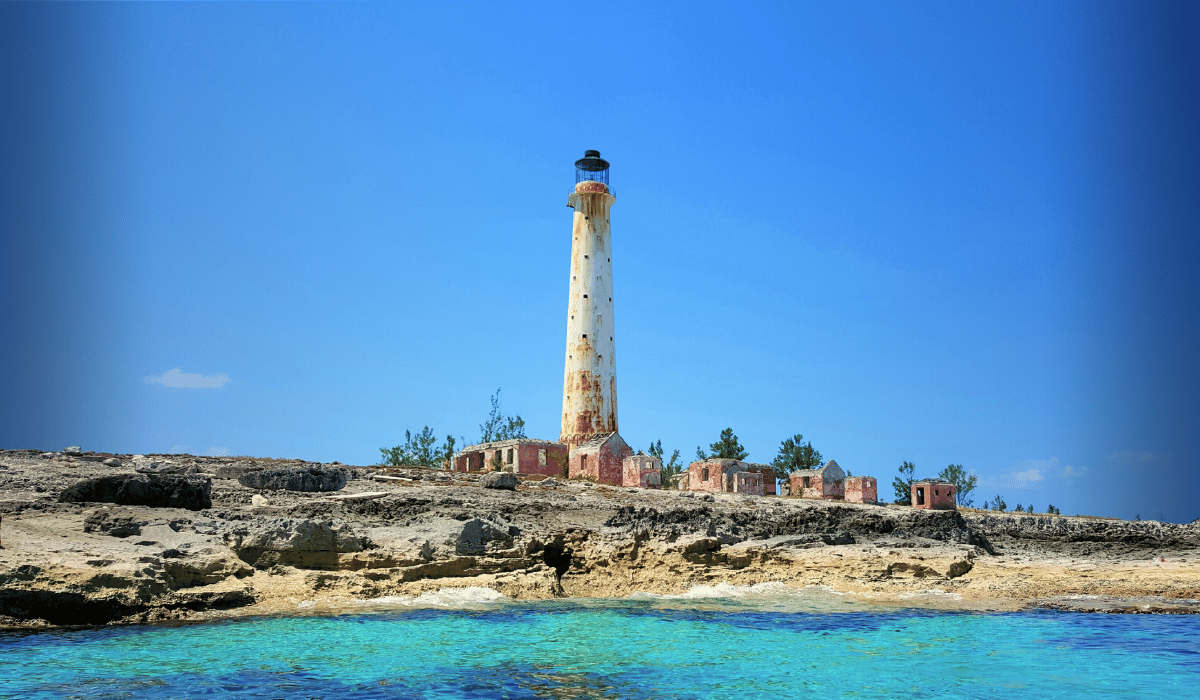
Cocos Island sits 550 kilometres off the Pacific coast of Costa Rica, and it is one of the most protected marine environments on earth.
In 2025, it received a Platinum-level Blue Park Award from the Marine Conservation Institute, the highest recognition for marine protected areas.
Its weather patterns follow the same rhythms as the mainland, just amplified by the open ocean. The choice between seasons is a trade-off. Comfort and clarity on one side. Animal density and intensity on the other.
Quick Comparison of Cocos Island Seasons
To help you find the best time to dive at Cocos Island, here is how the two seasons compare at a glance.
| Feature | Dry Season (Dec to May) | Green Season (Jun to Nov) |
|---|---|---|
| The Vibe | The Photographer’s Paradise | The Shark Addict’s Dream |
| Visibility | Excellent (25 to 30 metres+) | Moderate (15 to 25 metres) |
| Water Temperature | Warmer (26°C to 30°C) | Cooler (24°C to 28°C) |
| Crossing Conditions | Calmer, smoother | Rougher, “character-building” |
| Hammerhead Schools | Good numbers, organised | Peak density, massive vortexes |
| Whale Sharks | Rare | Possible (June to August peak) |
| Key Species | Mantas, mobulas, silky sharks | Hammerheads, whale sharks, tigers |
Still unsure if Cocos is right for you?
Our guide “Is Cocos Island Diving Worth It?” covers costs, requirements, and the full experience.
Diving the Dry Season (December to May): Clarity and Comfort
The dry season at Cocos Island is exactly as the name suggests. The rains ease off, the ocean settles, the days are consistently warm, and the nights are comfortable. For divers, this translates to conditions that feel almost forgiving by Cocos standards.
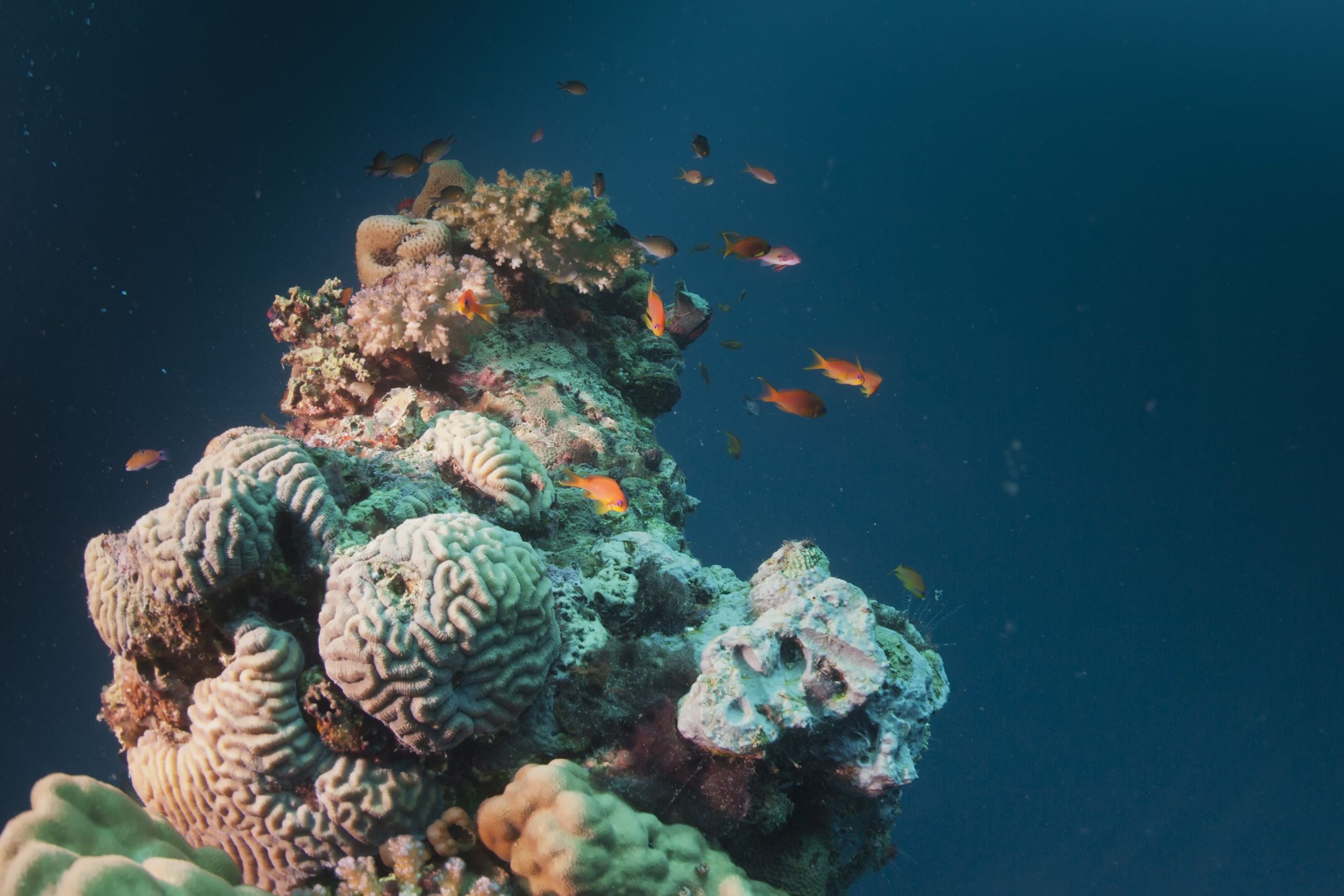
Visibility is the headline here. Twenty-five to thirty metres is normal, and on the best days you can see the far side of a cleaning station from the moment you drop in. The water column is clean and free of plankton blooms. Light penetrates deep, and colours pop the way they are supposed to.
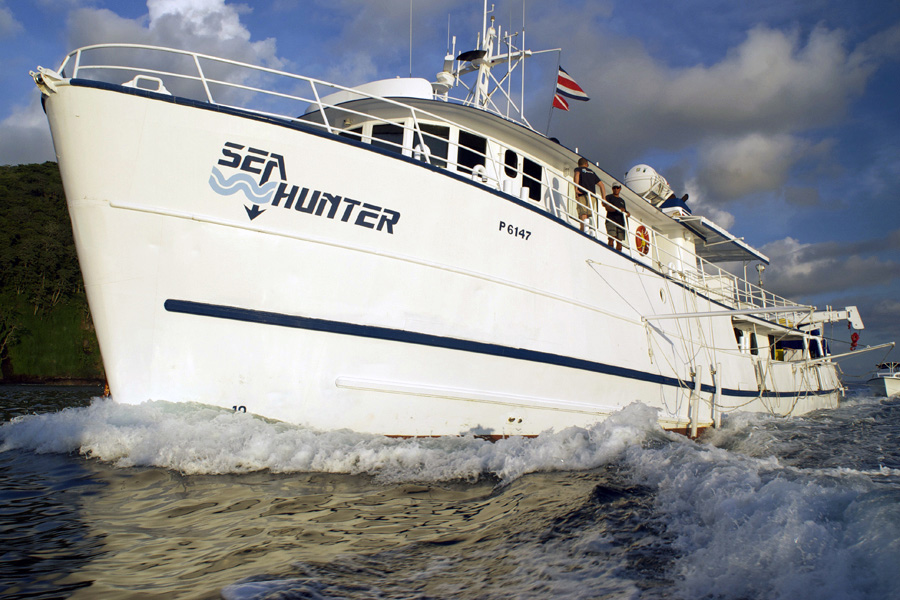
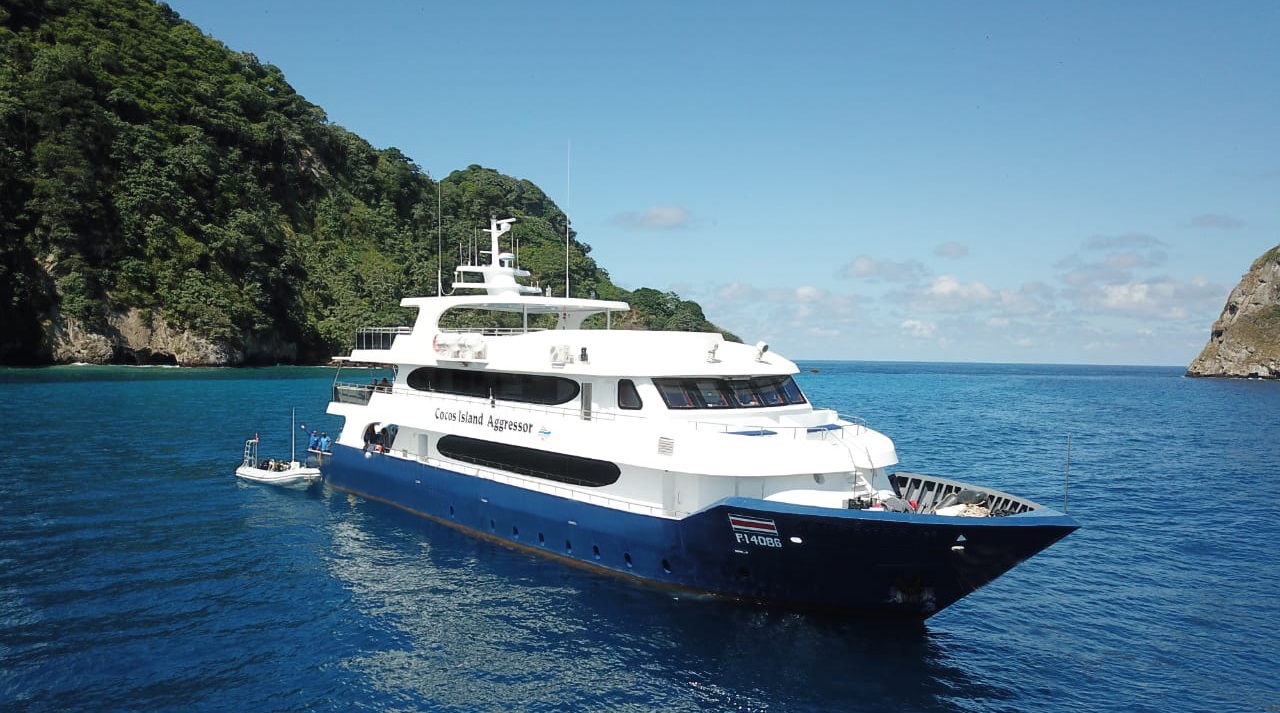
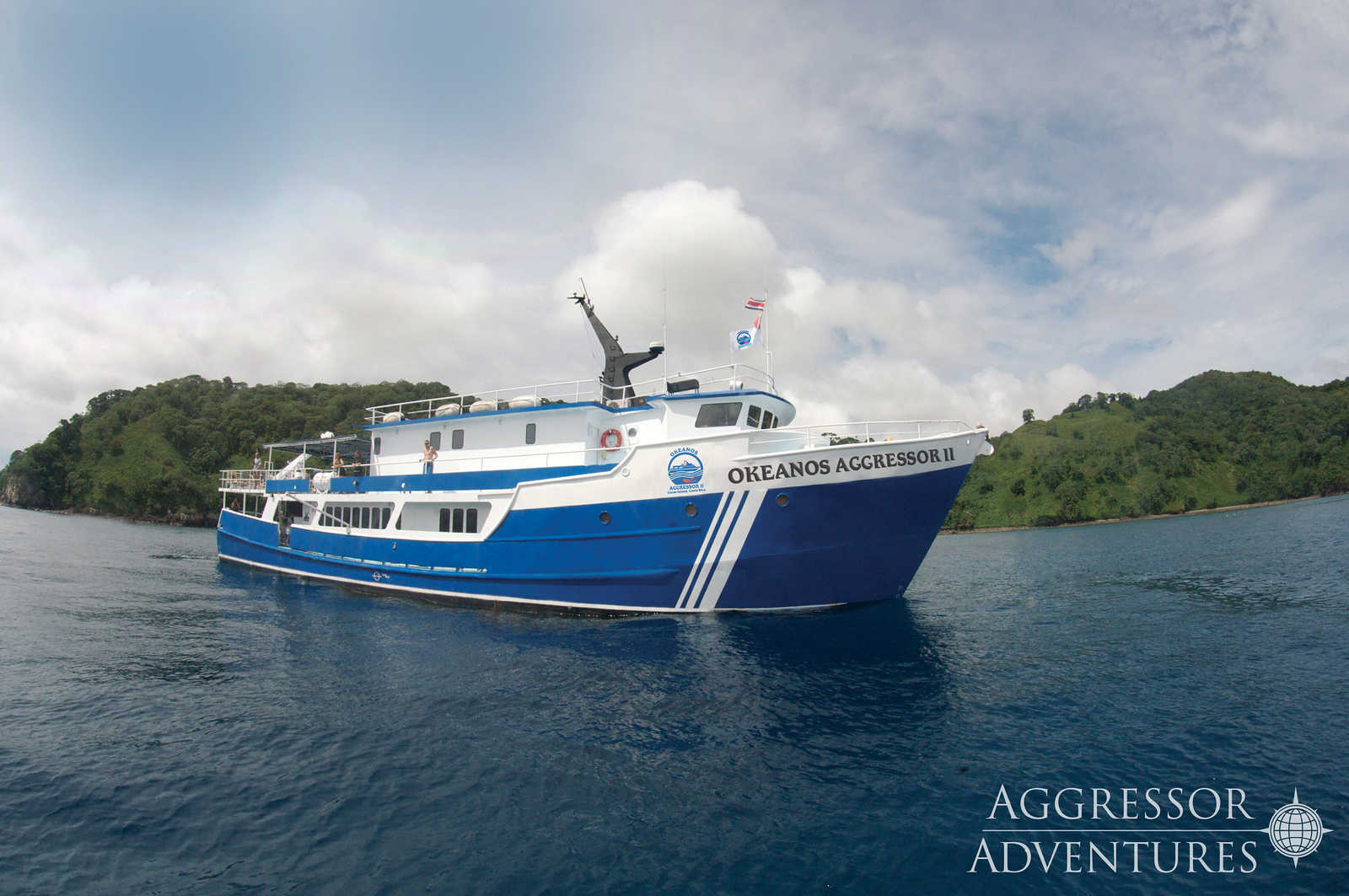
The crossing from Puntarenas is significantly smoother during these months. The thirty-six-hour transit becomes something you can actually sleep through rather than endure. For anyone prone to seasickness, this will matter more than almost anything else.
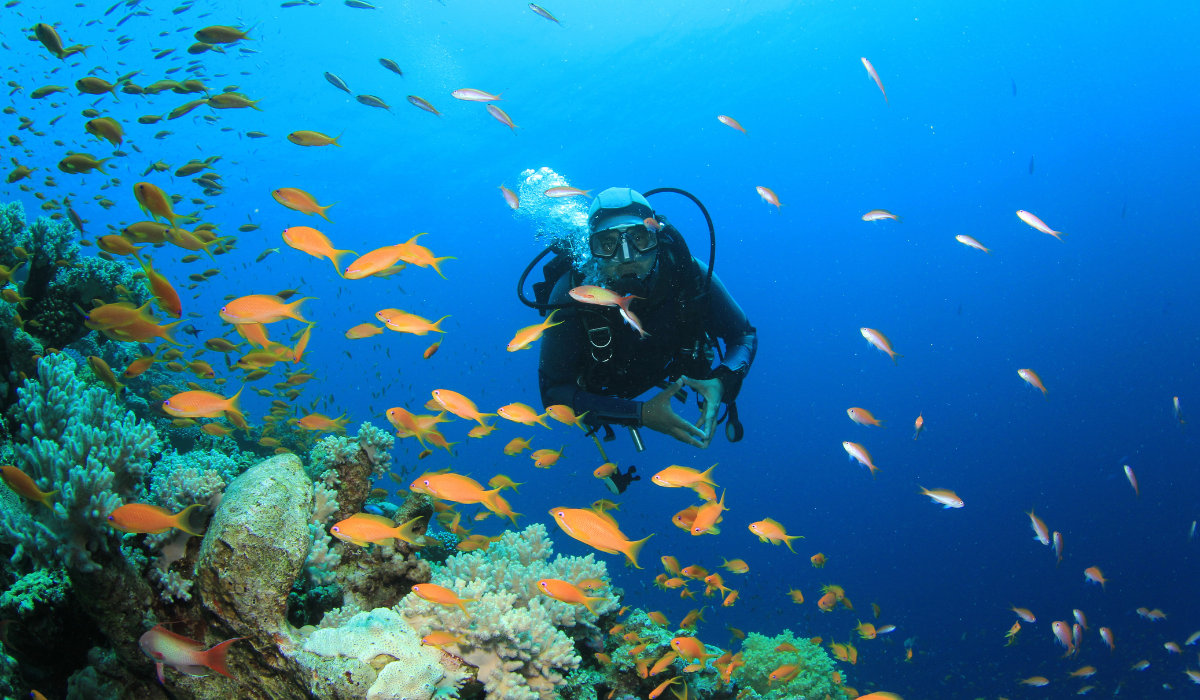
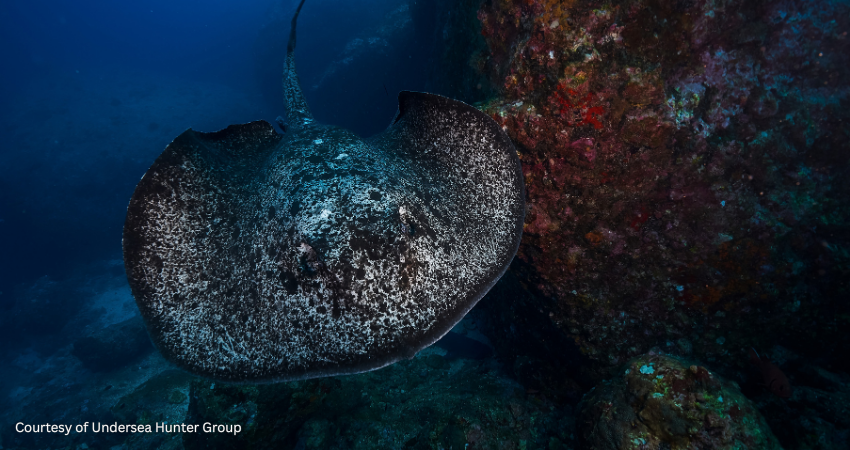
The marine life does not disappear during the dry season, but it does behave differently. Hammerheads are still present, just not in the same staggering numbers. Schools of fifty to one hundred are common, and they tend to be more organised, circling cleaning stations in predictable patterns rather than the swirling vortexes of the green season. Mantas show up reliably at sites like Manuelita, often pausing at cleaning stations long enough for photographers to compose the perfect shot. Silky sharks cruise the blue water, and marble rays glide across the sand in groups.
For divers trying to decide the best time to dive in Cocos Island for photography or comfortable conditions, the dry season is the clear answer.
December to January: The Transition
December marks the shift from green to dry. The seas begin to calm, and visibility starts its climb toward peak. You still have a chance at large hammerhead schools left over from the green season, especially early in December. Mantas become more reliable as the month progresses at sites like Manuelita. Water temperatures sit around 27°C, comfortable enough for a 5mm wetsuit without hood or gloves.
February to April: Peak Dry Season
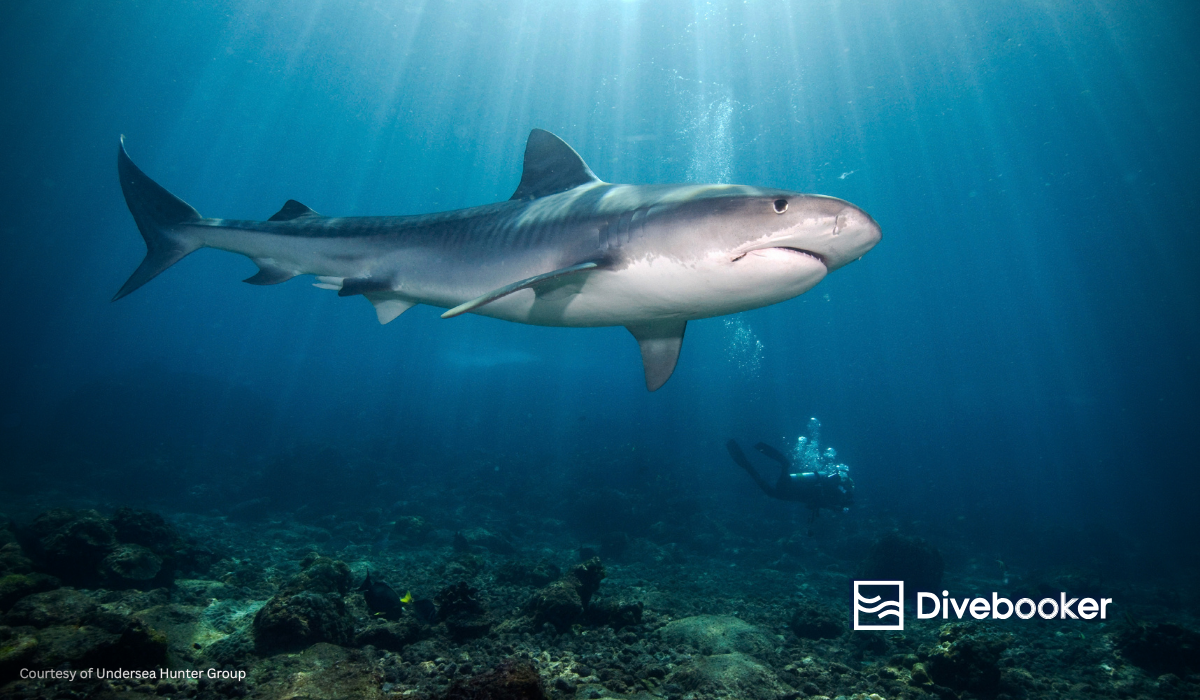
This is the sweet spot for photographers. Visibility often exceeds thirty metres. The water is at its warmest, hitting 29°C or 30°C on the surface. Hammerhead schools are present but more dispersed, which actually works in your favour if you want clean shots of sharks against deep blue water rather than tangled masses of grey. Silky shark encounters peak during these months, with these sleek predators often circling divers for entire dives. Bajo Alcyone and Dirty Rock deliver consistent action, just at a slightly slower pace than you would see in August.
May: The Shoulder Month
May is the beginning of the end for dry season conditions in Cocos Island. Visibility is still excellent, often holding at twenty-five metres or better. The first nutrient pulses start to arrive, hinting at the abundance to come. You might notice more plankton in the water, which reduces clarity slightly but also attracts the larger schools. It is a great month if you want a mix of good visibility and building animal density.
Diving the Green Season (June to November): The Arena of Giants
The green season at Cocos Island is not for everyone. The rains come, sometimes hard. The crossing gets rough, with swells that test your stomach and your resolve. But the divers who make the trip during these months do not come for comfort. They come for what happens underwater.
Plankton blooms during the green season. The water gets greener and thicker with life, and visibility drops to between fifteen and twenty-five metres. What you lose in clarity, you gain in sheer animal density. The entire food chain kicks into high gear, and the predators respond accordingly.
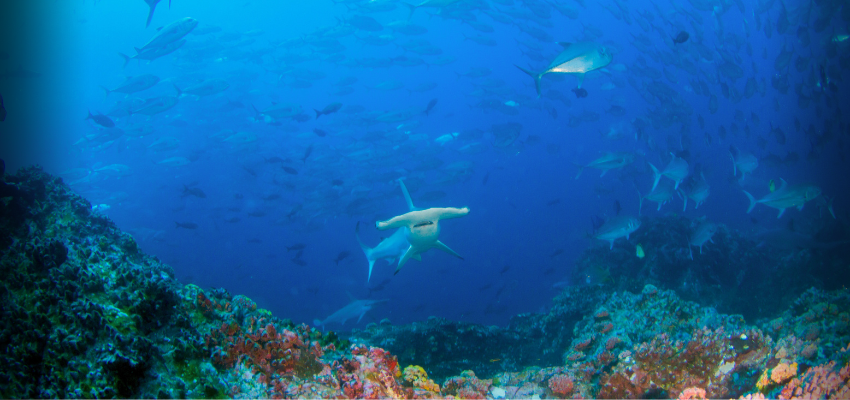
Hammerhead schools reach their peak during these months. They move with purpose, stacked in layers from twenty metres down past the limit of visibility. Divers call it the vortex for a reason.
Whale sharks pass through from June through August, their spotted bodies materialising out of the plankton haze. Tiger sharks, once rare, are now spotted on nearly every expedition, and mantas still show up, though they tend to be slightly less reliable than during the dry season.
The crossing during the green season is no joke. Thirty-six hours of open ocean with regular swells. If you are prone to seasickness, you need to prepare. Patches, medication, whatever works for you. The payoff is the most intense shark diving on the planet.
June to August: The Prime Window
This is the window most hammerhead chasers book. Whale sharks are possible, with June through August offering the highest probability of an encounter. Hammerhead schools are building toward their peak, and by August, they are thick. Seas are roughest during these months, especially July. The nutrient-rich upwellings are in full force, and the action at cleaning stations is nonstop.
September to October: Hammerhead Peak
Many regulars consider this the absolute best time for massive schools. Bajo Alcyone and Dirty Rock deliver walls of grey. The visibility is at its lowest, often fifteen metres or less, but the density of sharks more than compensates. Tiger shark sightings increase during these months, with animals frequently visiting cleaning stations and patrolling the drop-offs. The water is at its coolest, around 24°C, so a 5mm wetsuit with hood and gloves is standard.
November: The Return to Calm
November is another shoulder month, this time shifting back toward dry season conditions. The seas begin to calm, visibility slowly improves, and the hammerhead schools are still large enough to impress. It is a sweet spot month, offering a taste of both worlds. You might get twenty-metre visibility with schools of 150 hammerheads. If you can only make one trip and want the best odds of both conditions and action, November is hard to beat.
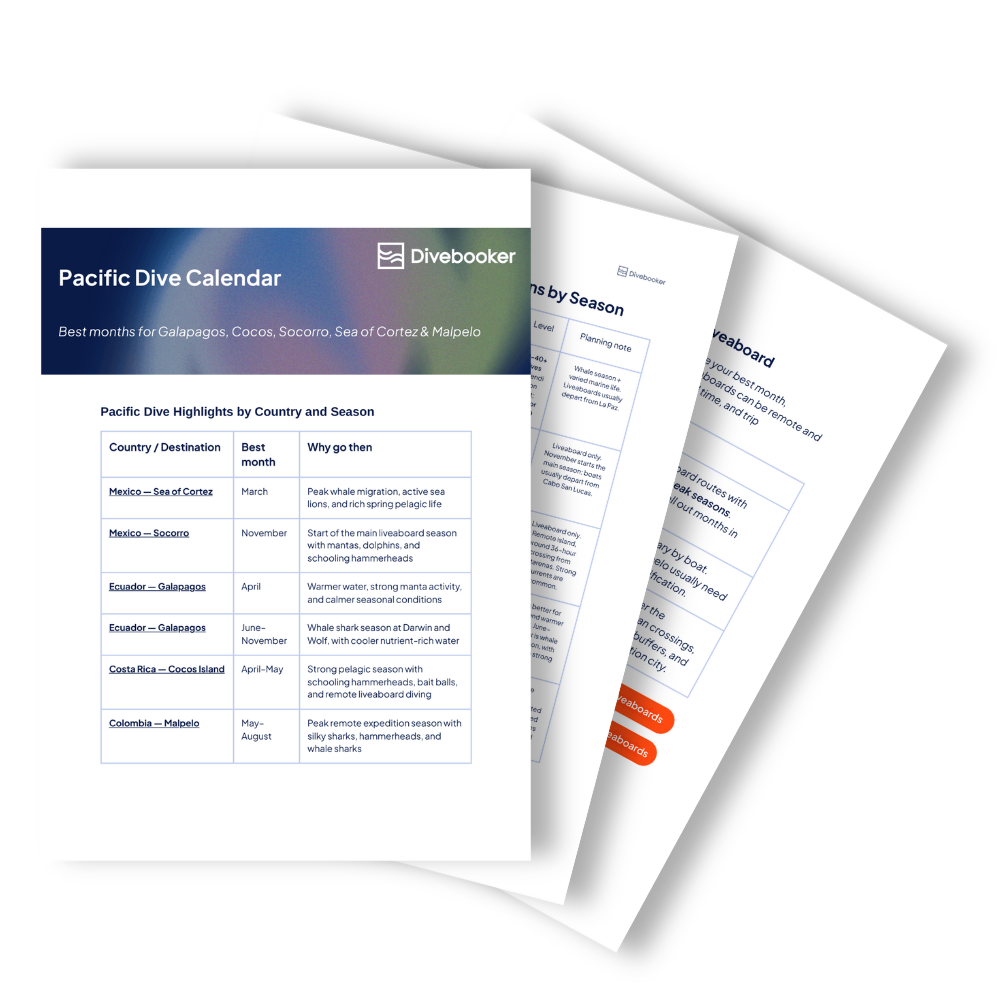
Compare Cocos Island with Other Pacific Diving Seasons
Not sure if Cocos is the right choice for your travel month?
Expert Tips for Choosing Your Best Time to Dive in Cocos Island
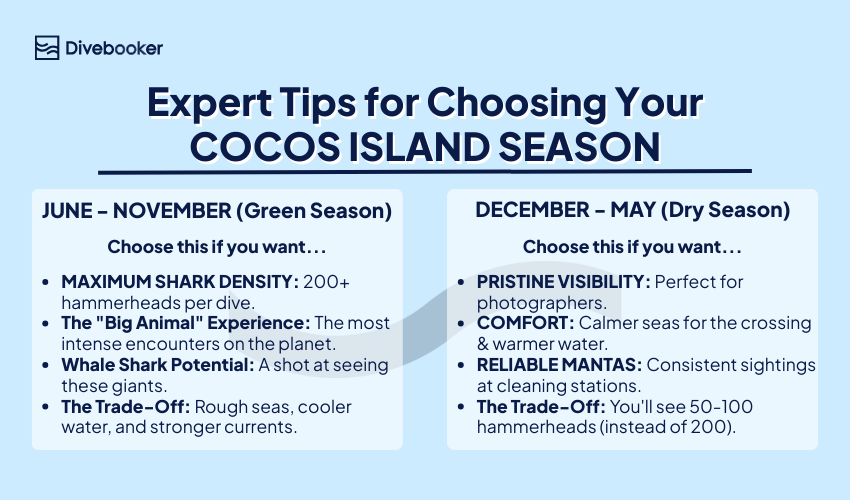
Choose Cocos Island from June to November if: you care more about shark density than anything else. You want the highest probability of seeing schools of 200-plus hammerheads. You are willing to trade a rough crossing and reduced visibility for the most intense big-animal encounters on the planet. You want a shot at whale sharks. You are prepared for cooler water and stronger currents.
Choose Cocos Island from December to May if: you value visibility and comfort. For photographers, this is the best time to dive Cocos Island, Costa Rica. You want calmer seas for the crossing and warmer water throughout your dives. You are happy with fifty to one hundred hammerheads per dive rather than two hundred. You want reliable manta encounters at cleaning stations.
The Crossing: The thirty-six-hour transit from Puntarenas is part of the experience, but it hits differently depending on the season. Green season crossings can be genuinely rough. If you are prone to seasickness, book in the dry season or come armed with medication, patches, and a positive attitude. The boat crew has seen it all and will help you manage.
Booking Lead Times: Cocos Island liveaboards sell out, especially during peak months. For June through August and December through January, book six to twelve months ahead. For shoulder months like May and November, you might find availability three to six months out, but do not count on it. Once you know your dates, secure your spot.
The Verdict
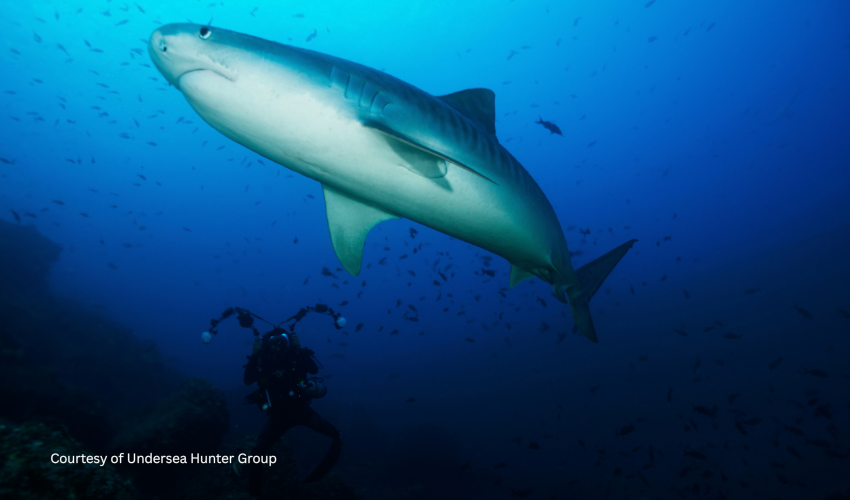
Whatever you decide, the best time to dive Cocos Island is the time that fits what you want from the trip. The sharks will be waiting either way.
If you want thirty-metre visibility, calm crossings, and manta rays at cleaning stations, book December through May. If you want hammerheads stacked so thick they turn the water grey, book June through November.
Both seasons provide world-class diving. Both put you in one of the most pristine marine ecosystems on the planet. The only question is which version of Cocos you are ready for.
Check current Cocos Island liveaboard departures for your preferred season and start planning.
-
 from$720 /day
Frequently Asked Questions About the Best Time to Dive in Cocos Island
How far ahead should I book a Cocos Island liveaboard?Divebooker Team2026-03-20T15:30:17+00:00Book Cocos Island Liveaboard Diving six to twelve months ahead for peak months like June through August and December through January. Shoulder months like May and November may have availability three to six months out, but early booking is always safer given the limited number of boats and departures.
Is the crossing to Cocos Island rough in the green season?Divebooker Team2026-03-20T15:29:57+00:00Yes. The thirty-six-hour transit from Puntarenas can be genuinely rough from June through November. If you are prone to seasickness, prepare with medication or consider booking during the dry season when the ocean is calmer.
When can I see whale sharks at Cocos Island?Divebooker Team2026-03-20T15:29:35+00:00Whale shark diving is most likely from June through August during the green season. They pass through the area feeding on the plankton blooms that characterise these months. Sightings are never guaranteed, but this window offers the best odds.
What is the best time for visibility at Cocos Island?Divebooker Team2026-03-20T15:29:07+00:00February through April offer the clearest water, often exceeding thirty metres. December and January are also very good, with visibility building as the dry season sets in.
What is the best time to see hammerheads at Cocos Island?Divebooker Team2026-03-20T15:28:50+00:00Cocos Island is part of the Eastern Tropical Pacific Marine Corridor, a conservation network that connects Cocos with Galápagos, Malpelo, and Coiba. Hammerheads migrate along this sub-marine highway. September and October typically deliver the largest schools. During these months, the visibility drops due to plankton, but hammerhead numbers peak. June through August also offer excellent hammerhead action with the added chance of whale sharks.
Can you dive Cocos Island year-round?Divebooker Team2026-03-20T15:28:32+00:00Yes. Liveaboards operate in this region throughout the year. Cocos Island’s protected waters hold marine life across all seasons, though conditions and specific animal behaviour shift with the weather patterns. Cocos is just one part of Costa Rica’s dive offerings. Explore Best Places to Dive in Costa Rica for more options.
What is the best time of year to dive in Cocos Island, Costa Rica?Divebooker Team2026-03-20T15:28:09+00:00The best time to dive Cocos Island, Costa Rica, depends on your priorities. The dry season (December to May) offers excellent visibility and calm crossings. The green season (June to November) delivers larger hammerhead schools and whale shark encounters. Your choice depends on whether you prioritise comfort or animal density.