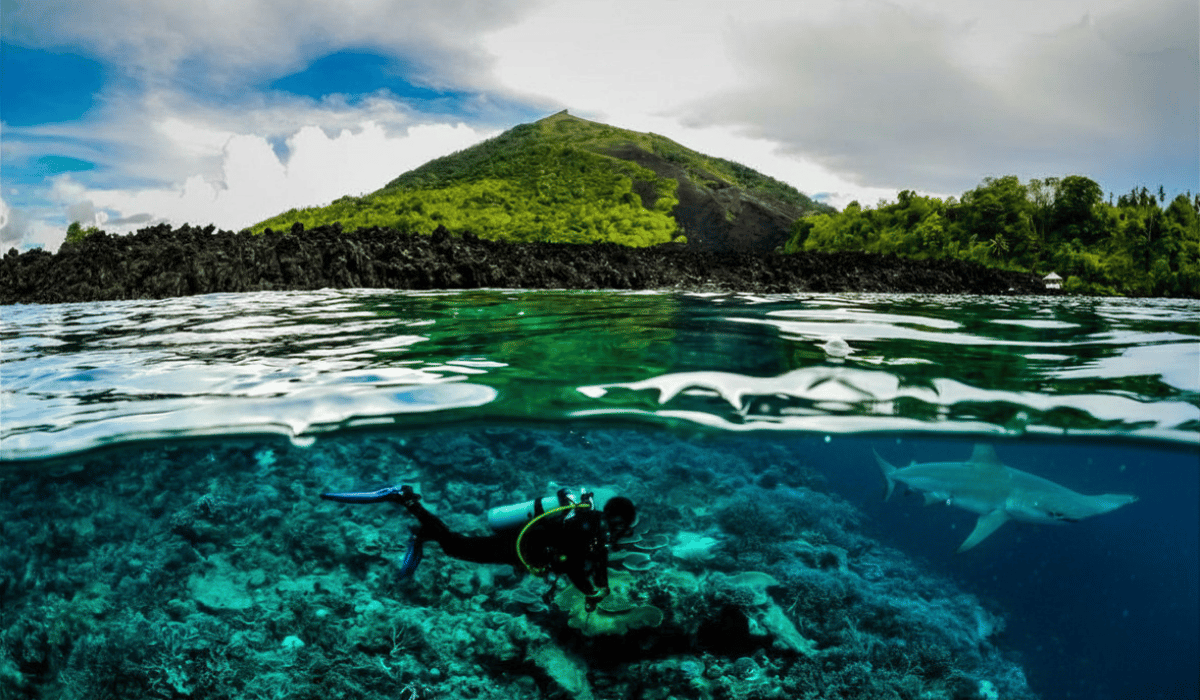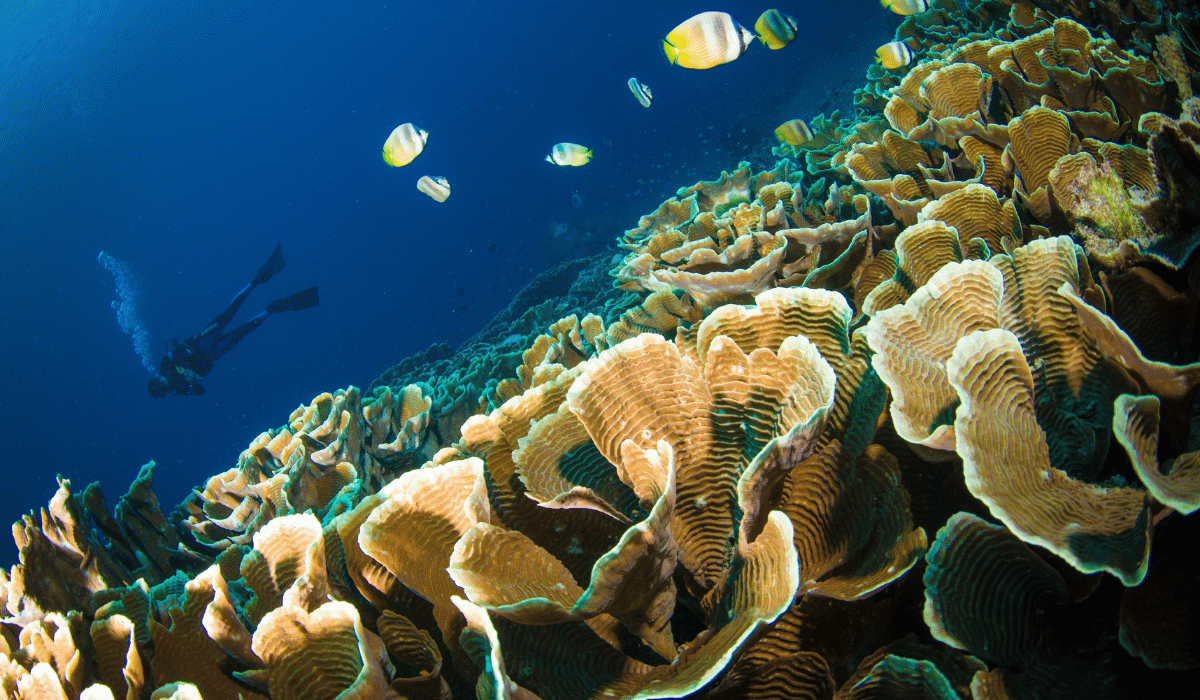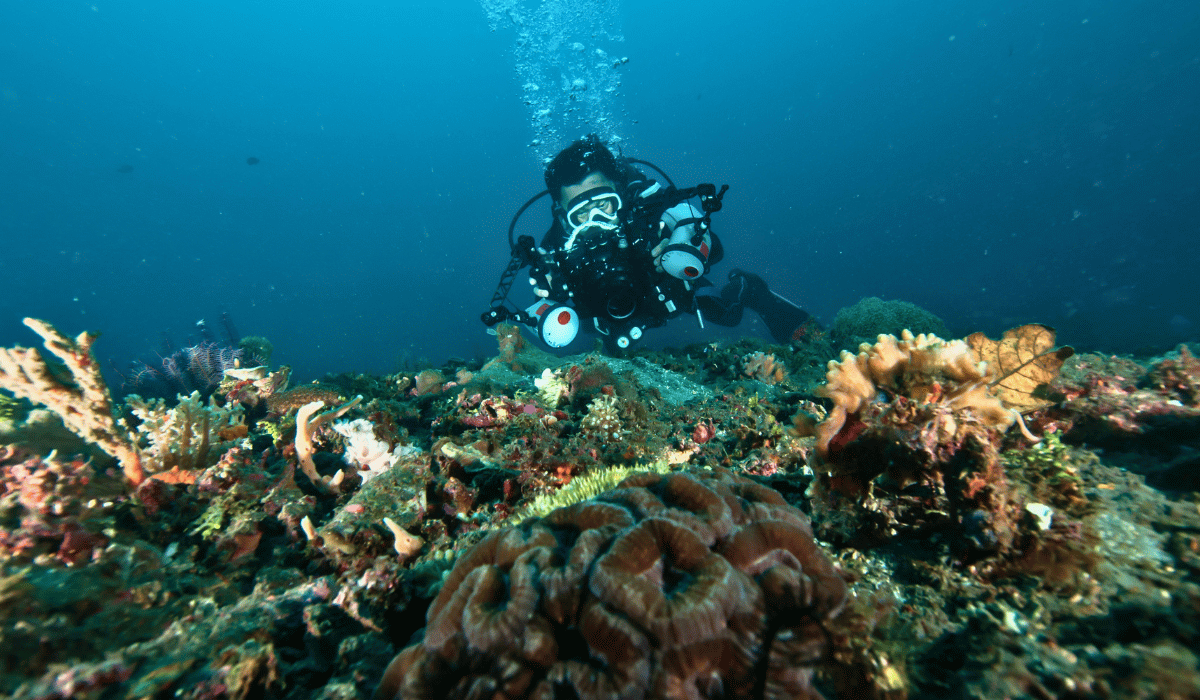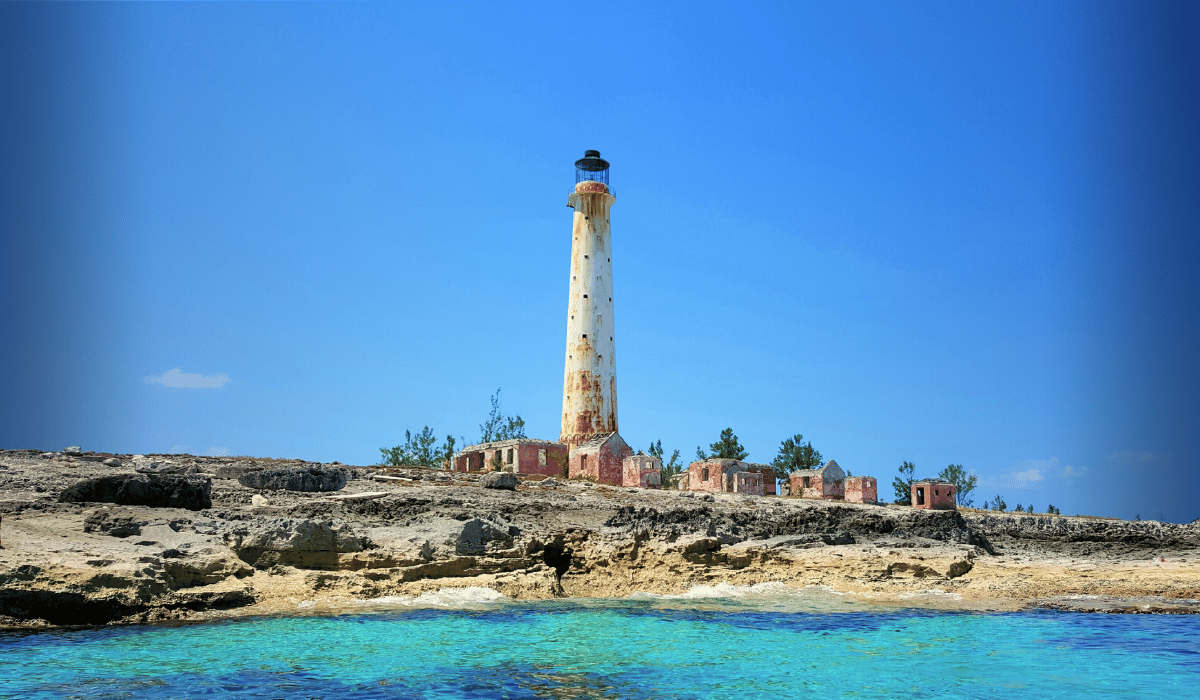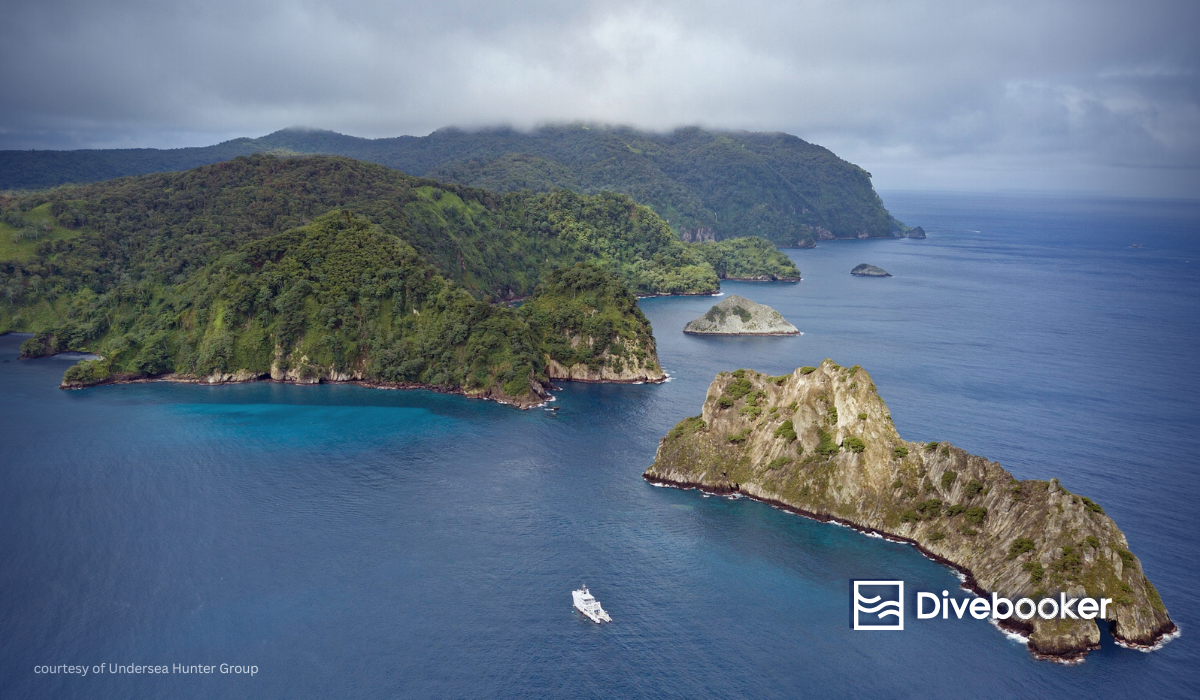
Cocos Island diving is the closest you will ever get to swimming through a prehistoric dream.
Mist clings to cliffs that plunge straight into the Pacific. Waterfalls cascade through a jungle so dense it has kept the island uninhabited for centuries.
This is not a movie set.
This is Cocos Island, Costa Rica, and it is the real-life Jurassic Park.
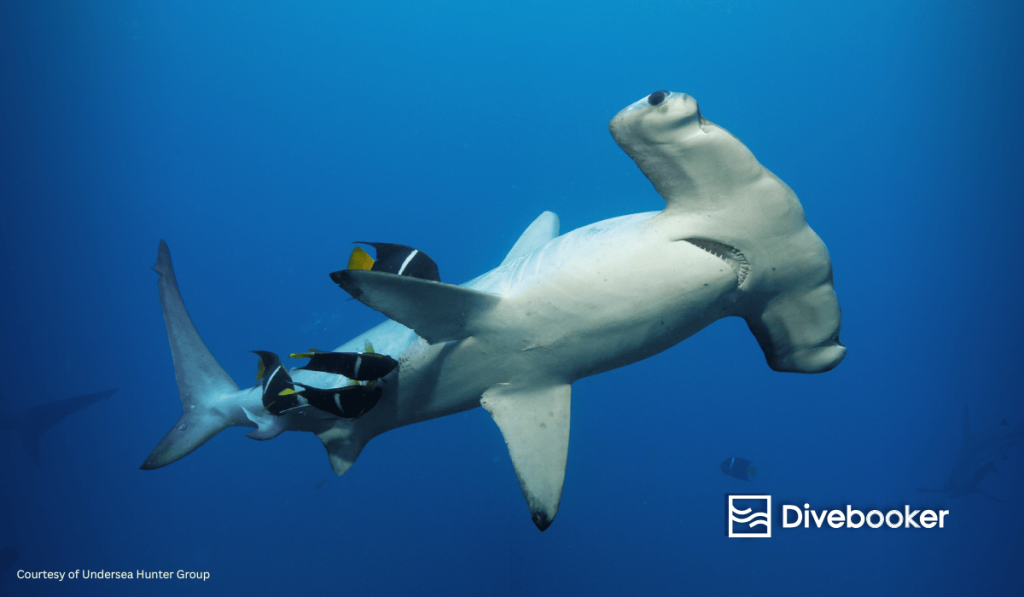
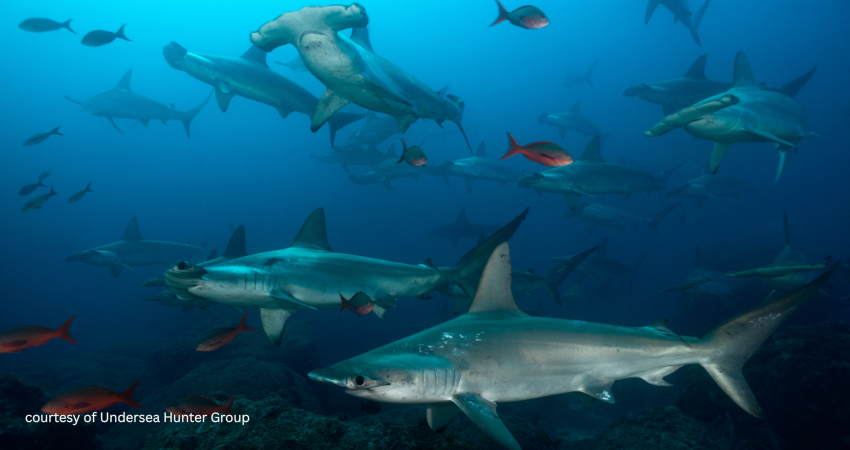
The filmmakers chose Cocos as their inspiration for Isla Nubar because it already looked like a lost world. Above the water, the island remains a protected cloud forest, a UNESCO World Heritage site that has barely changed since Robert Louis Stevenson imagined Treasure Island here. But the true spectacle for divers lies beneath the waves. This remote diving destination hosts one of the most pristine ocean ecosystems on earth. The water here is filled with life that has been here since prehistoric times. Schools of scalloped hammerheads darken the blue in numbers you find in precious few other places. They gather here by the hundreds, moving through the depths alongside whitetip reef sharks, Galapagos sharks, and the occasional passing whale shark.
Welcome to Cocos Island. It is the best shark diving in the world for those willing to make the crossing.
The Lost World of Cocos Island
Cocos Island earned its nickname honestly. This is not just another dive destination; it is not only one of the best places to dive in Costa Rica, but on the planet. Sitting roughly 550 kilometres off the Pacific coast of Costa Rica, the island has remained uninhabited by people for centuries, though pirates and treasure hunters have left their mark on its lore.
In fact, it is said that hundreds of expeditions have searched its cliffs and caves for hidden gold, with rumours persisting that a massive treasure from the legendary Lima fleet still lies buried somewhere in the jungle.
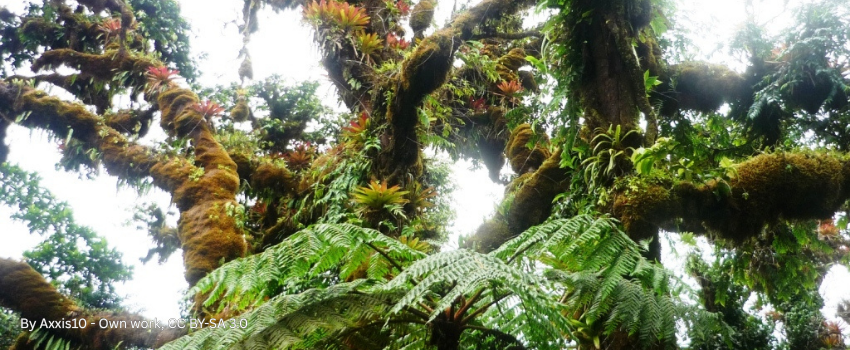
Above the waterline, the island is a protected national park and UNESCO World Heritage site. Its 24 square kilometres of land are draped in cloud forest that receives over seven metres of rain annually, creating hundreds of waterfalls that cascade directly into the ocean. The Costa Rican government guards this terrestrial sanctuary fiercely, and only park rangers and scientists are permitted to stay overnight. For visitors, a short walk to a viewpoint or a glimpse of the jungle from the shore is the only taste of the island you will get above the surface. The rest remains wild and untouched.
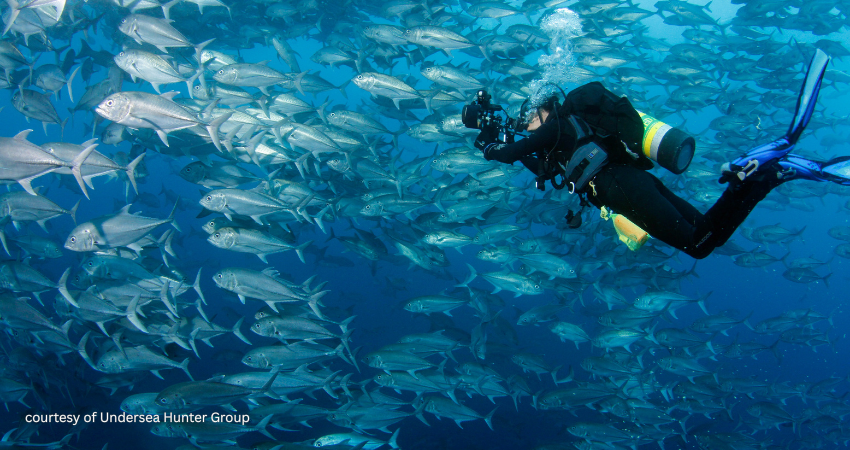
What makes Cocos truly special for divers, however, is what happens beneath the boats. The waters surrounding the island form one of the largest marine protected areas in the eastern Pacific, a no-take zone where fishing is strictly prohibited. This protection has allowed the ecosystem to return to a level of vitality now increasingly rare anywhere in the world. The result is a density of life that feels almost prehistoric. Schools of scalloped hammerheads gather here in numbers that can reach into the hundreds, swirling around seamounts like living storms. Whitetip reef sharks carpet the bottom so densely that you can barely see the rocks beneath them.
This underwater abundance is not an accident. Cocos sits atop a volcanic seamount that rises from depths of over 2,000 metres, creating a nutrient-rich upwelling that feeds the entire food chain. The island is also a critical point along the Cocos-Galápagos Swimway, a migratory corridor that connects Costa Rica with its famous Pacific neighbour.
For a deeper comparison of these two legendary destinations, you can read our detailed guide to Galápagos vs. Cocos Island diving.
How to Reach Cocos Island
Getting to Cocos Island is an expedition in itself, and understanding the journey beforehand makes all the difference. The island has no airport, no dock for private boats, and no hotels. There is only one way in.
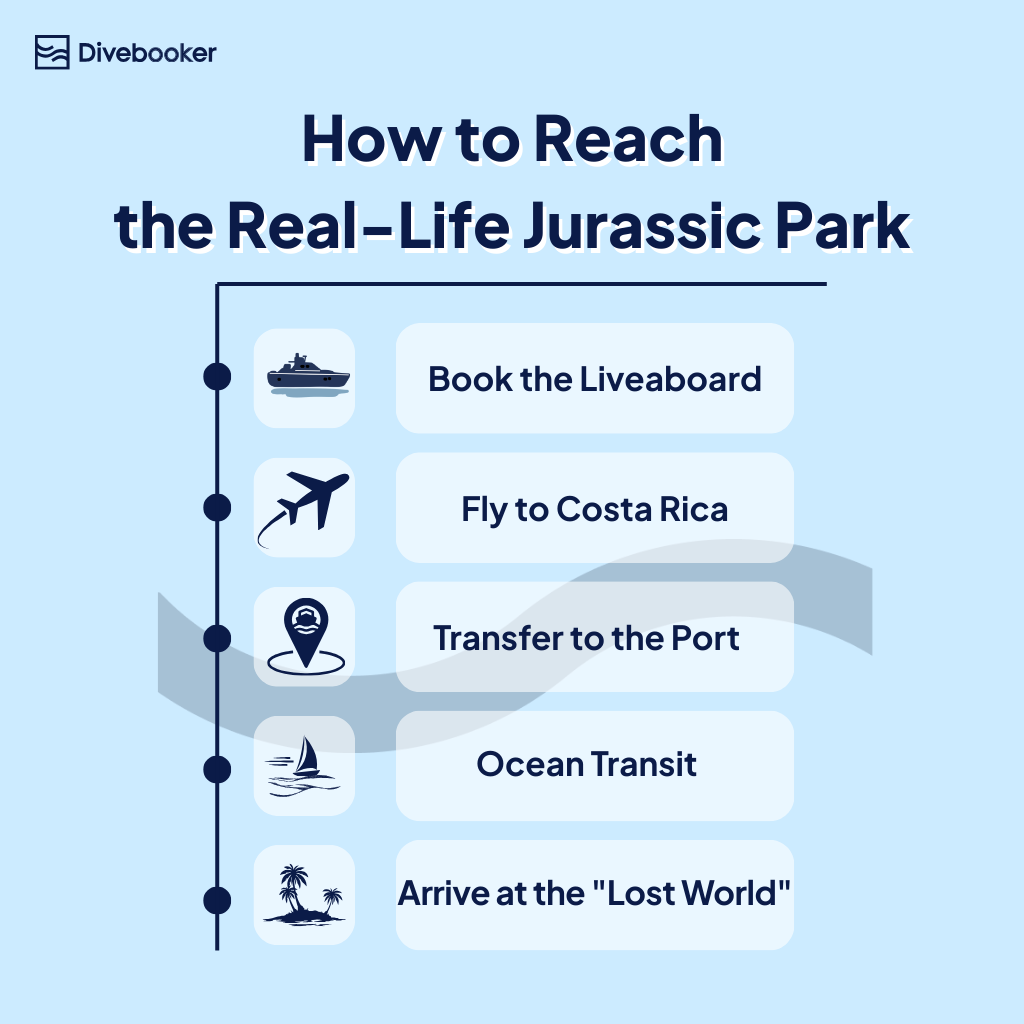
Step 1: Book your liveaboard first. Before you book flights or take time off work, secure your spot on a boat. Cocos trips run on fixed schedules and sell out many months in advance, especially during peak seasons. You can check current Cocos Island liveaboard options and availability to see what is open for your preferred dates.
-
 from$720 /day
Step 2: Fly to Costa Rica. You will arrive at San José International Airport (SJO). This is the main entry point for international visitors.
Step 3: Transfer to the port. From San José, you need to get to the coastal town of Puntarenas. The drive takes about 90 minutes. Most liveaboards include a transfer from a designated hotel in San José on departure day, but be sure to confirm this with your operator.
Step 4: Board and begin the crossing. You will typically board your liveaboard in Puntarenas in the afternoon. The boat then heads straight out to sea, and the crossing to Cocos Island takes 30 to 36 hours, depending on weather and sea conditions. You are crossing the open Pacific Ocean, not sheltered coastal water, so you should be prepared for the fact that the boat will rock. If you are prone to seasickness, prepare accordingly.
Step 5: Arrive at the island. When you wake up on the second morning, the island will be there. Mist on the cliffs. Waterfalls in the distance. You have reached the lost world. The first dives usually happen that same morning.
The crossing is the price of admission. It filters out casual visitors and ensures that everyone who makes it to Cocos truly wants to be there. By the time you drop below the surface, you have earned it.
Best Time to Dive Cocos Island
Cocos Island has two distinct seasons, and the right choice depends on what you want from the trip. Both offer world-class diving, just with different trade-offs.
Quick Comparison of Cocos Diving Seasons
Factor Dry Season (Dec–May) Green Season (Jun–Nov) Visibility 25–30m+ 15–25m Water Temp 26–30°C 24–28°C Crossing Calmer Rougher Highlights Clarity, photography More abundant hammerhead schools, whale sharks Dry Season (December to May)
Green Season (June to November)
Both seasons deliver the sharks you came for.
Best Dive Sites in Cocos Island
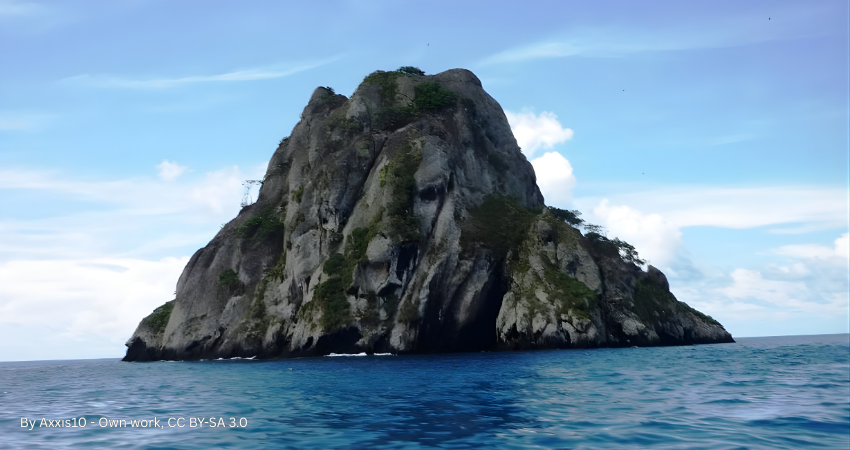
Cocos Island has more than a dozen recognised dive sites, but a handful stand out as truly legendary, and these are the ones you definitely need to know.
Most of these sites share the same foundation. They are volcanic seamounts or pinnacles rising from deep water, swept by currents that attract massive amounts of pelagic life.
Each of them demands advanced skills: deep starts, potential downcurrents, and the need for perfect buoyancy.
You will see hammerheads at all of them, but what differs is the structure of the rock and the specific behaviour each site attracts.
Bajo Alcyone
Bajo Alcyone is the most famous seamount in the Pacific. A submerged pinnacle rising from 50 metres to a summit at 18 metres. This is a cleaning station where hammerheads gather in hundreds to have parasites removed by smaller fish. The action happens in the blue water around the pinnacle, not on the reef itself.
- Depth range: 18 to 40+ metres
- Current: Strong to very strong
- Typical life: Galapagos sharks, silky sharks, and occasional tiger sharks
- Diver tip: Get low on the rock and look up. The sharks circle above you.
Dirty Rock
The postcard image of Cocos diving. A massive rock pinnacle that breaks the surface, covered in life. The walls of the Dirty Rock drop vertically into the deep, and the current pushes past the point, creating a conveyor belt of sharks.
- Depth range: 10 to 40+ metres
- Current: Moderate to strong
- Typical life: Whitetip reef sharks in the caves, jacks, barracuda
- Diver tip: Watch the cleaning stations on the rock itself. Whitetips stack on top of each other here.
Manuelita
The most northerly islet, there are three distinct sites: the channel, a rocky reef, and a coral garden. The channel is most famous for its tiger shark encounters, while the reef on the outside is another great spot for general shark sightings. Then finally, the bay can be used for relaxing evening or night dives, but don’t let that fool you. Manuelita hosts one of the best turtle cleaning stations in the park and as well as delivering manta encounters.
- Depth range: 8 to 25 metres
- Current: Mild to moderate
- Typical life: Green sea turtles, tiger sharks, white-tip reef sharks, marble rays, occasional mantas
- Diver tip: Night dives here reveal octopus, lobsters, and sleeping whitetips.
Punta Maria
A series of rocky points and steep walls, with a plateau on the island’s southern end. The topography creates upwellings that concentrate nutrients and attract the big stuff. Hammerheads patrol the drop-off in organised schools, and Galapagos sharks are seen in greater numbers here than perhaps anywhere else.
- Depth range: 15 to 40+ metres
- Current: Strong
- Typical life: Galapagos sharks, eagle rays, marble rays
- Diver tip: The point itself sees the most current and the most action. Hold on and watch the blue.
Dos Amigos
Twin seamounts that break the surface as small rocky islets. The underwater structure is complex, with ridges, swim-throughs, and cleaning stations at multiple depths. Currents funnel between the two pinnacles and this is where you are most likely to see any whale sharks that are around the island.
- Depth range: 12 to 40+ metres
- Current: Moderate to strong
- Typical life: Galapagos sharks, massive schools of creolefish and barberfish
- Diver tip: The saddle between the two pinnacles is a current corridor. Use a reef hook here.
These five sites represent the core of a Cocos itinerary, but they are not the whole story. There will be sharks on every site, so the differences come down to rock structure and whether you want walls, pinnacles, or cleaning stations. Pick the ones that match what you want to see, but know that conditions and the captain’s choice will ultimately decide where you drop. The only guarantee is that wherever you dive at Cocos, the blue will fill with life.
Cocos Island Diving Costs and Requirements
A trip to Cocos Island represents a significant investment, both in time and money. Understanding the full cost breakdown beforehand ensures there are no surprises. Prices vary depending on the vessel, cabin category, and season, but the structure remains consistent across all operators.
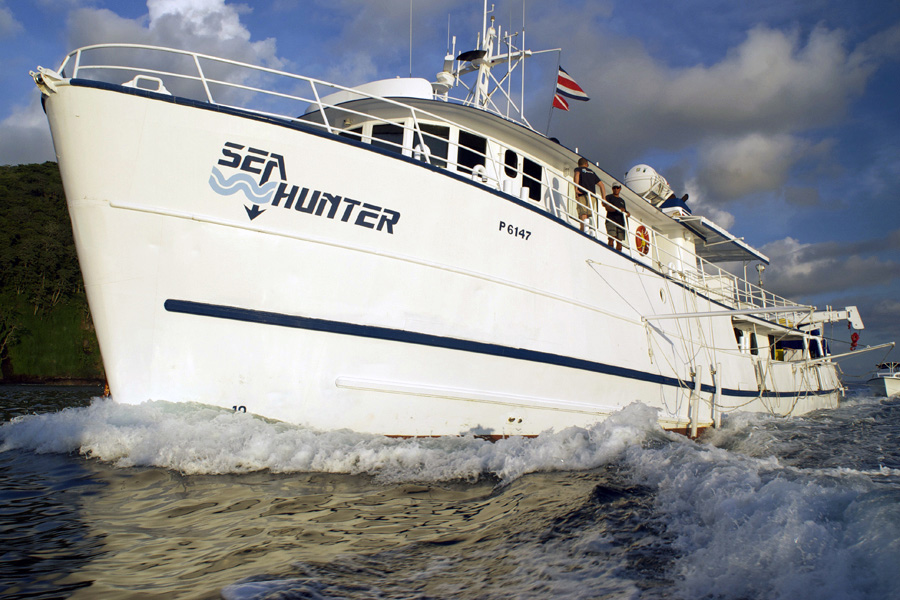
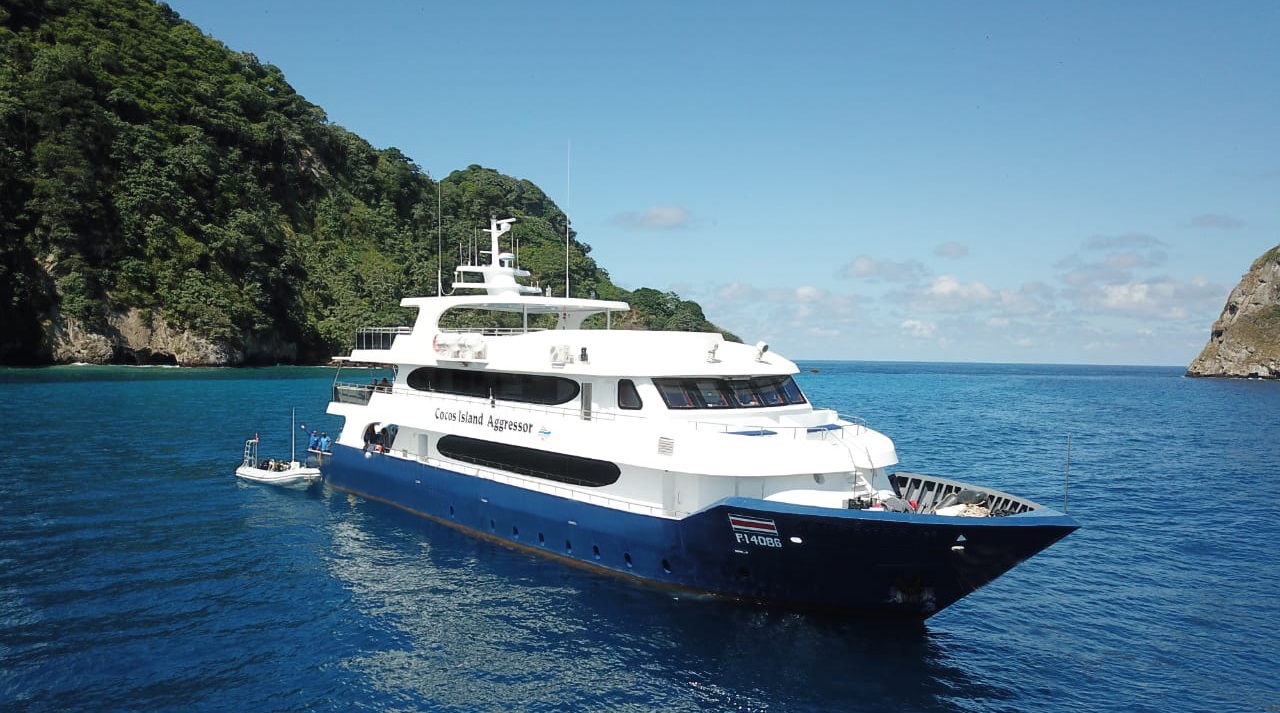
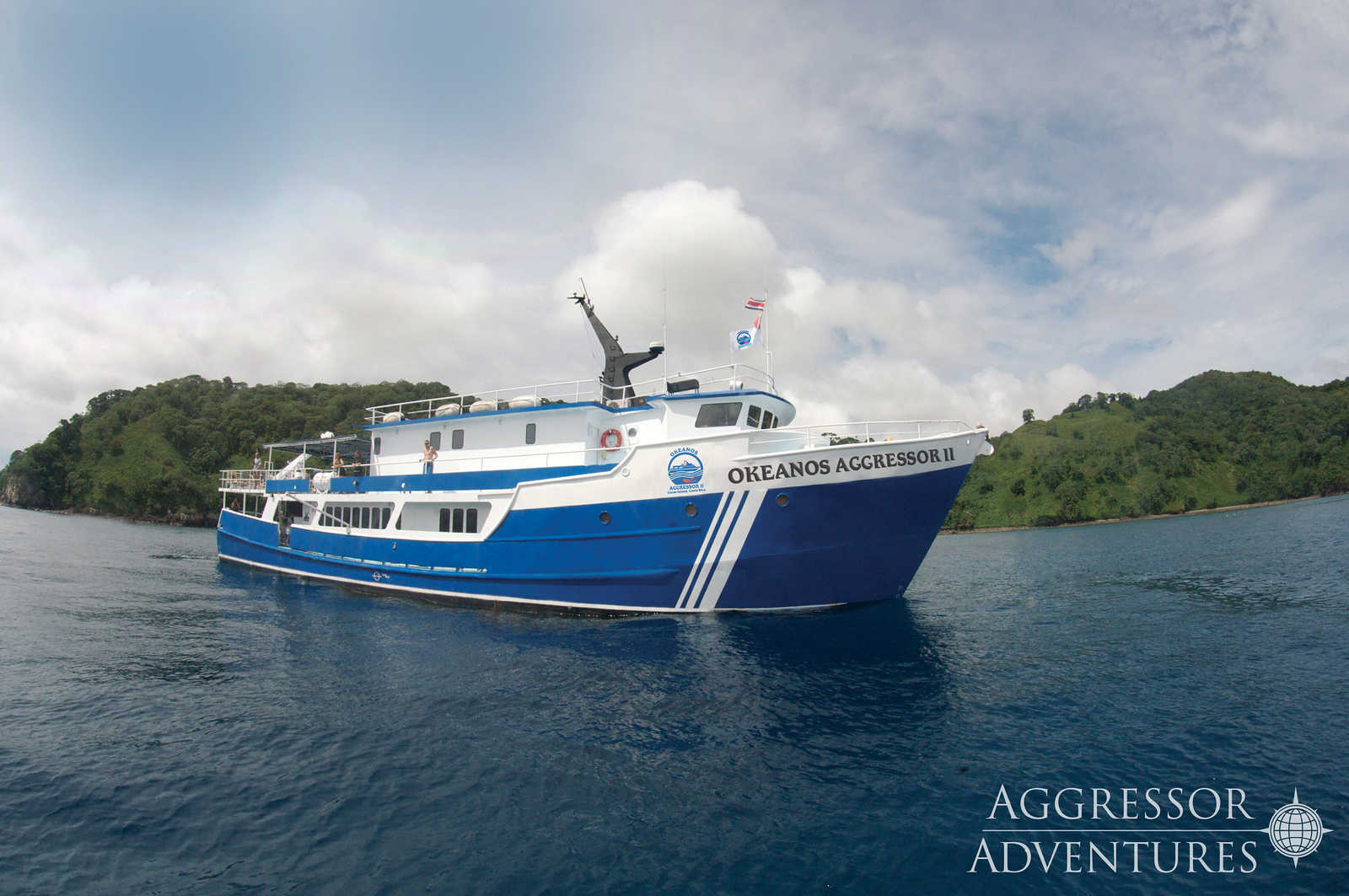
Liveaboard prices range from approximately $5,000 to $7,500 per person for a 10- or 11-night itinerary. The exact cost depends on the season, the vessel, and the cabin category you choose. For example, the Okeanos Aggressor II and Cocos Island Aggressor typically start around $6,400, while Sea Hunter is often in the $7,200 to $7,600 range. These prices include accommodation, all meals, soft drinks, local beer and wine, up to four dives per day on diving days, tanks and weights, and the services of dive guides. Transfers between a designated hotel in San José and the boat in Puntarenas are included with all liveaboard bookings. Your operator will confirm the exact meeting point and time before departure.
For a detailed comparison of the vessels themselves, including layouts, crew ratios, and amenities, our article on the Aggressor vs. Sea Hunter fleets covers everything you need to choose the right boat for your style.
Mandatory park fee is approximately $500, though the exact amount varies slightly between operators. The Aggressor boats charge $490 plus 13% VAT, while Sea Hunter includes the fee in a $554 charge. This fee goes directly to the Costa Rican government to maintain the marine reserve and must be paid separately from your trip cost, either in advance or on board.
Additional costs to budget include:
- Crew tips: Standard practice is 10 to 15 per cent of the trip price, paid in cash at the end.
- Equipment rental: If you need to hire regulators, BCDs, or wetsuits, expect to pay around $50 to $60 per item for the week.
- Nitrox: Most boats offer it for a surcharge (typically $100 to $150 for the week), though Sea Hunter includes it free.
- Fuel surcharge: Some operators, like Sea Hunter, add a $200 fee per trip to cover fuel costs.
- Travel insurance: Strongly recommended, and your Divebooker booking includes free short-term DAN coverage.
Diver requirements are non-negotiable. Cocos is advanced diving. Currents can be strong, dives often start at 30 metres, and conditions change quickly. All operators require at least an Advanced Open Water certification and a minimum of 50+ logged dives, including experience in deep water and drift diving. Nitrox is highly recommended to extend bottom times on these deep profiles.
Conclusion
Cocos Island diving delivers on every promise the surface makes. The mist-covered cliffs and cascading waterfalls are not just scenery; they are the gateway to an underwater world that has all but disappeared elsewhere on the planet. When you finally descend beneath the waves, you enter an ocean that still functions the way it was designed to function. Predators in numbers that seem impossible. Schools of fish that darken the water column. Currents that have carved these seamounts for millennia and still bring the nutrients that feed everything here.
This is not an easy trip. The crossing takes more than a day each way. The diving demands experience, focus, and respect for the conditions. The cost reflects the distance and the protection that keeps this place intact. But every diver who makes the journey understands something fundamental by the end: some things are worth the effort. Cocos Island is one of them.
The lost world is still there, waiting 550 kilometres off the Costa Rican coast. The sharks still circle the cleaning stations. The mantas still glide through the blue. The only question is whether you will be there to see it. Browse current Cocos Island liveaboard departures on Divebooker to check availability for your preferred season. The adventure of a lifetime is just a booking away.
Frequently Asked Questions About Cocos Island Diving
What happens if the weather prevents diving at Cocos Island?Divebooker Team2026-03-04T16:26:53+00:00The island’s leeward side usually offers shelter, so diving continues in most conditions. If a specific site is too rough, the captain moves to a more protected spot. In extreme cases where the crossing is affected, trips may be shortened or delayed, though this is rare. Travel insurance covers these disruptions.
How many dives per day do liveaboards run at Cocos?Divebooker Team2026-03-04T16:26:30+00:00Most operators run three to four dives per day on full diving days. This includes a dawn or early morning dive, two daytime dives, and often a night dive. The schedule is full but allows for rest between dives. Surface intervals are spent eating, reviewing photos, and preparing for the next drop.
Do I need my own dive computer and surface marker buoy?Divebooker Team2026-03-04T16:26:08+00:00Yes, absolutely. A dive computer with nitrox capability is essential for managing deep, repetitive dives. An SMB (safety sausage) and reel are mandatory for blue-water ascents where currents may have moved you far from the boat. Rentals are available, but bringing your own ensures familiarity.
What marine life can I expect beyond scalloped hammerhead sharks?Divebooker Team2026-03-04T16:25:37+00:00The cast is extensive. Whale sharks pass through, especially from June to August. Manta rays glide over seamounts. Marble rays the size of small cars cruise the cleaning stations. Galapagos sharks, silky sharks, and whitetip reef sharks appear on every dive. Schools of jacks, tuna, and barracuda fill the water column.
Is Cocos Island diving suitable for beginners?Divebooker Team2026-03-04T16:25:14+00:00No. Cocos is strictly for advanced divers. Strong currents, deep profiles starting at 30 metres, and the need for perfect buoyancy make this challenging even for experienced divers. Operators require at least Advanced Open Water and 50 logged dives, and they enforce these limits.
What is the water temperature at Cocos Island, Costa Rica and what wetsuit do I need?Divebooker Team2026-03-04T16:24:38+00:00At Cocos Island, Costa Rica surface temperatures range from 24°C to 30°C depending on season, but thermoclines can drop temperatures significantly at depth. Most divers wear a 5mm or 7mm wetsuit, often with a hood or vest for the colder periods.
Can non-divers come on a Cocos Island liveaboard trip?Divebooker Team2026-03-04T16:24:15+00:00Yes, most Cocos liveaboard accept non-divers, but there is limited appeal. The crossing takes 36 hours each way, and once at the island, there are no beaches, no towns, and no activities beyond the boat itself. A few snorkellers have made the trip, but Cocos is really designed for divers. The magic is all underwater.