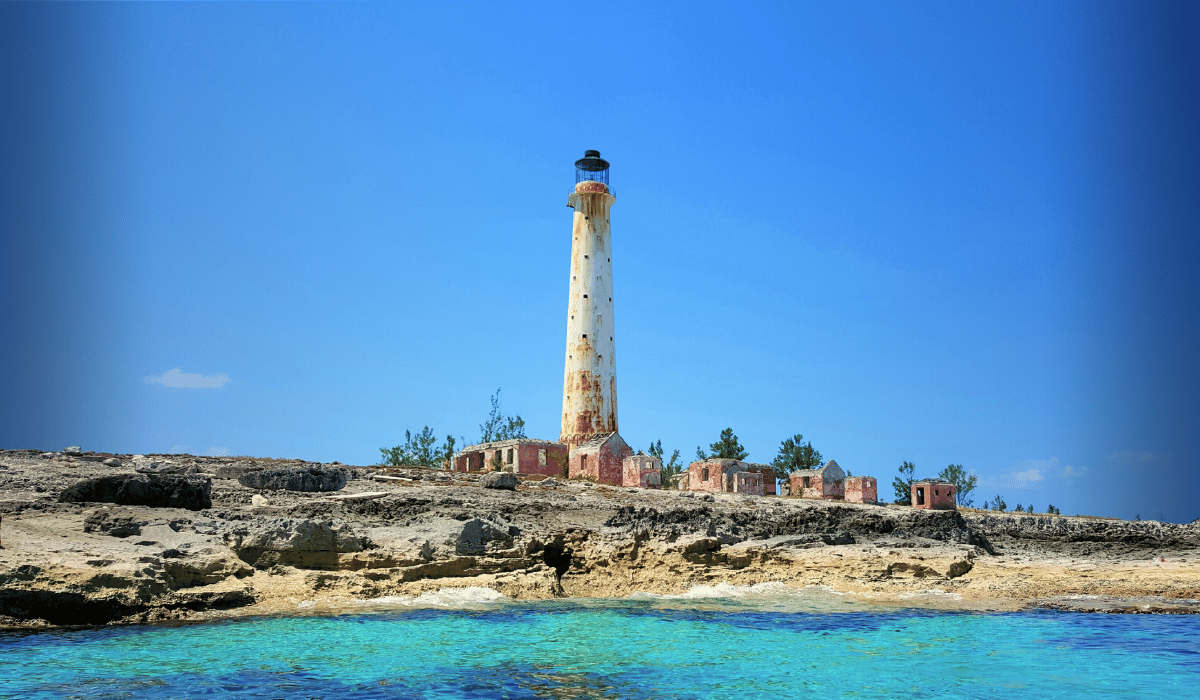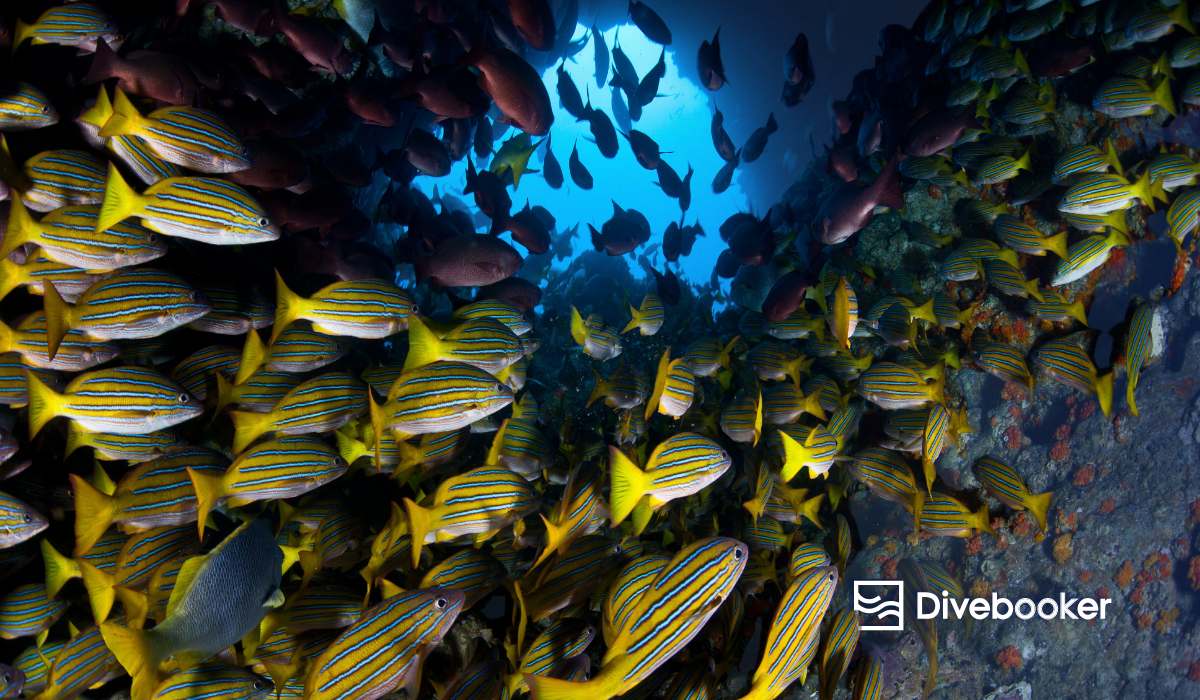
If you ask most travelers about Costa Rica, they will tell you about sloths in the jungle, howler monkeys and toucans in the trees and sunsets over the Pacific. And they are right, all those things are here. But for those of us who spend our time looking down instead of up, Costa Rica diving offers something just as wild. Something hidden.
The best places to dive in Costa Rica sit between two oceans and are the most biologically rich on the planet. The Pacific side throws everything it has at you: currents, volcanic rock, big animals that appear out of the blue and disappear just as fast. The Caribbean side does the opposite. Calm water, shallow reefs, creatures that hide in plain sight. And then there is Cocos Island. Three hundred miles offshore. Thirty-six hours on a boat. Hammerheads by the hundred.
This article covers the best diving destinations in Costa Rica. Not just the names you have heard, but what makes each one special, what you will see there, and most importantly, how to actually get to them.
Unfortunately you cannot dive them all in one trip. But knowing what each site offers and when to go means you can pick the trip that fits what you actually want to see.
Let us break it down.
Where to Dive in Costa Rica: Pacific or Caribbean?
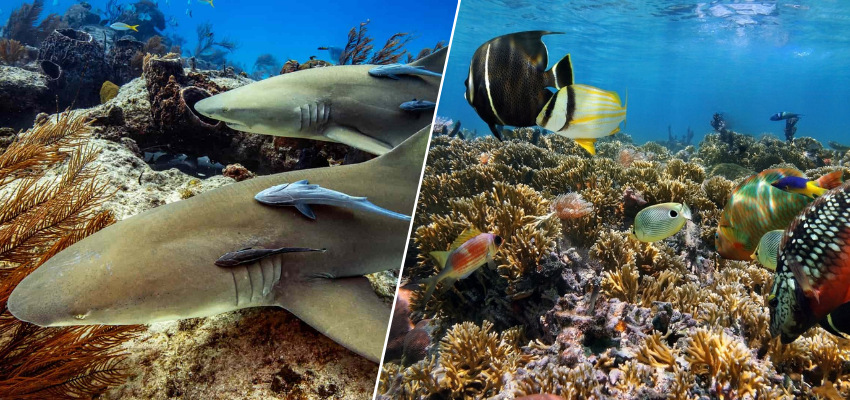
Before we get into specific sites, you need to understand something about how Costa Rica diving works. The country has two coastlines, which could not be more different. Pick the wrong one based on what you want to see and you will spend your week wondering what everyone was talking about. Pick the right one and you will understand why people come back year after year.
The Pacific Powerhouses
The Pacific side is where Costa Rica diving earns its reputation for big stuff. The seafloor here is volcanic. Rock pinnacles rise out of the blue. Currents push through channels and around points, funnelling nutrients and the animals that feed on them. This is not gentle diving. It is drift diving over seamounts, negative entries into blue water and hanging onto rocks while mantas cruise past.
If you are looking for the best places to dive in Costa Rica, this is where you start: Bat Islands, Catalina Islands, Caño Island.
Each one delivers something different but they all share that Pacific energy.
The Caribbean Treasures
The Caribbean side is the other half of the story, the water is warmer, and the currents are gentle. The reefs are made of coral instead of rock. This is where you go when you want to slow down and look at the small stuff, like seahorses wrapped around fans. Or nurse sharks sleeping under ledges and parrotfish the size of carry-on bags grinding away at the reef.
Pacific diving in Costa Rica is about the animal that appears out of the blue and vanishes just as fast. Caribbean diving in Costa Rica is about the thing hiding in plain sight that you almost swam past.
The Offshore Legend
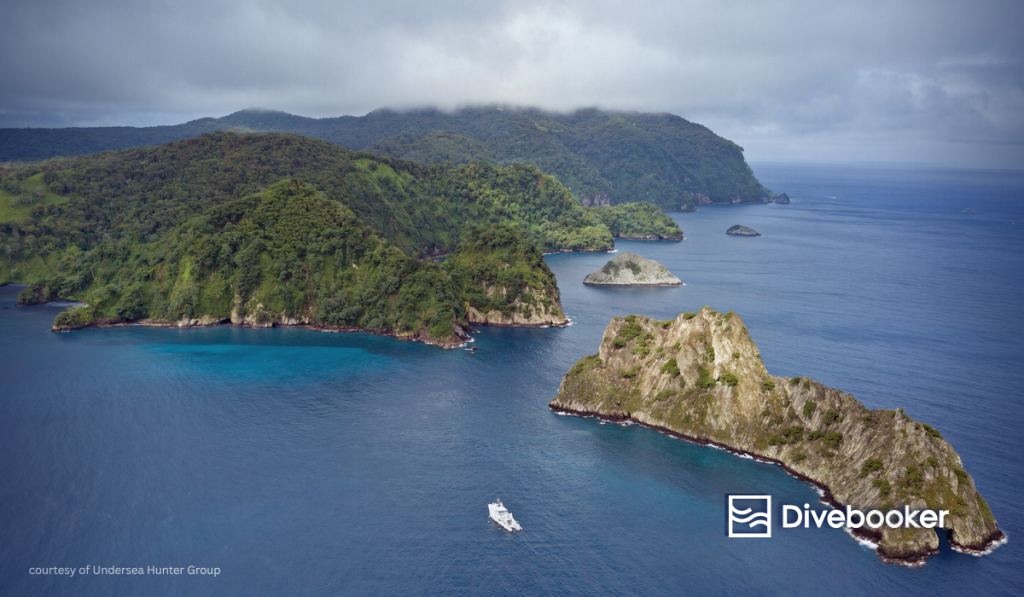
And then there is Cocos Island. Three hundred miles from the mainland. Thirty-six hours on a boat. It does not belong to either coast. It belongs to the open ocean and the animals that live there. Hammerheads by the hundred. Whale sharks when the timing is right. Currents that demand your full attention. It is not for everyone, but for the divers who make the trip, it defines what Costa Rica dive geography can offer when you go far enough offshore.
If you are trying to decide between Cocos and another Pacific legend, read our comparison of Galápagos vs. Cocos Island diving.
Two coasts. One country. A dozen ways to dive it.
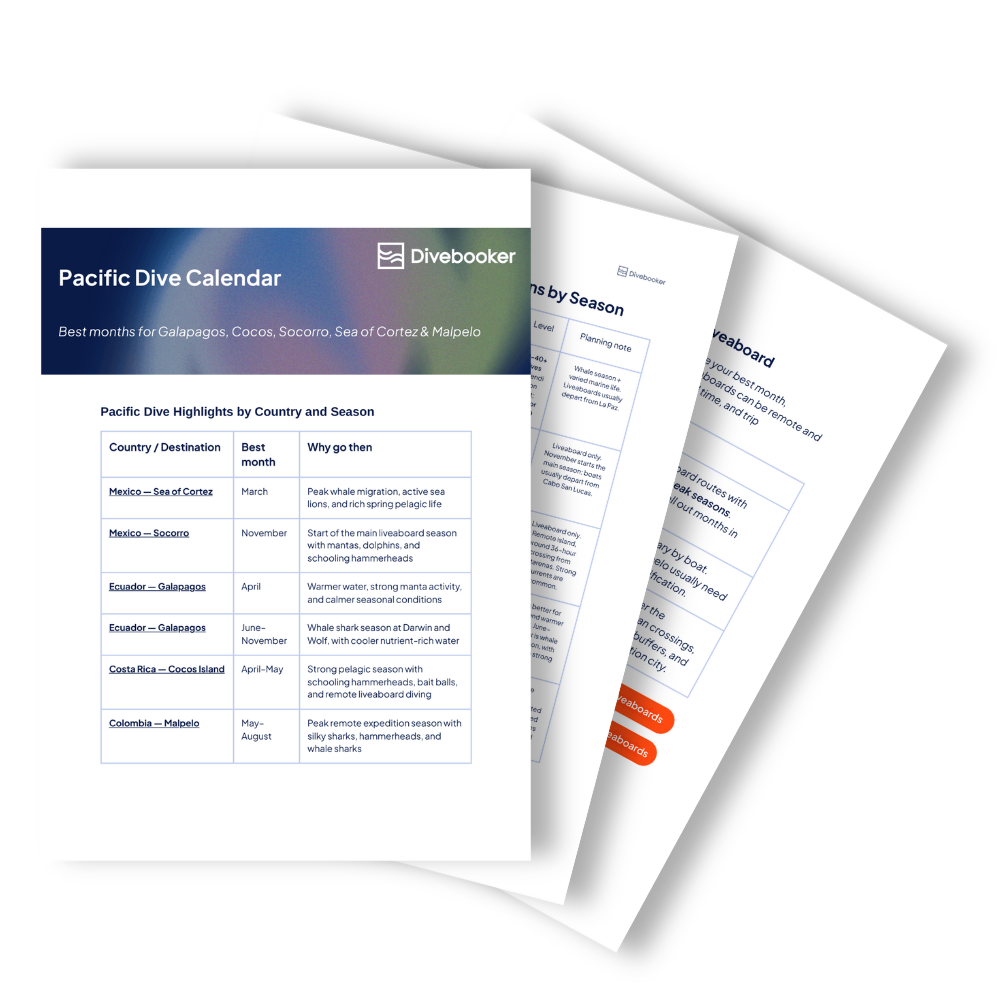
Compare Costa Rica with Other Pacific Diving Regions
5 Best Places to Dive in Costa Rica
As we’ve said, Costa Rica diving means different things depending on where you drop in. The best places to dive in Costa Rica are not interchangeable. Each one has its own personality, its own challenges and its own reasons for making the trip. Some you can reach from a resort before breakfast. Others require a liveaboard and a thirty-six-hour crossing. All of them belong on any diver’s list.
Here are the five destinations that define what Costa Rica diving is really about.
Cocos Island: The Hammerhead Capital
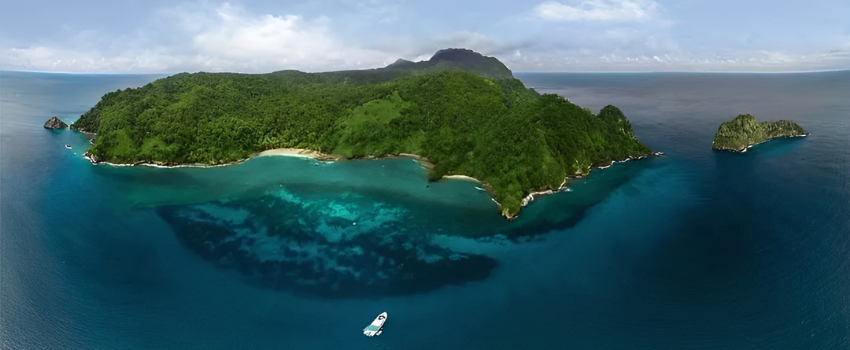
36 hours.
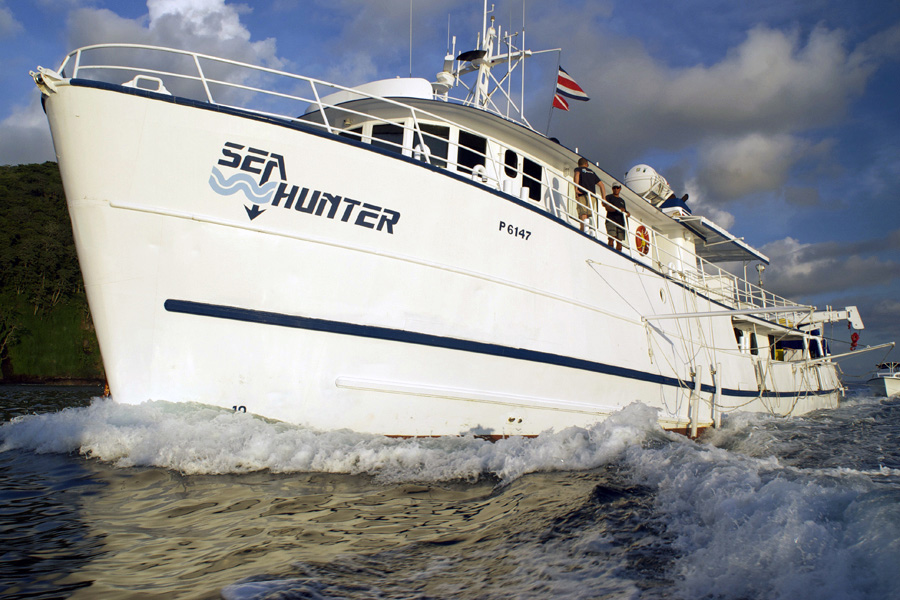
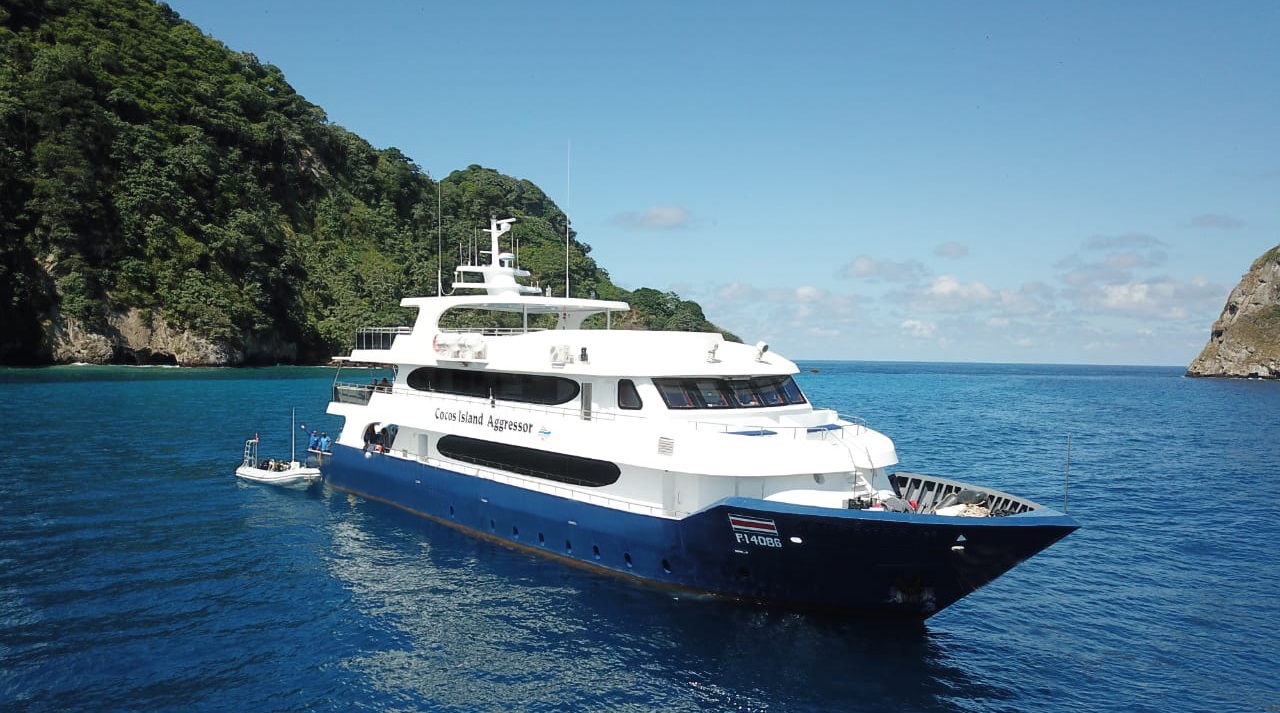
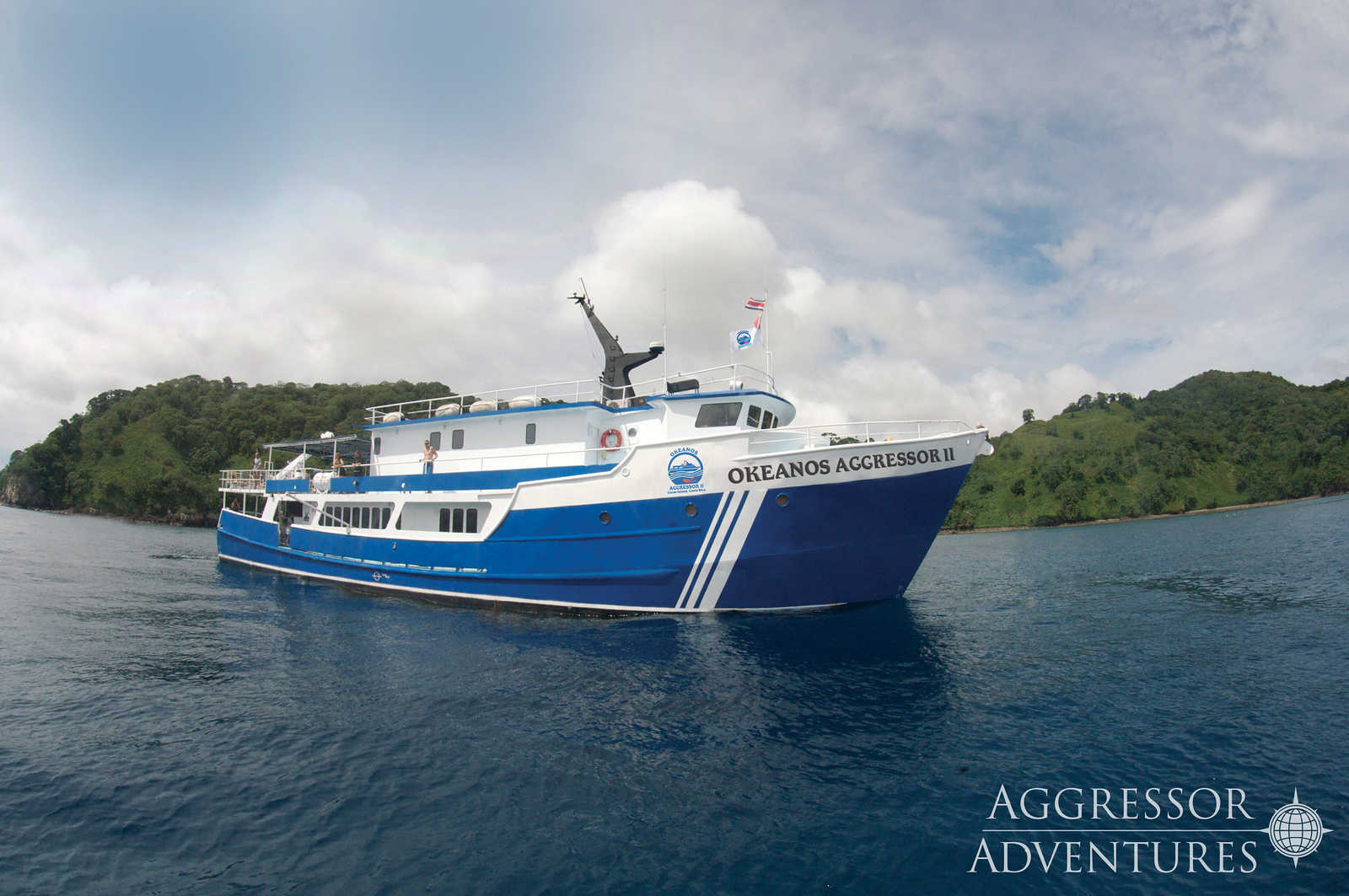
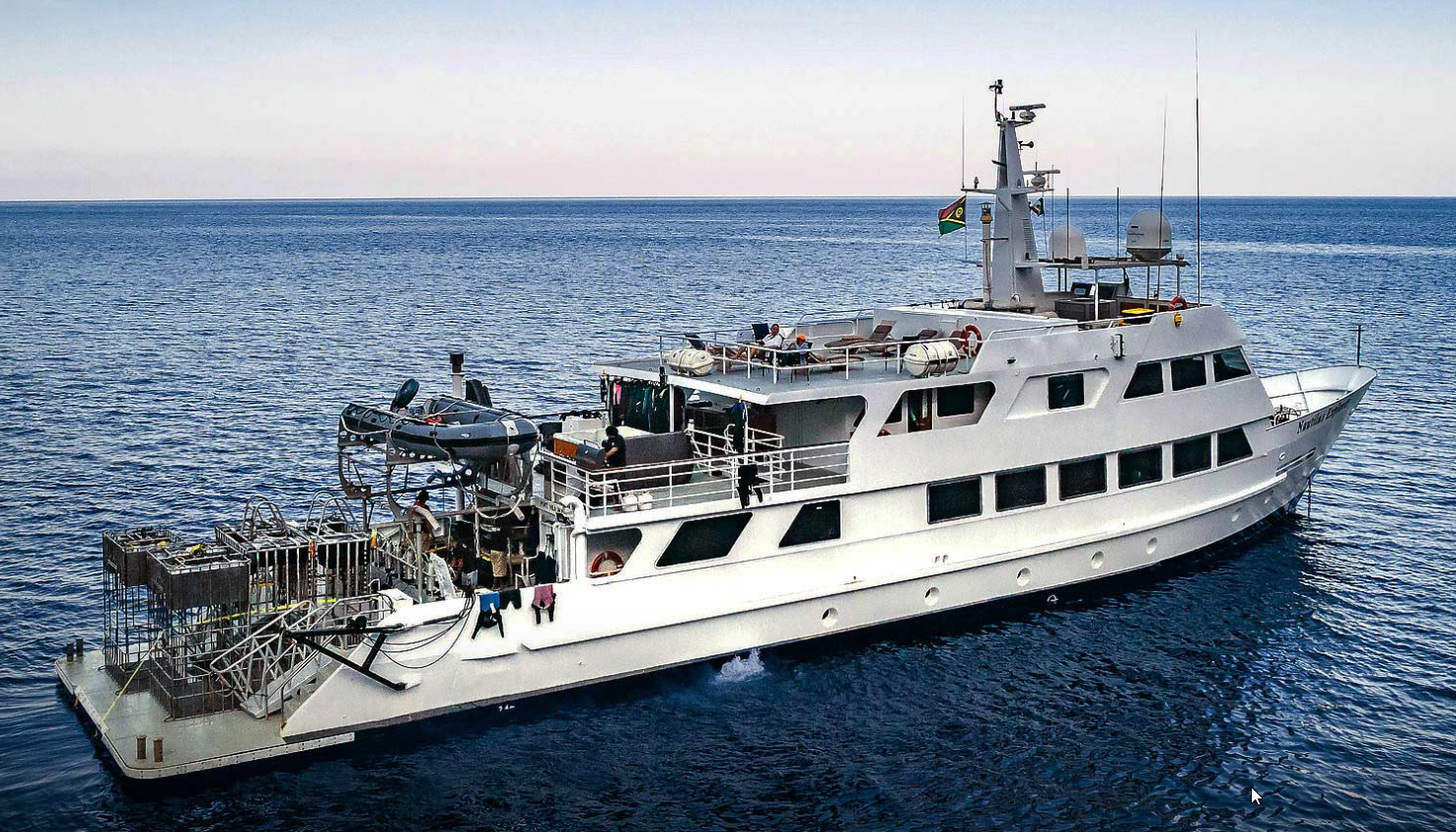
That is how long it takes to get here from the mainland. You cross the open ocean on a liveaboard, watching the horizon for signs of whales or dolphins, and then you wake up at one of the most famous dive destinations on the planet.
Why It Is Iconic
Cocos Island is a UNESCO World Heritage site and it consistently ranks among the top ten dive destinations in the world. Not because of the reefs, although they are healthy. But because of the hammerheads. This is one of the few places on earth where you can see them school by the hundred. Wall to wall grey as they cruise the seamounts, riding the currents like they own the place. Because out here, they do.
The Dive Experience
The signature site is Bajo Alcyone, a seamount that rises from the deep. You drop in, find a rock to hold onto and wait. The current pushes past you and water temperature drops fifteen degrees when a thermocline hits. Then the hammerheads appear. Not one or two, schools of them. Grey walls of sharks circling in the blue. They come close enough to see their eyes.
Other sites like Dirty Rock and Isla Manuelita deliver similar experiences.
Mantas show up at cleaning stations. Whale sharks pass through when the timing is right, and Galapagos sharks patrol the blue. And if you pay attention, you might spot the rosy-lipped batfish, an endemic species so ugly it circles back to beautiful.
Key Dive Information
- Depth: 18 to 35 metres (60 to 115 feet)
- Current: Moderate to strong. Expect to work for your rewards
- Visibility: 15 to 30 metres (50 to 100 feet)
- Temperature: 22 to 28°C (72 to 82°F). Thermoclines are sharp and sudden. Bring a 5mm wetsuit, hood and gloves.
- Experience Level: Advanced Open Water with 50+ logged dives minimum. Most operators prefer more.
- Access: Liveaboard only. Trips run 10 or 11 days. Book six to twelve months ahead.
Marine Life Highlights
- Schooling hammerhead sharks (the main event)
- Whale sharks (June through November)
- Mantas at cleaning stations
- Galapagos sharks and silky sharks
- Endemic rosy-lipped batfish
Costs and Fees
Liveaboard trips run $5,000 to $7,500, depending on the vessel and season. The Cocos Island National Park fee is $490, payable in cash when you board. This covers your park entrance and diving fees for the trip. Some liveaboards include it in the price. Ask before you book.
-
 from$690 /day
from$636 /day
from$690 /day
from$636 /day
Bat Islands: Bull Shark Encounters
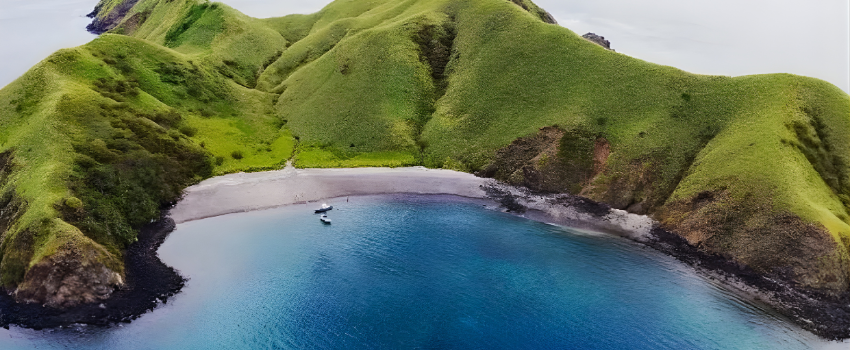
Bat Islands are located two and a half hours by boat from Playas del Coco. That is the real price of admission here. You motor north along the coast of Santa Rosa National Park, past beaches where turtles nest and waves crash against rocks, and then you arrive at a place divers call the Big Scare.
Why It Is Iconic
The Big Scare is actually a cleaning station. Bull sharks come here to have parasites picked off by smaller fish. They hang motionless in the current at 24 to 30 metres while you watch from a few metres away. Bull sharks do not have the same reputation as great whites, but any diver who knows them will tell you they deserve respect. Seeing them this close, this relaxed, is something you do not forget. If you want to understand more about why these animals matter and where else to find them, our shark diving feature covers the best spots globally.
The Dive Experience
You drop down to the cleaning station, where the bottom is rock and boulders. The current can run strong, so you need to find a spot and simply wait. The sharks cruise through. Sometimes a single animal, or maybe two or three together. They pay attention to the cleaner fish. They ignore you, but… they are bull sharks. You need to stay aware of where they are at all times. Bulls definitely need respect.
Between shark encounters, eagle rays cruise through and giant groupers hide in the rocks. The site delivers big animals across the board.
Key Dive Information
- Depth: 24 to 30 metres (80 to 100 feet)
- Current: Strong. This is advanced diving.
- Visibility: 10 to 20 metres (30 to 70 feet)
- Temperature: 24 to 28°C (75 to 82°F)
- Experience Level: Advanced Open Water. Strong current experience required.
- Best Season: May through November, when bull sharks are consistently at the cleaning station.
- Access: Resort based in Guanacaste. Operators require a minimum of four divers to make the trip.
Marine Life Highlights
- Bull sharks at the cleaning station
- Eagle rays
- Giant groupers
- White tip reef sharks
- Occasional manta rays
Costs
Two-tank dives to Bat Islands run $150 to $160, which is higher than local dives because of the distance and fuel costs.
Catalina Islands: Manta Ray Central
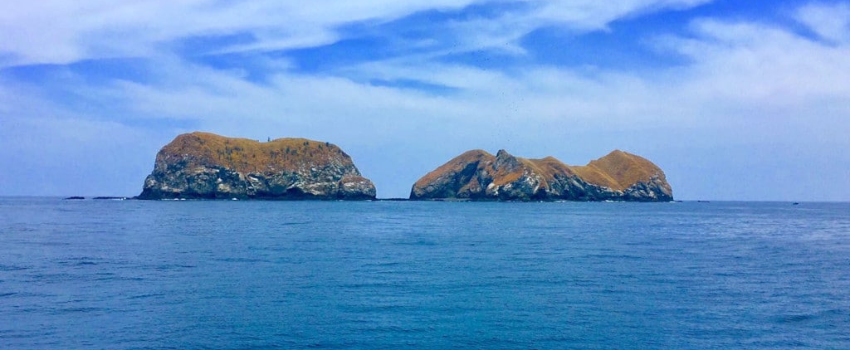
When the question is where to dive in Costa Rica for manta rays, Catalina Islands is the answer.
Forty five to ninety minutes from the Guanacaste beach towns. The ride time depends on which island you are heading to. There are two main sites and the boats usually hit both.
Why It Is Iconic
The mantas here are giants. Pacific mantas with wingspans that can hit six metres. They come to specific cleaning stations on the rocky pinnacles, hovering there completely still while smaller fish pick them clean. You can float right beside them and watch.
As long as you are calm, they do not spook or bolt. They just hang there and let it happen, which is what you should try to do as well.
The Dive Experience
The islands are rock pinnacles rising from the sandy bottom. You work your way around them looking for mantas at the cleaning stations. When you find one you settle in and watch. White tip reef sharks rest throughout the day in the cracks. Octopus hide in the rocks and schools of jacks and snappers circle in the blue.
The currents here are lighter than Bat Islands but they still can run. This is intermediate level diving. Most days are comfortable for newly certified divers with a guide.
Key Dive Information
- Depth: 12 to 24 metres (40 to 80 feet)
- Current: Light to moderate
- Visibility: 10 to 25 metres (30 to 80 feet)
- Temperature: 24 to 29°C (75 to 84°F)
- Experience Level: Open Water. Suitable for most divers.
- Best Season: Manta sightings generally run from November through to April, peaking from January into March.
- Access: Resort based from Playas del Coco, Playa Hermosa, Flamingo or Tamarindo.
Marine Life Highlights
- Giant Pacific manta rays at cleaning stations
- White tip reef sharks
- Octopus
- Schools of jacks and snappers
- Eagle rays
Costs
Two-tank dives to Catalina Islands run $110 to $140 depending on the operator and how far your resort is from the departure point.
Caño Island: The Biological Reserve
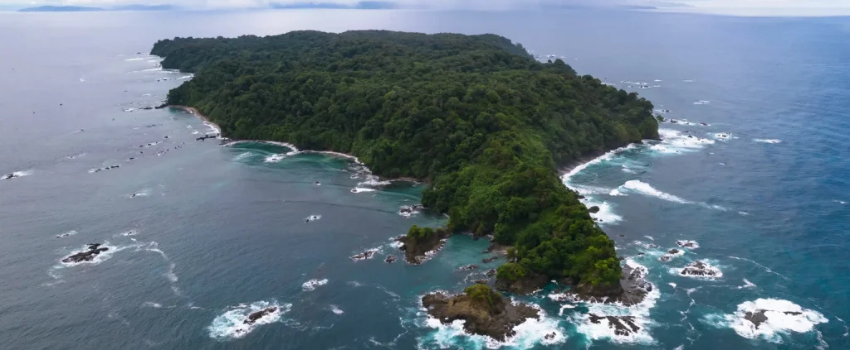
Forty-five to sixty minutes from Drake Bay or Uvita on the Osa Peninsula is Caño Island. This is southern Pacific Costa Rica and it feels different from Guanacaste. Greener. Wilder. Closer to the jungle.
Why It Is Iconic
Caño Island is a protected biological reserve, where fishing and collecting is banned. The result is an underwater sanctuary where the fish have not really learned to be afraid. Reef sharks rest under ledges while you swim past, and turtles cruise the coral heads without bolting. Schools of snappers stack up so thick they block the sun.
The Dive Experience
The sites here are both rock and coral. Depths range from 10 to 40 metres, depending on the site. Currents are generally mild, and visibility can hit 30 metres from December through June. You drop in on pretty much any site, and you are surrounded. White tips on the bottom, eagle rays in the blue, and snappers and barracuda everywhere in between. It feels like this is what all reefs used to look like before too many people found them.
Key Dive Information
- Depth: 10 to 40 metres (33 to 130 feet)
- Current: Mild. Suitable for all levels.
- Visibility: 15 to 30 metres (50 to 100 feet). Best December through June.
- Temperature: 26 to 29°C (79 to 84°F)
- Experience Level: Open Water. Most sites are great for beginners and newly certified divers.
- Access: Resort based from Drake Bay or Uvita. Multiple operators run trips daily.
Marine Life Highlights
- White tip reef sharks on every dive
- Sea turtles
- Moray eels
- Schools of snappers and jacks
- Occasional mantas and eagle rays
Costs
Two-tank dives to Caño Island run $120 to $150 from Drake Bay. From Uvita, the boat ride is longer and prices run slightly higher.
Cahuita National Park: The Caribbean Reef
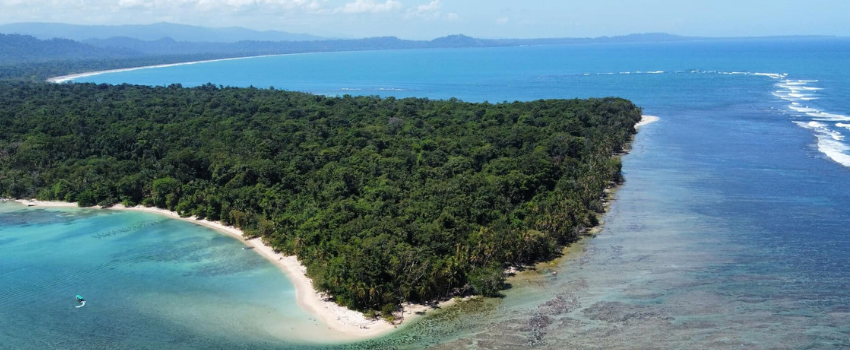
Ten to thirty minutes from Puerto Viejo or Cahuita on the southern Caribbean coast, Cahuita is the other side of the country entirely. The water is warmer, the pace is slower, and the vibe is different.
Why It Is Iconic
Cahuita has the healthiest coral reef on the Caribbean side of Central America. The Costa Rican government protects it and it shows. The coral is alive. The fish are everywhere. And the whole thing sits in only 8 to 12 metres of water. You can spend an entire dive at 10 metres and never run out of things to look at.
The Dive Experience
This is easy diving, with warm water, no current and long bottom times. You cruise over coral heads and look for what is hiding. Nurse sharks sleep under ledges. Seahorses wrap their tails around sea fans. Lobsters wave antennae from cracks. Parrotfish grind away at the reef and you can hear them crunching if you get close enough.
Key Dive Information
- Depth: 8 to 12 metres (25 to 35 feet)
- Current: Very mild to none
- Visibility: 10 to 20 metres (30 to 70 feet). Best September through October and February through April.
- Temperature: 27 to 29°C (81 to 84°F)
- Experience Level: Beginner. Perfect for Discover Scuba and newly certified divers.
- Access: Resort based from Puerto Viejo or Cahuita.
Marine Life Highlights
- Nurse sharks
- Seahorses (if you have a good eye)
- Lobsters
- Angelfish, butterflyfish and parrotfish
- Occasional rays
Costs
Two-tank dives in Cahuita run $90 to $120, making this the most affordable option in the country.
Essential Information for Costa Rica Diving
Before you book anything, here is the short list of things you need to know.
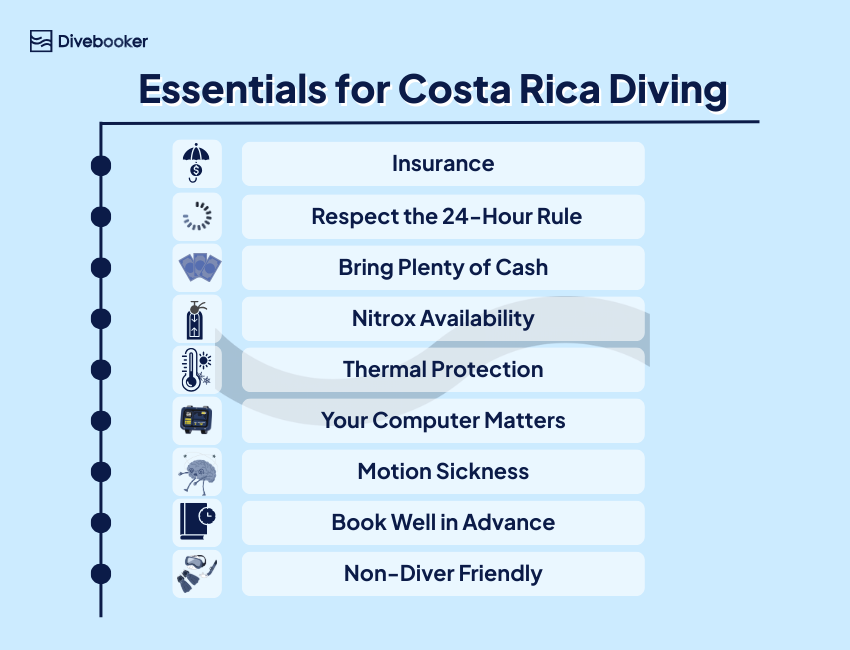
- Dive insurance is not optional. Costa Rica has recompression chambers, but remote sites mean evacuation can take time. Carry coverage that includes diving.
- The 24-hour rule applies. Do not fly within 24 hours of your last dive. Build a buffer day into your itinerary.
- Cash is still king. The Cocos Island park fee is $490 USD and must be paid in cash. Smaller operators sometimes offer discounts for cash payment. Always carry enough for park fees and tips.
- NITROX is widely available. Most shops in Guanacaste and Drake Bay offer it. Cocos liveaboards have it onboard.
- Temperatures vary more than you expect. Surface water is warm. Below 20 metres the thermoclines hit hard. A 5mm wetsuit is right for Cocos. 3mm works for most other sites.
- Your computer matters. Bring your own if you have one. Rental computers exist but they are not always the latest models.
- Seasickness is real. The Cocos Island crossing and Bat Islands trips can be rough. Bring meds even if you think you might not need them.
- Book ahead. Cocos recommended booking six to twelve months ahead. Bat Islands trips need a minimum number of divers. Peak season fills fast everywhere.
- Snorkellers can come along. Most boats to Catalina, Caño and Cahuita take non divers. They snorkel while you dive. Good option if you travel with someone who does not dive.
Conclusion
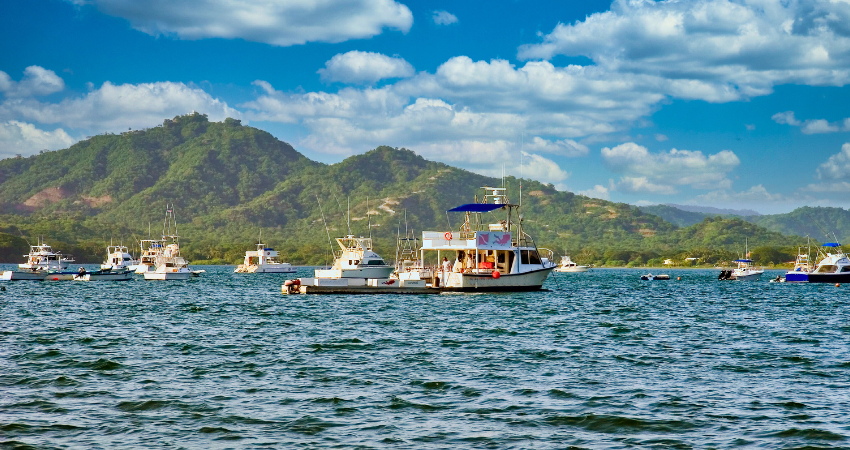
Costa Rica diving is not a single experience. It is a handful of them, spread across two coasts and an offshore island that takes thirty six hours to reach. The Pacific gives you currents and big animals and the kind of dives that raise your heart rate. The Caribbean gives you reefs and seahorses and the chance to slow down. Cocos gives you hammerheads by the hundred and the feeling that you have travelled somewhere most divers never go.
The question is not whether Costa Rica has world class diving. It does. The question is which of these best places to dive in Costa Rica fits what you want. That is what this article was built to help you figure out.
Check the data. Look at the seasons. Think about whether you want a liveaboard crossing or a morning boat run from a resort. Then, pick your site and go, because the water here is waiting, and it does not care how long you take to make up your mind.
Frequently Asked Questions About Best Diving in Costa Rica
How long is the boat ride to Cocos Island?Divebooker Team2026-02-27T16:20:59+00:00The Cocos Island crossing takes 36 hours each way from the mainland port of Puntarenas. This is open ocean travel, so seasickness medication is strongly recommended. Liveaboard trips run 10 or 11 days total, with 3 to 4 dives daily once you arrive. The journey is part of the experience, but you need to prepare for it.
Can beginners scuba dive in Costa Rica?Divebooker Team2026-02-27T16:20:10+00:00Absolutely. The best places for beginners in Costa Rica are Cahuita on the Caribbean side and Caño Island from Drake Bay. Both offer mild currents, warm water and shallow depths. Catalina Islands also accommodates newly certified divers with guides. Bat Islands and Cocos Island require advanced certification and experience. Most operators offer Discover Scuba programs for first timers.
How much does it cost to scuba dive in Costa Rica?Divebooker Team2026-02-27T16:17:33+00:00How much it costs to scuba dive in Costa Rica varies by location. Local two tank dives from $90 to $160 at the best dive places in Costa Rica. A Cocos liveaboard runs $5,000 to $7,500 for 10 days, plus the park fee in cash.
What is the best time of year to dive in Costa Rica?Divebooker Team2026-02-27T16:17:07+00:00It depends on which coast you choose. The best time of year to dive in Costa Rica on the Pacific side is December through April, when seas are calmest and visibility peaks. For bull sharks at Bat Islands, aim for May through November. On the Caribbean side, September and October offer the calmest conditions for Cahuita. If you are planning a Cocos Island liveaboard, visibility is best December to April but hammerheads are present year round.