When planning diving in June, you’ll find it’s a month of transition in the diving world, time that offers the best of several seasons. As the weather patterns shift across the globe, they create a series of unique windows for divers to witness some of the ocean’s most spectacular events.
Cooler currents bring nutrients-rich waters to the Southern Hemisphere while Southeast Asia enters its dry season characterized by calmer, clearer surface conditions.
June diving destinations provide a rare opportunity to witness massive pelagic migrations and explore historic wrecks in excellent visibility.
Whether you prefer the luxury of a remote liveaboard or the convenience of a shore-based resort, June offers access to some of the most compelling dive experiences of the year. To take advantage of the best deals, explore the liveaboard special offers available at Divebooker.
Let’s dive into six of the best places to scuba dive in June.
1. Great Barrier Reef, Australia: The Dwarf Minke Whale Encounter
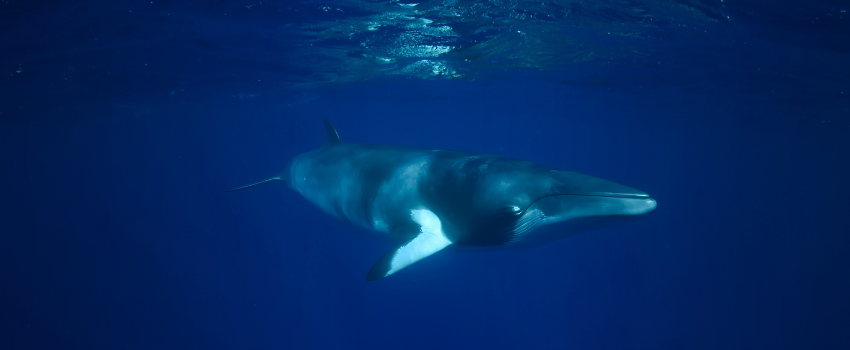
June offers the world’s only predictable window to encounter the elusive Dwarf Minke whale.
These baleen whales, which can reach up to eight metres in length and weigh up to six tonnes, migrate from Antarctica to the northern Great Barrier Reef every winter. Unlike other marine life encounters that require tracking, these mammals are famous for initiating contact and may remain alongside divers for several hours.
While the minkes take the spotlight, the Ribbon Reefs offer remote wall dives and rich coral formations, and humpback whales can be seen passing through the region as part of their annual migration. Water temperatures hover around 24°C (75°F), requiring a 5mm wetsuit for multiple dives. As Australia moves into its winter season, visibility frequently exceeds 30 metres, creating perfect conditions for spotting large pelagics.
- Pro Diver’s Tip: This is one of the few places where “passive interaction” is key. Minkes are attracted to boat noise and bubbles, so the best encounters often happen when you simply hang on a surface line and let the whales choose to approach you.
2. Galápagos Islands, Ecuador: The Start of Whale Shark Season
June marks the beginning of the “Garúa” season in the Galápagos Islands, a cool , misty period driven by the Humboldt Current and southeast trade winds. For a detailed breakdown of seasonal conditions and marine life activity, see Best Time to Scuba Dive in the Galápagos Islands.
While the highlands often see light drizzle or fog, coastal and dive areas enjoy excellent visibility, and the upwelling of nutrient-rich water fuels plankton blooms that attract large marine life.
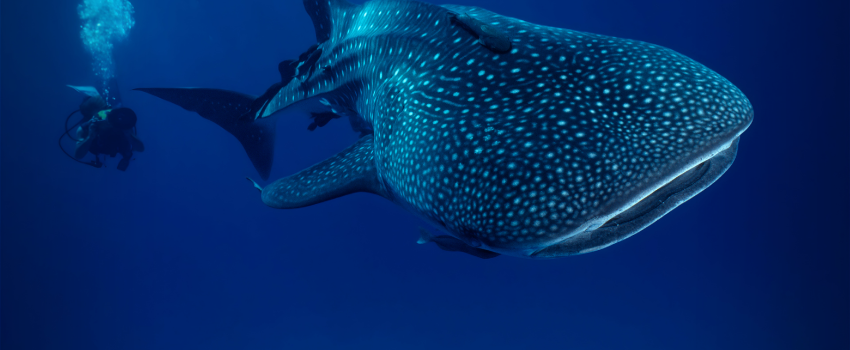
This shift in season marks the official beginning of whale shark season, with the first large, often pregnant, female whale sharks arriving at the northern islands of Darwin and Wolf.
As the water temperatures drop to a brisk 18–23°C (64–73°F), the marine action intensifies. Divers can expect spectacular pelagic encounters, including massive schools of scalloped hammerheads schooling in “tornados” and curious Galápagos sharks patrolling the dive sites. For a deeper look at dive sites, conditions, and what to expect, see our Ultimate Guide to Galápagos Diving.
- Pro Diver’s Tip: Don’t be fooled by the equatorial sun. The thermoclines are real and make the water cold. Pack a 7mm wetsuit and a hooded vest with gloves to stay warm during your dives and to enjoy the schools of hammerheads or the massive whale sharks.
3. Maldives: Baa Atoll & The Manta “Cyclone”
While the Maldives is a year-round diving destination, a dramatic shift happens for diving in June in the central atolls.
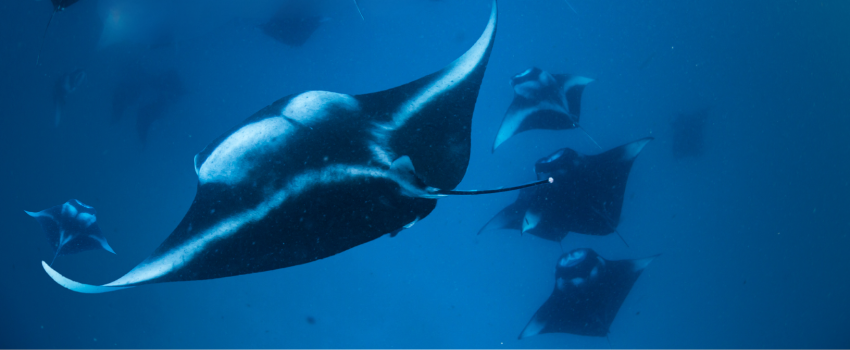
During this period, the currents funnel massive amounts of plankton into Hanifaru Bay, a UNESCO Biosphere Reserve in Baa Atoll.
This creates a dense food source that attracts large aggregations of manta rays. This phenomenon, often described as a manta “cyclone”, see hundreds of mantas spiralling and filtering plankton with their open mouths. Whale sharks often join in the feast.
While diving is not permitted inside the bay itself to protect the site, snorkelling here is a world-class experience. For scuba divers, the surrounding sites like Dharavandhoo Thila offer incredible drift dives and cleaning stations.
Expect warm waters between 27 and 29°C (81–84°F). Visibility may drop to 15-20 metres, but as the locals say, lower visibility usually means more plankton and therefore more mantas.
- Pro Diver’s Tip: Time your trip with the moon. Manta activity in Hanifaru Bay peaks around the full and new moon phases when tidal currents are the strongest, and plankton is swept into the bay most efficiently. Planning your trip around these lunar cycles can increase your chances of spectacular encounters.
4. Komodo National Park, Indonesia: The Best of Both Worlds
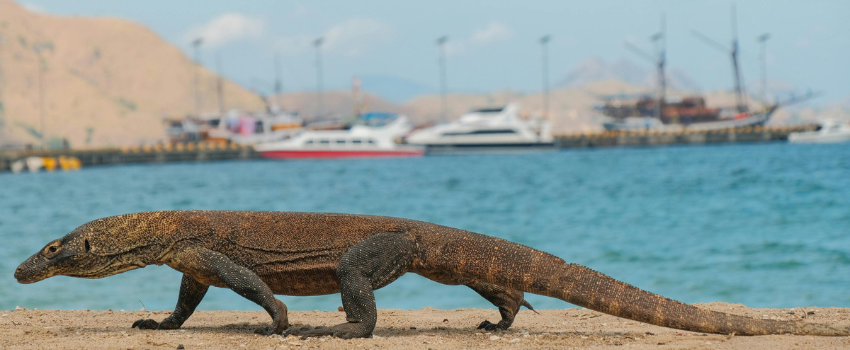
June is widely considered one of the best months to dive in Komodo National Park, because it sits at a seasonal transition that offers access to both the northern and southern dive areas under favourable conditions. It marks the start of the dry season, offering calmer seas, clearer skies, and fantastic visibility across the park.
You can truly get the best of both worlds:
- In the southern sites (for example, Batu Bolong and Manta Alley), nutrient‑rich upwellings and cleaning stations attract resident manta rays and a wide range of macro and reef life (like at Cannibal Rock).
- In the northern sites (such as Castle Rock and Crystal Rock), strong currents deliver dynamic drift dives teeming with sharks, large pelagics like dogtooth tuna, and massive schools of jacks and trevally.
To understand how to navigate these differing conditions, see our expert breakdown of the best dive sites in Komodo North and South.
And, of course, the legendary Komodo Dragons are waiting for you during the surface intervals. Water temperatures vary between the park´s regions: the northern sites tend to be warmer at 26–28 °C (79–82 °F), while the southern sites are cooler at 23–26 °C (73–79 °F) due to nutrient-rich upwellings. Visibility typically ranges from 20–35 metres, offering excellent conditions for observing the park’s rich pelagic life.
- Pro Diver’s Tip: Komodo is synonymous with “drift diving,” and the currents in June can be fierce. If you are booking one of the many Komodo liveaboards, ensure your buoyancy skills are sharp, as these sites often require quick descents to reach the sheltered “sweet spots” behind the reefs. Also pack layers and wetsuits to accommodate the difference in water temperatures between the north (Flores Sea) and the south (Savu Sea).
5. Sea of Cortez, Mexico: The Mobula Migration
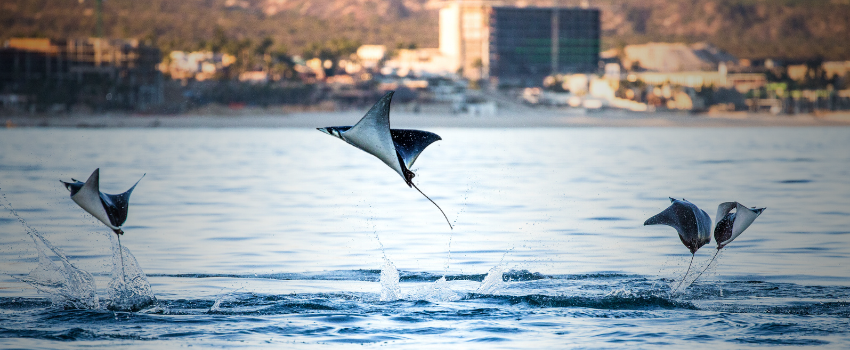
June is a standout month in the Sea of Cortez, often dubbed as the “world’s aquarium” for its extraordinary diversity of marine life. This period marks a transition into summer, water temperatures rise toward 27°C (80°F) and visibility frequently reaches its annual peak of 20-25 metres. It is the ideal season for a Sea of Cortez summer getaway.
The primary draw this month is the breathtaking migration of thousands of mobula rays. These rays congregate in massive schools and are frequently seen breaching high above the water’s surface. Near La Paz, June also signals the arrival of the first whale sharks of the summer season. This offers reliable opportunities to swim with these gentle giants from boat or snorkel platforms in relatively calm conditions. For a complete seasonal breakdown of what to expect, read our month-by-month guide to diving the Sea of Cortez.
- Pro Diver’s Tip: While the reef life is excellent year‑round, June is a month where the biggest surprises often happen in the open water. Pods of orcas are known to follow the mobula ray migration, and lucky divers may witness these apex predators in action. When moving between sites on Sea of Cortez liveaboards, keep your camera ready. The typically calm, glass‑like surface in June makes it easier to spot dorsal fins or splashing rays at a distance.
6. Marshall Islands (Bikini Atoll): A WWII Wreck Odyssey
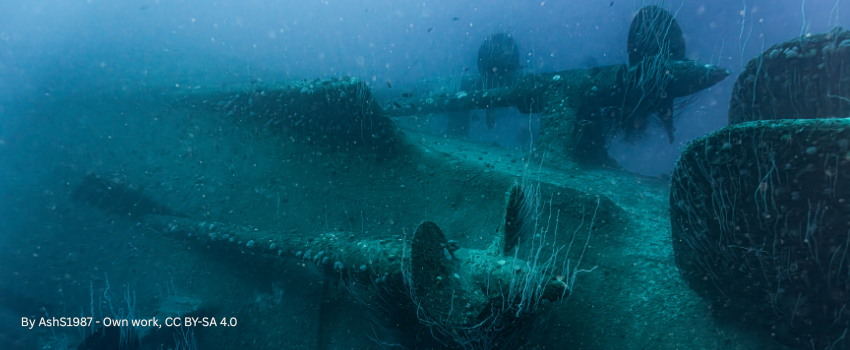
For technical divers with a passion for history, June represents the peak of the short, exclusive season to visit Bikini Atoll in the Marshall Islands.
This destination is truly as remote as it gets, and visiting in June ensures the calmest surface conditions for the long crossings required to reach the atoll (27 hours). The lagoon offers one of the world’s most significant collections of WWII wrecks, remnants of Operation Crossroads, the 1946 atomic bomb tests. Divers can explore legendary wrecks such as the USS Saratoga, an aircraft carrier longer than the Titanic, the IJN Nagato, the Japanese battleship from which the attack on Pearl Harbor was commanded, and other destroyers, battleships, submarines and transport vessels.
Most wrecks lie at 45–55 metres (150–180 ft), making this strictly a technical diving destination.
- Pro Diver’s Tip: Diving here requires proper technical training (trimix, deep wreck, or extended range and ideally on CCR), experience with decompression procedures, and careful planning. Because medical facilities are distant, dive conservatively and have comprehensive insurance. If you are a recreational diver looking for similar history at shallower depths, consider looking into our Egypt liveaboard options to explore the SS Thistlegorm instead.
Interesting Insider Insight: The “Hidden” June Spawning
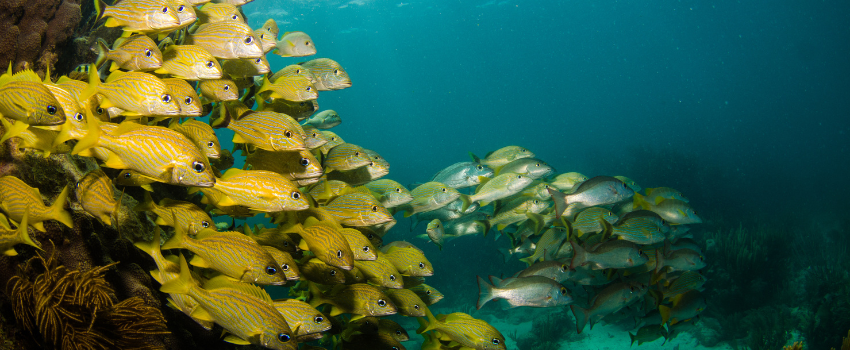
While the big-name pelagics and destinations get all the glory, divers in the know know to look for smaller, seasonal events that are as spectacular.
Around the June full moon, the Mutton Snapper aggregates to spawn at Gladden Spit in Belize.
This massive spawning event doesn’t just attract snapper; it creates a feeding frenzy that draws in Bull Sharks, Caribbean Reef Sharks, and even the occasional Whale Shark. It’s a high-action window that many casual divers overlook, providing a uniquely intense Caribbean diving experience.
Frequently Asked Questions about June Diving
June is a unique “shoulder” month that offers great value. It marks the start of the peak season for the Great Barrier Reef and Indonesia, yet you can often find competitive rates before the busier holiday crowds of July and August arrive. It is the ideal time to secure a spot on popular liveaboards that are usually booked out months in advance.
June is one of the best months to visit the Red Sea. The air temperatures are hot, but the water is comfortable and the sea remains relatively calm. This is the start of the season for schooling hammerhead sharks at offshore reefs like Daedalus and Brother Islands, which are best accessed via Egypt liveaboards.
Because June is a transition month, your kit should be versatile. You might only need a 3mm shorty for the Maldives, but you will certainly require a 7mm wetsuit or semi-dry for the cooler currents in the Galápagos. For a Komodo National Park trip, water temperatures can vary between north and south areas, so packing both a 5 mm and 7 mm wetsuit (or a semi-dry) is recommended.
Technically, the Atlantic hurricane season begins on June 1st. However, the month is typically characterized by calm seas and clear skies, particularly in the Western Caribbean. Destinations such as Belize and Mexico are excellent choices during this window before the more active storm months of August and September arrive.
The Galápagos Islands are a top choice as the season for large, pregnant females begins in the north. Another premier location is the Baa Atoll in the Maldives, where plankton blooms attract both whale sharks and manta rays to shallow lagoons. For more options, check our guide on the best places to swim with whale sharks.