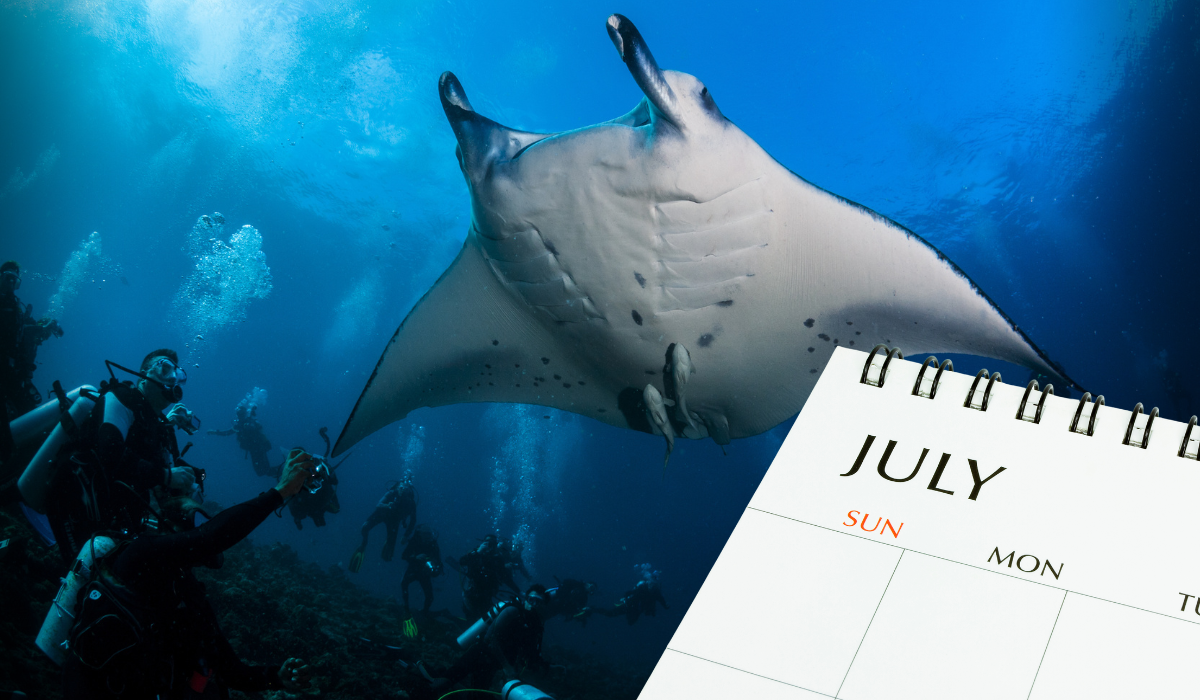
Finding the best scuba diving in July means taking advantage of peak marine migrations and calm summer seas. Whether you want to book a July liveaboard to drift with Indonesia’s giant mantas, encounter schooling hammerheads at Cocos Island, or swim with dwarf minke whales in Australia, this month delivers the world’s most spectacular underwater experiences.
From the remote, big-animal-rich waters of the Socorro Islands to the vibrant reefs of Fiji and the Philippines, this guide explores the top destinations for scuba diving in July. We’ve handpicked locations that offer not only superb visibility and warm water but also the unique seasonal events that make this month truly special.
If you are planning your travel for a different time of year, explore our best places to scuba dive month-by-month guide.
Read on to discover where to find your ideal best diving in July adventure.
At a Glance: Top 10 Best Places to Scuba Dive in July 2026
Planning a July dive trip?
Use this at-a-glance table to compare the best destinations by marine life, water temperature, visibility, and diver experience level.
Whether you’re chasing whale sharks or exploring vibrant reefs, this snapshot helps you find the perfect match for your next July liveaboard adventure.
| Destination | Best For | Water Temp | Visibility | Diver Level |
|---|---|---|---|---|
| Ecuador, Galápagos Islands | Whale Sharks, Hammerheads | 18-24°C (64-75°F) | 15-25m | Advanced |
| Indonesia, Komodo National Park | Mantas, Drift Diving | 26-28°C (79-82°F) | 20-30m | Int/Adv |
| Australia, Great Barrier Reef | Dwarf Minke Whales | 22-24°C (72-75°F) | 15-25m | All levels |
| Maldives, Central Atolls | Mantas, Reef Sharks | 28-30°C (82-86°F) | 20-30m | All levels |
| French Polynesia, Tuamotu Islands | Sharks, Dolphins, Spawning Groupers | 26-27°C (79-81°F) | 30m+ | Advanced |
| Costa Rica, Cocos Island | Hammerhead Schools | 24-26°C (75-79°F) | 15-25m | Advanced |
| Mexico, Socorro Islands | Giant Mantas, Dolphins | 24-27°C (75-81°F) | 25-40m | Advanced |
| Fiji, Namena | Soft Corals, Sharks, Pelagics | 24-26°C (75-79°F) | 30-40m | Int/Adv |
| Philippines, Visayas | Reef Diversity, Macro, Turtles | 27–29°C (81–84°F) | 20–30m | All levels |
| Honduras, Roatan | Eagle Rays, Silversides | 27-28°C (81-82°F) | 20-30m | All levels |
Whether you’re chasing big pelagics, exploring pristine reefs, or looking for beginner-friendly conditions, this July diving calendar gives you a clear snapshot of the world’s top destinations for scuba diving in July.
A Closer Look at July’s Top Dive Destinations
Now let’s take a closer look at each destination. From prime marine life encounters to practical diving conditions, these deep dives give you everything you need to plan your July liveaboard adventure.
Ecuador, Galápagos Islands Diving in July
Why dive the Galápagos in July
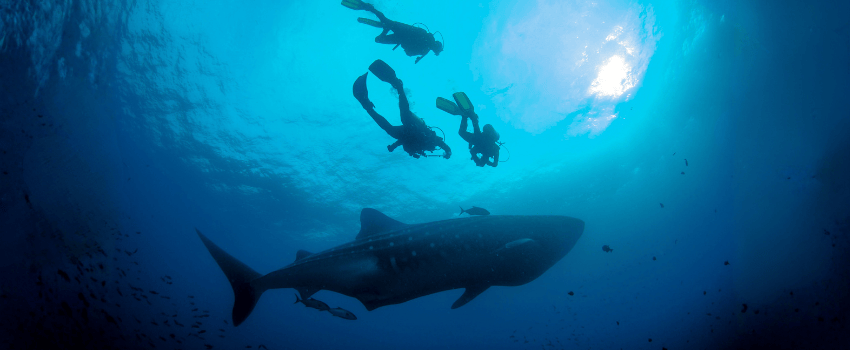
July in Galápagos Islands marks the start of the garúa season, with cool, nutrient-rich waters that attract the first whale sharks of the year to Wolf and Darwin Islands. This is peak time for big animal action, and the misty skies rarely impact underwater visibility.
Marine life highlights
Schooling hammerhead sharks steal the show, with hundreds often seen on a single dive. Whale sharks appear in increasing numbers, while Galápagos sharks, silky sharks, and green sea turtles are common. July also offers chances to spot pods of common dolphins.
Diving conditions
Water temperatures range from 18 to 24°C (64 to 75°F). A 5mm to 7mm wetsuit with a hood is essential. Currents can be strong and unpredictable, and seas can be choppy.
Who it’s for
Advanced divers only. You need solid experience in drift diving and strong currents, plus comfort in cooler waters and potential surge.
Indonesia, Komodo National Park Diving in July
Why dive Komodo in July
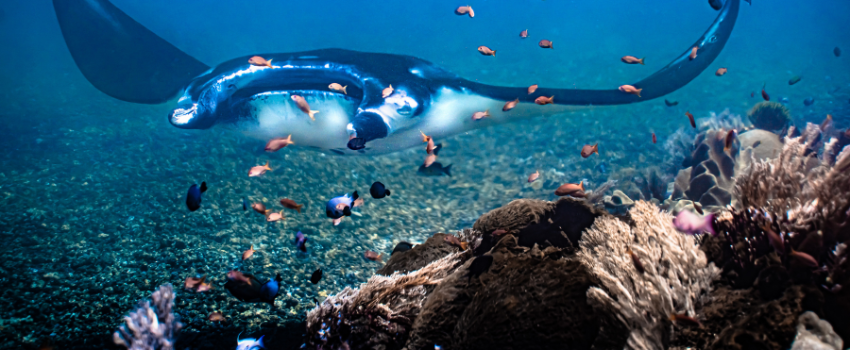
July sits within the peak dry season, bringing calm seas, sunny skies, and excellent visibility. South Komodo sites are accessible, and the famous central sites like Batu Bolong and Castle Rock deliver world-class drift diving.
Marine life highlights
Manta rays are a major draw, gathering at cleaning stations such as Manta Alley and Karang Makassar. Reef sharks, giant trevally, and schools of fusiliers and snapper are abundant. Macro lovers can find frogfish, pygmy seahorses, and nudibranchs on quieter reefs.
Diving conditions
Water temperature averages 26 to 28°C (79 to 82°F) in July in Komodo National Park. A 3mm wetsuit is comfortable, though be aware that temperatures can drop unexpectedly in the south of the park, so packing extra layers is a good idea. Currents range from mild to very strong, requiring attention to briefings and dive guides.
Who it’s for
Intermediate to advanced divers. Drift diving experience is helpful, though some sites are suitable for confident beginners with a guide.
Australia, Great Barrier Reef Diving in July
Why dive the Great Barrier Reef in July
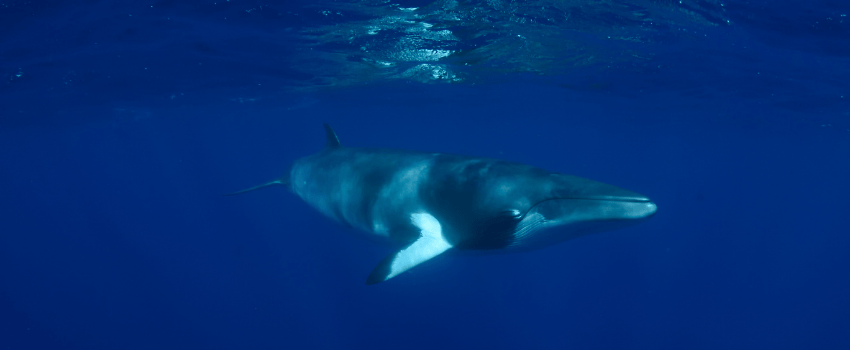
This is the heart of the dwarf minke whale season. The Great Barrier Reef is the only place in the world where these curious, playful whales can be encountered in the water with such high predictability. These curious, friendly whales visit the northern Ribbon Reefs around Lizard Island from June through July, offering unique in-water encounters. Winter also brings low rainfall, calm seas, and excellent visibility at the Great Barrier Reef.
Marine life highlights
Dwarf minke whales are the headliners. They often circle divers for extended periods. Beyond whales, expect healthy coral gardens, sea turtles, reef sharks, and a dazzling array of tropical fish. Night dives reveal sleeping turtles and bioluminescent displays.
Diving conditions
Water temperatures are 22 to 24°C (72 to 75°F). A 5mm wetsuit is recommended. Conditions are generally mild, with occasional gentle currents.
Who it’s for
All levels. Many liveaboards cater to beginners, with dedicated guides and shallow dive options. The minke whale experience is typically snorkel-based and open to confident swimmers.
Maldives, Central Atolls Diving in July
Why dive the Central Atolls in July
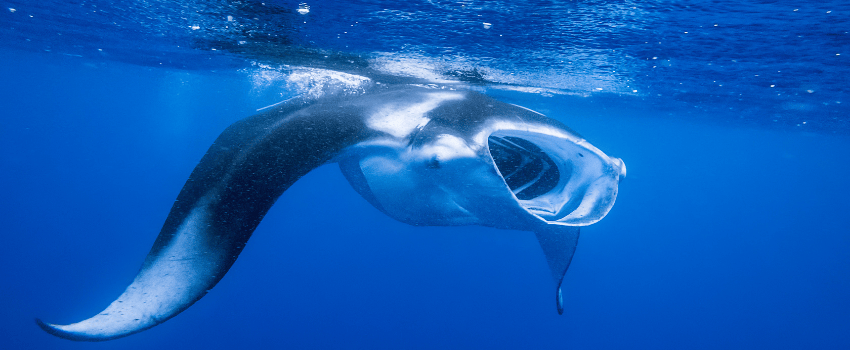
The southwest monsoon brings plankton-rich waters to the western side of the Central Atolls, triggering a feeding frenzy for manta rays. Baa Atoll, a UNESCO Biosphere Reserve, is at its best, with Hanifaru Bay offering one of the world’s most concentrated manta ray gatherings.
Marine life highlights
Hundreds of reef manta rays and occasional oceanic mantas feed in protected bays. Whale sharks are also sighted regularly. Reefs teem with hawksbill turtles, moray eels, and colourful soft corals.
Beyond the manta rays, find out what makes diving in the Maldives unforgettable in our deep-dive guide to the archipelago.
Diving conditions
Water temperatures are warm at 28 to 30°C (82 to 86°F). A 3mm wetsuit or rash guard suffices. Visibility typically ranges from 20 to 30 metres. Currents vary; channel dives can have moderate to strong flow.
Who it’s for
All levels. Beginner-friendly sites are abundant, though manta-viewing at Hanifaru Bay is a snorkel-only experience best suited for strong swimmers.
French Polynesia, Tuamotu Islands Diving in July
Why dive French Polynesia in July
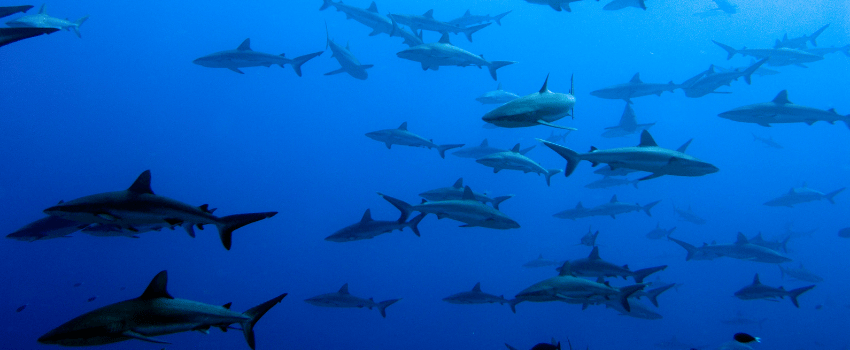
July is the dry season in French Polynesia, Tuamotu Islands offering clear skies, excellent visibility, and the beginning of the humpback whale migration. However, the absolute biggest draw for divers in July is the spectacular annual marbled grouper spawning in Fakarava’s South Pass. This incredible natural phenomenon aligns with the full moon in June or July and attracts hundreds of grey reef sharks to the channel, creating a world-famous “wall of sharks” that is unlike anything else on Earth.
Marine life highlights
Prepare for heavy shark action, particularly hundreds of grey reef sharks in Fakarava and silvertip sharks in Rangiroa. You can also expect to see resident bottlenose dolphins riding the currents of the Tiputa Pass, massive schools of spawning marbled groupers, manta rays, and the first arriving humpback whales of the season around Tahiti and Moorea.
Diving conditions
Water temperatures cool slightly in the southern winter to a comfortable 26 to 27°C (79 to 81°F), making a 3mm or 5mm wetsuit ideal. Visibility is pristine, routinely exceeding 30 metres (100 feet). The signature pass dives are characterized by strong, incoming tidal currents that make for fast-paced drift diving.
Who it’s for
Advanced divers. While the shallow inner lagoons are calm enough for beginners, the legendary drift dives through the reef passes of Fakarava and Rangiroa require solid buoyancy control, quick descents, and experience in strong currents.
Costa Rica, Cocos Island Diving in July
Why dive Cocos Island in July
Recognized for its global conservation value, Cocos Island National Park is a UNESCO World Heritage site known for its unique volcanic marine ecosystem.
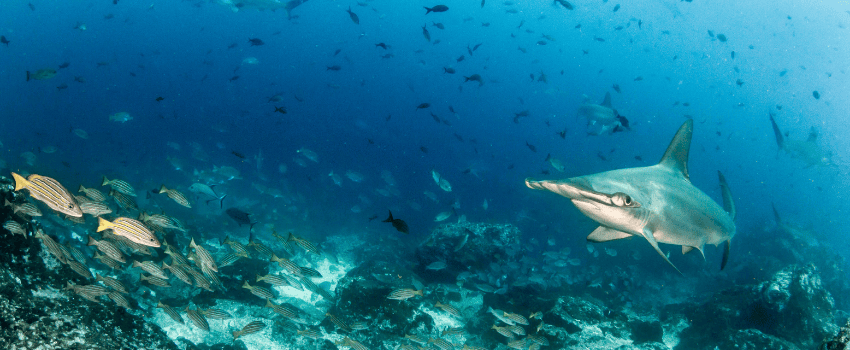
July falls within the green season (rainy season) at Cocos Island, mirroring the conditions found in the Galápagos. While this means crossings can be choppier and underwater visibility is generally lower than in the dry season, these nutrient-rich conditions are exactly what attract the massive schools of hammerheads the island is famous for. This remote Pacific island is accessible only by liveaboard, and July in Cocos Island offers some of the best conditions for encountering schooling hammerheads at sites like Alcyone and Bajo Dos Amigos.
Marine life highlights
Massive schools of scalloped hammerhead sharks are the main attraction. Silky sharks, whitetip reef sharks, and occasional tiger sharks patrol the waters. Mantas, dolphins, and sea turtles are frequently encountered.
Diving conditions
Water temperatures sit at 24 to 26°C (75 to 79°F). A 5mm wetsuit with hood is recommended. Currents can be strong, and surge is common at many sites.
Who it’s for
Advanced divers. You should be comfortable with negative entries, strong currents, and blue water ascents.
Mexico, Socorro Islands Diving in July
Why dive the Socorro Islands in July
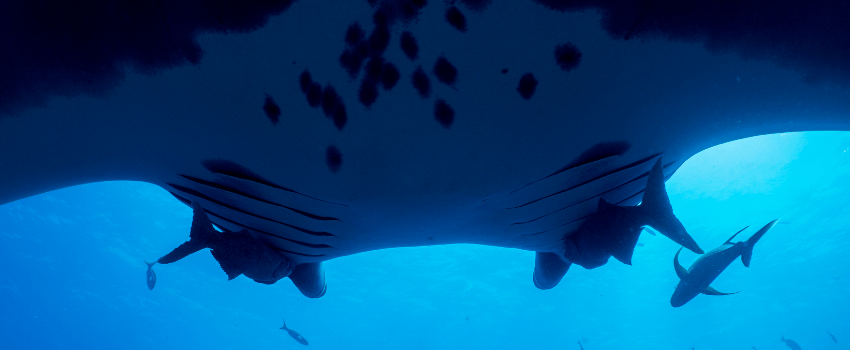
July offers prime conditions in the Revillagigedo Archipelago, serving as peak manta mania season. This is the time for consistent encounters with giant oceanic manta rays and whale sharks, which frequently interact with divers. While humpback whales typically arrive in the first three or four months of the year, July provides excellent visibility in Socorro Islands. Seas are generally calm, though as the region moves into the shoulder season, conditions can occasionally get swelly.
Marine life highlights
It is peak manta mania season, and you also have a great chance of seeing whale sharks at this time too. Schools of silky sharks, hammerheads, and friendly bottlenose dolphins are common sights. Galápagos sharks and whitetip reef sharks round out the pelagic action that makes these islands a world-class destination.
Diving conditions
Water temperatures range from 24 to 27°C (75 to 81°F). A 5mm to 7mm wetsuit is advised. Currents vary from mild to strong, and most dives are deep, blue-water drifts.
Who it’s for
Advanced divers only. Experience in current diving and comfort with deep open water are essential.
Fiji, Namena Diving in July
Why dive Namena in July
July falls within Fiji’s dry season, with cooler but comfortable temperatures and reliable visibility. Namena Marine Reserve is a premier site, offering pristine reefs and regular pelagic action away from crowds.
Marine life highlights
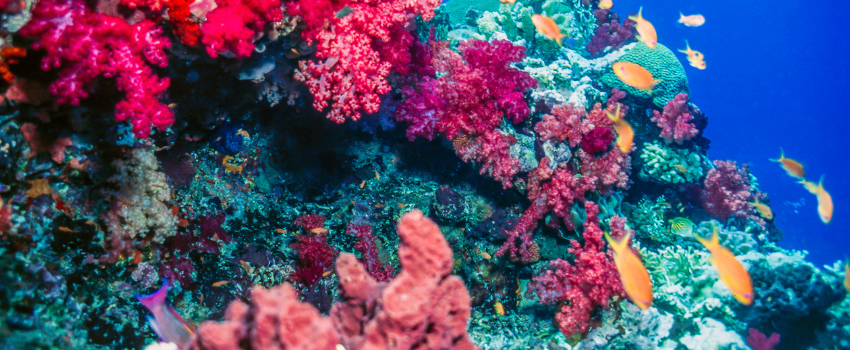
Soft corals are the signature of Namena, covering walls and bommies in vibrant colours. Sharks are abundant, including whitetip and grey reef sharks. Schools of barracuda, jacks, and Spanish mackerel pass through, and sightings of manta rays and eagle rays are common.
Diving conditions
Water temperatures average 24 to 26°C (75 to 79°F). A 3mm to 5mm wetsuit is recommended. Visibility often exceeds 30 metres. Currents can be moderate to strong, especially on pinnacle sites.
Who it’s for
Intermediate to advanced divers. Drift diving experience is beneficial, though many sites are suitable for confident intermediates with a guide.
Philippines, Visayas Diving in July
Why dive the Visayas in July
While July is technically the monsoon season in the Philippines, the Visayas remain one of the best choices for this time of year because they are much more sheltered from heavy weather than offshore reefs. Destinations like Cebu, Bohol, and Malapascua offer high-quality diving with a “low season” reputation that means fewer crowds on the reefs. Because hurricane seasons have shifted later in the year, the risk of major storms in July is significantly reduced, making the region’s calm, warm waters a reliable pick.
Marine life highlights
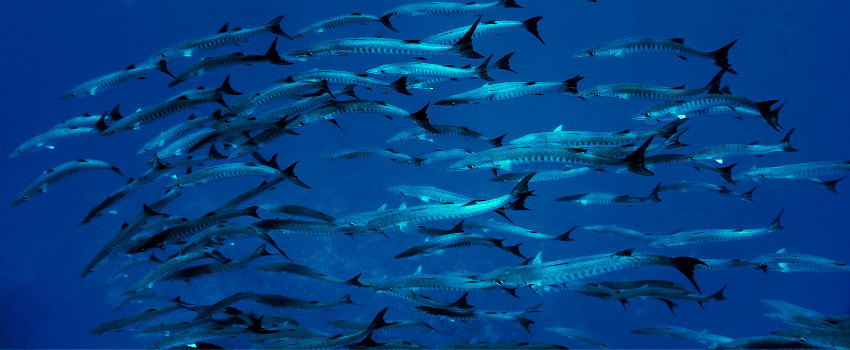
Expect incredible reef diversity, including frequent sightings of sea turtles, schools of jacks, and barracuda. Malapascua remains a top spot for thresher sharks, while the reefs of Moalboal are famous for their massive sardine schools. Macro enthusiasts will find a wealth of cryptic critters, from frogfish to ornate ghost pipefish, throughout the region’s coral gardens and volcanic black sands.
Diving conditions
Water temperatures are consistently warm, typically ranging from 27 to 29°C (81 to 84°F), so a 3mm wetsuit is usually sufficient. Visibility remains good, often between 20 and 30 metres, as the surrounding islands help keep the waters calm and clear even during the shoulder season.
Who it’s for
The Visayas offer something for every experience level. The gentle slopes and shallow reefs are perfect for beginners and those looking for relaxed dives, while the variety of macro life and occasional deeper walls provide plenty of interest for intermediate and advanced divers.
Honduras, Roatan Diving in July
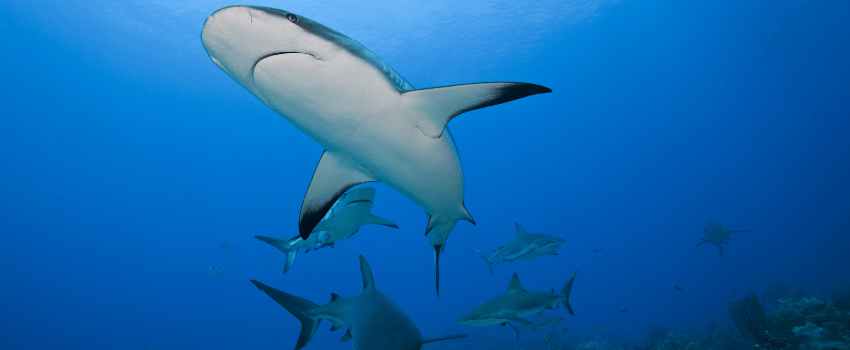
Why dive Roatan in July
July offers some of the calmest seas and clearest visibility of the year in Honduras. Trade winds are mild, making for comfortable boat rides and relaxed diving along the island’s famed wall system.
Marine life highlights
Eagle rays are frequently spotted gliding along the drop-offs. July is also known for the annual silversides aggregation, which draws tarpons and groupers to sites like Mary’s Place and the wrecks. Seahorses, frogfish, and toadfish delight macro enthusiasts.
Diving conditions
Water temperatures are 27 to 28°C (81 to 82°F). A 3mm wetsuit or dive skin is adequate. Visibility averages 20 to 30 metres. Currents are generally mild, though occasional moderate flows occur along the walls.
Who it’s for
All levels. The island offers abundant shore diving, shallow reefs, and professional training facilities, making it ideal for beginners, families, and advanced divers alike.
How to Choose Your July Dive Destination
With so many world‑class options, picking the right July dive trip can feel overwhelming.
To simplify things, we have grouped the top destinations by what matters most to you: big animal encounters, beginner‑friendly conditions, drift diving and macro life, or wreck exploration. Use this guide to zero in on the perfect match for your next July dive trip.
Best for Big Animals
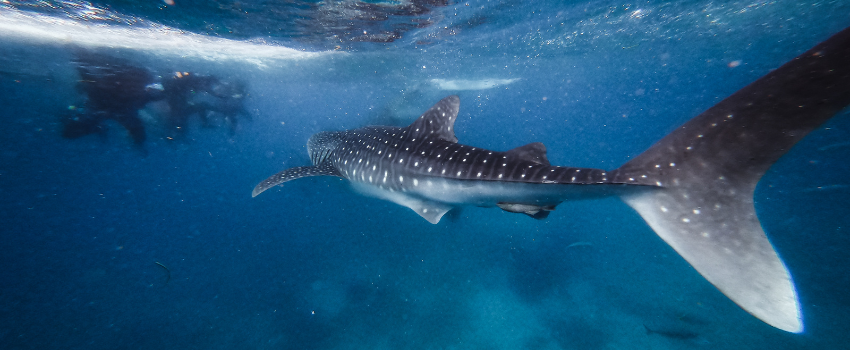
If your goal is to share the water with giants, July delivers.
- Whale sharks and hammerheads – The Galápagos Islands and Cocos Island offer some of the most reliable encounters with schooling hammerheads and the season’s first whale sharks. Both require advanced experience and liveaboard logistics.
- Giant mantas and dolphins – The Socorro Islands are a top choice for interactive giant oceanic mantas and friendly bottlenose dolphins. July also offers calm seas and excellent visibility.
- Dwarf minke whales – The Great Barrier Reef in Australia is the only place where you can have in‑water encounters with these curious, playful whales. A bucket‑list experience for divers and snorkellers alike.
- Shark action and spawning groupers – French Polynesia’s Tuamotu Islands serve up a unique double bill: hundreds of grey reef sharks feeding on spawning marbled groupers in Fakarava’s South Pass. An unforgettable spectacle for advanced drift divers.
Best for Beginners
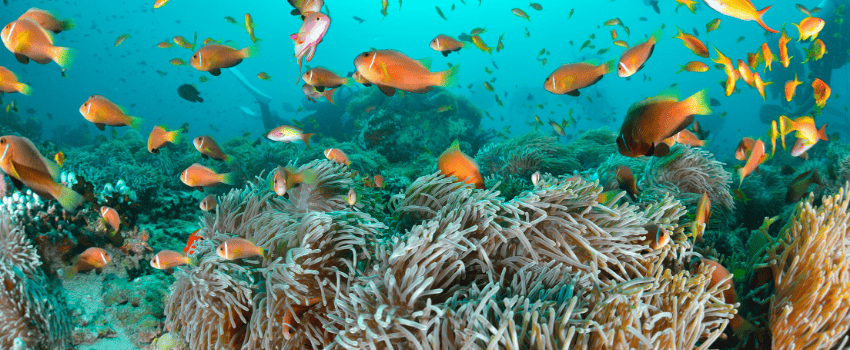
Not all July destinations require years of experience. These spots offer calm conditions, professional guidance, and plenty to see at shallow depths.
- Roatan, Honduras – With mild currents, warm water, and a huge variety of shore and boat diving, Roatan is ideal for new divers. Many resorts offer house reefs perfect for skill‑building.
- Maldives, Central Atolls – Protected lagoon dives and gentle channel reefs make the Maldives a welcoming choice for beginners. Liveaboards and resorts often provide guided dives with personalised attention.
- Great Barrier Reef, Australia – Liveaboards catering to all levels run frequent trips during the minke whale season. Dedicated guides and shallow reef sites ensure a comfortable experience.
Best for Drift Diving and Macro
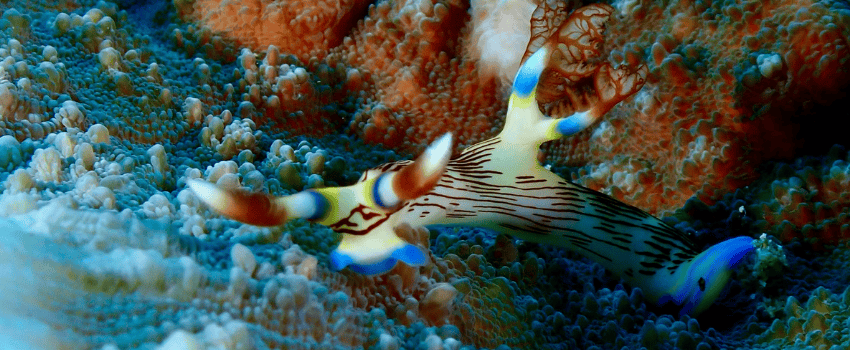
For divers who love the thrill of gliding with the current or searching for tiny critters, these destinations stand out.
- Komodo National Park, Indonesia – The pinnacle of drift diving. Strong, predictable currents sweep you past spectacular reefs, mantas, and schools of fish. At the same time, the park has world‑class macro life, including pygmy seahorses, frogfish, and nudibranchs.
- Namena, Fiji – Drift dives along pinnacles and walls are a highlight, with frequent shark sightings and vibrant soft corals. The marine reserve’s pristine condition means excellent macro opportunities as well.
- Visayas, Philippines – Macro enthusiasts will find endless treasures throughout the region, from frogfish and seahorses in Cebu’s muck diving spots to ornate ghost pipefish and pygmy seahorses in Bohol and Dumaguete. Combine this with the deeper sites of Moalboal, famous for its schooling sardines, and Malapascua with its thresher sharks, and the Visayas is a standout for divers who crave variety.
Best for Wrecks
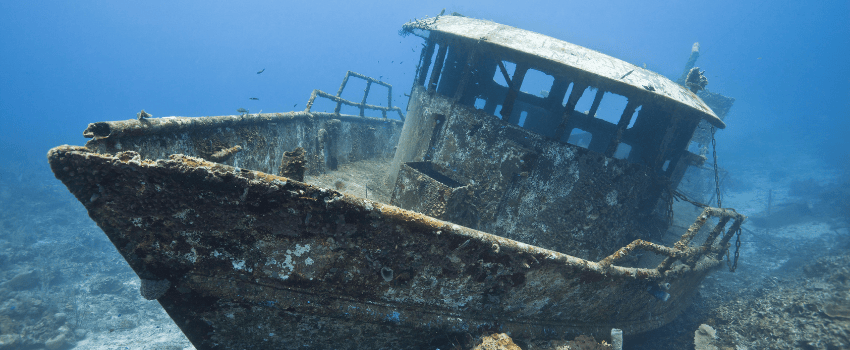
While July is known more for pelagic action than wreck diving, one destination in our lineup offers a unique wreck‑like experience.
Roatan, Honduras – The island is home to several intentionally sunk ships and a historic wreck, such as the Prince Albert. These sites attract schools of silversides in July, which in turn draw tarpons and groupers. The combination of marine life and artificial reefs makes for exciting dives suitable for intermediate and advanced divers.
If none of these categories quite match your wish list, remember that many of the featured destinations offer a mix of experiences. A liveaboard itinerary in Komodo, for instance, can combine big animal encounters, world‑class drift diving, and macro hunting all in one trip.
Planning Your July Dive Trip
Now that you have explored the top destinations for scuba diving in July, the next step is turning inspiration into a booking. Whether you are drawn to the manta rays of the Maldives, the shark action of French Polynesia, or the dwarf minke whales of the Great Barrier Reef, July offers an incredible range of liveaboard itineraries and resort packages to suit every experience level.
At Divebooker, we bring together the world’s best dive operators in one place. You can compare liveaboards by destination, departure date, and price, then book with confidence knowing you are getting competitive rates and expert support. Many of the vessels featured in this guide—from expedition ships to boutique liveaboards—are available through our platform.
To make the most of your July dive trip, we recommend booking early. Peak season destinations like Komodo, Galápagos, and the Socorro Islands often sell out months in advance. Use our search tools to filter by diver level, trip length, and onboard amenities, or contact our team for personalised recommendations.
Ready to plan?
Start exploring July liveaboard deals and secure your spot on one of these world‑class diving adventures today.
Frequently Asked Questions about Diving in July
Yes. July is the peak of dwarf minke whale season on Australia’s Great Barrier Reef. Specialised liveaboards operating out of Cairns and Port Douglas offer in‑water encounters with these curious whales. Trips are typically limited and should be booked well in advance.
July aligns with the marbled grouper spawning in Fakarava’s South Pass, which attracts hundreds of grey reef sharks. In French Polynesia it’s also the start of humpback whale season around Tahiti and Moorea, and the dry season brings excellent visibility and calm seas.
Absolutely. Roatan in Honduras, the Maldives, and the Great Barrier Reef offer calm conditions, shallow reefs, and professional guidance suitable for beginners. Many resorts and liveaboards in these areas cater specifically to new divers.
Yes, July is an excellent month for liveaboards. Many of the destinations featured, including Komodo, the Great Barrier Reef, the Maldives, Socorro Islands, and Cocos Island, are at their best during July. Liveaboards allow you to reach remote sites and maximise dive time. Early booking is recommended as trips fill quickly.
Temperatures vary by destination. Tropical locations like the Maldives, Philippines, and Roatan range from 27 to 30°C (81 to 86°F). Warmer destinations like Komodo and Fiji sit around 24 to 28°C (75 to 82°F). Cooler, big‑animal destinations like Galápagos and Socorro range from 18 to 27°C (64 to 81°F), requiring a 5mm or 7mm wetsuit.
The Galápagos Islands typically see the first whale sharks of the season in July, particularly around Wolf and Darwin Islands. The Maldives also offers good whale shark sightings during the southwest monsoon, especially in the central and southern atolls.