Darwin and Wolf Islands Liveaboard Diving
60% of divers returns to us
Best Darwin and Wolf Islands Liveaboards
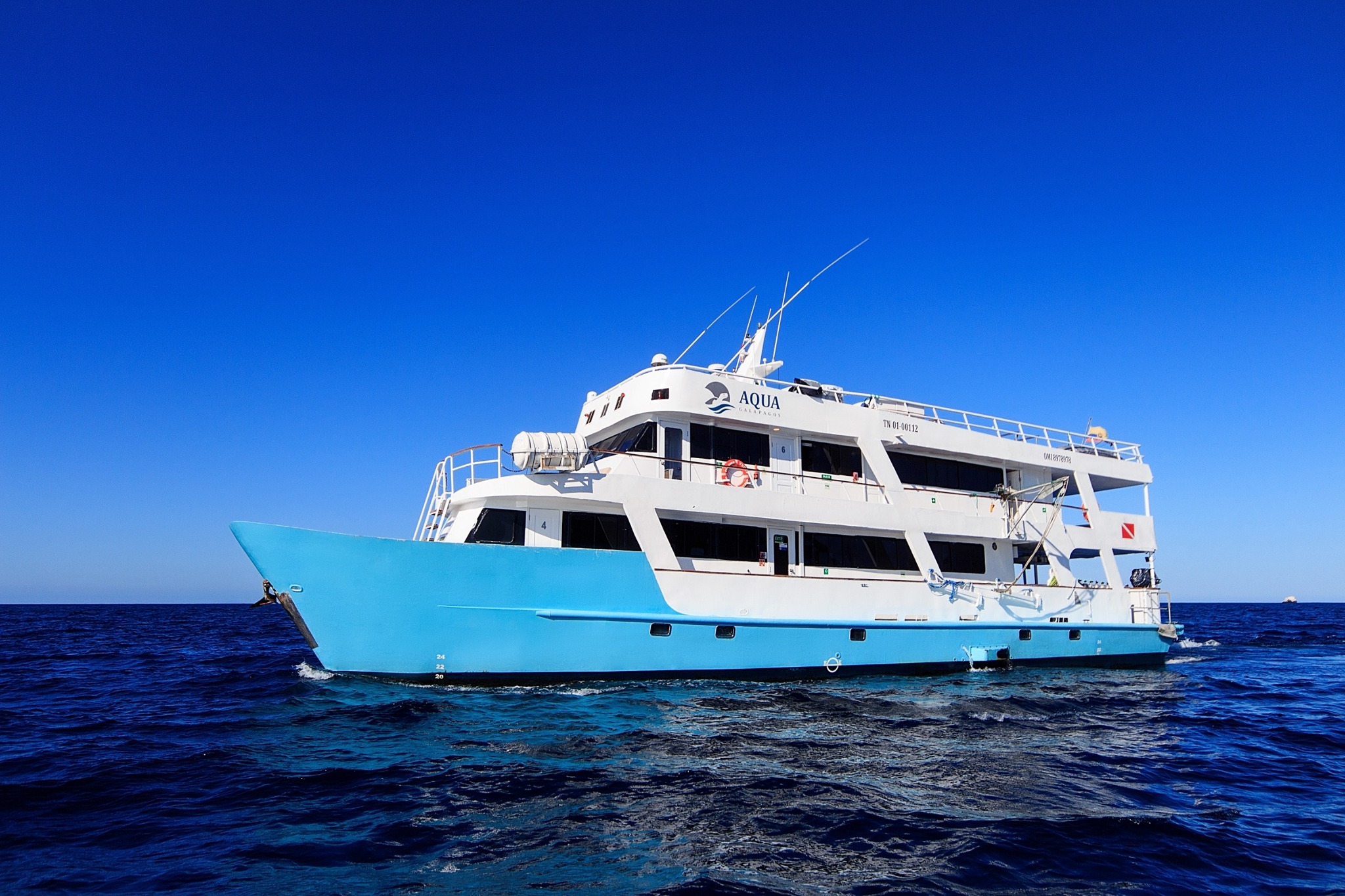 Galapagos Aquafrom
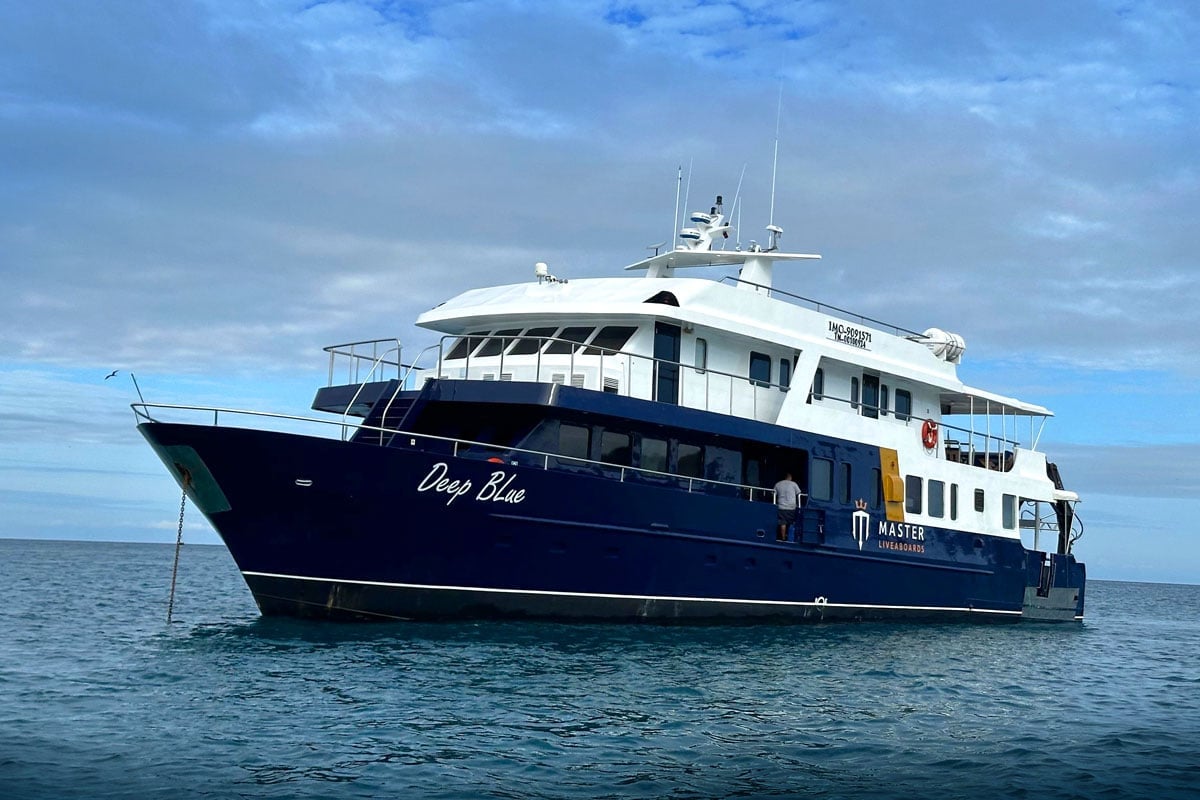 Galapagos Masterfrom
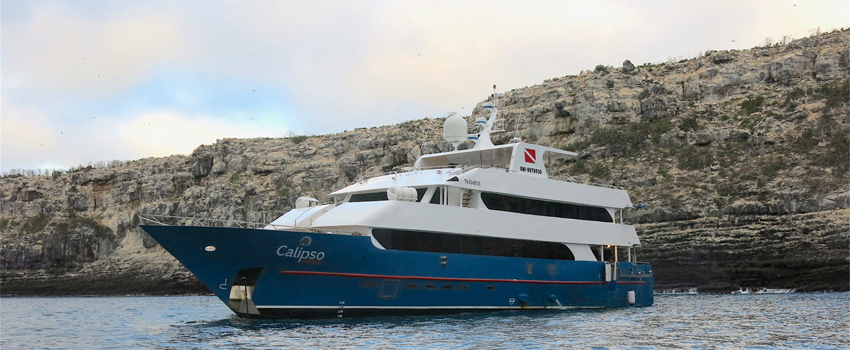 Calipsofrom
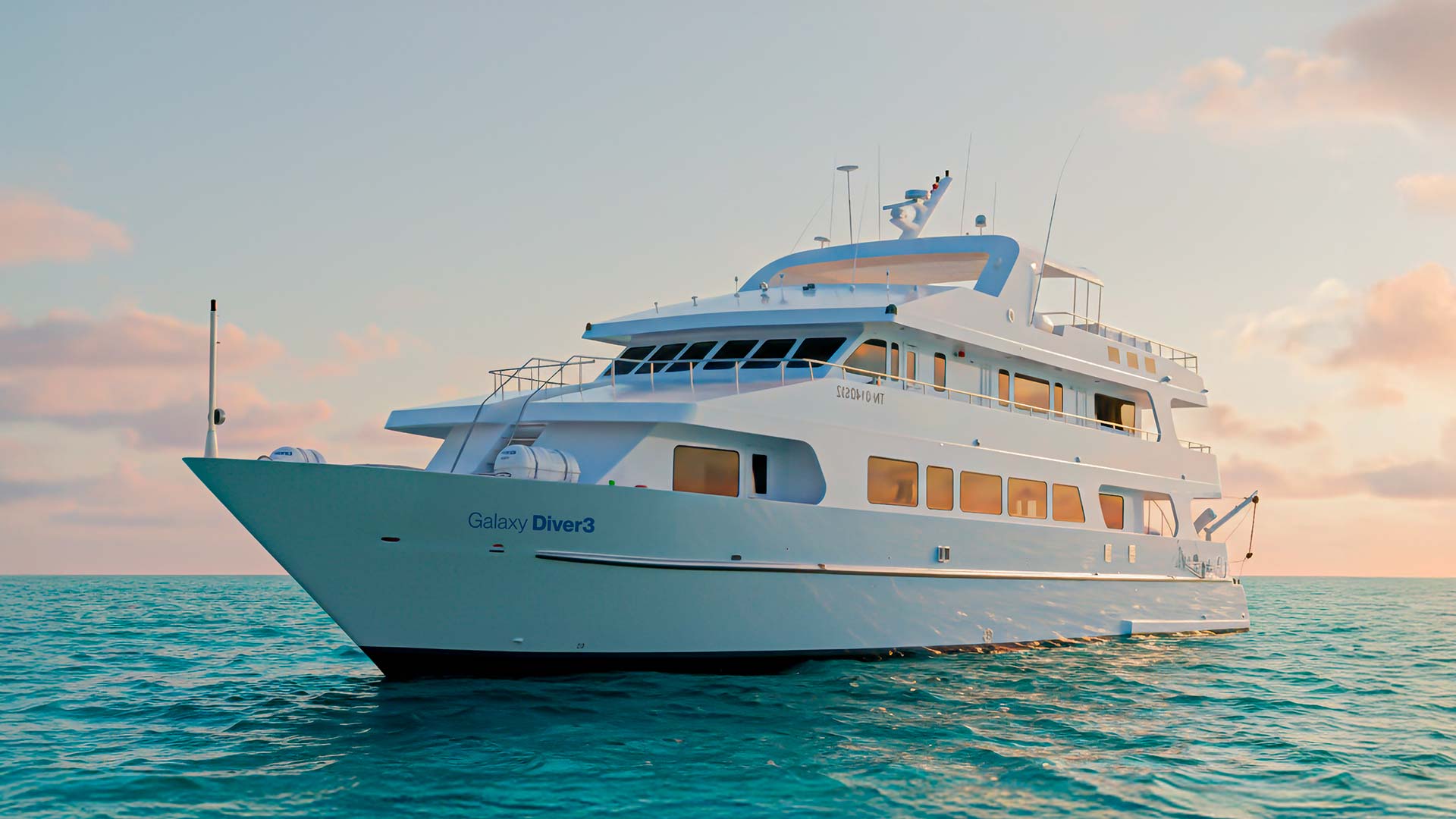 Galaxy Diver IIIfrom
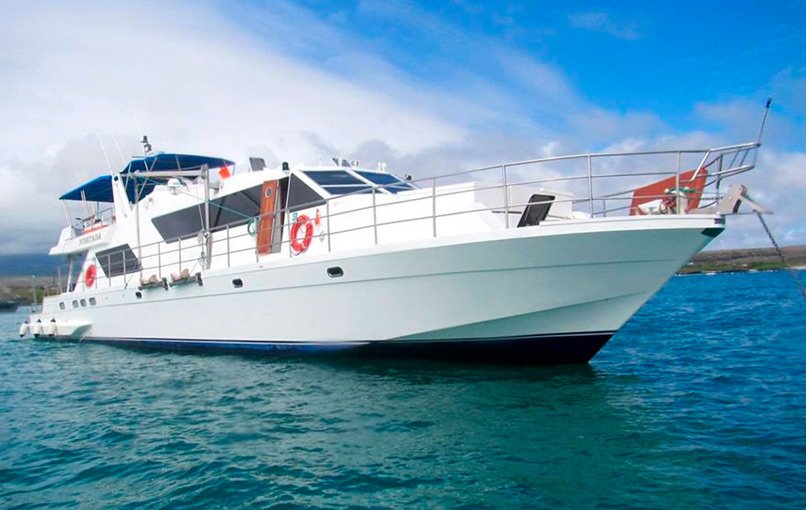 Nortadafrom
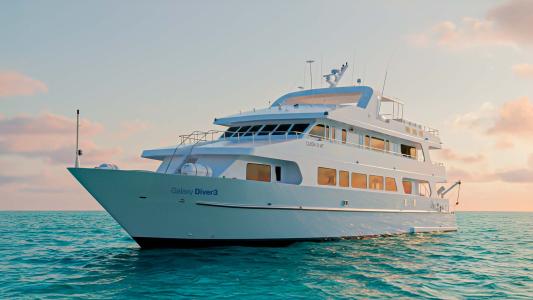
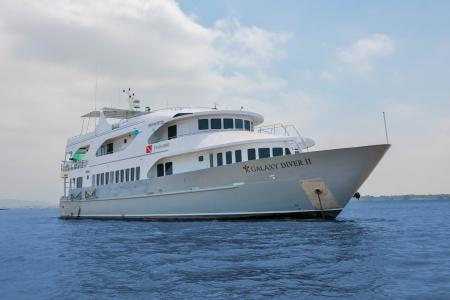
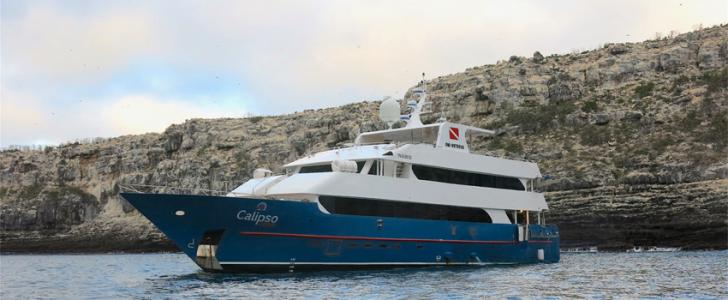
Handpicked Darwin and Wolf Islands Liveaboard Collections

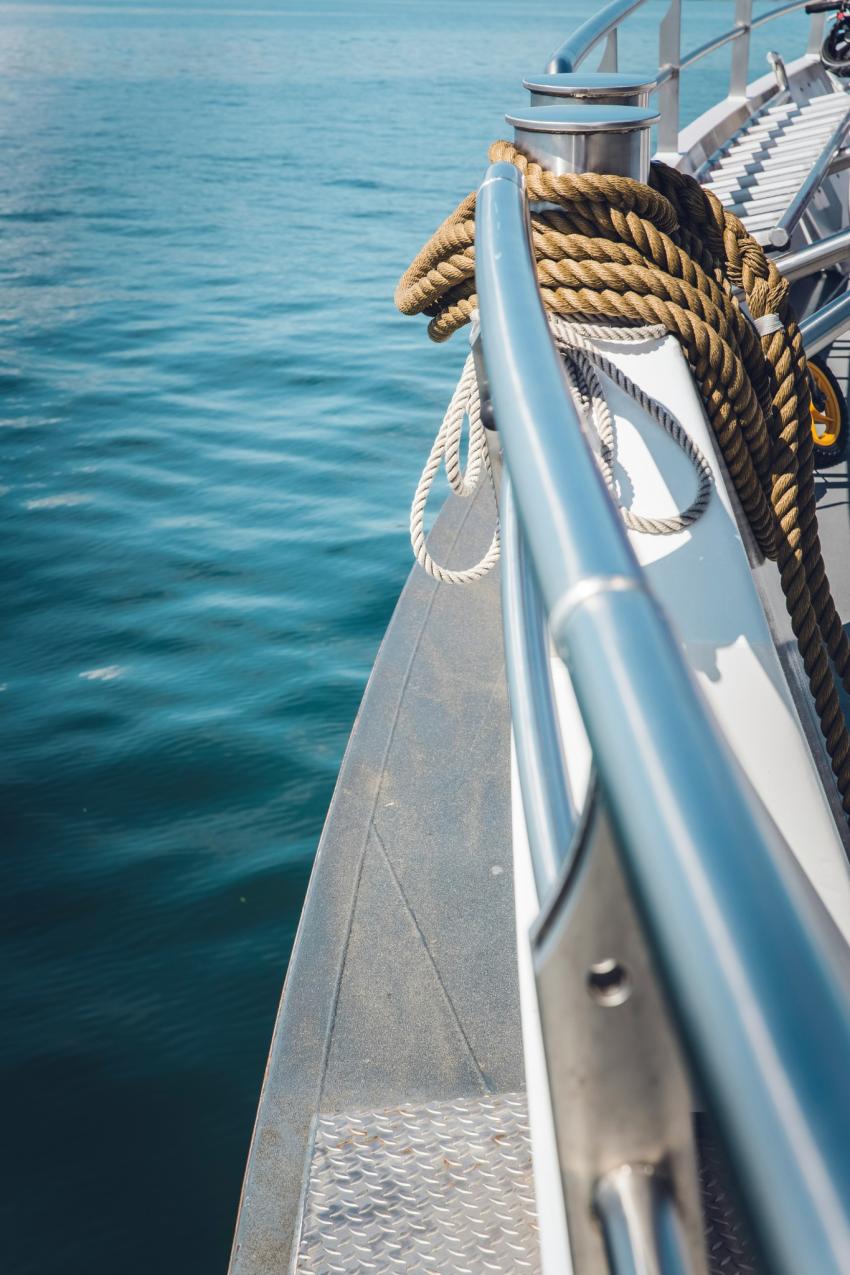

Scuba Diving in Darwin and Wolf Islands
Some destinations feel like they were designed with divers in mind, remote, elemental, and quietly dramatic. Out here, days are shaped by ocean rhythms, and the anticipation that comes with blue-water drop-offs, shifting currents, and that sense of “anything could appear.” It’s the kind of place where you could find yourself scanning the deep between breaths, feeling the temperature change as the reef falls away, then surfacing to wide horizons and a sky that seems to go on forever.
For travellers who love their adventure polished with comfort, the experience can be shaped around a Darwin and Wolf liveaboard journey, long, unhurried days at sea, early starts, and the kind of schedule that turns diving into a way of living rather than a single activity.
Marine life variety
This is a destination that rewards attention. One moment, the dive is all technique, checking positioning, watching buoyancy, reading the current, and the next it becomes pure feeling, the kind that’s hard to explain without smiling. On a scuba liveaboard Darwin and Wolf itinerary, the marine life encounters can feel wonderfully unpredictable: movement in the blue, shapes sliding past at the edge of visibility, and bursts of activity on the reef that make every minute feel earned.
It’s also a place that suits different styles of divers. Photographers can linger over details, timing their shots between current shifts, while wide-angle lovers can focus on the scale of it all, open water, steep faces, and the sense of depth that makes your exhale feel louder. Whether you’re planning a Darwin and Wolf diving liveaboard for pure wildlife moments or a more balanced week with space to rest between dives, the ocean here tends to meet you with variety, not repetition.
Unmatched underwater landscapes
There’s something unmistakable about diving sites where the underwater world doesn’t gently slope; it drops, folds, and disappears into the blue. The seascapes around Darwin and Wolf can feel like a crossroads of ocean energy, shaped by currents that bring life and motion to every level of the reef. A liveaboard Darwin and Wolf trip makes it easier to reach these more exposed areas, where conditions can change from one dive to the next, and the scenery never settles into something predictable.
A Darwin and Wolf dive liveaboard is often chosen for the landscapes as much as the animals. The drama comes from contrast: structured reef edges against open water, quiet moments of stillness followed by sudden motion, and that thrilling sense that the “background” is never just background. On a dive Darwin and Wolf liveaboard, even the surface intervals feel connected to the environment: salt on your skin, sun shifting across the deck, and the soft hum of the boat moving between sites
Must See Darwin and Wolf Islands Dive Sites
Darwin Island
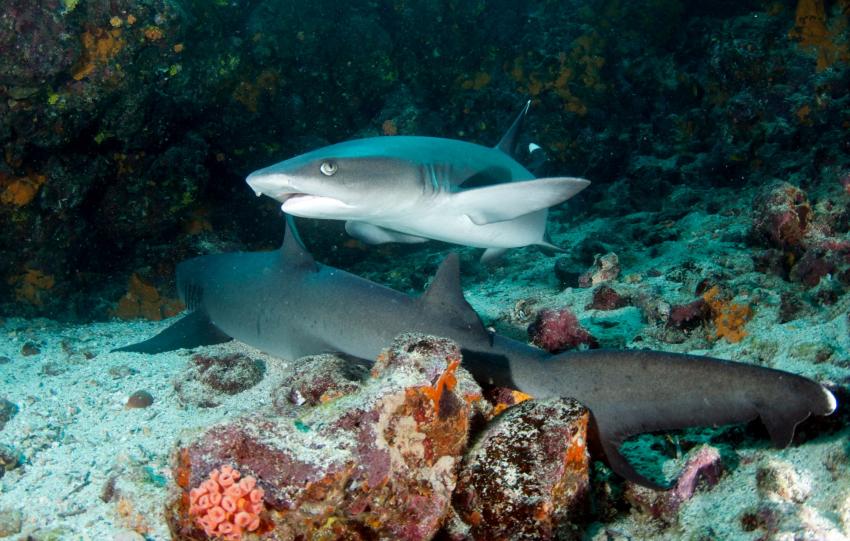
Darwin Island is where a scuba diving Darwin and Wolf liveaboard itinerary starts to feel like the real edge of the archipelago, remote, current-swept, and built for pelagic encounters. Underwater, the terrain is a mix of rocky ledges and open-water drop-offs, with sandy patches that often act like natural gathering points. This is the kind of site where you settle in, tuck close to the structure, and let the blue do the rest.
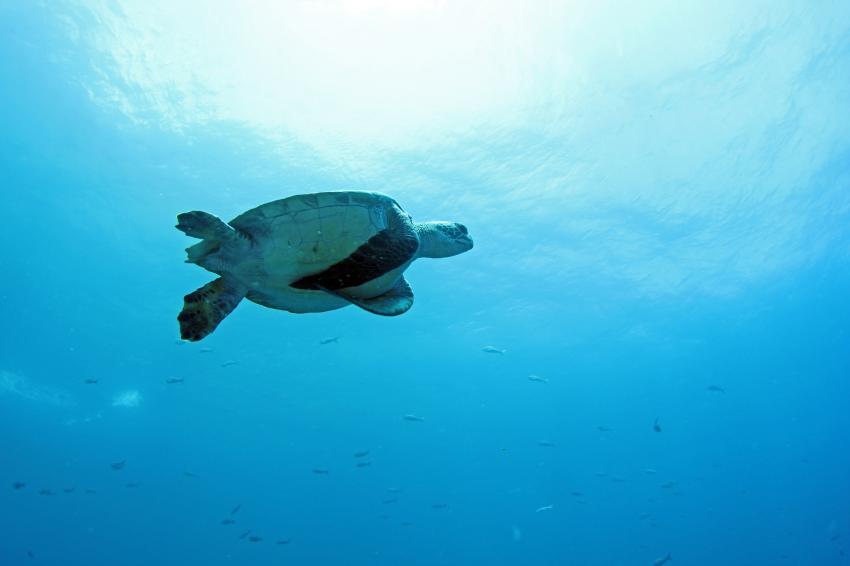
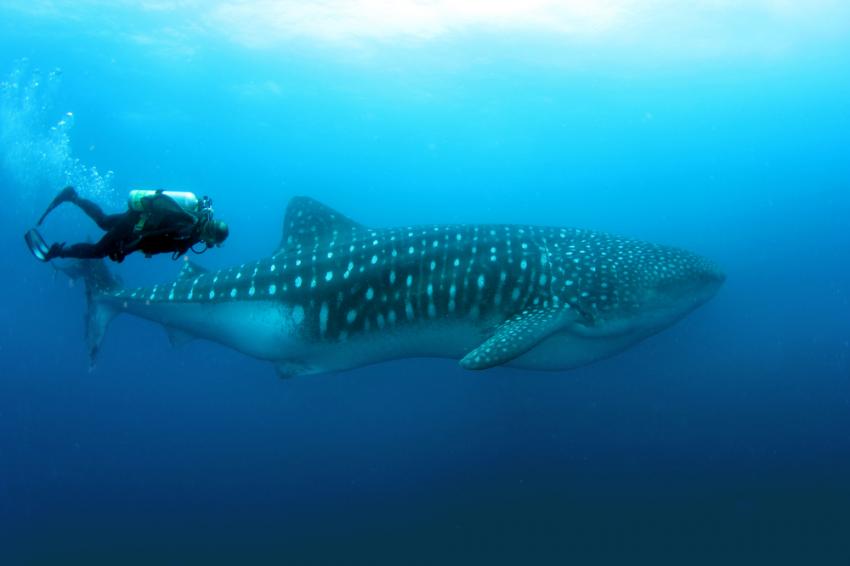
The signature moments here are often written in sharks. Scalloped hammerheads can appear in disciplined formations, circling in and out of visibility, while Galápagos sharks patrol the outer line with that effortless, unhurried confidence. When the timing is right, whale sharks may cruise through like living submarines, and the scene is rounded out by rays, turtles, and rushing schools of jacks and tuna that flash past in the current. For travellers choosing Darwin and Wolf liveaboard boats, Darwin Island becomes the anchor not because it’s dramatic in a loud way, but because it’s intensely focused blue water, big animals, and that feeling that the next pass could be the one you’ll remember most.
Wolf Island
Wolf Island feels closer and more kinetic, a place where the reef line pulls you into the action while the open water keeps demanding your attention. On a liveaboard dive boats Darwin and Wolf route, Wolf is often where dives become beautifully immersive, strong, clean movement in the water, volcanic rock formations, and a sense that the marine life is layered from the reef out into the blue.
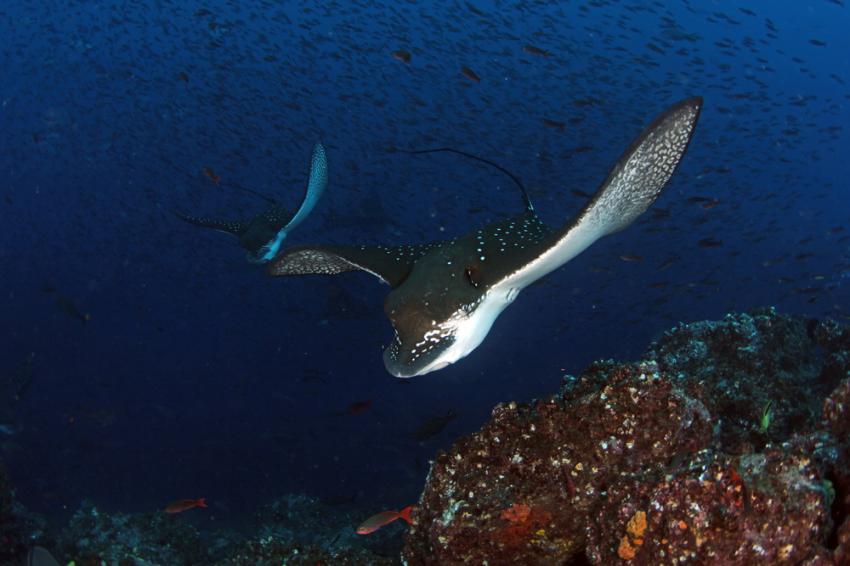
This is classic shark territory, with hammerheads often sweeping through in schools and Galápagos sharks holding their ground along the edges, using the structure like a boundary line. In the gaps and shadows of the boulder-strewn areas, you can catch the quieter details of moray eels tucked into crevices, reef fish clustering near shelter, turtles drifting past as if they have nowhere to be. Then, without warning, the whole scene can shift again: a sudden surge of fish in the water column, rays gliding through the middle distance, and that unmistakable feeling that Wolf is never quite still. It’s exactly why a Darwin and Wolf liveaboard diving plan that includes Wolf tends to stay with you. The site doesn’t just deliver encounters, it creates a rhythm that keeps you watching until the very last minute of the safety stop.
Punta Carrion
Punta Carrion brings a different kind of pace, often more textured, more layered, and full of the small moments that make a dive feel personal. This is where divers can settle into the reef, noticing movement and patterns rather than just scanning for big arrivals from the deep. On a Darwin and Wolf diving liveaboard itinerary, Punta Carrion can feel like a chance to breathe between the more exposed sites, while still staying fully inside the destination’s underwater character.
It’s also the kind of dive that can feel surprisingly rich the more time you give it. You could find yourself returning to the same section of reef twice and noticing something completely new the second time, which is part of the quiet charm of building a week around a liveaboard Darwin and Wolf schedule.
Cousins Rock
Cousins Rock can feel like a change of texture, an underwater landscape that encourages slower movement and closer looking. It’s a spot that suits divers who enjoy variety, especially those who like to balance wide-angle scenes with smaller details. If your plan is a Darwin and Wolf dive liveaboard with a mix of environments, Cousins Rock can be one of those dives that rounds out the week beautifully.
On a scuba liveaboard Darwin and Wolf trip, sites like this help create contrast. They add depth to the itinerary, not just in metres, but in mood, turning the experience into something that feels curated by nature rather than repeated by routine
Liveaboard Ports of Departure and How to Get There
Port of San Cristobal
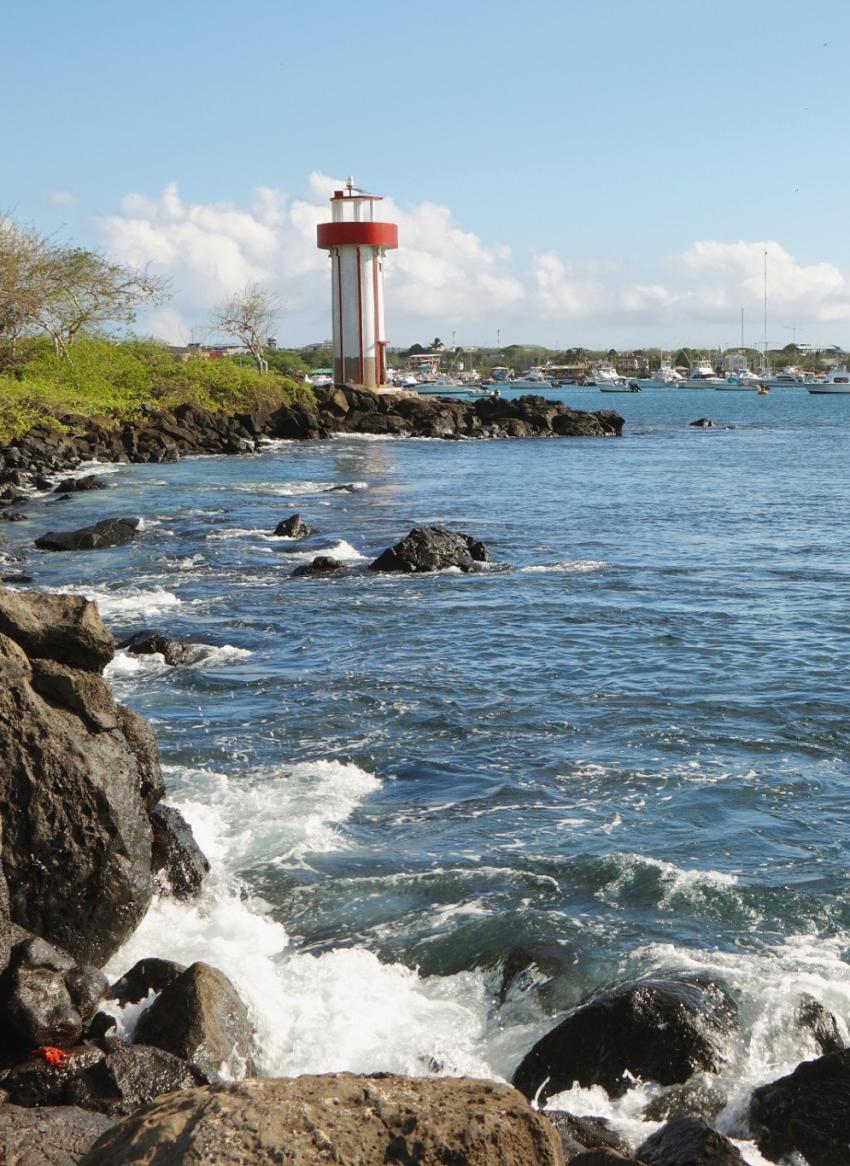
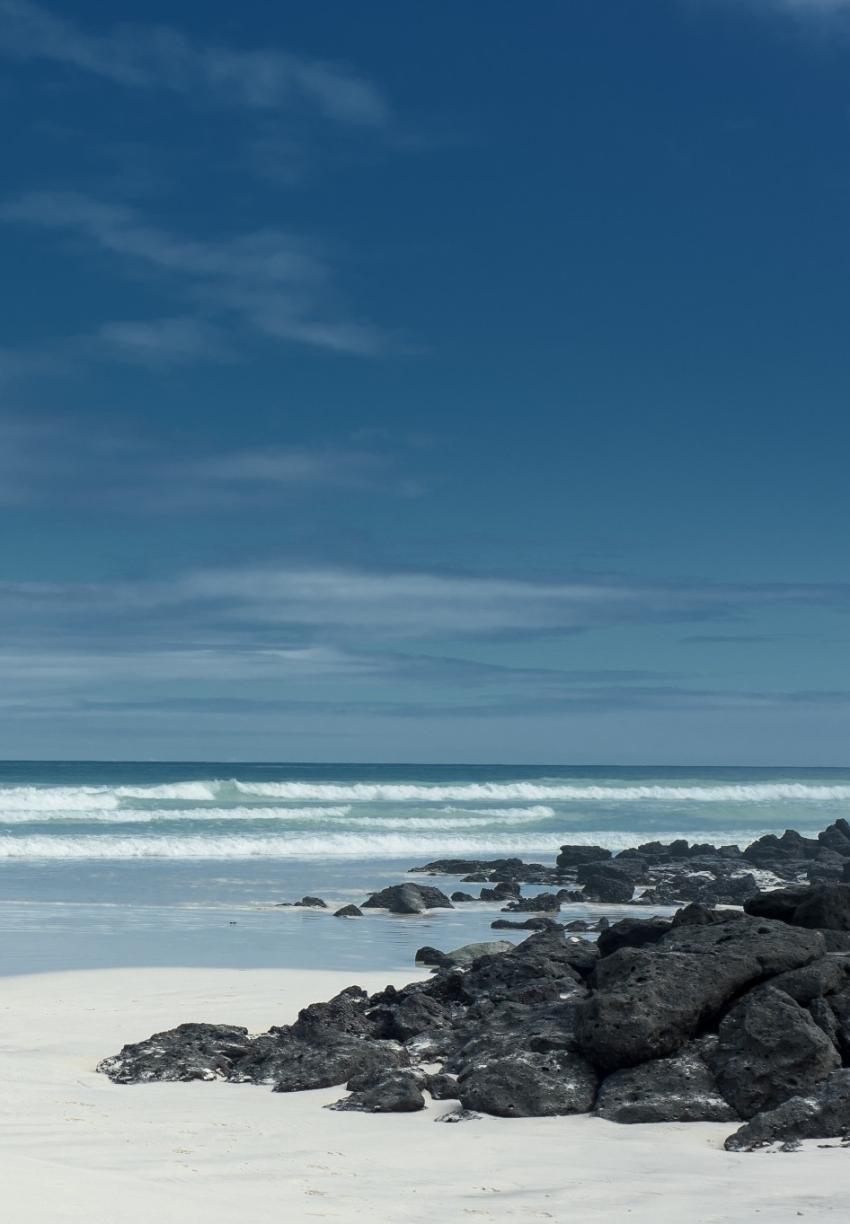
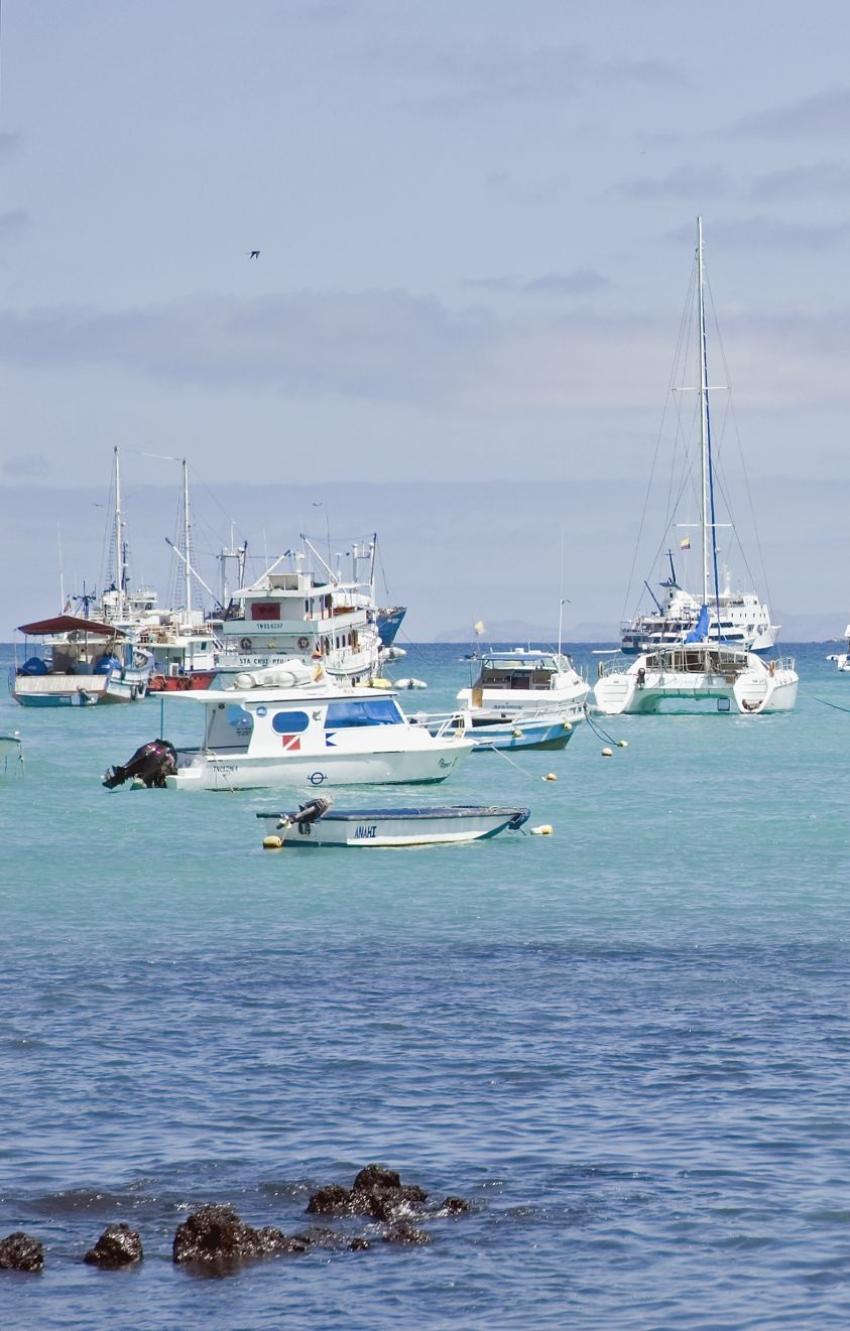
The Port of San Cristobal is often where the rhythm of the trip begins to shift, from land-based plans to ocean timing. Before the first briefing and the first gear setup, there’s that quiet in-between feeling, checking bags one last time, watching the harbour, and realizing that the week ahead will be shaped by currents, crossings, and the steady routine of life at sea. For travellers joining a Darwin and Wolf liveaboard, this kind of departure point adds to the sense of journey, not just logistics.Once on board, everything becomes wonderfully streamlined. Days begin early, surface intervals stretch out under open sky, and the destination starts to feel less like a place on a map and more like a lived experience. It’s an easy start for a Darwin and Wolf diving liveaboard, especially if you like the feeling of setting out with the ocean already in front of you.
Baltra
Baltra is a practical, efficient gateway that suits divers who prefer smooth transitions and minimal fuss. Arriving here often feels direct and uncomplicated, leaving more energy for what really matters: settling into the boat, organizing equipment, and easing into the steady pace of diving days. For many itineraries, Baltra connects naturally to the experience of Darwin and Wolf liveaboard diving, where the focus is on time underwater rather than time spent moving between locations.It’s also a departure option that pairs well with group travel. If you’re organizing a private trip or looking into charter dive boats in Darwin and Wolf, starting from Baltra can feel neat and structured, giving everyone a clear meeting point before the voyage heads toward the outer islands.
Puerto Ayora
Puerto Ayora carries a more lived-in atmosphere, with a sense of place that’s felt even in short stays. It can be a comfortable base for divers who like arriving a day early, getting organized without rushing, and enjoying a gentle lead-in before boarding. The town’s energy can make the start of a scuba liveaboard Darwin and Wolf trip feel more like a travel story unfolding, rather than simply a check-in and departure.For those who enjoy pacing their trip with small lifestyle moments, Puerto Ayora can work as a soft landing time to reset, sleep well, and step on board feeling ready. Then, once the boat leaves the harbour behind, the experience tightens into the simple, satisfying routine that defines a liveaboard dive boat's Darwin and Wolf journey: dive, rest, and repeat, with the open ocean always waiting
When To Go Diving in Darwin and Wolf Islands
The best time to go diving at Darwin and Wolf Islands is from June to November during the dry season when the water is cooler and nutrient-rich currents attract large schools of sharks and other pelagic marine life. Water temperatures during this time typically range from 18 to 24°C (65 to 75°F). To increase the chances of encountering sharks and mantas, it's recommended to plan the dive during the early morning or late afternoon when these animals are more active. Hammerhead sharks can often be seen in large schools at Darwin Island, while wolf packs of Galapagos sharks and schools of silky sharks are common at Wolf Island. Manta rays can also be seen year-round at these islands, but the highest concentration is typically from December to May during the warm season when the water temperature ranges from 20 to 28°C (68 to 82°F). However, the currents during the warm season can be stronger and may require more experience to navigate. It's important to note that diving at Darwin and Wolf Islands requires advanced certification and experience due to the strong currents and sometimes challenging diving conditions. Divers should also follow all regulations and guidelines set forth by the Galapagos National Park and their dive operators to ensure the safety of both divers and the marine environment
Frequently Asked Questions About Darwin and Wolf Islands
Where do Darwin and Wolf Islands liveaboard cruises start?
What level of experience is needed to dive in Darwin and Wolf Islands?
What are Darwin and Wolf Islands known for?
Are Darwin and Wolf Islands good for diving?
Tips for travelers
Transportation – Getting There and Around
Most travellers reach the Galápagos via mainland Ecuador, flying from Quito or Guayaquil to one of the two island airports: Baltra (GPS) or San Cristóbal (SCY). From there, the transfers are straightforward, but they feel distinctly “island-style”—simple, practical, and a little scenic.If you land on Baltra (GPS), the route to Puerto Ayora (Santa Cruz) is usually done in a few short steps. After exiting the terminal, an airport shuttle takes you to the Itabaca Channel, where a small ferry crosses to Santa Cruz in just a couple of minutes. On the other side, the drive continues by bus or taxi across the island toward Puerto Ayora, passing arid volcanic terrain and greener highland sections along the way. It’s not a long transfer, but it already feels like a shift into Galápagos landscapes and quieter pacing.
Arriving on San Cristóbal (SCY) is even more direct. The airport sits close to Puerto Baquerizo Moreno, so the transfer into town is usually a quick taxi ride, sometimes short enough to feel like you’ve barely left the runway behind. If you’re staying the night before boarding, it’s an easy place to settle in, grab a meal near the waterfront, and sleep well before the week at sea begins.
Once you step onto a Darwin and Wolf liveaboard, the logistics fade into the background. The boat becomes your base, your schedule, and your way of reaching the remote northern sites, so “getting around” turns into something beautifully simple: wake up, dive, rest, eat well, and watch the horizon change as the route unfolds.
Accommodation Options: Dive Resorts and Hotels
Before boarding, accommodation can shape the tone of the trip. Some travellers like a calm, comfortable base for a night or two somewhere to sleep well, organize gear, and ease into holiday mode. Others keep it simple and treat the pre-boarding stay as a quick pause before the main event: a scuba diving Darwin and Wolf liveaboard adventure that will take over your week in the best way.On the liveaboard itself, the atmosphere tends to become part of the memory. Between dives, it’s the small comforts that matter: space to dry gear, the feeling of rinsing off salt after a long session in the water, and the quiet satisfaction of settling into the evening while the boat moves toward the next site. Whether you’re travelling solo or joining friends, Darwin and Wolf liveaboard boats can make the experience feel contained and complete.
Marine Parks and Other Fees
Galápagos diving is closely tied to conservation, and a few mandatory local fees are part of the experience for travellers joining a liveaboard itinerary. The Galápagos National Park entrance fee is required for entry to the protected areas and supports conservation efforts across the islands. Before flying to the archipelago, travellers also need the Transit Control Card (TCT), which is issued on mainland Ecuador as part of the official arrival process. In addition, liveaboard guests commonly pay a Chamber fee, which helps support essential local services linked to diver safety.
Packing Essentials for Socorro
Packing for a dive trip is always about comfort meeting practicality, and it’s often the small details that shape your days on board. Even if your focus is a Darwin and Wolf diving liveaboard, the same logic applies: bring what keeps you warm between dives, what supports long days in salt and sun, and what makes the boat feel like home for a week.Think in layers and routines. You’ll want reliable dive gear that you trust, plus personal comforts that make early mornings easier and evenings calmer. A dive Darwin and Wolf liveaboard journey can be wonderfully absorbing, and it helps when your kit feels familiar, something you don’t have to think about too much once you’re in the water. That’s when the destination takes over, and all you have to do is descend, breathe, and look out into the blue