Galapagos Aqua Liveaboard, Galapagos
Cabins
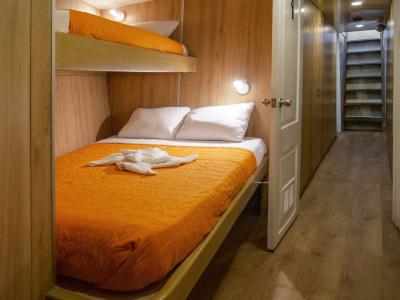
Twin Cabin (# 1)
Twin Cabin (# 1)
Twin Cabin (# 1)
Deck:Lower Deck
Bedding:Twin Beds (Bunk-Style)
Max occupancy:2 Guests
Number of Cabins:1 Cabin
Ensuite Bathroom: Yes
Aircon: Yes
- Towels
Cabin with a twin bunk bed
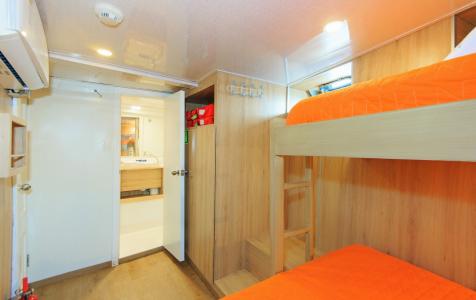
Standard Twin / Double Cabin (# 2,3)
Standard Twin / Double Cabin (# 2,3)
Standard Twin / Double Cabin (# 2,3)
Deck:Lower Deck
Bedding:2 Twin Beds + 1 Twin Bed (Bunk-Style)
Max occupancy:3 Guests
Number of Cabins:2 Cabins
Ensuite Bathroom: Yes
Aircon: Yes
- Towels
2 cabins with a double size lower bed and single upper bed (double or triple use)
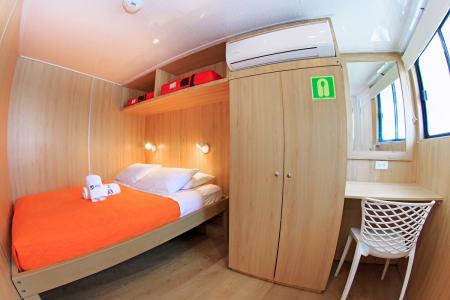
Double Cabin (# 4)
Double Cabin (# 4)
Double Cabin (# 4)
Deck:Main Deck
Bedding:Double Bed
Max occupancy:2 Guests
Number of Cabins:1 Cabin
Ensuite Bathroom: Yes
Aircon: Yes
- Towels
1 cabin with a double size lower bed
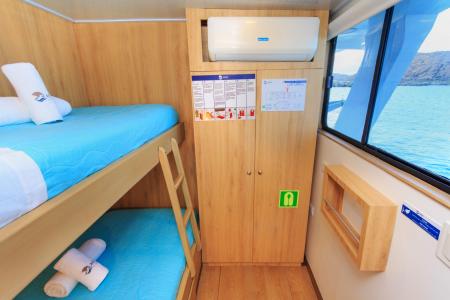
Twin Bed Cabin (# 5-8)
Twin Bed Cabin (# 5-8)
Twin Bed Cabin (# 5-8)
Deck:Upper Deck
Bedding:Twin Beds (Bunk-Style)
Max occupancy:2 Guests
Number of Cabins:4 Cabins
Ensuite Bathroom: Yes
Aircon: Yes
- Towels
3 cabins with a single lower and a single upper bed
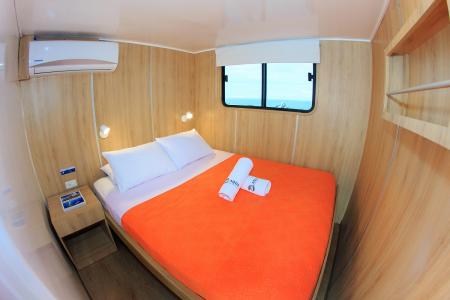
Double Cabin
Double Cabin
Double Cabin
Deck:Upper Deck
Bedding:Double Bed
Max occupancy:2 Guests
Number of Cabins:1 Cabin
Ensuite Bathroom: Yes
Aircon: Yes
- Towels
Cabin with a double bed
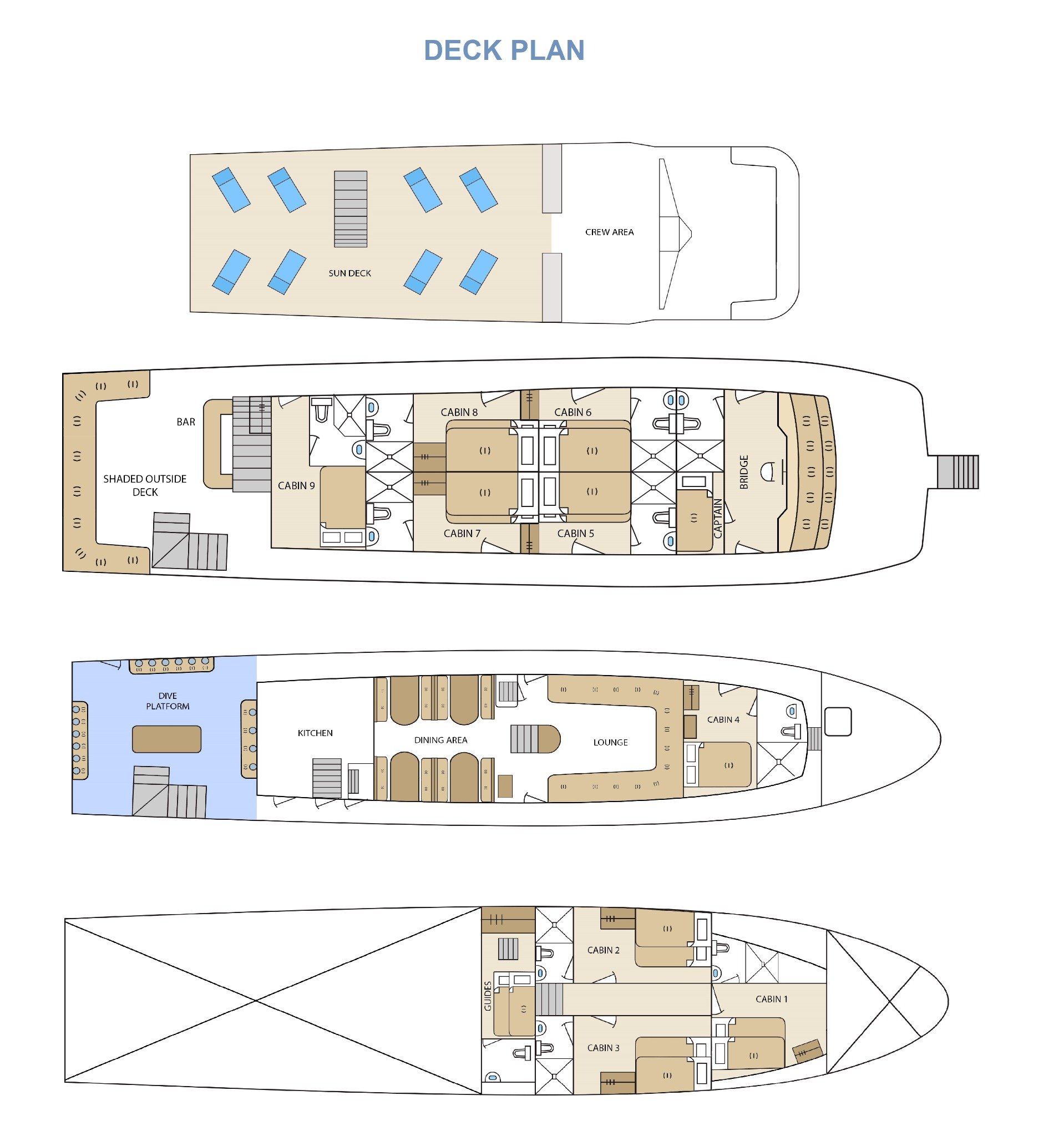
Boat Specification
Dive Facilities
- Warm Water Showers
- Compressors
- Rinse Hosts
- Tenders for Diving
- Dive Deck
- DIN Adaptors
Boat navigation & safety
Full safety
Food & Drinks
- Local Food
- Dietary Restrictions
- Buffet Style
- Alcoholic Beverages and Spirits
- Hot & Cold Soft Drinks
Onboard Facilities
- Onboard Kayaks
- Audio & Video Entertainment
- Sun Deck
- Open Air Saloon
- Indoor Saloon
- Bar
- Non-Diver (Snorkeler) Friendly
- Land Excursions
Photographer Facilities
- Separate Rinsing Tanks for U/W Camera
Galapagos Aqua Reviews
Similar Liveaboards
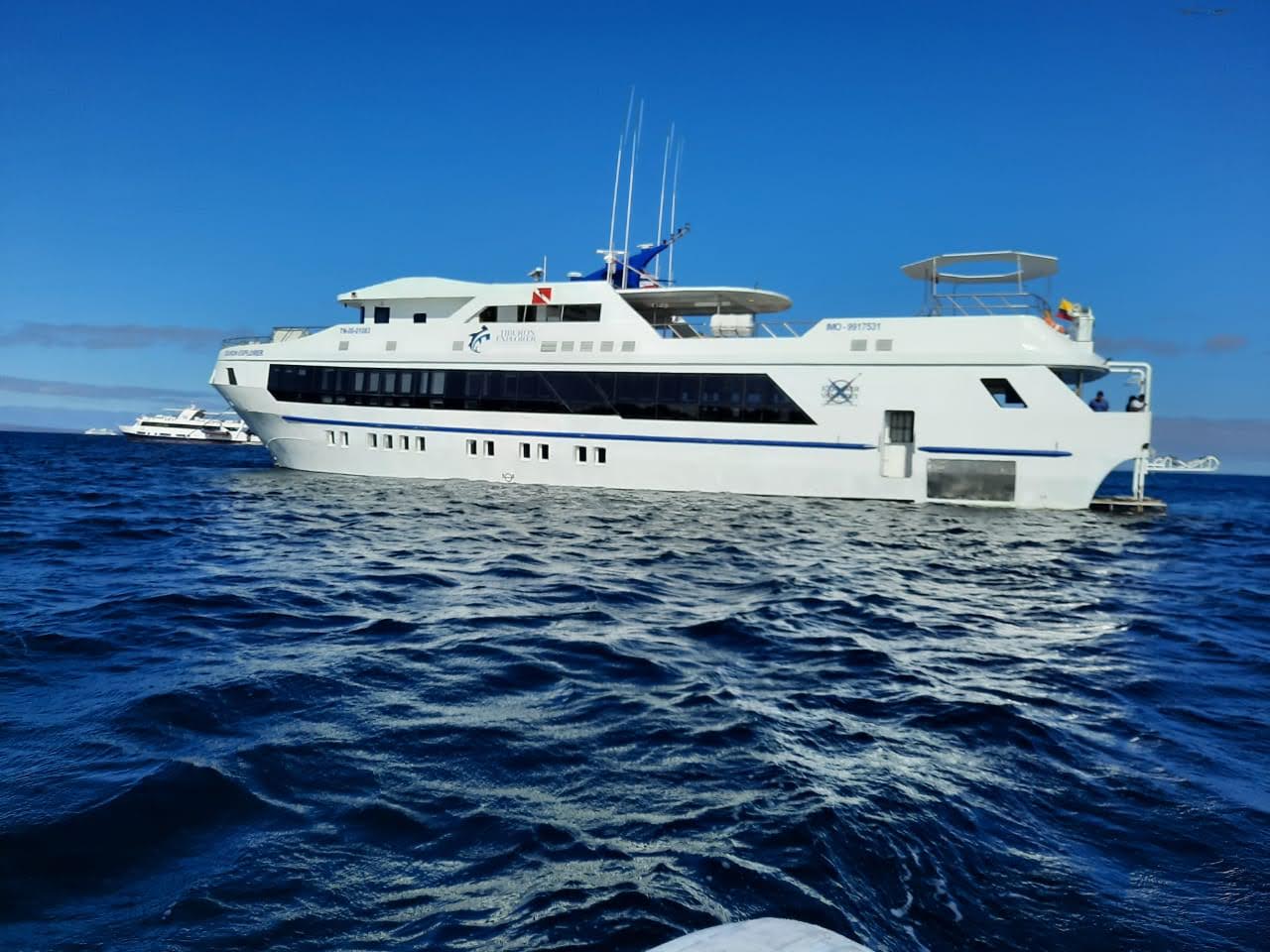
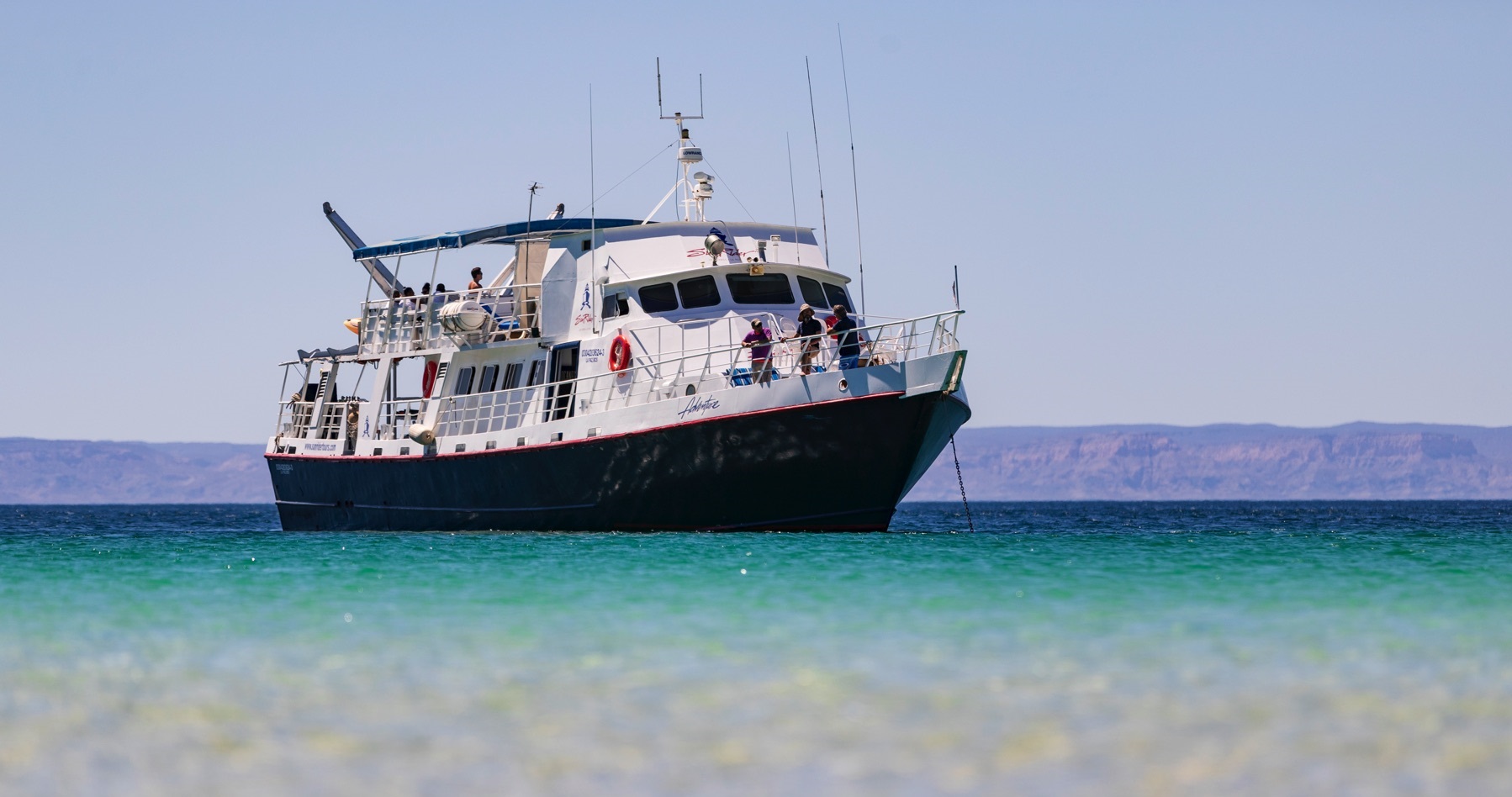
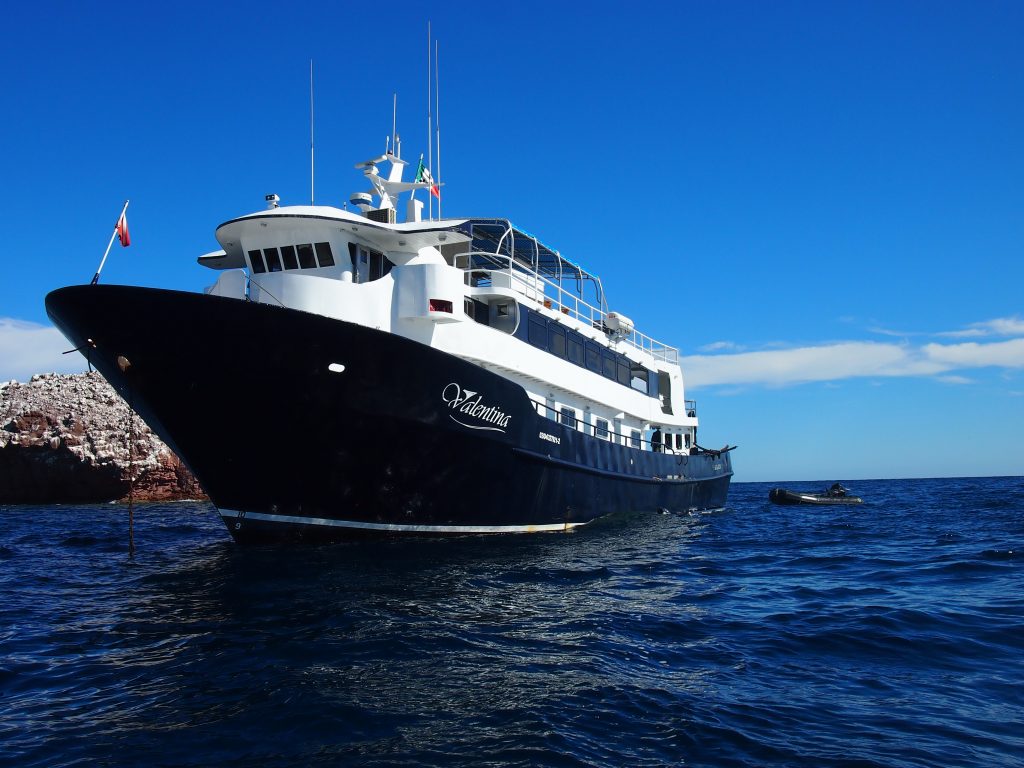
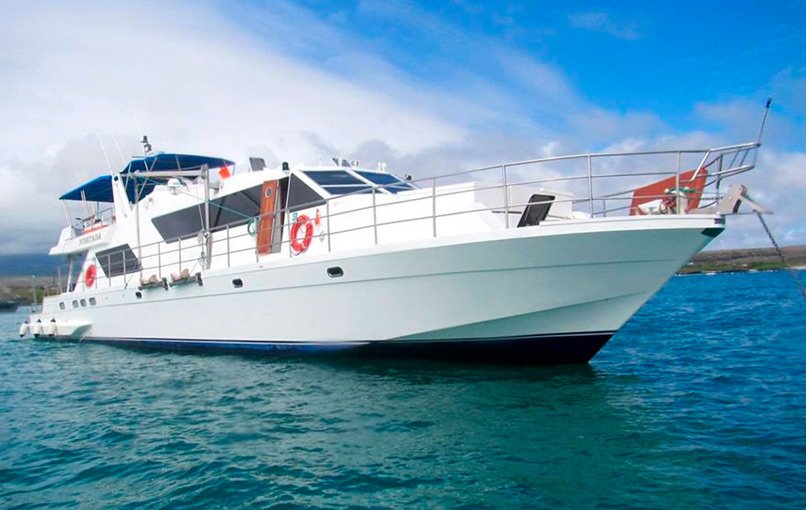
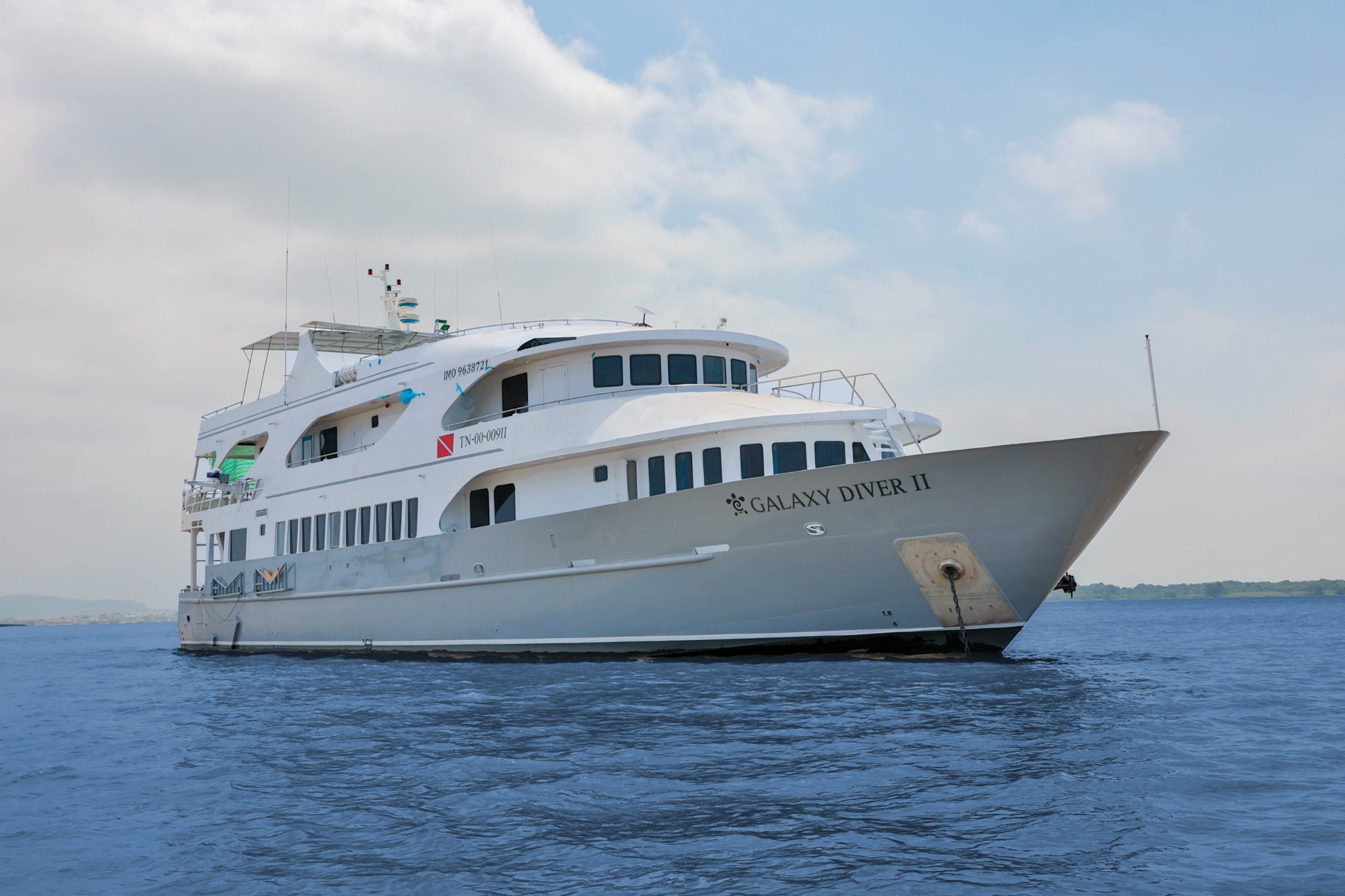
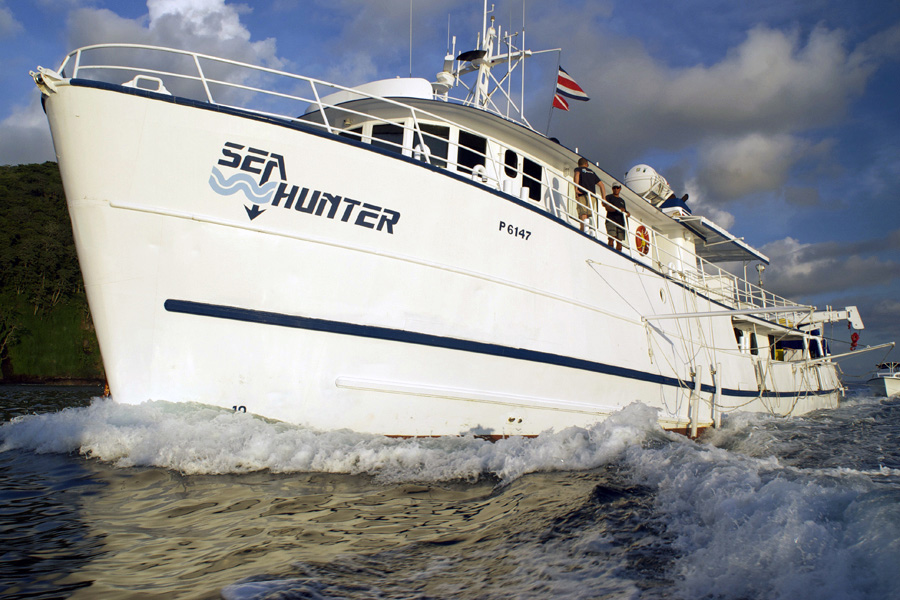
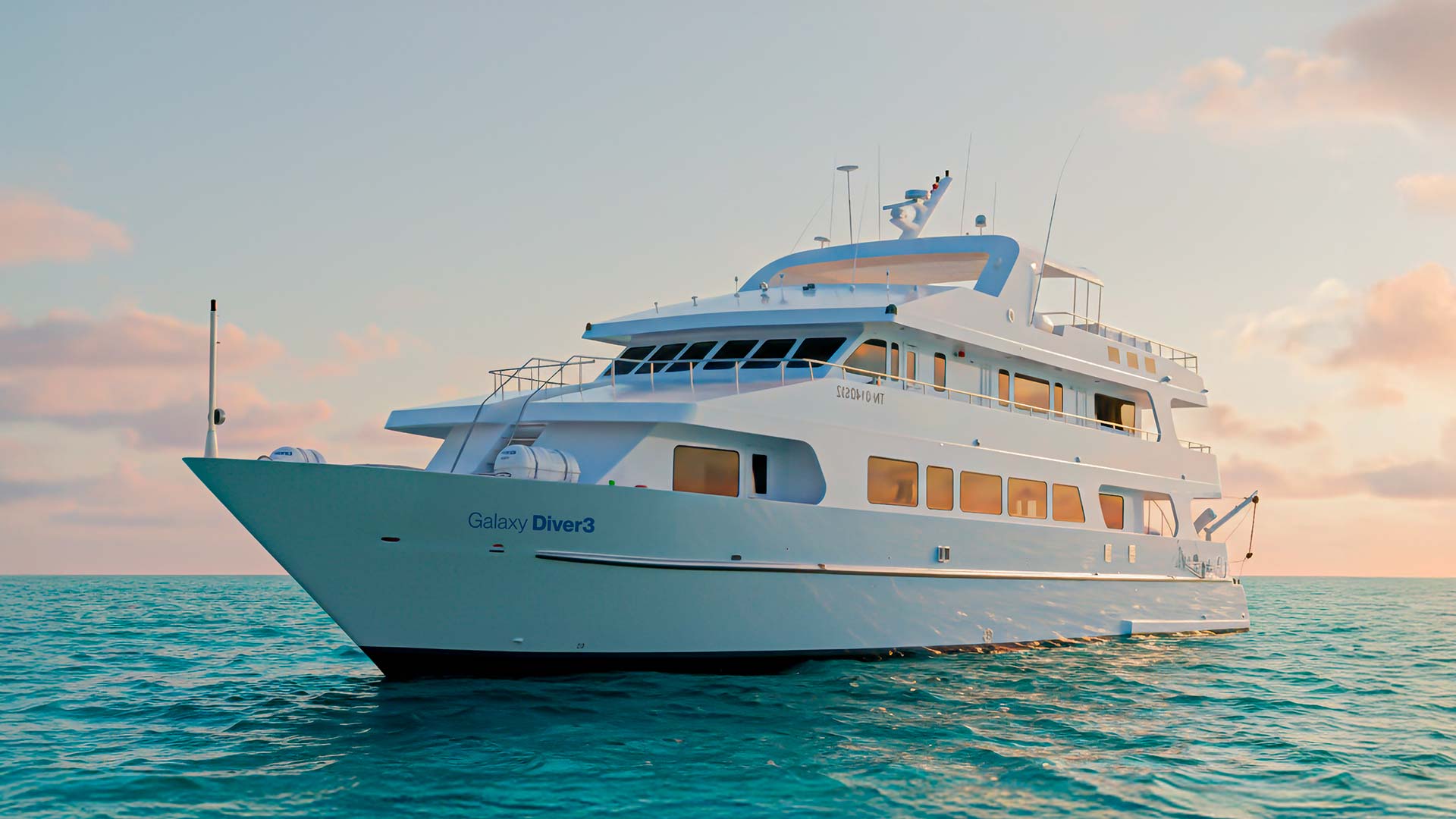
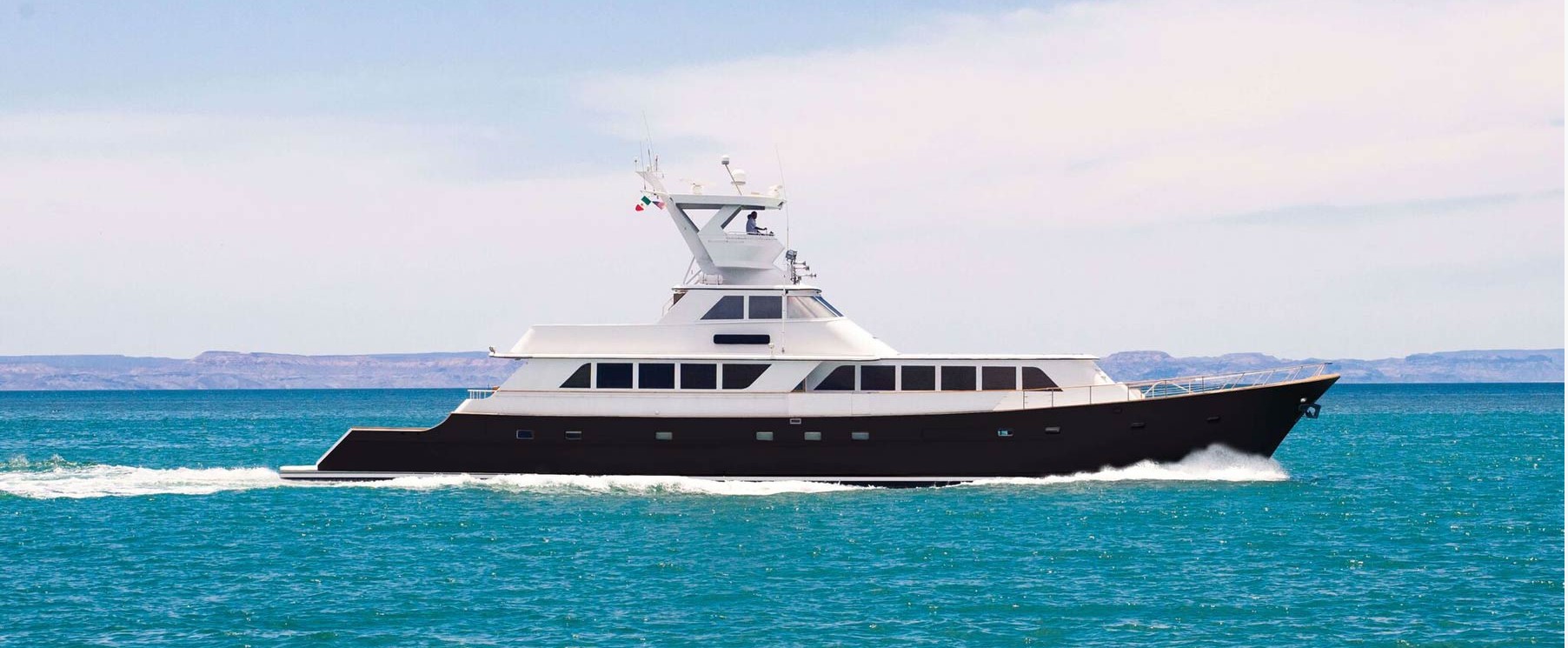
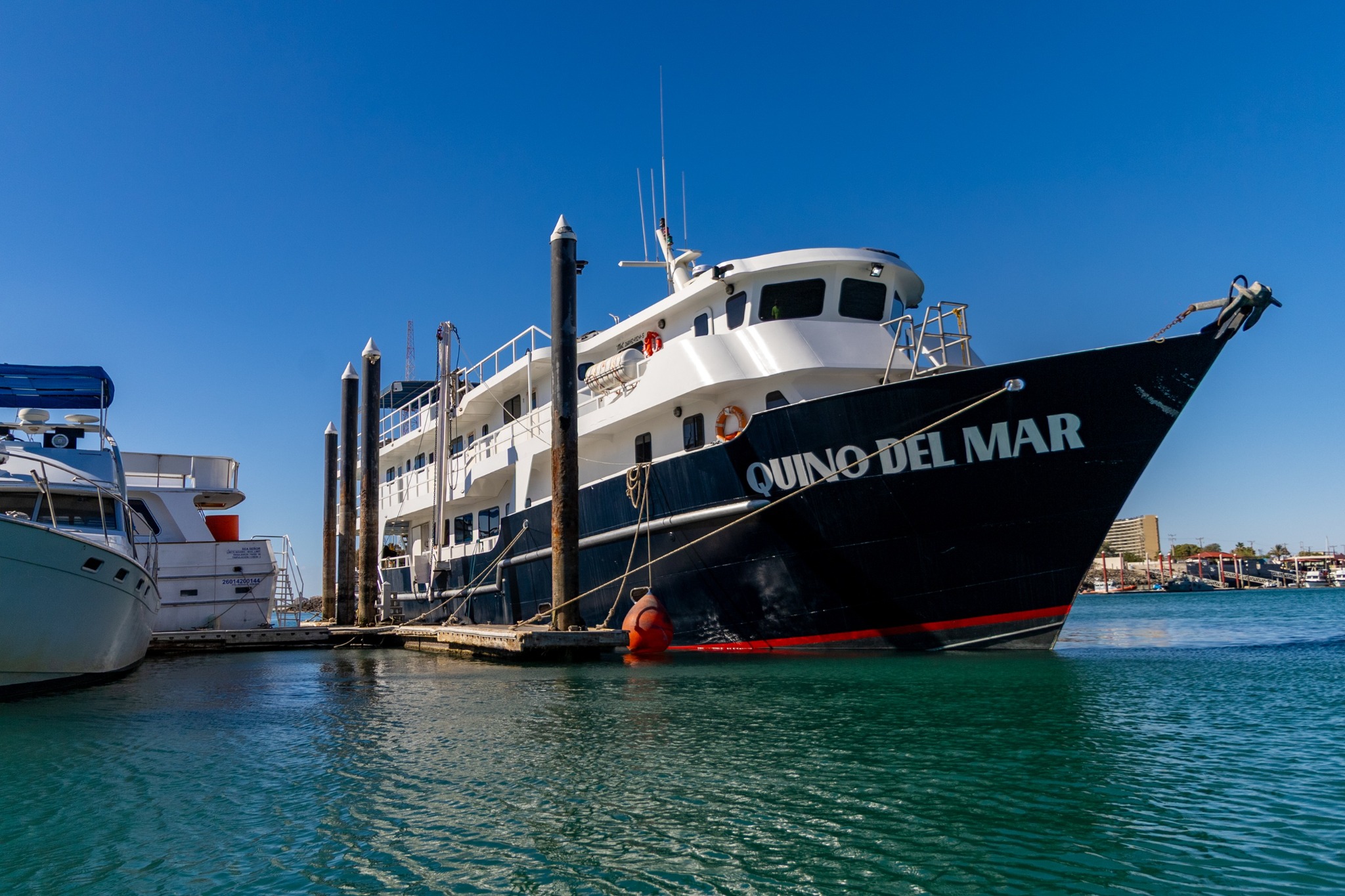
Galapagos Aqua Liveaboard Itineraries
Galapagos Islands (7 nights) (Baltra-Baltra)
Included
- Accommodation
- Diving (3-4 dives per day; 2 dives on the last day)
- Full board
- Water, coffee and tea
- 12 l tanks and weights
- Dive guide
- Land excursions mentioned in the itinerary
- Scuba safety equipment rental (personal marine rescue GPS)
- Scheduled group transfer airport - yacht - airport
- Free short-term DAN diving insurance (upon request)
Obligatory surcharges
- Galapagos National Park entrance fee - 200 USD per person
- Transit Control Card - 20 USD per person
Extra cost
- International and domestic flights
- Visa
- Private transfer
- Equipment rental
- 15 l tanks rental
- Nitrox
- Alcoholic and soft beverages
- Crew gratuities
- Travel insurance
Program
Day 1:
Onboarding, meeting the crew & briefing.
PM - Baltra North East.
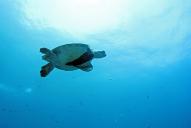
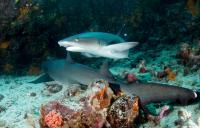
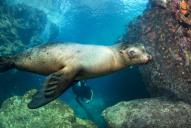
This is the perfect spot to start your adventure with moderate currents. This dive site is for adventurous divers looking to see fascinating lava and rock formations, as well as an incredible number of marine species. At the depth of around 20 m (60 ft), we might see white-tip reef sharks, pelagic fish, reef fish, rays, and turtles. Additionally, sea lions will be your companions upon entry and on the safety stops. Occasionally, hammerhead sharks can be spotted swimming nearby.
Day 2:
AM - Bartolome.
Located east of Santiago Island, this small island is known for its unique spear-like pinnacle. Beneath the waves we dive over, we will go around a rocky platform and float around underwater cliffs that start at 15m and disappear into the sea bed, giving us a good chance to see pelagic animals.
You can expect to see some of the following marine life: seahorses, white tip reef sharks, reef fish (including large schools of hunting yellow tailed surgeonfish), barracudas, turtles, mobula rays, sting rays, scorpion stone fish, and various invertebrates.
PM - Cousin's Rock.
Cousin’s rock is located north-east of Santiago island, near Bartolome. This site has a unique and stunning topography of jagged rocky shelves where animals, both big and small, can be found resting and feeding. It is one of the few places where you can see endemic black coral amongst the riot of colorful clams, algae, flora and fauna that cover the rocks like splashes of paint. During our surface interval, look out for penguins that inhabit the surrounding area.
You can expect to see some of the following Marine Life: sea lions, Galapagos sharks, white tip reef sharks, turtles, seahorses, barracudas, stingrays, eagle rays, manta rays and reef fish (including large schools of floating bullseye pufferfish).
Day 3:
AM/PM - Wolf Island.
Named after the German geologist Theodor Wolf, this extinct volcano reaches 253m (780ft) above sea level and lies around 160km (100m) northwest of Isabela Island. Land visits are not permitted, however, bird life such as: red-footed boobies and vampire finches may be spotted from the boat.
For our dives, we choose from a selection of reefs and walls, most have medium to strong currents, where the use of gloves and reef hooks is advised. Schooling pelagics are the main attraction, but you can also see hammerheads, white tips and Galapagos sharks in the sites (May-November).
Day 4:
AM/PM - Darwin Island.
A volcano that reaches 165m (490ft) above sea level was named in honor of naturalist Charles Darwin. It is amongst the smallest island within the Galapagos Archipelago and like Wolf Island, no land visits are permitted.
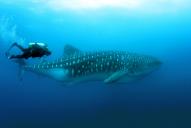
One of the most famed diving sites is “Darwin’s Arch”, which provides an amazing drift dive along the wall at an average depth of just 9m. Medium to strong currents are to be expected, but you bring with them many hammerheads, black tips, silky and Galapagos sharks! Schools of jacks are a common sight, along with turtles, angelfish and moray eels. Occasional sightings of tiger sharks, manta rays and bottlenose dolphins make for a thrilling time. Whale sharks may also be seen between May - November.
Day 5:
AM/PM - Wolf Island.
Named after the German geologist Theodor Wolf, this extinct volcano reaches 253m (780ft) above sea level and lies around 160km (100m) northwest of Isabela Island. Land visits are not permitted, however, bird life such as: red-footed boobies and vampire finches may be spotted from the boat.
For our dives, we choose from a selection of reefs and walls, most have medium to strong currents, where the use of gloves and reef hooks is advised. Schooling pelagics are the main attraction, but you can also see hammerheads, white tips and Galapagos sharks in the sites (May-November).
Day 6:
AM - Vicente Roca Point.
We will cross the Bolivar Channel for the last time to Vicente Roca Point, just at the mouth of Isabela’s seahorse-shape. While entering a dark cave below a spectacular arch, roaring echoes of the waves will accompany you. Just around the corner, the collapsed amphitheater of Volcan Ecuador offers another impressive view. The calmer waters of the coves are well-protected against the ocean swell and are a great place for snorkeling amongst various species of shark, penguins, puffer fish and even seahorses!
PM - Cape Douglas.
Cape Douglas is sure to provide you amazing opportunities to observe a large amount of marine life, above and under the water! As you prepare for your dive, you can see Galapagos Penguins, Galapagos Flightless Cormorants, and Galapagos Marine Iguanas- animals only found exclusively on the Islands. A sure sight is incredible marine iguanas swimming and feeding on the rocks under the surface. Some marine life you may see are Red-lipped Batfish, Horn Sharks, Mola Mola, and possibly Baleen Whales!
Day 7:
AM - Roca Blanca.
For divers, Roca Blanca is a mecca for sea life. Located on the South East coast of Isabela Island, it’s one of the best diving sites the central islands offer. Due to the cooler and waters in the central islands, this increases the diversity of marine life. You will get to see amazing life here, such as: shark, manta & eagle rays, sea lions, moray eels, lobsters, and a vast population of tropical fish.
PM - Pinzon.
It is a small island located off the western coast of Santa Cruz, about 1 hour from Puerto Ayora. It is a great spot for beginners and experienced divers, offering many playful sea lions, turtles, and red-lipped batfish. The deep drop off the wall is for more experienced divers, and is a great spot to see sea horses, rays, different species of sharks, and lobster. In the warmer months, Pinzon is a favorite site for the Manta Rays and pods of dolphins.
Day 8:
AM - Highlands.
The road to the highlands leaves from Bellavista, a small village located a 15-minute drive from Puerto Ayora, and passes through the agricultural zone, near the National Park boundary, the Miconia Zone, and then goes to the Fern and Sedge zone. With clear weather, this area boasts beautiful scenes of rolling hills and extinct volcanic cones covered with grass and lush greenery all year round. Here you will visit the Twin Craters, which are two pit craters, as well as a local ranch where we can observe the giant tortoise of Santa Cruz Island in its natural habitat.
PM - Baltra airport. Check-out from the yacht.
Routes can be affected by adverse weather conditions and unforeseen events, force majeure or other similar reasons
- Arriving at Quito or Guayaquil airport.
- You should arrange a domestic flight to Baltra.
- When in Baltra boat's guest should organize their own transfer to the boat.
- Scheduled group transfer to Quito or Guayaquil airport on a departure day if a flight has been booked through Galapagos Aqua representatives on scheduled departure cruise dates.
- All transfers in Galapagos are also free if booked through Galapagos Aqua representatives
- After the disembarkation you should arrange your own transfer to the boat or boat's crew can organize a transfer to the airport at an additional cost.
- Transfer from the boat is free is booked through Galapagos Aqua representatives