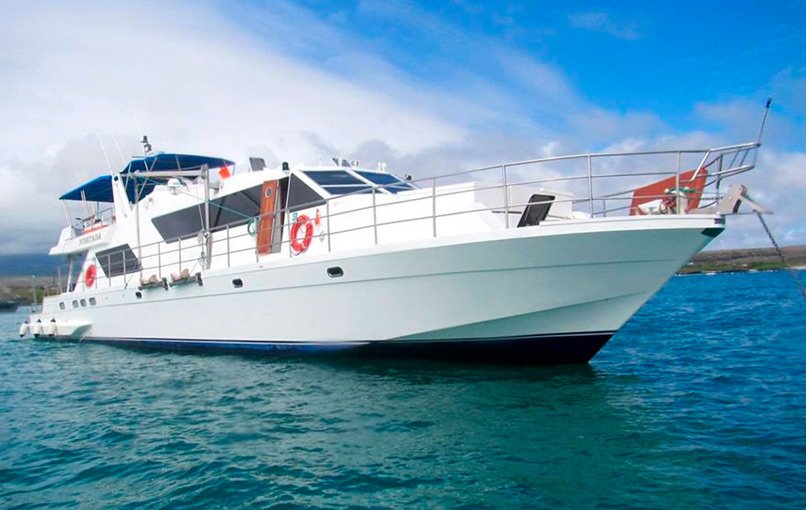
Nortada Liveaboard, Galapagos
Social spaces are functional and plain. The main deck dining salon and air-conditioned salon offer a no-nonsense space to socialize. Upstairs, the open-air sun deck has padded benches and unobstructed sea views. Overall, the design follows the boat' s emphasis on function and space maximization. Internet on board is provided.
Meals are served buffet-style with soft drinks included. Wine and beer are available for purchase. Vegetarian and vegan diets can be accommodated upon request.
Dives are as many as four a day, conducted on two 15-foot tenders with 25 HP outboards. A guide is assigned to each group, with small ratios and more flexible dive planning. Nitrox is available for an extra charge, and technical and rebreather diving support is available on the yacht. A Camera table is found at the stern area by the dive benches, with rinse stations and fresh water showers within reach. Safety devices on board include surface markers, Nautilus Lifelines, and dive alerts.
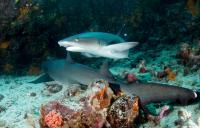
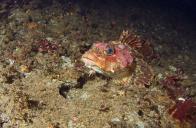
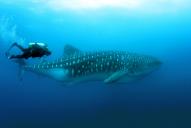
Itineraries include 7 night Galapagos with stops at Iconic hotspots like Wolf and Darwin Islands. Divers can anticipate schooling hammerheads, Galapagos sharks, mantas, and whale sharks on a seasonal basis. Encounters with endemic marine life such as marine iguanas, Galapagos penguins, and flightless cormorants are also characteristic of this region. The Nortada Galapagos liveaboard is a great option for experienced divers who want focused interaction with pelagics and rare species
Cabins
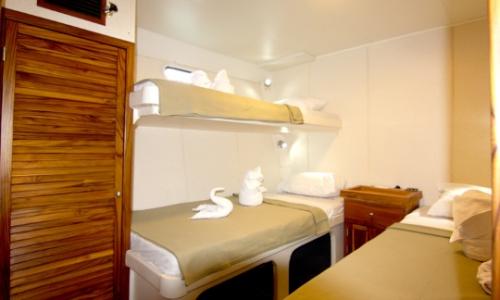
Twin Cabin
Twin Cabin
Twin Cabin
Deck:Lower deck
Bedding:2 Twin Beds + 1 Twin Bed (Bunk-Style)
Max occupancy:2 Guests
Number of Cabins:4 Cabins
Ensuite Bathroom: Yes
Aircon: Yes
- Towels
Air conditioned cabins, en-suite bathrooms
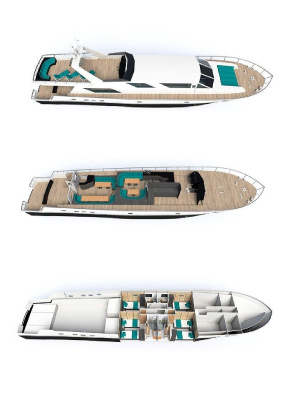
Boat Specification
Dive Facilities
- Warm Water Showers
- Rebreather Support
- Compressors
- Rinse Hosts
- Tenders for Diving
- Tech Diving
- Dive Deck
- DIN Adaptors
- Personal Storage Space
Boat navigation & safety
Full safety
Food & Drinks
- Western Food
- Local Food
- Dietary Restrictions
- Buffet Style
- Alcoholic Beverages and Spirits
- Hot & Cold Soft Drinks
- Snacks All Day
Onboard Facilities
- Audio & Video Entertainment
- Air Conditioned Saloon
- Sun Deck
- Open Air Saloon
- Indoor Saloon
- Bar
Photographer Facilities
- Camera & Photography Station
Frequently Asked Questions About Nortada
What documentation is required before boarding the Nortada?
What diving gear must be brought along on the trip?
What should guests know about arriving in Ecuador before heading to the Galapagos?
What are the arrival formalities in the Galapagos Islands?
How do passengers travel from Baltra Island to the Nortada?
What is the way from San Cristobal Island to Santa Cruz?
Similar Liveaboards
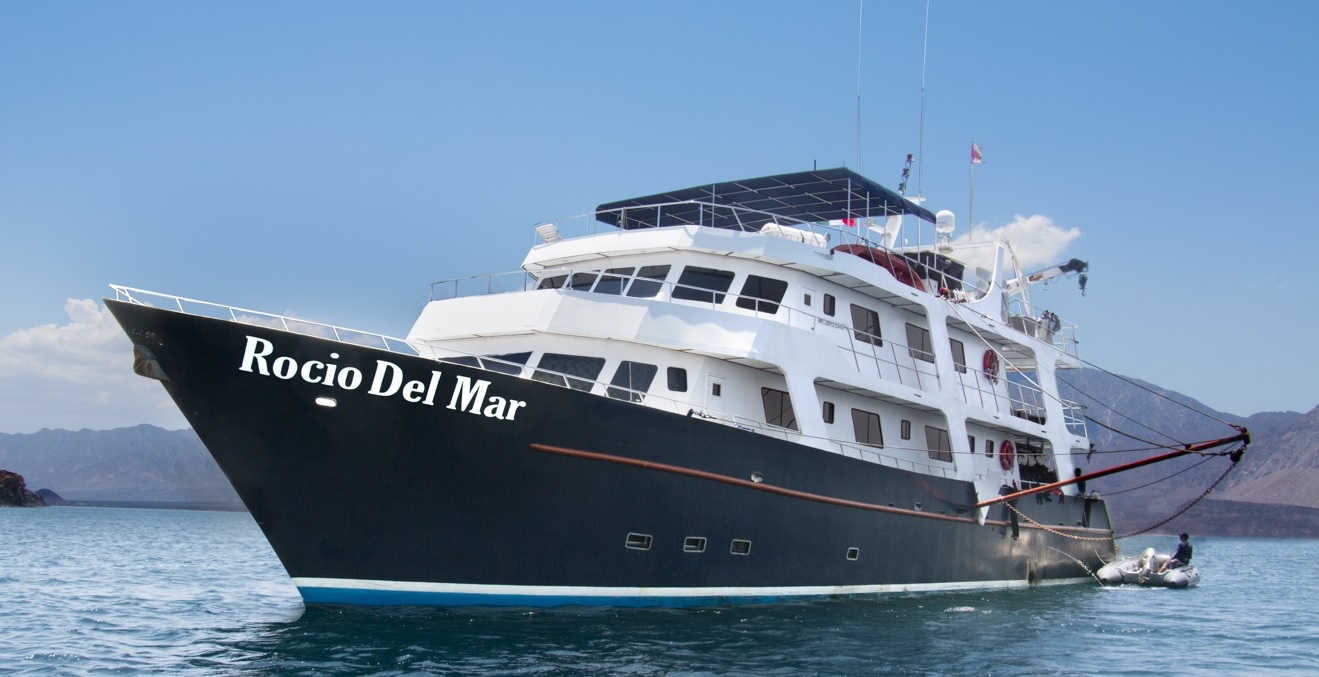
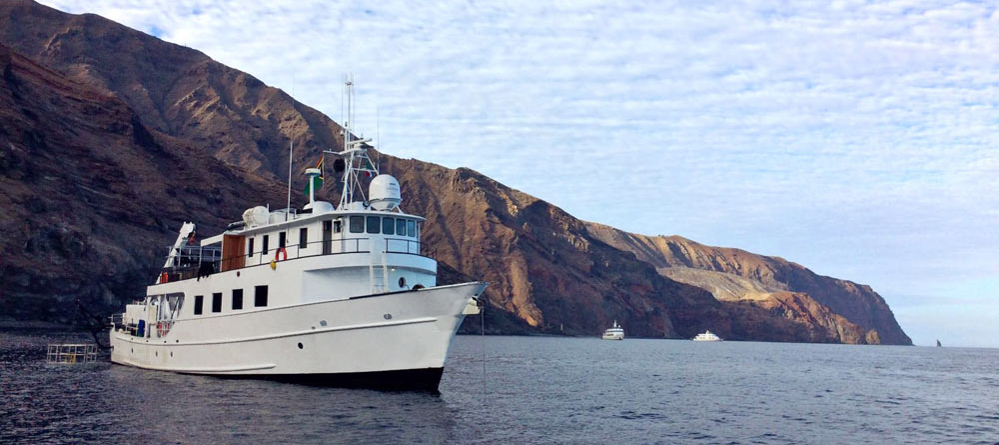
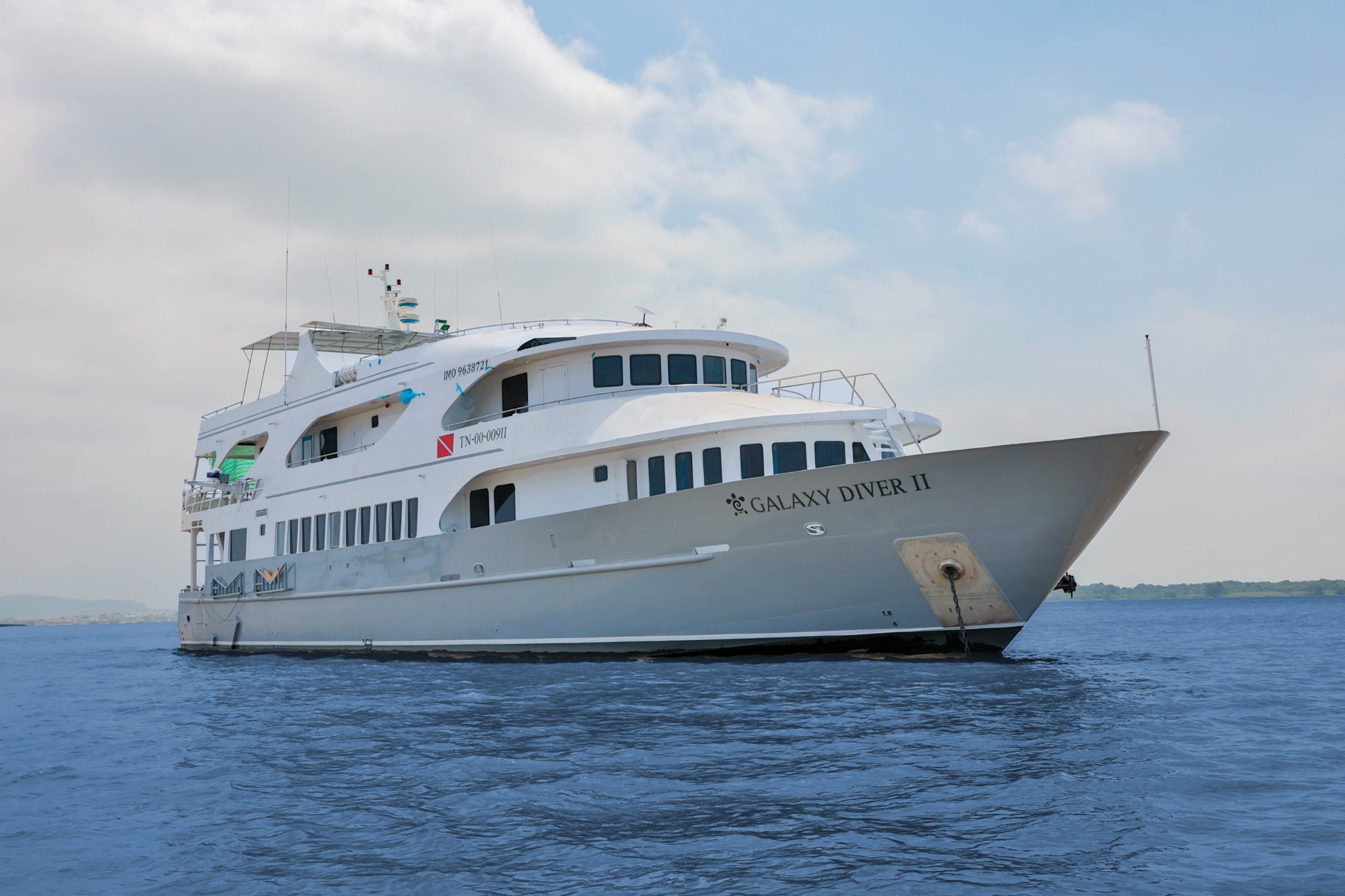
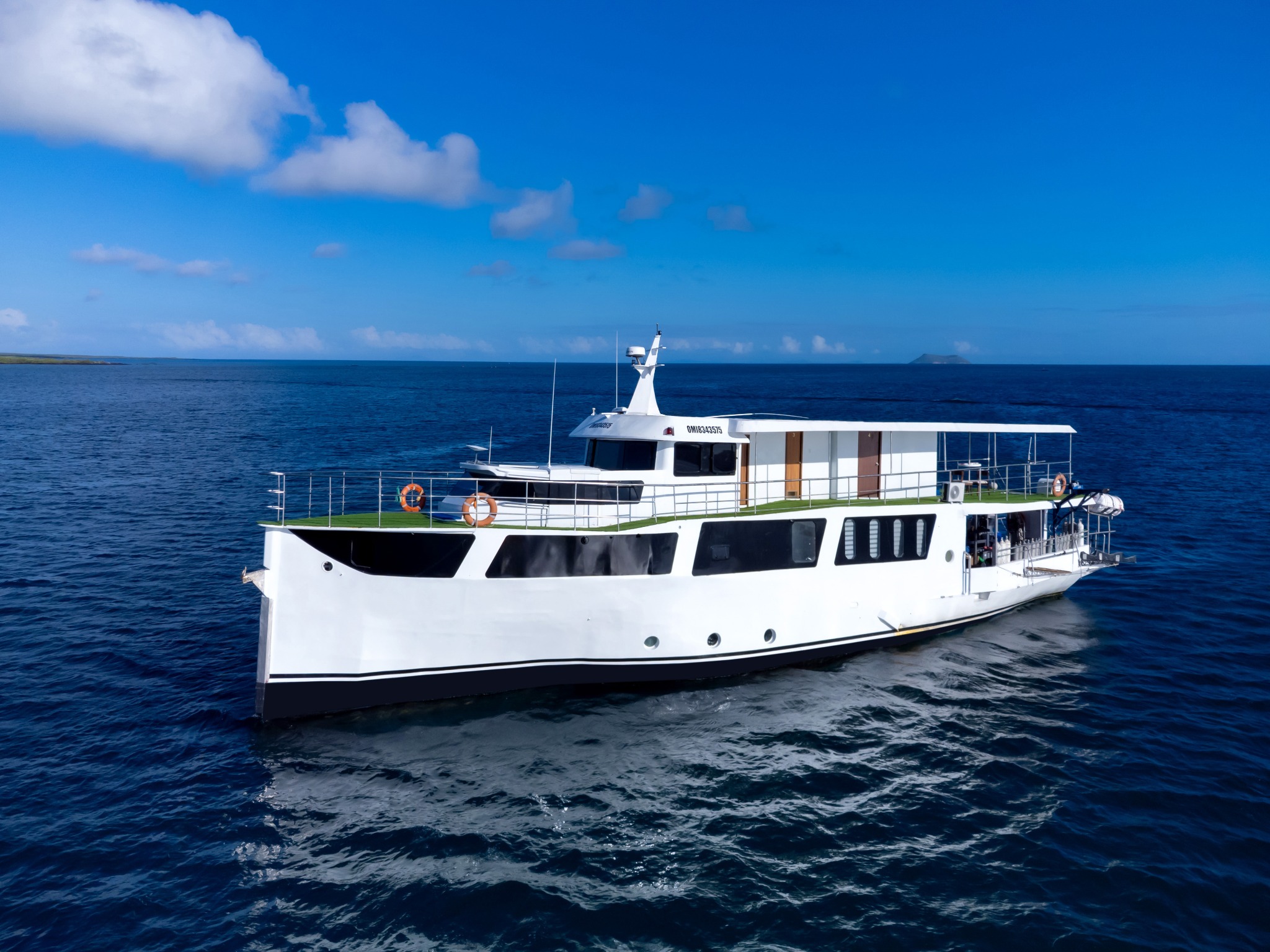
Nortada Liveaboard Itineraries
Whale Shark Diving: Isabela, Darwin and Wolf Islands (7 nights) (Baltra-Baltra)
Included
- Diving
- Accommodation
- 12 l tanks and weights
- Dive guide
- Water, coffee, tea, juices
- Free short-term DAN diving insurance (upon request)
Obligatory surcharges
- National Park Entry Fee - 200 USD per person
- Migratory Control Card - 20 USD per person
Extra cost
- International flights
- Visa
- Transfers
- 15 l tanks rental
- Alcoholic and soft beverages
- Equipment rental
- Nitrox
- Private dive guide
- All rental and Nitrox are subject to a 12% IVA (VAT)
- Crew gratuities
- Travel insurance
Program
Day 1:
Onboarding, meeting the crew & briefing. Snorkel tour.
Day 2:
AM Baltra NE, Carrion Point.
PM Cousin Rocks.
Usually starting at 6 am, one morning dive check is done at Carrión Point or the north-eastern portion of Baltra Island. First dive is followed by breakfast while Nortada refuels in Baltra. After refueling two hour navigation will take you to Cousin Rock for one dive. Carrión Point and Baltra NE are considered “warm up” dives where dive procedures and equipment are tested and enforced or adapted. Nortada will depart to Wolf Island after the last dive.
Day 3:
AM Shark Bay Point (Wolf), El Derrumbe (Wolf).
PM La Ventana Islet (Wolf), La Banana (Wolf).
Up to 4 dives during the day at Shark Bay Point, El
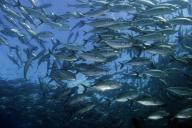
Derrumbe, La Ventana Islet and La Banana; and one optional night dive during day 3 or day 5. Wolf Island is located at North West of the Archipelago and is also known as “The Meca of sharks”. Divers are usually able to swim alongside several species of sharks, dolphins, turtles, eagle rays and colorful schools of fishes. The depart to Darwin Island starts at midnight.
Day 4:
AM El Arenal (Darwin).
PM El Arco (Darwin).
It is located at North West of the Archipelago. Up to 4 dives are done on this day. Darwin is considered as one of the best places to dive over the world. Divers are usually able to see several species of sharks, dolphins, turtles, eagle rays and colorful schools of fishes. Schooling hammer head sharks and whale sharks are the highlights of dives at Darwin’s
Arch. Depart to Wolf Island starts at midnight.
Day 5:
AM Shark Bay Point (Wolf), El Derrumbe (Wolf).
PM La Ventana Islet (Wolf), La Banana (Wolf).
Up to 4 dives during the day at Shark Bay Point, El Derrumbe, La Ventana Islet and La Banana; and one optional night dive during day 3 or day 5. The marine life of Wolf Island includes: schooling hammerhead sharks, occasionally whale sharks, as well as green turtles, manta rays and other pelagic fish.
Birdlife on the island is abundant with frigatebirds, red-footed boobies, and vampire finches.
Day 6:
AM Vicente Roca Point, Cape Douglas.
PM Vicente Roca Point.
One or two dives are done in Cape Douglas followed by a short transit of about 90 minutes to Vicente Roca Point for one or two dives. Up to 4 dives are done on this day. Isabela and Fernandina dive sites are where Flightless Cormorants, Galapagos Penguins, Marine Iguanas and several other endemic species can be seen consistently. Depart to Cape Marshall starts after the last dive.
Day 7:
AM Cape Marshall, Roca Blanca.
Cape Marshall is located in the northeast coast of Isabela, these volcanic walls are sparsely covered with black coral bushes. Up to 2 dives during the day. Divers usually enjoy encounters with Giant Mantas; schools of fish, including the endemic black-stripped Salema, white- tip reef sharks and Galapagos sharks. The last dive is at 11h00. Depart to Puerto Ayora starts after lunch. At night a farewell dinner with cocktails is served.
Day 8:
Breakfast and check out from Nortada followed by a land visit to Fausto Llerena Breeding Center and Charles Darwin Research Station. The Breeding Center land visit will provide an opportunity to learn about the breeding programs for giant tortoises and land iguanas.
Check-out from the yacht.
Routes can be affected by adverse weather conditions and unforeseen events, force majeure or other similar reasons
Mola Mola Diving: Isabela, Darwin and Wolf Islands (7 nights) (Baltra-Baltra)
Included
- Diving
- Accommodation
- 12 l tanks and weights
- Dive guide
- Water, coffee, tea, juices
- Free short-term DAN diving insurance (upon request)
Obligatory surcharges
- National Park Entry Fee - 200 USD per person
- Migratory Control Card - 20 USD per person
Extra cost
- International flights
- Visa
- Transfers
- 15 l tanks rental
- Alcoholic and soft beverages
- Equipment rental
- Nitrox
- Private dive guide
- All rental and Nitrox are subject to a 12% IVA (VAT)
- Crew gratuities
- Travel insurance
Program
Day 1:
Onboarding, meeting the crew & briefing. Snorkel tour.
Day 2:
AM Baltra NE, Carrion Point.
PM Cousin Rocks.
Usually starting at 6 am, one morning dive check is done at Carrión Point or the north-eastern portion of Baltra Island. First dive is followed by breakfast while Nortada refuels in Baltra. After refueling two hour navigation will take you to Cousin Rock for one dive. Carrión Point and Baltra NE are considered “warm up” dives where dive procedures and equipment are tested and enforced or adapted. Nortada will depart to Wolf Island after the last dive.
Day 3:
AM Shark Bay Point (Wolf), El Derrumbe (Wolf).
PM La Ventana Islet (Wolf), La Banana (Wolf).
Up to 4 dives during the day at Shark Bay Point, El
Derrumbe, La Ventana Islet and La Banana; and one optional night dive during day 3 or day 5. Wolf Island is located at North West of the Archipelago and is also known as “The Meca of sharks”. Divers are usually able to swim alongside several species of sharks, dolphins, turtles, eagle rays and colorful schools of fishes. The depart to Darwin Island starts at midnight.
Day 4:
AM El Arenal (Darwin).
PM El Arco (Darwin).
It is located at North West of the Archipelago. Up to 4 dives are done on this day. Darwin is considered as one of the best places to dive over the world. Divers are usually able to see several species of sharks, dolphins, turtles, eagle rays and colorful schools of fishes. Schooling hammer head sharks and whale sharks are the highlights of dives at Darwin’s
Arch. Depart to Wolf Island starts at midnight.
Day 5:
AM Shark Bay Point (Wolf), El Derrumbe (Wolf).
PM La Ventana Islet (Wolf), La Banana (Wolf).
Up to 4 dives during the day at Shark Bay Point, El Derrumbe, La Ventana Islet and La Banana; and one optional night dive during day 3 or day 5. The marine life of Wolf Island includes: schooling hammerhead sharks, occasionally whale sharks, as well as green turtles, manta rays and other pelagic fish.
Birdlife on the island is abundant with frigatebirds, red-footed boobies, and vampire finches.
Day 6:
AM Vicente Roca Point, Cape Douglas.
PM Vicente Roca Point.
One or two dives are done in Cape Douglas followed by a short transit of about 90 minutes to Vicente Roca Point for one or two dives. Up to 4 dives are done on this day. Isabela and Fernandina dive sites are where Flightless Cormorants, Galapagos Penguins, Marine Iguanas and several other endemic species can be seen consistently. Depart to Cape Marshall starts after the last dive.
Day 7:
AM Cape Marshall, Roca Blanca.
Cape Marshall is located in the northeast coast of Isabela, these volcanic walls are sparsely covered with black coral bushes. Up to 2 dives during the day. Divers usually enjoy encounters with Giant Mantas; schools of fish, including the endemic black-stripped Salema, white- tip reef sharks and Galapagos sharks. The last dive is at 11h00. Depart to Puerto Ayora starts after lunch. At night a farewell dinner with cocktails is served.
Day 8:
Breakfast and check out from Nortada followed by a land visit to Fausto Llerena Breeding Center and Charles Darwin Research Station. The Breeding Center land visit will provide an opportunity to learn about the breeding programs for giant tortoises and land iguanas.
Check-out from the yacht.
Routes can be affected by adverse weather conditions and unforeseen events, force majeure or other similar reasons