Few places in the world pack as much diving diversity into one country as Mexico does. On the Caribbean side, you will find the Mesoamerican barrier reef, including Riviera Maya, Cozumel, and Playa del Carmen. Head west to the Pacific, and the landscape flips: the Sea of Cortez teems with sea lions and mobula rays, while Socorro Island delivers some of the most thrilling big‑animal encounters on the planet, from giant mantas to humpback whales. Inland, the Yucatan cenotes offer a completely different world: crystal‑clear freshwater sinkholes shaped by geology and time.
Whether you are planning your first tropical dive trip or you are a seasoned liveaboard veteran, navigating all these options can feel overwhelming. At Divebooker we have pulled together everything you need to know about Mexico scuba diving: the top destinations, the best times to visit each region, and practical tips on safety, marine park fees, and booking your trip. By the end, you will have a clear picture of where to go, when to go, and how to make the most of your time underwater.
Mexico Diving at a Glance
Not all Mexico diving is the same.
The Caribbean offers warm, clear reefs and easy drift diving. The Pacific side brings big pelagic action, plus a selection of great liveaboard options. And the cenotes near Tulum are a world apart: freshwater caverns with stunning visibility. The table below compares the top destinations so you can quickly match your skill level and interests to the right spot.
| Region / Destination | Best For | Skill Level | Water Temp (°C / °F) | Visibility (m / ft) | Peak Season | Key Marine Life |
|---|---|---|---|---|---|---|
| Socorro Island | Big animal encounters, remote liveaboard adventure | Advanced to Expert | 21–24°C / 70–75°F | 24–36 m / 80–120 ft | November to May | Mantas, sharks, dolphins |
| Sea of Cortez | Pelagic action & sea lion colonies | Beginner to Intermediate | 22–30°C / 72–86°F | 9–24 m / 30–80 ft | October to December, April to June | Sea lions, whale sharks, mobula rays |
| Cozumel | Easy drift diving, healthy reefs | Beginner to Intermediate | 26–29°C / 79–84°F | 24–30 m / 80–100 ft | December to April | Turtles, eagle rays, groupers |
| Tulum Cenotes | Freshwater cavern exploration, haloclines | Advanced (buoyancy) | 24–25°C / 75–77°F | 45 m+ / 150 ft+ | Year round | Limestone formations, haloclines |
| Cancun / Isla Mujeres | Whale shark snorkel encounters, easy reef dives | Beginner (snorkel / light diving) | 26–28°C / 79–82°F | 12–18 m / 40–60 ft | June to September | Whale sharks |
Each destination offers something unique. Socorro and the Sea of Cortez are best explored via liveaboard, while Cozumel and the Tulum cenotes work perfectly for land‑based trips. The calendar in the next section will help you time your visit to see the marine life you want most.
Mexico’s Diving Regions
Mexico’s underwater landscape splits into the big animal playgrounds of the Pacific, the warm Caribbean reefs, and the freshwater caverns near Tulum.
To help you match your experience level and travel style to the right spot, we’ve broken down each region below.
Pacific Coast
These remote Pacific sites are only accessible by liveaboard. They deliver some of the most reliable big animal encounters on the planet, but they also require more experience and a bigger time commitment.
Socorro Island (Revillagigedo Archipelago)
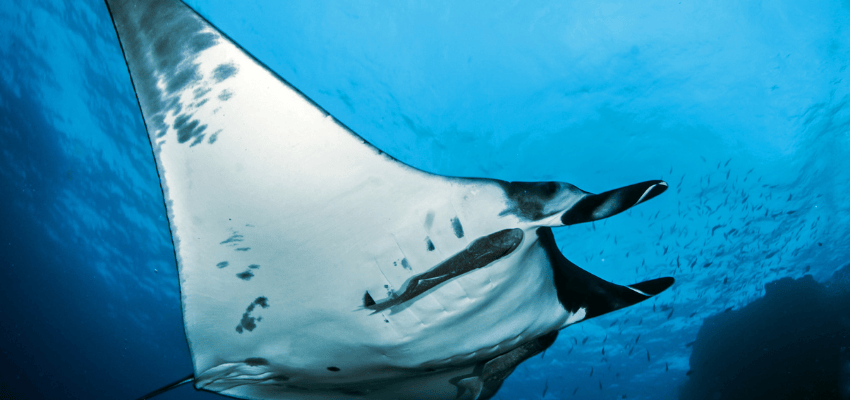
Located roughly 400 kilometres south of Cabo San Lucas, Socorro is part of the Revillagigedo National Park, a UNESCO World Heritage site managed by CONANP. The archipelago consists of four volcanic islands: Socorro, San Benedicto, Roca Partida, and Clarión. Because of the distance from shore, the only way to dive here is by liveaboard.
What you’ll see
Socorro is famous for its giant Pacific manta rays, which often approach divers closely and seem to enjoy human interaction. You’ll also encounter schooling hammerheads, silky sharks, Galapagos sharks, white tip and silvertip sharks, and pods of bottlenose dolphins. From January to April, humpback whales migrate through the area, and their songs can often be heard underwater.
Socorro key dive sites:
- El Boiler – a submerged seamount where mantas and sharks gather.
- San Benedicto – the northernmost island of the archipelago, with cleaning stations.
- Roca Partida – a tiny rock pinnacle surrounded by deep water, famous for schooling hammerheads.
Diving conditions
Water temperatures range from 21°C to 24°C (70°F to 75°F).
Visibility averages 24 to 36 metres (80 to 120 feet).
Currents can be strong, and conditions are often challenging, which is why most operators require a minimum of 50 logged dives, an Advanced Open Water certification and Nitrox certification due to the repetitive deep profiles.
Park fees
The CONANP marine park fee is approximately 3,600 MXN (roughly 200–215 USD) per person per diving day, payable in advance. This is set by the Mexican government and applies to all liveaboards visiting the archipelago.
Safety note: DAN World recommends carrying dive insurance that covers hyperbaric treatment. The nearest chamber for Socorro divers is in Cabo San Lucas, but evacuation can take many hours. DAN’s emergency hotline should be saved before you travel.
Sea of Cortez (Gulf of California)
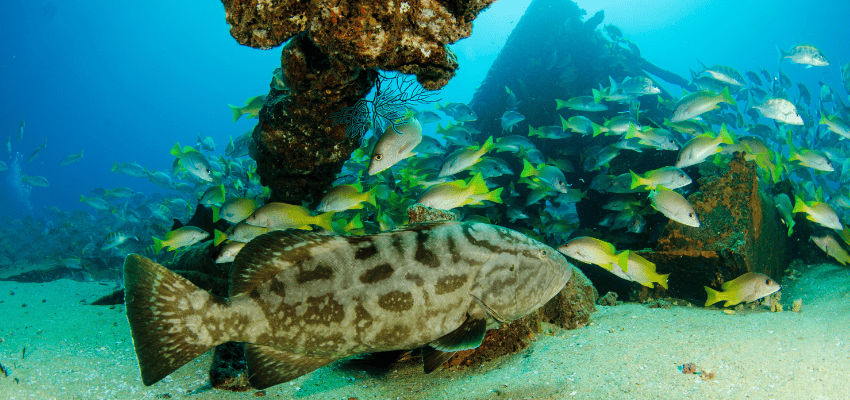
The Sea of Cortez packs an extraordinary range of marine life into a narrow gulf between the Baja Peninsula and mainland Mexico. There’s a reason Jacques Cousteau described it as ‘the world’s aquarium.
Liveaboard trips here can focus on the northern Midriff Islands, the southern waters near La Paz, or long expeditions that travel the entire length of the gulf.
What you’ll see
Sea lion colonies at Los Islotes are a highlight, with young pups often playing with divers. From July to October, massive schools of mobula rays gather, sometimes leaping out of the water. Whale sharks are common near Bahía de los Ángeles and La Paz, and you may also spot hammerhead sharks, bottlenose dolphins, and, rarely, orcas. Humpback whales and fin whales pass through in winter and spring.
Key dive sites and ports of the Sea of Cortez:
- Puerto Peñasco – main departure point for liveaboard trips to the northern Midriff Islands. Remote walls, sea lion colonies, and mobula ray aggregations
- La Paz – popular port for both liveaboards and day trips. Access to Espíritu Santo Island, Los Islotes sea lions, and seasonal whale sharks
- Cabo San Lucas – southern departure hub for liveaboards heading to Socorro or the southern Sea of Cortez. Also offers local day diving at sites like Lands End and Pelican Rock
- Cabo Pulmo – a marine reserve within the Sea of Cortez, known for bull sharks, jacks, and sea turtles
- Los Islotes – a sea lion colony near La Paz, often included in liveaboard and day trips. Dive site page.
Diving conditions
Water temperatures vary widely by season and location.
In the north, expect 23°C to 26°C (73°F to 79°F) in summer, dropping to 18°C to 21°C (64°F to 70°F) in winter.
The south stays warmer: 26°C to 30°C (79°F to 86°F) from May to November.
Visibility ranges from 9 to 24 metres (30 to 80 feet), with better conditions in the south.
Park fees
CONANP fees for the Sea of Cortez are much lower than Socorro: approximately 230 MXN per person per diving day (roughly 12 USD), payable on board or in advance depending on the operator.
Getting there for northern trips: Midriff Islands departures leave from Puerto Peñasco. Most divers fly into Phoenix, Arizona (PHX), then take a shuttle or drive 4 hours to the port. Allow extra time for border crossing.
Caribbean Coast
The Mexican Caribbean offers warm, clear water and easy access to the Mesoamerican Barrier Reef, the second-largest barrier reef in the world.
Most diving here is land‑based, with dozens of dive centres operating from resorts and town shops.
Cozumel
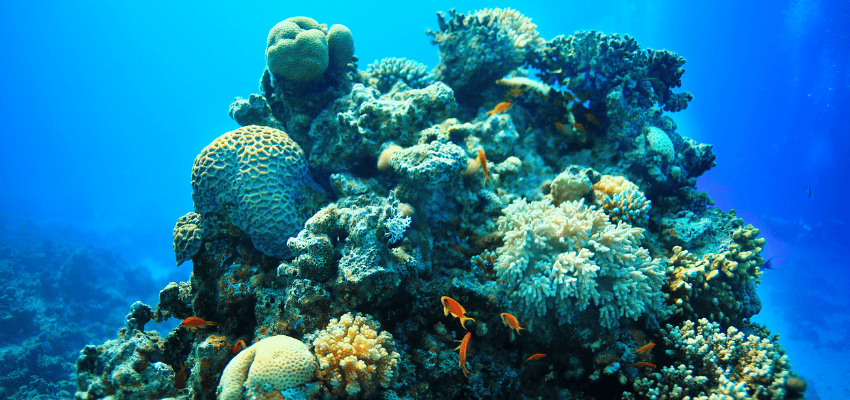
Cozumel is Mexico’s most famous dive destination, and for good reason. The island sits just off the mainland, protected by the Arrecifes de Cozumel National Park. Drift diving is the standard: you enter the water, let the current carry you along the wall, and the boat picks you up down the current.
What you’ll see
Massive barrel sponges, towering coral formations, and sheer walls dropping to 60 metres and beyond. Marine life includes green and hawksbill turtles, spotted eagle rays, nurse sharks, and large groupers. Cleaner stations attract moray eels and banded shrimp. Schools of creole fish and grunts form moving curtains along the reef.
Key dive sites in Cozumel:
- Santa Rosa Wall – One of Cozumel’s most famous sites. A steep wall that starts at 15 metres (50 feet) and drops into the deep. Excellent drift diving with large sponges, sea fans, and turtles.
- Palancar Reef – A series of coral gardens and tunnels. Suitable for all levels, with abundant reef fish, eagle rays, and occasional nurse sharks.
- Colombia Deep – An advanced dive with strong currents and deeper profiles (26–30 metres / 85–100 feet). Known for large coral pinnacles, groupers, and sharks.
Diving conditions
Water temperatures: 26°C to 29°C (79°F to 84°F) year‑round.
Visibility: 24 to 30 metres (80 to 100 feet) during peak season (December to April).
Currents vary from mild to strong.
How to dive it
Cozumel has dive centres for every budget. Most offer two‑tank morning trips, with afternoon and night dives available.
Safety note: The island has a hyperbaric chamber at Costamed Hospital. DAN World published a case study on DCS treatment in Cozumel, which highlights the importance of dive insurance and conservative dive planning.
Playa del Carmen & Cancún
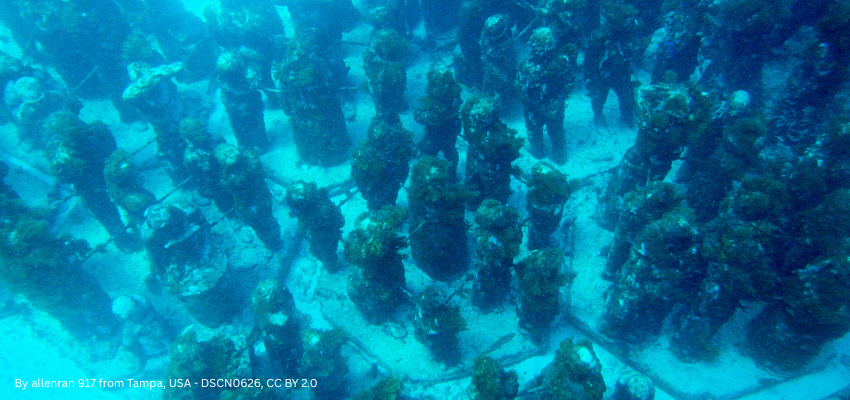
The mainland coast offers a different experience from Cozumel: easier access to the famous bull shark aggregation, the Cancún Underwater Museum of Art, and seasonal whale shark tours.
Playa del Carmen
From November to March, pregnant bull sharks gather off Playa del Carmen. Operators run guided dives to sites like Pared Verde and Shark Point, where the sharks congregate in depths of around 20–26 metres. The animals are calm and accustomed to divers, but you must stay with your guide and follow strict protocols. The sharks are calm and accustomed to divers, but you must stay with your guide and follow strict protocols.
Cancún
MUSA (Museo Subacuático de Arte) has over 500 life‑size sculptures submerged in 8 metres of water. It was designed to draw divers away from natural reefs. It’s an easy dive for beginners. From June to September, Cancún and Isla Mujeres host the largest whale shark aggregation in the world, with hundreds of sharks feeding on plankton.
Most trips are snorkel‑only. Scuba diving with the whale shark aggregation around Isla Mujeres and Holbox is not permitted. However, some operators offer combination day trips where you can do a separate reef dive or two and then snorkel with the sharks.
Key dive sites in Playa del Carmen & Cancun:
- Punta Venado – A shallow reef system (average depth 20 metres / 65 feet) with canyons and swim‑throughs. During winter (December–March), there is a good chance of seeing bull sharks.
- Cancun Underwater Museum of Art (MUSA) – Over 500 life‑size sculptures submerged in 8 metres of water. An easy dive for beginners and a unique artificial reef.
- Tortugas – Named after the sea turtles often seen here. Visibility often exceeds 30 metres (98 feet). Expect nurse sharks, angelfish, groupers, and tarpons.
Diving conditions
Water temperatures: 26°C to 29°C (79°F to 84°F).
Visibility in Playa and Cancun averages 12 to 18 metres (40 to 60 feet), lower than Cozumel due to coastal runoff.
But we should note the Sargassum (seaweed) season typically in April–August, when it can occasionally affect shore entries and visibility, even if it doesn’t ruin the diving itself.
How to dive it
Playa and Cancun have many dive shops, but the quality varies. For bull shark dives, choose an operator with a strong safety record. The sharks are wild animals, and responsible operators maintain strict feeding bans.
Visitor tax: The state of Quintana Roo charges a visitor tax (Visitax). You must pay it online before departure from Cancun, Cozumel, or Tulum airports.
Tulum Cenotes
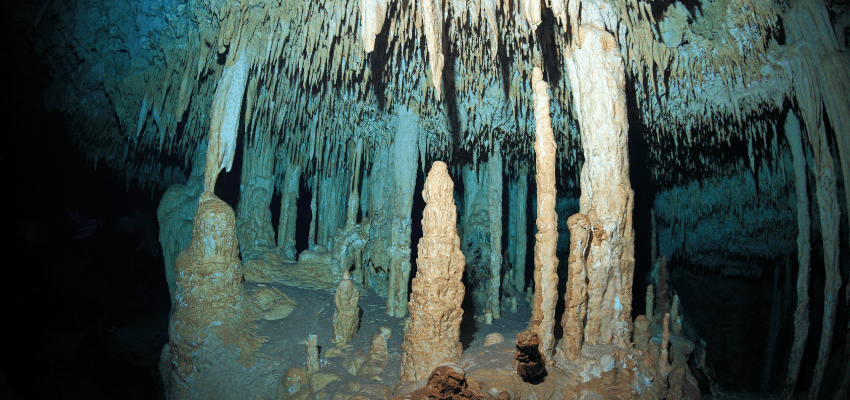
The cenotes near Tulum are freshwater sinkholes formed by limestone collapse. They offer crystal‑clear cavern diving with dramatic light effects, and in some cenotes, dramatic haloclines. Unlike ocean diving, there are no currents, and visibility often exceeds 45 metres (150 feet).
What you’ll see
Stalactites, stalagmites, and hydrogen sulphide layers (in deeper cenotes like Angelita and The Pit). Haloclines create a shimmering blur where fresh water meets salt water.
Key cenotes near Tulum
- Dos Ojos – One of the largest cavern systems in the world, with two sinkholes connected by a 400‑metre passage. Excellent for cavern diving within the light zone.
- Angelita – Famous for a “river of clouds” at 30 metres (100 feet), created by a layer of hydrogen sulphide. Advanced divers only.
- The Pit – A deep, bell‑shaped cenote with a halocline at 24 metres and a sulphide layer at 30 metres. Stunning light beams from the surface.
- Casa Cenote – An open, half‑saltwater system that leads to the ocean. Good for beginners and for spotting small fish, crabs, and birds.
Skill requirements
Cavern diving in cenotes requires excellent buoyancy control. You must stay within the “Daylight Zone” and never enter the cave (you should never be more than 60 linear meters (200 feet) from an exit to open water and must always see natural light).
Full cave certification is required for overhead environments. Many cenotes are privately managed, and operators will check your certification before allowing entry.
How to dive it
Most divers stay in resorts at Tulum or Playa del Carmen and book cenote trips through local dive centres. A typical day includes two dives in different cenotes.
Environmental note
Cenotes are fragile ecosystems. Sunscreen of any kind is prohibited in cenotes. Operators also forbid insect repellent before dives. Plan to wear a rash guard or wetsuit for sun protection instead. Touching formations or stirring up silt is strictly prohibited.
Each of these regions could fill an entire guide on its own. In the sections below, we’ll help you narrow down when to go and whether a liveaboard or land‑based trip suits your style better.
When to Go: Mexico Diving Calendar
Timing your trip to Mexico can make the difference between seeing a single reef shark and swimming with a hundred whale sharks. The country spans two oceans, so there is no single “best” month. Instead, each destination has its own peak window.
Use the calendar below to plan your trip around the conditions you want.
Mexico Seasonal Calendar by Destination
| Destination | Jan | Feb | Mar | Apr | May | Jun | Jul | Aug | Sep | Oct | Nov | Dec |
|---|---|---|---|---|---|---|---|---|---|---|---|---|
| Socorro Island (mantas, whales) | ✔ | ✔ | ✔ | ✔ | ✔ | ✔ | ✔ | ✔ | ||||
| Sea of Cortez (sea lions, mobulas) | ✔ | ✔ | ✔ | ✔ | ✔ | |||||||
| Cozumel (best visibility) | ✔ | ✔ | ✔ | ✔ | ✔ | ✔ | ✔ | ✔ | ||||
| Tulum Cenotes (year‑round) | ✔ | ✔ | ✔ | ✔ | ✔ | ✔ | ✔ | ✔ | ✔ | ✔ | ✔ | ✔ |
| Cancun / Isla Mujeres (whale sharks) | ✔ | ✔ | ✔ | ✔ | ✔ |
Notes on weather and safety:
- Hurricane season on the Caribbean coast runs from June to November (NOAA). Travel insurance is strongly recommended if you book during these months, especially for Cozumel and Cancun.
- Sargassum (seaweed) season typically occurs from April to August on the Caribbean coast. It can occasionally affect shore entries and visibility, but the diving itself remains good – most operators take boats directly to the reef, avoiding the shoreline.
- The Pacific side is not affected by Atlantic hurricanes, but summer storms can occasionally impact the Sea of Cortez. Read more about best time to dive the Sea of Cortez.
For a deeper breakdown of seasonal marine life, including specific months for whale sharks, bull sharks, and giant mantas, see our dedicated guide: Best Time to Dive in Mexico.
Liveaboards vs. Land‑Based Mexico Diving
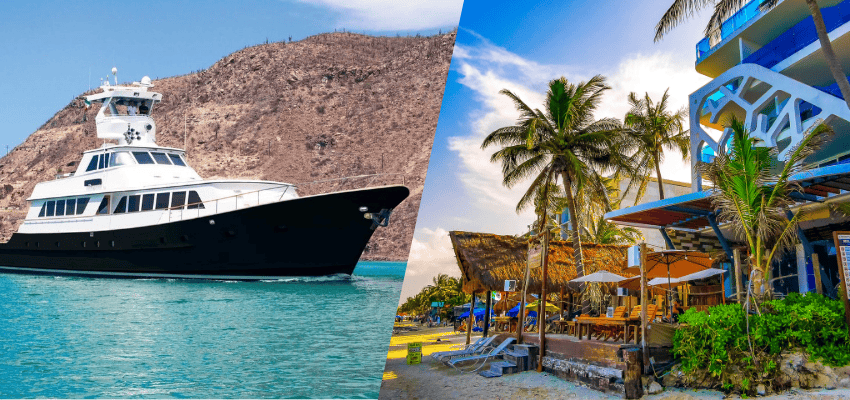
One of the first decisions you will need to make when planning a Mexico scuba diving trip is whether to join a liveaboard or stay on land. Both have clear advantages, and the right choice depends entirely on which destinations you want to visit and how much time you have.
When to Choose a Liveaboard
Liveaboards are the only way to reach Mexico’s most remote and wildlife‑rich sites. If your goal is to dive Socorro Island, you have no choice because every trip runs from a liveaboard. The same goes for the northern Sea of Cortez Midriff Islands, which are too far from shore for day boats.
Liveaboards are for:
- Socorro Island (Revillagigedo) – 8 to 10 night trips from Cabo San Lucas. Expect giant mantas, schooling hammerheads, and pods of bottlenose dolphins. It’s not unusual to see five or six shark species on a single dive. Minimum 50 dives required.
- Sea of Cortez – 7 to 12 night trips from Puerto Peñasco. Remote walls, sea lion colonies, and mobula ray aggregations.
- Combination trips – Some vessels offer extended itineraries that cover both Socorro and the southern Sea of Cortez, giving you two very different experiences in one trip.
Liveaboard options on Divebooker:
- Rocio del Mar – Socorro and Sea of Cortez
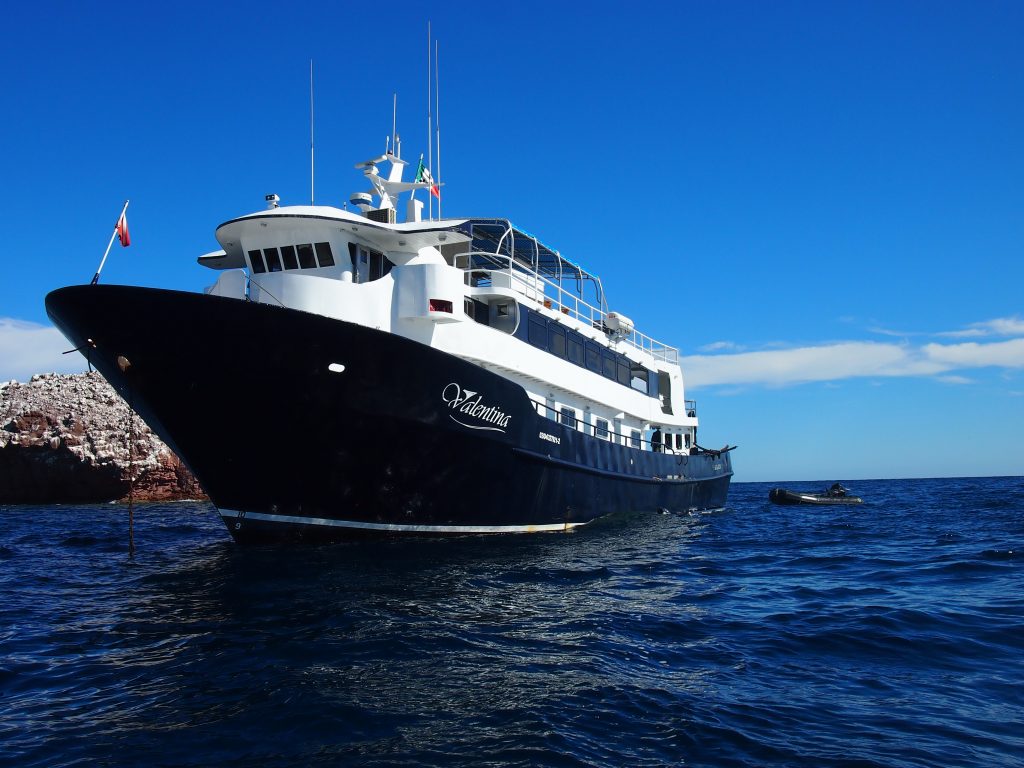
- Valentina – Socorro and Sea of Cortez
- Nautilus Explorer – Socorro, Guadalupe, and Sea of Cortez
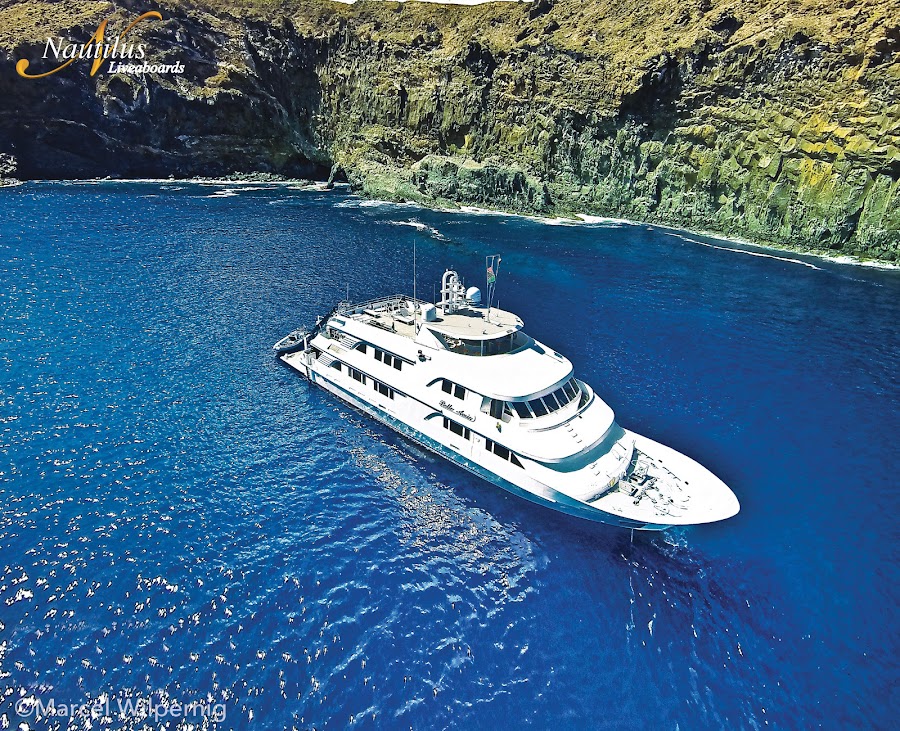
- Nautilus Belle Amie – Socorro and Sea of Cortez
- Nautilus Gallant Lady – Sea of Cortez and Cabo Pulmo
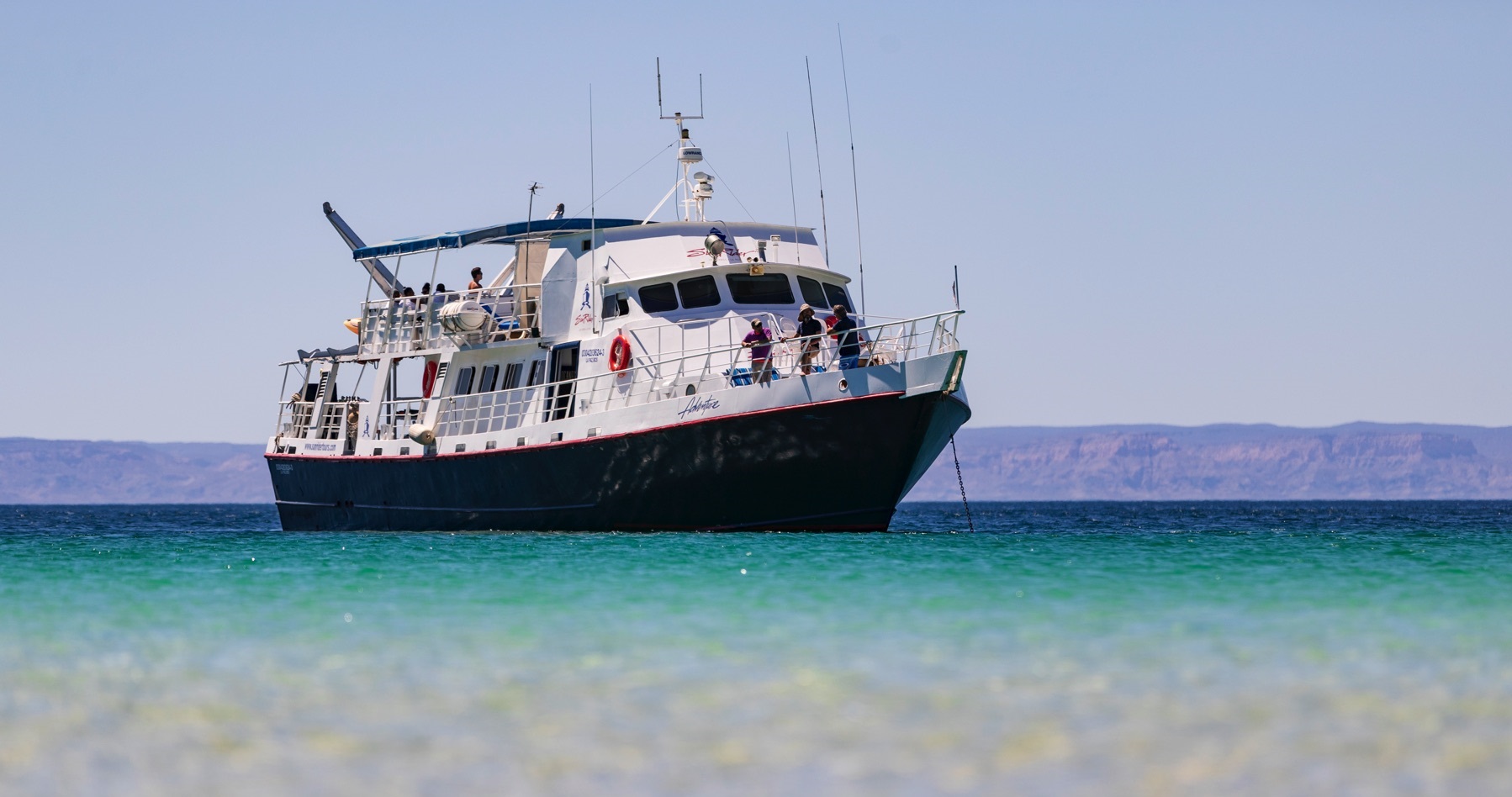
- Adventure – Socorro and Sea of Cortez
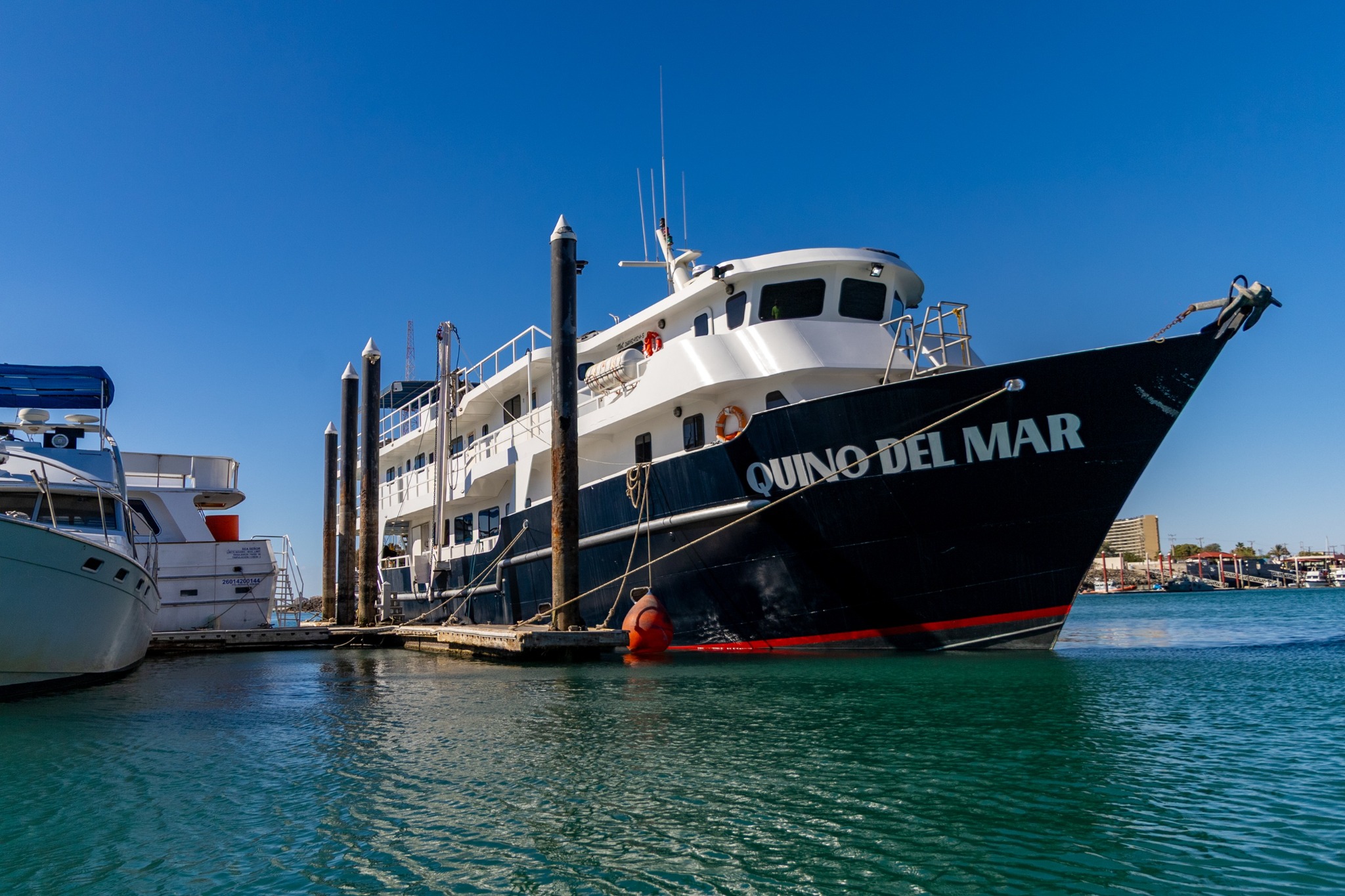
- Quino del Mar – Socorro and Sea of Cortez
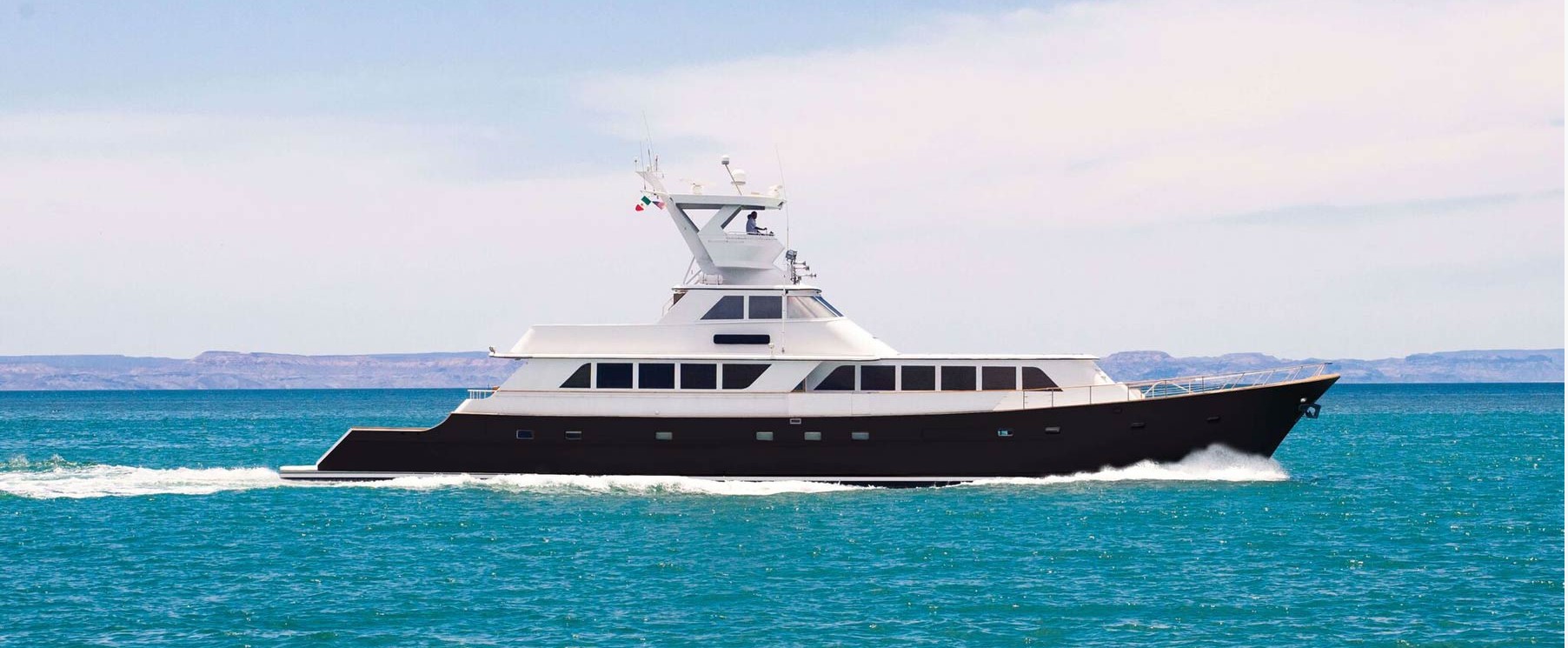
All of these liveaboards include accommodation, meals, tanks, weights, and guided dives. Most also offer nitrox for an extra fee. Park fees and port charges are usually billed separately. If you want more details please read our article Top Mexico Liveaboards.
When to Choose Land‑Based Diving or Resort Mexico Diving
Land‑based diving gives you more flexibility, lower daily costs, and the ability to combine diving with other activities. You can dive in the morning and spend the afternoon exploring ruins, eating at local restaurants, or simply relaxing on the beach near your dive resort.
Land‑based is best for:
- Cozumel – Dozens of dive centres, easy drift diving, and quick boat rides to the reef. You can stay in town or at a resort.
- Tulum Cenotes – Day trips from Tulum or Playa del Carmen. A typical cenote dive lasts 40 to 60 minutes, and you can visit two or three different sinkholes in one day.
- Cancun / Isla Mujeres – Easy diving at MUSA and seasonal whale shark trips. Great for beginners and families.
Land‑based diving also allows you to mix destinations. You could spend four days diving Cozumel, then take the ferry to Playa del Carmen for bull shark dives, and finish with two days of cenotes. A liveaboard locks you into one itinerary.
Cost Comparison
| Expense | Liveaboard
(Socorro, 9 nights) |
Land-based
(Cozumel, 7 nights) |
|---|---|---|
| Liveaboard / Dive package | USD 3,500 – 4,500 | USD 800 – 1,200 |
| Hotel | – | USD 400 – 800 |
| Meals | Included | USD 300 – 500 |
| Park fees | USD 300 – 400 (Socorro) | USD 20 – 40 (Cozumel) |
| Flights & transfers | Extra | Extra |
| Total (approx) | USD 4,000 – 5,500 | USD 1,500 – 2,500 |
For the Sea of Cortez, park fees are much lower – approximately 230 MXN (12 USD) per day.
Liveaboards are more expensive upfront, but they include almost everything except flights and tips. Land‑based trips can be stretched or trimmed to fit almost any budget.
Which One Is Right for You?
- Choose a Mexico Liveaboard if you want to see big pelagic animals (mantas, sharks, whales), you don’t mind sharing a cabin, and you are comfortable with multiple dives per day in potentially challenging conditions.
- Choose Mexico Land‑based Diving if you prefer a slower pace, you want to dive on your own schedule, or you are travelling with non‑divers who want to do other activities.
Some divers do both: a liveaboard trip to Socorro or the Sea of Cortez, followed by a few relaxing days of cenote and reef diving on the Caribbean side. Scuba diving in Mexico is flexible enough to accommodate almost any combination.
Mexico Marine Life Spotlights
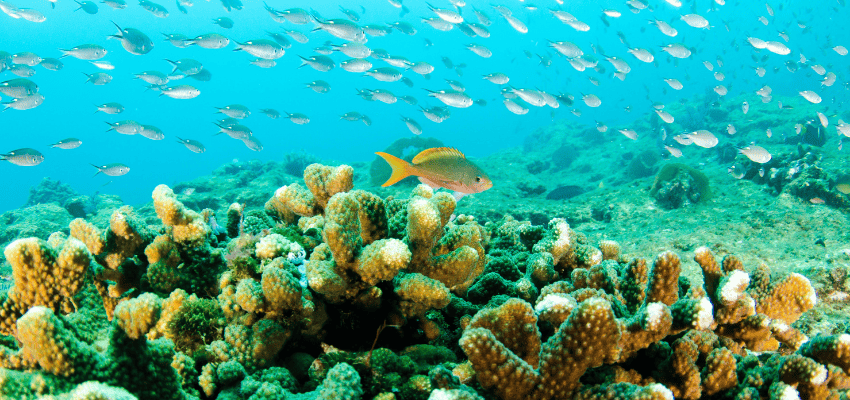
Mexico scuba diving puts you face-to-face with some of the ocean’s most impressive creatures. Below are the highlights you can expect by region and season. For complete details on each species, including where and when to find them, see our dedicated guides.
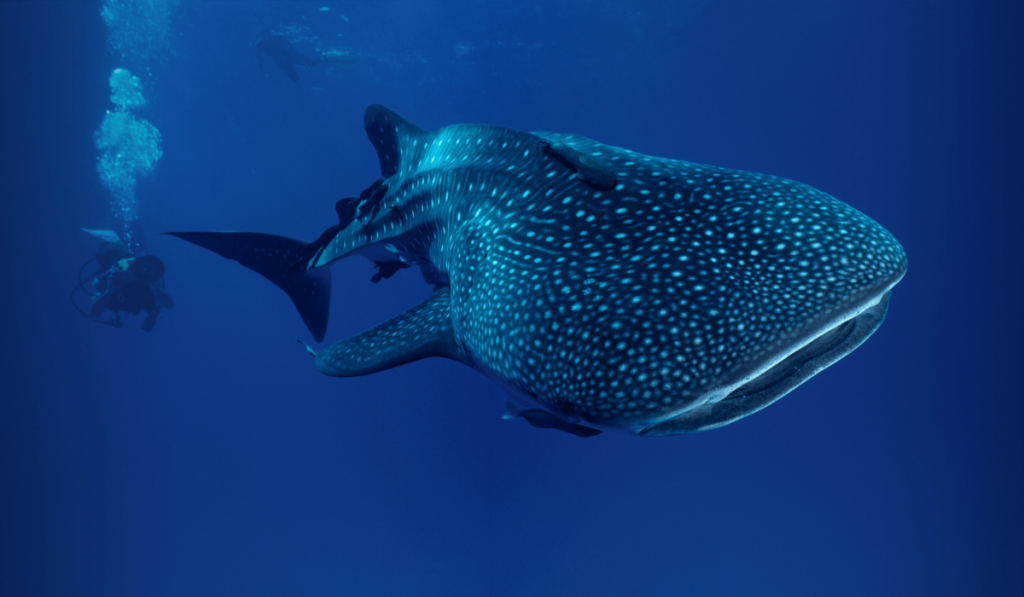
- Whale sharks– The largest fish in the sea gather between Holbox and Isla Mujeres, off Cancún, from June to September, and again near La Paz in the Sea of Cortez from October to February. Most encounters are snorkel‑only, but some operators offer scuba.
- Bull sharks – Playa del Carmen is the bull shark capital in the Caribbean Sea. From November to March, pregnant bull sharks gather at several sites near Playa del Carmen, including Punta Venado and Shark Point. These are controlled, guided dives with strict safety protocols.
- Giant mantas – Socorro Island is one of the few places in the world where giant Pacific mantas actively seek out divers. The best months are November to May, with peak manta activity from January to April.
- Mobula rays – The Sea of Cortez hosts spectacular mobula ray aggregations from July to October. Thousands of rays leap out of the water, and night dives with feeding mobulas are unforgettable.
- Sea lions – Playful colonies live at Los Islotes (La Paz) and in the Sea of Cortez. Young pups will nibble your fins and pose for photos. Year‑round, but best visibility in summer.
- Humpback whales – Socorro and the southern Sea of Cortez see humpbacks from January to April. You can often hear their songs underwater even when the whales are not visible.
These are just the headliners. You will also find sea turtles, eagle rays, octopus, moray eels, and countless reef fish on almost every dive. For more detailed dive in marine life, you can read our article about sharks in the Mexico
Conclusion
Mexico scuba diving truly has something for everyone. Whether you want to drift along Cozumel’s walls or float through a crystal‑clear cenote, the country delivers. The Pacific side rewards advanced divers with big animal encounters on liveaboards. The Caribbean offers easy, warm reef diving and seasonal treats like whale sharks and bull sharks. And the Tulum cenotes stand alone as a freshwater experience you will not find anywhere else.
Use this guide to narrow down your destination, time your trip around the marine life you want to see, and decide whether a liveaboard or land‑based trip fits your style. When you are ready to book a Mexico liveaboard, Divebooker makes it easy to compare verified operators, read real reviews, and secure your spot.
Start planning your Mexico dive trip today, and get ready for some of the best underwater adventures the continent has to offer.
-
 from$448 /day
from$464 /day
from$324 /day
from$448 /day
from$464 /day
from$324 /day
Frequently Asked Questions about Mexico Scuba Diving
Is Mexico scuba diving good for non‑divers travelling with me?Divebooker Team2026-04-07T16:13:59+00:00Absolutely. Cozumel, Playa del Carmen, Cancun, and La Paz offer snorkelling, beach activities, Mayan ruins, and eco‑parks. Non‑divers can join whale shark tours (snorkel only), visit MUSA by glass‑bottom boat, or explore cenotes near Tulum from the surface. Liveaboards are not recommended for non‑divers unless they are happy to snorkel and relax on deck.
Can I combine Socorro and the Sea of Cortez on one liveaboard trip?Divebooker Team2026-04-07T16:13:36+00:00Some vessels offer combination itineraries, usually 12 to 14 nights, that cover both Socorro and the southern Sea of Cortez. These are rare and book up far in advance. Most divers choose one region per trip. Check with your liveaboard operator for availability.
Are there any hidden fees during Mexico scuba diving I should know about?Divebooker Team2026-04-07T16:13:11+00:00Yes. The state of Quintana Roo charges a visitor tax (Visitax) for departures from Cancun, Cozumel, and Tulum airports. Pay online in advance. Divers on Socorro liveaboard trips must pay CONANP park fees of approximately 3,600 MXN per diving day. Sea of Cortez park fees are much lower, around 230 MXN per day. Some operators add port fees or fuel surcharges. Check before booking!
What is the best time to dive Mexico overall?Divebooker Team2026-04-07T16:11:50+00:00When to dive in Mexico depends on your goal. For Cozumel’s best visibility, December to April. For Socorro’s giant mantas, November to May. For whale sharks in Cancun, June to September. For bull sharks in Playa, November to March. The Tulum cenotes are excellent year‑round. See the seasonal calendar above for a quick reference.
What certification do I need for cenote diving?Divebooker Team2026-04-07T16:11:27+00:00Cavern diving in Tulum cenotes requires at least an Open Water certification, but most operators strongly recommend Advanced Open Water with a peak performance buoyancy specialty. You must stay within the light zone and never enter the cave without full cave certification. Expect to show your c‑card before being allowed to dive.
How much does a Mexico scuba diving trip cost?Divebooker Team2026-04-07T16:11:07+00:00A two‑tank boat dive in Cozumel or Playa del Carmen runs 70 to 100 USD, including tanks and weights. Cenote dives are slightly higher, 80 to 120 USD for two dives. A 9‑night Socorro liveaboard starts around 3,500 USD and can exceed 5,000 USD for luxury vessels. Accommodation, flights, park fees, and tips add extra. Land‑based trips are far more budget‑friendly.
What is the difference between diving in Cozumel and Playa del Carmen?Divebooker Team2026-04-07T16:10:48+00:00Cozumel offers world‑class drift diving on a protected reef with visibility often exceeding 30 metres. Playa del Carmen is better known for bull shark encounters (November to March) and as a base for cenote trips. Cozumel is an island reached by ferry; Playa is on the mainland.
Do I need to be an advanced diver to enjoy scuba diving in Mexico?Divebooker Team2026-04-07T16:10:27+00:00Not at all. Cozumel, Cancun, and the Casa Cenote are suitable for beginners. The Sea of Cortez and La Paz also have plenty of shallow, easy dives. Socorro Island and the northern Sea of Cortez liveaboard trips do require 30 to 50 logged dives and an Advanced Open Water certification due to strong currents and deeper profiles.