The ocean operates on a timeless schedule: plankton blooms trigger feeding frenzies, currents gather predators, and migrations transform quiet reefs into bustling metropolises. For discerning divers, timing is everything.
This guide serves as your definitive scuba diving calendar, connecting you with the best places to scuba dive in the world precisely when they shine brightest and with the best liveaboard special offers. Beyond mere listings, we provide the context to understand why each season matters and how to plan around it for transformative experiences, whether you seek the adrenaline of pelagic action or the quiet wonder of macro life.
The Rhythm of the Seas: Understanding Diving Seasons
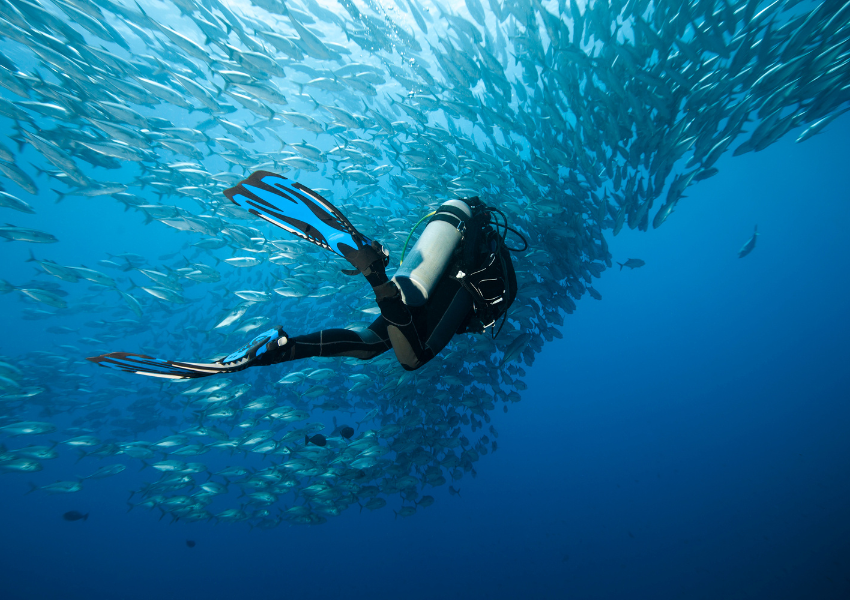
The best diving seasons aren’t arbitrary; they are the direct result of environmental triggers.
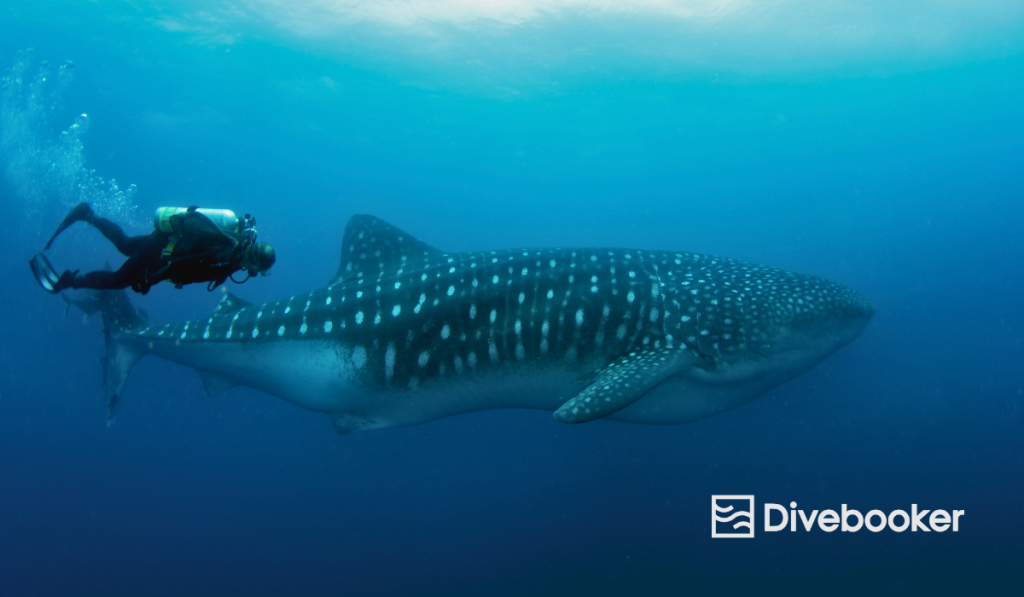
Plankton blooms, fueled by sun angle and nutrient upwellings, form the base of the food chain. These blooms attract filter feeders like manta rays and whale sharks.
Water temperature dictates the behaviour of certain species and drives vast migrations, such as humpback whales moving to warmer tropical waters to calve.
Marine creatures’ reproductive cycles, often tied to lunar phases, lead to breathtaking aggregations of fish or coral spawning events.
Furthermore, major ocean currents act as underwater highways, defining migration paths for pelagic species.
Regional rainy and dry seasons directly impact water visibility, surface conditions, and the timing of key biological events.
Recognizing these patterns allows you to time your diving trips with specific phenomena.
For instance, the best diving in September in places like Raja Ampat coincides with the end of the windy season, bringing calmer seas and exceptional visibility just as marine life becomes most active.
Conversely, the Sea of Cortez diving season in early summer capitalizes on warming waters that trigger the massive mobula ray migration.
To dive deeper into planning a trip to this region, read our guide: Best Time to Dive the Sea of Cortez: Month-by-Month Season Breakdown.
Where to Dive Now: Best Places to Scuba Dive in The World
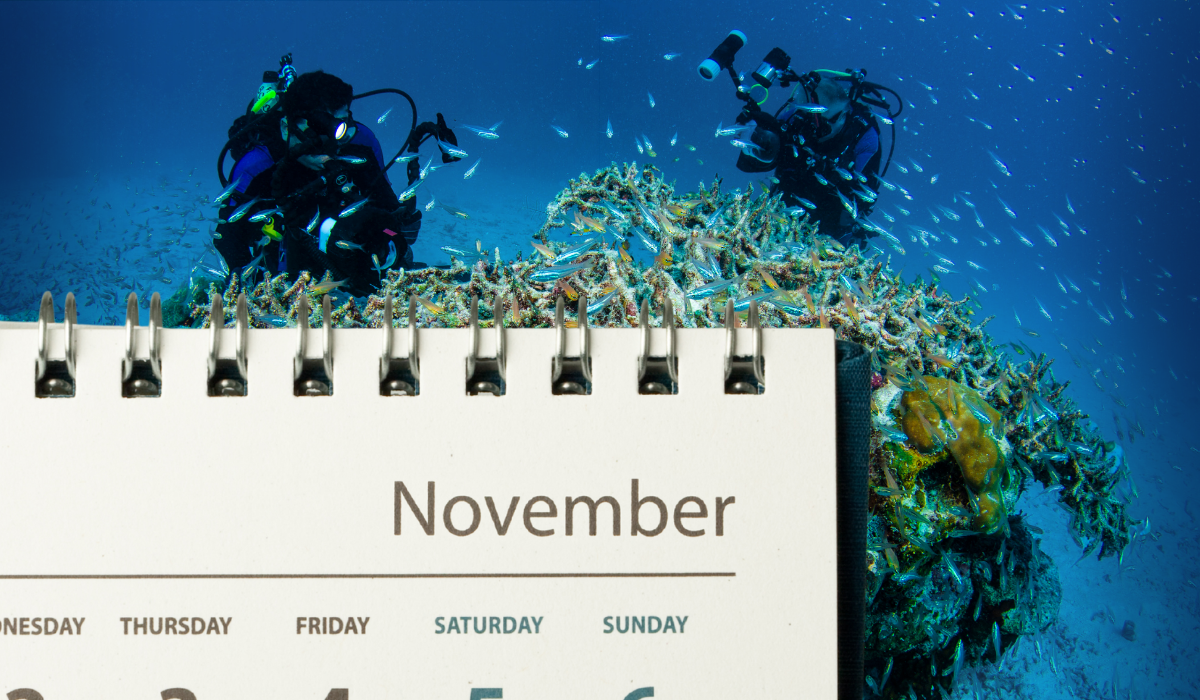
This calendar is built on the predictable patterns of marine life migrations, spawning aggregations, and seasonal weather windows. It highlights where to be each month for the highest probability of iconic encounters.
| Month | Top Destinations | Key Attractions & Seasonal Reasons | Practical Notes |
|---|---|---|---|
| January | Galapagos Islands, Ecuador | Peak Galapagos manta season; large schools of scalloped hammerheads at Darwin & Wolf Islands. | Warm/wet season. Strong currents; advanced diving. A liveaboard is essential to visit Darwin and Wolf. |
| Tiger Beach, Bahamas | Prime Tiger Beach shark diving; reliable tiger & great hammerhead sharks in shallow sand flats. | Shallow, sunny dives. Advanced baiting protocols in place. | |
| February | Silver Bank, Dominican Republic | Thousands of humpback whales gather to mate and nurse. Snorkel-only encounters. | Access only via specialized liveaboards. A profound wildlife experience. |
| South Atolls, Maldives | Excellent weather; high probability of year-round whale shark encounters and grey reef sharks in channels. | Check out the Maldives Victory wreck, a 1958 cargo ship now a reef. | |
| March | Palau | Often the best time to dive in Palau; superb dry-season visibility and sailfin snapper spawning around the full moon. Also, a great time for manta in the German Channel. | World-class drift diving at Blue Corner and Ulong channel. WWII wrecks are iconic. |
| Similan Islands, Thailand | Peak season for a Similan Islands liveaboard; whale sharks and mantas at Richelieu Rock and Koh Bon. | Vessels like the Seatopia liveaboard offer the best access to these remote granite and limestone pinnacles. | |
| April | Tubbataha Reef, Philippines | Tubbataha reef diving season is in full swing; pristine atolls with sharks, mantas, and visibility exceeding 40 metres. | UNESCO site. Only accessible early March to mid-June. Secure your spot 12 months early. |
| Belize | End of the dry season; glassy surface conditions on the barrier reef and atolls. | Lighthouse Reef and the Great Blue Hole are the main highlights. Grouper spawning is possible. | |
| May | Komodo, Indonesia | Start of the dry season; fantastic conditions and active mantas with fewer crowds. | Strong currents throughout the park; be ready for cold upwellings in the south. Trek to see the dragons. |
| Saudi Arabia | Prime time for hammerhead schools and pristine coral gardens in the southern Red Sea. | Untouched reefs with vertical walls. Suitable for advanced divers comfortable with currents. | |
| June | Sea of Cortez, Mexico | Peak of the season; massive mobula ray migrations and playful sea lions at Los Islotes. | Bull sharks at Cabo Pulmo. Water is warming up, bringing high biodiversity. |
| French Polynesia | Start of the mating season for grey reef shark aggregations in the passes of Fakarava and Rangiroa. | Exceptional visibility. Strong incoming tides provide world-class drift diving. | |
| July | Baa Atoll, Maldives | Southwest monsoon funnels plankton; huge numbers of manta rays gather to feed. | Snorkelling only in the Hanifaru Bay itself due to biosphere rules. Incredible spectacle. |
| Great Barrier Reef, Australia | Winter playground for dwarf minke whales; inquisitive animals often linger near the boat. | Regulated encounters often involve holding onto a trailing rope while whales investigate swimmers. | |
| August | Shark Bank, Seychelles | Best conditions to dive Shark Bank: an underwater pinnacle with grey stingrays and reef sharks. | Massive granite boulders stacked together. High biodiversity including nesting green turtles. |
| Truk Lagoon (Chuuk), Micronesia | One of the world’s most famous wreck diving destinations, with dozens of WWII Japanese ships and aircraft lying in crystal-clear, sheltered waters. | Excellent visibility and calm conditions. A paradise for wreck enthusiasts and underwater photographers. Requires advanced certification for deep penetration dives. | |
| September | Banda Sea, Indonesia | Prime time for the Banda Sea hammerhead migration on remote reefs. Calm seas allow access to incredible biodiversity and pristine coral walls. | An epic liveaboard journey requiring good fitness. Expect dynamic conditions and pelagic encounters. |
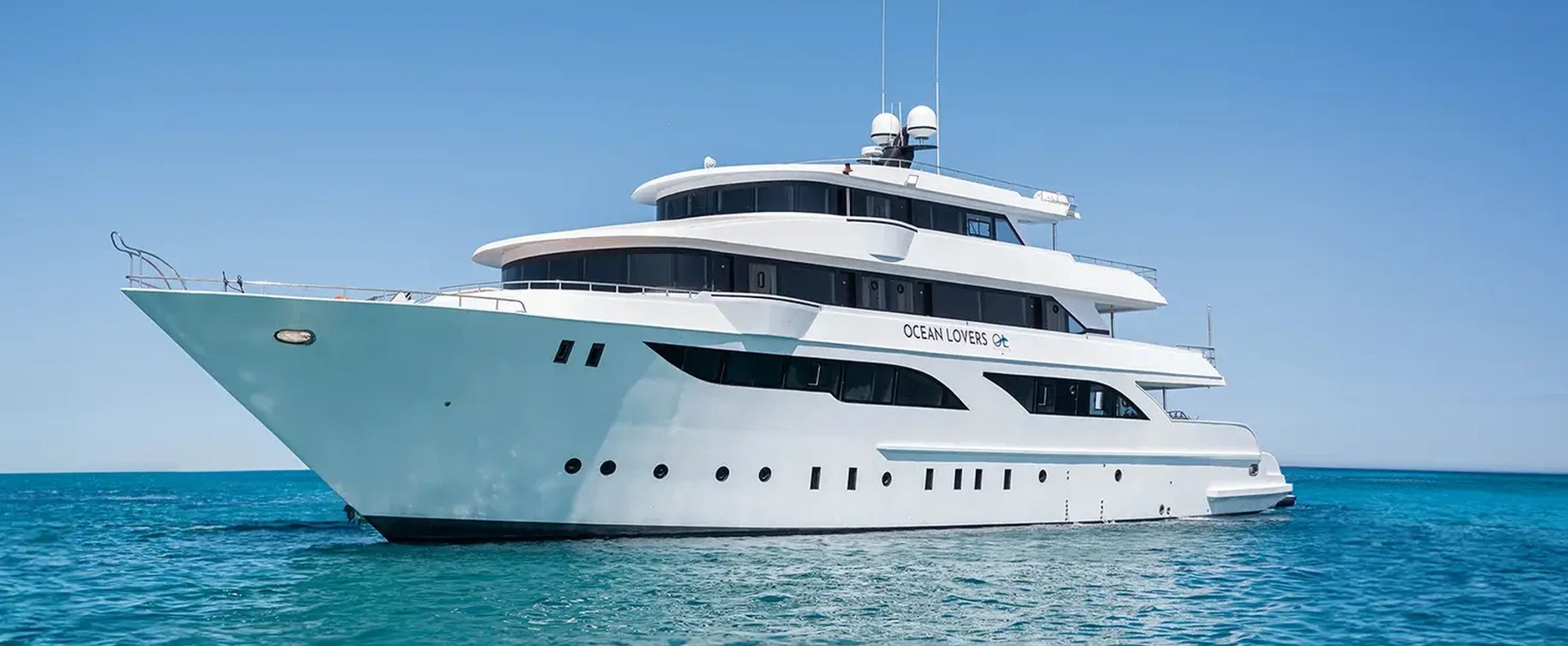
| Red Sea, Egypt | Start of the best season; superb conditions return after the intense summer heat. | Ideal for the “Shark Triangle” (Brothers, Daedalus, Elphinstone) on the Ocean Lovers liveaboard. | |
| October | Cocos Island, Costa Rica | The legendary Cocos Island hammerhead schools gather in massive numbers at cleaning stations, joined by marble rays, whale sharks, and frequent dolphin pods. | Liveaboard-only advanced diving. Strong currents are the norm. A premier expedition for experienced divers. |
| Raja Ampat, Indonesia | Beginning of the prime season; calm seas allow easier access to Misool and the Dampier Strait. | The heart of the Coral Triangle with over 1,500 fish species. Wide-angle and macro heaven. | |
| November | Socorro Islands, Mexico | Peak season for giant oceanic manta rays, friendly dolphins, humpback whales, and shark action at this remote pelagic paradise. | Liveaboard-only advanced diving with strong currents. A bucket-list trip for big animal encounters. |
| Komodo National Park, Indonesia | Fantastic conditions with active marine life. The south’s cold upwellings bring nutrient-rich water, attracting mantas and large schools of fish. | Offers a mix of dynamic and calm dives. Strong currents in the south demand advanced skills; northern sites are more sheltered. | |
| December | Cayman Islands | The start of the dry season brings calm, clear water and excellent conditions for exploring world-class walls, swim-throughs, and the famous Stingray City. | A top-tier Caribbean destination with reliable conditions. Great for all skill levels, from beginners on sheltered reefs to advanced divers on dramatic walls. |
| Visayas, Philippines | Peak season with calm, clear seas. Offers world-class wreck diving in Coron Bay and vibrant reef ecosystems teeming with life, from small critters to large pelagics. | Accessible via resorts and day boats. Offers incredible diversity within one region. A perfect blend of adventure and accessibility. |
This table is curated based on well-established, recurring marine phenomena recognized by the global diving community, marine research institutions, and decades of operator logbooks. We emphasize that wildlife is never guaranteed. Ocean conditions can shift, affecting animal behavior. This guide points you to the statistically best windows for life-changing encounters.
From Calendar to Itinerary: The Strategic Planning Guide
Knowing the best time to dive is the first step. The next, and perhaps more important, step is to match that timing with your own personal comfort level and diving goals. A trip that perfectly suits one diver could be overwhelming for another. This section will help you make those critical strategic decisions to define your own ideal experience.
Matching Destinations to Your Dive Profile
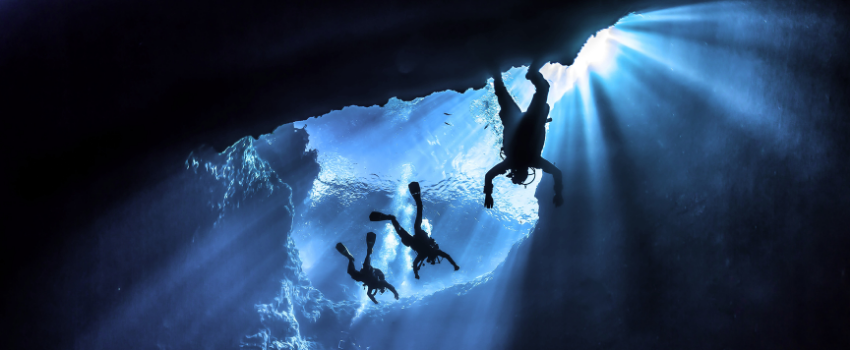
The best destinations will be different for every diver. Your personal comfort and skill level are the most important guides. Choosing a destination that fits your profile ensures a safe, enjoyable, and rewarding experience.
- For Beginners & Reef Enthusiasts: Prioritize destinations known for protected conditions, easy shore access, and reliable, shallower reefs. Look for regions with generally calm seas, minimal currents, and operations that specialize in guided, small-group dives. These environments allow you to build confidence, master buoyancy, and focus on the stunning marine life without battling challenging elements. Think sheltered bays, expansive lagoon systems, and vibrant coral gardens accessible directly from the beach.
- For Advanced & Pelagic Seekers: You are the target audience for dynamic, current-swept environments that act as highways for large marine life. Your ideal destinations are characterized by deep walls, oceanic channels, remote seamounts, and strong, predictable currents that attract sharks, rays, and big schools of fish. Success and safety in these areas require excellent buoyancy control, experience with drift diving techniques and tools like reef hooks, and often formal advanced certifications. This is where the ocean’s grandest pelagic spectacles unfold for those with the skills to safely enjoy them.
Budgeting for the Blue
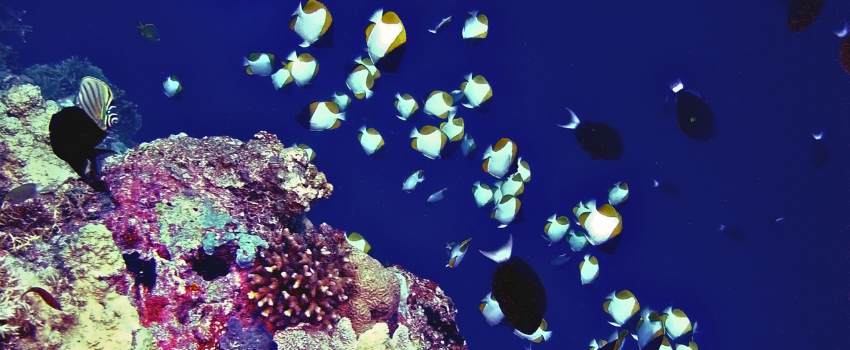
Travel timing is intrinsically linked to cost, but the relationship isn’t always straightforward. Your budget should account for more than just the price tag; it’s a balance between cost, conditions, and exclusivity.
- High/Premium Season: This period offers the most reliably calm seas and sunny topside weather, resulting in peak prices and more divers. You are paying a premium for predictability.
- Shoulder Season: The weeks between high and low seasons often present the best value, frequently offering very good diving conditions with fewer divers and more competitive pricing for flights and accommodations.
- Low/Value Season: Often coincides with a region’s rainy or windy period. While topside weather may be less predictable and seas occasionally rougher, this season can unlock excellent value and spectacular marine life events driven by weather patterns (like plankton blooms). The diving can still be excellent, and the difference in experience is not always drastic.
A critical exception to this model is destinations governed by very short, strict diving seasons due to national park regulations, such as Tubbataha Reef in the Philippines. These brief windows (often just 3-4 months) operate at a premium due to their exclusivity and pristine nature, creating high demand regardless of traditional seasonal weather patterns elsewhere.
Check Divebooker’s seasonal deals for the best prices at any season!
Gear Strategy for Seasonal Conditions
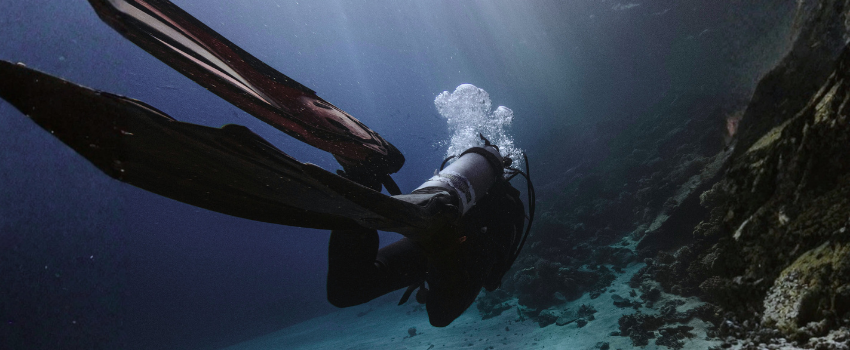
Your equipment choices should be a direct response to the environmental challenges and opportunities of your chosen destination and season. Think beyond personal preference to functional necessity, ensuring your gear enhances both safety and enjoyment.
- Exposure Protection Dictated by Temperature: Your wetsuit thickness is your first line of defense. Destinations with cooler water temperatures or seasonal upwellings (e.g., 18-24°C / 64-75°F) will require a 5mm to 7mm suit, or even a drysuit for comfort on multiple dives. In consistently warm tropical waters (26-30°C / 79-86°F), a 3mm suit or shorty is often sufficient. The right thermal protection prevents fatigue, allowing you to focus on the dive.
- Current-Hardy Equipment for Dynamic Sites: If your itinerary features strong currents (common in channel drifts or around seamounts), specific gear becomes crucial. A reef hook (where allowed and properly used) is essential for safely holding position to watch pelagic action. Sturdy open-heel fins provide the power needed for maneuvering, and gloves (used responsibly without touching) can protect hands when managing lines or hooks in current. Crucially, this gear is only effective if paired with excellent buoyancy control and current-management skills.
- Visibility-Driven Tools: The water clarity typical of your season should guide your accessory kit. For low-visibility, plankton-rich waters that attract filter feeders, a powerful dive light is indispensable for restoring colors and aiding photography. In the crystal-clear visibility of oceanic peak seasons, a wide-angle lens will be your photographer’s tool of choice to capture vast seascapes.
- The Logistics of Personal Gear: Finally, consider the practicality. For a trip on a yacht where you’ll dive 3-4 times daily, the comfort and familiarity of your own mask, computer, and regulator are invaluable. For a resort-based trip, verify the quality of the operator’s rental gear. Always weigh airline baggage fees against rental costs, but never compromise on bringing your own perfectly fitted mask and a reliable dive computer that you trust.
For more factors to weigh when choosing a destination, see our guide: Choosing the Perfect Liveaboard Dive Destination: Key Factors to Consider.
Finalizing Your Dive Year: Booking and Preparation
With your target season and destination identified, final planning ensures a smooth journey.
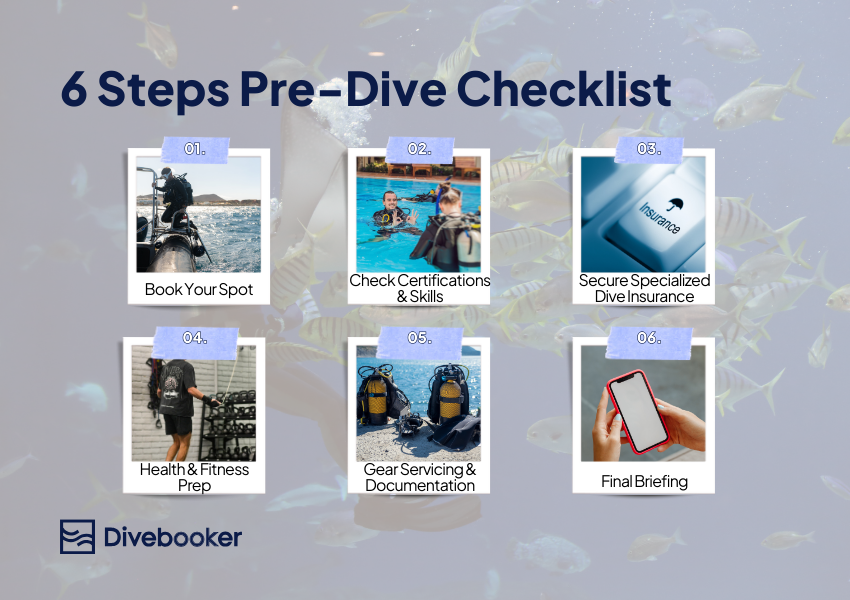
- 1
Book the Core Experience First: For liveaboard-dependent destinations (Tubbataha, Socorro, Cocos), secure your boat berth at least 6-12 months in advance. Secure your spot early on Divebooker for liveaboard and permit-dependent destinations.
- 2
Validate Your Documentation and Readiness: Ensure your dive certification is current and matches the trip’s demands. Many advanced destinations (e.g., Palau’s drifts, Galapagos currents) explicitly require an Advanced Open Water (AOW) certification and proof of recent experience. A pre-trip refresher or practice dives are highly recommended if it’s been more than 6 months since your last dive.
- 3
Secure Essential Insurance Coverage: Access to emergency medical evacuation and hyperbaric treatment is non-negotiable for remote diving. Many bookings made through Divebooker, include complimentary, short-term Diver Alert Network (DAN) insurance coverage with qualifying reservations, providing a critical safety net. For extended trips or continual coverage, securing a full annual dive-specific travel insurance policy is the most robust solution.
- 4
Health & Fitness Prep: Schedule a dive medical if required. Begin a regimen to improve cardio and leg strength, especially for current-heavy destinations.
- 5
Gear Servicing & Documentation: Service regulators, BCD, and camera housings before departure. It’s also advisable to fit in a dive before departure to refamiliarise yourself and to test your newly serviced equipment. Ensure your logbook (digital or physical) and certification card are accessible. Check passport and visa validity.
- 6
Final Briefing: Re-confirm details 4 weeks prior. Understand local conservation protocols (e.g., no gloves in many marine parks, strict distancing rules with whales).
Conclusion: Your Year of Precision Diving Awaits
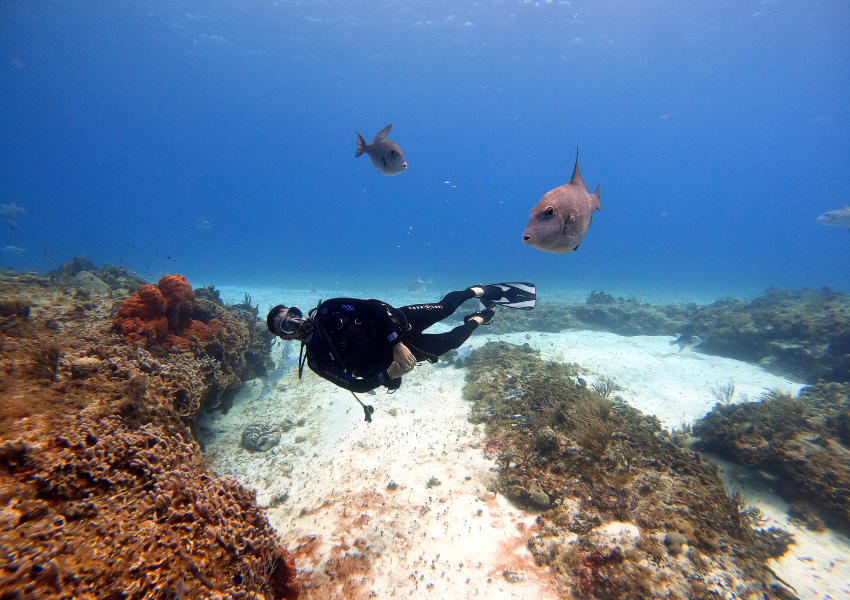
This guide is more than a list; it’s a philosophy for intentional exploration of the best places to scuba dive.
By treating your dive trip not as a simple vacation but as a strategically planned expedition tied to the ocean’s calendar, you move from being a spectator to a participant in some of the planet’s most extraordinary natural events.
Next year, will you answer the call of the Socorro mantas, drift with hammerheads in Cocos, or find yourself surrounded by a spinning school of jacks in Tubbataha?
Let this scuba diving calendar be your starting point for a year of meticulously planned, deeply rewarding journeys beneath the waves.
Ready to turn your diving calendar into reality?
Frequently Asked Questions
For trusted vessels, and exclusive offers, plan and book your dives through Divebooker.
Your priority depends on your subject:
- Wide-Angle/Pelagics: October for Cocos Island hammerheads (clear water, huge schools) or March for Palau’s clear visibility and shark action.
- Macro/Life Behavior: November in South Komodo for unique cold-water critters, or April in places like Anilao, Philippines, for cephalopod and rare nudibranch activity.
- Unique Phenomena: July for the Hanifaru Bay manta rays feeding ballet (challenging low-vis conditions) or June for the Minke whale encounters on the Great Barrier Reef.
Target specific aggregations. For guaranteed big animal action, prioritize:
- Sharks: Tiger Beach shark diving (Feb-Apr) or Cocos Island hammerheads (Oct-Dec).
- Whales: Silver Bank humpback whales (Jan-Mar) or Socorro (Nov-May).
- Whale Sharks: Isla Mujeres whale sharks (Jun-Sep) or Ningaloo Reef (Mar-Aug).
-
 from$112 /day
from$143 /day
from$112 /day
from$143 /day