- Galápagos Dive Seasons Explained
- Compare Galápagos with Other Pacific Liveaboard Seasons
- Diving the Galápagos in the Warm Season (December–May)
- Diving the Galápagos in the Cool Season (June–November)
- Monthly Conditions & Wildlife Sighting Guide
- From Ocean to Shore: What to Expect on Land
- Galápagos Dive Seasons Showdown: How to Pick the BEST Time to Dive
- Conclusion: Your Best Time to Scuba Dive in Galápagos
Choosing the best time to scuba dive in Galápagos Islands is not about avoiding a bad season, because there is simply no “bad” time to dive Galápagos; it’s about choosing the right season for you.
As you begin your Galápagos travel planning, note that, Galápagos Liveaboard Diving is split into two different underwater worlds, shaped by powerful ocean currents that transform conditions, wildlife behavior, and overall dive difficulty.
One season offers warm water, high visibility, calmer seas, and playful encounters.
The other delivers cooler temperatures and stronger currents, but some of the most legendary pelagic action on Earth.
This guide will help you decide when is the best time to dive Galápagos Islands for you, helping match your experience level, wildlife goals, and comfort preferences to the perfect travel window in 2026.
Galápagos Dive Seasons Explained
The Galápagos archipelago is a year‑round diving destination, but its underwater world shifts under the influence of two dominant climatic patterns. While we often speak of a warm/wet season (roughly December–May) and a cool/dry season (roughly June–November), these are not flip-of-a-switch changes. Instead, think of them as two powerful, overlapping currents that perform a graceful, months-long handoff, creating a seamless transition in conditions and wildlife.
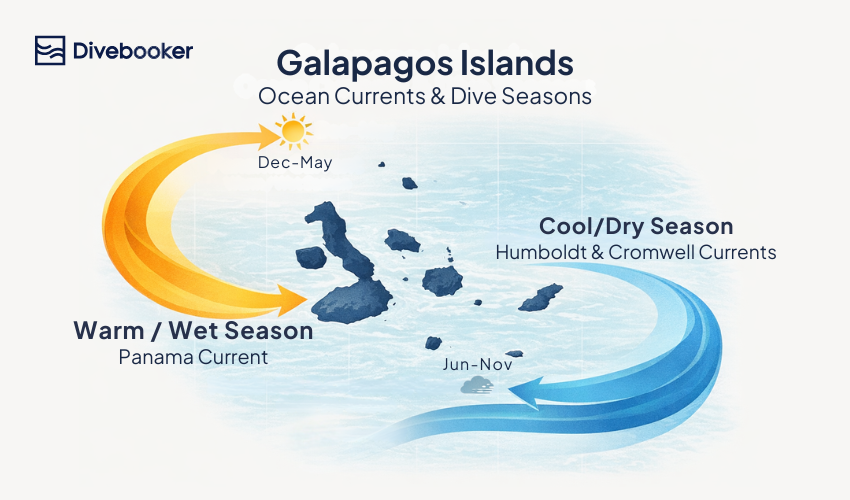
This elegant shift is governed by titanic ocean currents that act as the true architects of your liveaboard Galápagos diving experience:
- December–May (Warm/Wet Season): Governed by the sun-heated Panama Current, this period delivers the classic tropical Galápagos experience. On the shore, expect warm to hot days with bursts of heavy, refreshing rain that leave the highlands lush and green. The ocean responds with calmer seas, warmer water (22-28°C/72-82°F), and excellent visibility: ideal conditions for exploring Galápagos dive sites.
- June–November (Cool/Dry Season): Dominated by the nutrient-rich Cromwell Current and the cold Humboldt Current, this is the wild, pelagic season. On land, the garua, a persistent mist, cools the air and cloaks the islands in a moody, green haze. This atmospheric moisture feeds a rich marine food chain. The ocean upwelling brings cooler water (16-24°C/61-75°F) and plankton blooms, reducing visibility but attracting the megafauna that Galápagos is famous for. It’s the best time to dive Galápagos for advanced divers whose aim is to see oceanic giants.
To understand how these currents shape specific dive sites like Gordon Rocks or Darwin’s Arch, explore our Ultimate Galápagos Diving Guide.
The beauty of the Galápagos dive seasons lies in their fluid boundaries. And there is no simple answer to when is the best time to dive in Galápagos. Months like April, May, November, and December often serve as delightful compromise windows. For instance, Galápagos in April may still offer superb warm-season visibility, but with a notable increase in manta ray activity. Similarly, Galápagos in November can provide thrilling late-season whale shark encounters as water temperatures begin their slow, steady climb.
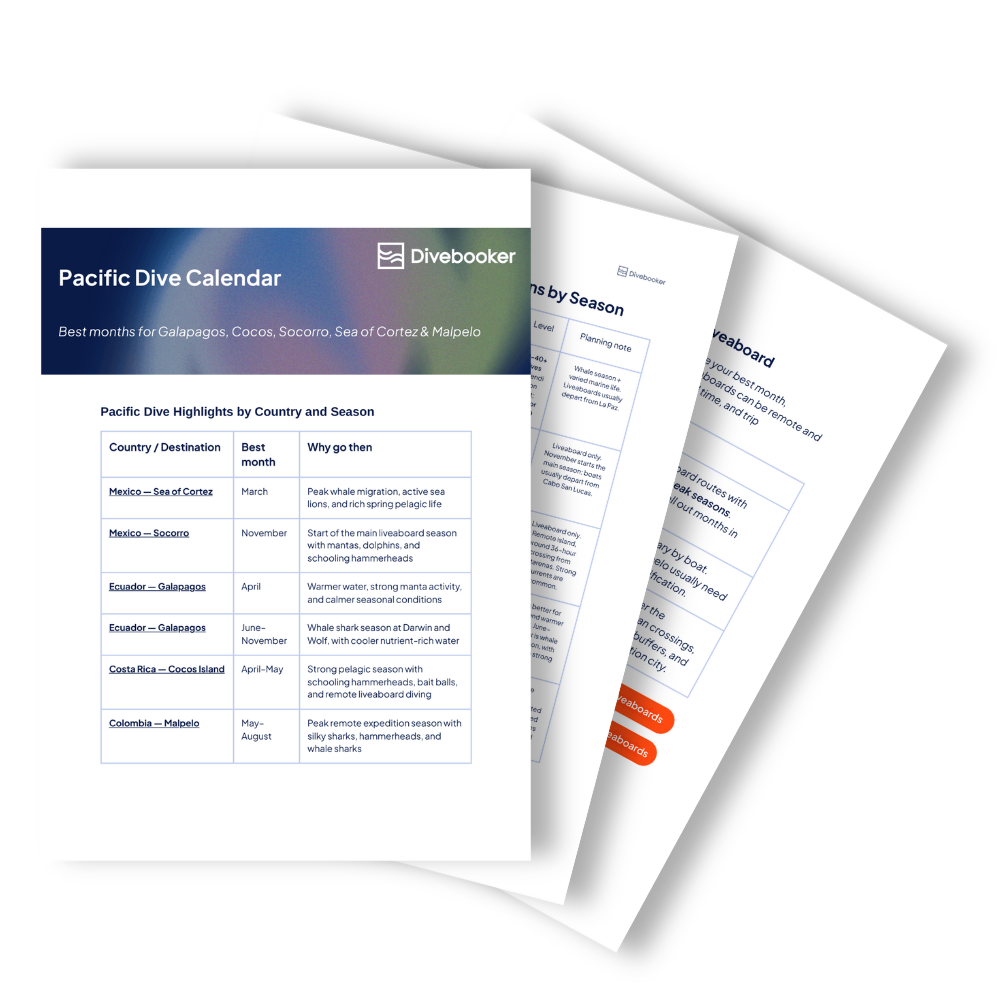
Compare Galápagos with Other Pacific Liveaboard Seasons
Galápagos is only one part of the Pacific liveaboard map
Diving the Galápagos in the Warm Season
(December–May)
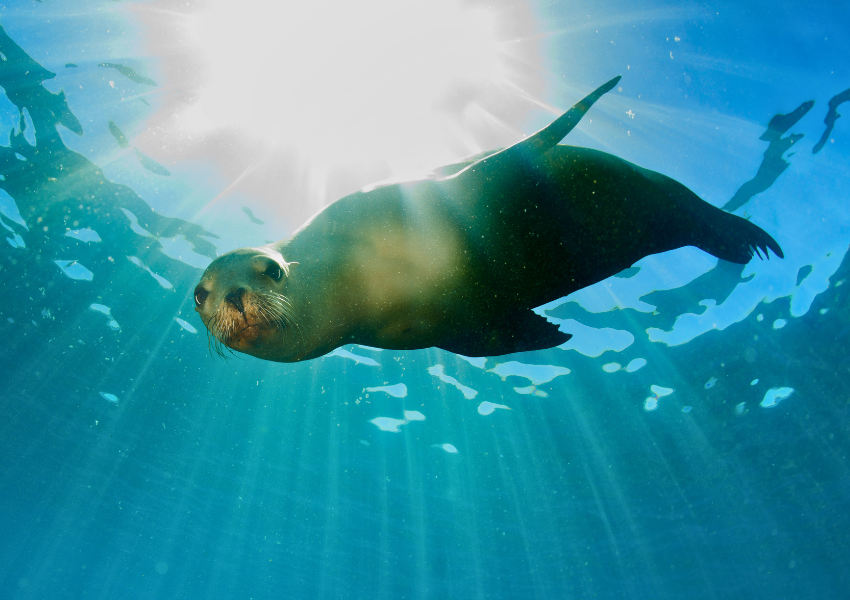
The warm season represents the most accessible side of Galápagos diving. Conditions are generally calmer, visibility is higher, and water temperatures are more comfortable, making it ideal for divers of all levels, and underwater photographers, as well as those focusing on Galápagos snorkeling.
Warm Season Diving Conditions
- Water Temperature: 22–28°C (72–82°F), a 3–5mm wetsuit is usually sufficient.
- Visibility: 15–30m (50–100ft), thanks to lower plankton levels
- Currents & Seas: Mostly mild to moderate; smoother surface conditions
- Surface Weather: Warm air temps (24-31°C / 75-88°F), sunny skies with occasional intense but short-lived afternoon showers.
Warm Season Marine Life Highlights
This season is defined by resident species activity and breeding behavior rather than sheer biomass.
- Hammerhead sharks are consistently spotted, often schooling from January through May
- Sea lions are highly interactive, with pups frequently joining divers underwater
- Marine iguanas forage in calmer waters, meaning more predictable access to a uniquely Galápagos experience
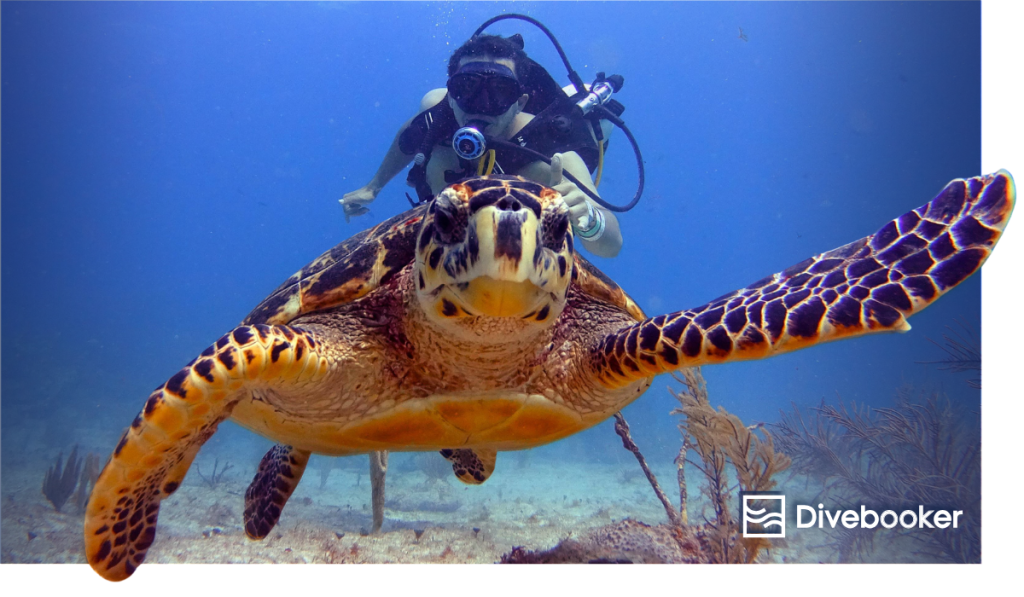
- Green sea turtles nest and mate along the islands
- Manta ray sightings increase toward April and May. In Galápagos in April, the visibility is excellent with rising manta activity.
Best months:
- January–March: Hammerheads, marine iguanas
- April–May: Mantas, turtles, excellent overall conditions
Diving the Galápagos in the Cool Season
(June–November)
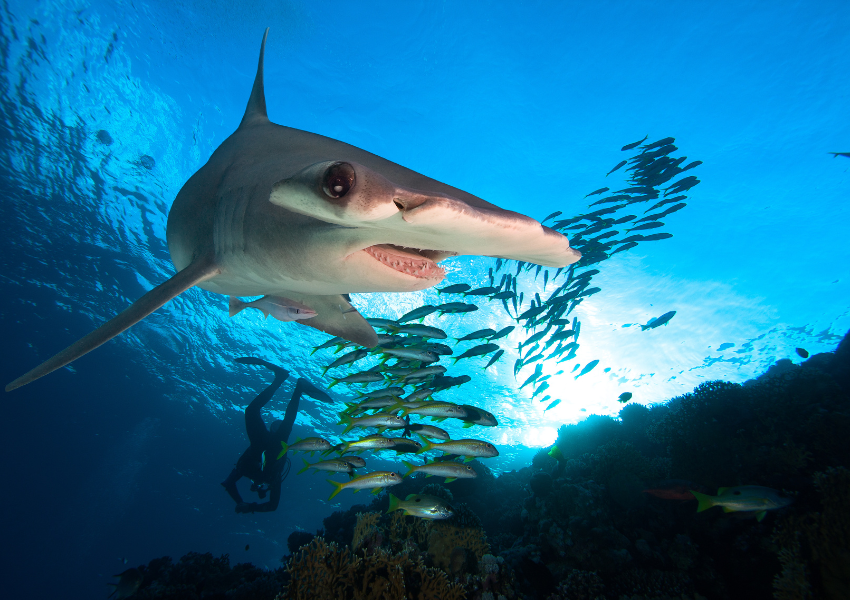
This is a more “hardcore” season, more suited to the experienced divers whose bucket list includes a wish to commune with the giants. The strong currents and remote dive sites mean this is the peak time to book a liveaboard Galápagos.
The water is cooler, the currents stronger, and the skies often overcast with a characteristic mist (garua). But this raw, wild environment is the price of admission for the most awe-inspiring animal encounters in the Galápagos.
Cool Season Diving Conditions
- Water Temperature: 16–24°C (61–75°F), coldest from July–October; 7mm wetsuit, hood, and gloves are essential
- Visibility: 5–20m (15–65ft) due to plankton blooms
- Currents & Seas: Stronger currents and rougher surface conditions
Surface Weather: Cooler, drier air (19-27°C / 66-81°F) with overcast mornings and frequent mist. This is the “garua” season.
This season is best suited for advanced divers comfortable with currents and negative entries, especially at Darwin and Wolf Islands.
Cool Season Marine Life Spectacle
This is the season that defines the Galápagos’ global reputation.
- Whale sharks: Reliably encountered from June to November, peaking from July through to October
- Hammerhead sharks: Larger schools are present at shallower depths throughout the entire cool season
- Galápagos penguins & fur seals: Thrive in cooler water
- Increased sightings of mola molas, dolphins, and pelagic sharks
Best months:
- June–August: Whale shark numbers rise, and penguin activity is high. Diving in Galápagos in July offers high chances for whale sharks.
- September–October: Peak whale shark season
Monthly Conditions & Wildlife Sighting Guide
To simplify your planning, the following chart provides a month-by-month overview of key conditions and the likelihood of encountering your favorite species. This data aligns with typical seasonal patterns to help you visualize the annual changes in the Galápagos diving season.
Use it to determine if your priority is Comfort and High Visibility (Warm Season) or Apex Predators and Challenge (Cool Season).
Galápagos Diving: Monthly Animal Sighting & Conditions Chart
| Month | Avg. Water Temp | Hammerhead | Whale Sharks | Manta Rays | Sea Lions | Dolphins | Sea Turtles | Penguins | Humpbacks |
|---|---|---|---|---|---|---|---|---|---|
| Jan | 22-26 / 72-79 | ⭐⭐ | ⭐ | ⭐ | ⭐⭐⭐ | ⭐⭐ | ⭐⭐⭐ | ⭐ | ⭐ |
| Feb | 23-27 / 73-81 | ⭐⭐ | ⭐ | ⭐ | ⭐⭐⭐ | ⭐⭐ | ⭐⭐⭐ | ⭐ | ⭐ |
| Mar | 24-28 / 75-82 | ⭐⭐ | ⭐ | ⭐⭐ | ⭐⭐⭐ | ⭐⭐⭐ | ⭐⭐⭐ | ⭐ | ⭐ |
| Apr | 23-27 / 73-81 | ⭐⭐ | ⭐ | ⭐⭐⭐ | ⭐⭐⭐ | ⭐⭐⭐ | ⭐⭐⭐ | ⭐ | ⭐ |
| May | 21-25 / 70-77 | ⭐⭐⭐ | ⭐ | ⭐⭐ | ⭐⭐⭐ | ⭐⭐ | ⭐⭐⭐ | ⭐ | ⭐⭐ |
| Jun | 19-23 / 66-73 | ⭐⭐⭐ | ⭐⭐⭐ | ⭐ | ⭐⭐⭐ | ⭐⭐ | ⭐⭐⭐ | ⭐⭐ | ⭐⭐ |
| Jul | 18-22 / 64-72 | ⭐⭐⭐ | ⭐⭐⭐ | ⭐ | ⭐⭐⭐ | ⭐⭐ | ⭐⭐⭐ | ⭐⭐⭐ | ⭐⭐ |
| Aug | 17-21 / 63-70 | ⭐⭐⭐ | ⭐⭐⭐ | ⭐ | ⭐⭐⭐ | ⭐⭐ | ⭐⭐⭐ | ⭐⭐⭐ | ⭐⭐ |
| Sep | 17-21 / 63-70 | ⭐⭐⭐ | ⭐⭐⭐ | ⭐ | ⭐⭐⭐ | ⭐⭐ | ⭐⭐⭐ | ⭐⭐⭐ | ⭐⭐ |
| Oct | 18-22 / 64-72 | ⭐⭐⭐ | ⭐⭐⭐ | ⭐ | ⭐⭐⭐ | ⭐⭐ | ⭐⭐⭐ | ⭐⭐ | ⭐⭐ |
| Nov | 19-23 / 66-73 | ⭐⭐⭐ | ⭐⭐ | ⭐ | ⭐⭐⭐ | ⭐⭐ | ⭐⭐⭐ | ⭐⭐ | ⭐ |
| Dec | 21-25 / 70-77 | ⭐⭐⭐ | ⭐ | ⭐ | ⭐⭐⭐ | ⭐⭐ | ⭐⭐⭐ | ⭐ | ⭐ |
Key:
- Sightings: ⭐ Almost Never / Rare | ⭐⭐ Occasional | ⭐⭐⭐ Often (Based on typical seasonal patterns)
- Note: Conditions can vary year-to-year due to phenomena like El Niño. This table represents reliable averages.
From Ocean to Shore: What to Expect on Land
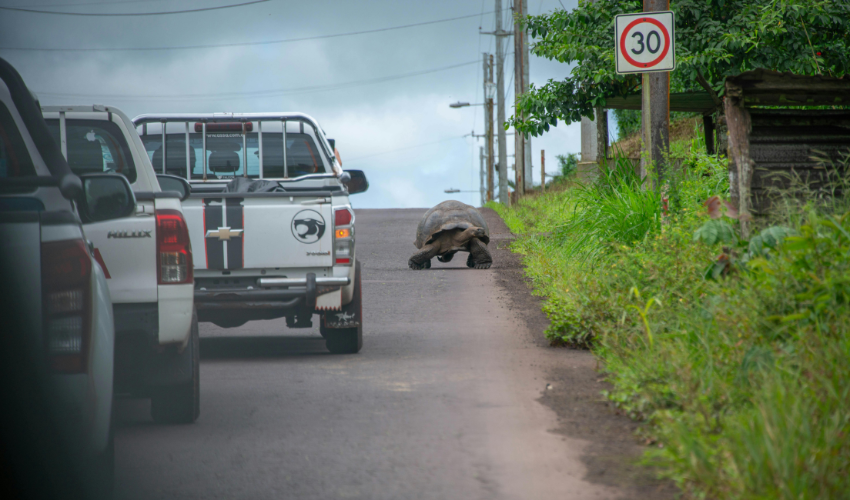
Your Galápagos diving adventure isn’t just underwater. The seasonal shifts that define the marine world also dramatically alter the atmosphere on the islands, affecting your time on the boat deck and between dives.
During the Warm Season (Dec-May), the islands live up to their tropical image. Days are typically sunny, hot, and humid, with air temperatures ranging from 24°C to 31°C (75°F to 88°F). Afternoon rain showers are common but usually brief, leaving the highlands incredibly lush and green; a perfect time for scenic hikes. The overall vibe is vibrant, warm, and bright.
In contrast, the Cool Season (Jun-Nov) brings the characteristic “garua”, a persistent, cool mist that hangs over the islands, especially in the highlands. Air temperatures are milder, between 19°C and 27°C (66°F to 81°F), and the skies are often overcast. This mist fuels a green and, sometimes moody landscape. While you’ll see less direct sun, the air is fresher and less humid. This season offers a starkly beautiful, serene atmosphere above the water, contrasting with the explosive action below.
The transition between these atmospheres is gradual. Months like April, May, November, and December often offer a rewarding mix, perhaps sunny mornings with a chance of afternoon rain, or clearing mist that reveals bright skies, blending the best of both island vibes.
Galápagos Dive Seasons Showdown: How to Pick the BEST Time to Dive
Ultimately, the choice between the two seasons comes down to a trade-off between comfort and adrenaline. To help you finalize your decision, we’ve highlighted the key differences between the two primary Galápagos dive seasons.
This side-by-side view focuses on the practical factors to ensure you choose the season that is right for your experience level.
| Feature | Warm Season (Dec–May) | Cool Season (Jun–Nov) |
|---|---|---|
| Land Weather | Warm, sunny, humid. Short, heavy rain showers. | Cooler, misty (garua), overcast. |
| Air Temp | 24-31°C (75-88°F) | 19-27°C (66-81°F) |
| Water Temperature | 22–28°C (72–82°F) | 16–24°C (61–75°F) |
| Visibility | High (15–30m / 50-100ft) | Lower (5–20m / 15-65ft) |
| Sea Conditions | Calmer, moderate currents | Choppier seas, strong currents |
| Signature Wildlife | Hammerheads, mantas, turtles, sea lions | Whale sharks, hammerheads, penguins |
| Diver Level | Intermediate to advanced | Advanced recommended |
| Thermal Gear | 3–5mm wetsuit | 7mm + hood/gloves or drysuit |
| Overall Vibe | Sunlit, clear, vibrant | Wild, raw, pelagic |
Choosing the best time is about answering this core question: Are you a calm-water enthusiast seeking relaxation and colorful reef encounters, or an experienced adrenaline junkie chasing bucket-list pelagic giants?
For a complete overview of diving in the archipelago, including site descriptions and essential travel tips, visit our Ultimate Guide to Galápagos Islands Diving.
Conclusion: Your Best Time to Scuba Dive in Galápagos
Determining the best time to scuba dive in the Galápagos Islands in 2026 is a decision that hinges on three key factors: your level of diving experience, the specific marine life you wish to encounter, and the type of underwater conditions you prefer.
Choose the warm and wet season if you value comfort, visibility, and diverse marine life in calmer conditions.
Choose the cool and dry season if your dream dive involves whale sharks, vast shark schools, and the raw energy of the open ocean.
Both seasons deliver world-class diving, but in completely different ways. And during both seasons, divers consistently look for hammerheads in Galápagos, which are a highlight year-round.
Ready to Book Your Perfect Galápagos Liveaboard Diving Trip?
The best liveaboard vessels fill up 12–18 months in advance.
Secure your spot now based on your chosen season:
-
 from$669 /day
from$936 /day
from$832 /day
from$669 /day
from$936 /day
from$832 /day
FAQ
Are April or November good compromise months?Divebooker Team2026-01-20T14:58:49+00:00Yes. April often retains warm-season visibility with a better chance of rising manta activity, while November may still offer whale shark encounters with improving temperatures.
Can I combine diving with land-based tours?Divebooker Team2026-01-20T14:58:22+00:00Yes. The warm season offers sunnier weather for hiking and island exploration, while the cool season features greener landscapes but more overcast skies.
Is the cool season too cold for most divers?Divebooker Team2026-01-20T14:54:17+00:00Not at all. It’s easily manageable as long as you choose the appropriate exposure protection. However, the cold water and strong currents require confidence, experience, and good buoyancy control.
Which season is better if I get seasick?Divebooker Team2026-01-20T14:53:58+00:00The warm season in Galápagos Islands (Dec-May) generally offers calmer surface conditions and smoother crossings between islands. However, it is crucial to understand that “calmer” in the Galápagos is relative. These are long open-ocean crossings in a region known for strong currents. Seas can be rough during any season. If you are highly prone to seasickness, you should carefully consider whether this destination is suitable for you. Proactive measures like prescription seasickness medication, choosing a liveaboard vessel with stabilizers, and opting for itineraries with shorter navigation times are strongly recommended.
Can I see whale sharks during the warm season?Divebooker Team2026-01-20T14:52:48+00:00Whale shark sightings in the Galápagos are highly seasonal and strongly associated with the cooler, nutrient-rich waters. Your chances increase dramatically during the cool season (approx. June through November), with the historical peak of activity often occurring between July and October.