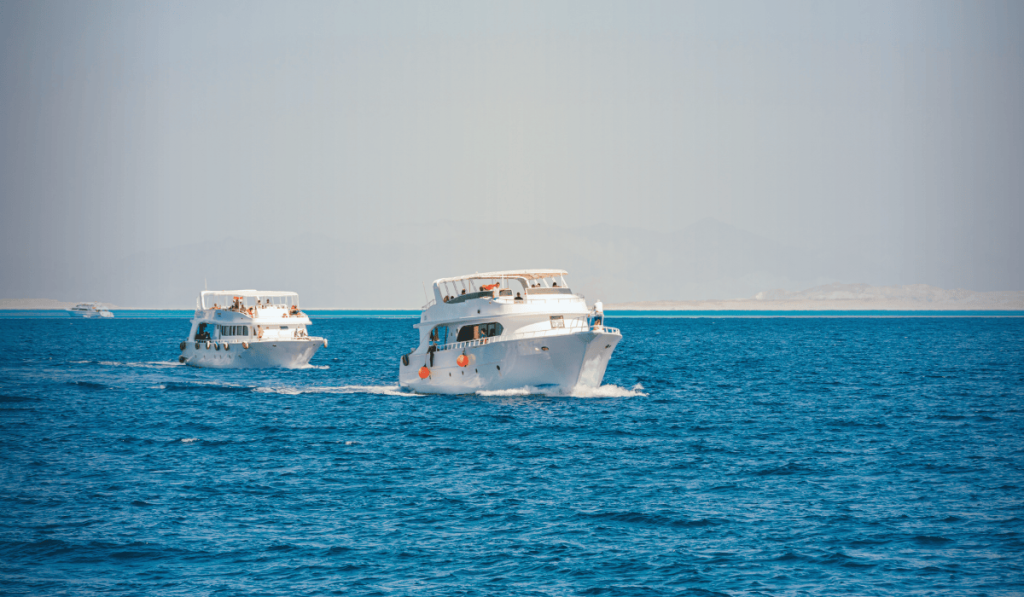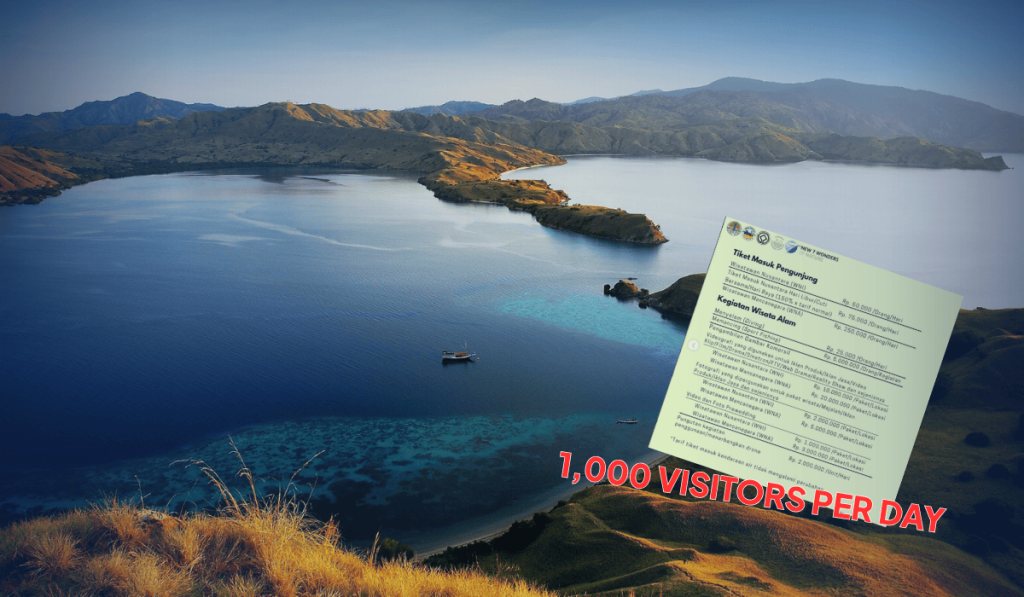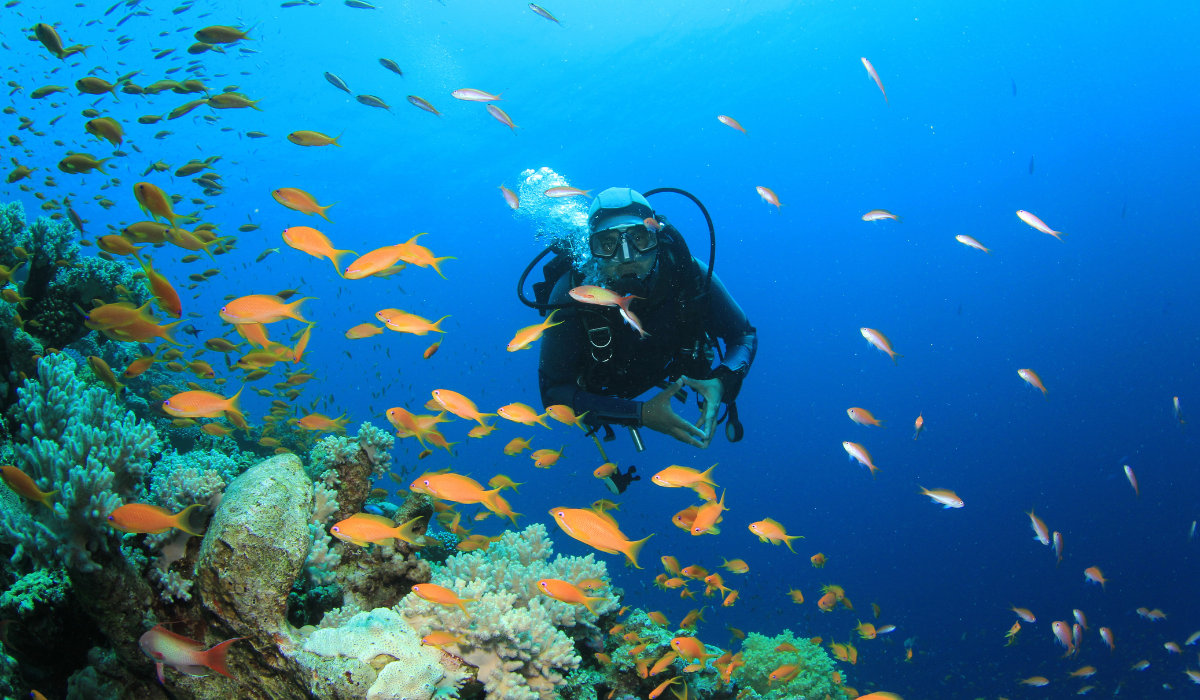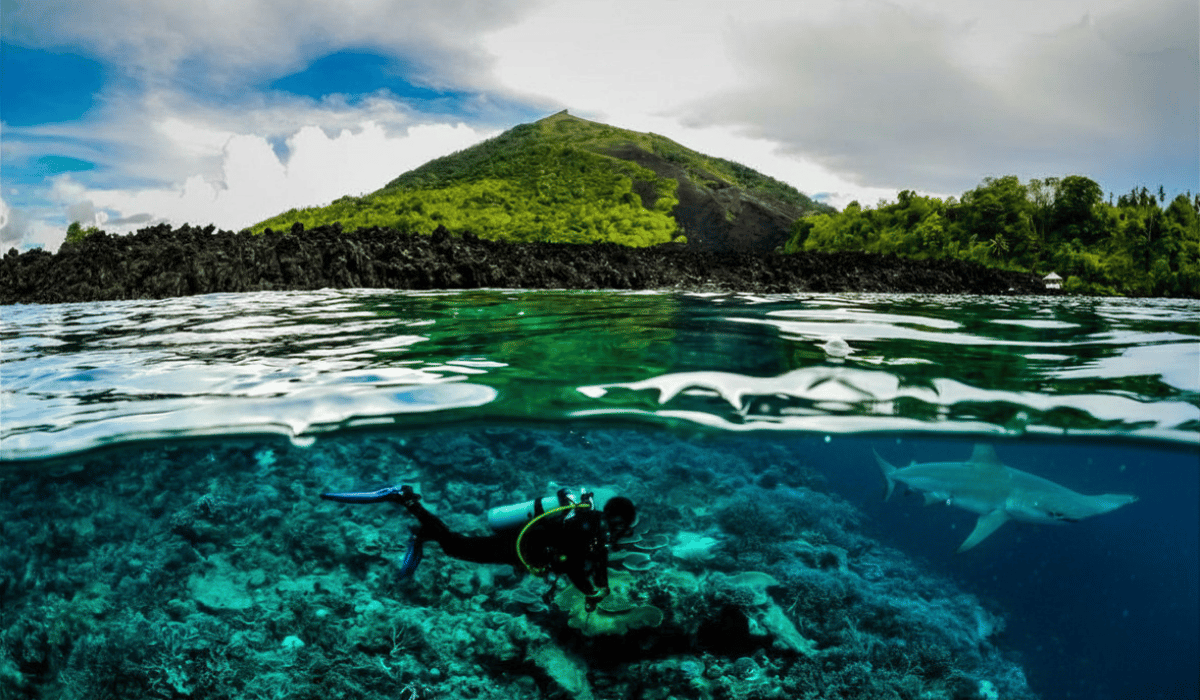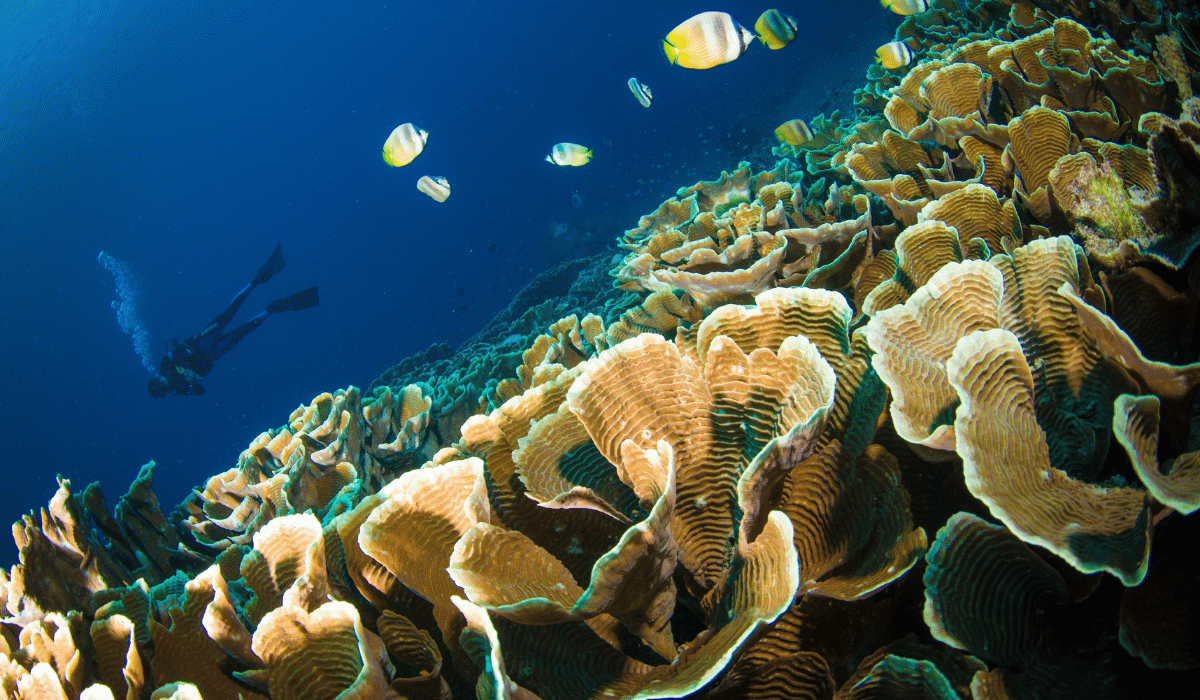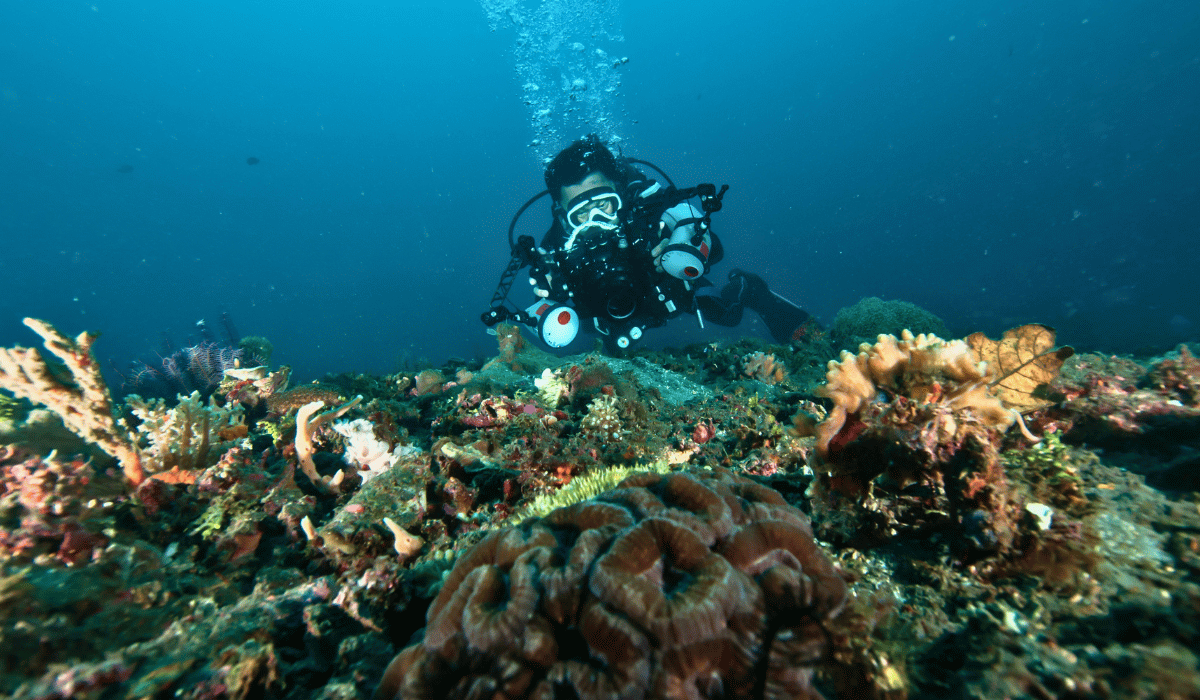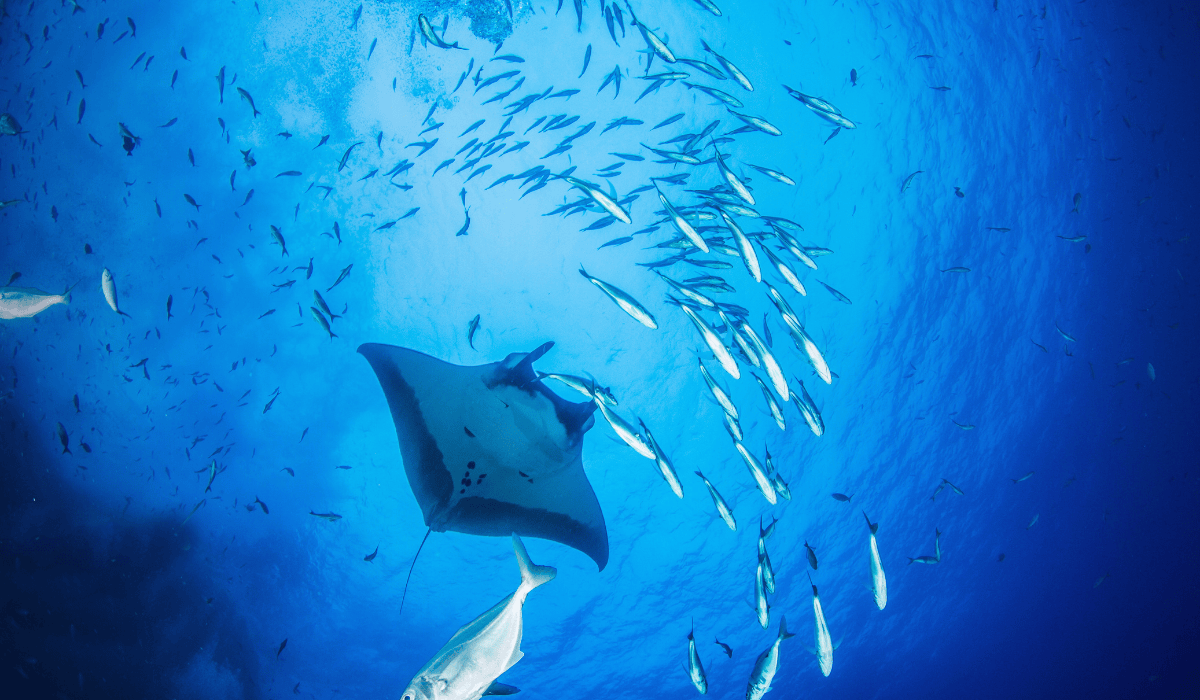
If you’re reading this, you’ve likely already heard the whispers about the “Mexican Galapagos.” You know about the friendly giant oceanic mantas, the acrobatic dolphin pods, and the hammerhead silhouettes patrolling the blue. But getting to the Revillagigedo Archipelago requires a 24- to 30-hour open-ocean crossing from Cabo San Lucas, and your choice of vessel is the single most important decision you’ll make for this trip.
At Divebooker, we represent seven Socorro liveaboards that sail these waters, ranging from the luxurious Nautilus Belle Amie to the research-focused Quino del Mar. This guide isn’t a general history lesson, you can find that in our Ultimate Mexico Scuba Diving Guide. Instead, we’re putting these liveaboards head-to-head, comparing their hardware, vibe, and unique strengths so you can confidently book the expedition that fits your dive style.
Why Choose a Liveaboard for Socorro?
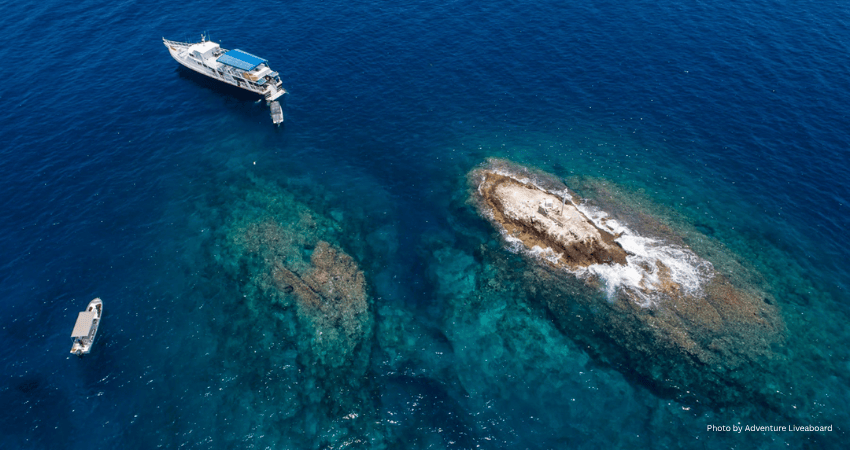
Before we dive into the comparison matrix, let’s make one simple fact clear: land-based diving in Socorro does not exist.
The archipelago sits over 250 miles (400 km) south of Cabo San Lucas. The only way to experience the cleaning stations of The Boiler or the sheer walls of Roca Partida is by joining a multi-day liveaboard expedition.
The crossing is long, the Pacific can be moody, and you will spend the better part of a day getting there. Which is exactly why your choice of Socorro vessel matters as much as your choice of fins.
This guide focuses specifically on comparing the seven boats available on Divebooker that make this journey possible. For a broader look at vessels operating across Mexico, see our guide to Top Mexico Liveaboards for 2026.
Ready to see which boat matches your diving dreams?
A Head-to-Head Comparison of 7 Socorro Liveaboards
The seven vessels sailing to the Revillagigedo Archipelago share a common mission: delivering you safely to world-class pelagic encounters. But beyond that shared purpose, they diverge significantly in size, style, and amenities. Below, we’ve distilled the essential details into a scannable comparison matrix. Whether you prioritize a hot tub under the stars, a dedicated camera room, or the most budget-friendly berth, this table will point you toward the right deck.
| Vessel Name | Guest Capacity | Price Point (from USD/day) | Nitrox | Onboard Amenities & Safety | Best For |
|---|---|---|---|---|---|
| Nautilus Belle Amie | 32 | 238 | Included | Hot tub, premium cabins with TV, bar, spacious lounge, satellite internet | Divers who want the most space and comfort available |
| Nautilus Explorer | 25 | 345 | Included | Hot tub, spacious sundeck, kayaks, satellite phone, full safety equipment | Photographers and groups needing serious workspace |
| Nautilus Undersea | 19 | 355 | Included | 14 personal gear lockers with charging, ex-research vessel layout, satellite phone | Small private groups and film production crews |
| Valentina | 20 | 380 | Included | Open bar (beer/wine), multi-cuisine dining, kayaks, satellite phone | Divers who care as much about meals as marine life |
| Adventure | 19 | 464 | Surcharge | Comfortable salon, sundeck, kayaks, satellite phone, full safety gear | Private charters, special events, and a no-frills, intimate experience |
| Quino del Mar | 20 | 429 | Included | Stabilizers for smooth sailing, dedicated camera area, kayaks, satellite phone | Divers wanting to contribute to real research |
| Rocio del Mar | 20 | 429 | Included | Large camera table, charging stations, kayaks, satellite phone | Divers who value exceptional crew service and a warm onboard atmosphere |
Note on Routes: While all seven vessels explore the core Revillagigedo sites, San Benedicto (The Boiler, El Cañón), Socorro Island (Cabo Pearce), and Roca Partida, specific itineraries may shift based on weather and the captain’s discretion. All trips operate on an 8- to 9-night schedule, with approximately 5.5 to 6 full days of diving. Some of these vessels also operate summer itineraries in the Sea of Cortez
Typical Day on a Socorro Liveaboard:
Wake to fresh coffee and a light breakfast. The first panga departs around 8:00 AM for a deep morning dive. Return for a full breakfast and surface interval before the second dive. Lunch is followed by relaxation or a nap. A third dive goes out mid-afternoon, and depending on conditions, a night or sunset dive may be offered. Evenings bring chef-prepared dinners, photo sharing, and marine life briefings under a canopy of stars. The rhythm is immersive and designed to maximize your time in the water.
What Each Socorro Vessel Offers
While the comparison matrix above gives you the hard specs, choosing a liveaboard is also about feel: the atmosphere onboard, the little details that make a trip seamless, and the unique personality each vessel brings to the Revillagigedo crossing.
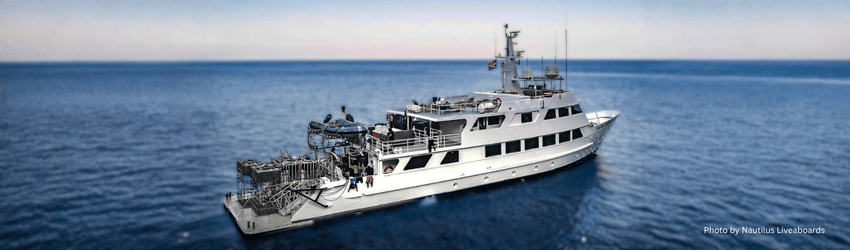
If you shoot photos or video, this is probably your boat. Explorer was originally built as a submarine support vessel, which explains the oversized dive deck and the water level platform that makes panga boarding far less awkward than on most boats. There is a camera table big enough for multiple full-sized rigs, rinse tanks positioned exactly where you want them, and a hot tub on the upper deck for defrosting after that third dive.
Twenty-five guests spread across 13 cabins, including four suites on the upper deck with proper windows and storage space you can actually use. The salon feels spacious for a boat this size, which matters on a nine-day trip, especially when the weather keeps everyone indoors. Groups tend to like Explorer because nobody ends up sitting on top of each other.
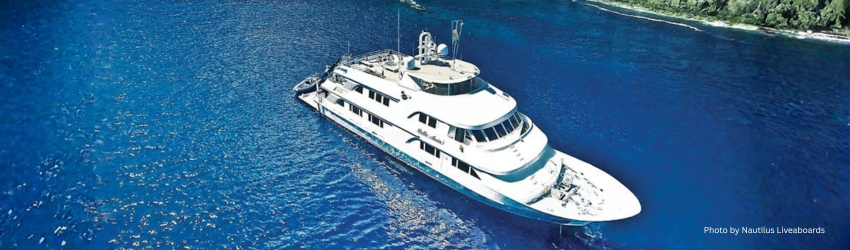
Belle Amie is the big one. At 147 feet with four decks and space for 32 guests, she handles the open Pacific crossing better than almost anything else sailing to Socorro. The premium suites on the main deck could pass for hotel rooms, complete with televisions and big windows. Up top there is a hot tub and a small bar.
What you notice after a day or two is the width. The salon does not force you into awkward conversations with strangers. The dining area has room to move. And the stabilizers earn their reputation somewhere around hour eighteen of the crossing from Cabo. If comfort is your primary filter, start here.
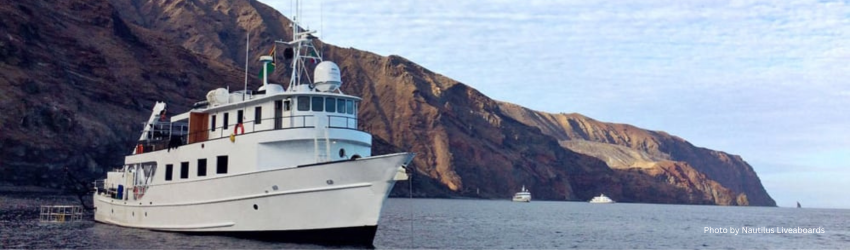
Undersea is the oddball of the Nautilus fleet in the best possible way. It was built as a research vessel for Perry Oceanographic, and it still carries that utilitarian, mission focused DNA. Nineteen guests total. Seven cabins. Dedicated camera lockers with individual charging points, which tells you exactly who this boat was designed for. Film crews and serious photographers book Undersea because the entire dive deck is set up as a workspace, not an afterthought. The atmosphere is quiet, intimate, and feels more like a private charter than a commercial operation. If you want the opposite of a crowd, this is your boat.
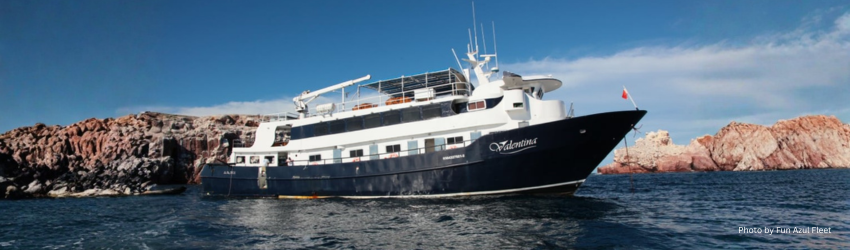
Valentina does not try to compete on size or luxury frills. Instead, she competes in the galley. The kitchen turns out Mexican, European, and Asian dishes, and there is an open bar with draft beer and wine included in the price, which is unusual at this level. The dive deck is well organized with a central camera table and separate rinse tanks. But the reason people rebook the Valentina is the atmosphere after the last dive of the day: a cold drink, a good meal, and a group of divers who talk to each other.
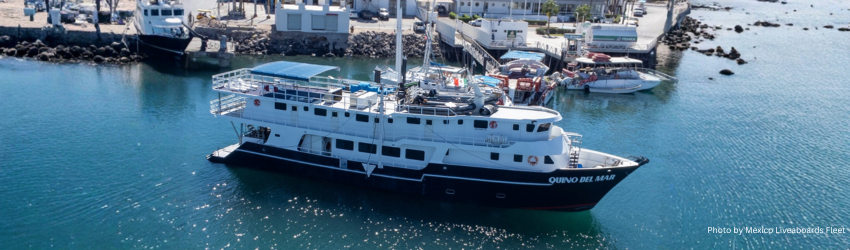
Quino del Mar is a floating research platform. This 118-foot steel-hulled vessel was purpose-designed with built-in and external stabilisers for an exceptionally smooth ride, a critical advantage on the open Pacific crossing. Accommodating 20 guests in 10 private en-suite cabins, Quino del Mar features a spacious dive deck with a dedicated camera table and individual setup stations. What genuinely distinguishes this vessel, however, is its commitment to citizen science expeditions. Select itineraries place divers alongside marine biologists to participate in shark tagging and manta monitoring research, transforming your dive holiday into a hands-on contribution to marine conservation. For divers who want their trip to leave more than just a logbook entry, Quino del Mar offers an expedition with purpose.
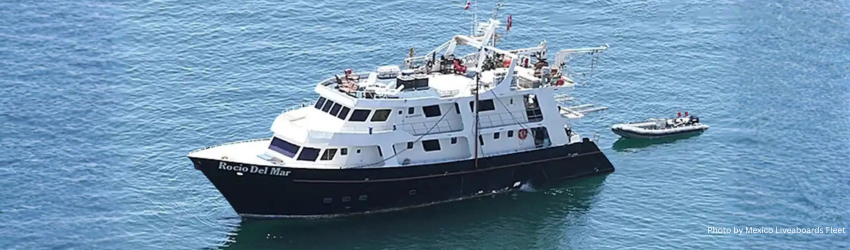
Ask any diver who has sailed on Rocio del Mar what stands out, and the answer is almost always the same: the crew. This 110-foot, steel-hulled liveaboard has earned a loyal following not through flashy amenities but through genuinely attentive, personalised service. The vessel accommodates 20 guests in 10 en-suite cabins across two decks, with a spacious salon, computer station, and an open-air shaded area perfect for post-dive conversation. The dive deck is thoughtfully laid out with individual gear stations and a dedicated camera table with charging points. The dining area is positioned low and forward to minimise movement during meals, a small but telling detail that reflects the boat’s diver-centric design philosophy. For those who value warmth, experience, and a crew that genuinely knows your name and preferences, Rocio del Mar is the standout.
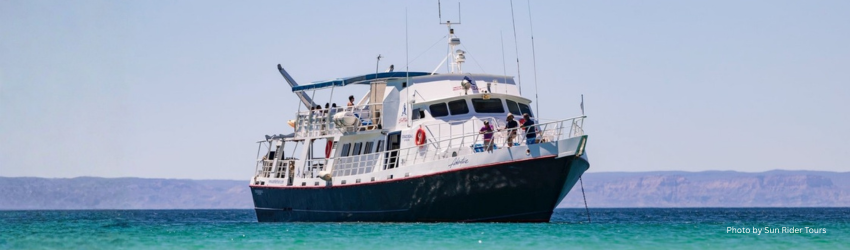
For divers who prioritise the underwater experience over onboard frills, Adventure represents the most accessible entry point to Socorro.
Let us clear up the pricing confusion. Adventure sometimes shows a higher per-day rate because it operates shorter charters and a different cabin mix. It is not a budget boat in the traditional sense. It is a smaller, no frills operation that works well for private groups who want to rent the whole vessel or for divers who simply do not care about hot tubs and televisions. Cabins have shared bathrooms, the salon is comfortable but unremarkable, and the focus is squarely on the diving. Three divemasters lead manageable groups to the same sites the larger boats visit.
If you want a quiet, unpretentious trip and do not need to en-suite everything, Adventure delivers exactly what matters: access to the same legendary Socorro dive sites without the extras you were never going to use anyway.
Planning Your Socorro Diving Trip
Choosing the right liveaboard is the biggest decision, but a smooth expedition also requires attention to logistics, gear, and timing. Below, we cover the essential planning details to ensure you step aboard prepared and confident.
Booking Timeline: Act Early
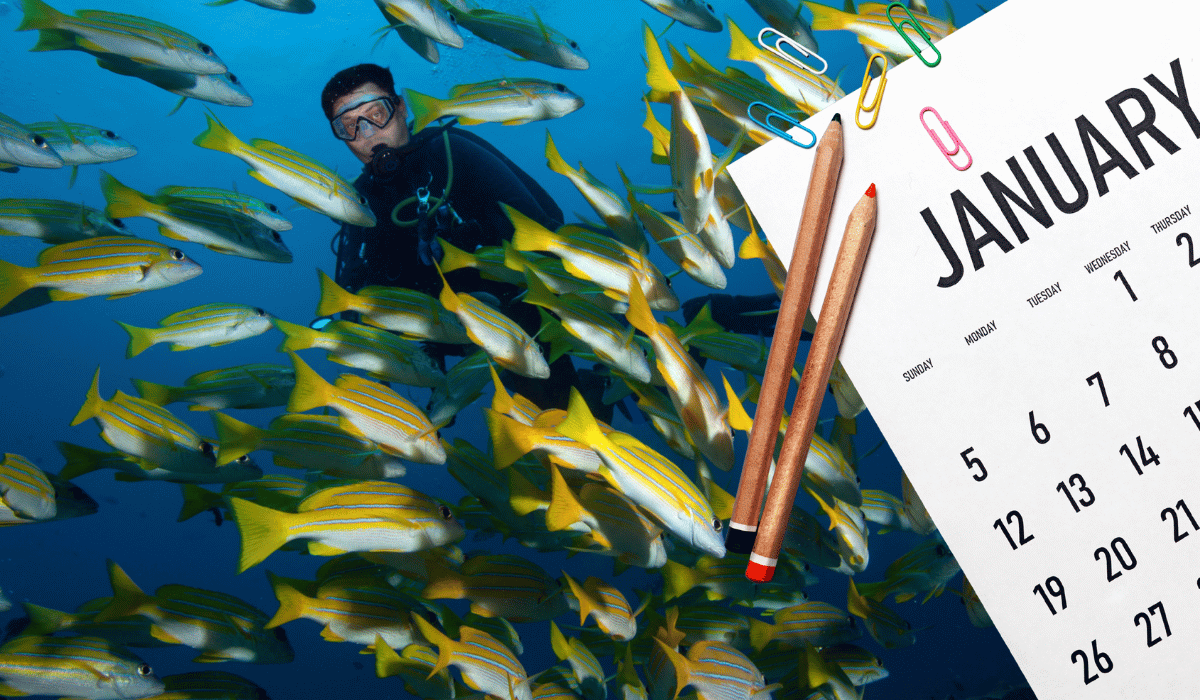
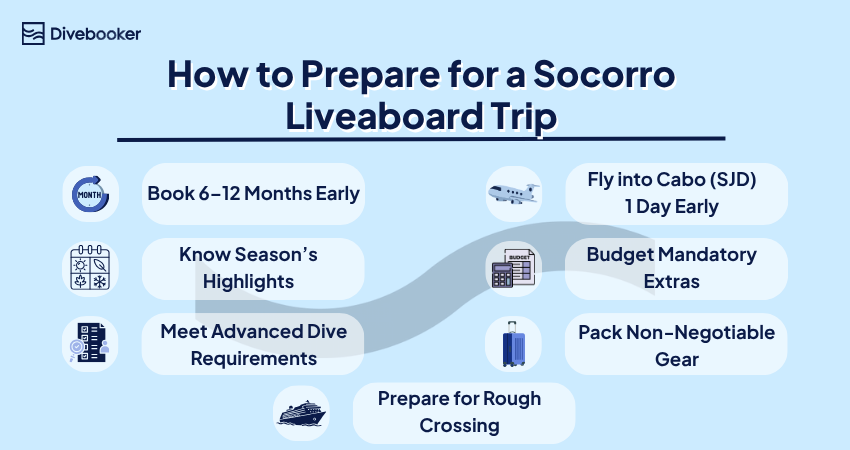
Socorro liveaboards operate a limited season (typically November through May), and the best cabins on the most popular vessels sell out 6 to 12 months in advance. If you have specific dates or a particular boat in mind, especially for peak months like January and February when humpback whales are present, early booking is non-negotiable. Divebooker makes it easy to compare real-time availability across all seven vessels and secure your spot with a deposit.
Getting There: Cabo San Lucas Logistics
All Socorro liveaboards depart from Cabo San Lucas, at the southern tip of Mexico’s Baja California Peninsula. Fly into Los Cabos International Airport (SJD), which receives direct flights from major hubs across the United States, Canada, and Europe. We strongly recommend arriving at least one full day before departure. Flight delays are common, and the boat will not wait. Arriving early also gives you time to shake off jet lag and explore the Cabo San Lucas marina before boarding.
Seasonality: When to Go
The Socorro season runs from November to May, but marine life highlights shift throughout the window. For a detailed month-by-month breakdown of water temperatures, visibility, and species sightings, consult our comprehensive When to Dive in Mexico.
In brief:
- November – December: Warmest water, chance of whale sharks.
- January – March: Peak humpback whale activity, including singing males and mothers with calves.
- April – May: Cooler water, increased shark activity, potential for bait ball action.
Fees and Additional Costs
The base price of your liveaboard trip does not include several mandatory fees. Budget for the following per-person costs:
- Revillagigedo National Park Fee: Approximately $180 USD per day of diving (subject to change; confirm at time of booking).
- Fuel Surcharge: Some vessels apply a fuel surcharge depending on global oil prices.
- Crew Gratuity: Industry standard is 10–15% of the trip cost.
Skills and Equipment: Come Prepared
Socorro is an advanced destination. Currents can be strong, and surface conditions are often choppy. Before booking, ensure you meet the following:
- Certification: Advanced Open Water minimum; 50+ logged dives strongly recommended.
- Mandatory Gear: A Surface Marker Buoy (SMB) and reel are required on all vessels for open-ocean pickups. A reef hook is essential for holding position at cleaning stations like The Boiler. Powerful fins and a dive computer are also non-negotiable.
- Exposure Protection: Water temperatures range from 21°C to 26°C (70°F to 79°F). A 5mm or 7mm wetsuit is standard; many repeat Socorro divers opt for a semi-dry suit or drysuit for the cooler spring months.
- Seasickness Medication: The 24–30 hour crossing can be rough. Start your chosen preventative medication before you step on the boat.
Conclusion: Finding Your Perfect Socorro Liveaboard
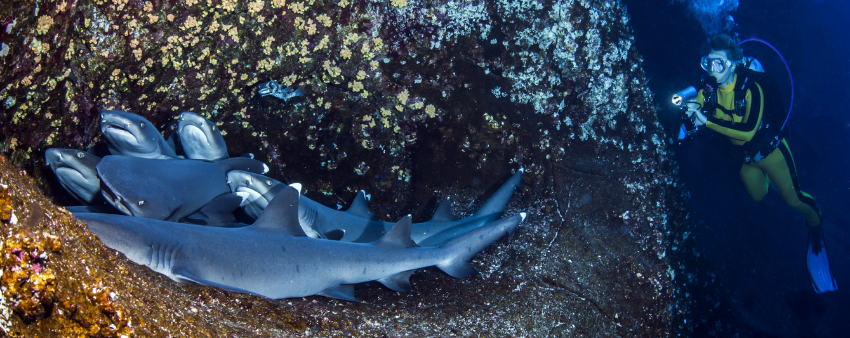
The Revillagigedo Archipelago delivers some of the most exhilarating big-animal encounters in the diving world, but only if you arrive on the right vessel for your needs.
If luxury and space top your list, the Nautilus Belle Amie awaits. Photographers and film crews will find their workflow seamless aboard the Nautilus Undersea or Nautilus Explorer. For divers seeking exceptional value without sacrificing the core Socorro experience, Adventure offers a more budget-friendly path to the same legendary dive sites. And if contributing to marine science while you dive appeals, the citizen science expeditions on Quino del Mar are genuinely unique.
Whichever vessel you choose, one truth remains constant: Socorro is an expedition, not a resort holiday. The crossing is long, the Pacific can be moody, and the diving demands respect. But step off that panga into blue water with a curious giant manta circling overhead, and every hour of travel fades into insignificance.
Ready to secure your spot? Browse real-time availability and compare departure dates across all seven Socorro liveaboards on Divebooker. Your bucket-list expedition is waiting
Frequently Asked Questions about Liveaboards in Revillagigedo Archipelago
Yes. All seven vessels explore the core sites of the archipelago: San Benedicto (The Boiler, El Cañón), Socorro Island (Cabo Pearce), and Roca Partida. Itineraries may adjust based on weather and captain’s discretion, but the signature sites are consistent across the fleet.
The Revillagigedo Archipelago is famous for giant oceanic manta rays, which interact closely with divers. Other highlights include bottlenose dolphins, humpback whales (January–March), hammerhead sharks, silky sharks, Galapagos sharks, whale sharks (November–December), and large schools of jacks and tuna. For a deeper dive on shark species and behavior, see our Shark Diving in Mexico Guide
Trip pricing varies by vessel, cabin type, and season. As a general guideline, expect to budget $300 to $450 USD per person per day for the liveaboard portion. Additional mandatory costs include the Revillagigedo National Park fee (approximately $180 USD per day of diving) and crew gratuity (10–15% of trip cost).
Nitrox is included on six of the seven vessels: Nautilus Explorer, Nautilus Belle Amie, Valentina, Quino del Mar, Rocio del Mar, and Nautilus Undersea. On Adventure, Nitrox is available for a surcharge. Always confirm current policies at the time of booking.
Adventure offers the lowest price point in the fleet, with shared bathroom facilities rather than en-suite cabins. It visits the same core dive sites as the premium vessels, making it an excellent value choice for budget-conscious divers.
Nautilus Undersea (19 guests) is ideal for intimate groups and feels like a private yacht. Adventure (19 guests) also welcomes private charters and special event cruises, often at a more accessible price point.
Three vessels stand out. Nautilus Undersea offers personal lockers dedicated to camera gear and a work deck configured for film crews. The Nautilus Explorer provides a massive camera table and multiple rinse tanks. The Rocio del Mar also features a dedicated camera station with ample charging points. All seven vessels offer Nitrox (either included or available), which is highly recommended for multi-day, repetitive diving.