Shark diving in Mexico remains world-class, even after the closure of Isla Guadalupe to great white diving on January 10, 2023. With that iconic destination now off limits, many divers ask: where can you experience Mexico’s best shark diving?
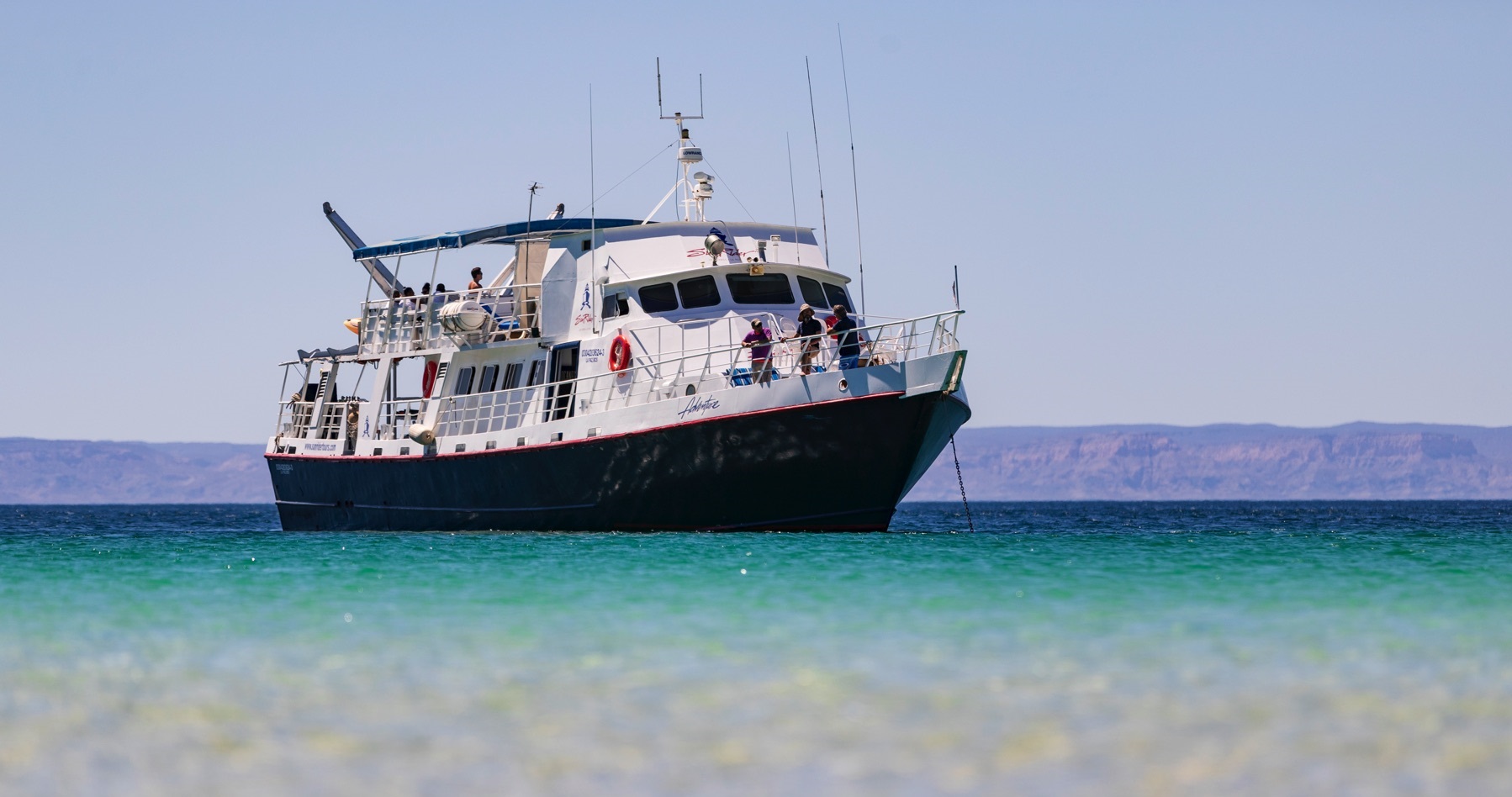
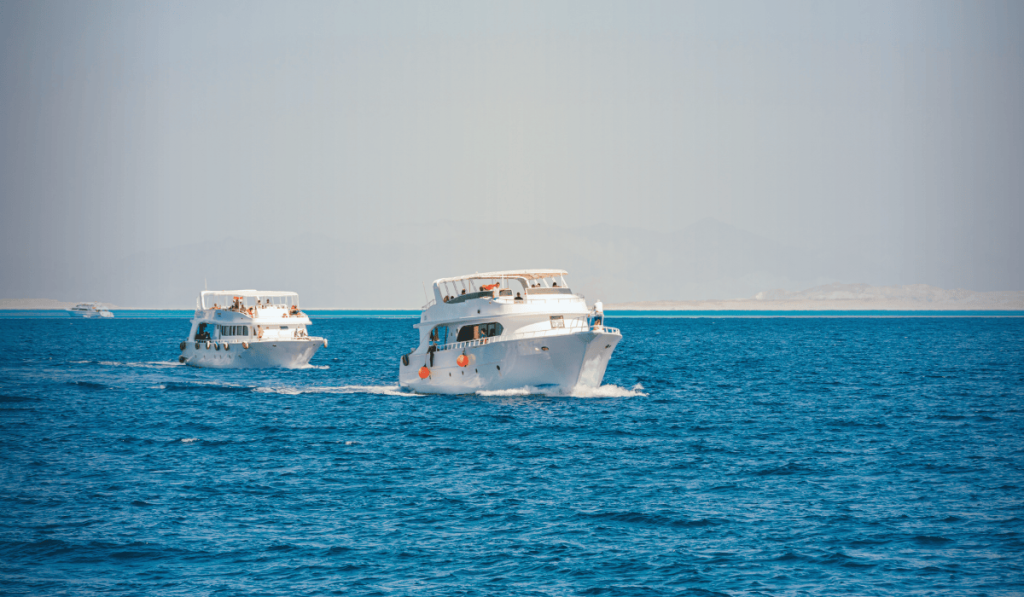
This guide focuses on two open and ethical liveaboard experiences that still deliver unforgettable shark encounters: the Socorro Island and the Sea of Cortez.
For a broader look at the country’s top underwater spots beyond sharks, check out our Ultimate Mexico Scuba Diving Guide.
In this guide, you’ll find shark diving seasonal breakdowns, species tables, dive sites, and essential planning tips.
Quick Facts about Shark Diving in Mexico:
Meet Mexico’s Shark Species
Mexico’s Pacific waters are home to an impressive variety of sharks. Use this table to learn which species you can expect at each destination, when to see them, and how to interact.
| Common name | Scientific name | Location | Typical size | Best season |
|---|---|---|---|---|
| Scalloped Hammerhead | Sphyrna lewini | Socorro, Sea of Cortez | 2.5–3.5 m | Nov–Jan, May–Jun (Socorro); Sep–Oct (Sea of Cortez) |
| Bull Shark | Carcharhinus leucas | Cabo Pulmo (occasional); Caribbean Sea, Playa del Carmen (reliable Nov–Feb) | 2–3.5 m | Cabo Pulmo (occasional) |
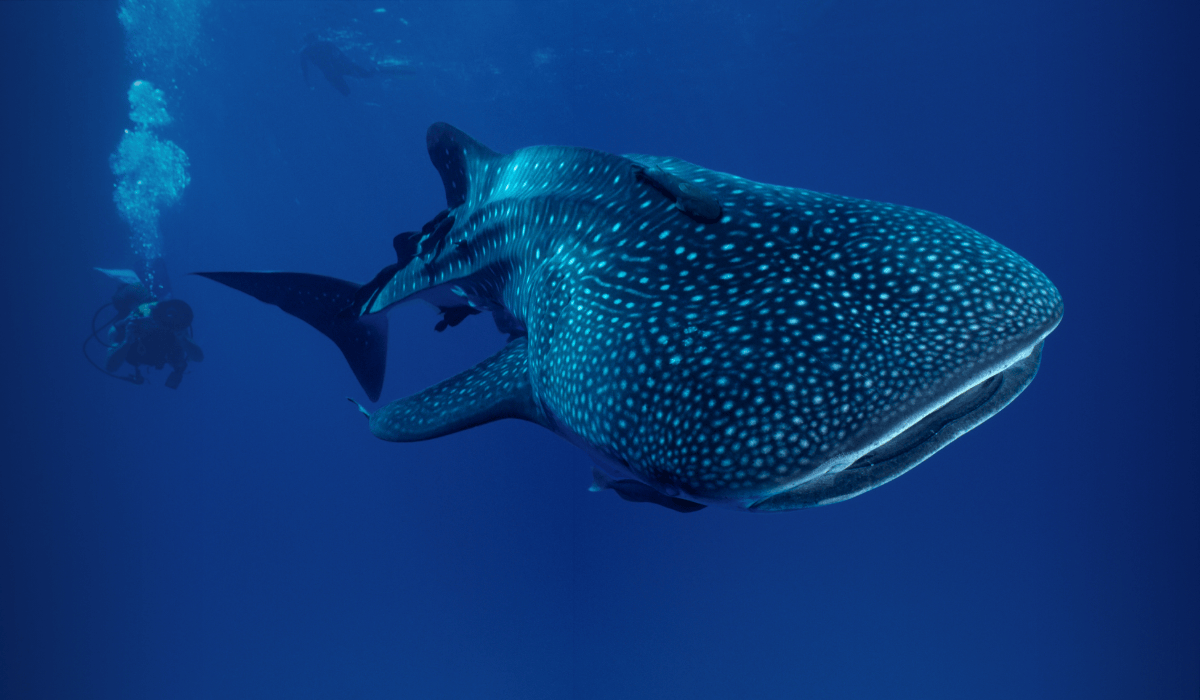
| Whale Shark | Rhincodon typus | Sea of Cortez, Socorro (rare) | 5–12 m | Sep–Nov (Sea of Cortez) |
| Tiger Shark | Galeocerdo cuvier | Socorro (rare) | 3–5 m | year-round (rare) |
| Silky Shark | Carcharhinus falciformis | Socorro | 2–3 m | Apr–Jun |
| Galapagos Shark | Carcharhinus galapagensis | Socorro | 3–3.5 m | year-round |
| Mako Shark | Isurus oxyrinchus | Socorro, offshore Pacific | 2.5–3 m | occasional |
Top Destinations for Shark Diving in Mexico
These two liveaboard-only destinations offer the best shark encounters in Mexico. Each has its own season, species mix, and diving conditions.
Socorro (Revillagigedo Islands)
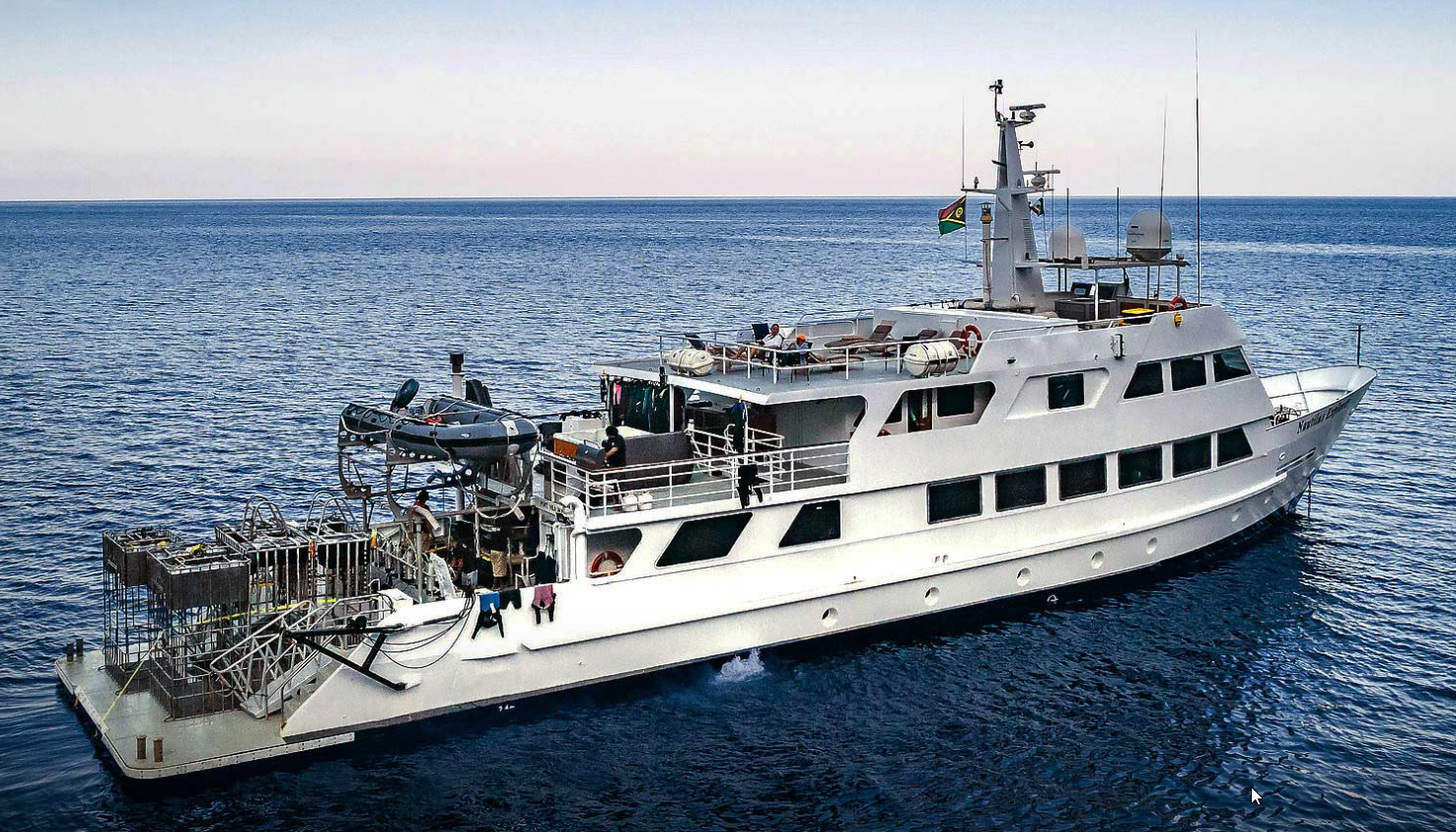
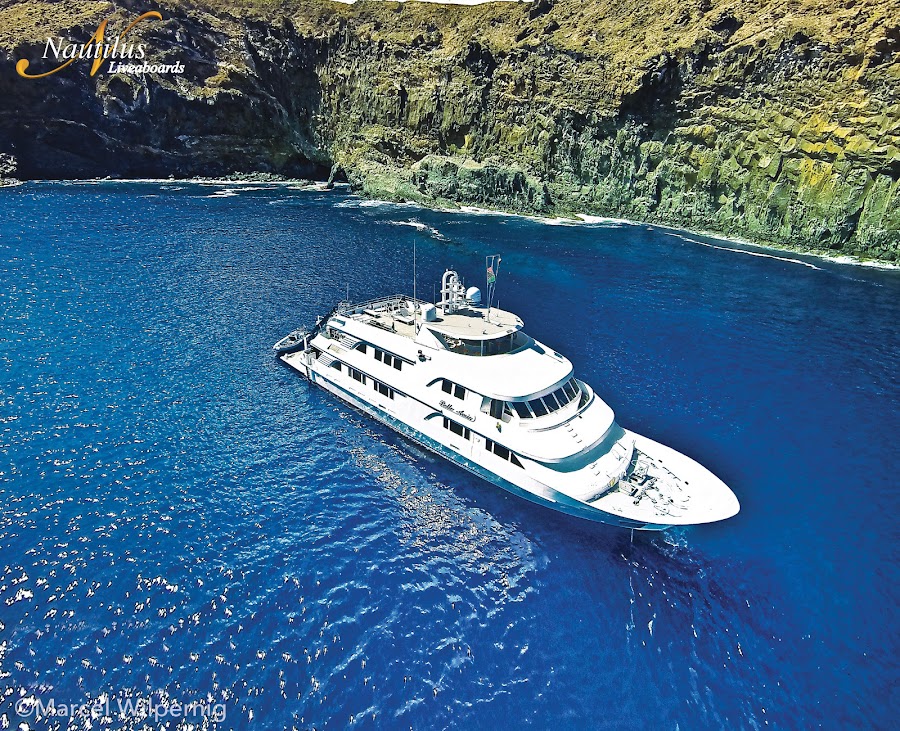
The Revillagigedo Archipelago is a UNESCO World Heritage site and a true big animal destination, better known generally as Socorro after the largest Island in the chain They sit more than 600 km off the Baja coast, which means a 24-hour crossing from Cabo San Lucas. Access is by liveaboard only.
Shark species you can expect
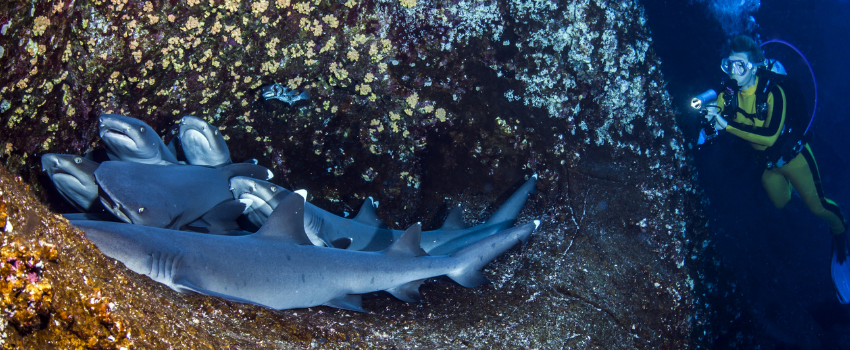
It is common to see seven or eight different shark species on a single trip. These include scalloped hammerheads, silky sharks, Galapagos sharks, silvertip sharks, whitetip reef sharks, and occasional tiger sharks. The hammerheads are often seen in schools from November to January and again in May and June. While this guide focuses on sharks, Socorro is equally famous for its giant Pacific manta rays, which are seen year-round and often interact with divers at cleaning stations.
Diving experience
Advanced. Strong currents, deep water, and blue-water diving are standard. Night diving is not allowed in the marine park.
Liveaboard logistics
Trips typically last 7 to 12 days. Book several months in advance, especially for peak windows.
Season and conditions
- Official season: November to June
Socorro diving is prohibited by CONANP from July to October
- Water temperature: 21 to 28°C (70 to 82°F)
- Visibility: 15 to 30 metres (50 to 100 feet)
Monthly breakdown for sharks
- November to December: Warmest waters. Hammerheads and silky sharks are active. Whale sharks are rare but possible.
- January to March: Cooler waters (21 to 23°C). Hammerhead schools remain reliable, especially at Roca Partida and San Benedicto.
- April to June: Calmest seas. Peak activity for hammerheads and silky sharks, particularly in May and June.
Sea of Cortez
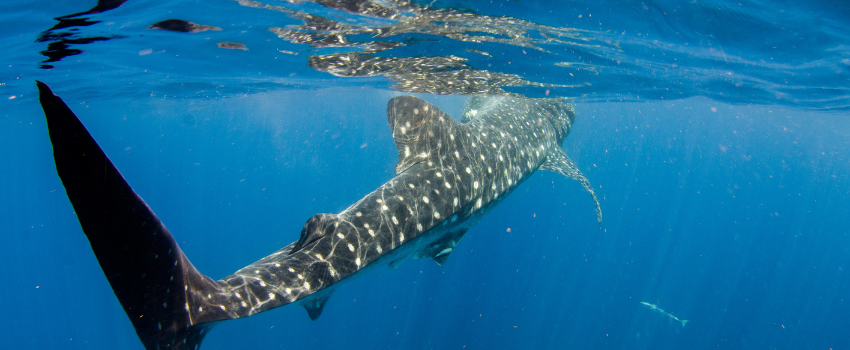
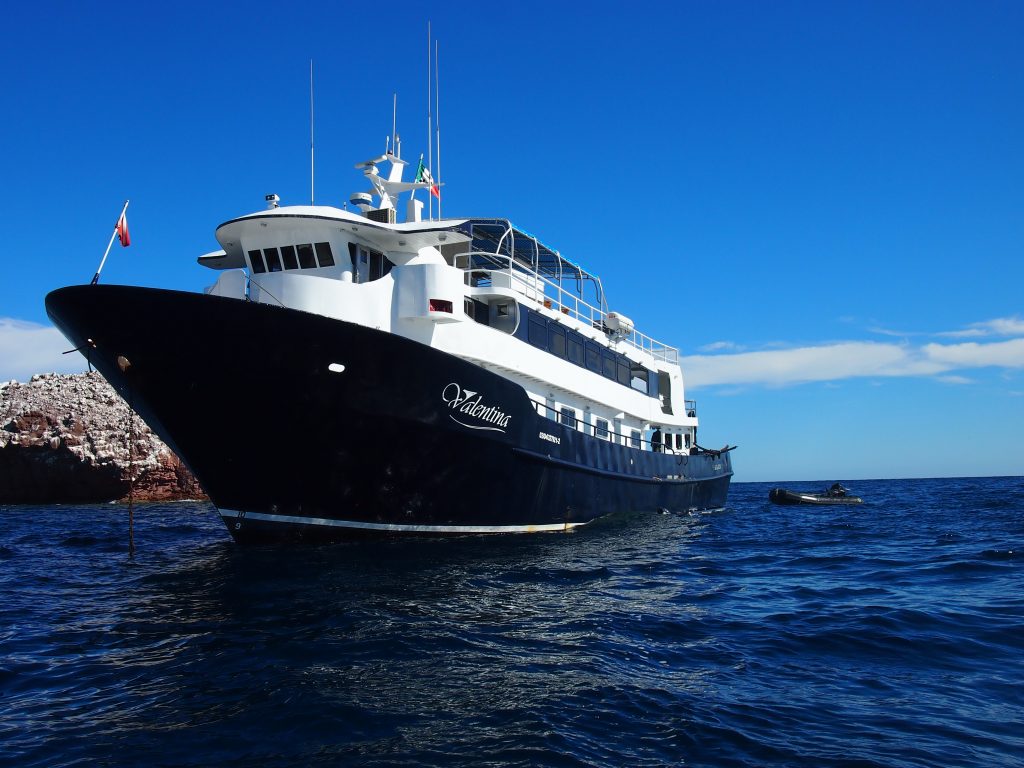
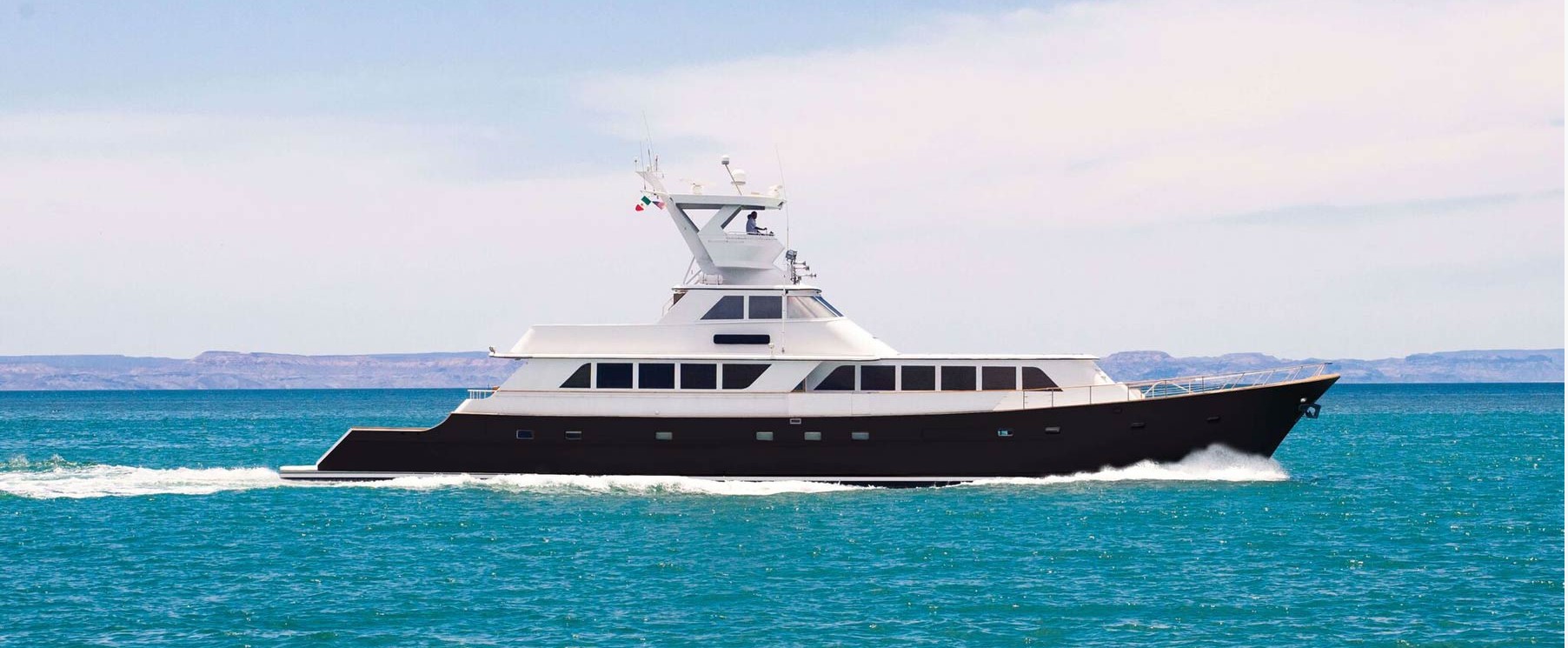
The Sea of Cortez stretches between the Baja Peninsula and mainland Mexico. It offers a mix of coastal and offshore diving, with liveaboard access to remote seamounts and islands.
Shark species you can expect
The main shark attractions are scalloped hammerheads and seasonal whale sharks. Bull sharks are seen occasionally at Cabo Pulmo.
Important note on hammerhead sharks: While hammerhead schools were historically common at El Bajo and Las Animas seamounts from September to October, they are no longer predictable here. Recent scientific studies from Shark Stewards report a significant decline in scalloped hammerhead sightings in the Sea of Cortez due to historical fishing pressures. At El Bajo, sightings have dropped by 97% compared to the 1970s, and at Las Animas, the decline is 100%. For the most reliable scalloped hammerhead encounters, Socorro is the better choice.
Whale sharks
Juvenile whale sharks gather near Bahía de Los Ángeles from September to November. These encounters are usually snorkel-based, and many liveaboard itineraries include them.
Diving experience
Versatile. The Sea of Cortez suits a range of experience levels, from shallow dives to deeper pelagic sites. Currents are generally milder than Socorro.
Liveaboard logistics
Itineraries often combine diving with snorkelling and wildlife viewing. Trips typically run from July to November, when the water is warmest and visibility is best.
Season and conditions
- Best time: July to November
- Water temperature: 20 to 30°C (68 to 86°F)
- Visibility: 15 to 30 metres (50 to 100 feet)
Monthly breakdown for sharks
- July to August: Warm, calm waters. Hammerhead sightings are rare but possible at deeper seamounts.
- September to November: Peak season for whale sharks near Bahía de Los Ángeles. Hammerheads are occasionally seen, though far less reliably than in the past.
Timing your trip to the Sea of Cortez is critical to seeing specific species. For a detailed monthly breakdown of visibility and water temperatures, read our Best Time to Dive the Sea of Cortez: Month-by-Month Guide.
Top Dive Sites for Shark Encounters
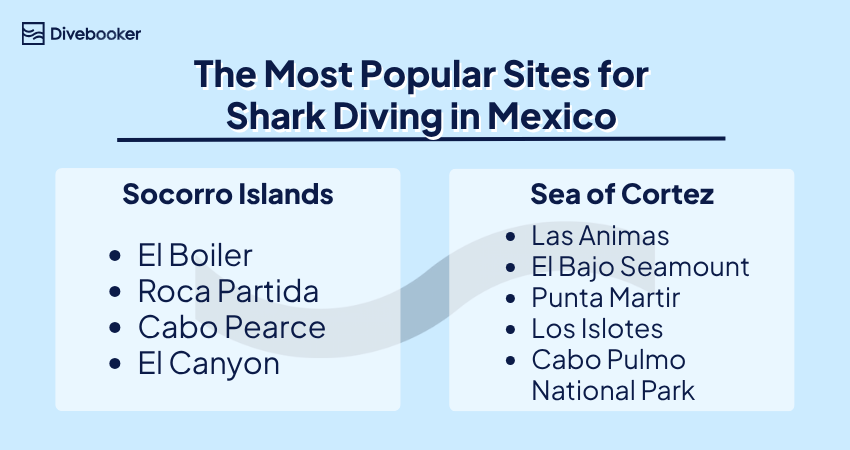
These are the most popular sites for shark diving in Mexico. Each site name links to its full description on Divebooker, where you can find more details on conditions and marine life.
Socorro
El Boiler
Located off San Benedicto Island, El Boiler is a submerged volcanic pinnacle. It is one of the best places in the world to see scalloped hammerheads, Galapagos sharks and silky sharks. Divers often find themselves surrounded by these sharks as they patrol the current. Tiger sharks are rare but have been reported here. El Boiler is also a renowned cleaning station for giant Pacific manta rays, which often hover directly over divers.
Roca Partida
This tiny rock pinnacle drops vertically into deep blue water. Whitetip reef sharks rest in ledges near the surface. Deeper down, schooling hammerheads, silky sharks and Galapagos sharks are common, and silvertip sharks also appear regularly. The site is famous for shark diversity on a single dive.
Cabo Pearce
On the eastern side of Socorro Island, Cabo Pearce is known for its cleaning stations. Hammerheads and Galapagos sharks queue up to be cleaned by barberfish, while tiger sharks are occasional visitors here, making it a site to watch carefully.
El Canyon
A deep cut in the reef wall that channels currents. Hammerheads and silky sharks use this funnel to hunt. It is a reliable spot for shark action, especially from April to June.
Sea of Cortez
Las Animas
This remote island has steep walls and rocky outcroppings. Schools of hammerhead sharks are historically common here, though recent studies show a decline. Silky sharks and occasional Galapagos sharks still patrol the deeper waters. It remains a worthwhile stop on liveaboard itineraries.
El Bajo Seamount
One of the most famous seamounts in the Sea of Cortez. Divers once saw hundreds of hammerheads here, and while sightings are now less reliable, the site still attracts silky sharks and the occasional bull shark. The seamount rises from deep water, creating a natural gathering point for pelagic sharks.
Punta Martir
A remote dive site on the east coast of Baja. Punta Martir is known for oceanic mantas, but hammerhead sharks and silky sharks are also frequently encountered. The walls and pinnacles provide cleaning stations where sharks gather.
Los Islotes
Famous for sea lions, but bull sharks are occasionally seen in the deeper channels around the islets. This site is more about variety, but shark sightings happen, especially during the winter months.
Cabo Pulmo National Park
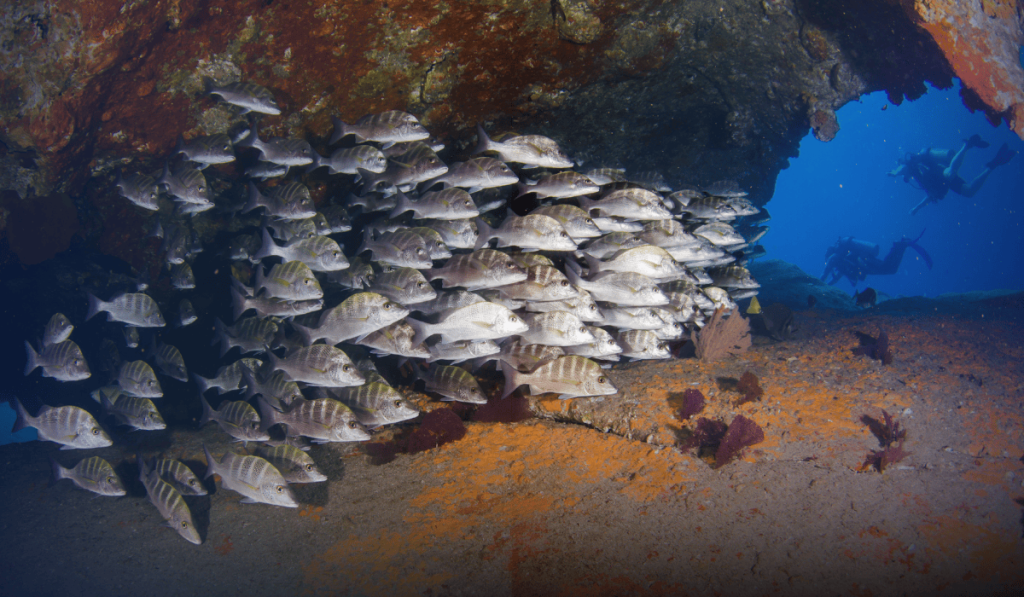
The park’s outer reef, including sites like El Bajo de los Meros, hosts bull sharks from November to February. These sharks are often seen resting near the bottom or cruising along the reef edge. Nurse sharks and whitetip reef sharks are also common.
Most sites require a liveaboard. Exceptions: Los Islotes and Cabo Pulmo can be dived from day boats in La Paz and Cabo Pulmo village. For the best shark encounters, plan your trip around the seasonal peaks described in the previous sections.
Essential Tips for Your Liveaboard Shark Diving
These tips will help you prepare for a safe and successful shark diving trip in Mexico.
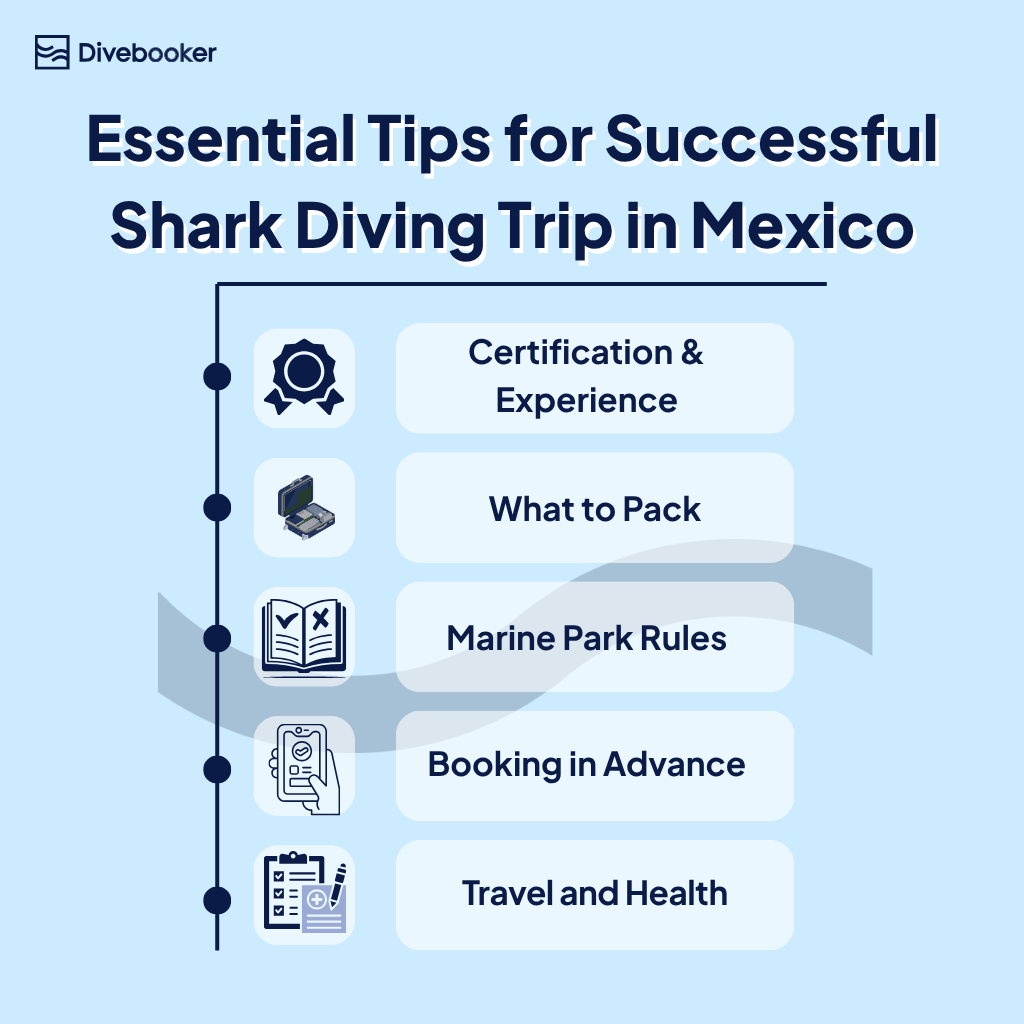
Certification and experience
Socorro requires advanced open water certification and at least 50 logged dives. Strong currents, deep water and blue-water conditions are standard. The Sea of Cortez is more forgiving but still demands good buoyancy control.
What to pack
Bring a 5mm wetsuit for most of the year. For January through March in Socorro, a 7mm suit or a hooded vest is recommended. Pack gloves, a dive computer, reef‑safe sunscreen and seasickness medication. The crossing to Socorro takes 24 hours or more, so medication is essential.
Marine park rules
Do not touch, feed or chase any marine life. Depth limits are strictly enforced: 30 to 35 metres maximum in the Revillagigedo National Park. Night diving is not allowed in Socorro. Always dive with a guide and stay with your group.
Booking in advance
Liveaboard trips to Socorro sell out months ahead. Peak windows (November to January and April to May) often book up six to twelve months in advance. The Sea of Cortez is slightly less competitive, but summer and early autumn trips still require advance planning.
Travel and health
Check your passport validity and any entry requirements for Mexico. Make sure you are comfortable with long boat rides and remote conditions. Most liveaboard operators include basic safety equipment, but you should confirm emergency protocols before boarding.
Conclusion
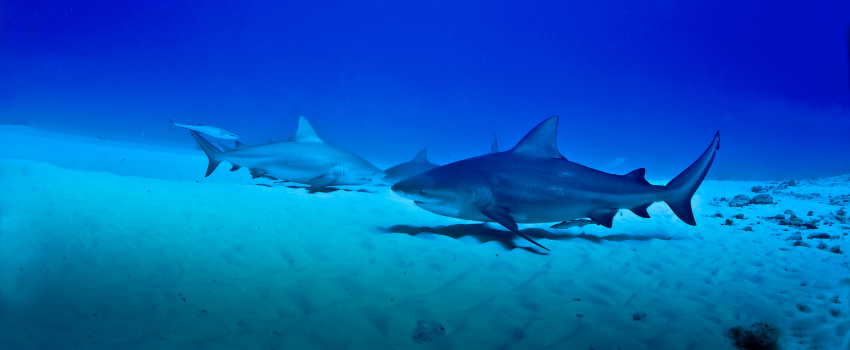
Mexico still delivers some of the best shark diving on the planet. You just need to know where and when to go.
Choose the Socorro from November to June for remote, big‑animal encounters. Expect hammerheads, silky sharks, Galapagos sharks and the occasional tiger shark. The crossing is long, but the reward is seven or more shark species on a single trip.
Choose the Sea of Cortez from July to November for warm‑water abundance and whale sharks. Hammerheads are less reliable than in the past, but the diversity of marine life and seasonal action make it a world‑class destination.
Both destinations are liveaboard‑only. Book early, pack for cooler water than you expect, and respect the marine park rules. Your next great shark dive is waiting.
Ready to plan your trip? Browse liveaboard options here:
-
 from$336 /day
from$324 /day
from$448 /day
from$336 /day
from$324 /day
from$448 /day
Frequently Asked Questions about Shark Diving in Mexico
Can I still see great whites in Mexico?Divebooker Team2026-04-10T15:05:56+00:00No, with the Mexican government permanently closing Isla Guadalupe to all recreational diving as of January 10, 2023, great white cage diving is no longer accessible here. And great whites are not reliably found elsewhere in Mexican Pacific waters.
If great whites are your primary goal, we recommend exploring liveaboards diving in South Australia (Neptune Islands) or South Africa (Gansbaai / False Bay).
Are there bull sharks in the Pacific?Divebooker Team2026-04-10T15:05:32+00:00Occasionally at Cabo Pulmo from November to February, but they are not guaranteed. In the Caribbean Sea, Playa del Carmen bull shark diving is better for encounters with this species, though those are day boat operations, not liveaboards.
Do I need a drysuit?Divebooker Team2026-04-10T15:05:10+00:00No. A 5mm wetsuit works for most of the year. In Socorro from January to March, a 7mm suit or a hooded vest is recommended. Water temperatures range from 21 to 28°C (70 to 82°F).
What is the best month for hammerhead sharks?Divebooker Team2026-04-10T15:04:48+00:00For Socorro, November to January and May to June. For the Sea of Cortez, September to October, though sightings have declined significantly in recent years.
Is Guadalupe Island ever reopening?Divebooker Team2026-04-10T15:04:21+00:00As of 2026, no. The Mexican government permanently closed Isla Guadalupe to all recreational diving on January 10, 2023. There is no indication of reopening.
To understand the events that led to the closure, you can read more about the 2016 shark cage diving incidents that raised safety and environmental concerns.
Can I do a day trip to Socorro?Divebooker Team2026-04-10T15:03:46+00:00No. Socorro is only accessible by liveaboard. The crossing from Cabo San Lucas takes more than 24 hours, and trips typically last 7 to 12 days.