Indonesia Liveaboard Diving
60% of divers returns to us
Best Indonesia Liveaboards
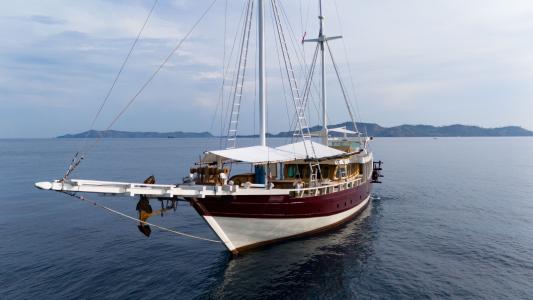
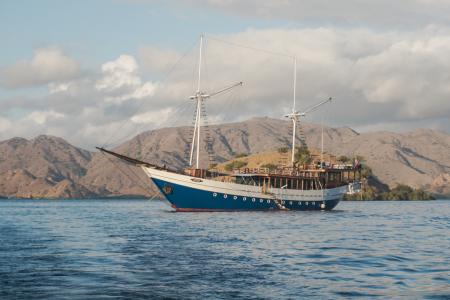
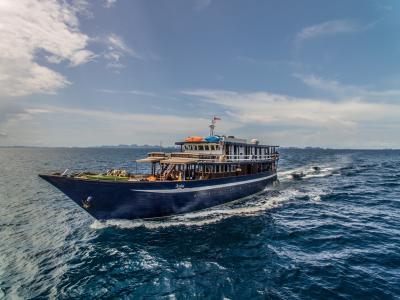
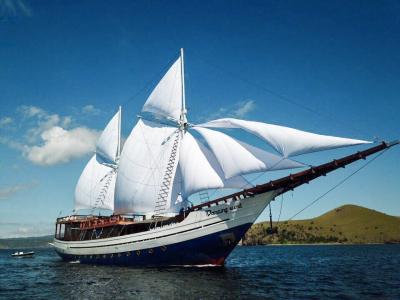
Handpicked Indonesia Selections

Liveaboard Diving in Indonesia
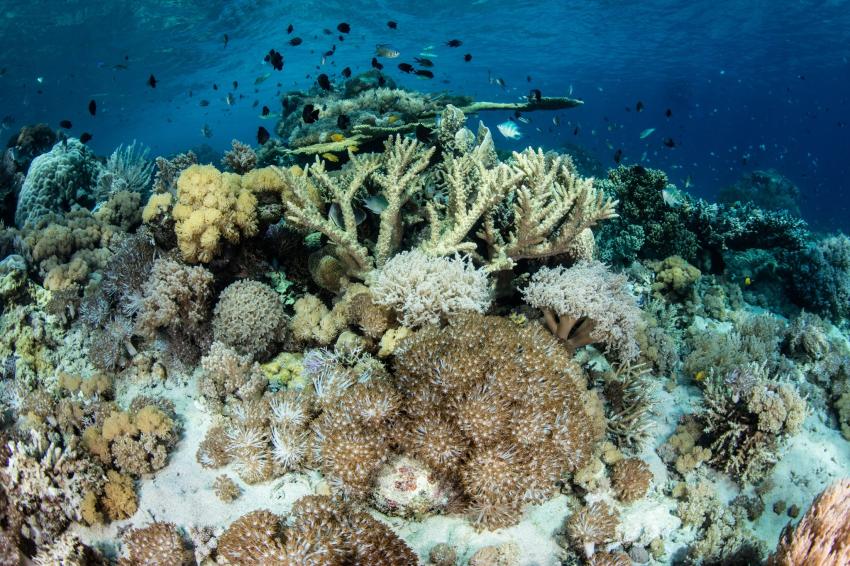
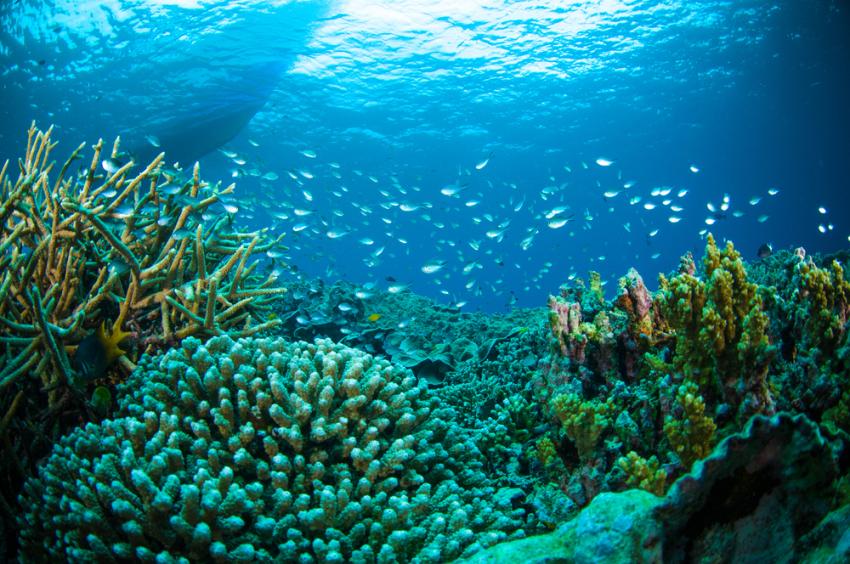
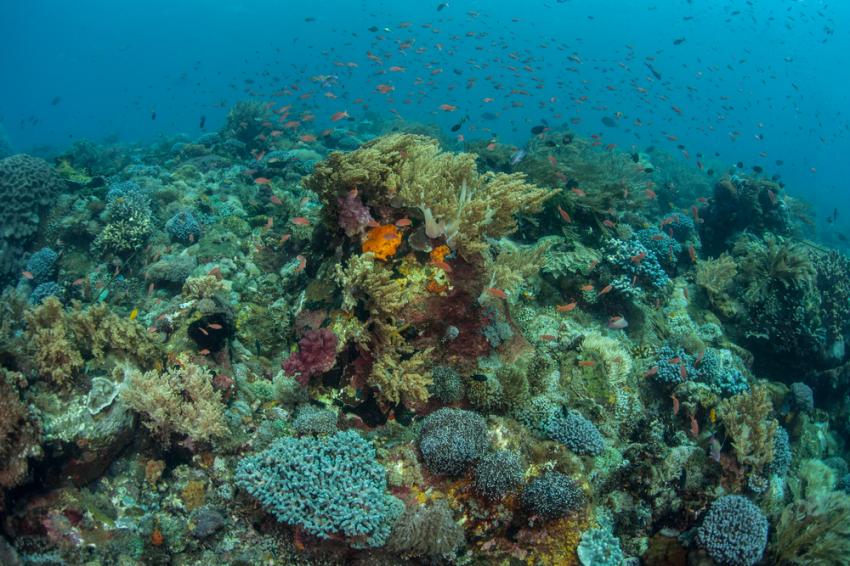
It’s like Indonesia was made for liveaboard diving. Spread across a vast chain of islands, it offers the kind of underwater variety that makes a single country feel like several dive worlds at once. One route may lead through current-swept channels and volcanic coastlines, while another reveals quiet bays, remote reefs, or coral gardens dense with colour and movement. For divers, this is part of the appeal of an Indonesia liveaboard: each trip follows a set route, but the country has an impressive choice of itineraries across very different regions. Some routes focus on national parks with relatively easy access, others on remote crossings, volcanic islands, or coral-rich seascapes, allowing divers to choose the style of journey that best matches their interests. Resort-based diving offer more day-to-day flexibility in one area, but liveaboards are especially suited to covering wider routes and reaching sites that are best explored by boat.
From the well known regions of Komodo National Park and Raja Ampat to the lesser known Banda Sea, Alor, Halmahera, Cenderawasih Bay, Misool, Ambon, Lembeh, and the Forgotten Islands, Indonesia brings together some of the most distinctive diving destinations in the region. Some areas are known for bold seascapes, large pelagics, and powerful water movement; others are prized for untouched reefs, rare marine life, or the feeling of being far from the usual travel routes. This range is exactly why liveaboard diving in Indonesia has such a strong identity among experienced divers.
The experience above the surface is also very important. Traditional island communities, volcanic landscapes, quiet anchorages, and long crossings come together to make trips feel like much more than dive itineraries. Whether the route focuses on famous names such as Komodo and Raja Ampat or more remote areas like the Banda Sea and Alor, an Indonesia liveaboard provides a way to experience the country as a living archipelago rather than a single dive stop
Top Places to Dive in Indonesia
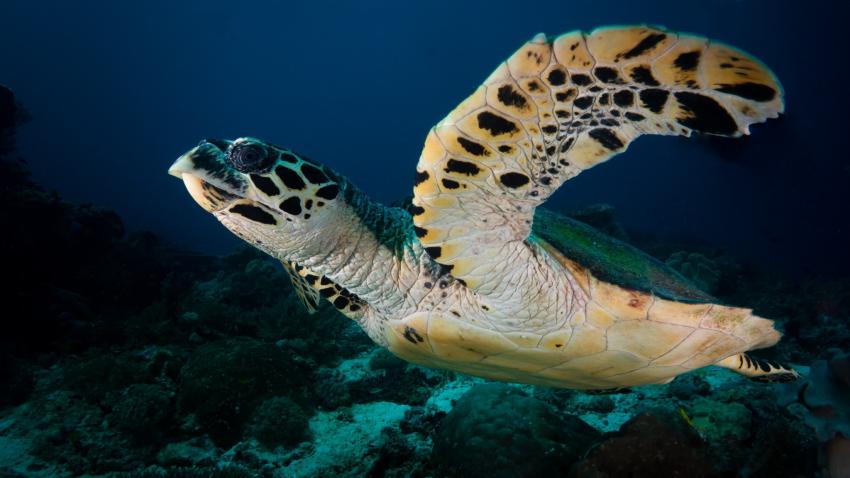
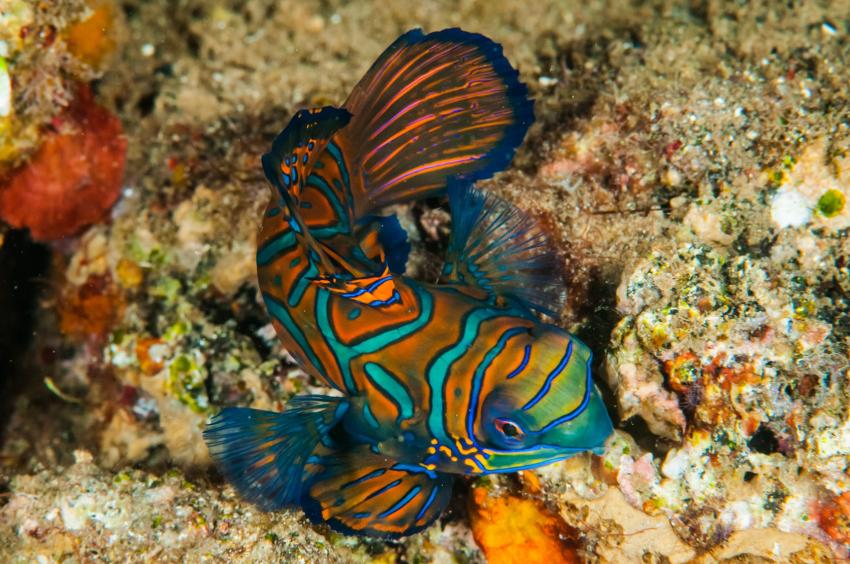
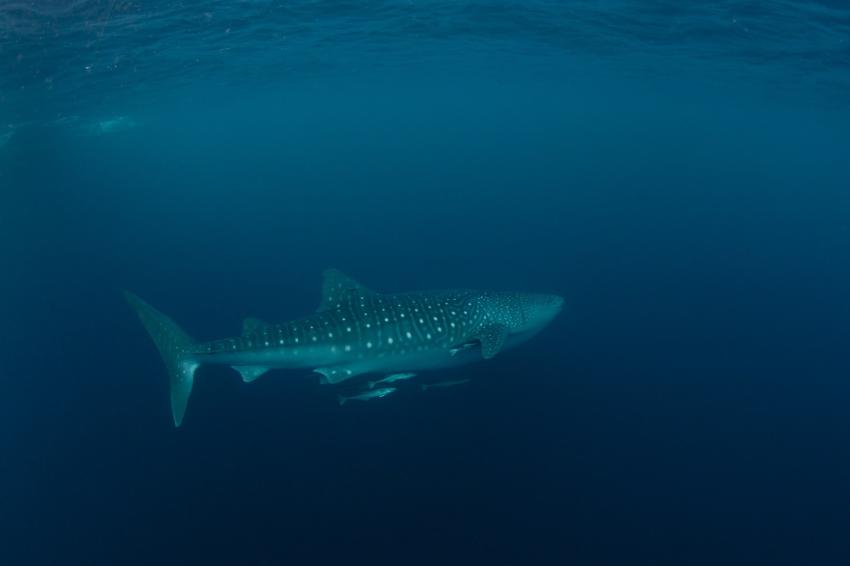
Komodo National Park
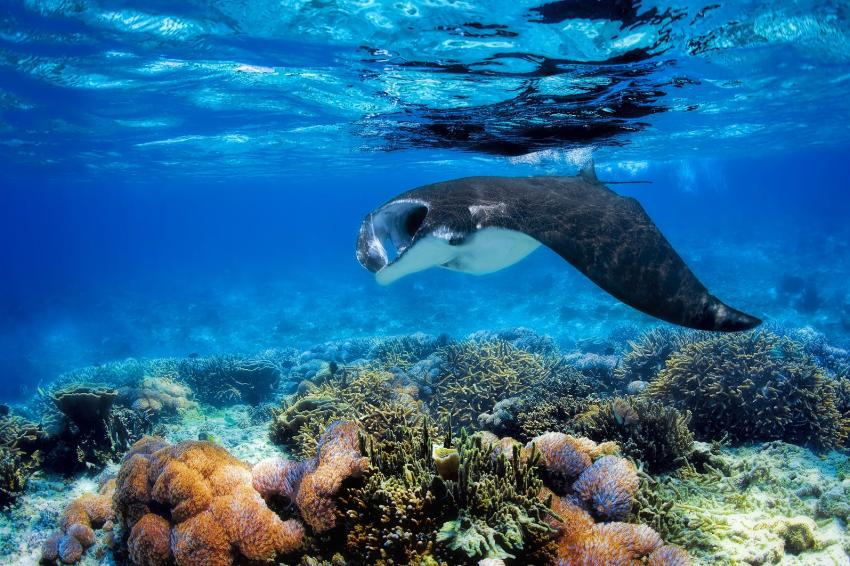
Komodo National Park is one of Indonesia’s most recognisable liveaboard regions, combining dramatic island scenery with manta rays, drift diving, and the rare chance to pair underwater adventure with encounters with Komodo dragons on land. For divers comparing Indonesia liveaboards, Komodo stands out as a destination with a strong identity: bold scenic landscapes, strong currents, unique creatures above and below the surface, and itineraries that feel active, varied, and deeply connected to the surrounding islands.
Banda Sea
The Banda Sea brings a more remote, open-water character to Indonesia diving. Routes here often feel like a crossing into another side of the archipelago, where long horizons, scattered islands, and boat-based travel shape the atmosphere of the trip. Underwater, schooling hammerhead sharks and the sea snake island of Manuk give this region something unique in Indonesia.For divers looking at charter dive boats in Indonesia or longer liveaboard routes, the Banda Sea provides a strong sense of distance and adventure.
Cenderawasih Bay
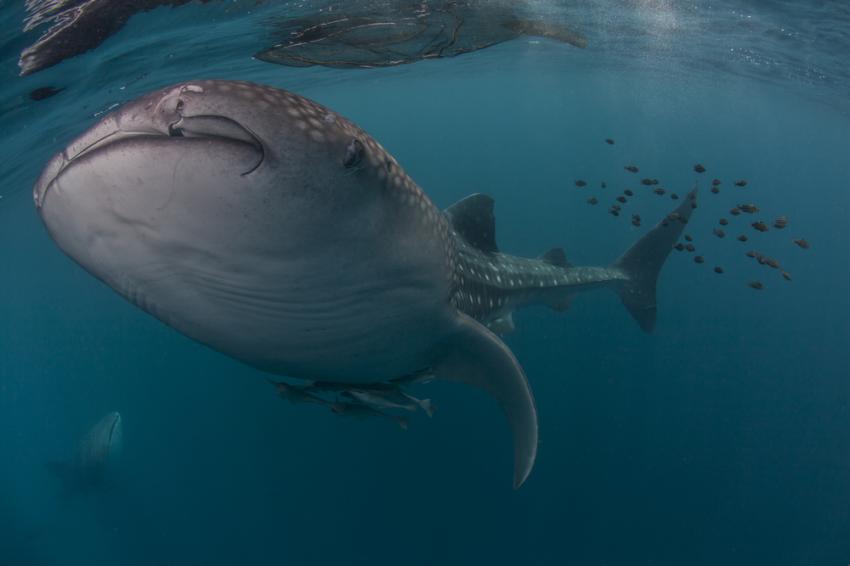
Cenderawasih Bay adds something unique and very special to the choice of Indonesia liveaboard boats, specifically, whale shark encounters connected to fishing platforms, known as bagans. It feels separate from the better-known classic routes, giving divers a chance to explore a different part of the country’s marine landscape. For those who want their itinerary to feel less familiar and more destination-specific, Cenderawasih Bay can be a compelling option.
Forgotten Islands
The Forgotten Islands carry their atmosphere in their name. This is the kind of destination that gives an Indonesia dive liveaboard a more exploratory edge, with routes that feel distant, less predictable, and shaped by the geography of the archipelago. Underwater, untouched reefs and sea mounts are a magnet for large pelagics, while volcanic black sand slopes mean there’s plenty of macro life as well. An itinerary through the Forgotten Islands is a journey that feels removed from the usual flow of travel, this region has a strong pull.
Ambon
Ambon brings another distinctive layer to Indonesia’s dive geography, especially for divers drawn to world-class muck diving and rare critter encounters. Among a plethora of unusual macro life, the psychedelic frogfish helps give the destination a strong following among underwater photographers and macro enthusiasts. Ambon adds specialist appeal and gives the overall destination page a more complete sense of Indonesia’s range.
Raja Ampat
Along with Komodo, Raja Ampat has become almost synonymous with Indonesia liveaboard diving, and for good reason. It’s expansive and remote, with island views that make the journey above water feel as memorable as the dives themselves. Below, the combination of manta ray encounters, relatively calm conditions, and reefs loaded with variety, means that a liveaboard in Raja Ampat is as relaxing as it is rewarding.
Halmahera
Often dived as part of wider liveaboard itineraries in Indonesia, Halmahera suits divers who are drawn to less crowded routes and a quieter style of exploration, bringing a feeling of space, remoteness, and discovery. Think of it as a quieter, more current driven Raja Ampat. The appeal lies not in seeing a list of world-famous dive sites, but in travelling through a region that still feels far from the most common diving paths.
Alor
Alor adds a wilder eastern character to Indonesia’s diving map. It is well suited to divers who appreciate quieter destinations, strong regional identity, and boat-based exploration through a less developed tourism landscape. But don’t let that fool you, it’s one of the few places in Indonesia where you can see mola mola and even blue whales and orcas. Couple that with almost untouched, healthy reefs, and an Alor diving liveaboard brings together remoteness, cultural texture, and the feeling of being deep in East Indonesia.
Lembeh
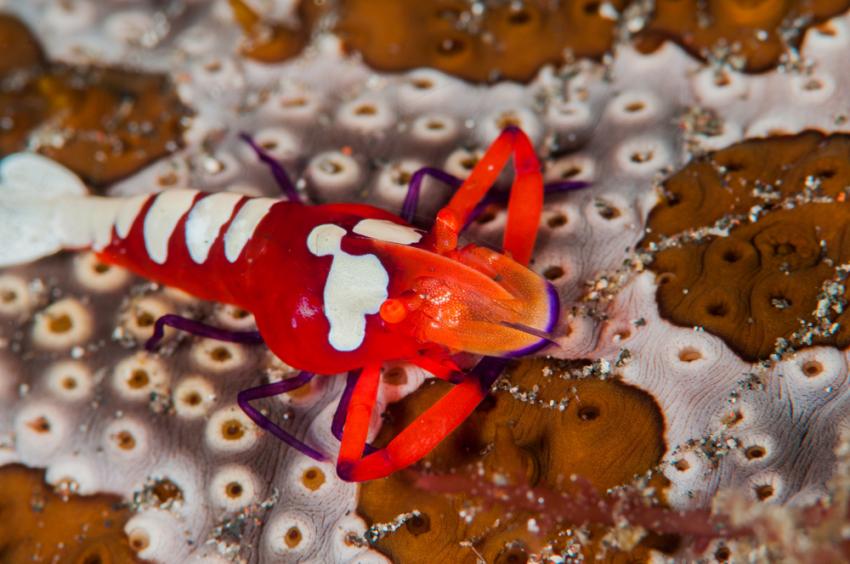
Lembeh has a different kind of intensity from many other dive destinations: slower, more detailed, and focused on close observation. While many liveaboard routes in Indonesia are built around sweeping scenery and broader movement, Lembeh has a more concentrated feel. Here, it’s all about the macro life; nudibranchs, frog fish, flamboyant cuttlefish, pygmy seahorses, and so much more! For divers who enjoy taking their time and looking closely, it adds valuable contrast to the wider world of dive Indonesia liveaboard travel
Must See Indonesia Dive Sites
Nil Desperandum
Nil Desperandum carries the kind of name that instantly gives a dive site character. This submerged atoll, dropping into the depths of the Banda Sea has become famous among divers for schooling hammerhead sharks.. Accessible only by liveaboard, this is the type of site that adds a sense of both expectation and expedition to an itinerary.
Castle Rock
Castle Rock is one of Komodo’s standout dive sites, known for the strong currents that define diving in this region. The currents, combined with the layout of the site, create conditions where it feels like anything can happen. Grey reef sharks, groups of trevally, and schools of thousands of fusiliers make Komodo such a popular choice among Indonesia liveaboards. Castle Rock brings exactly the kind of intensity Komodo is known for.
Bunaken National Park
Bunaken National Park adds another classic name to Indonesia’s diving map. It brings a very different feel from the country’s more remote areas, with a strong focus on gentle drifts along deep walls and shallow reefs, along with a sense of marine richness. As part of wider Indonesia liveaboard diving, Bunaken helps show how varied the country can be, with national parks and gentle coral walls, a far cry from the energy of Komodo.
Koon Island
Koon Island, in the Banda Sea, belongs to the more exploratory side of Indonesia diving, where routes feel spacious, remote, and deeply connected to the geography of the archipelago. Moving beyond the classic routes and into less familiar waters, when an island has a dive site called “Too Many Fish”, you just know it will be impressive. On a Banda Sea liveaboard itinerary, Koon Island ensures that you are not just stopping for a conveniently placed dive in the schedule, but experience a major highlight.
Nusa Laut
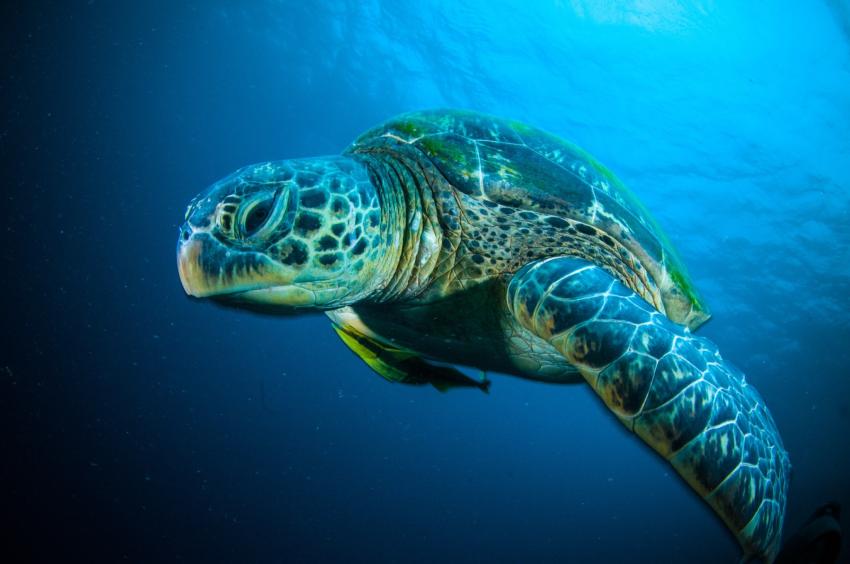
Nusa Laut lies east of Ambon at the far northern reaches of the Banda Sea, and adds a quieter, more local character to Indonesia’s dive-site collection. It rewards divers who enjoy atmosphere as much as action: island scenery, reef life, and the slower rhythm of a route that moves through eastern Indonesia. With pristine, strictly protected coral reefs, divers can expect turtles, reef sharks and plenty of large schools of fish. For travellers choosing liveaboard dive boats Indonesia, it adds another layer to the country’s variety.
Sangeang Volcano
Sangeang Volcano brings Indonesia’s volcanic identity directly into the diving experience. It is a site where the landscape above the water shapes the mood of the dive before you even descend. Bubbles flow continually from beneath dark sand that is warm to the touch, and soft coral bommies, surrounded by reef life, provide a stunning contrast in colour. For divers, it adds texture and contrast to Komodo-area routes, pairing dramatic island scenery with exploring a dive site formed by fire, sea, and current.
Manta Ridge
Manta Ridge is one of those names that immediately suggests why Raja Ampat is so loved by divers. It is a site associated with manta encounters and wide, open reef scenes, giving any Raja Ampat liveaboard a graceful, big-animal highlight. The appeal is simple but powerful: the chance to witness large manta rays elegantly pass through their natural environment.
Gunung Api
Gunung Api adds a bold, volcanic note to the Banda Sea. Translated as Fire Mountain, this active volcano fits naturally into routes that already feel remote, dramatic, and shaped by open-water crossings. With sites like snake island (yes there are many sea snakes here) and the Lava Flow, there is both variety, and a sense of uniqueness here. For divers looking at charter dive boats in Indonesia, Gunung Api brings a sense of scale to the journey. There are not too many places where volcanic geography and the ocean work together to create world-class diving.
Dampier Strait
The Dampier Strait is one of Raja Ampat’s most famous highlights, and a natural centrepiece for many itineraries in the region. It brings together the feeling of movement, rich reef scenery, and the wide seascape that makes Raja Ampat such a powerful destination for Indonesia liveaboard boats. Its most well known site is Manta Sandy, famed for its manta encounters that can last for the entire dive. Cape Kri is another site, this one known for the pure variety of fish life on hand. The Dampier Strait has the classic Indonesia sense of being surrounded by life, islands, and water in every direction.
Karang Makassar (Manta Point)
Karang Makassar, also known as Manta Point, is one of Komodo’s most recognisable manta-focused dive sites. While the site itself is somewhat underwhelming in comparison to other dives in the area, there is a very good reason to dive here. Manta Rays. Simply drifting gently along the reef while watching graceful rays feed, this site adds a graceful counterpoint to, and a break from, Komodo’s stronger current driven dives.
Blue Magic
Blue Magic is one of Raja Ampat’s most memorable dive-sites, and it carries exactly the kind of atmosphere the name suggests. Sitting in the Dampier Strait, this submerged pinnacle has and active manta ray cleaning station and is a magnet for reef sharks. You can also see wobbegong sharks here. In fact, Blue Magic carries that signature Raja Ampat energy: reef life, blue water, and the feeling that something remarkable could appear at any moment.
Melissa's Garden
Melissa’s Garden brings is another Raja Ampat classic. The name itself suggests colour, detail, and a slower kind of wonder. And that’s exactly what you get. Divers can take in the shape and colour of the reef rather than rushing through the dive, while still being surrounded by reef sharks, schooling fish, and plenty of macro life. It is a strong contrast to the more current-driven sites and helps show the full range of an Indonesia diving liveaboard itinerary.
Boo Windows
Boo Windows is one of Misool’s most distinctive dive sites, with a name that hints at natural structure and visual drama. The pair of large rock swimthroughs add a scenic, almost architectural quality to the site, making the dive feel memorable from the first descent. From turtles and reef sharks, to pygmy seahorses, divers exploring Misool by liveaboard have yet another reason to remember their trip.
Banda Neira Pier
Banda Neira Pier, close by Banda Island itself, brings a different kind of diving experience to the Banda Sea. Rather than feeling like a remote wall or blue-water site, it is a more detailed, macro focused dive, closely connected to the rhythm of the island itself. The pier and shallow coral gardens have a host of treasures hidden within, but getting the chance to dive there in the evening as it’s Mandarin fish carry out their mating rituals is a highlight. The site adds useful contrast to a Banda Sea itinerary, especially for divers who enjoy sites with atmosphere and local character.
Batu Bolong
Batu Bolong is one of Komodo’s most iconic dive sites and a strong example of why the region has such a loyal following among experienced divers. It brings together reef colour, current, and concentrated marine life in a way that feels unmistakably Komodo. On a scuba diving liveaboard in Indonesia, Batu Bolong adds one of those high-impact dives that can become a lasting reference point for the whole trip, that will be talked about in years to come on other trips.
Crystal Rock
Crystal Rock, situated very close by Castle Rock in Komodo, is a site that feels sharp, energetic, and full of movement. Like Castle Rock, it belongs to the more active side of Komodo diving, where current and reef structure help create memorable underwater scenes. Divers can often choose between hooking into current to watch the pelagic action or sheltering on the protected side of the rock to search for macro critters like pygmy seahorses and frog fish. For divers who want their Indonesia liveaboard route to feel vivid and dynamic, Crystal Rock adds to that Komodo dynamic
When To Go Diving in Indonesia
Indonesia can be dived throughout the year, but seasonality varies widely widely by region. This is one of the most important things to understand when planning a liveaboard Indonesia itinerary: there is no single “best month” for the entire country. The archipelago is so large that its dive regions follow different seasonal patterns.
Komodo National Park, Raja Ampat, the Banda Sea, Alor, Halmahera, Cenderawasih Bay, Lembeh, Misool, Ambon, and the Forgotten Islands each have their own preferred windows. Some routes are planned around calmer seas and better visibility, while others are timed for specific crossings, seasonal accessibility, or specific marine life encounters. For this reason, the best time to go should always be matched to the exact destination rather than Indonesia as a whole.
For divers choosing a liveaboard in Indonesia, this regional variation is part of the appeal. It means the country can offer compelling diving in different places at different times of year. When one area is moving out of its prime season, another may be entering its best window. A Komodo itinerary will not follow the same rhythm as a Raja Ampat route, and a Banda Sea crossing is planned differently from a trip to Lembeh, Alor, or Cenderawasih Bay.
The safest approach is either to choose the destination first, then match the season, route, and vessel availability around it, or know your travel dates, and look for the region with the best conditions. For travellers interested in Indonesia liveaboard diving, this creates a more accurate and rewarding plan: the right boat, the right region, and the right timing for the kind of diving you want most.
Frequently Asked Questions About Indonesia
What certification level is needed for diving in Indonesia?
Certification requirements for diving in Indonesia depend on the destination, dive conditions, and the liveaboard operator. For areas such as Komodo and Raja Ampat, many operators accept divers with an Open Water Diver certification or equivalent, though they may be advised to skip certain dives based on conditions and skill. This entry-level certification allows divers to explore depths of up to 18 metres and covers essential dive skills, safety procedures, and equipment use.
Most routes are better suited to divers with more experience. Komodo, the Banda Sea, Raja Ampat, and more can include currents, varied dive profiles, and more demanding sites, so an Advanced Open Water Diver certification or higher may be recommended by operators. Advanced training is especially useful for deeper dives, drift dives, navigation, and night diving, depending on the itinerary.
Before booking a diving liveaboard in Indonesia, it’s important to check the requirements of the chosen boat and route. Certification rules can vary between operators, and the right level may depend on the specific dive sites, currents, and overall difficulty of the trip
Should I book an extra night before and after my Indonesia liveaboard?
Booking an extra night before and after your liveaboard is not always required, but it is a smart choice. Many Indonesia liveaboard itineraries follow fixed departure schedules, and arriving a day early gives you time to settle in, prepare your dive gear, complete paperwork, and adjust after a long journey.
It also gives you a useful buffer in case of flight delays, missed connections, or luggage issues, which are more common on Indonesian routes than many other places. This is especially important for remote itineraries where the boat cannot easily wait once clearance, transfers, and departure plans are arranged.
After the trip, an additional night allows you to properly dry dive gear and makes travel generally smoother, especially if domestic flights, international connections, or no-fly time after diving need to be considered
Is Indonesia a good destination for underwater photography?
Yes, purely based on the variety alone, Indonesia is one of the most rewarding destinations for underwater photography. Its marine biodiversity, coral reefs, macro life, and dramatic underwater landscapes give photographers an unusually wide range of subjects in one country. From colourful reef fish and vibrant coral formations to pygmy seahorses and nudibranchs, via manta rays and whale sharks, the variety is exceptional.
Indonesia dive liveaboards can be especially useful for photographers because it allows access to different regions, sites, and underwater environments within one itinerary. Raja Ampat, Komodo National Park, and Lembeh Strait are all known for visually rich diving, from reef scenery and fish life to macro subjects and unusual critters. Liveaboards allow you to explore these areas fully by maximising both dive numbers and distance you can cover.
Indonesia’s underwater landscapes also add depth to photography. Dramatic walls, pinnacles, volcanic formations, coral gardens, and muck sites create strong visual contrast, giving photographers the chance to capture both wide-angle reef scenes and close-up marine life. Reliable underwater camera gear, suitable housing, and good buoyancy control are important, especially when photographing delicate reef systems or small macro subject
Are marine park and port fees included in Indonesia liveaboard trips?
These fees help support conservation, marine park management, and local communities. Port clearance fees may also be charged at embarkation points and are usually connected with local port administration, security, facilities, and paperwork.
Before confirming an Indonesia dive liveaboard, travellers should check what is included in the trip price and what must be paid separately. This is especially important when comparing liveaboards, because fees can vary by destination, route length, and local regulations. The same applies when looking at charter dive boats in Indonesia, where marine park, port, and clearance fees may be handled differently depending on the boat and itinerary