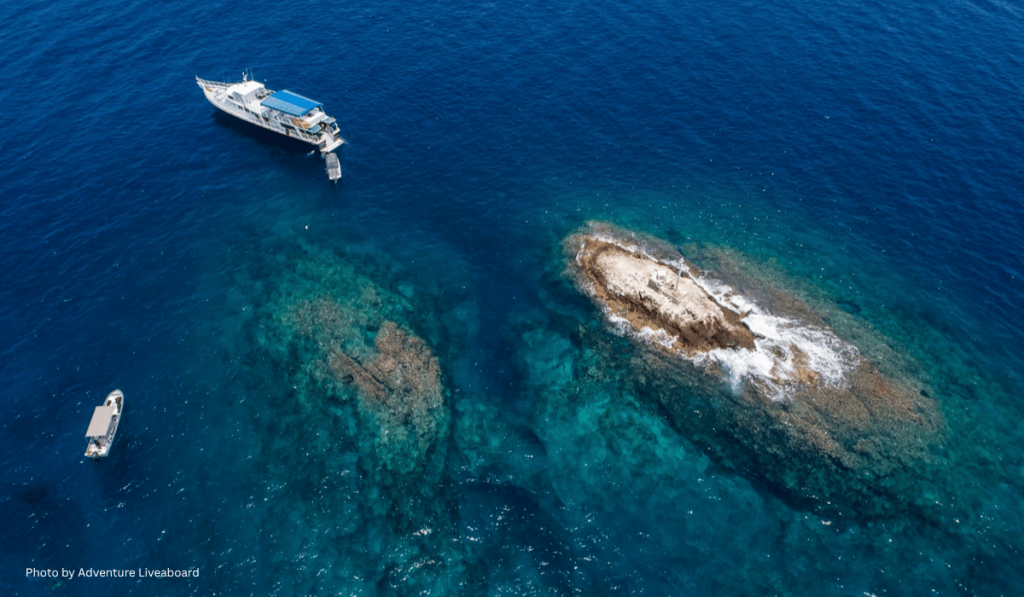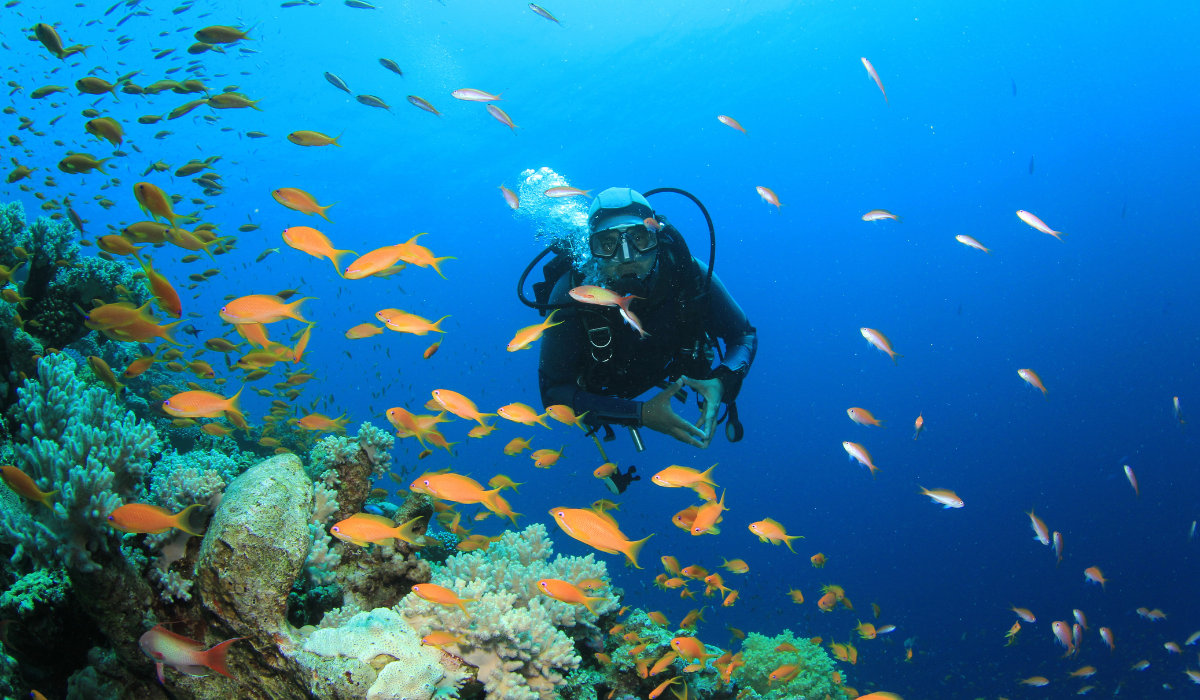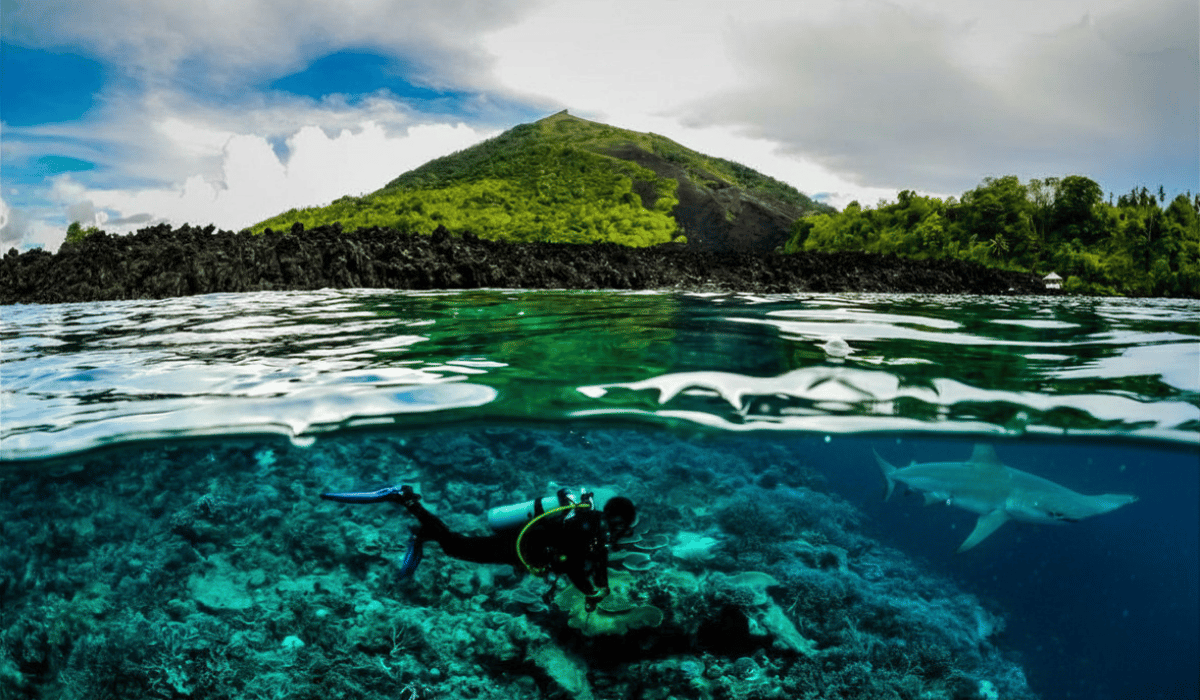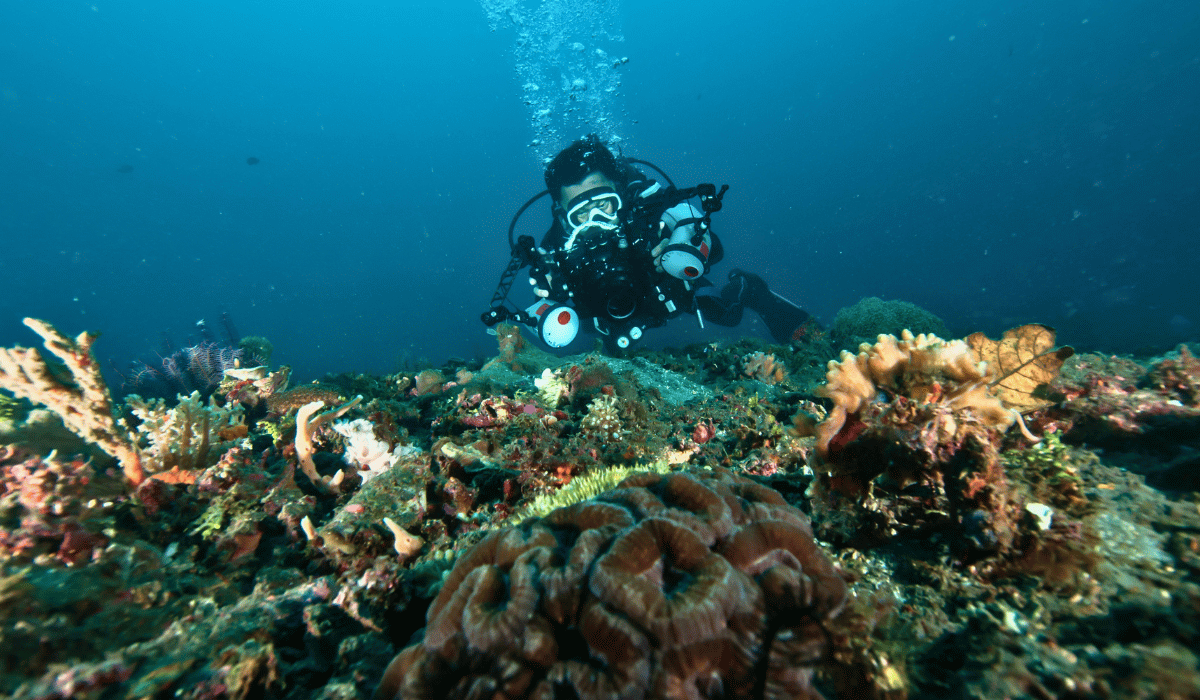
Let’s be honest: if your bucket list doesn’t include diving the Galápagos Islands, you need to reevaluate your list. This isn’t just about ticking a box; it’s about diving into the middle of a living documentary where the rules are written differently. The islands are located in the Pacific Ocean 900 km/560 mi from the coast of Ecuador. And due to the unique and abundant natural beauty, the marine territory within 70,000 sq. km/43,496 sq. mi around the Galápagos has been declared a marine reserve. This protects a thriving ecosystem where sharks, rays, sea lions, and even equatorial penguins act like you’re just part of the scenery.
The best way to experience it all is through Galápagos liveaboard diving, which puts you right in the heart of the action day and night.
If your bucket list has “epic dive adventure” scribbled on it, here’s why you should ink in “Galápagos 2026”.
This guide was thoroughly reviewed and updated in February 2026 to include the latest information for planning your Galápagos diving trip.
-
 from$669 /day
from$936 /day
from$832 /day
from$669 /day
from$936 /day
from$832 /day
Galápagos Dive Sites
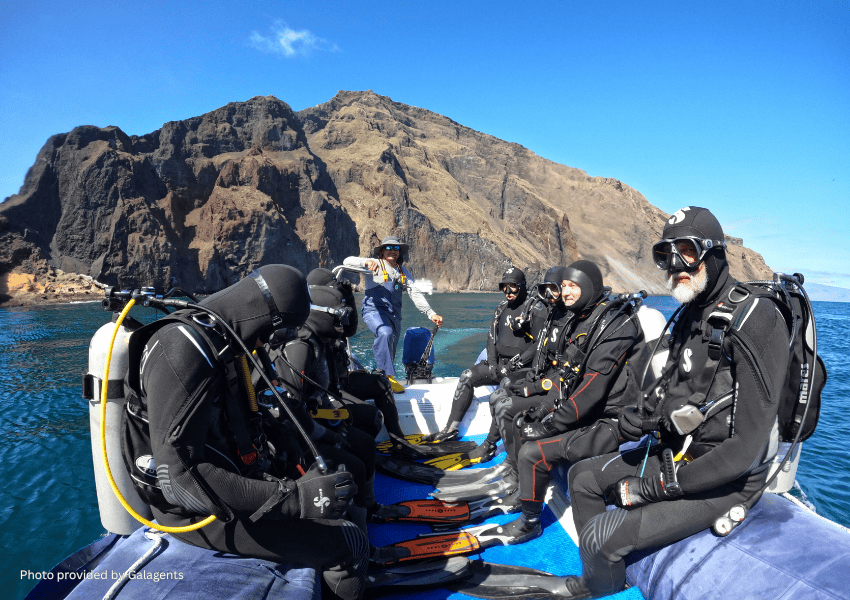
Diving here isn’t about leisurely coral gardens. It’s about stepping into a current-swept arena where the heavyweights of the ocean rule. The strict protection of the marine reserve means animals are abundant, curious, and utterly unbothered by your presence. While there are over 70 recognized sites, the legendary northern islands are the crown jewels, accessible only by liveaboard.
The must-visit sites include:
- Darwin and Wolf Islands: The remote pinnacles famous for massive schools of hammerhead sharks, whale sharks (in season), and non-stop shark action.
- Cape Marshall: A renowned cleaning station and a guaranteed hotspot for majestic manta rays.
- Gordon Rocks: A challenging pinnacle dive for advanced divers, teeming with scalloped hammerheads, Galápagos sharks, and strong currents.
- Cousins Rock: A brilliant, shallower site packed with macro life, sea lions, and resting white-tip reef sharks.
Each site offers a different facet of the archipelago’s raw power. For a complete breakdown of conditions, species, and site maps, our Ultimate Guide to Galapagos Islands Diving has you covered.
To find the right vessel for your adventure, start with our Galápagos boat search.
The Unique Wildlife of the Galápagos
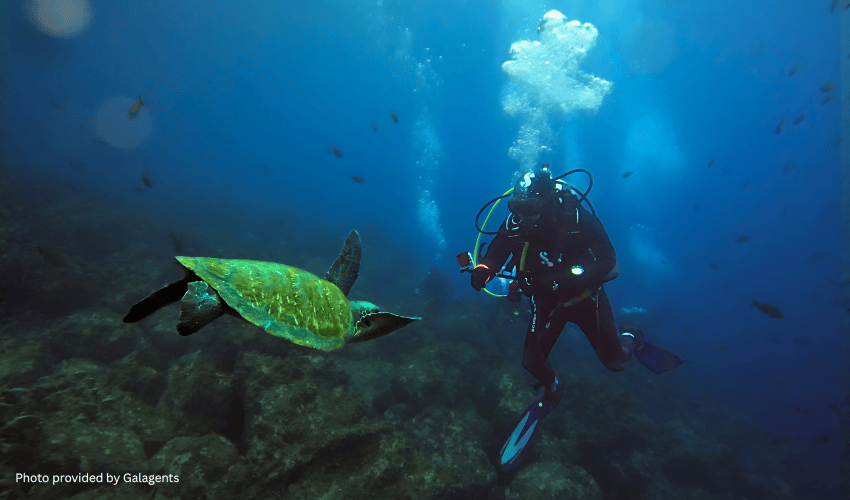
The Galápagos experience is defined by its unique cast of endemic characters. Diving here means sharing the water with species that simply don’t exist anywhere else, offering a glimpse into a world shaped by isolation.
This combination of strange endemic species with legendary pelagic giants is what makes diving the Galápagos a singular, unforgettable destination.
When to Dive: Picking Your Season
Choosing when to go is really about choosing what you want to see. The archipelago has two distinct seasons, each with its own draw.
Here’s the quick overview to help you narrow it down:
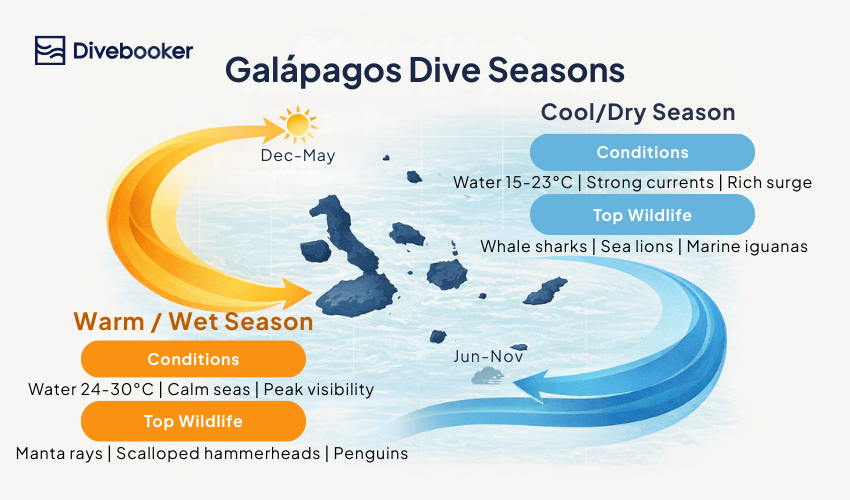
Warm & Wet Season (Dec – May)
Cool & Dry Season (Jun – Nov)
There’s no wrong answer, only the right one for your personal wishlist. Plan your 2026 dates around the encounter you absolutely don’t want to miss.
For the full, detailed breakdown on water temperatures, visibility, and wildlife calendars, our dedicated guide on the best time to scuba dive in the Galápagos Islands is your best resource.
Galápagos Liveaboard Trips: The Way to Go
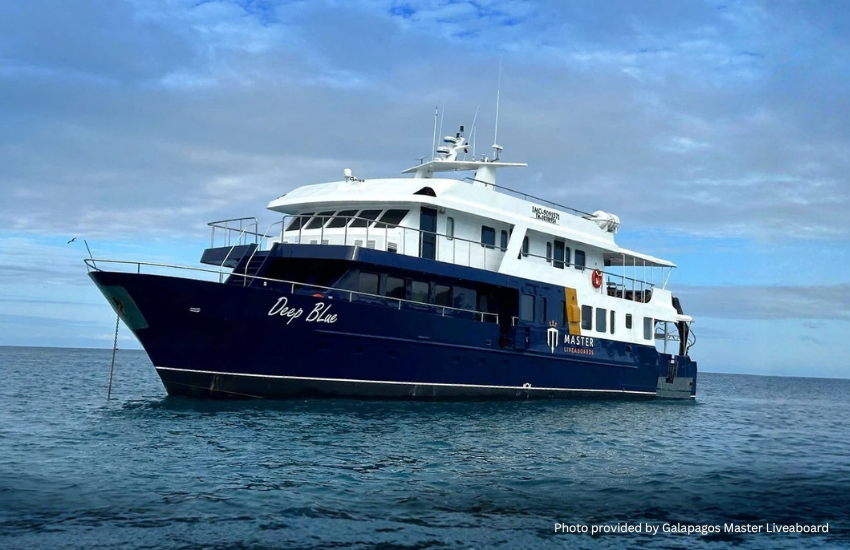
If you’re serious about diving the Galápagos, you need a liveaboard. It’s not just a boat; it’s your ticket to the remote, iconic sites like Darwin and Wolf that day boats simply can’t reach. You’re out there, immersed in the marine world from sunrise to sunset, sharing the water with the same creatures that define these islands.
Several excellent operators run expeditions here, each with its own character. A few of the well-regarded vessels include:
- 1
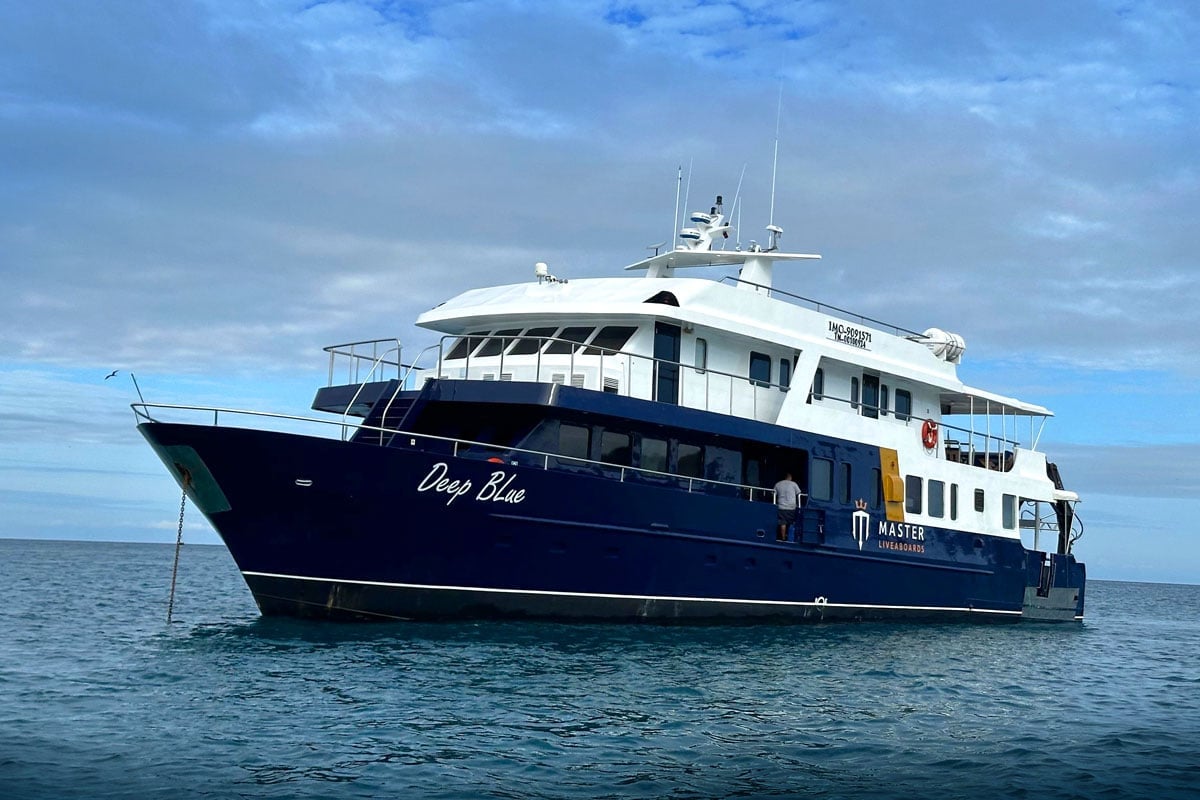
Galapagos Master: A sturdy, purpose-built diver favourite.
- 2
Tiburon Explorer: Known for its spacious layout and stability.
- 3
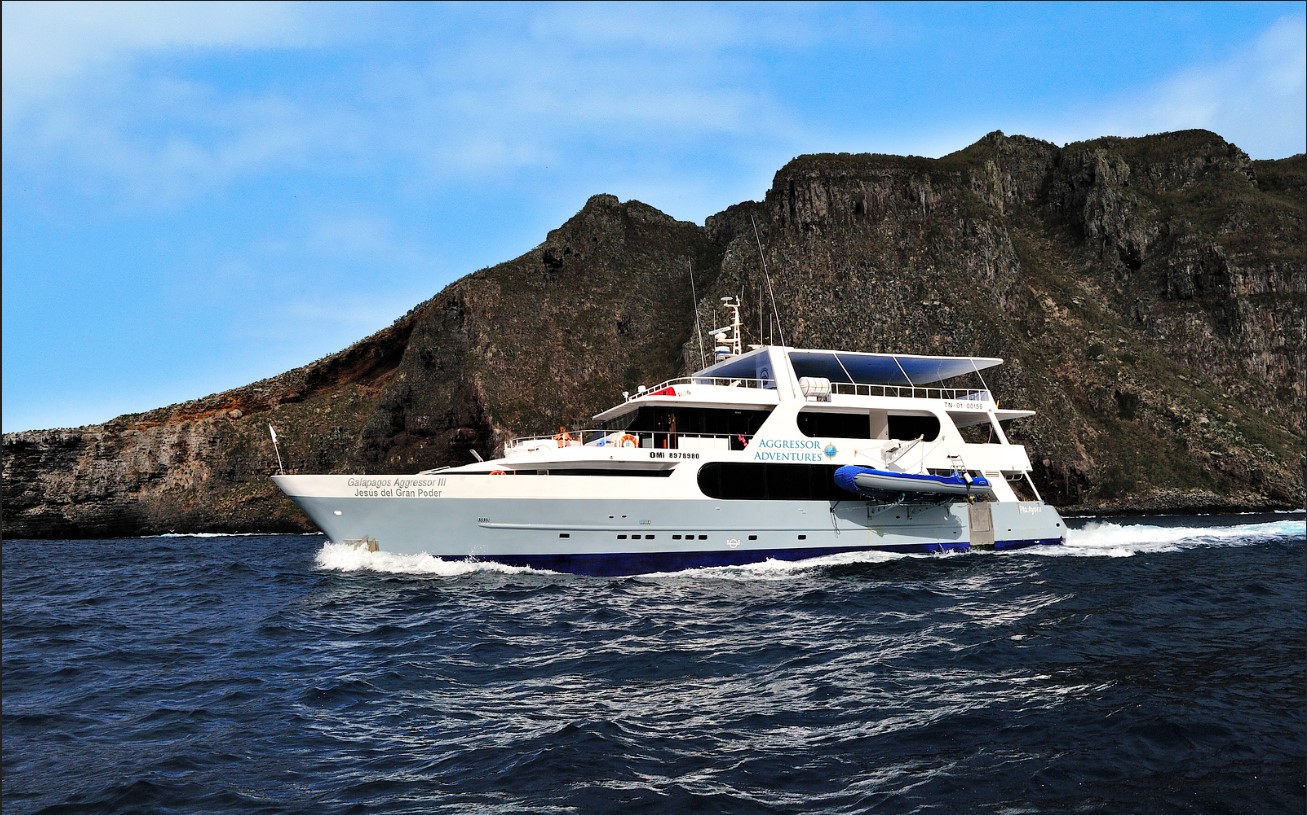
Galapagos Aggressor III: Part of the renowned Aggressor fleet, offering consistent service.
- 4
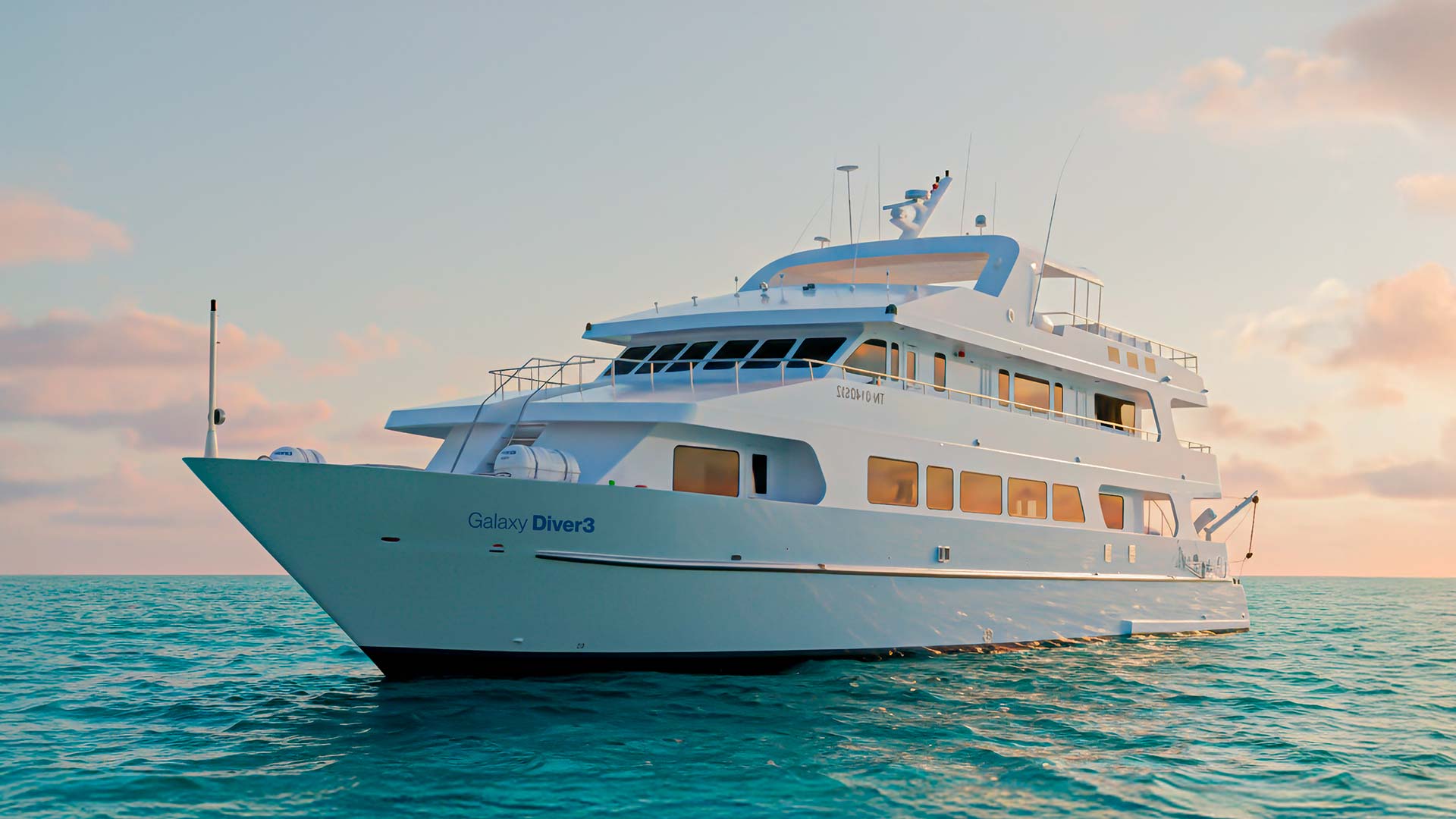
Galaxy Diver II: A modern catamaran designed for comfort at sea.
- 5
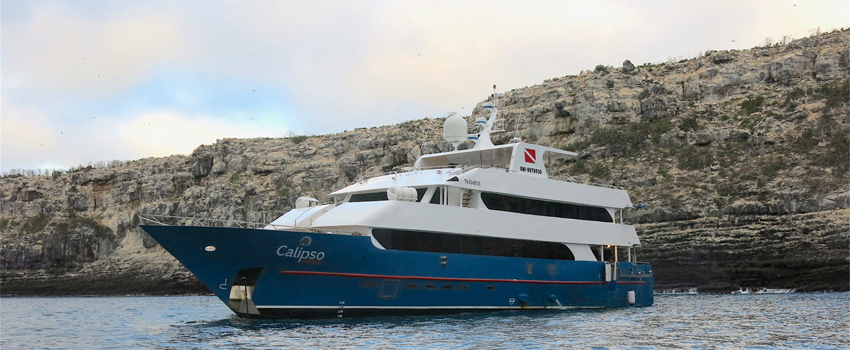
Calipso: A classic liveaboard with a long history in the islands.
- 6
Humboldt Explorer: A functional and reliable workhorse for serious divers.
- 7
Galapagos Aqua: A great value-oriented option for exploring the central islands.
- 8
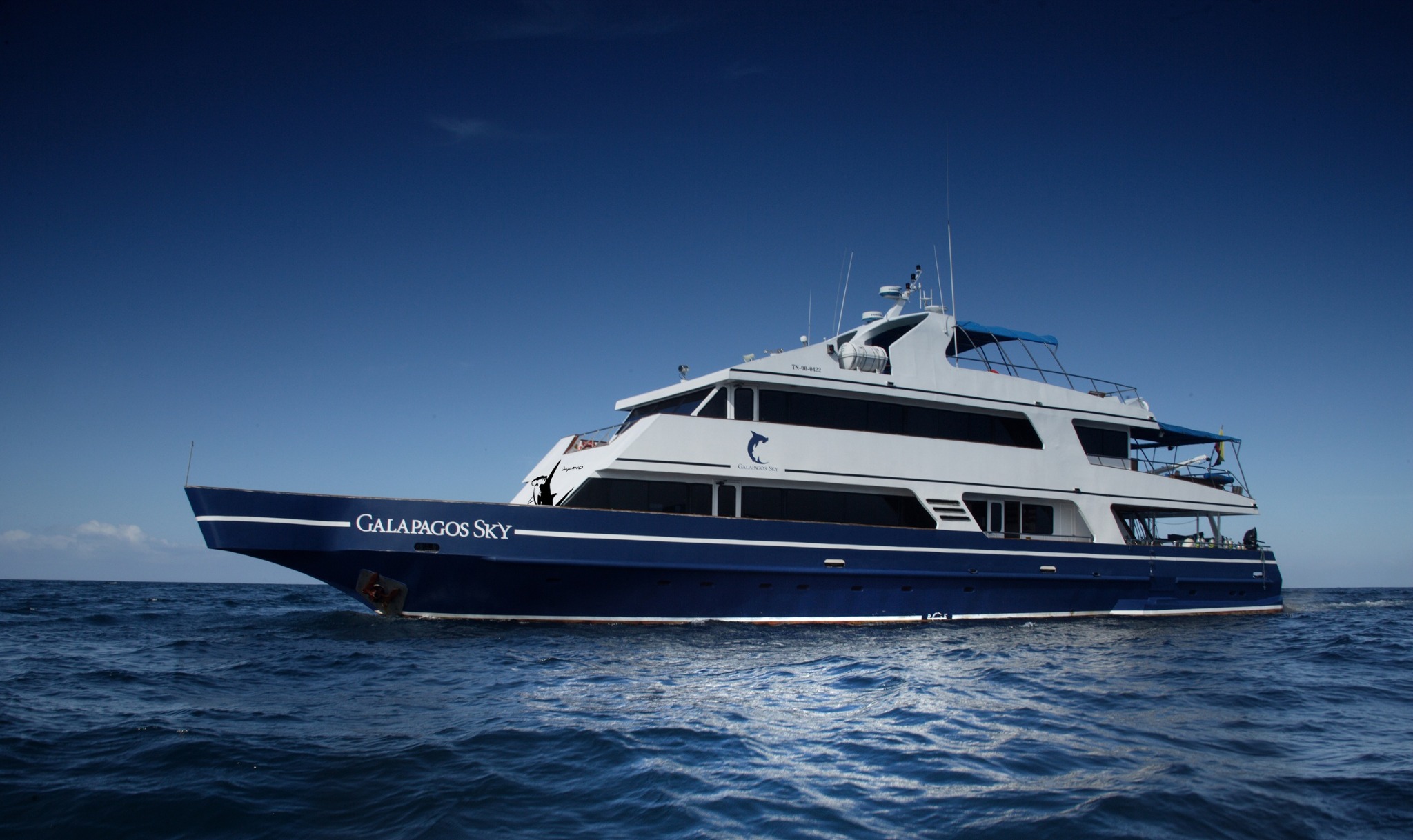
Galapagos Sky: Noted for its attentive crew and well-organized itineraries.
Your choice depends on itinerary, comfort, style, and which part of the archipelago you want to explore most. Use our liveaboard search tool to compare availability and find the right fit for your 2026 trip.
Still weighing the options between a liveaboard safari and a land-based stay?
Our detailed breakdown of the pros, cons, and what to really expect can help you decide in our guide to liveaboard or land-based Galapagos diving tours.
Conclusion
Planning a trip to the Galápagos isn’t something you do on a whim. It requires saving, planning, and a decent tolerance for open ocean conditions. But here’s the truth from someone who’s been: it pays back every bit of effort tenfold… and more!!
There’s no other place where the wildlife looks through you with such ancient indifference, where you’re so clearly the visitor in their world.
Choosing to go to the Galápagos Islands will absolutely change your view of diving. That in itself is a reason to finally pull the trigger on that adventure you’ve been talking about for years.
Pick your season based on the creature you can’t stop thinking about, book the liveaboard that gets you to those far-off sites, and get ready for your definition of diving to change. The islands aren’t going anywhere, but your chance to see them like this, in their raw and protected state, is a privilege. Make it count.
FAQ
Are there non-diving activities or options for my travel partner?Divebooker Team2026-02-09T14:20:01+00:00Absolutely. Many liveaboards offer naturalist guide-led island hikes and snorkeling. Several vessels, like Galapagos Master, also offer dedicated “Naturalist Cruise” itineraries perfect for a non-diving partner to experience the terrestrial wildlife and landscapes. Our liveaboard vs. land-based article touches on this.
How do I budget for a trip like this?Divebooker Team2026-02-09T14:19:32+00:00Think expedition, not vacation. The major costs are the liveaboard itself (which includes accommodation, meals, diving, and transfers) and your international flight to Ecuador, plus a domestic flight to the islands. Don’t forget to factor in park fees and marina fees (often ~$200 USD), travel insurance with dive coverage, gear rental if needed, crew gratuities, and a few nights in Quito or Guayaquil before/after.
What certification level do I need to dive in the Galápagos?Divebooker Team2026-02-09T14:18:56+00:00This is advanced diving. Due to strong currents, cooler water, and often deeper profiles, operators require you to be at least an Advanced Open Water Diver with a minimum of 50-100 logged dives. Strong buoyancy control and comfort in current is non-negotiable for your safety and the protection of the delicate environment.
Can I see whale sharks AND manta rays on one trip?Divebooker Team2026-02-09T14:18:28+00:00It’s possible, but not guaranteed. Their peak seasons overlap slightly (May-June, November-December), but, ironically, by trying to catch both, you reduce the chances of seeing both. If you don’t mind missing out on either, then go for it; otherwise, prioritize one. The best time to dive guide details this.