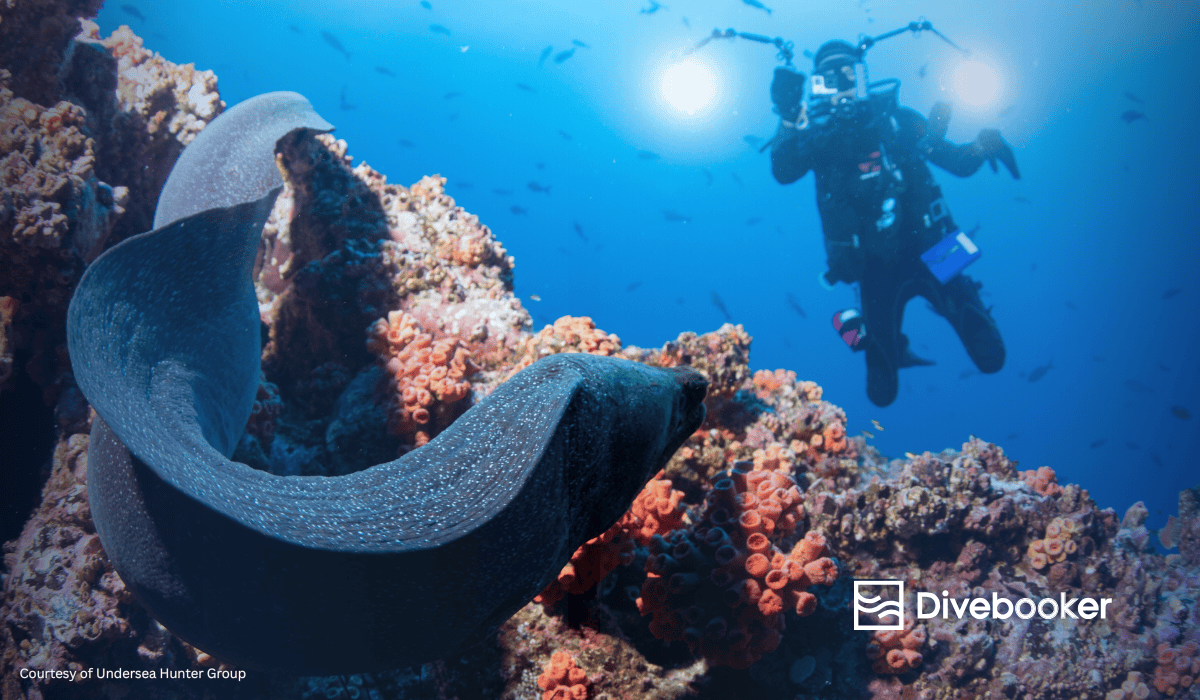
Both the variety and specific species of Cocos Island animals are the reason divers endure a 36-hour crossing to this remote Pacific peak. This UNESCO World Heritage site hosts more than 1,600 marine species, including the largest known aggregations of scalloped hammerhead sharks on the planet.
The waters around Cocos Island hold the highest reef fish biomass measured anywhere in the tropics, creating a fully functioning ecosystem that feels almost prehistoric in its abundance. From massive schools of jacks and creolefish to endemic species like the rosy-lipped batfish, the animals of Cocos Island represent ocean wilderness at its finest.
This guide covers the animals that make Cocos Island a world-class destination, from the megafauna that draws divers across oceans to the hidden creatures that make this ecosystem truly one of a kind.
Sharks of Cocos Island
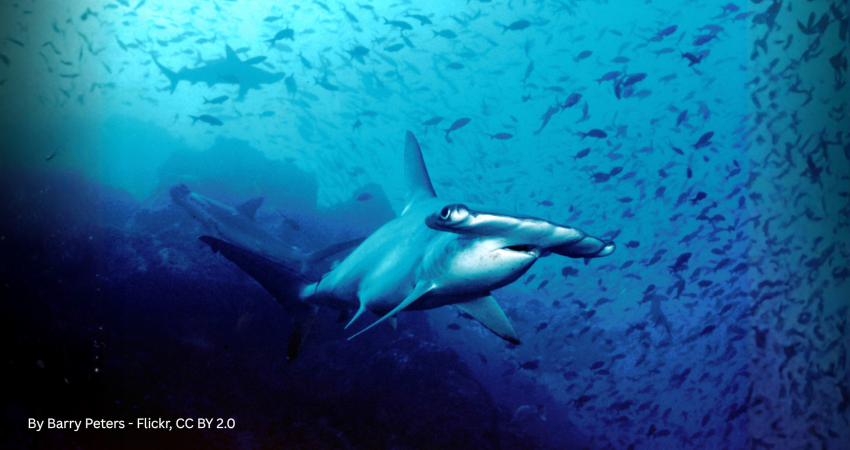
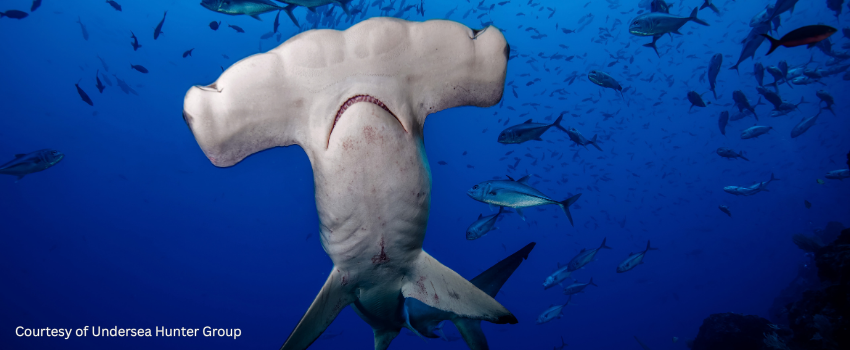
Scalloped hammerhead schools
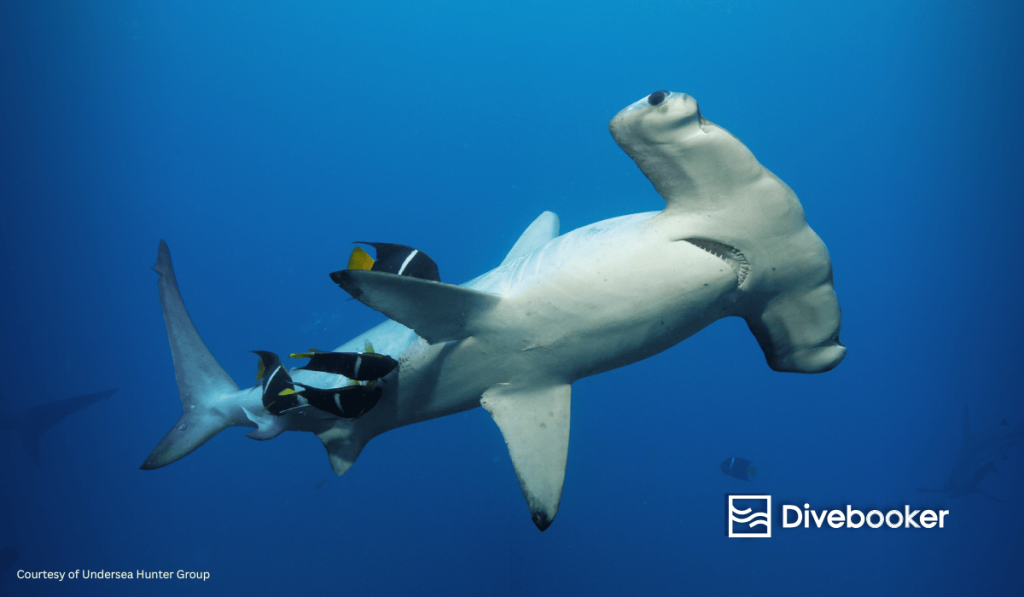
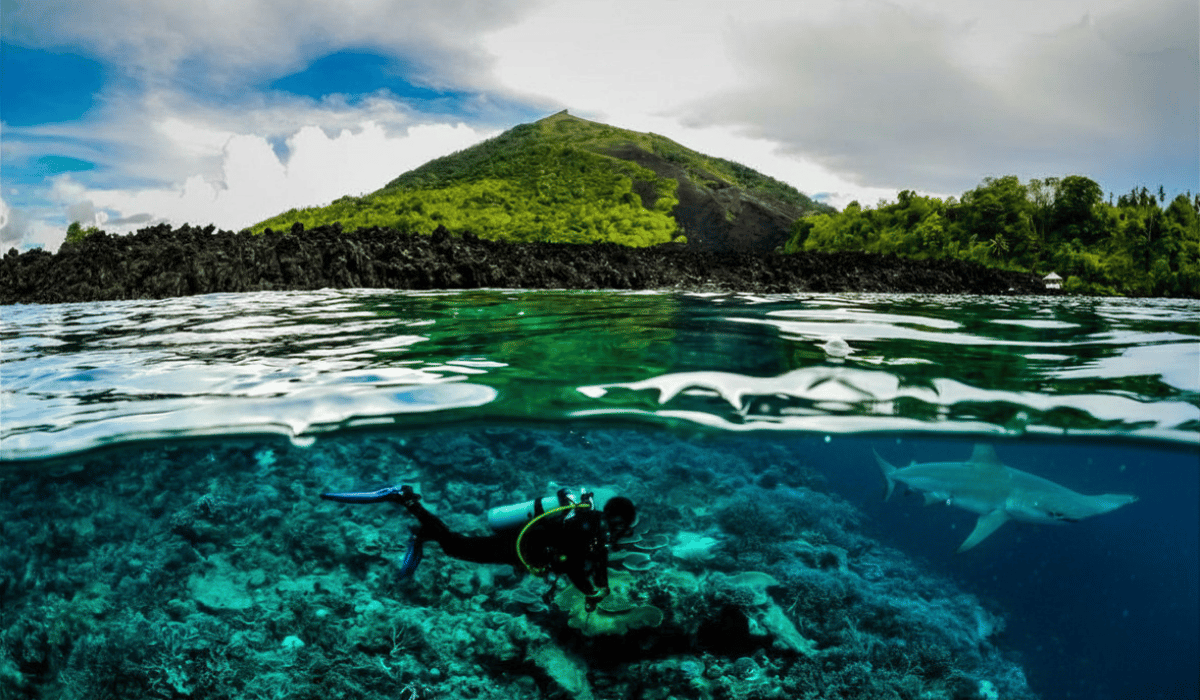
Scalloped hammerhead sharks are the main event at Cocos Island. Divers come from across the globe to witness schools of 100 to 300 individuals circling cleaning stations like Bajo Alcyone and Dirty Rock.
For a broader overview of diving here, read our complete guide to Cocos Island diving.
Other shark species
The hammerheads get the attention, but the list of animals at Cocos Island include a full cast of predators on every dive:
- Whitetip reef sharks: On night dives they carpet the bottom in such numbers that you can barely see the rocks beneath them. Diving in the day, you will see them sleeping in groups in caves and under ledges.
- Galapagos sharks: These confident predators patrol the drop-offs at sites like Punta Maria, often approaching closely to investigate divers.
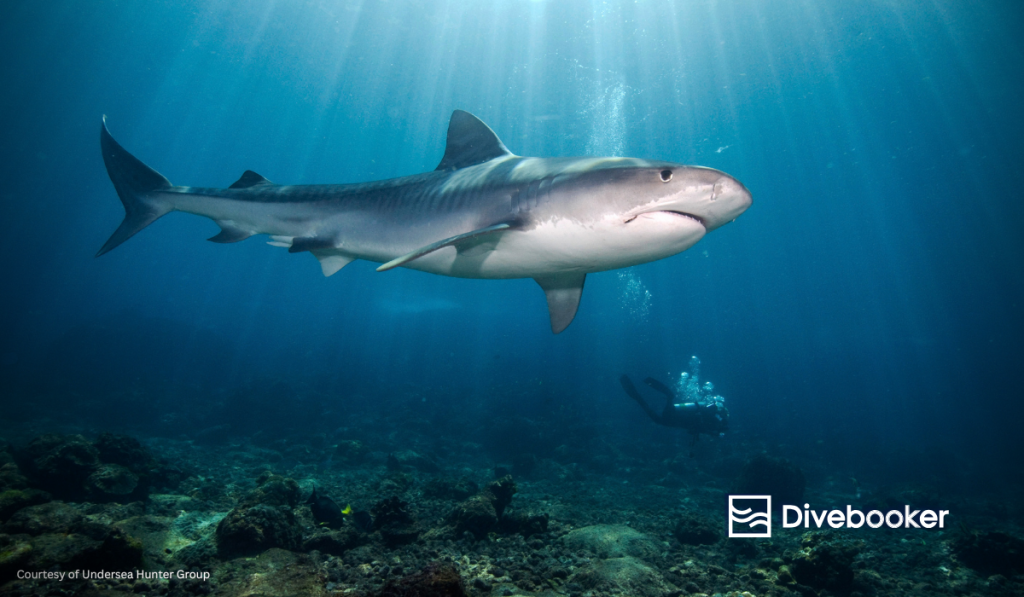
- Tiger sharks: Once rare, tiger sharks are now spotted on nearly every expedition at Manuelita and other cleaning stations.
- Silky sharks: Often cruise the blue water beyond the reef, occasionally circling through schools of hammerheads.
Quick fact: Cocos is part of the Cocos-Galápagos swimway, a migratory corridor connecting two of the Pacific’s greatest shark destinations. Tagged hammerheads regularly travel the 750 kilometres between these protected areas. Compare diving experiences in both destinations.
Reef Fish Abundance
Record-breaking biomass
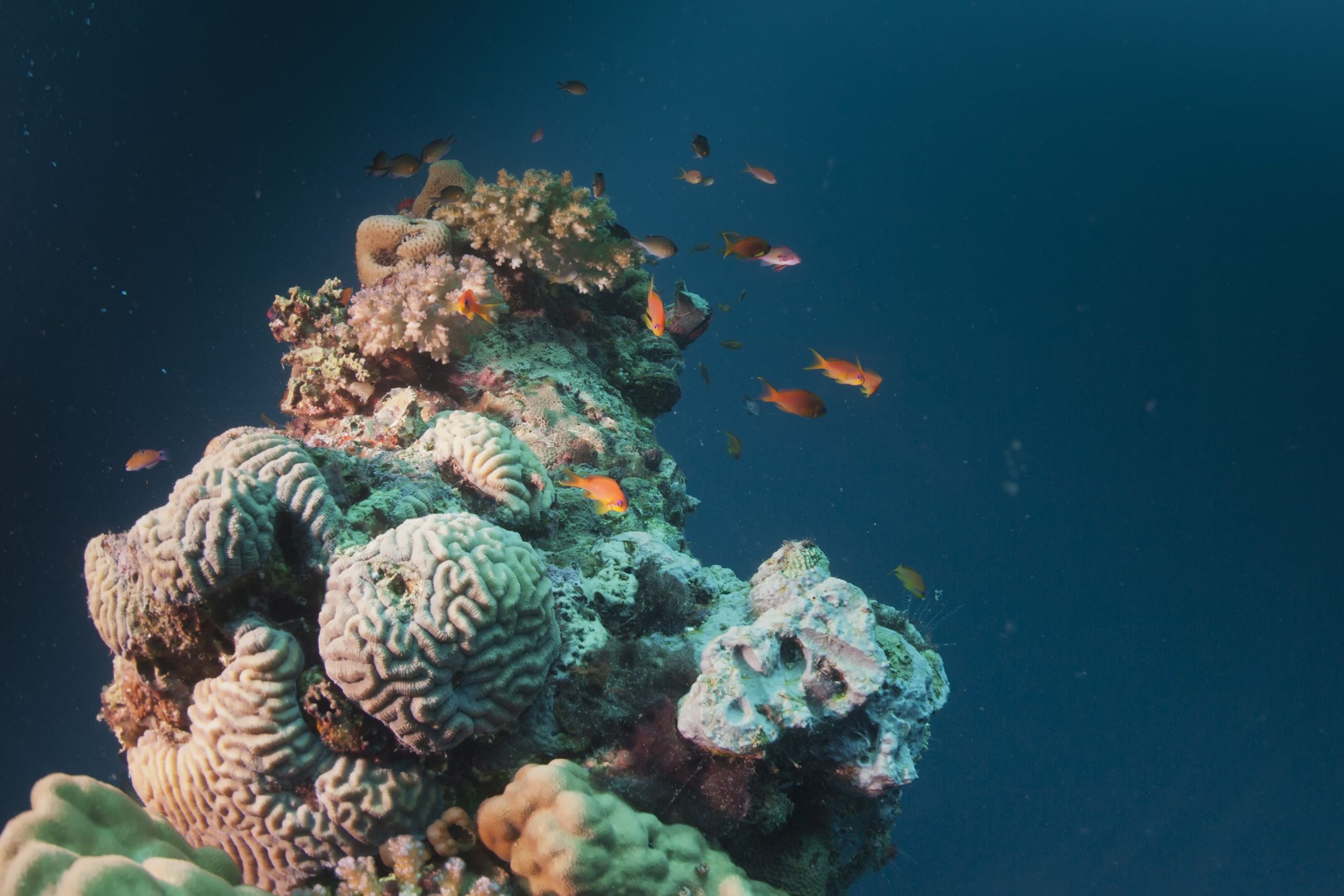
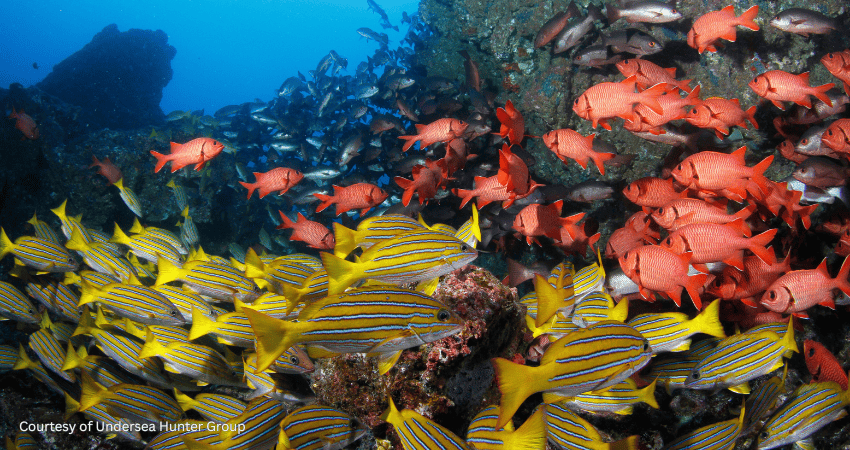
A 2012 study measured the average biomass of reef fishes at Cocos Island at 7.8 tonnes per hectare. That is the highest ever recorded anywhere in the tropics. What does that mean for divers? It means the water is thick with life. The food chain is so intact that predators have everything they need to thrive. You are not diving a degraded reef with a few surviving sharks. You are swimming through an ecosystem that still functions the way it evolved to function.
Schools you will actually see
The numbers almost matter less than you experience on every dive:
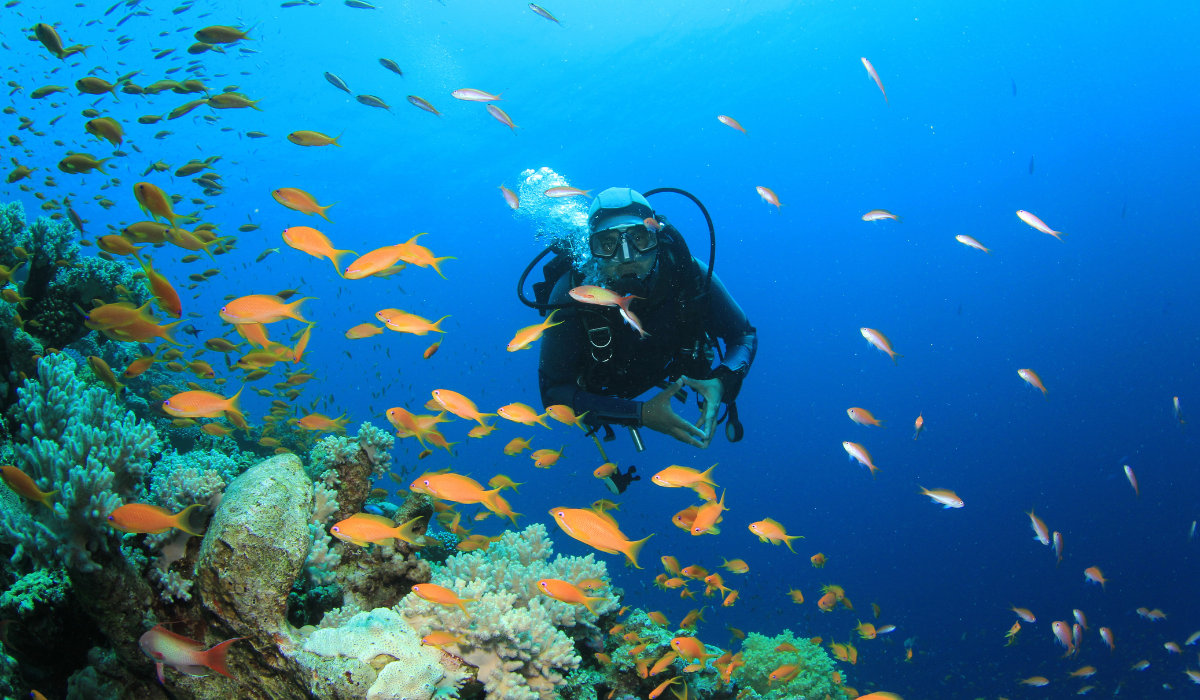
- Pacific creolefish (sandia): Massive schools of these silver fish form the foundation of the food web. Everything eats them, from jacks to sharks to tuna. They are everywhere.
- Bigeye trevally: These predators form walls of fish that block out the sun. Divers often find themselves surrounded by hundreds moving in perfect unison.
- Blue and gold snappers: Colourful mixed schools hover above the reef, often so dense you cannot see the rock behind them.
- Mexican goatfish: Pink and yellow schools hug the sandy bottoms, stirring up invertebrates as they forage.
When you dive Cocos, you are witnessing what protected oceans can look like. The abundance is at levels you rarely see, at levels almost all tropical reefs would see before industrial fishing.
To put that in perspective, see how it compares to other shark hotspots in our guide to the top shark diving destinations.
Endemic Animals of Cocos Island
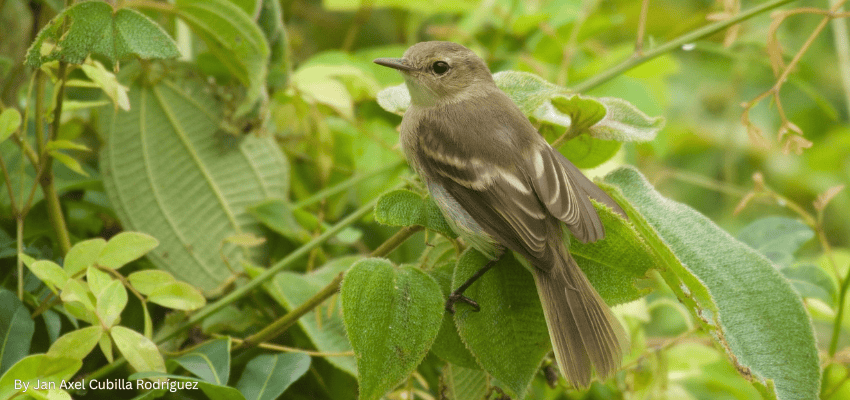
Endemic species are plants or animals that live in one place and nowhere else on Earth. Cocos Island has more of them than almost any destination in the Pacific. Nearly 50 percent of the endemism in all of Costa Rica is found here.
Marine endemics divers encounter
- Rosy-lipped batfish: This oddity walks on its pectoral fins across sandy bottoms near Dirty Rock and deeper slopes. It is one of the most sought-after sightings for underwater photographers.
- Cocos batfish: A deep-water relative found on seamounts below 30 metres. Less common than its rosy-lipped cousin but equally strange.
Approximately 10 percent of the 270-plus marine fish species at Cocos exist only here. That includes several deep-water species that scientists are still in the process of documenting.
Cocos Island Land endemics
The island above water holds just as many unique species. Divers rarely see them, but they add to the feeling of visiting a lost world.
| Factor | Endemic Species | Notes |
|---|---|---|
| Birds | Cocos cuckoo, Cocos flycatcher, Cocos finch | The cuckoo is vulnerable with fewer than 1,000 individuals remaining |
| Lizards | Cocos anole, Cocos gecko | Both species are found only on the island |
| Plants | 70 species | Nearly 30 percent of the island’s flora |
Freshwater streams on the island also hold two endemic fish species, though these are not visible to divers.
Conservation and Protection
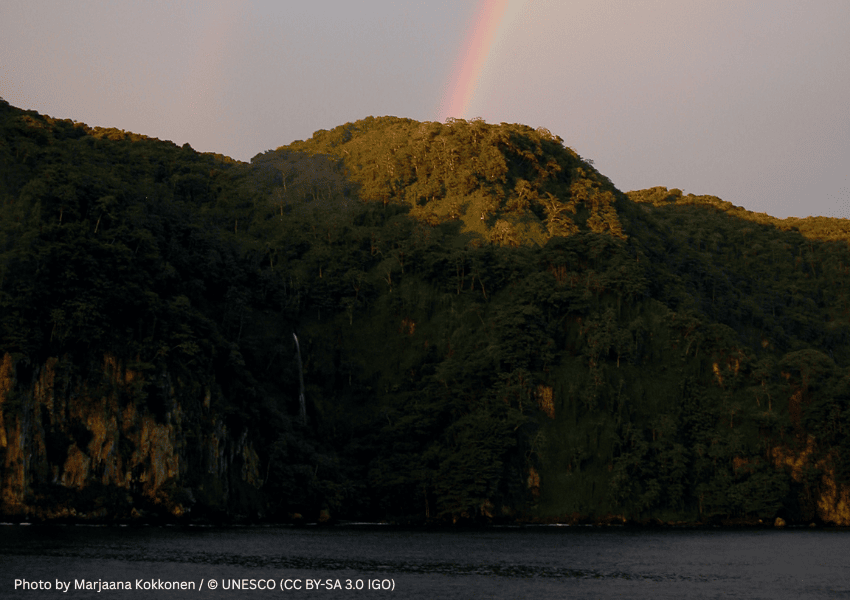
Cocos Island National Park is one of the most protected marine environments on earth. That protection is the only reason the animal numbers divers see are still possible.
Threat
Illegal fishing remains the primary danger. Poachers target the same seamounts where hammerheads aggregate, often taking sharks for their fins. The Cocos-Galápagos swimway that animals rely on for migration is also vulnerable to longline fishing outside protected boundaries.
Protections in place
- 2025 Platinum-level Blue Park Award: The highest recognition for marine protected areas, awarded by the Marine Conservation Institute. Cocos earned this for its exceptional wildlife and strong management.
- No-take zone: Fishing is strictly prohibited within 19 kilometres of the island. This buffer protects the waters divers actually visit.
- 2021 park expansion: The protected area expanded massively by presidential decree, adding critical seamount habitat used by migratory sharks.
What this means for divers
The park fee of approximately $490 USD goes directly toward enforcement and management. When you pay it, you are funding ranger patrols, research programs, and conservation work that keep this ecosystem intact. The biomass, the shark numbers, and the endemic species all depend on continued protection.
Essential Dive Information
Before you book a trip to see Cocos Island animals, here is what you need to know about diving conditions and logistics.
| Category | Details |
|---|---|
| Best time for hammerheads | June to November (green season). The largest schools gather at cleaning stations during these months. |
| Best time for visibility | December to May (dry season). Visibility ranges from 25 to 30 metres or more. |
| Water temperature | 24 to 30°C. A 5mm wetsuit is recommended. Bring a hood for thermoclines that can drop temperatures quickly. |
| Typical depth | 18 to 35 metres. Most action happens on deep seamounts and pinnacles. |
| Currents | Moderate to strong. This is advanced diving only. |
| Certification required | Advanced Open Water with at least 50 logged dives. Most operators prefer more. |
| Park fee | Approximately $490 USD. Payable on boarding, cash only. |
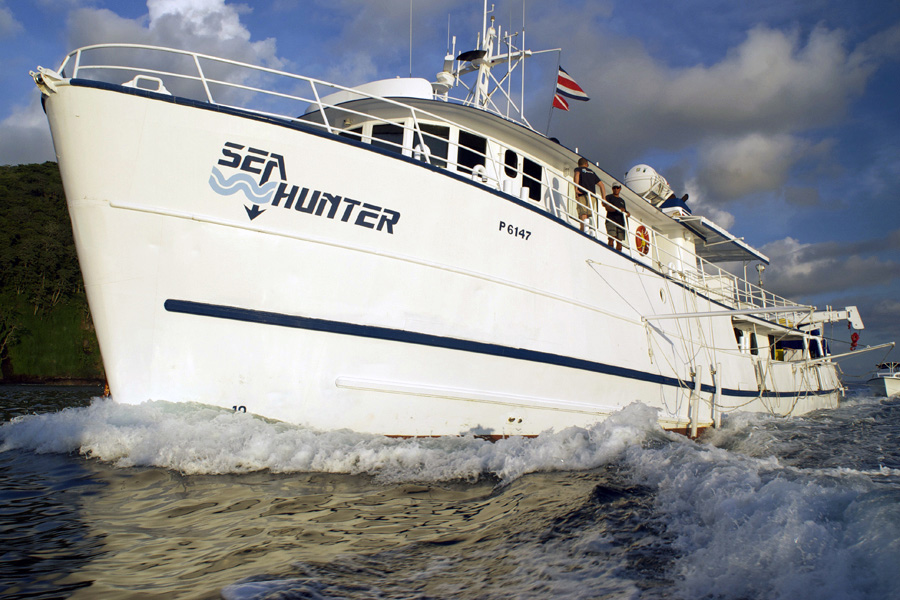
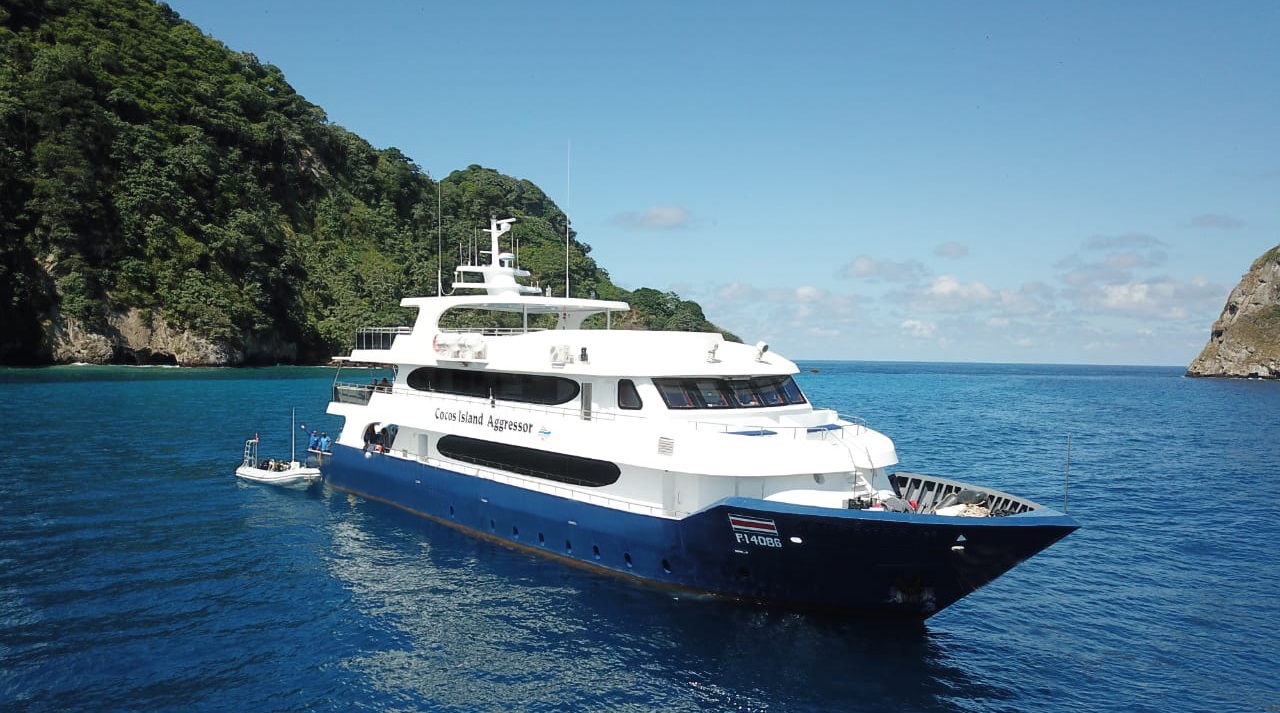
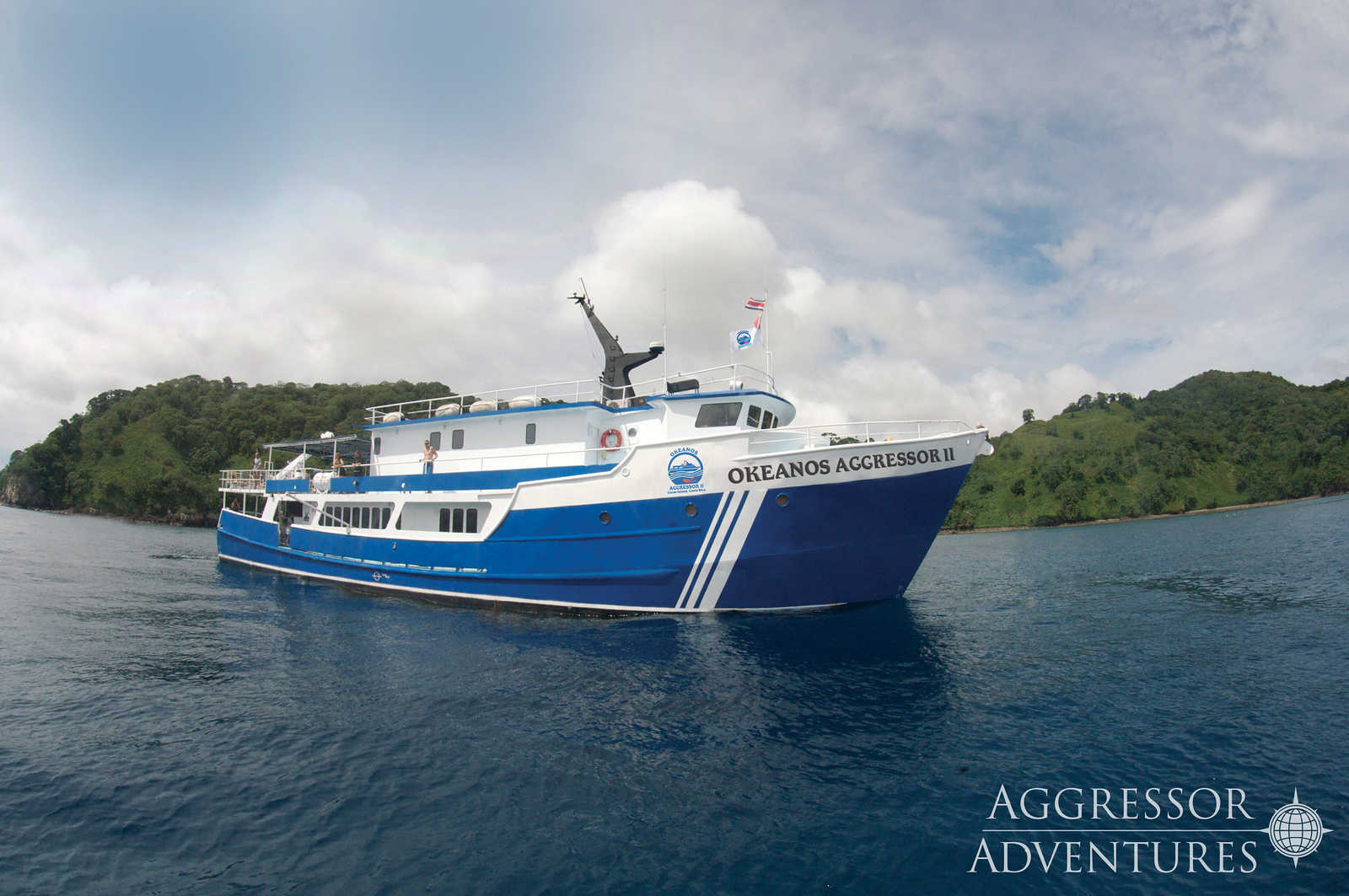
| Access | 36-hour liveaboard crossing from Puntarenas. Trips run 10 or 11 days. |
| Booking window | Six to 12 months ahead. Trips sell out, especially during peak seasons. |
-
 from$690 /day
from$636 /day
from$690 /day
from$636 /day
Conclusion
The animals of Cocos Island are the reason this remote peak draws divers from across the globe. The scalloped hammerheads school in numbers that seem impossible, and the reef fish biomass is the highest ever measured in the tropics. Quite simply, scattered across the seamounts and sandy slopes are creatures found nowhere else on Earth.
Be aware though, it is not an easy trip. The currents demand respect and experience, and the diving is deep and challenging. But that is exactly why Cocos Island still works. The effort filters out casual visitors and leaves this protected wilderness for those willing to earn it.
If you are ready for that kind of adventure, the lost world is waiting for you. The sharks still circle the cleaning stations. The mantas still glide through the blue. The only question is whether you will be there to see them.
Browse available Cocos Island liveaboard trips and start planning your expedition today.
Frequently Asked Questions About Cocos Island Animals
How much does a Cocos Island liveaboard trip cost?Divebooker Team2026-03-16T11:15:31+00:00Liveaboard trips to Cocos Island typically start from $5,500 USD for a 10- or 11-night itinerary, depending on the vessel, cabin category, and season. The mandatory park fee is approximately $490 USD, payable on boarding (cash only). This fee funds ranger patrols, research programs, and conservation work that keep the ecosystem intact. For a breakdown of costs and what’s included, read our article on 5 reasons to dive in Cocos Island.
Can I see whale sharks at Cocos Island?Divebooker Team2026-03-16T11:15:07+00:00Yes, whale sharks pass through Cocos Island waters from June to August. They often appear at cleaning stations or cruise along seamounts while divers watch from the rocks. Sightings are not guaranteed, but the green season offers the best probability. If whale sharks are high on your bucket list, you might also consider destinations like the Maldives or Mexico. Compare your options in our guide to the top shark diving destinations.
What is the weirdest animal I might see at Cocos Island?Divebooker Team2026-03-16T11:14:47+00:00The rosy-lipped batfish is generally considered to be the strangest creature divers encounter. This endemic species walks on its pectoral fins across sandy bottoms near Dirty Rock and deeper slopes. Its bright red mouth contrasts sharply with its mottled grey-brown body. Another oddity is Commerson’s frogfish, which pretends to be a coral or sponge and uses a lure to attract prey. If you dive deep enough, you might spot the endemic Cocos batfish, though it typically lives below 35 metres, which is beyond recreational diving limits using standard nitrox blends.
Are there any dangerous animals I should worry about?Divebooker Team2026-03-16T11:13:53+00:00The marine animals around Cocos Island are wild but not generally aggressive toward divers. The sharks you encounter are accustomed to divers and focused on feeding or cleaning. The bigger dangers at Cocos are environmental: strong currents, deep profiles, and blue-water ascents. Following your dive guide’s briefing, staying aware of your position relative to the wall, and carrying a surface marker buoy are far more important safety considerations than concerns about Cocos’ animal encounters.
How many species of fish live at Cocos Island?Divebooker Team2026-03-16T11:13:20+00:00Scientists have recorded more than 270 species of marine fishes in the waters around Cocos Island. Approximately 10 percent of these are endemic, meaning they are found nowhere else on the planet. Another 10 percent are found only at the other eastern Pacific islands of Galápagos and Malpelo. On a typical week-long Cocos liveaboard trip, experienced divers often spot around 90 different species.