Eat, sleep, dive, repeat – an often-heard phrase among divers
Food ranks as high as diving itself in importance. Unlike land-based trips where restaurants offer choice, liveaboard guests dine exclusively on board. Meals provide fuel for multiple daily dives. Without proper nutrition, maintaining energy levels becomes difficult.
Depending on the boat, accommodations range from basic to semi-luxurious, and the same applies to food on board. Most liveaboards offer a mix of Western and local dishes at every meal, along with lighter options and sweet treats like cookies and cakes. Some provide snacks between dives. In most cases, alcoholic beverages are available for sale at the boat’s bar once the day’s diving has concluded. On select itineraries, guests may enjoy a beach barbecue, particularly in destinations like the Maldives.
Typical Meal Structure on Liveaboards
What you’ll get onboard depends on the liveaboard and destination you dive. Usually, you can expect buffets with snacks between dives. You can choose from a range of meals prepared by a chef. Some liveaboards, like small catamaran boats where there is no space for a proper kitchen, offer plated meals instead. Canned drinks and alcoholic beverages are usually available for purchase as they are not included in the base price.
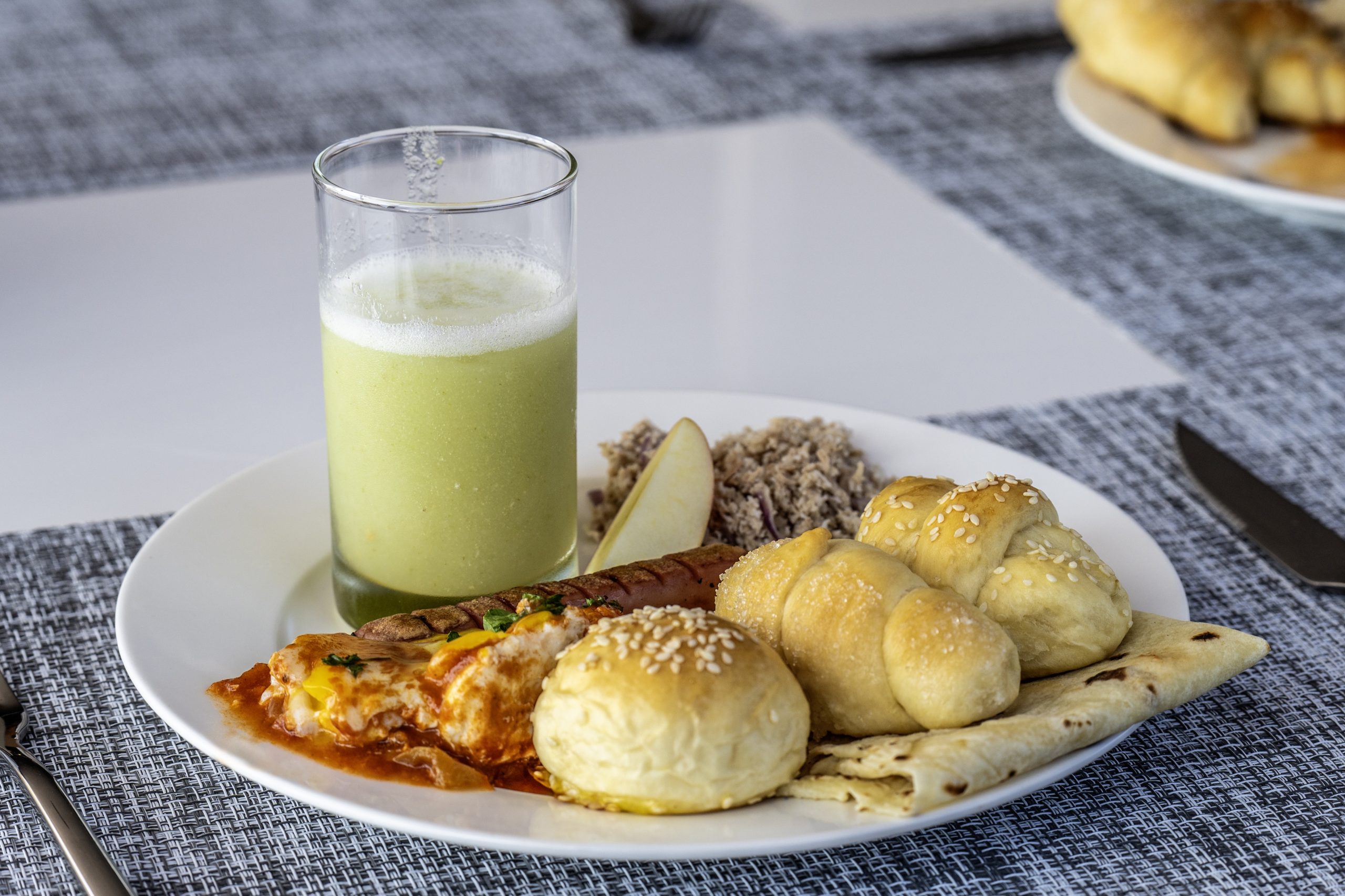
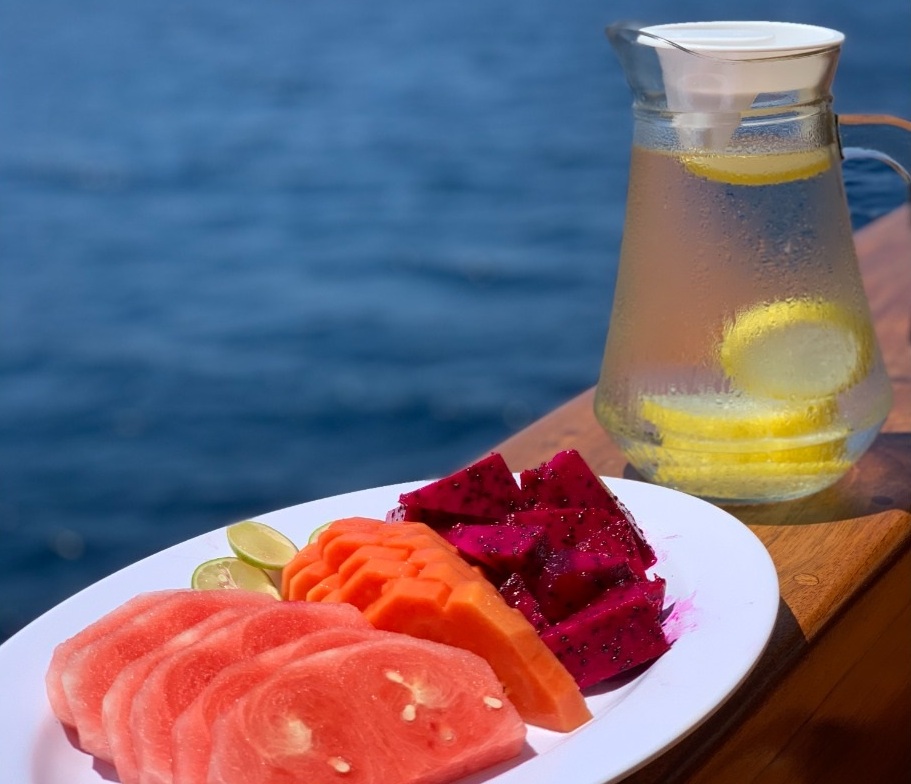
The first dive typically occurs early, sometimes before sunrise. A light pre-dive breakfast – coffee, tea, fruit, or toast – sets the tone. A more substantial breakfast follows, including eggs made to order, cereals, pancakes, and fresh fruit. Lunch is heartier, often consisting of rice, pasta, grilled meats, and vegetables. Buffets allow guests to portion meals according to their appetite. Local flavors frequently appear on the menu – Maldivian curries, Indonesian satay, or Mediterranean mezze. Dinner varies between plated service and buffets. Meals typically include soups, seafood, meat dishes, and desserts. Special dinners, such as barbecues or themed nights, occur on some liveaboards.
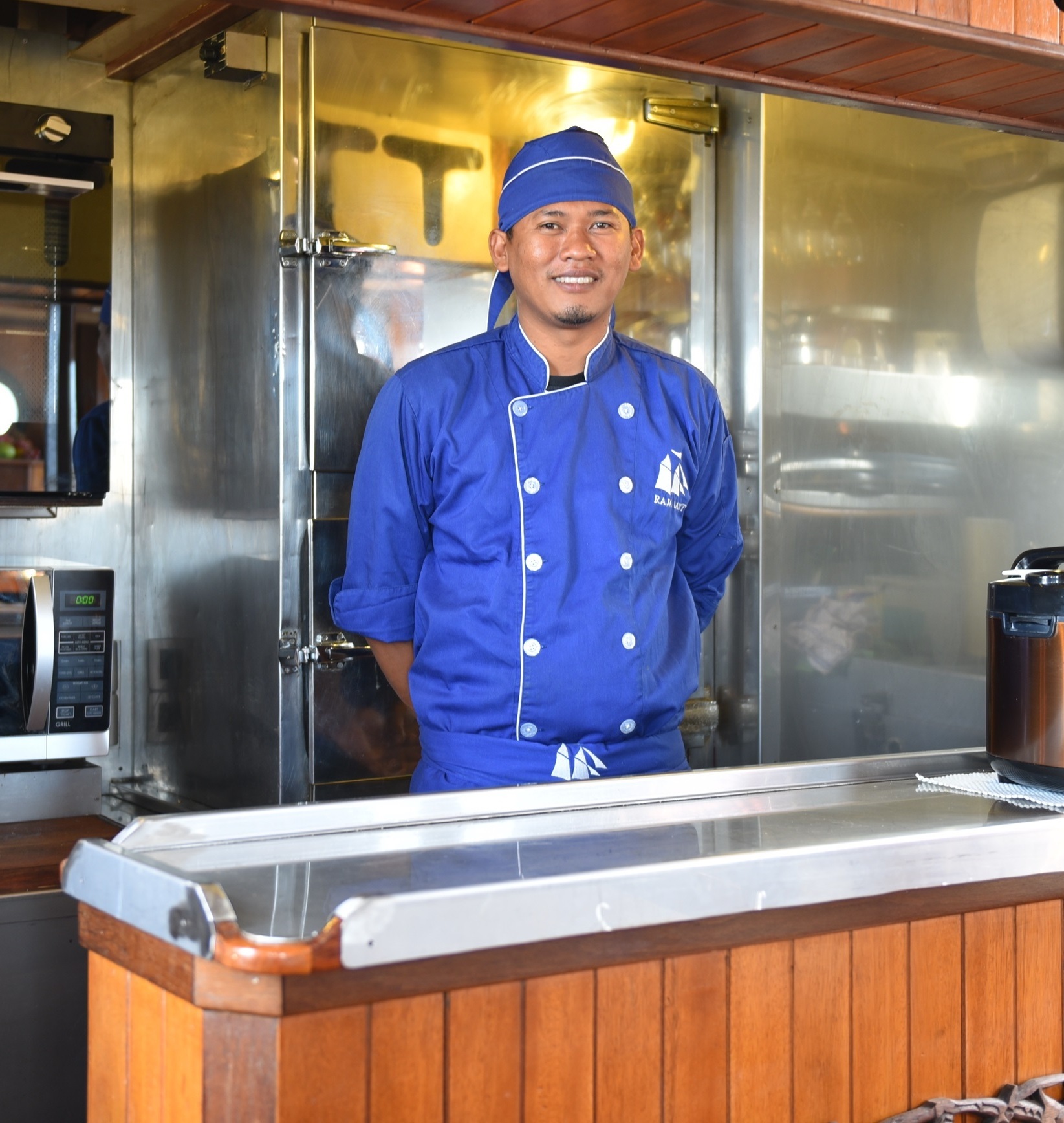
Example menus showcase the variety available. The Philippines Aggressor serves breakfast options like eggs to order, beef sausage, and fresh fruit. Here is an example of how one of the days looks like onboard the Philippines Aggressor:
Best Liveaboards for Food in Different Destinations

Indonesia
Liveaboards in Indonesia showcase a balance of local flavors and international dishes. La Galigo stands out for its generous portions and the ability to accommodate special dietary requirements. The chef creates elaborate vegan and gluten-free meals without sacrificing taste. Lady Denok Liveaboard offers a surprising variety, given the isolation of many dive sites. Guests enjoy a different welcome drink after each dive, from Milo and spiced hot drinks to fresh fruit juices. Gaia Love raises the bar with a five-star dining experience, featuring made-to-order breakfasts and attentive service. Ilike and Aurora receive praise for their diverse and delicious offerings, ensuring guests are well-fed with a mix of local and international dishes. Moana impresses with vegetarian meal options that match the variety and flavor of standard dishes. Kira Kira liveaboard delivers some of the best local Indonesian cuisine, providing authentic flavors and diverse meal choices.
Maldives
Maldivian liveaboards blend luxury and quality dining. Emperor Explorer serves a mix of local and international dishes, with coconut-based curries and fresh fish making frequent appearances. Emperor Serenity stands out for its themed dinners, including Maldivian nights and beach barbecues. ScubaSpa Maldives delivers a high-end experience with restaurant-quality meals, primarily Western cuisine, crafted by an onboard chef. ScubaSpa provides three buffet-style meals daily with live cooking stations. Menus feature fresh seafood, premium meats, and Asian specialties. Guests can enjoy sushi, sizzling tapas, and flaming crêpes Suzette. Fresh lobster is available at an additional cost. Carpe Vita provides ample space and comfort, with meals that match the high standard of the vessel. Princess Dhonkamana offers an impressive Italian-Maldivian fusion menu, with homemade pasta, fresh seafood, and rich desserts. Sachika ensures divers are well-nourished with nutritious meals designed to support active days in the water.

Red Sea
Egyptian liveaboards incorporate Mediterranean flavors into their menus. Discovery II and Blue Melody serve varied and plentiful meals, while Emperor Elite liveaboard and Blue Pearl focus on fresh, nutritious ingredients with a balance of indulgent treats. Freedom III delivers both quantity and quality, with special touches such as fresh mangoes after dives and expertly crafted birthday cakes. Emperor Asmaa ensures guests never go hungry with an all-inclusive food and drink package, while Blue provides consistently delicious meals throughout the trip.
Other Regions
Liveaboards in the Caribbean and beyond showcase diverse culinary styles. Nautilus Belle Amie in Mexico accommodates food allergies and dietary restrictions without compromising on quality. Rocio del Mar receives high praise for serving some of the best meals on a liveaboard, with fresh ingredients and expertly prepared dishes. Pawara in Thailand provides consistently great food, complementing the Similan Islands diving experience. Morning Star Liveaboard in the Bahamas offers hearty meals and snacks, along with complimentary beer and punch each night. It may be described as “camping at sea,” but the food is notably better than expected.
From regional specialties to luxury dining, these liveaboards ensure divers enjoy a satisfying culinary experience alongside world-class diving.
Dietary Restrictions and Special Requests
Most liveaboards can accommodate dietary restrictions. If you’re vegetarian, need a gluten-free diet, or have food allergies, informing the crew in advance allows the chef to plan accordingly. Some dietary needs may not be fully met due to ingredient availability. In remote destinations, sourcing specific foods can be challenging. Those with strict dietary requirements should verify options with the operator before booking.
Beverages and Alcohol Policies
Alcohol and spirits are often available in onboard bars. Some liveaboards, such as certain Aggressor vessels, may include local wine or beer in the package, but most charge separately. Canned drinks and specialty coffee may also come at an additional cost. It’s best to confirm policies before departure, especially regarding bringing personal alcohol onboard.
Diving and alcohol don’t mix well. Excessive drinking can lead to dehydration and increase the risk of decompression sickness. Many divers choose to limit alcohol consumption to avoid missing dives.