Congratulations! You’ve reached a significant milestone. New diving skills don’t come without hard work, and you did well. Now, exciting new dive experiences lie ahead, especially on liveaboards. In general, liveaboard locations demand more experienced divers due to deeper dives, currents, and conditions. But now that you have your advanced certification, you can dive deeper, try wreck dives, or even try dives with higher currents.
What Your Advanced Certification Means
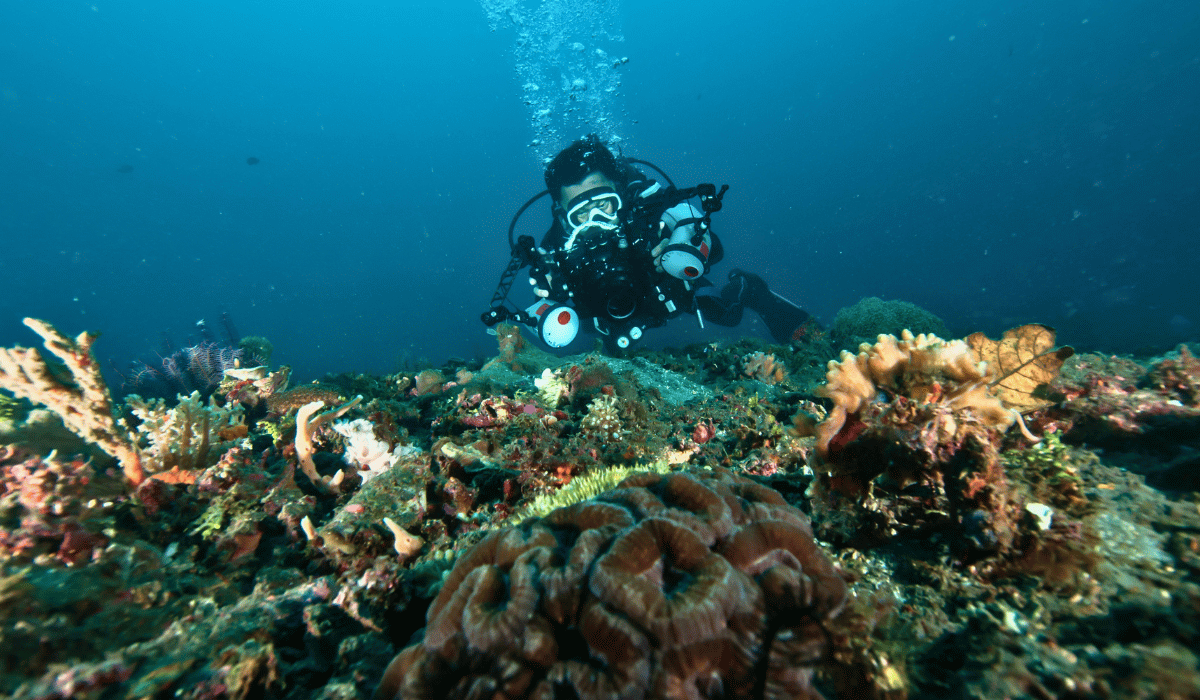
Your Advanced Open Water certification makes you eligible to dive to 30 meters (100 feet). It introduces you to new types of diving like deep dives, underwater navigation, and night dives. Depending on the dive center, you might learn peak performance buoyancy, drift diving, or wreck diving procedures. Your training has set you up, but frequent diving will make you more confident and comfortable underwater.
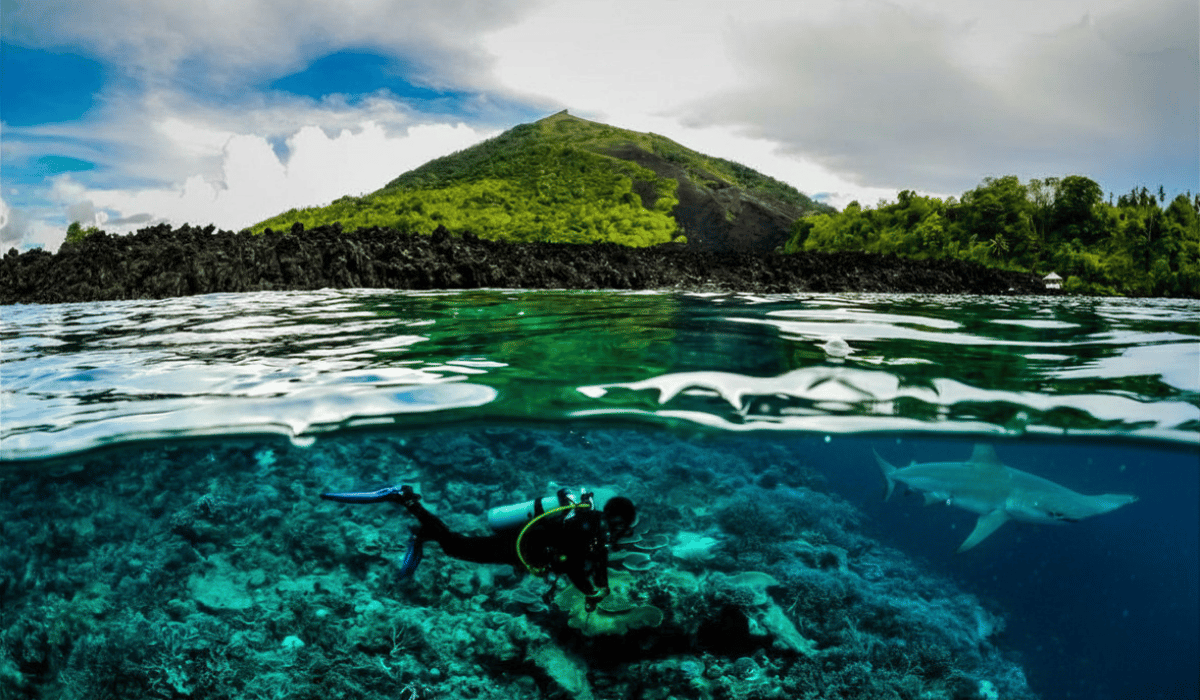
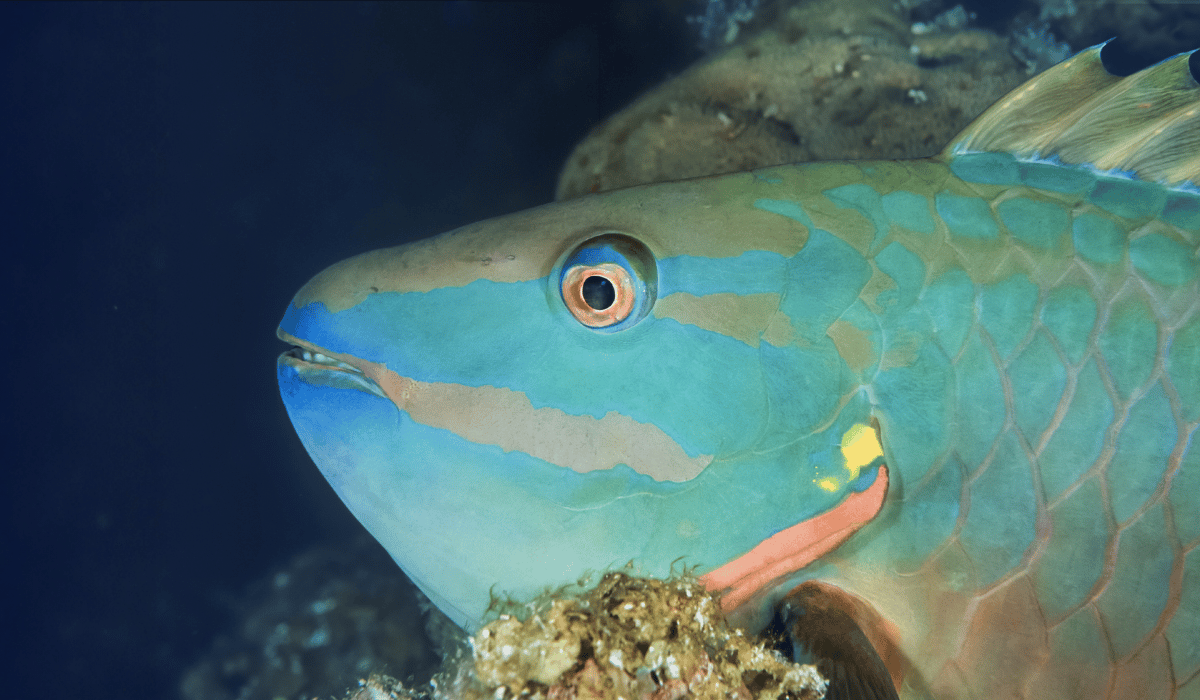
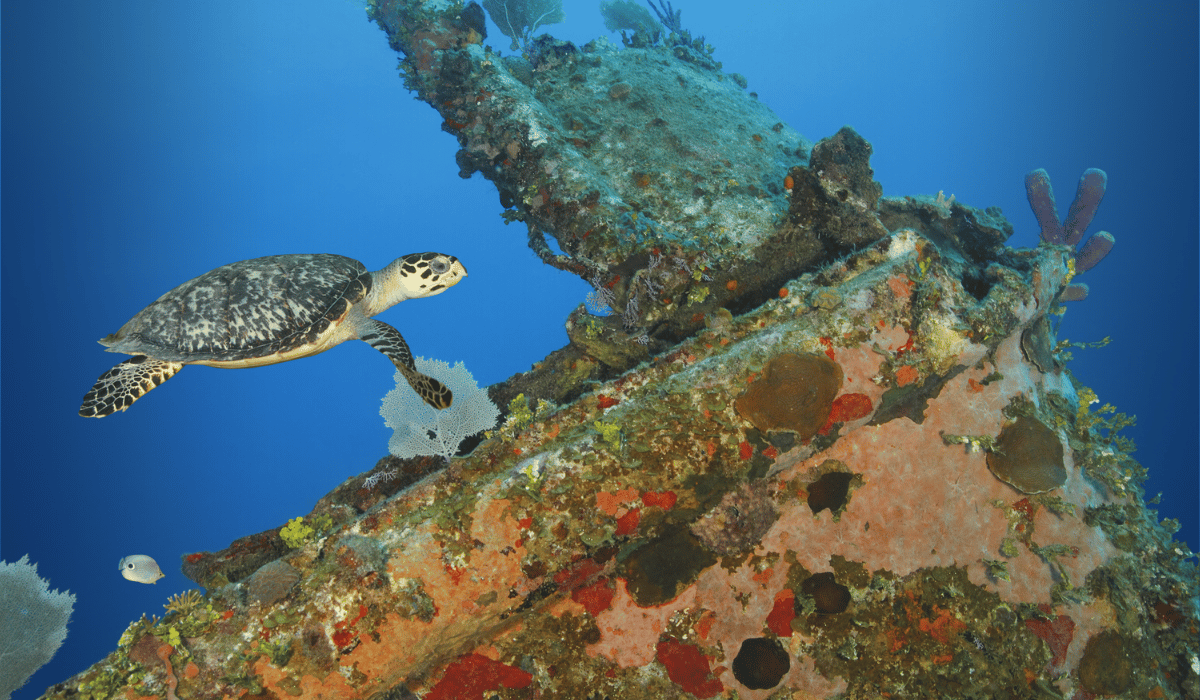
At greater depths, you will start to see sea life that you have never encountered before, including sharks, larger fish, and pelagic life. Night diving offers a completely different sea activity, where day-dwelling animals are active. Drift diving will also introduce you to more vibrant sea life as currents attract large schools of fish.
What Makes a Destination Suitable for New Advanced Divers
The best dive locations for newly certified AOWD divers are those with balanced conditions. That is, dive locations with currents that are easy to handle, moderate depth, and good visibility. These locations enable you to easily apply your new skills while providing you with sufficient challenge to allow you to grow as a diver.
The best places will provide dives where you are able to practice your buoyancy control, navigation, and soft drift dives without subjecting yourself to too much stress. Novice wreck dives or wall dives in shallow water are the best opportunities to accumulate your diving abilities incrementally.
Friendly Destinations for New Advanced Divers
Here are some locations well-suited for recently Advanced Open Water qualified divers. The areas provide the most suitable conditions to experiment with your new skills without subjecting you to too much stress.
Egypt – Brother Islands Liveaboards
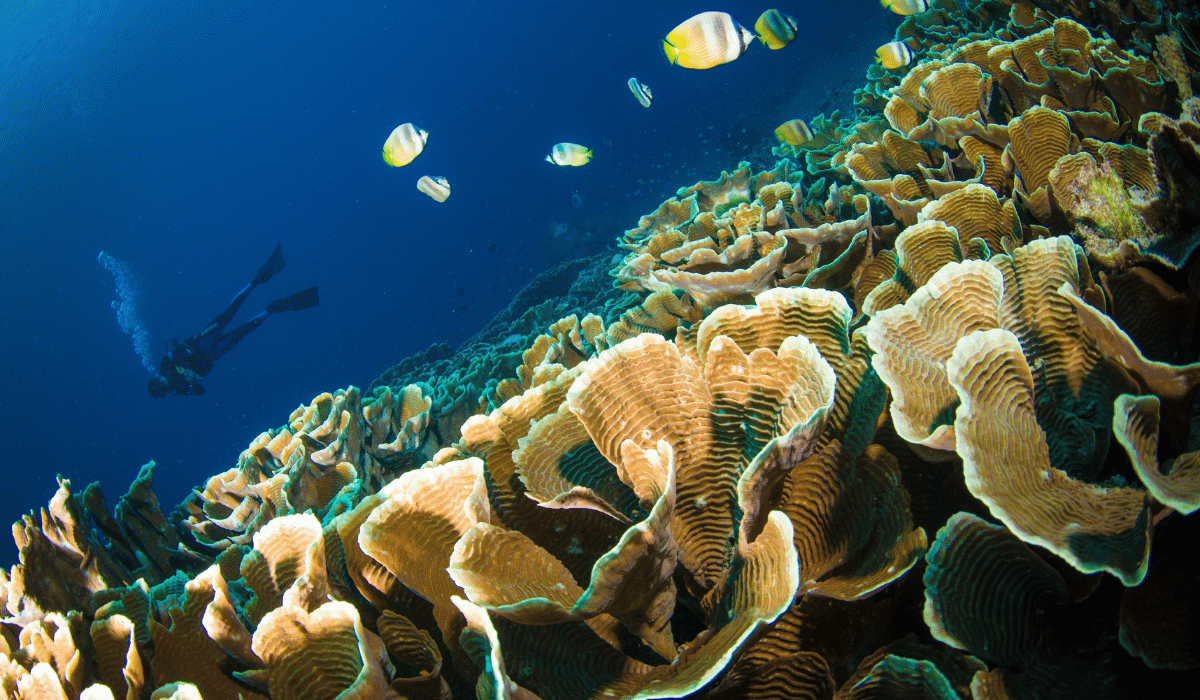
The Brothers are surrounded by towering reef walls, plummeting precipitously into the depths. Dive depths are highly varied. Currents will be strong at times, but with good guides, newly advanced certified divers can dive these sites safely. It’s an excellent place to observe deeper walls and diverse marine life, including sharks and schools of fish.
Egypt – Northern Wrecks Liveaboards
Northern Red Sea liveaboards offer signature wreck dives like the Giannis D and Chrisoula K. These wrecks are typically 20–30 meters deep. Dive guides do extensive briefings, so these dives are enjoyable experiences for first-time wreck diving. These are ideal first wrecks to dive when practicing buoyancy and navigation.
Indonesia – Raja Ampat Liveaboards
Diving in Raja Ampat usually involves easy drift dives. Reefs slope slowly into sandy bottoms, so the dives are relaxed for beginners. Sea life is plentiful, visibility is changeable, and currents are generally moderate, which makes Raja Ampat liveaboards an excellent choice for divers who want to learn drifting in comfort.
Maldives – Central Atolls Liveaboards
The Central Atolls provide a mix of easy reef dives, drift dives, and a high level of marine life. Dives to familiar sites like Maaya Thila or Rasdhoo are within easy depth for experienced divers. Currents fluctuate with tides, but dive operators guide divers through slowly, so newer AOWD divers have a positive experience.
Philippines – Moalboal Liveaboards and Day Diving
Moalboal is quiet wall and slope diving good for newer, experienced divers. Pescador Island offers challenging exposures with schools of sardines and numerous turtles. Currents do appear sporadically, but dive guides based on the locale are experienced at maintaining divers who are still finding their confidence when experiencing moving currents.
Australia – Great Barrier Reef
Great Barrier Reef holidays offer dives suited to newer advanced divers, especially at Ribbon Reefs. Trips to sites such as Steve’s Bommie or Lighthouse Bommie provide easy conditions with an abundance of marine life. Sites such as Osprey Reef might be more experienced-based, but there are many areas within this destination that are easily classed as advanced diving.
Enjoy Building Your Diving Confidence
With every dive, your experience grows. Each new location that you dive into will boost your confidence and familiarity with the water. Choosing sites suitable for your level of experience means you can enjoy diving even more.
Your Advanced Open Water certification opens up incredible adventures. Enjoy discovering what’s down there, dive safely, and have fun!