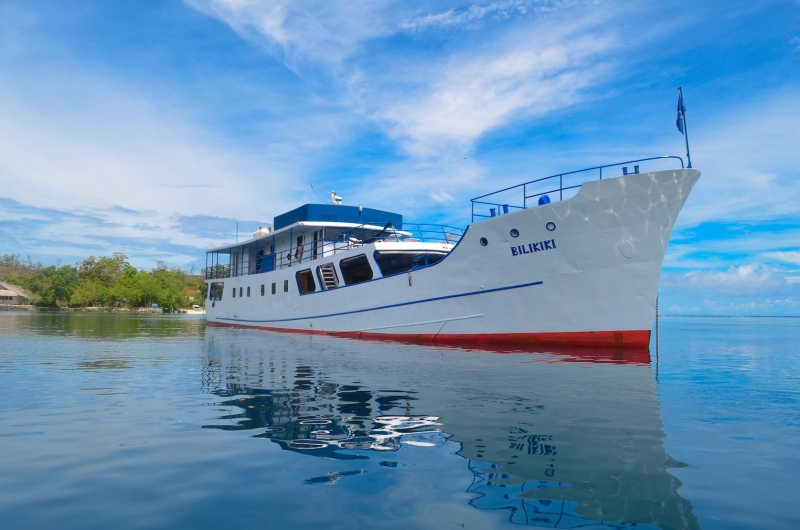
Emperor Bilikiki Liveaboard, Solomon Islands
Bilikiki is the most spacious boat on the Solomon Islands and has been operating in this region for more than 25 years. She is equipped with a large carpeted camera table for photographers. Up to 4 dives can be made throughout the day and diving is exceptionally easy. Everything you wanted to see, you can find on Solomons: wrecks, spectacular reefs, caves, walls, seamounts, macro creatures.
Boat Interior
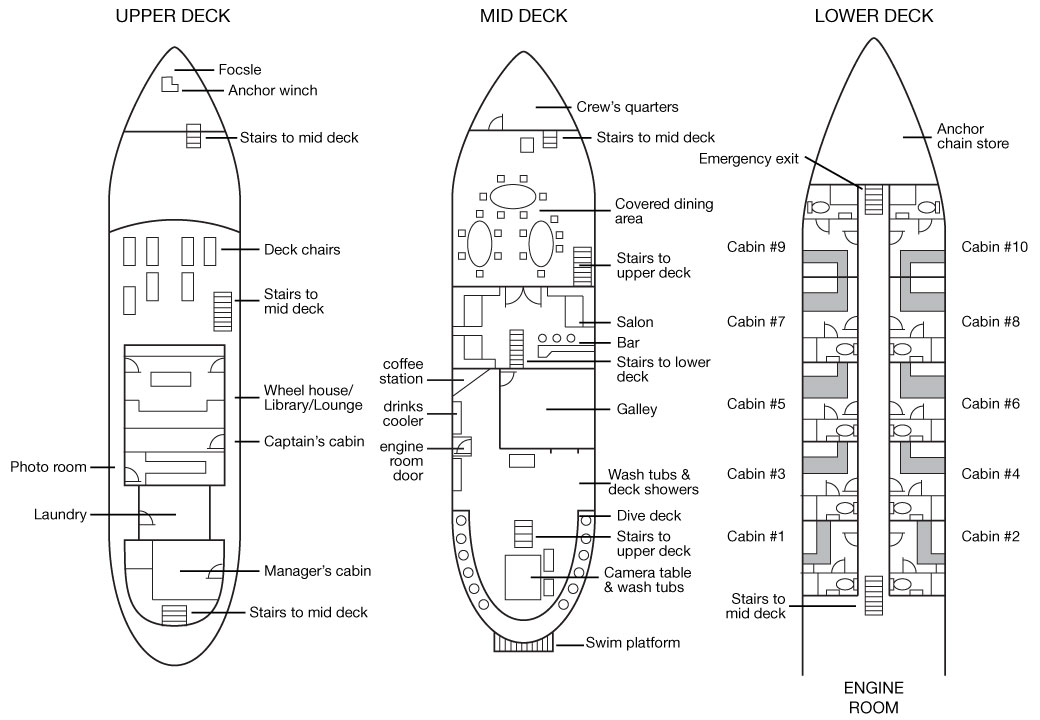
Bilikiki has 10 staterooms, all are equipped with private facilities. The cabins are located on the lower deck. Divers can book an entire cabin or share a twin stateroom with another diver. Also, each room has storage facilities, that can be useful during the trip. The salon area is large, it has the necessary facilities for you to feel comfortable, and relaxed after the day of diving, chatting with other divers on board. Meals are served in an open-air diving area, where you can also enjoy the gorgeous view. The sun deck has a number of sun loungers, it is ideal to observe the marvelous scenery.
Dive Deck
Bilikiki has a diving platform, with comfortable access to the water. It is big, and comfortable to prepare for the dive. Here divers will find numerous storage boxes for the gear and a camera table, convenient for maintaining your equipment.
Safety
To ensure your safety Bilikiki has life rafts and life vests, a first aid kit, fire alarm fire extinguishers, etc. The crew team is trained to manage emergency situations.
Photographers Friendly
The liveaboard suits photo enthusiasts. Its equipped with a large camera table. Besides, a boat has a separate camera room, and a dive deck supplied with a rinsing tank for a camera. The boat offers trips dedicated to marine photography. Even divers with no experience can take part in expeditions with experienced photographers. Even if you haven’ t much experience yet, you can still be a part of a trip.
Itinerary
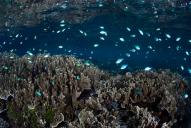
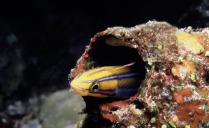
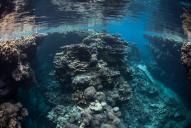
One of the few boats that offer Solomon Islands itineraries. This destination is not very crowded, its nature is still unspoiled by tourists. Its reefs are full of different fish. Plenty of clownfish, angel fish, and butterfly fish live between coral reefs and walls of the Solomon Islands. This area is popular for macro diving. Manta shrimp, ghost pipefish, and pygmy seahorses inhabit this destination.
When to Go
Solomon Island is a year-round destination. The average water temperature is from 27С/80F. There is a period of the heaviest rainfall occurs from November to April
Cabins
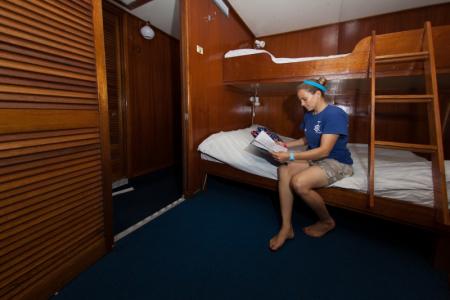
Deluxe Cabin (#3 - 10)
Deluxe Cabin (#3 - 10)
Deluxe Cabin (#3 - 10)
Size:9 m2
Deck:Lower Deck
Bedding:Double Bed + Twin Bed
Max occupancy:2 Guests
Number of Cabins:10 Cabins
Ensuite Bathroom: Yes
Aircon: Yes
- Towels
- Basic Toiletries
Cabins are approximately 9sqm, including an en-suite with shower, and all have air conditioning. Eight of the cabins are made up of a double bed with extra bunk while two have twin beds (no bunk). Towels, including a hand and face towel, shampoo and soap, are provided per guest. Hairdryer available on request
Boat Specification
Dive Facilities
- Warm Water Showers
- Compressors
- Rinse Hosts
- Tenders for Diving
- Dive Deck
- DIN Adaptors
- Personal Storage Space
Boat navigation & safety
Full safety
Food & Drinks
- Western Food
- Local Food
- Dietary Restrictions
- Buffet Style
- Alcoholic Beverages and Spirits
- Hot & Cold Soft Drinks
- Snacks All Day
Onboard Facilities
- Onboard Kayaks
- Audio & Video Entertainment
- Air Conditioned Saloon
- Sun Deck
- Sun Loungers
- Open Air Saloon
- Indoor Saloon
- Bar
- Non-Diver (Snorkeler) Friendly
- Fishing
Photographer Facilities
- Camera & Photography Station
- Separate Rinsing Tanks for U/W Camera
- Camera Table
- Special Storage for U/W Camera
- Charging Stations
Emperor Bilikiki Reviews
Similar Liveaboards

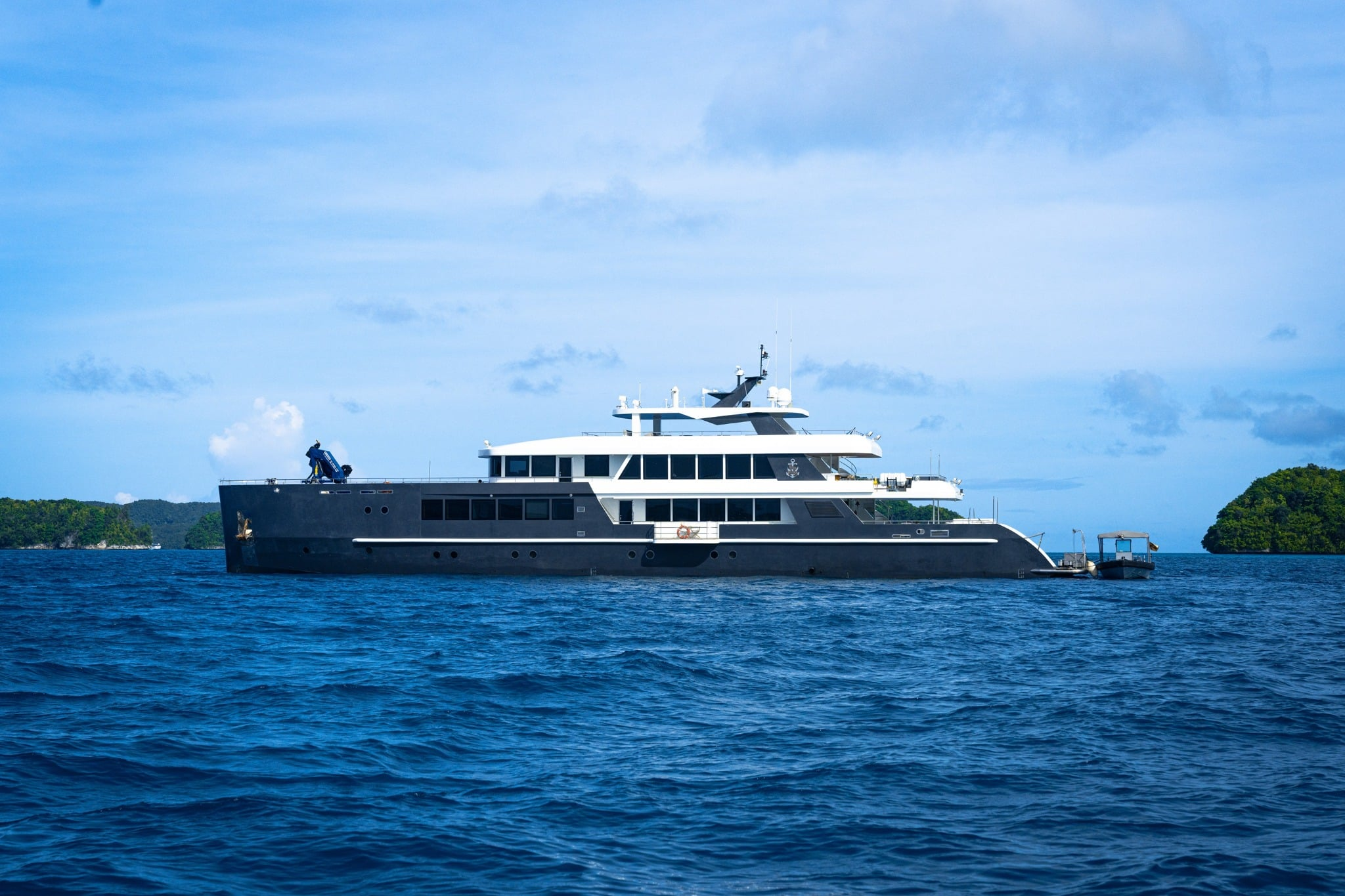 PalauBlack Pearlfrom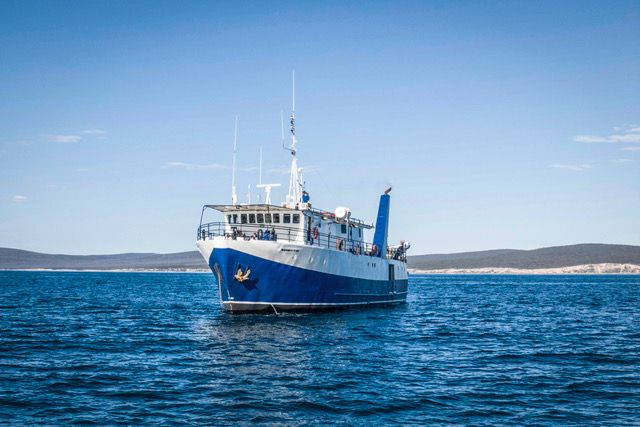
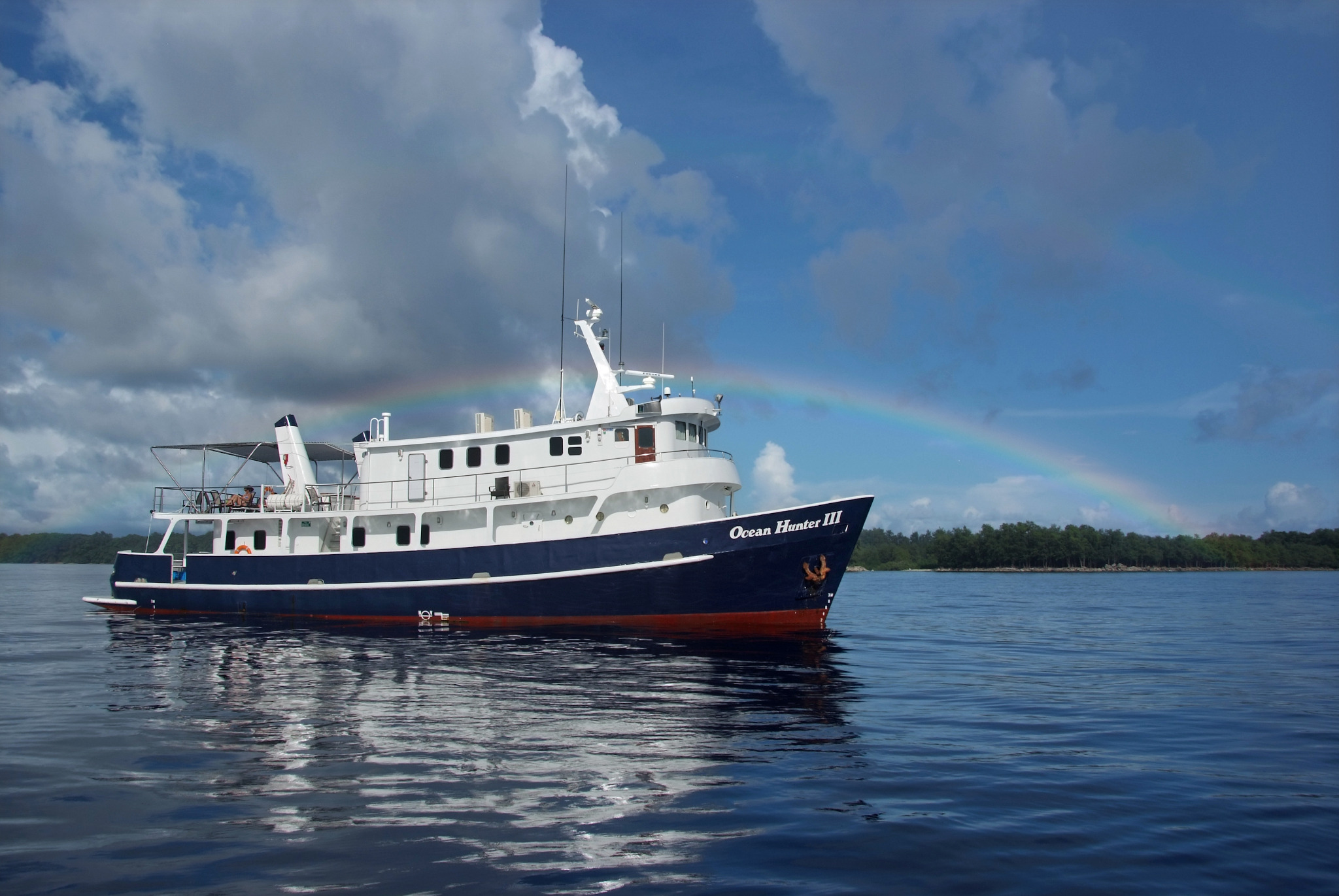
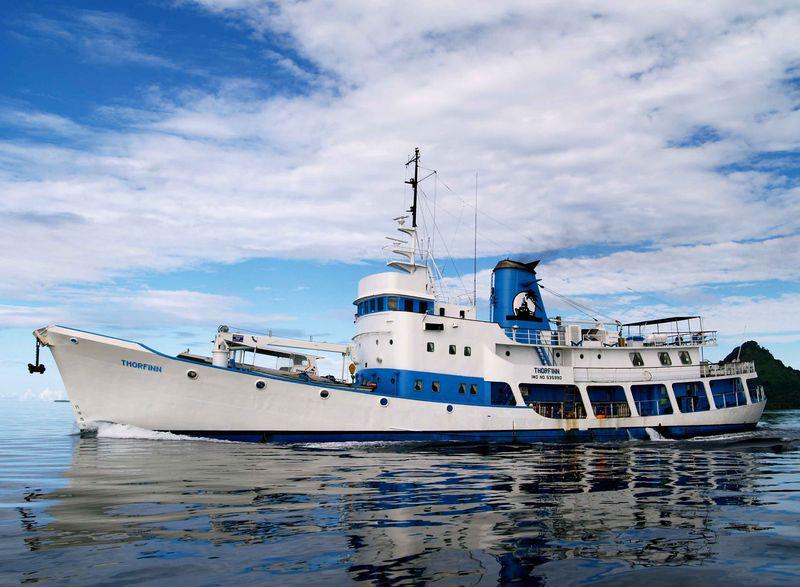

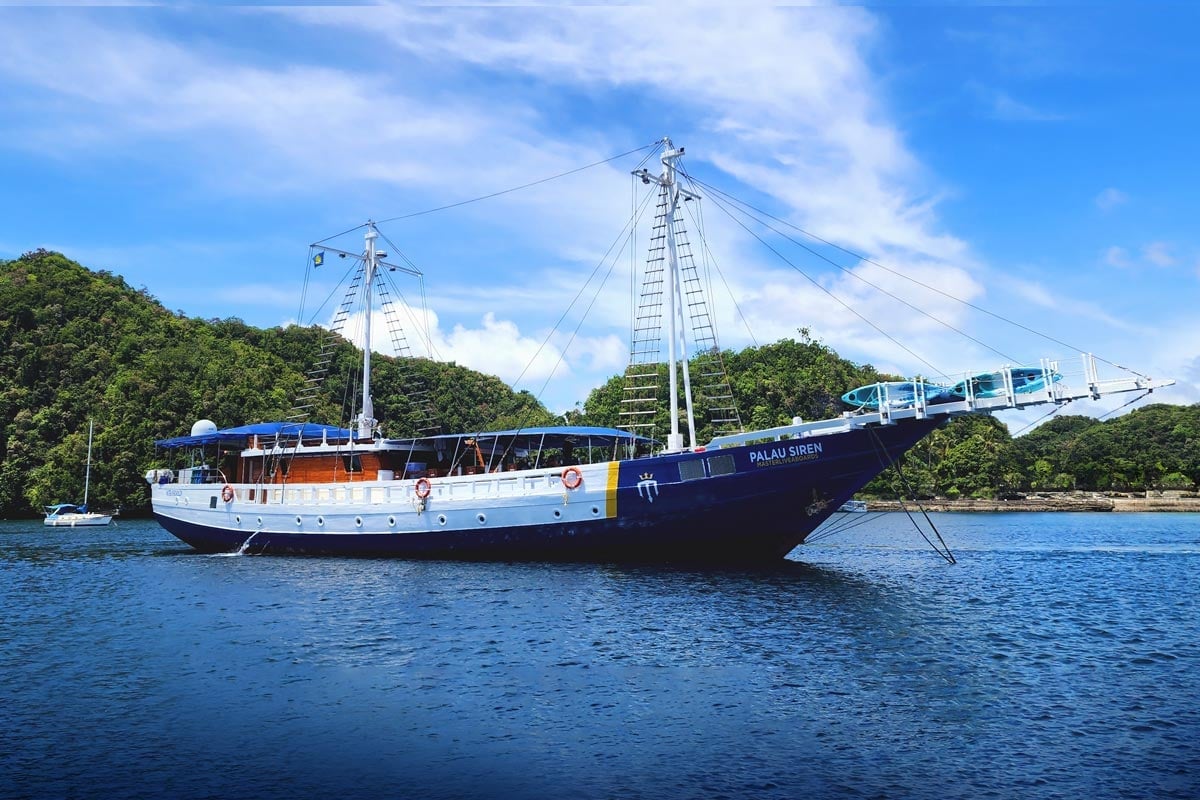 PalauPalau Sirenfrom
Emperor Bilikiki Liveaboard Itineraries
Solomon Islands (10 nights) (Honiara-Honiara)
Included
- Accommodation
- Diving (4-5 dives per day, incl. night dive; 2 dives on the last day)
- Full board, snacks
- 12 l tanks and weights
- Dive guide
- Nitrox
- Marine park & port fees, and local taxes
- Village visits arranged during the surface intervals
- Scheduled group transfer airport - yacht - airport
- Free short-term DAN diving insurance (upon request)
Extra cost
- International and domestic flights
- Visa
- Private transfer
- Equipment rental
- 15 l tanks rental
- Alcoholic and soft beverages
- Crew gratuities
- Travel insurance
Program
Day 1:
Meet & greet at the airport. Group transfer to the port. Onboarding, meeting the crew & briefing.
Days 2-9:
Departing & check dive. Safari according to the planned route.
Village visits are arranged during the surface intervals so as not to affect the number of dives offered per day.
We offer 4 day dives and a night dive and although there is no fixed itinerary here is an example of some of the dive sites which we normally do if the conditions allow.
Russell Islands.
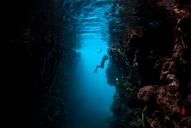
Leru Cut. A channel back into Leru Island forms a breathtakingly beautiful reef formation which when dived at the right time of day has amazing beams of light and fantastic photo opportunities. The surface at the end and see the vine-covered cliffs and jungle before descending and exiting onto a sheer wall of fans and soft coral.
White Beach. The site of an American WWII base where trucks, bombs, and ammunition were dumped into the sea. Both a fascinating historical dive and a fantastic macro site in an unusual mangrove location.
Mirror Pond. A stunning pond reflecting the jungle overhead. Outside on the reef is a sheer wall where snappers and travel hunt and pygmy seahorses hide in gorgeous gorgonian fans. The shallows host a stunning coral garden where crocodile fish, cuttlefish, and anemonefish live.
Karumolun Point. The chief of Karumolun Island has banned all fishing and collecting on this dive site for five years creating a local marine protected area. This point has great soft coral, a big school of jacks, barracudas and lots of sharks, often eagle rays are seen here too. The macro side of this dive site is fantastic as well with disco clams (electric file shells), nudis, cuttlefish, crocodile fish and ghost pipefish among the things seen.
Mary Island.
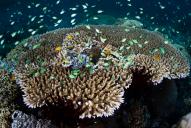
Divers often refer to Mary Island as the “best” dive of a trip. It is an uninhabited island with a stunning amount of hard corals and fish life. The schools of fish are amazing here, especially when joined by sharks, turtles and bumphead parrot fish. We usually stay here for the whole day.
Florida Islands.
Twin Tunnels. This large seamount, in the middle of the channel between Guadalcanal and the Florida Islands, has two tunnels which drop vertically straight down from 12m and exit in a cave at 35m. Swimming out of the cave to the sheer wall there are schools of fusiliers with grey reef sharks cruising by. It is also home to some amazing coral, cuttlefish, octopus and mantis shrimp plus schools of snapper, tropical fish and an amazing array of anemone fish.
Devils' Highway. The best place in the Solomons to dive with manta rays. A channel between two islands funnels water to form strong currents and an adrenaline-filled dive. Drift along the reef top, duck under the reef wall and watch as up to a dozen mantas swim close by information to feed. They are often joined by sweetlips, jacks and bumphead parrotfish.
Maravagi Bay. A macro divers delight! A calm protected bay offering all sorts of great macro subjects such as nudis, demon stinger, scorpion fish, cockatoo wasp fish, various pipefish, cuttlefish, juvenile batfish, various anemone fish, shrimps and crabs. Plus a few of giant clams and a small wreck packed with batfish and bream.
Japanese Mavis Seaplane. A Japanese seaplane sunk during WW2 which sits upright on the bottom at 30m, it is an impressively large, mostly intact plane. This site is also excellent for macro subjects with reef top pipefish, twin spot gobies and spine check anemone fish.
Marovo Lagoon Area.
Kicha. Not only is this dive site a truly stunning example of hard corals and sea fans, but it is also teeming with fish life. Friendly batfish follow divers around, schools of jacks and barracuda circle around the point while giant bumphead parrotfish chomp on coral. All this amazing color and beauty passes by to a soundtrack provided by the underwater volcano Kavachi which is only 15 miles away.
Mbulo Caves. A series of interconnecting caves and swim-throughs with beautiful sunbeams and a magical atmosphere. There is also staggering hard coral and tropical fish on the reef outside.
Wickham Island. There are a lot of amazing dive sites around this island. It has something for everyone with soft coral points, huge sea fans, sharks and rays. Plus great places to look for the small stuff such as pygmy seahorses, cuttlefish, crocodile fish, snake eels and many different species of anemonefish.
Japanese Maru #2. A Japanese cargo vessel sunk by American bombers in WW2 this is a stunning photogenic wreck covered in black corals. A deck gun lies hanging over the side of the ship and trevally and groupers hunt the decks.
Day 10:
2 dives on the last day. Return to the port.
Day 11:
Check-out from the yacht, group transfer to the airport.
Routes can be affected by adverse weather conditions and unforeseen events, force majeure or other similar reasons
- Arrival at Honiara International Airport.
- All boat's departures are designed to work with the incoming and outgoing flights so in general overnights are not required. Of course, not all flights from all ports of entry arrive and depart on charter dates so depending on when you choose to fly overnights may be required.
- Guests will be met at the airport and transferred to the vessel
- If your flight is earlier than the boarding time you will be transferred to a nearby hotel where you can relax.
- Boarding time on the first day is normally around 16:00
- Disembarkation is around 8:00 on the last day.
- On the last day, you generally have a few hours to look around town before you will be transferred back to the airport, many people opt to do one of the interesting World War 2 history tours of Honiara

Solomon Islands (12 nights) (Honiara-Honiara)
Included
- Accommodation
- Diving (4-5 dives per day, incl. night dive; 2 dives on the last day)
- Full board, snacks
- 12 l tanks and weights
- Dive guide
- Nitrox
- Marine park & port fees, and local taxes
- Village visits arranged during the surface intervals
- Scheduled group transfer airport - yacht - airport
- Free short-term DAN diving insurance (upon request)
Extra cost
- International and domestic flights
- Visa
- Private transfer
- Equipment rental
- 15 l tanks rental
- Alcoholic and soft beverages
- Crew gratuities
- Travel insurance
Program
Day 1:
Meet & greet at the airport. Group transfer to the port. Onboarding, meeting the crew & briefing.
Days 2-11:
Departing & check dive. Safari according to the planned route.
Village visits are arranged during the surface intervals so as not to affect the number of dives offered per day.
We offer 4 day dives and a night dive and although there is no fixed itinerary here is an example of some of the dive sites which we normally do if the conditions allow.
Russell Islands.
Leru Cut. A channel back into Leru Island forms a breathtakingly beautiful reef formation which when dived at the right time of day has amazing beams of light and fantastic photo opportunities. The surface at the end and see the vine-covered cliffs and jungle before descending and exiting onto a sheer wall of fans and soft coral.
White Beach. The site of an American WWII base where trucks, bombs, and ammunition were dumped into the sea. Both a fascinating historical dive and a fantastic macro site in an unusual mangrove location.
Mirror Pond. A stunning pond reflecting the jungle overhead. Outside on the reef is a sheer wall where snappers and travel hunt and pygmy seahorses hide in gorgeous gorgonian fans. The shallows host a stunning coral garden where crocodile fish, cuttlefish, and anemonefish live.
Karumolun Point. The chief of Karumolun Island has banned all fishing and collecting on this dive site for five years creating a local marine protected area. This point has great soft coral, a big school of jacks, barracudas and lots of sharks, often eagle rays are seen here too. The macro side of this dive site is fantastic as well with disco clams (electric file shells), nudis, cuttlefish, crocodile fish and ghost pipefish among the things seen.
Mary Island.
Divers often refer to Mary Island as the “best” dive of a trip. It is an uninhabited island with a stunning amount of hard corals and fish life. The schools of fish are amazing here, especially when joined by sharks, turtles and bumphead parrot fish. We usually stay here for the whole day.
Florida Islands.
Twin Tunnels. This large seamount, in the middle of the channel between Guadalcanal and the Florida Islands, has two tunnels which drop vertically straight down from 12m and exit in a cave at 35m. Swimming out of the cave to the sheer wall there are schools of fusiliers with grey reef sharks cruising by. It is also home to some amazing coral, cuttlefish, octopus and mantis shrimp plus schools of snapper, tropical fish and an amazing array of anemone fish.
Devils' Highway. The best place in the Solomons to dive with manta rays. A channel between two islands funnels water to form strong currents and an adrenaline-filled dive. Drift along the reef top, duck under the reef wall and watch as up to a dozen mantas swim close by information to feed. They are often joined by sweetlips, jacks and bumphead parrotfish.
Maravagi Bay. A macro divers delight! A calm protected bay offering all sorts of great macro subjects such as nudis, demon stinger, scorpion fish, cockatoo wasp fish, various pipefish, cuttlefish, juvenile batfish, various anemone fish, shrimps and crabs. Plus a few of giant clams and a small wreck packed with batfish and bream.
Japanese Mavis Seaplane. A Japanese seaplane sunk during WW2 which sits upright on the bottom at 30m, it is an impressively large, mostly intact plane. This site is also excellent for macro subjects with reef top pipefish, twin spot gobies and spine check anemone fish.
Marovo Lagoon Area.
Kicha. Not only is this dive site a truly stunning example of hard corals and sea fans, but it is also teeming with fish life. Friendly batfish follow divers around, schools of jacks and barracuda circle around the point while giant bumphead parrotfish chomp on coral. All this amazing color and beauty passes by to a soundtrack provided by the underwater volcano Kavachi which is only 15 miles away.
Mbulo Caves. A series of interconnecting caves and swim-throughs with beautiful sunbeams and a magical atmosphere. There is also staggering hard coral and tropical fish on the reef outside.
Wickham Island. There are a lot of amazing dive sites around this island. It has something for everyone with soft coral points, huge sea fans, sharks and rays. Plus great places to look for the small stuff such as pygmy seahorses, cuttlefish, crocodile fish, snake eels and many different species of anemonefish.
Japanese Maru #2. A Japanese cargo vessel sunk by American bombers in WW2 this is a stunning photogenic wreck covered in black corals. A deck gun lies hanging over the side of the ship and trevally and groupers hunt the decks.
Day 12:
2 dives on the last day. Return to the port.
Day 13:
Check-out from the yacht, group transfer to the airport.
Routes can be affected by adverse weather conditions and unforeseen events, force majeure or other similar reasons
- Arrival at Honiara International Airport.
- All boat's departures are designed to work with the incoming and outgoing flights so in general overnights are not required. Of course, not all flights from all ports of entry arrive and depart on charter dates so depending on when you choose to fly overnights may be required.
- Guests will be met at the airport and transferred to the vessel
- If your flight is earlier than the boarding time you will be transferred to a nearby hotel where you can relax.
- Boarding time on the first day is normally around 16:00
- Disembarkation is around 8:00 on the last day.
- On the last day, you generally have a few hours to look around town before you will be transferred back to the airport, many people opt to do one of the interesting World War 2 history tours of Honiara
Solomon Islands (9 nights) (Honiara-Honiara)
Included
- Accommodation
- Diving (4-5 dives per day, incl. night dive; 2 dives on the last day)
- Full board, snacks
- 12 l tanks and weights
- Dive guide
- Nitrox
- Marine park & port fees, and local taxes
- Village visits arranged during the surface intervals
- Scheduled group transfer airport - yacht - airport
- Free short-term DAN diving insurance (upon request)
Extra cost
- International and domestic flights
- Visa
- Private transfer
- Equipment rental
- 15 l tanks rental
- Alcoholic and soft beverages
- Crew gratuities
- Travel insurance
Program
Day 1:
Meet & greet at the airport. Group transfer to the port. Onboarding, meeting the crew & briefing.
Days 2-8:
Departing & check dive. Safari according to the planned route.
Village visits are arranged during the surface intervals so as not to affect the number of dives offered per day.
We offer 4 day dives and a night dive and although there is no fixed itinerary here is an example of some of the dive sites which we normally do if the conditions allow.
Russell Islands.
Leru Cut. A channel back into Leru Island forms a breathtakingly beautiful reef formation which when dived at the right time of day has amazing beams of light and fantastic photo opportunities. The surface at the end and see the vine-covered cliffs and jungle before descending and exiting onto a sheer wall of fans and soft coral.
White Beach. The site of an American WWII base where trucks, bombs, and ammunition were dumped into the sea. Both a fascinating historical dive and a fantastic macro site in an unusual mangrove location.
Mirror Pond. A stunning pond reflecting the jungle overhead. Outside on the reef is a sheer wall where snappers and travel hunt and pygmy seahorses hide in gorgeous gorgonian fans. The shallows host a stunning coral garden where crocodile fish, cuttlefish, and anemonefish live.
Karumolun Point. The chief of Karumolun Island has banned all fishing and collecting on this dive site for five years creating a local marine protected area. This point has great soft coral, a big school of jacks, barracudas and lots of sharks, often eagle rays are seen here too. The macro side of this dive site is fantastic as well with disco clams (electric file shells), nudis, cuttlefish, crocodile fish and ghost pipefish among the things seen.
Mary Island.
Divers often refer to Mary Island as the “best” dive of a trip. It is an uninhabited island with a stunning amount of hard corals and fish life. The schools of fish are amazing here, especially when joined by sharks, turtles and bumphead parrot fish. We usually stay here for the whole day.
Florida Islands.
Twin Tunnels. This large seamount, in the middle of the channel between Guadalcanal and the Florida Islands, has two tunnels which drop vertically straight down from 12m and exit in a cave at 35m. Swimming out of the cave to the sheer wall there are schools of fusiliers with grey reef sharks cruising by. It is also home to some amazing coral, cuttlefish, octopus and mantis shrimp plus schools of snapper, tropical fish and an amazing array of anemone fish.
Devils' Highway. The best place in the Solomons to dive with manta rays. A channel between two islands funnels water to form strong currents and an adrenaline-filled dive. Drift along the reef top, duck under the reef wall and watch as up to a dozen mantas swim close by information to feed. They are often joined by sweetlips, jacks and bumphead parrotfish.
Maravagi Bay. A macro divers delight! A calm protected bay offering all sorts of great macro subjects such as nudis, demon stinger, scorpion fish, cockatoo wasp fish, various pipefish, cuttlefish, juvenile batfish, various anemone fish, shrimps and crabs. Plus a few of giant clams and a small wreck packed with batfish and bream.
Japanese Mavis Seaplane. A Japanese seaplane sunk during WW2 which sits upright on the bottom at 30m, it is an impressively large, mostly intact plane. This site is also excellent for macro subjects with reef top pipefish, twin spot gobies and spine check anemone fish.
Day 9:
2 dives on the last day. Return to the port.
Day 10:
Check-out from the yacht, group transfer to the airport.
Routes can be affected by adverse weather conditions and unforeseen events, force majeure or other similar reasons
- Arrival at Honiara International Airport.
- All boat's departures are designed to work with the incoming and outgoing flights so in general overnights are not required. Of course, not all flights from all ports of entry arrive and depart on charter dates so depending on when you choose to fly overnights may be required.
- Guests will be met at the airport and transferred to the vessel
- If your flight is earlier than the boarding time you will be transferred to a nearby hotel where you can relax.
- Boarding time on the first day is normally around 16:00
- Disembarkation is around 8:00 on the last day.
- On the last day, you generally have a few hours to look around town before you will be transferred back to the airport, many people opt to do one of the interesting World War 2 history tours of Honiara
Dive sites you’ll see
Solomon Islands (14 nights) (Honiara-Honiara)
Included
- Accommodation
- Diving (4-5 dives per day, incl. night dive; 2 dives on the last day)
- Full board, snacks
- 12 l tanks and weights
- Dive guide
- Nitrox
- Marine park & port fees, and local taxes
- Village visits arranged during the surface intervals
- Scheduled group transfer airport - yacht - airport
- Free short-term DAN diving insurance (upon request)
Extra cost
- International and domestic flights
- Visa
- Private transfer
- Equipment rental
- 15 l tanks rental
- Alcoholic and soft beverages
- Crew gratuities
- Travel insurance
Program
Day 1:
Meet & greet at the airport. Group transfer to the port. Onboarding, meeting the crew & briefing.
Days 2-13:
Departing & check dive. Safari according to the planned route.
Village visits are arranged during the surface intervals so as not to affect the number of dives offered per day.
We offer 4 day dives and a night dive and although there is no fixed itinerary here is an example of some of the dive sites which we normally do if the conditions allow.
Russell Islands.
Leru Cut. A channel back into Leru Island forms a breathtakingly beautiful reef formation which when dived at the right time of day has amazing beams of light and fantastic photo opportunities. The surface at the end and see the vine-covered cliffs and jungle before descending and exiting onto a sheer wall of fans and soft coral.
White Beach. The site of an American WWII base where trucks, bombs, and ammunition were dumped into the sea. Both a fascinating historical dive and a fantastic macro site in an unusual mangrove location.
Mirror Pond. A stunning pond reflecting the jungle overhead. Outside on the reef is a sheer wall where snappers and travel hunt and pygmy seahorses hide in gorgeous gorgonian fans. The shallows host a stunning coral garden where crocodile fish, cuttlefish, and anemonefish live.
Karumolun Point. The chief of Karumolun Island has banned all fishing and collecting on this dive site for five years creating a local marine protected area. This point has great soft coral, a big school of jacks, barracudas and lots of sharks, often eagle rays are seen here too. The macro side of this dive site is fantastic as well with disco clams (electric file shells), nudis, cuttlefish, crocodile fish and ghost pipefish among the things seen.
Mary Island.
Divers often refer to Mary Island as the “best” dive of a trip. It is an uninhabited island with a stunning amount of hard corals and fish life. The schools of fish are amazing here, especially when joined by sharks, turtles and bumphead parrot fish. We usually stay here for the whole day.
Florida Islands.
Twin Tunnels. This large seamount, in the middle of the channel between Guadalcanal and the Florida Islands, has two tunnels which drop vertically straight down from 12m and exit in a cave at 35m. Swimming out of the cave to the sheer wall there are schools of fusiliers with grey reef sharks cruising by. It is also home to some amazing coral, cuttlefish, octopus and mantis shrimp plus schools of snapper, tropical fish and an amazing array of anemone fish.
Devils' Highway. The best place in the Solomons to dive with manta rays. A channel between two islands funnels water to form strong currents and an adrenaline-filled dive. Drift along the reef top, duck under the reef wall and watch as up to a dozen mantas swim close by information to feed. They are often joined by sweetlips, jacks and bumphead parrotfish.
Maravagi Bay. A macro divers delight! A calm protected bay offering all sorts of great macro subjects such as nudis, demon stinger, scorpion fish, cockatoo wasp fish, various pipefish, cuttlefish, juvenile batfish, various anemone fish, shrimps and crabs. Plus a few of giant clams and a small wreck packed with batfish and bream.
Japanese Mavis Seaplane. A Japanese seaplane sunk during WW2 which sits upright on the bottom at 30m, it is an impressively large, mostly intact plane. This site is also excellent for macro subjects with reef top pipefish, twin spot gobies and spine check anemone fish.
Marovo Lagoon Area.
Kicha. Not only is this dive site a truly stunning example of hard corals and sea fans, but it is also teeming with fish life. Friendly batfish follow divers around, schools of jacks and barracuda circle around the point while giant bumphead parrotfish chomp on coral. All this amazing color and beauty passes by to a soundtrack provided by the underwater volcano Kavachi which is only 15 miles away.
Mbulo Caves. A series of interconnecting caves and swim-throughs with beautiful sunbeams and a magical atmosphere. There is also staggering hard coral and tropical fish on the reef outside.
Wickham Island. There are a lot of amazing dive sites around this island. It has something for everyone with soft coral points, huge sea fans, sharks and rays. Plus great places to look for the small stuff such as pygmy seahorses, cuttlefish, crocodile fish, snake eels and many different species of anemonefish.
Japanese Maru #2. A Japanese cargo vessel sunk by American bombers in WW2 this is a stunning photogenic wreck covered in black corals. A deck gun lies hanging over the side of the ship and trevally and groupers hunt the decks.
Day 14:
2 dives on the last day. Return to the port.
Day 15:
Check-out from the yacht, group transfer to the airport.
Routes can be affected by adverse weather conditions and unforeseen events, force majeure or other similar reasons
- Arrival at Honiara International Airport.
- All boat's departures are designed to work with the incoming and outgoing flights so in general overnights are not required. Of course, not all flights from all ports of entry arrive and depart on charter dates so depending on when you choose to fly overnights may be required.
- Guests will be met at the airport and transferred to the vessel
- If your flight is earlier than the boarding time you will be transferred to a nearby hotel where you can relax.
- Boarding time on the first day is normally around 16:00
- Disembarkation is around 8:00 on the last day.
- On the last day, you generally have a few hours to look around town before you will be transferred back to the airport, many people opt to do one of the interesting World War 2 history tours of Honiara
Solomon Islands (7 nights) (Honiara-Honiara)
Included
- Accommodation
- Diving (4-5 dives per day, incl. night dive; 2 dives on the last day)
- Full board, snacks
- 12 l tanks and weights
- Dive guide
- Nitrox
- Marine park & port fees, and local taxes
- Village visits arranged during the surface intervals
- Scheduled group transfer airport - yacht - airport
- Free short-term DAN diving insurance (upon request)
Extra cost
- International and domestic flights
- Visa
- Private transfer
- Equipment rental
- 15 l tanks rental
- Alcoholic and soft beverages
- Crew gratuities
- Travel insurance
Program
Day 1:
Meet & greet at the airport. Group transfer to the port. Onboarding, meeting the crew & briefing.
Days 2-6:
Departing & check dive. Safari according to the planned route.
Village visits are arranged during the surface intervals so as not to affect the number of dives offered per day.
We offer 4 day dives and a night dive and although there is no fixed itinerary here is an example of some of the dive sites which we normally do if the conditions allow.
Russell Islands.
Leru Cut. A channel back into Leru Island forms a breathtakingly beautiful reef formation which when dived at the right time of day has amazing beams of light and fantastic photo opportunities. The surface at the end and see the vine-covered cliffs and jungle before descending and exiting onto a sheer wall of fans and soft coral.
White Beach. The site of an American WWII base where trucks, bombs, and ammunition were dumped into the sea. Both a fascinating historical dive and a fantastic macro site in an unusual mangrove location.
Mirror Pond. A stunning pond reflecting the jungle overhead. Outside on the reef is a sheer wall where snappers and travel hunt and pygmy seahorses hide in gorgeous gorgonian fans. The shallows host a stunning coral garden where crocodile fish, cuttlefish, and anemonefish live.
Karumolun Point. The chief of Karumolun Island has banned all fishing and collecting on this dive site for five years creating a local marine protected area. This point has great soft coral, a big school of jacks, barracudas and lots of sharks, often eagle rays are seen here too. The macro side of this dive site is fantastic as well with disco clams (electric file shells), nudis, cuttlefish, crocodile fish and ghost pipefish among the things seen.
Mary Island.
Divers often refer to Mary Island as the “best” dive of a trip. It is an uninhabited island with a stunning amount of hard corals and fish life. The schools of fish are amazing here, especially when joined by sharks, turtles and bumphead parrot fish. We usually stay here for the whole day.
Florida Islands.
Twin Tunnels. This large seamount, in the middle of the channel between Guadalcanal and the Florida Islands, has two tunnels which drop vertically straight down from 12m and exit in a cave at 35m. Swimming out of the cave to the sheer wall there are schools of fusiliers with grey reef sharks cruising by. It is also home to some amazing coral, cuttlefish, octopus and mantis shrimp plus schools of snapper, tropical fish and an amazing array of anemone fish.
Devils' Highway. The best place in the Solomons to dive with manta rays. A channel between two islands funnels water to form strong currents and an adrenaline-filled dive. Drift along the reef top, duck under the reef wall and watch as up to a dozen mantas swim close by information to feed. They are often joined by sweetlips, jacks and bumphead parrotfish.
Maravagi Bay. A macro divers delight! A calm protected bay offering all sorts of great macro subjects such as nudis, demon stinger, scorpion fish, cockatoo wasp fish, various pipefish, cuttlefish, juvenile batfish, various anemone fish, shrimps and crabs. Plus a few of giant clams and a small wreck packed with batfish and bream.
Japanese Mavis Seaplane. A Japanese seaplane sunk during WW2 which sits upright on the bottom at 30m, it is an impressively large, mostly intact plane. This site is also excellent for macro subjects with reef top pipefish, twin spot gobies and spine check anemone fish.
Day 7:
2 dives on the last day. Return to the port.
Day 8:
Check-out from the yacht, group transfer to the airport.
Routes can be affected by adverse weather conditions and unforeseen events, force majeure or other similar reasons
- Arrival at Honiara International Airport.
- All boat's departures are designed to work with the incoming and outgoing flights so in general overnights are not required. Of course, not all flights from all ports of entry arrive and depart on charter dates so depending on when you choose to fly overnights may be required.
- Guests will be met at the airport and transferred to the vessel
- If your flight is earlier than the boarding time you will be transferred to a nearby hotel where you can relax.
- Boarding time on the first day is normally around 16:00
- Disembarkation is around 8:00 on the last day.
- On the last day, you generally have a few hours to look around town before you will be transferred back to the airport, many people opt to do one of the interesting World War 2 history tours of Honiara
Dive sites you’ll see
Solomon Islands (11 nights) (Honiara-Honiara)
Included
- Accommodation
- Diving (4-5 dives per day, incl. night dive; 2 dives on the last day)
- Full board, snacks
- 12 l tanks and weights
- Dive guide
- Nitrox
- Marine park & port fees, and local taxes
- Village visits arranged during the surface intervals
- Scheduled group transfer airport - yacht - airport
- Free short-term DAN diving insurance (upon request)
Extra cost
- International and domestic flights
- Visa
- Private transfer
- Equipment rental
- 15 l tanks rental
- Alcoholic and soft beverages
- Crew gratuities
- Travel insurance
Program
Day 1:
Meet & greet at the airport. Group transfer to the port. Onboarding, meeting the crew & briefing.
Days 2-10:
Departing & check dive. Safari according to the planned route.
Village visits are arranged during the surface intervals so as not to affect the number of dives offered per day.
We offer 4 day dives and a night dive and although there is no fixed itinerary here is an example of some of the dive sites which we normally do if the conditions allow.
Russell Islands.
Leru Cut. A channel back into Leru Island forms a breathtakingly beautiful reef formation which when dived at the right time of day has amazing beams of light and fantastic photo opportunities. The surface at the end and see the vine-covered cliffs and jungle before descending and exiting onto a sheer wall of fans and soft coral.
White Beach. The site of an American WWII base where trucks, bombs, and ammunition were dumped into the sea. Both a fascinating historical dive and a fantastic macro site in an unusual mangrove location.
Mirror Pond. A stunning pond reflecting the jungle overhead. Outside on the reef is a sheer wall where snappers and travel hunt and pygmy seahorses hide in gorgeous gorgonian fans. The shallows host a stunning coral garden where crocodile fish, cuttlefish, and anemonefish live.
Karumolun Point. The chief of Karumolun Island has banned all fishing and collecting on this dive site for five years creating a local marine protected area. This point has great soft coral, a big school of jacks, barracudas and lots of sharks, often eagle rays are seen here too. The macro side of this dive site is fantastic as well with disco clams (electric file shells), nudis, cuttlefish, crocodile fish and ghost pipefish among the things seen.
Mary Island.
Divers often refer to Mary Island as the “best” dive of a trip. It is an uninhabited island with a stunning amount of hard corals and fish life. The schools of fish are amazing here, especially when joined by sharks, turtles and bumphead parrot fish. We usually stay here for the whole day.
Florida Islands.
Twin Tunnels. This large seamount, in the middle of the channel between Guadalcanal and the Florida Islands, has two tunnels which drop vertically straight down from 12m and exit in a cave at 35m. Swimming out of the cave to the sheer wall there are schools of fusiliers with grey reef sharks cruising by. It is also home to some amazing coral, cuttlefish, octopus and mantis shrimp plus schools of snapper, tropical fish and an amazing array of anemone fish.
Devils' Highway. The best place in the Solomons to dive with manta rays. A channel between two islands funnels water to form strong currents and an adrenaline-filled dive. Drift along the reef top, duck under the reef wall and watch as up to a dozen mantas swim close by information to feed. They are often joined by sweetlips, jacks and bumphead parrotfish.
Maravagi Bay. A macro divers delight! A calm protected bay offering all sorts of great macro subjects such as nudis, demon stinger, scorpion fish, cockatoo wasp fish, various pipefish, cuttlefish, juvenile batfish, various anemone fish, shrimps and crabs. Plus a few of giant clams and a small wreck packed with batfish and bream.
Japanese Mavis Seaplane. A Japanese seaplane sunk during WW2 which sits upright on the bottom at 30m, it is an impressively large, mostly intact plane. This site is also excellent for macro subjects with reef top pipefish, twin spot gobies and spine check anemone fish.
Marovo Lagoon Area.
Kicha. Not only is this dive site a truly stunning example of hard corals and sea fans, but it is also teeming with fish life. Friendly batfish follow divers around, schools of jacks and barracuda circle around the point while giant bumphead parrotfish chomp on coral. All this amazing color and beauty passes by to a soundtrack provided by the underwater volcano Kavachi which is only 15 miles away.
Mbulo Caves. A series of interconnecting caves and swim-throughs with beautiful sunbeams and a magical atmosphere. There is also staggering hard coral and tropical fish on the reef outside.
Wickham Island. There are a lot of amazing dive sites around this island. It has something for everyone with soft coral points, huge sea fans, sharks and rays. Plus great places to look for the small stuff such as pygmy seahorses, cuttlefish, crocodile fish, snake eels and many different species of anemonefish.
Japanese Maru #2. A Japanese cargo vessel sunk by American bombers in WW2 this is a stunning photogenic wreck covered in black corals. A deck gun lies hanging over the side of the ship and trevally and groupers hunt the decks.
Day 11:
2 dives on the last day. Return to the port.
Day 12:
Check-out from the yacht, group transfer to the airport.
Routes can be affected by adverse weather conditions and unforeseen events, force majeure or other similar reasons
- Arrival at Honiara International Airport.
- All boat's departures are designed to work with the incoming and outgoing flights so in general overnights are not required. Of course, not all flights from all ports of entry arrive and depart on charter dates so depending on when you choose to fly overnights may be required.
- Guests will be met at the airport and transferred to the vessel
- If your flight is earlier than the boarding time you will be transferred to a nearby hotel where you can relax.
- Boarding time on the first day is normally around 16:00
- Disembarkation is around 8:00 on the last day.
- On the last day, you generally have a few hours to look around town before you will be transferred back to the airport, many people opt to do one of the interesting World War 2 history tours of Honiara