HomeLiveaboards with Best Food
Liveaboards with Best Food
Liveaboards with the most delicious food on board bring together steady diving days and comforting liveaboard meals
Select destination
SAVE 25%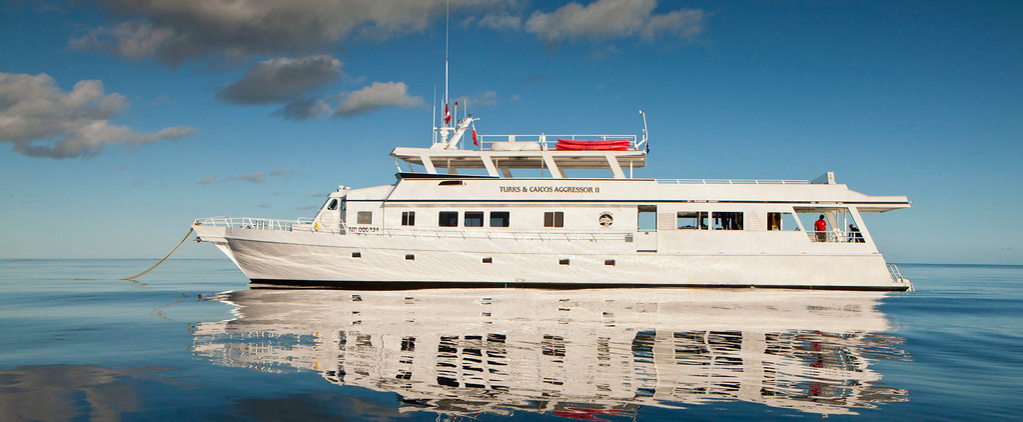 Turks and Caicos, Dominican Republic (Silver Bank)Turks & Caicos Aggressor II/day
Turks and Caicos, Dominican Republic (Silver Bank)Turks & Caicos Aggressor IIfrom
USD
327
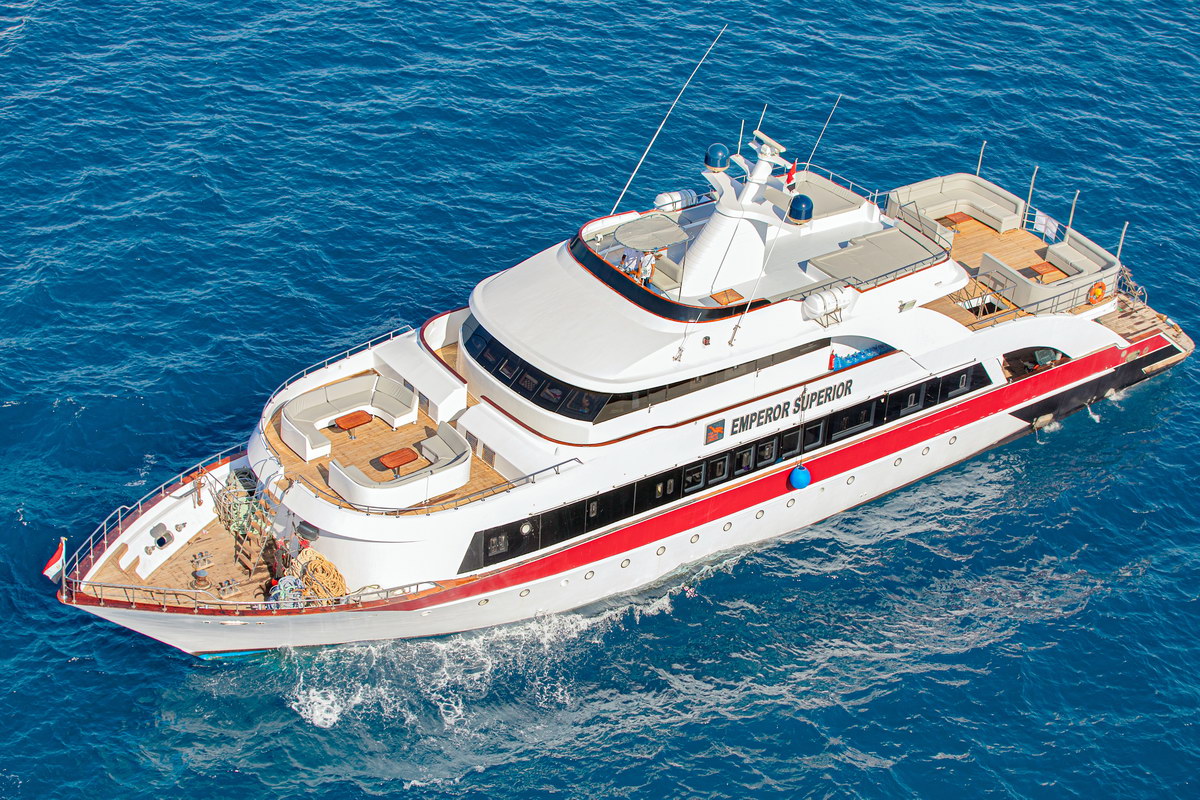 EgyptEmperor Superior
from
USD
166
SAVE UP TO 45%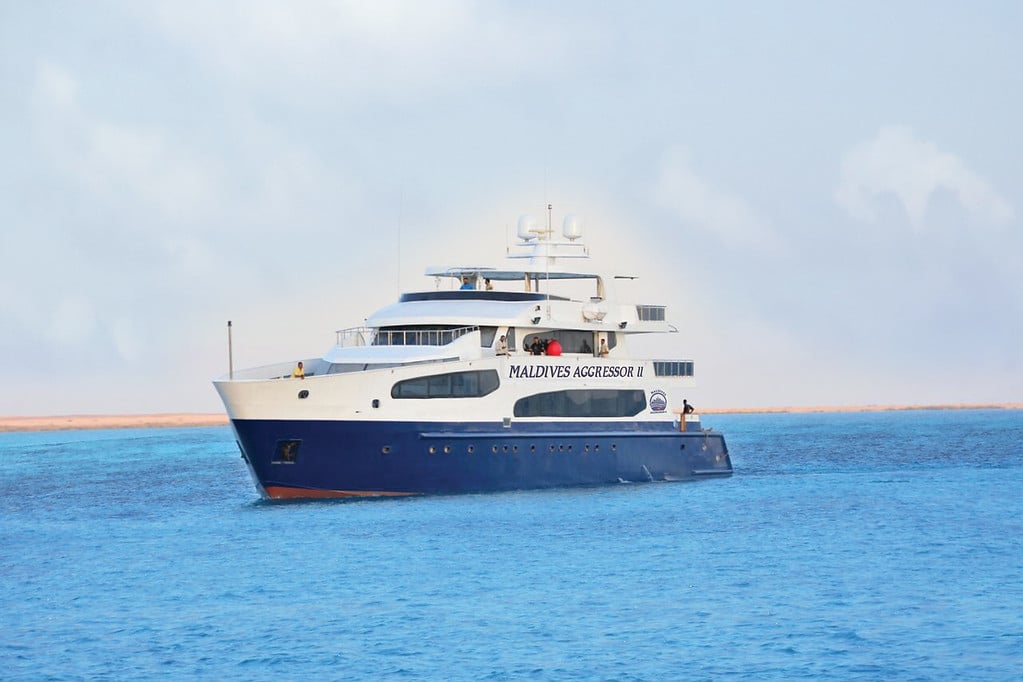 MaldivesMaldives Aggressor II/day
MaldivesMaldives Aggressor IIfrom
USD
273
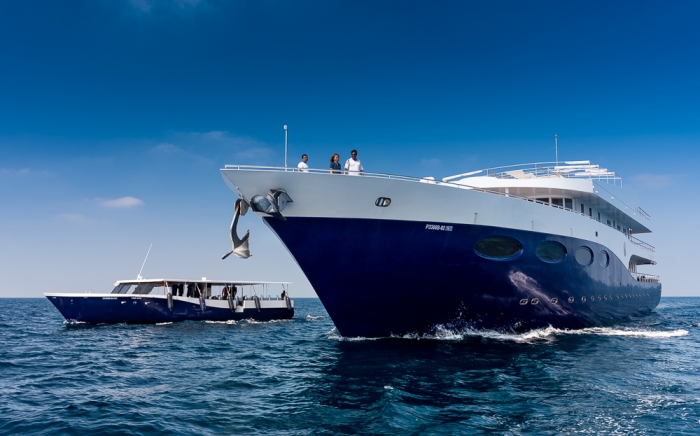
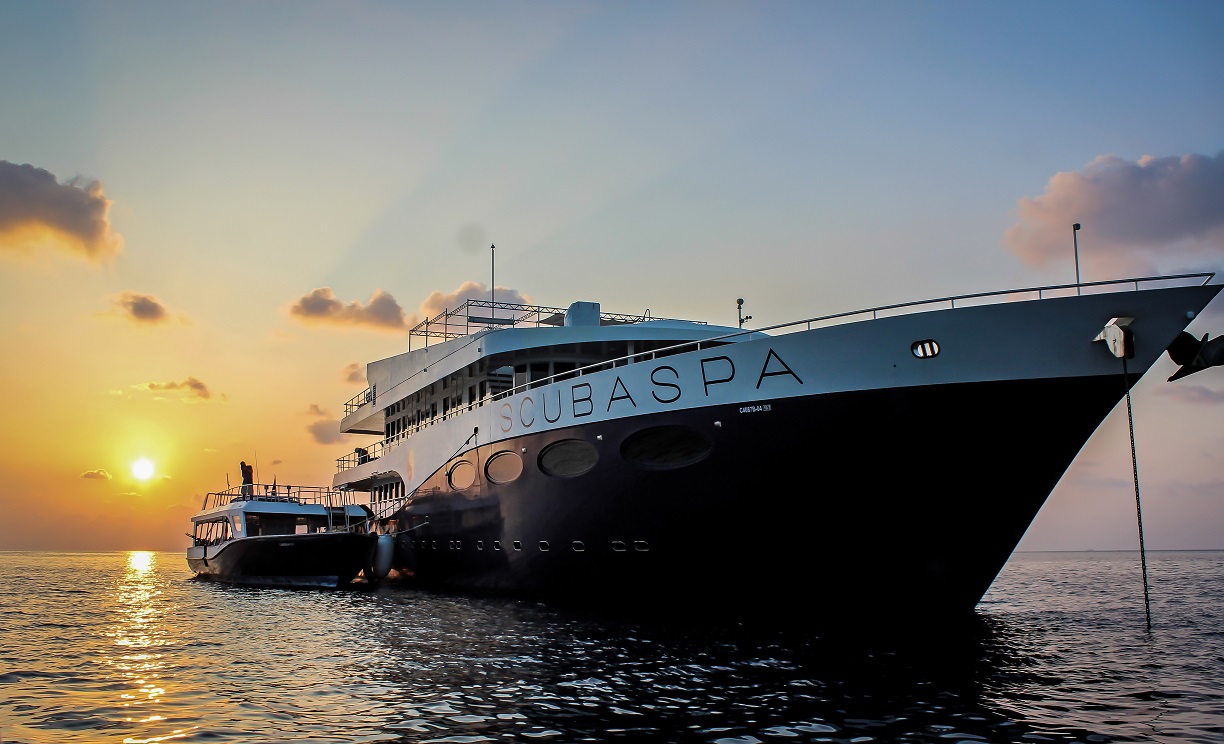 MaldivesScubaspa Yin
from
USD
468
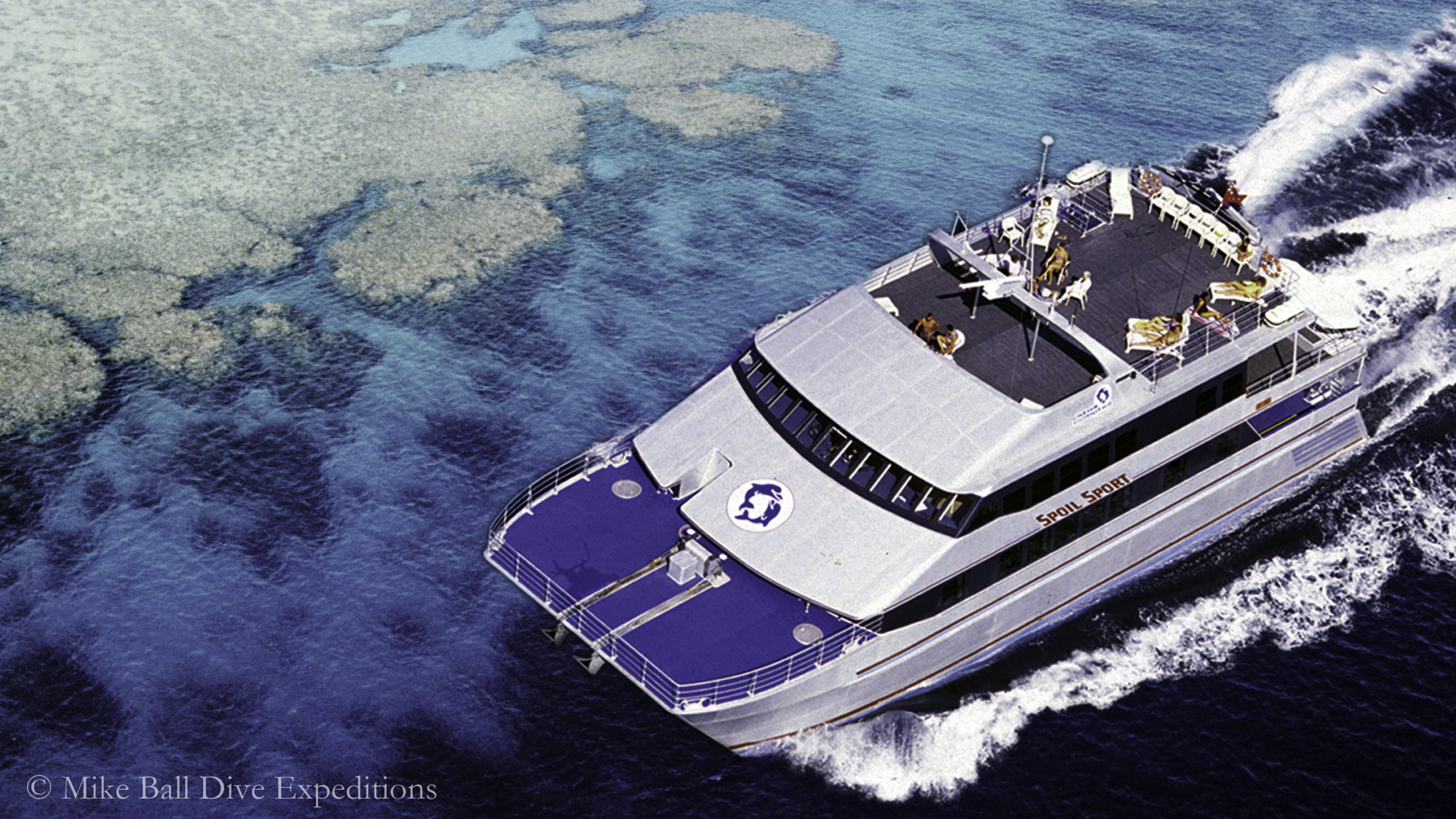
 MaldivesScubaspa Yang
from
USD
468
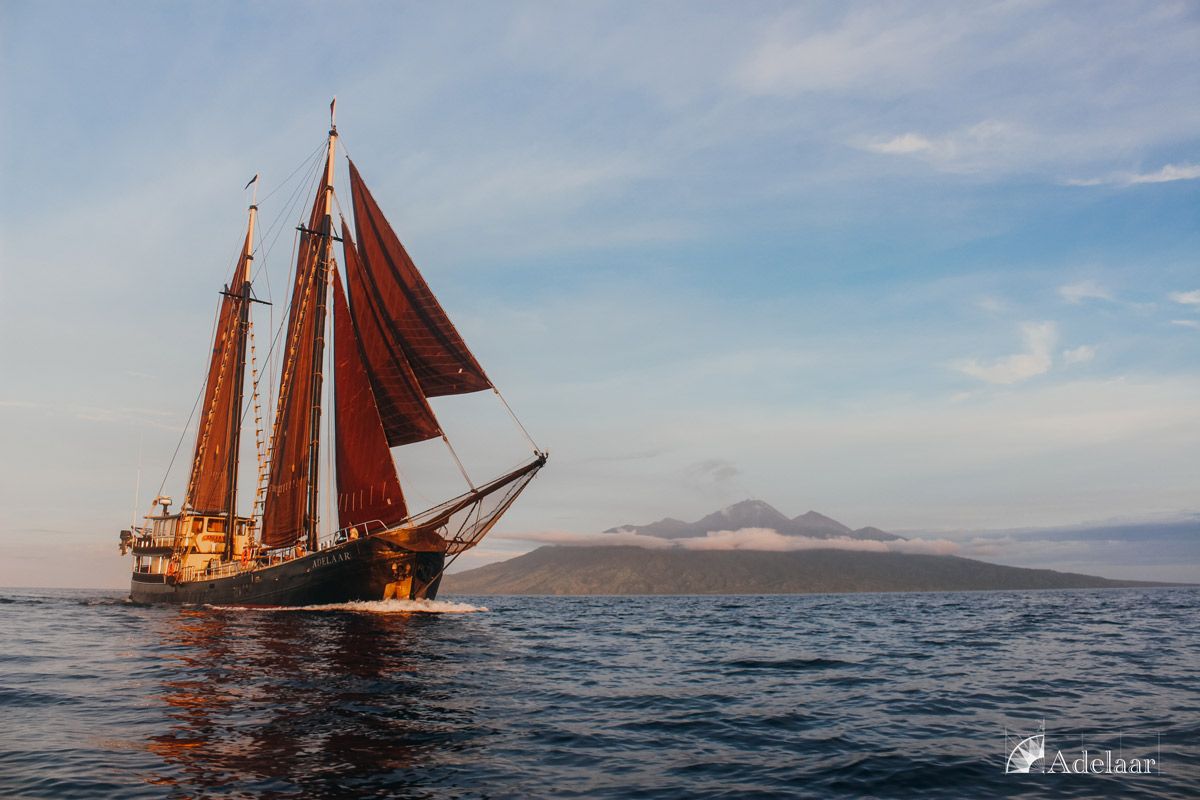
 AustraliaSpoilsport
from
USD
403

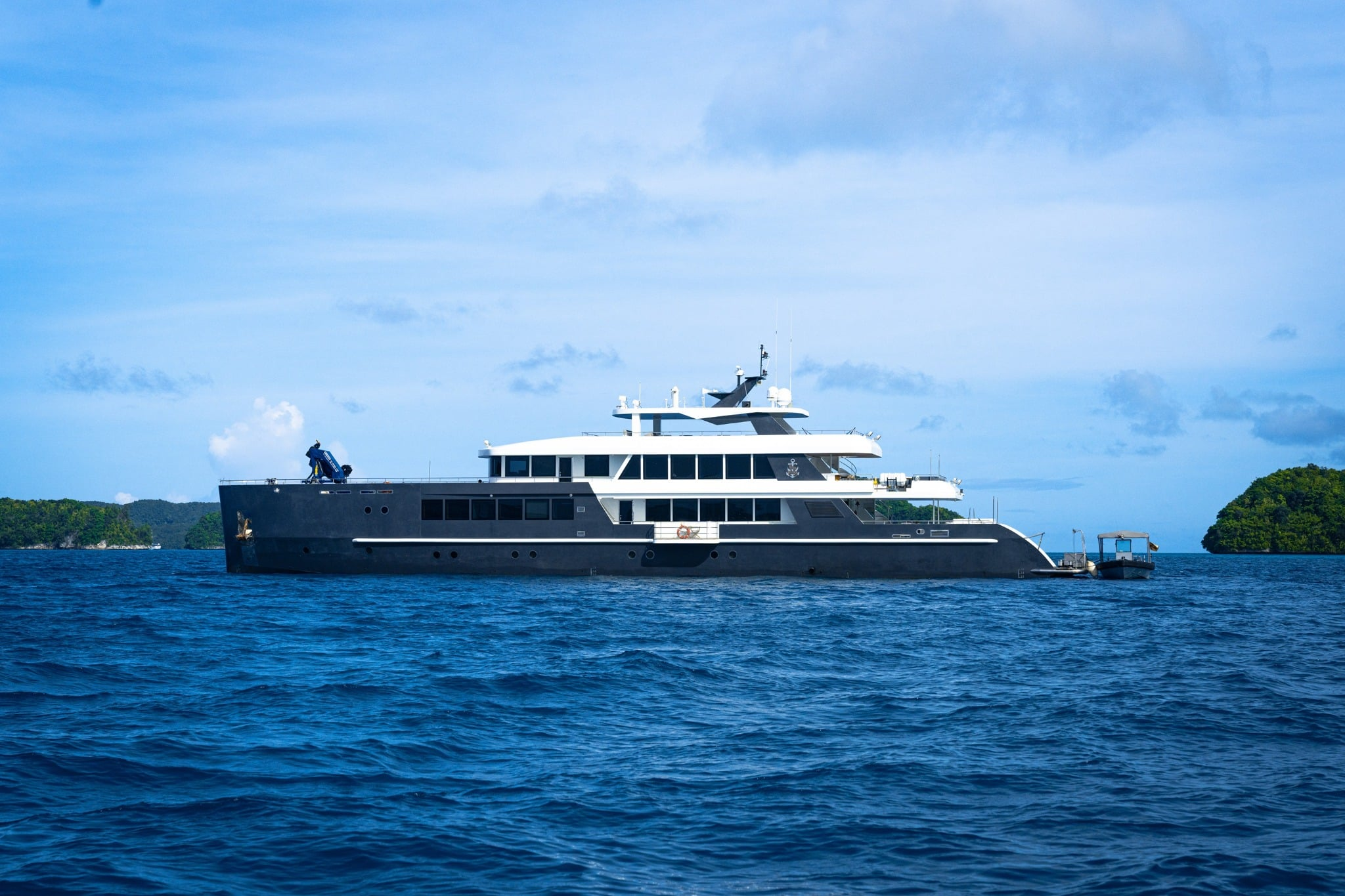 PalauBlack Pearl
from
USD
520
SAVE 10%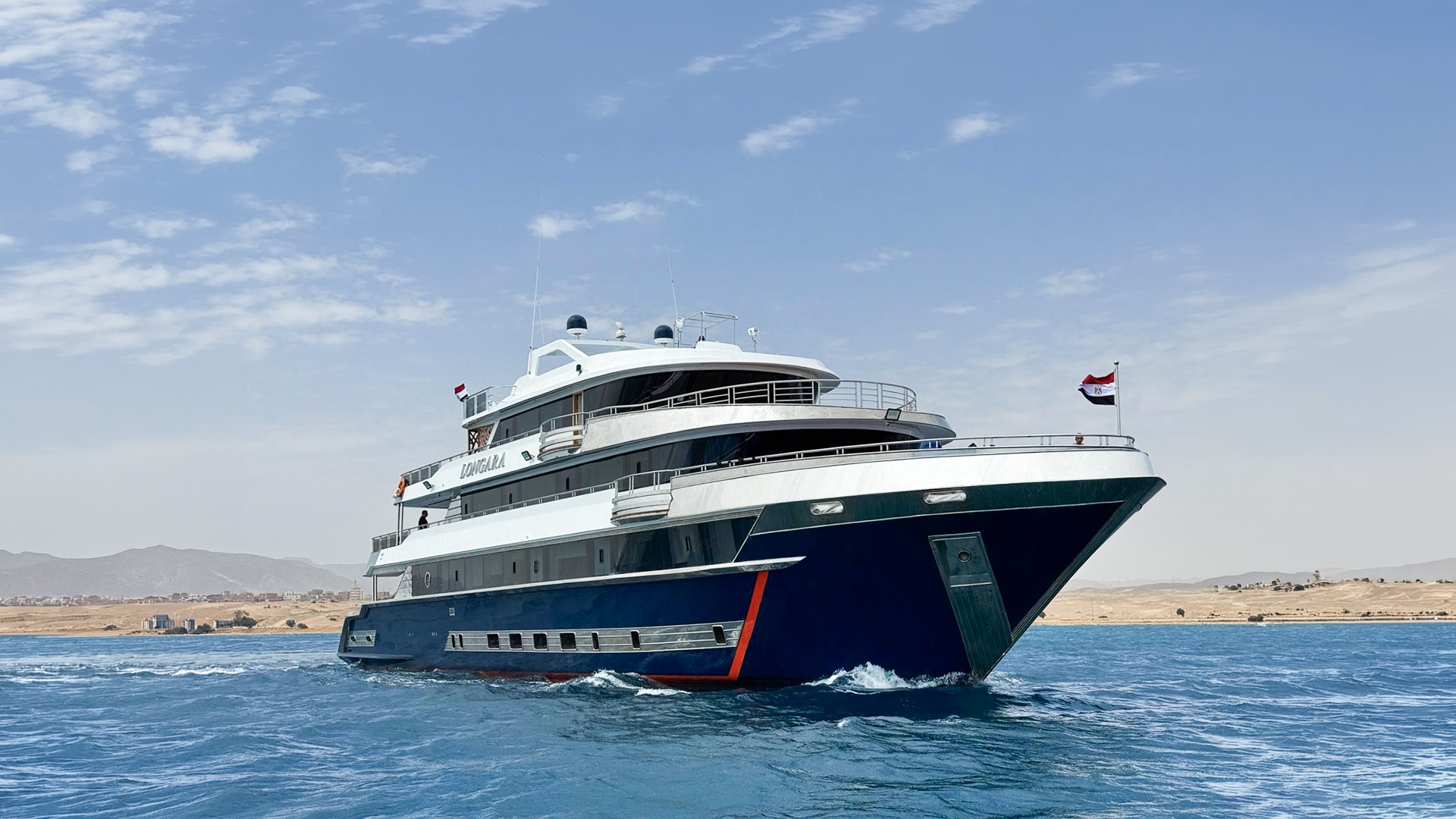 EgyptDUNE Longara/day
EgyptDUNE Longarafrom
USD
169
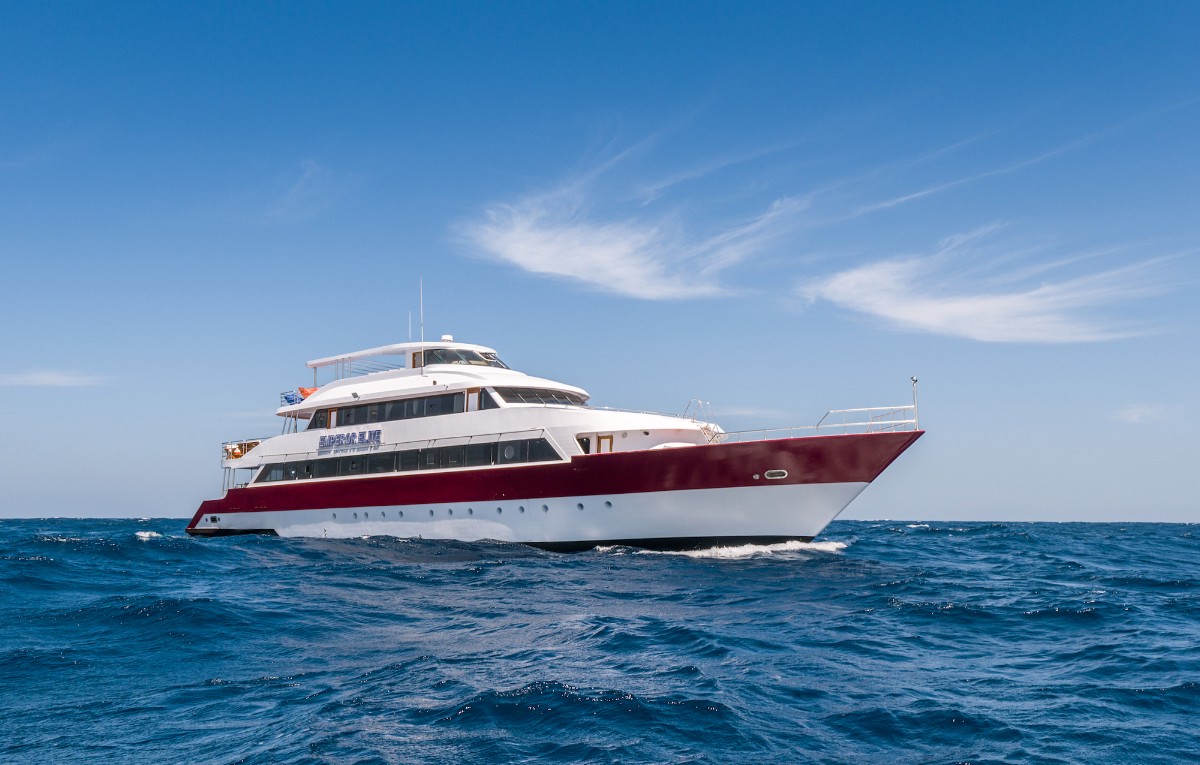 EgyptEmperor Elite
from
USD
168
SAVE 10%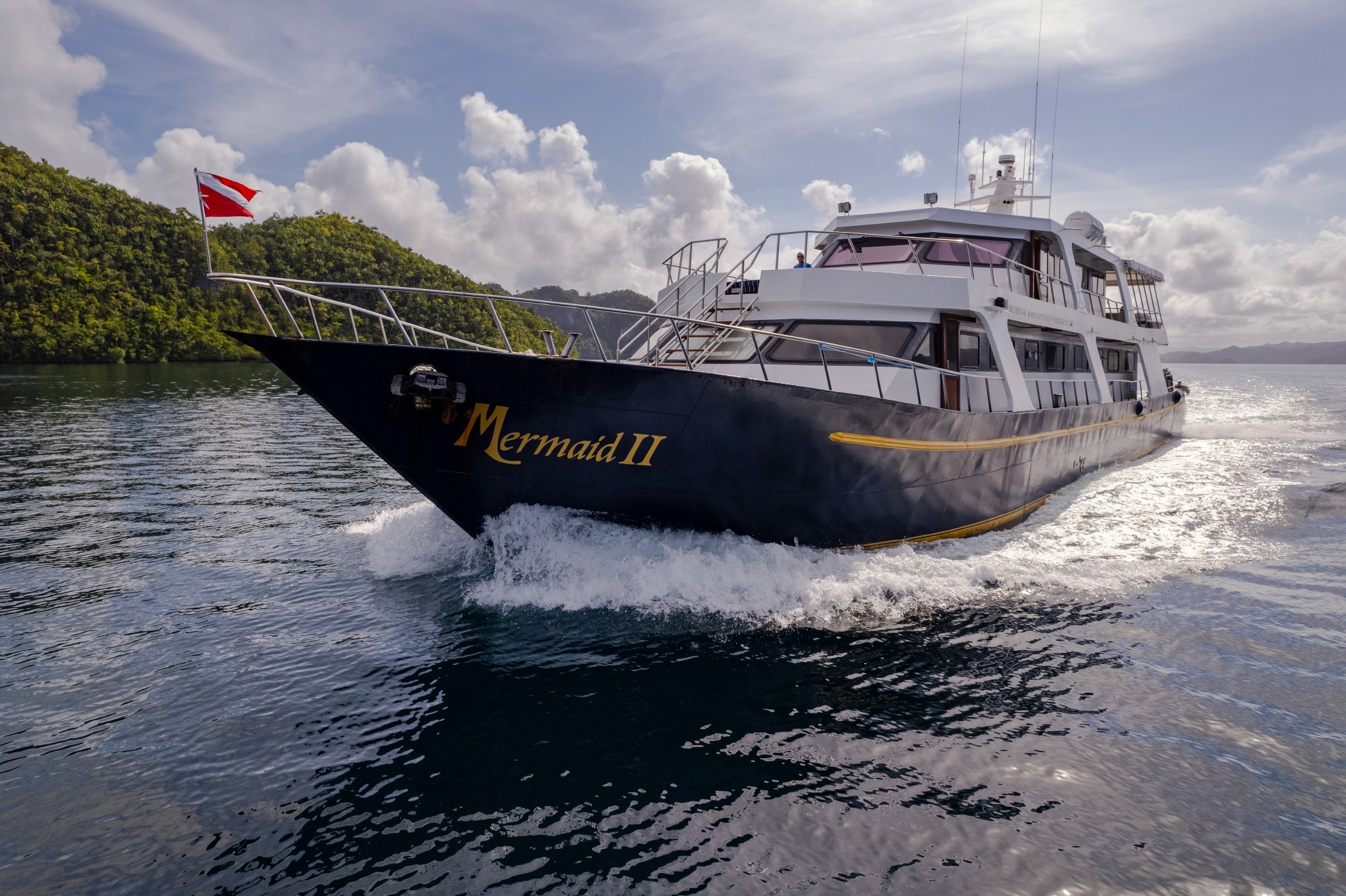 IndonesiaMermaid II/day
IndonesiaMermaid IIfrom
USD
387
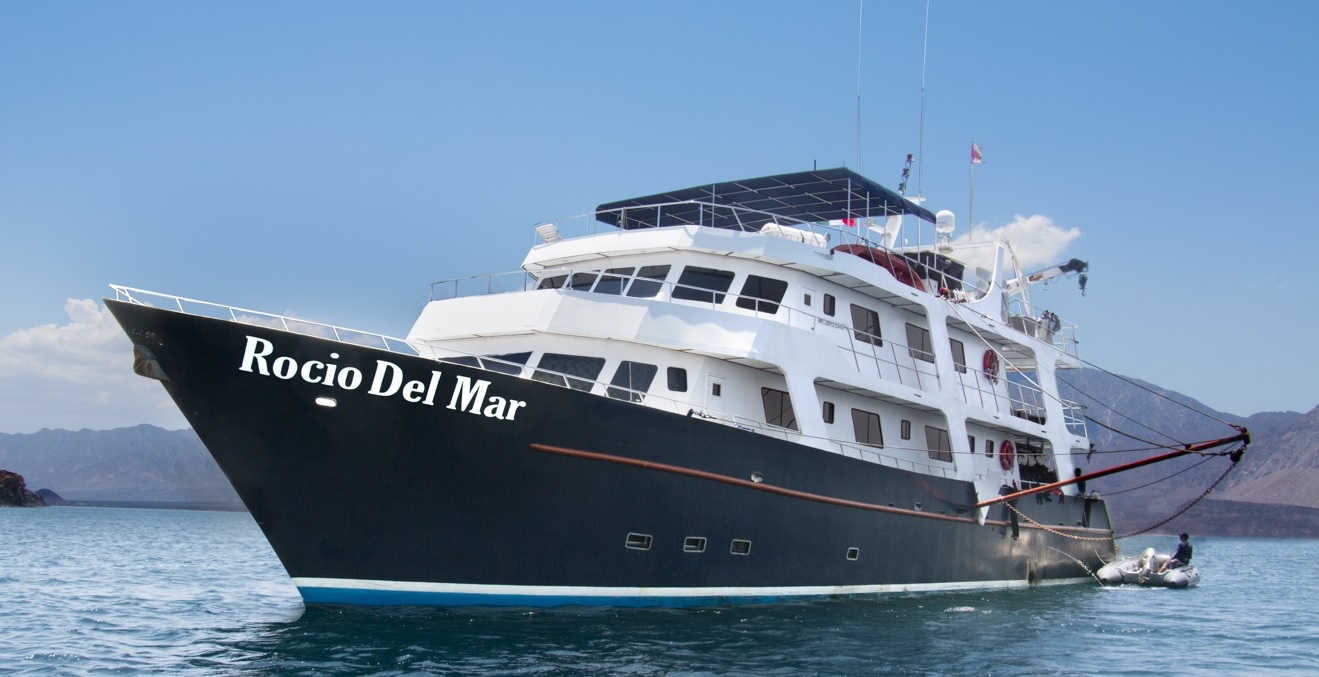 MexicoRocio del Mar
from
USD
391
SAVE 28%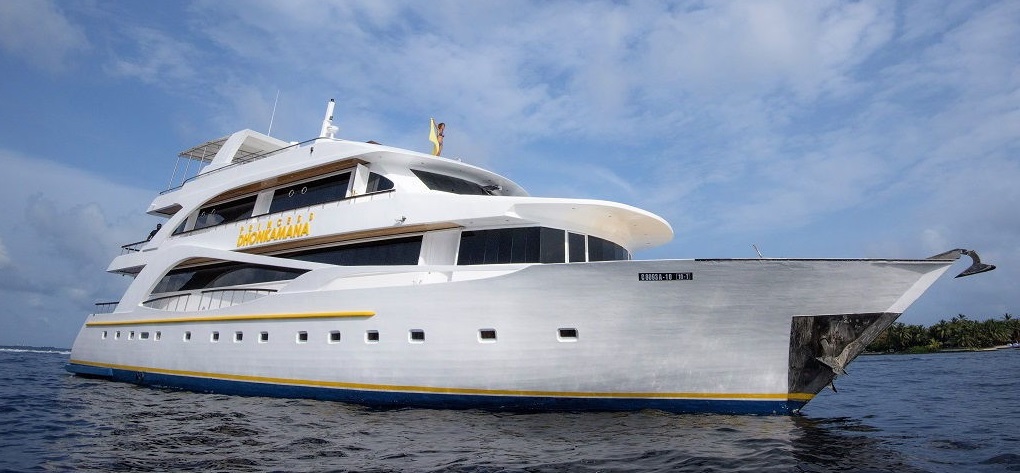 MaldivesPrincess Dhonkamana/day
MaldivesPrincess Dhonkamanafrom
USD
170
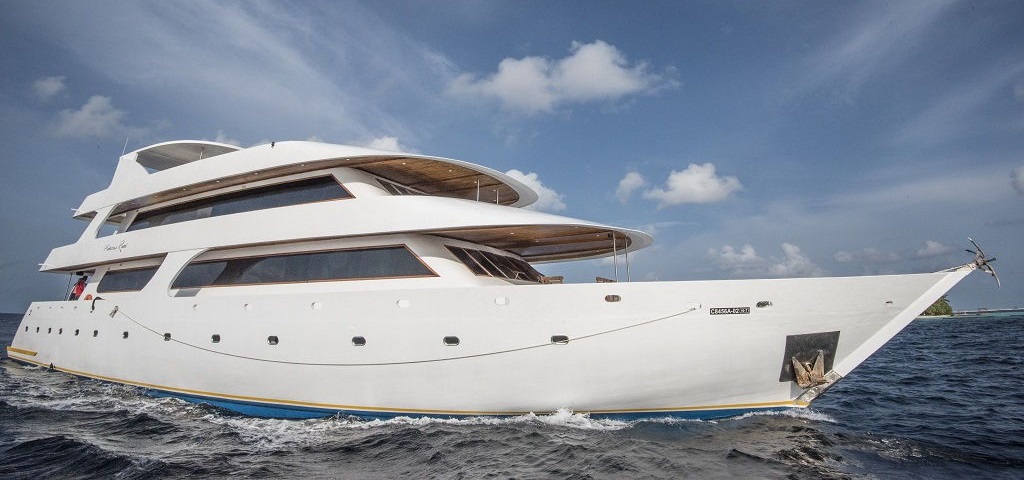 MaldivesPrincess Rani
from
USD
246
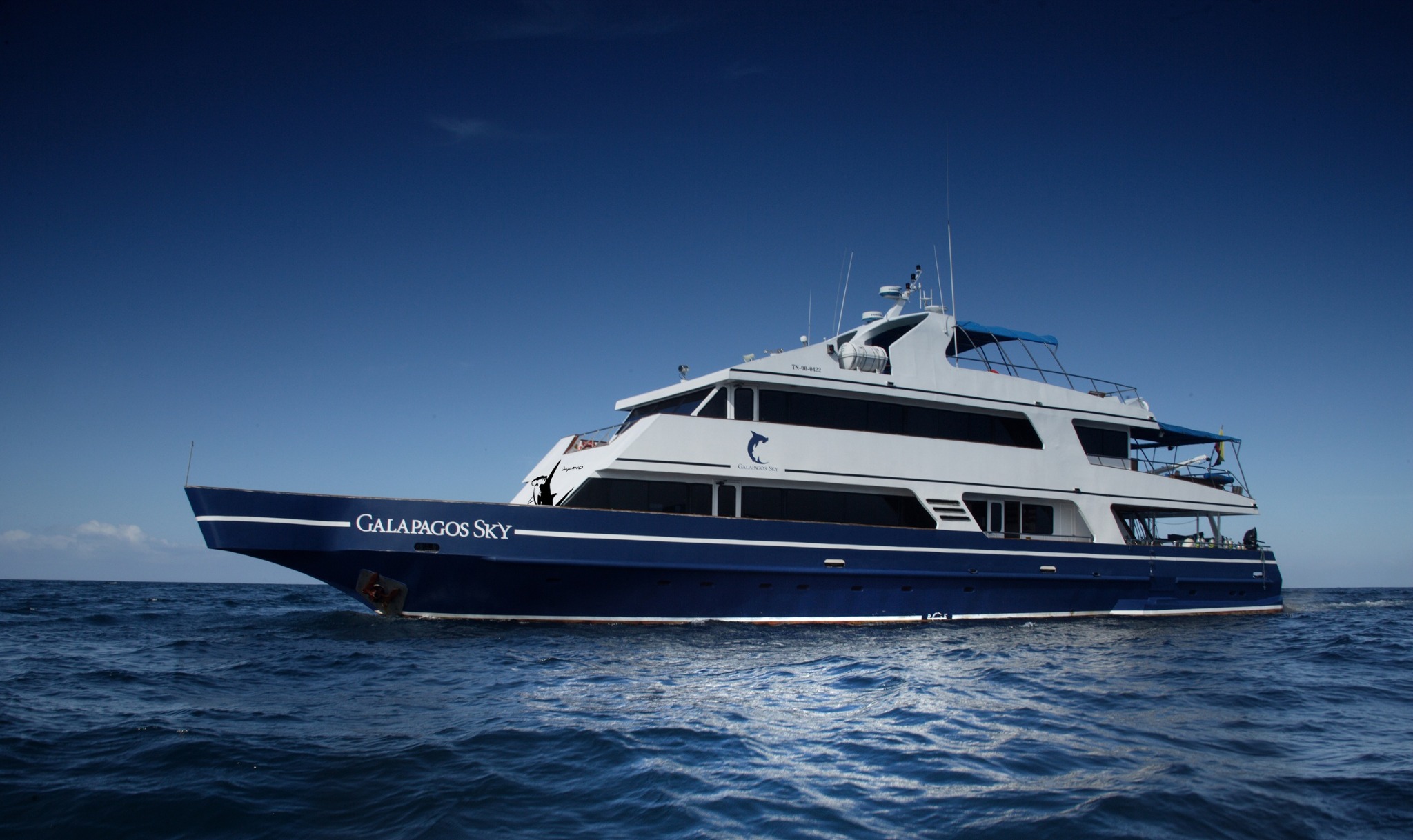 GalapagosGalapagos Sky
from
USD
936
Of course, the diving is the core of any liveaboard trip, skilled guides, well-run briefings, and the kind of sites where a thermocline can roll in like a cool curtain and a cleaning station turns into a patient theatre of movement. But you will also spend at least eight days onboard, and that makes liveaboard food more than a detail. After a satisfying dive, there is a specific kind of comfort in knowing that a warm, healthy, hearty plate is waiting, steady fuel for the next entry, and a small ritual that keeps the day feeling easy. A happy tummy makes a happy diver, especially on itineraries with multiple dives a day, when appetite and energy rise and fall with the sea.
This collection brings together boats known for food on a liveaboard that feels cared for, even within the tight reality of a working galley. Liveaboard meals are typically a mix of familiar staples and local flavours, served in a rhythm that matches the dive schedule. Expect breakfasts that work with early starts, lunches that restore you without slowing you down, and dinners that settle the body after a full day in salt water. Between dives, snacks on liveaboards often appear at exactly the right moment when you are rinsing gear, logging depths, and the reef is still humming in your head.
Food options differ between budget and luxury liveaboards, and the difference usually shows up in variety, presentation, and service rather than sheer quantity. On budget boats, liveaboard buffet vs plated meals is often the clearest distinction: meals are commonly buffet-style, hearty, and practical home-style cooking designed to keep divers going, sometimes with repeating dishes and a tighter ingredient range. On higher-end vessels, liveaboard dining tends to be more paced and refined, with a dedicated liveaboard chef and dinners often served plated, sometimes across multiple courses. The goal is the same fuel and comfort, but the experience becomes more restaurant-like, with more variety and a calmer sense of occasion
This collection brings together boats known for food on a liveaboard that feels cared for, even within the tight reality of a working galley. Liveaboard meals are typically a mix of familiar staples and local flavours, served in a rhythm that matches the dive schedule. Expect breakfasts that work with early starts, lunches that restore you without slowing you down, and dinners that settle the body after a full day in salt water. Between dives, snacks on liveaboards often appear at exactly the right moment when you are rinsing gear, logging depths, and the reef is still humming in your head.
Food options differ between budget and luxury liveaboards, and the difference usually shows up in variety, presentation, and service rather than sheer quantity. On budget boats, liveaboard buffet vs plated meals is often the clearest distinction: meals are commonly buffet-style, hearty, and practical home-style cooking designed to keep divers going, sometimes with repeating dishes and a tighter ingredient range. On higher-end vessels, liveaboard dining tends to be more paced and refined, with a dedicated liveaboard chef and dinners often served plated, sometimes across multiple courses. The goal is the same fuel and comfort, but the experience becomes more restaurant-like, with more variety and a calmer sense of occasion
Questions and Answers
What is food like on a liveaboard?
On most trips, food on a liveaboard is served buffet-style, built around the dive day and timed so you can eat well without feeling rushed. Liveaboard meals usually cover breakfast, lunch, snacks, and dinner, with a mix of freshly prepared local and international dishes, plus fresh salads and desserts that rarely last long once the plates start moving around the dining area. Some itineraries add small highlights like barbecue nights onboard or during island hopping, and on certain boats, the routine shifts into a mixed format buffet breakfast followed by plated lunch and dinner, where liveaboard dining feels a little more like a relaxed restaurant service at sea.
Snacks on liveaboards can be as important as the main meals, especially with repeated dives: pre-dive fuel-up food that sits lightly, and post-dive comfort food that restores you when you come back salt-dried and pleasantly tired. Many boats also keep coffee and tea flowing, provide unlimited water, and set out fruit throughout the day. On some trips, tropical fruit becomes its own small adventure, mango, rambutan, dragon fruit, and other unfamiliar flavours turning a simple snack into a discovery between briefings.
One of the most memorable details, when it happens, is freshly baked bread onboard. In remote islands, where provisioning is planned days ahead, pulling off warm loaves every morning feels almost unreal: plain bread, wheat bread, sourdough, baguette, and sometimes even gluten-free bread. It’s the kind of comfort that makes the whole boat smell like morning, even before the first dive.
A typical day of liveaboard food can look like this: an early light breakfast such as yoghurt and fruit salad, a second breakfast with heartier options like bacon, sausages, hash browns, beans, eggs, grilled tomatoes, mushrooms, spinach, and pastries, then lunch with soup of the day alongside antipasto meats, smoked fish platters, prawn platters, pulled beef hot dogs, cheeses, salads, and fruit. Later, afternoon tea might be something like freshly baked chocolate chip cookies, followed by dinner featuring dishes such as oven-baked salmon with mushroom risotto, sliced shiitake, toasted hazelnuts, and dessert
Snacks on liveaboards can be as important as the main meals, especially with repeated dives: pre-dive fuel-up food that sits lightly, and post-dive comfort food that restores you when you come back salt-dried and pleasantly tired. Many boats also keep coffee and tea flowing, provide unlimited water, and set out fruit throughout the day. On some trips, tropical fruit becomes its own small adventure, mango, rambutan, dragon fruit, and other unfamiliar flavours turning a simple snack into a discovery between briefings.
One of the most memorable details, when it happens, is freshly baked bread onboard. In remote islands, where provisioning is planned days ahead, pulling off warm loaves every morning feels almost unreal: plain bread, wheat bread, sourdough, baguette, and sometimes even gluten-free bread. It’s the kind of comfort that makes the whole boat smell like morning, even before the first dive.
A typical day of liveaboard food can look like this: an early light breakfast such as yoghurt and fruit salad, a second breakfast with heartier options like bacon, sausages, hash browns, beans, eggs, grilled tomatoes, mushrooms, spinach, and pastries, then lunch with soup of the day alongside antipasto meats, smoked fish platters, prawn platters, pulled beef hot dogs, cheeses, salads, and fruit. Later, afternoon tea might be something like freshly baked chocolate chip cookies, followed by dinner featuring dishes such as oven-baked salmon with mushroom risotto, sliced shiitake, toasted hazelnuts, and dessert
Dietary restrictions on liveaboards?
Dietary needs such as vegetarian, vegan, gluten-free meals, and allergies, including shellfish allergy and other food allergies on liveaboards, are usually manageable on reputable boats, as long as the operator is told in advance when trip documents or the guest form are completed. Many liveaboards cater to dietary preferences with vegan and vegetarian options built into the menu flow rather than treated as an exception. Because provisioning happens before departure and some routes are genuinely remote, it can still be sensible to bring along any specific personal snacks you rely on, especially if you need very particular brands or ingredients
What beverages are onboard?
Coffee, tea, and water are usually included. On some boats, specialty coffee from a coffee machine can be an extra charge, depending on the onboard setup. In places like Indonesia and Thailand, freshly squeezed juices and smoothies are not unusual to see on the menu. Some liveaboards include a complimentary glass of wine, beer, or a soft drink, while others keep beverages strictly non-alcoholic. Rules can also depend on the destination. There are places where alcohol is forbidden, such as the Maldives, and even where it is allowed, it’s worth remembering that alcohol and diving are not ideal companions and can increase risk in ways that are easy to underestimate after a long day in the water