Best Galapagos Liveaboards
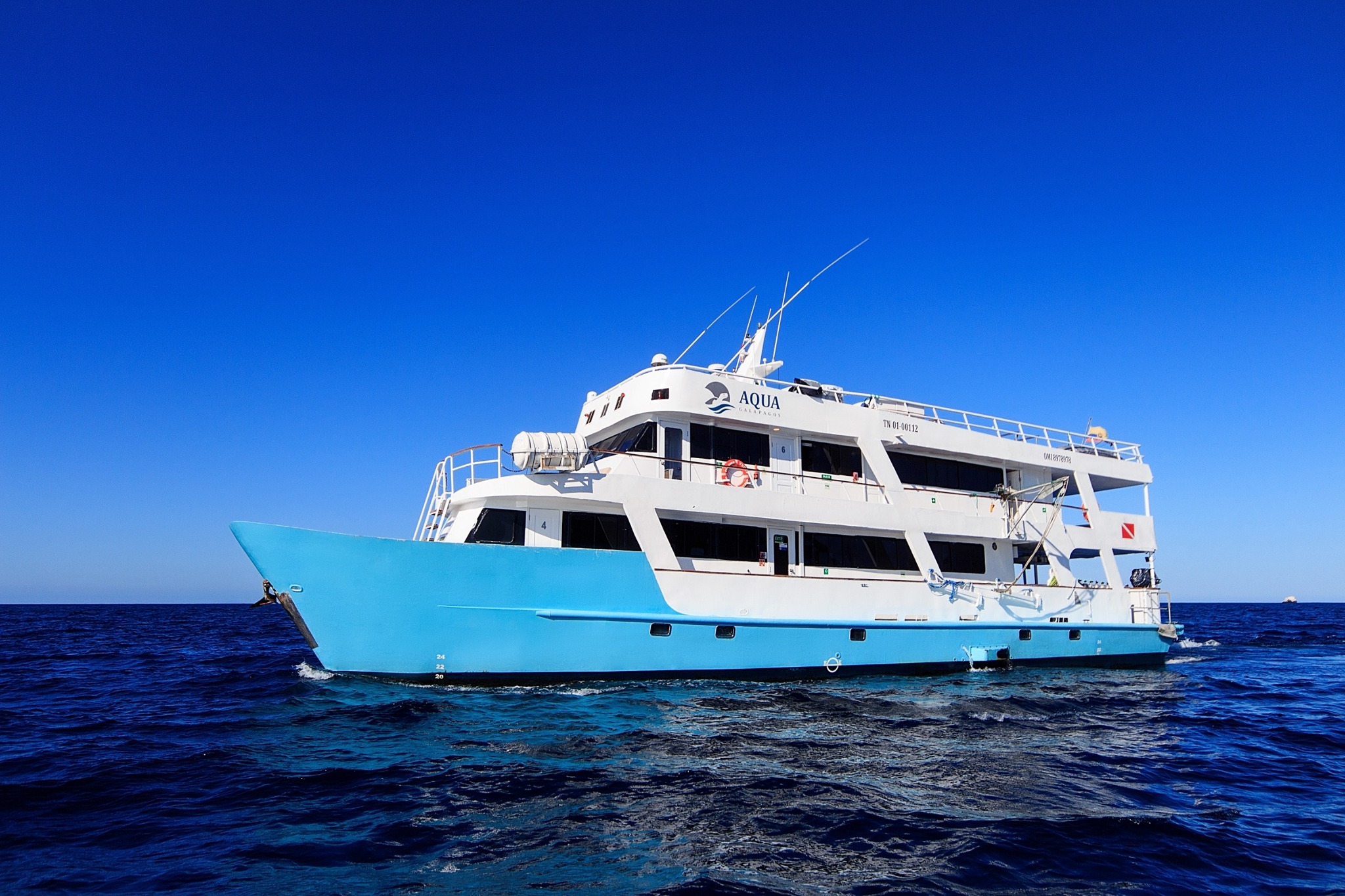 Galapagos Aquafrom
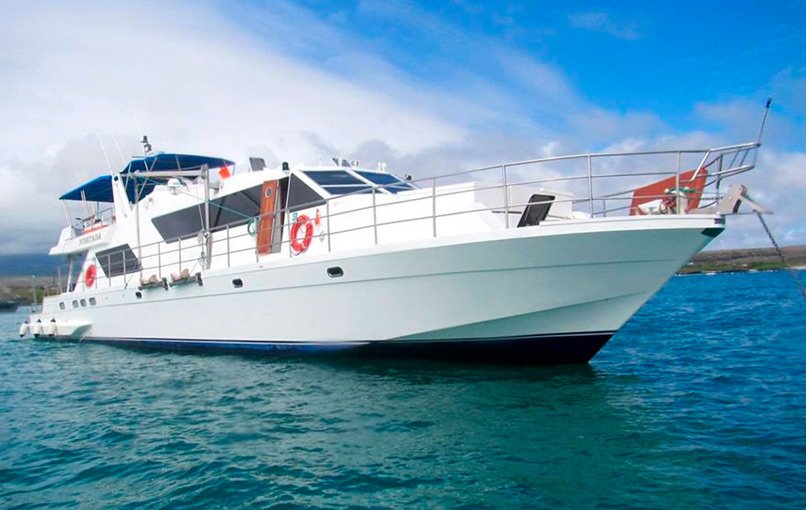 Nortadafrom
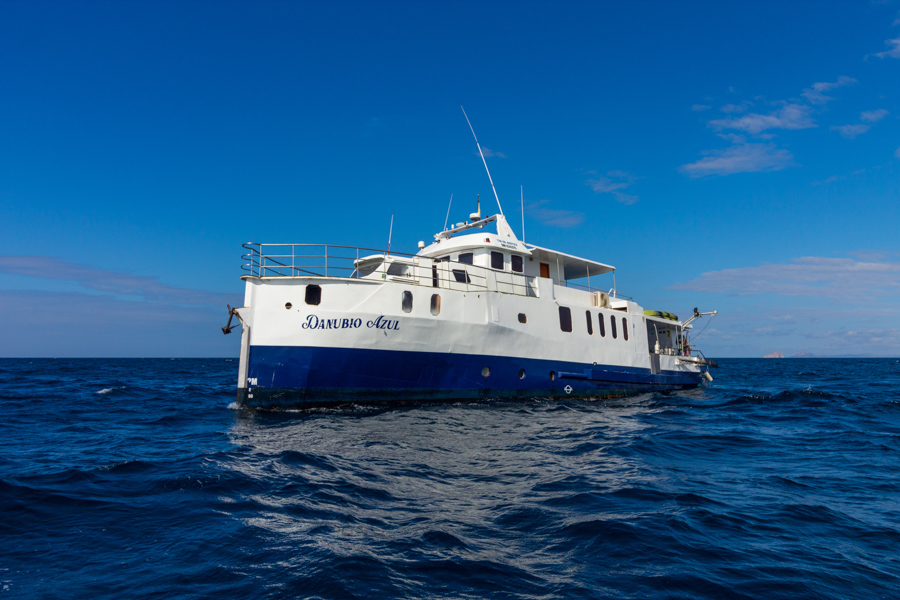 Danubio Azulfrom
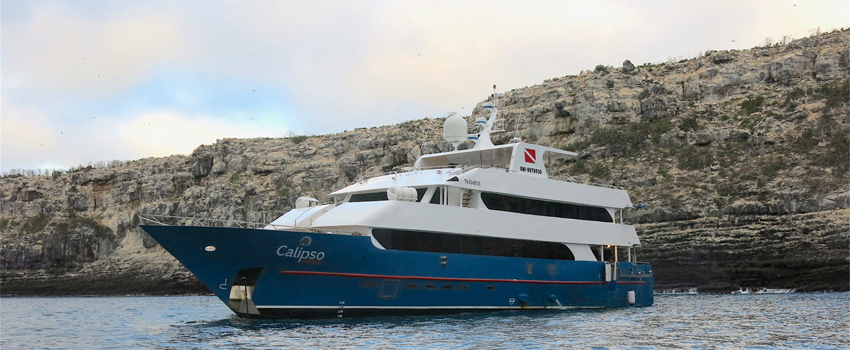 Calipsofrom
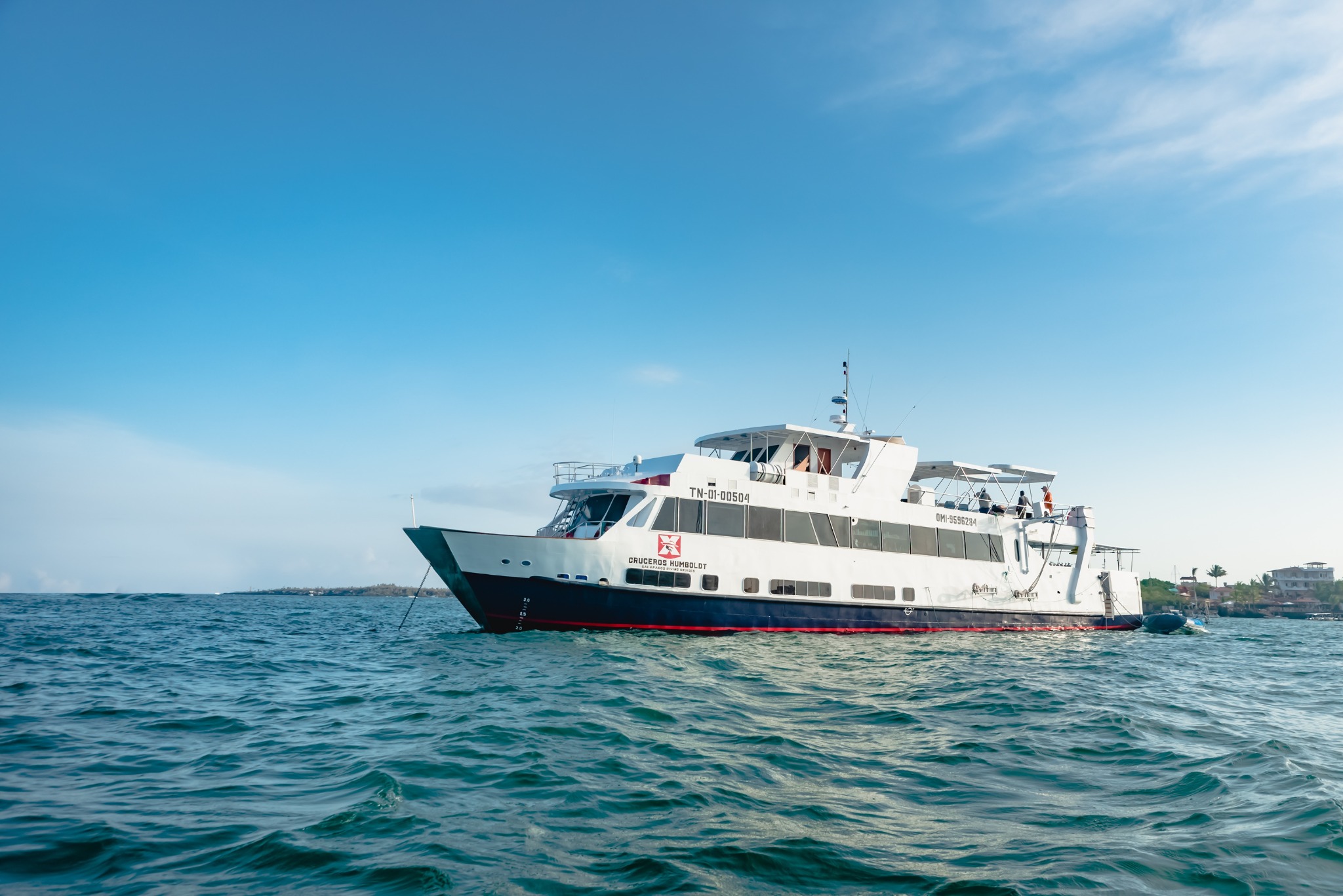
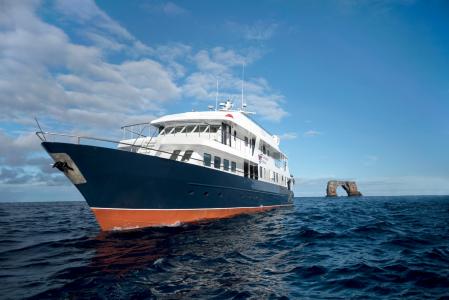



Handpicked Galapagos Selections


Liveaboard Diving in Galapagos
Spectacular Pelagic Diving
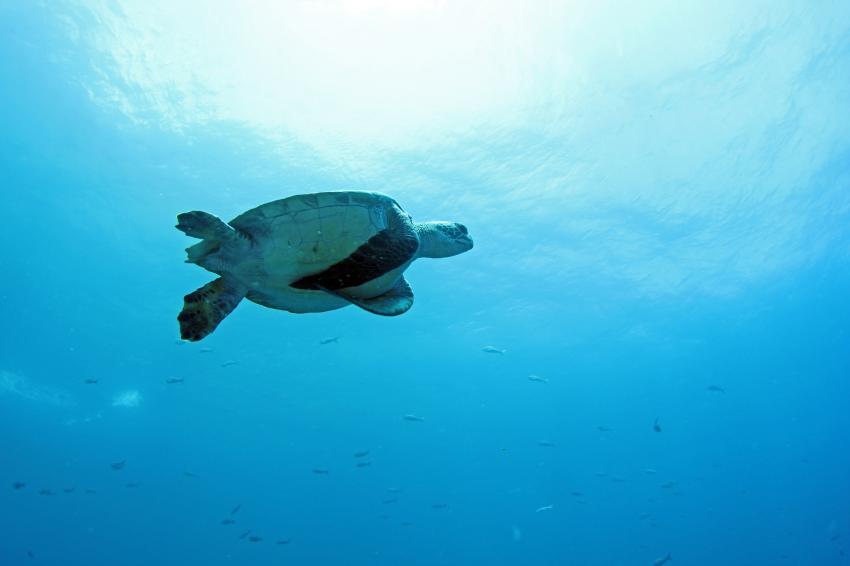
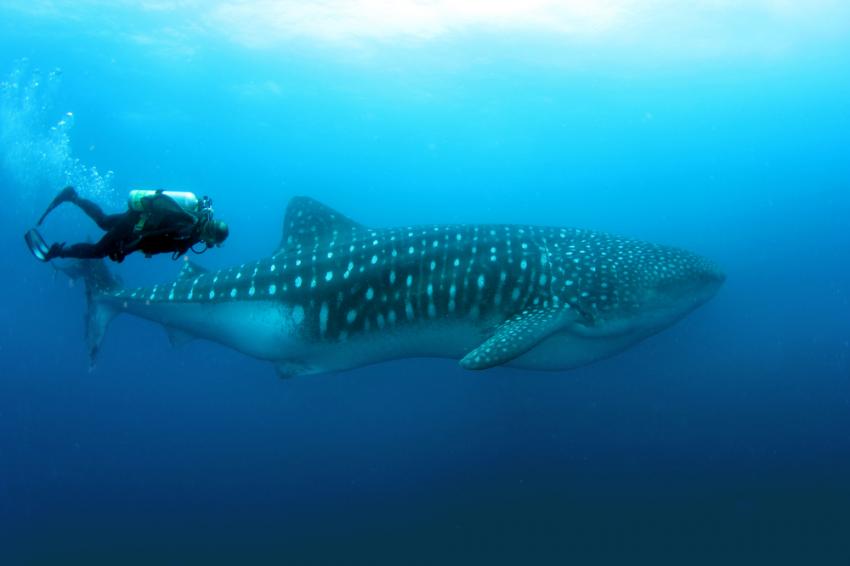
The Galápagos Islands offer some of the most spectacular pelagic diving on the planet. Here, divers drift through the blue surrounded by hundreds of hammerhead sharks while the shadow of a whale shark, the ocean’s largest fish, passes in the distance. Encounters with silky sharks, sea turtles, eagle rays, and massive schools of fish are common, especially around Darwin and Wolf. Every descent feels like entering a living ocean documentary, where marine megafauna gather in astonishing numbers thanks to the nutrient-rich currents that converge in this isolated archipelago.
Hundreds of Hammerhead Sharks and Playful Sea Lions
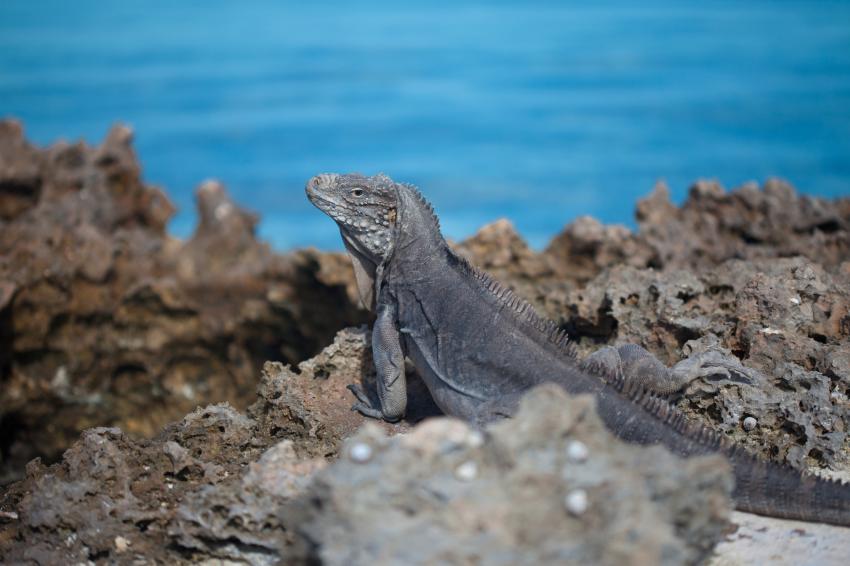
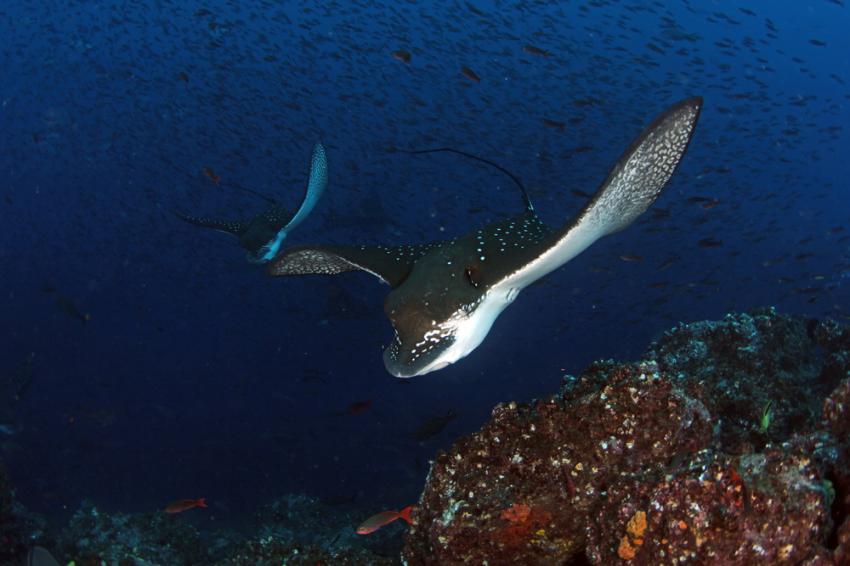
At Darwin Island, you can hover near rocky ledges and watch hammerheads form swirling walls in the current. At Wolf Island, expect Galápagos sharks cruising alongside eagle rays, while Cabo Marshall delivers close encounters with giant manta rays. Marine iguanas feed on algae below the surf line, penguins dart through the cool water, and playful sea lions turn every safety stop into a performance. Black coral gardens hide seahorses and hawkfish, and mola mola (sunfish) occasionally appear in the blue.
Endemic Paradise
The Galápagos’ isolation, 1,400 kilometers west of Ecuador, has created an endemic paradise above and below the surface. Strong, racing currents carry nutrients from three major ocean systems, fuelling one of the world’s richest marine ecosystems. Over 90 percent of the land and all surrounding waters are protected within the Galápagos National Marine Park, ensuring this unique biosphere remains pristine. This is a destination for confident, advanced divers who are comfortable with deep dives, currents, and the thrilling unpredictability of wild ocean encounters
Top Places to Dive in Galapagos
Darwin and Wolf
Every Galápagos diving liveaboard itinerary includes Darwin and Wolf's legendary sites that define the region’s reputation. These remote islands, accessible only by liveaboard boats in Galápagos, deliver the unparalleled spectacle of massive schooling hammerheads, thrilling whale shark encounters, and close passes from Galápagos sharks. Conditions can be challenging, requiring expert handling of strong current and surge, but the immense payoff makes the exhilarating drift dives truly worthwhile. It is here, at the famous Darwin’s Arch (now just the pillars, but retaining its reputation), that the oceanic biomass reaches its zenith, where you’ll find yourself sharing the blue with silky sharks, marbled rays, and large tunas patrolling the dramatic pinnacles. Divers often return to the surface exhilarated, still surrounded by the sounds of playful dolphins echoing through the deep, a testament to the raw, untamed nature of this Pacific paradise. You'll sleep soundly after a day of diving in what is arguably the world’s most successful marine reserveMust See Galapagos Dive Sites
Darwin Island
Darwin Island is the undisputed crown jewel of liveaboard diving in Galápagos. Beneath the iconic natural arch, currents sweep past rocky plateaus where hammerheads, silky sharks, and jacks gather. Whale sharks often pass in the blue between June and November, making this one of the most exhilarating dive experiences in the world.
Wolf Island
Wolf Island complements Darwin perfectly, less vertical, but teeming with life. Here, reef sharks, Galápagos sharks, and massive schools of barracuda and tuna fill the water column. Eagle rays and turtles glide past, and between dives, pods of dolphins frequently approach the liveaboard in Galápagos, offering an unforgettable show.
Punta Carrion
Located near Santa Cruz Island, Punta Carrion is a more sheltered site that reveals the diversity of reef fish and the vibrant marine life of the central islands. This is where you’ll find frogfish, blennies, and colourful nudibranchs tucked among coral formations, offering a contrast to the larger pelagics of the north.
Cousins Rock
A favourite among underwater photographers, Cousins Rock features terraced ledges covered in black coral and sponges. Seahorses, mandarin fish, and pygmy seahorses are common here, along with eagle rays gliding overhead. The combination of macro subjects and passing pelagics makes this one of the most superb dive sites in the central archipelago
When To Go Diving in Galapagos
You can dive the Galápagos year-round; the “best” time simply hinges on why you’re travelling and how much chilly water you’re willing to embrace. The equatorial climate splits into two distinct moods. From roughly January to June, brief but impressive showers bookend bright, sunny spells, with air temperatures around 24–28°C (75–82°F). The sea softens, too: 20–25°C (68–77°F) is typical, and from January to April some sites even touch 27–28°C (81–82°F). These warmer, calmer months often deliver superb encounters with hammerhead sharks and manta rays, though whale shark sightings are uncommon.
Come July to December, the dry season takes over, with clear skies, cooler afternoons, and water that dips to 19–23°C (66–73°F) while air temperatures hover near 21–24°C (70–75°F). This is whale shark season and the most sought-after window for liveaboard diving in Galápagos, even if the lower sea temperatures add a bracing edge to each giant-animal drift. Conditions are never an exact science here: certain sites run cooler regardless of month, currents flex without warning, and visibility breathes with the plankton. Pack accordingly. On any Galápagos liveaboard or Galápagos scuba liveaboard, bring exposure protection to span the full range you’re likely to meet so you can focus on the show rather than the shivers
Frequently Asked Questions About Galapagos
Can beginners dive in Galápagos?
For beginners, the focus should be on land-based day trips originating from islands like Santa Cruz and San Cristóbal. These operators specialize in guiding you to sheltered bays and calmer sites. If you don't have a license, you can complete a Discover Scuba Dive (DSD) no prior certification needed! under the direct supervision of an instructor. Even in these milder areas, you'll be rewarded with incredible sightings of approachable sea lions, curious rays, and whitetip reef sharks. For those who already have their basic Open Water (OW) certification, day trips offer a thrilling experience where the famous wildlife, including hammerheads, can be spotted, though conditions here can be less predictable
Do sharks visit the Galápagos Islands?
Yes, sharks are not only visitors to the Galápagos Islands, but they are also permanent residents and key players in the archipelago’s thriving marine ecosystem. The region is one of the few places on Earth where divers can observe such extraordinary shark diversity in a single trip. Over 30 shark species have been recorded here, many of them thriving under the full protection of the Galápagos Marine Reserve, one of the largest in the world.
At the northern islands of Darwin and Wolf, the water can seem almost alive with sharks. Schools of scalloped hammerhead sharks (Sphyrna lewini) glide through the blue in mesmerizing formations, sometimes hundreds strong, while solitary great hammerheads occasionally appear, moving with quiet dominance. Galápagos sharks (Carcharhinus galapagensis), the region’s namesake species, are commonly seen patrolling reef edges and channels, often accompanied by silky sharks and blacktip reef sharks. During the cooler, nutrient-rich months from June to November, enormous whale sharks, the ocean’s largest fish, migrate through these deep blue waters, feeding on plankton.
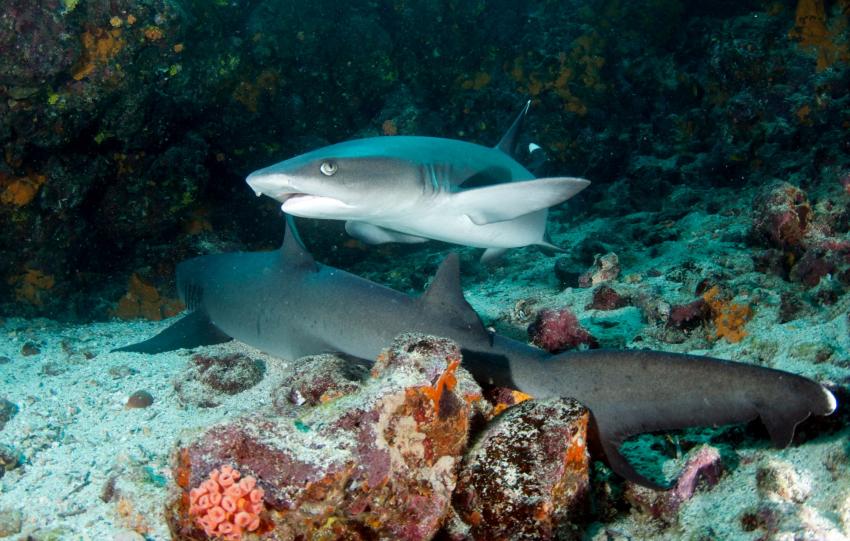
Reef systems and volcanic slopes host a variety of smaller but equally captivating species. Whitetip reef sharks rest under coral ledges by day, while grey reef sharks circle in the current, curious but cautious around divers. On deeper walls, divers might spot elusive tiger sharks and Galápagos bullhead sharks.
Shark behaviour in the Galápagos reflects the balance of a mature ecosystem. The sharks are unbothered by divers, maintaining natural hunting and schooling patterns thanks to strict marine protection. The islands’ converging ocean currents create a nutrient-rich environment that sustains vast numbers of reef fish, which in turn support this apex predator community.
For divers aboard a scuba diving liveaboard in Galápagos, shark encounters are the highlight of the trip. Whether hovering motionless at a cleaning station, drifting past a reef wall as a hammerhead school materializes out of the haze, or watching a whale shark cruise by with effortless grace, every moment here is a reminder of why liveaboard dive trips in Galápagos are considered among the most unforgettable diving experiences in the world
What is the best months to dive in Galápagos?
The best time for a scuba diving liveaboard in Galápagos depends on what you want to see. From June to November, cooler, nutrient-rich waters bring plankton blooms that attract whale sharks, hammerheads, and other pelagic species. The December to May season offers calmer seas, warmer temperatures, and frequent encounters with manta rays and turtles. Both periods deliver world-class diving; your choice simply depends on whether you prefer dense marine life or more comfortable conditions