HomeLiveaboards with Satelite Internet
Liveaboards with Satelite Internet
Staying Connected in the Middle of the Ocean
Select destination
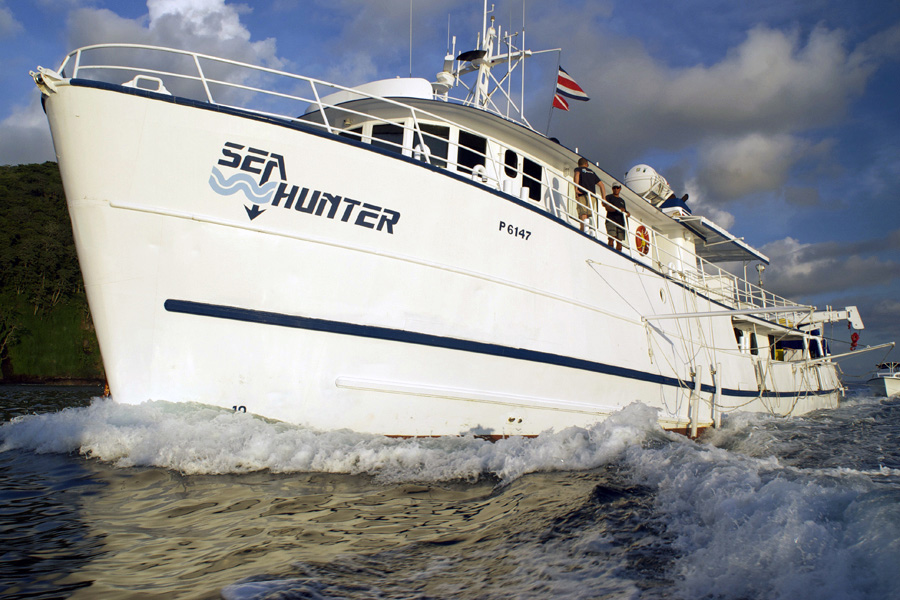 Costa RicaSea Hunter
from
USD
720

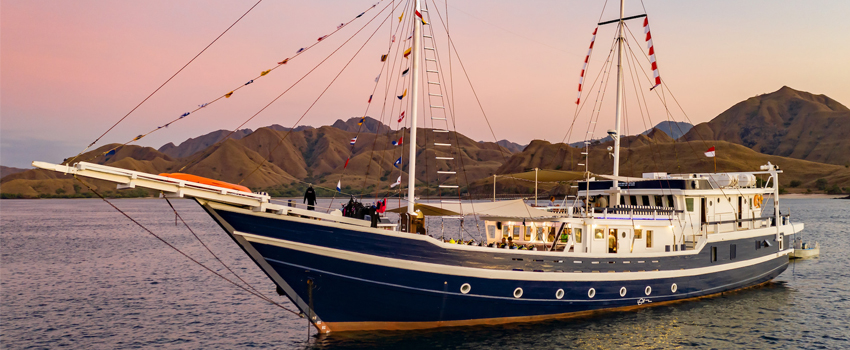
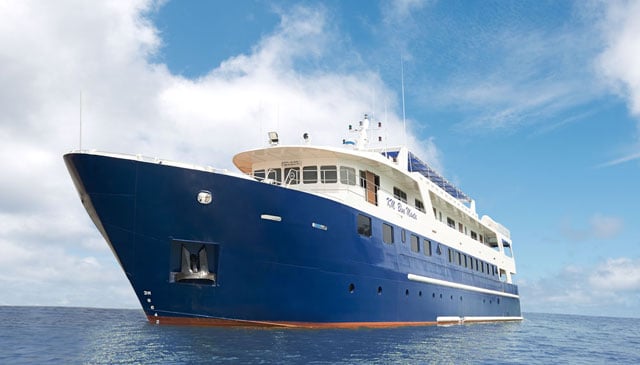 IndonesiaBlue Manta
from
USD
442
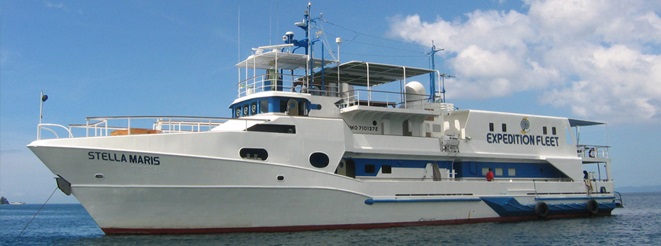 PhilippinesStella Maris Explorer
from
USD
397
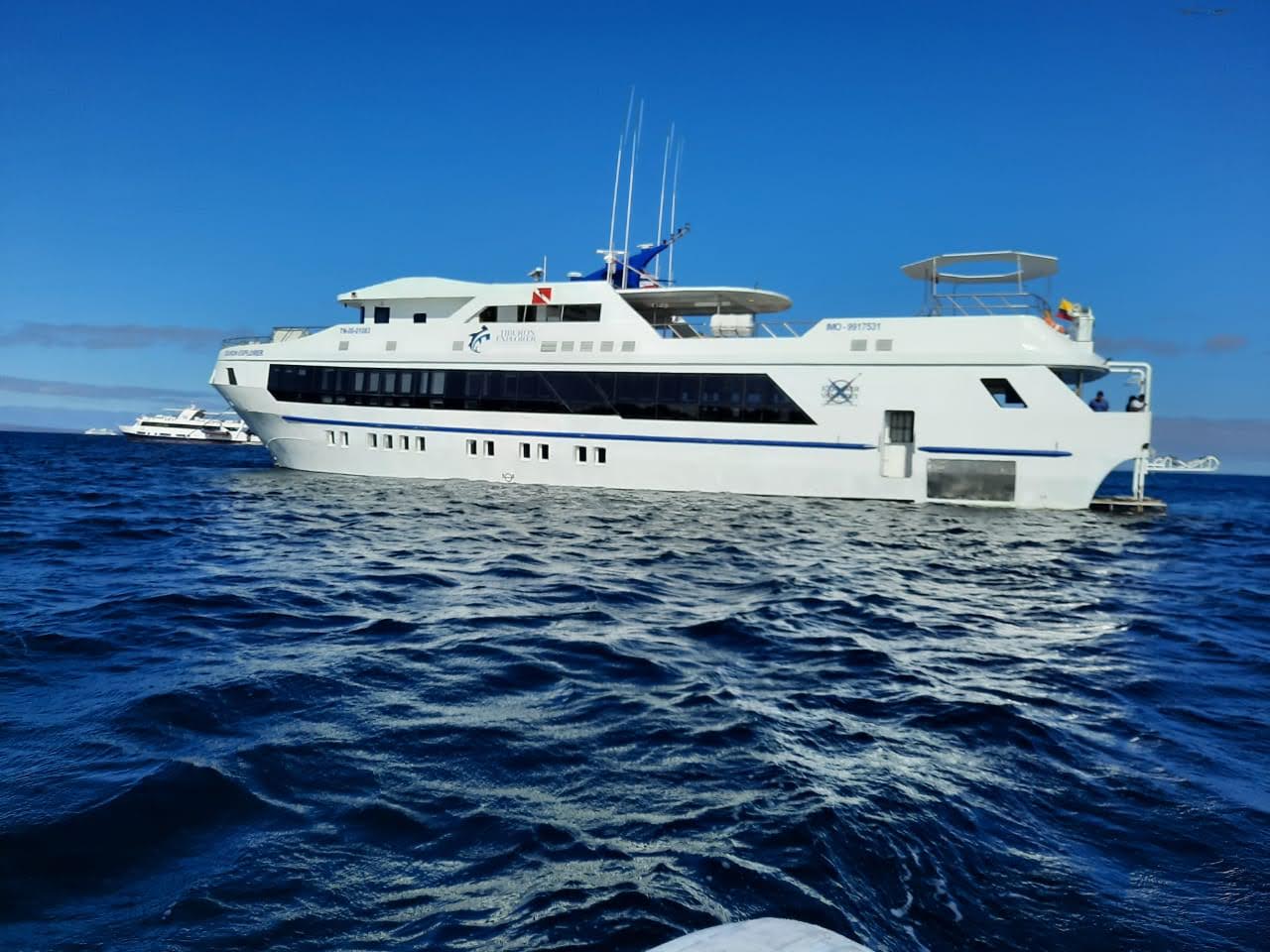 GalapagosTiburon Explorer
from
USD
924
SAVE UP TO 20%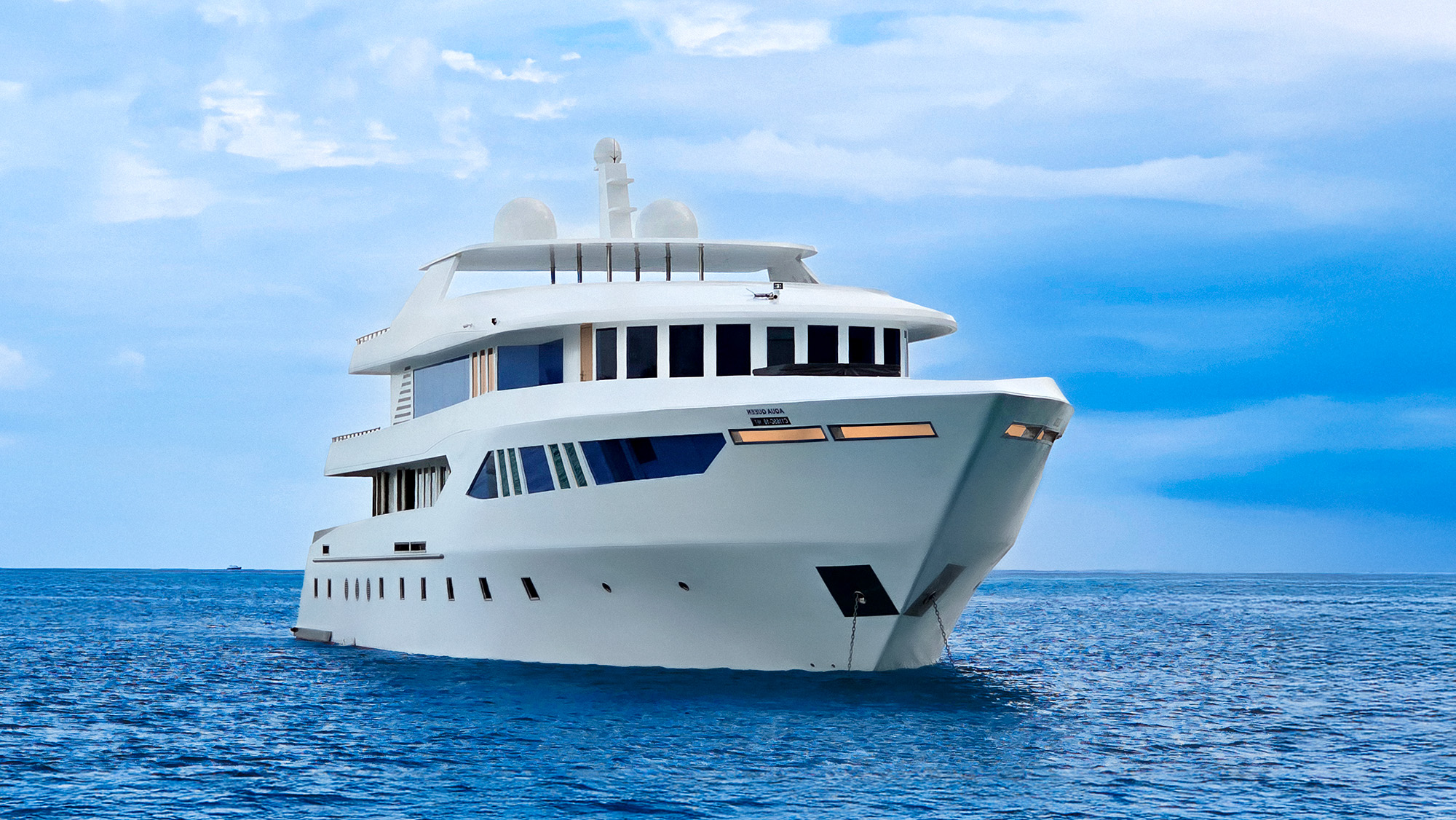 MaldivesSpirit of Maldives/day
MaldivesSpirit of Maldivesfrom
USD
279
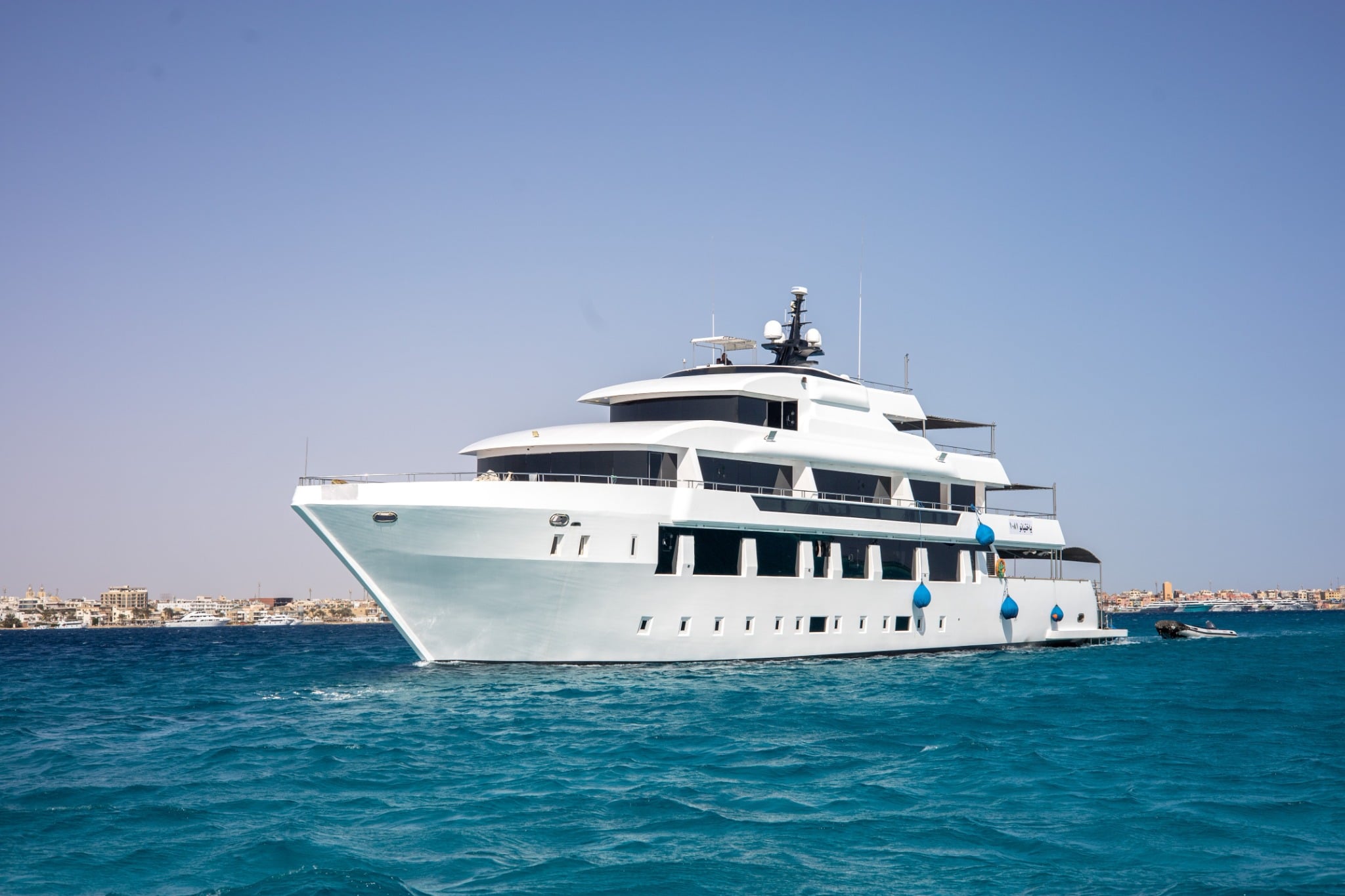

SAVE 10%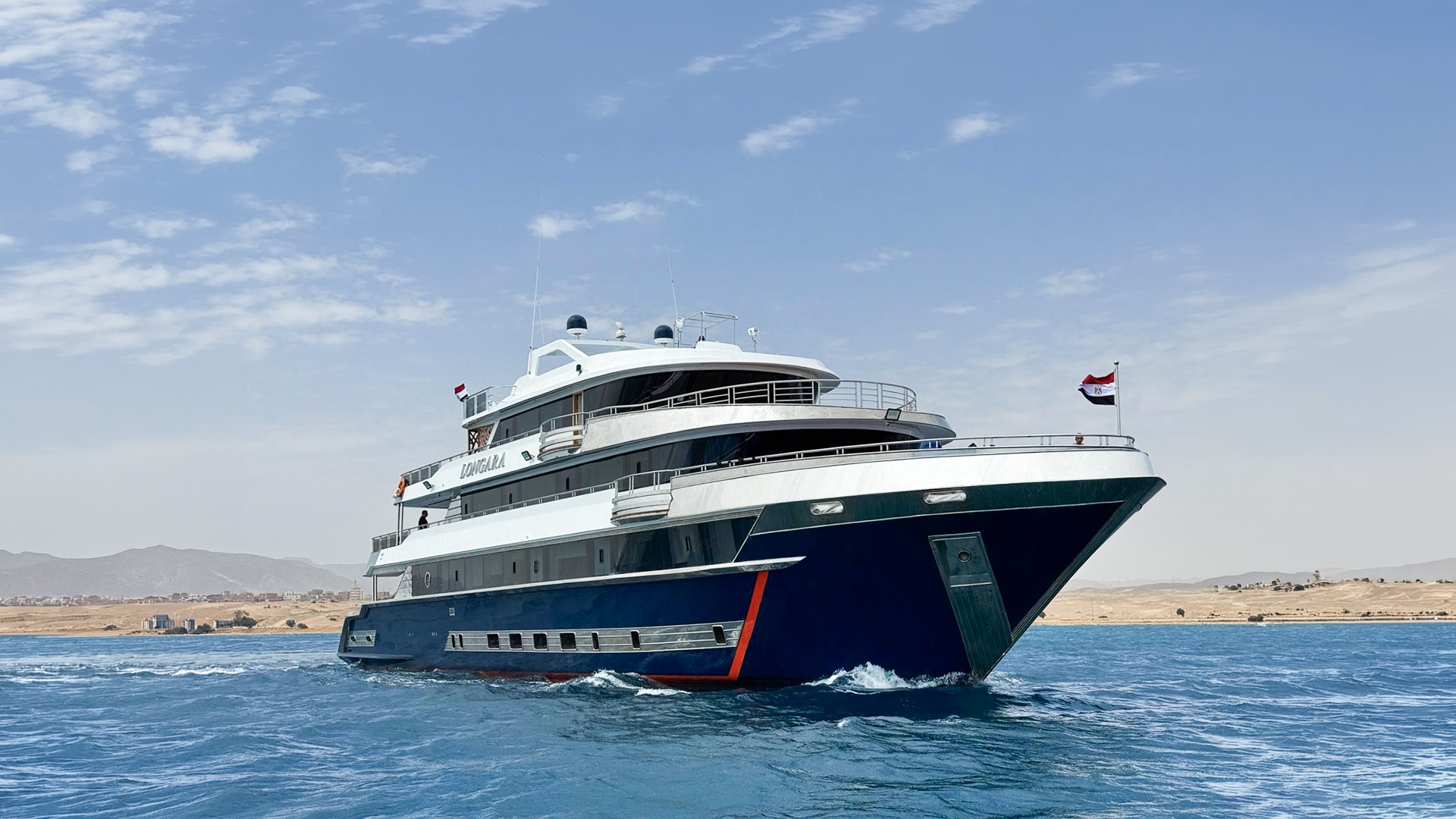 EgyptDUNE Longara/day
EgyptDUNE Longarafrom
USD
164
SAVE 5% IndonesiaPearl of Papua/day
IndonesiaPearl of Papuafrom
USD
324
SAVE 10%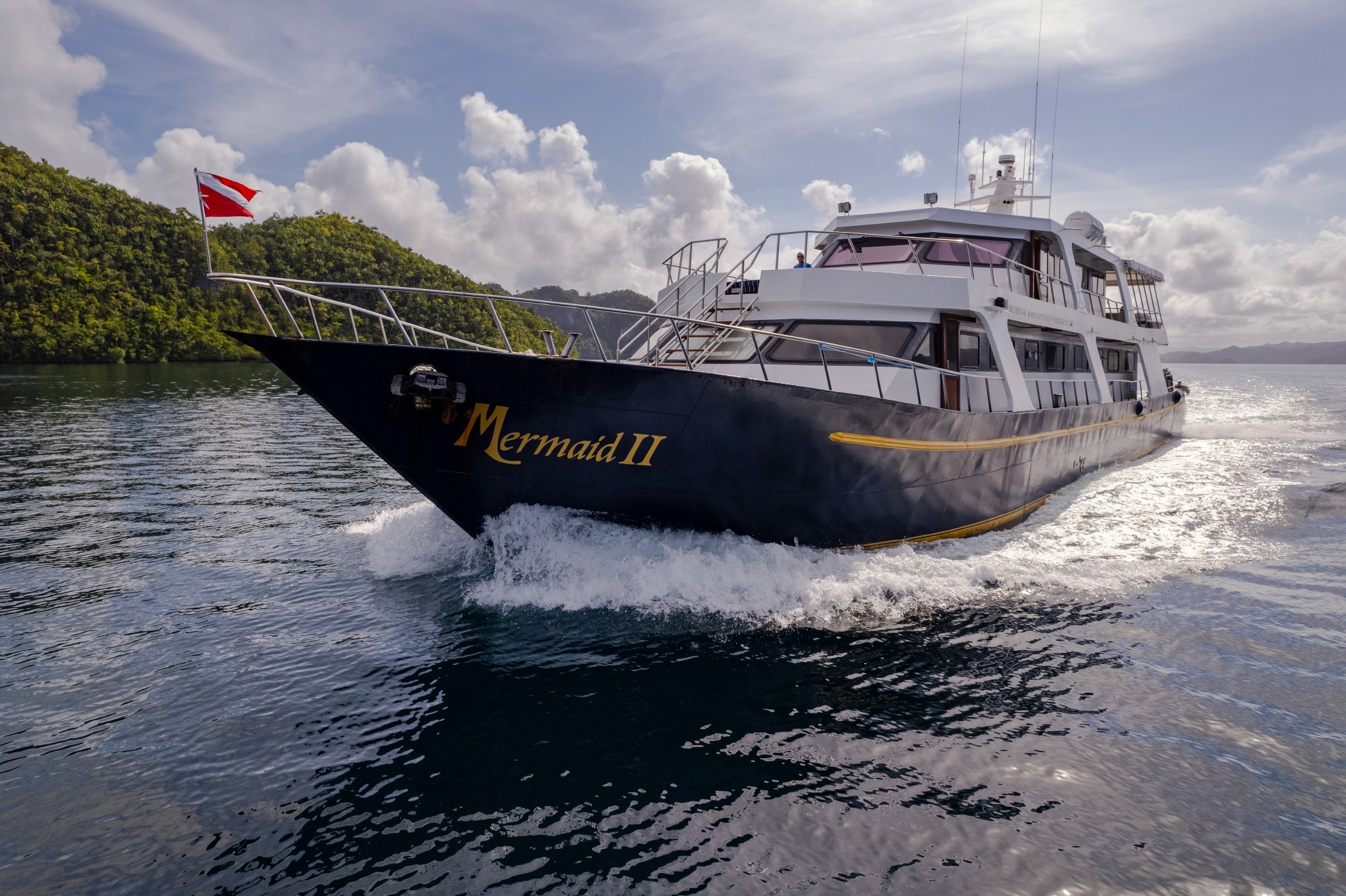 IndonesiaMermaid II/day
IndonesiaMermaid IIfrom
USD
376
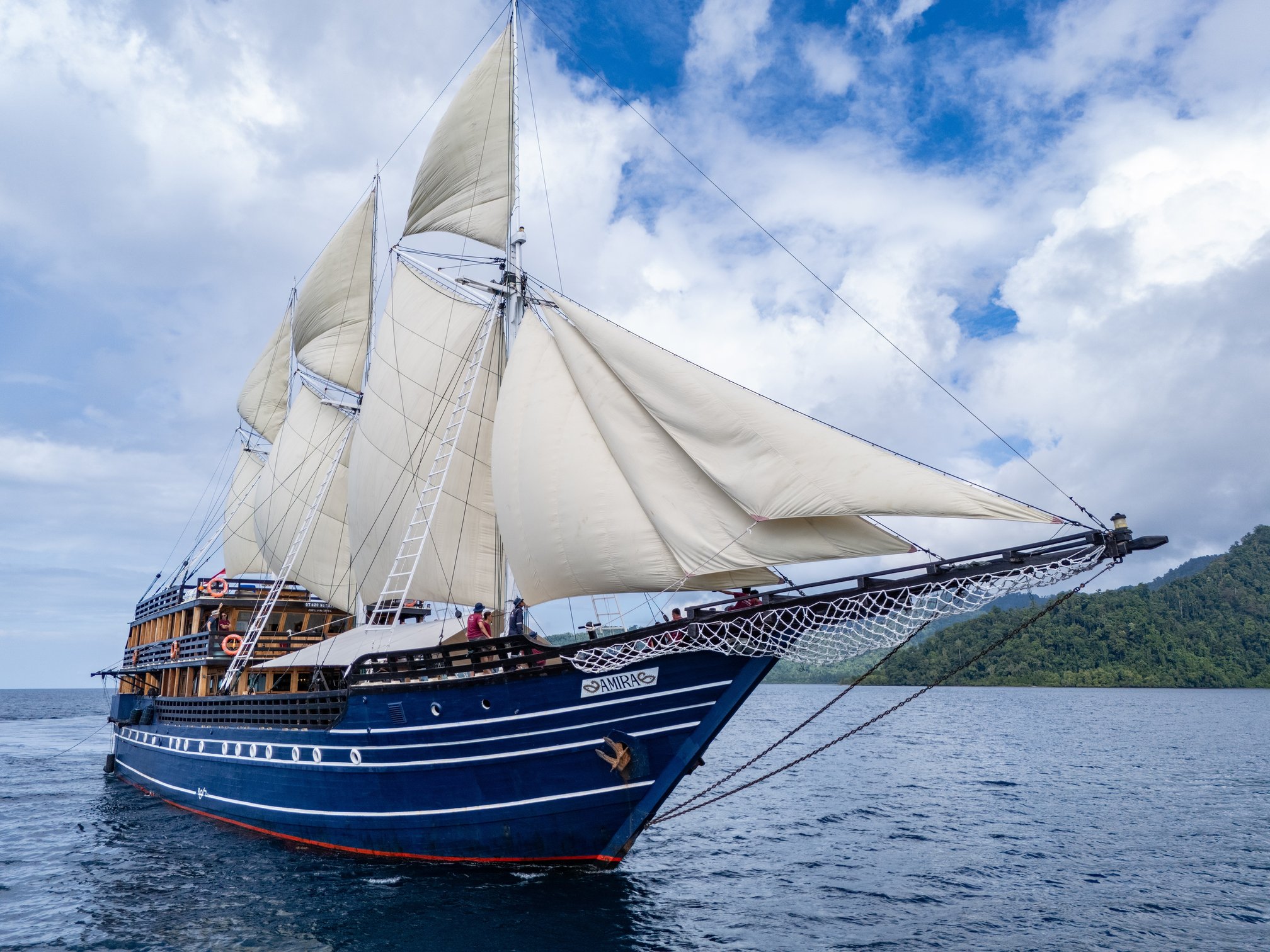
SAVE 10%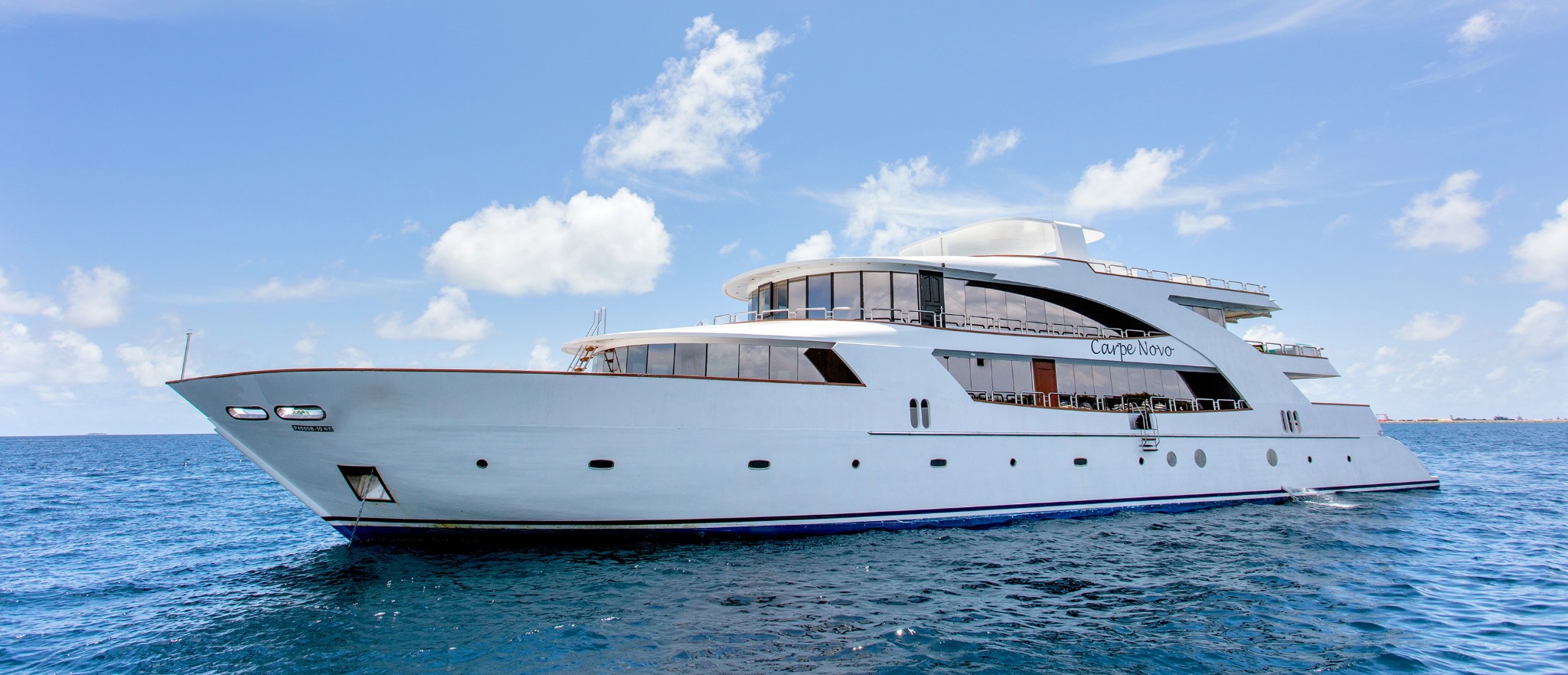 MaldivesCarpe Novo/day
MaldivesCarpe Novofrom
USD
290
 IndonesiaJelajahi Laut
from
USD
420
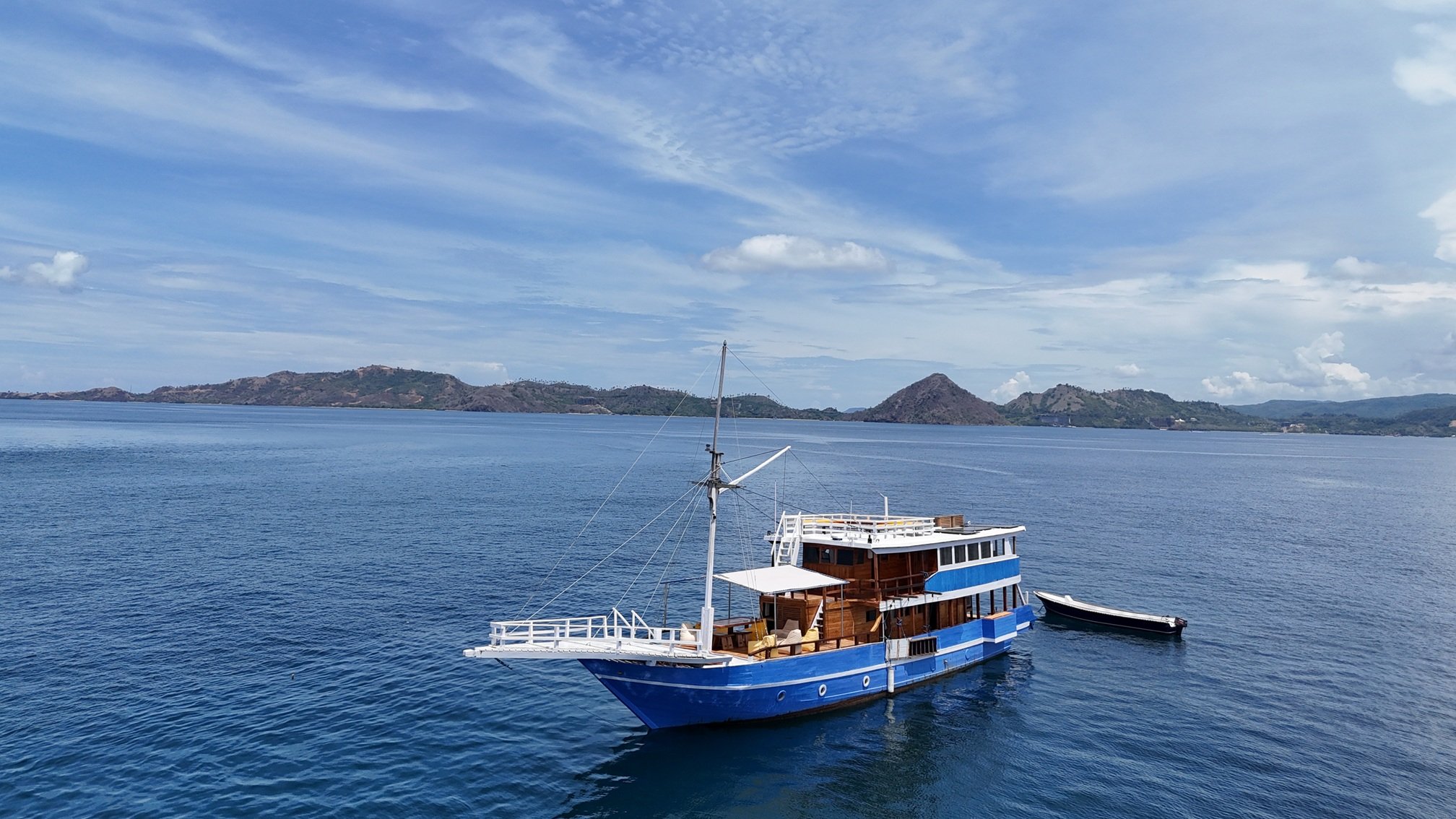

Not long ago, stepping onto a diving liveaboard in often meant going fully off-grid. No texts. No casual scrolls. No quick check-ins from a shaded deck between dives. Just open water, salt in the air, and the kind of quiet that makes the surface interval feel like a reset.
That unplugged simplicity still has its charm. But travel has shifted. Remote work is now part of everyday life, families like to stay updated, and plenty of travellers want to share the moment while it’s still unfolding — your buddy back home getting a message while you’re rinsing your camera rig, or a quick call before dinner as the boat settles into a calm anchorage.
This is where satellite internet changes the liveaboard experience. Onboard connectivity makes it easier to fit a trip into real schedules, especially if disappearing for a full week is only possible once a year. Even light internet access every few days can open the door to destinations you might otherwise postpone checking in on work, confirming a booking back home, or simply staying close to the people who matter.
Stable connection at sea is never a given, and it becomes even more challenging in remote regions such as the Galápagos or Cocos Island, where distance and open-ocean conditions complicate coverage. Even closer to the mainland, consistency can vary. As satellite internet has become more widespread, more liveaboards have started offering it onboard, bringing a practical layer of comfort to modern dive travel.
And for those who still want the full disconnect? The Wi-Fi doesn’t chase you. Turn it off. Let your phone gather dust while you watch the sea change colour at sunset, then settle into an easy evening and a night of deep sleep after a day of diving.
That unplugged simplicity still has its charm. But travel has shifted. Remote work is now part of everyday life, families like to stay updated, and plenty of travellers want to share the moment while it’s still unfolding — your buddy back home getting a message while you’re rinsing your camera rig, or a quick call before dinner as the boat settles into a calm anchorage.
This is where satellite internet changes the liveaboard experience. Onboard connectivity makes it easier to fit a trip into real schedules, especially if disappearing for a full week is only possible once a year. Even light internet access every few days can open the door to destinations you might otherwise postpone checking in on work, confirming a booking back home, or simply staying close to the people who matter.
Stable connection at sea is never a given, and it becomes even more challenging in remote regions such as the Galápagos or Cocos Island, where distance and open-ocean conditions complicate coverage. Even closer to the mainland, consistency can vary. As satellite internet has become more widespread, more liveaboards have started offering it onboard, bringing a practical layer of comfort to modern dive travel.
And for those who still want the full disconnect? The Wi-Fi doesn’t chase you. Turn it off. Let your phone gather dust while you watch the sea change colour at sunset, then settle into an easy evening and a night of deep sleep after a day of diving.
Questions and Answers
What can I realistically do with onboard internet?
Satellite internet on liveaboards is designed for staying connected, not running a full office as if you were on land. It typically supports everyday online needs such as messaging, email, posting to social media, and file uploads, with coverage often strongest in shared spaces like the air-conditioned restaurant or lounge. Video calls and streaming may be possible when conditions are favourable, but performance can vary by destination and distance from land, especially on remote itineraries
Can I share photos and videos on social media while I’m still onboard?
Yes, this is one of the standout perks of reliable internet at sea. Posting stories, sharing photos, and sending updates while the trip is still happening turns a liveaboard into something closer to a floating studio. For content creators and dive professionals, it can mean uploading files for editing back home and keeping channels current without waiting to dock. For everyone else, it’s simply the joy of sharing a moment in real time, like Komodo’s rugged silhouette at golden hour, a manta encounter you’re still smiling about, or a quick “we’re all good” call to family that makes the distance feel smaller
Is satellite internet always stable on a liveaboard?
It can be impressively reliable, but it isn’t identical everywhere. Remote destinations are inherently more challenging for consistent coverage, and even routes closer to the mainland can fluctuate depending on conditions. Satellite internet is a major upgrade for staying connected onboard, but it’s best thought of as strong “at-sea” Wi-Fi rather than a guaranteed, land-based fibre connection