- A Sport That Wasn’t Always Open to Women
- Role Models Who Shaped the Sport
- Female Divers Need to See Other Women in Diving
- Scuba Gear for Women: A Practical, Ongoing Issue
- Women Divers Still Encounter Persistent Myths
- Sexism in the Diving Industry, and the Rise of Women-Only Trips
- Women-Only Diving Trips: Separation or Choice?
- Where Things Stand Today
- So, Do Women Really Need a Separate Dive Day?
Underwater, a diver is a diver. We are people who love, appreciate, and want to protect the marine world. For many of us, the underwater world feels like a second home.
Every diver finds something different that draws them underwater, whether it is marine life, wrecks, photography, technical challenges, liveaboard diving community, or simply the experience of being beneath the surface. But the path to get there hasn’t looked the same for everyone. Women’s Dive Day marks the contributions of women in scuba diving and draws attention to the practical, historical, and cultural factors that have shaped the experience of female divers in the sport.
Quick summary:
- Women’s Dive Day 2026 date: 18 July 2026, marking the 12th annual PADI Women’s Dive Day
- What it recognizes: The history, role models, and ongoing challenges facing women divers
- Certification trend: Women now account for close to 40% of recreational-level PADI certifications worldwide, up from around 34% roughly two decades ago
- Practical focus areas: Scuba equipment for women, representation, and access to women-only diving trips
A Sport That Wasn’t Always Open to Women
The history of women in scuba diving starts from a largely male-dominated activity. In the 1940s and 1950s, professional diving roles were rarely held by women. Modern recreational scuba developed from fields historically dominated by men, including military, scientific, and commercial diving. For women who wanted to become professional divers, instructors, researchers or underwater explorers, the path was often less established.
That history is part of why Women’s Dive Day exists: it marks how far the sport has come for women divers and acknowledges that the progress didn’t happen on its own.
Role Models Who Shaped the Sport
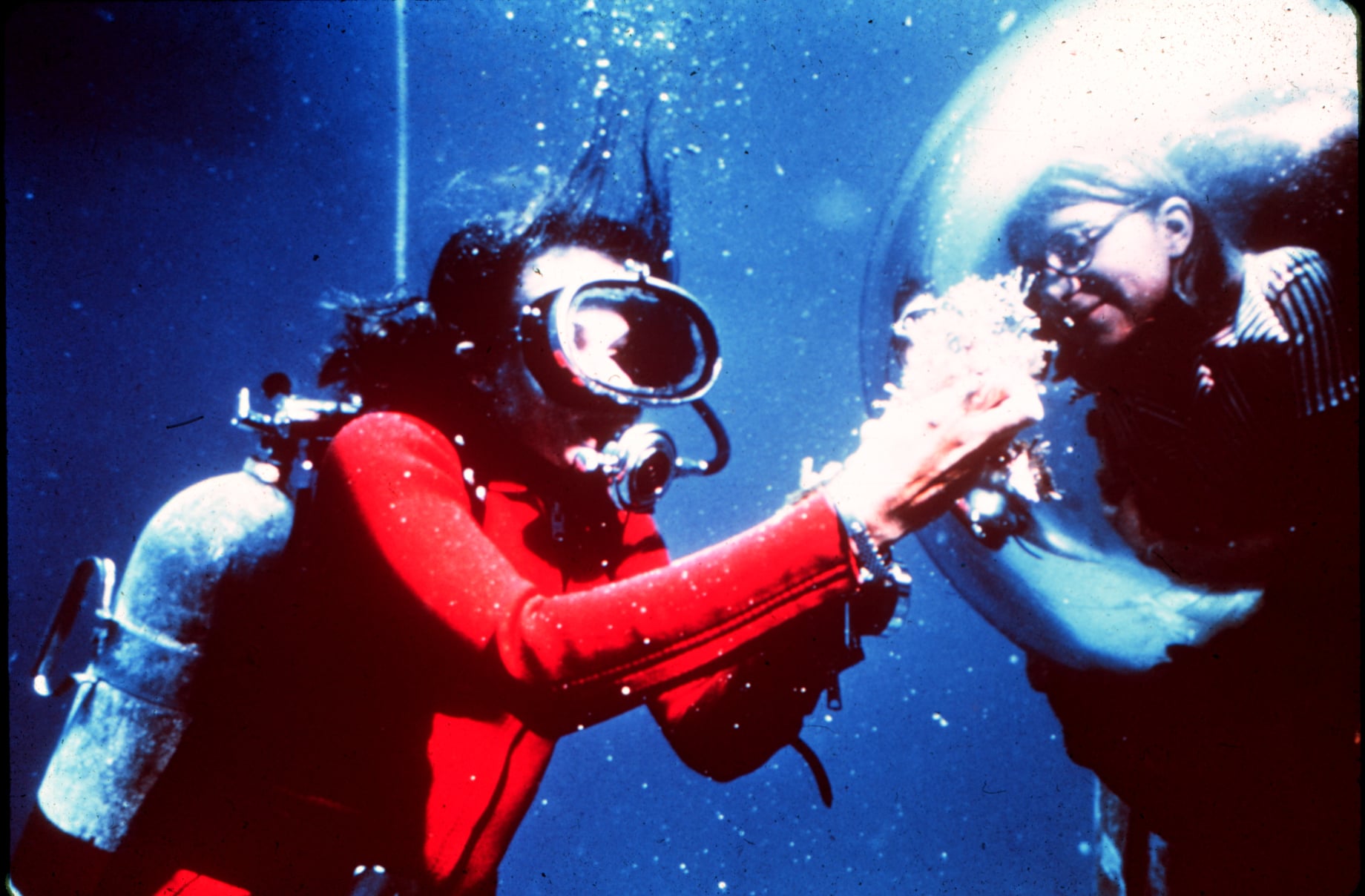
Role models matter because people are more likely to see a path as possible when they can see someone else already taking it. Divers like Dottie Frazier and Dr. Sylvia Earle are widely credited with expanding what was possible for women in diving, from early commercial diving work to marine research and conservation. Their contributions led to the creation of the Women Divers Hall of Fame (WDHOF), which recognizes women’s achievements in diving-related fields and awards scholarships and training grants to support women pursuing diving careers.
Having visible role models matters for a sport that, for decades, offered few examples of women in diving in technical or professional roles.
Female Divers Need to See Other Women in Diving
Representation is not only about celebrating well-known pioneers.
A newly certified diver may benefit just as much from meeting a female instructor, divemaster, boat captain, underwater photographer or expedition leader. Seeing women scuba divers in technical, professional and leadership roles helps make those positions feel like a normal part of the diving community rather than an exception.
This is one reason women-focused dive events can be useful even in a sport where mixed groups are the norm. They create opportunities for female scuba divers to meet other divers, find buddies, exchange experience, and build professional connections.
Women’s Dive Day 2026 continues that wider effort to make women more visible across recreational and professional diving.
Scuba Gear for Women: A Practical, Ongoing Issue
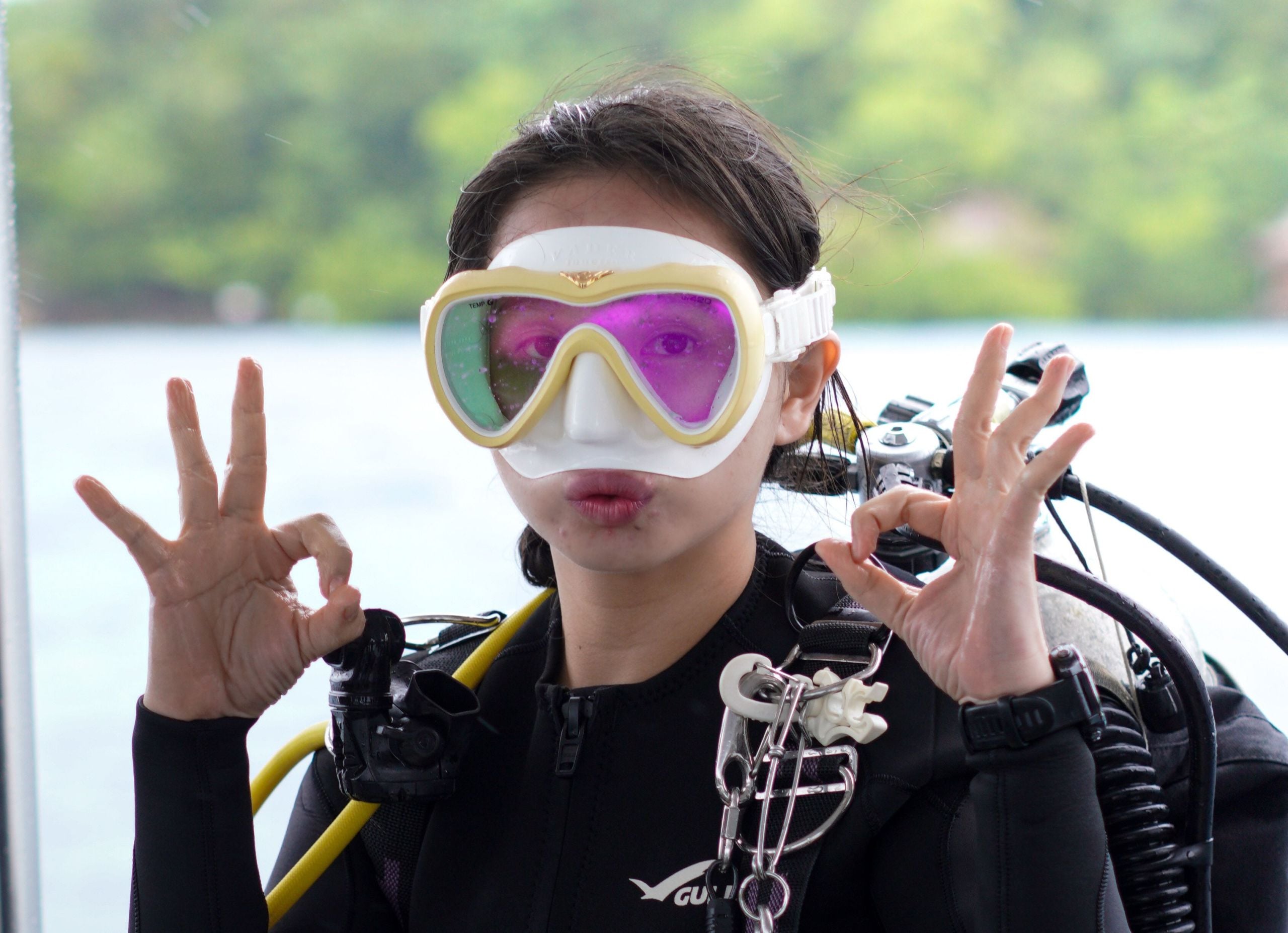
Diving equipment has traditionally been designed around a male body shape, and fit is one of the more concrete challenges female scuba divers report. This is a major reason scuba diving for women often starts with a conversation about equipment before it starts with a dive plan.
- Wetsuits, drysuits, and BCDs: Torso length, shoulder width, hip width, and chest size differ on average between men and women, which affects how unisex gear sits. Female scuba diving equipment built with these differences in mind, a BCD that accounts for shorter backs and wider hips, for example, reduces the chance of a weight belt digging into the hips over a full day of diving.
- Masks: Standard mask sizing is often built around a wider face and can struggle to form an effective seal on narrower or smaller faces, a common issue when sourcing scuba equipment for women.
- Fins: Fins themselves aren’t gendered, but sizing is. Since foot size ranges differ between men and women on average, finding a properly fitted pair can take more trial and effort.
Gear manufacturers have increasingly introduced women-specific lines to address this. Fit still varies by brand and body type, so trying on scuba gear for women before a trip is generally worth the effort rather than assuming a size will translate directly across brands.
Women Divers Still Encounter Persistent Myths
A few myths about women divers have persisted despite being reconsidered by researchers.
Decompression illness (DCI) risk: It was once assumed that women faced a higher risk of DCI than men. After decades of research, gender has not been identified as a primary factor in DCI risk; researchers now point to a broader set of physiological and environmental variables that affect any diver, regardless of sex.
Questions about menstruation and hormonal contraceptives have also generated speculation. Menstruation itself is not a reason to stop diving. The more practical question is how an individual diver feels. Pain, fatigue, headaches or other symptoms may affect comfort and performance, just as any temporary physical condition can affect a dive.
Menstruation and shark encounters: It’s commonly assumed that menstrual blood in the water increases the likelihood of a shark encounter. There is no evidence supporting this, and it isn’t considered a factor in shark bite incidents.
The broader point is simple: female divers need evidence-based information rather than myths presented as medical fact.
Sexism in the Diving Industry, and the Rise of Women-Only Trips
Attitudes in diving have generally improved, but sexism hasn’t disappeared from the industry. It can show up in different forms. Sometimes this is obvious. In other cases, it is more subtle: questioning a woman’s experience while accepting a male diver’s at face value, assuming that the man in a buddy pair is the more experienced diver, or treating technical and professional diving as unusual career choices for women.
The same problem can appear in employment. Women can build careers in recreational, scientific, technical and commercial diving, but doing so requires the same thing it requires for anyone else: training, experience and the skills required for the job.
Women-Only Diving Trips: Separation or Choice?
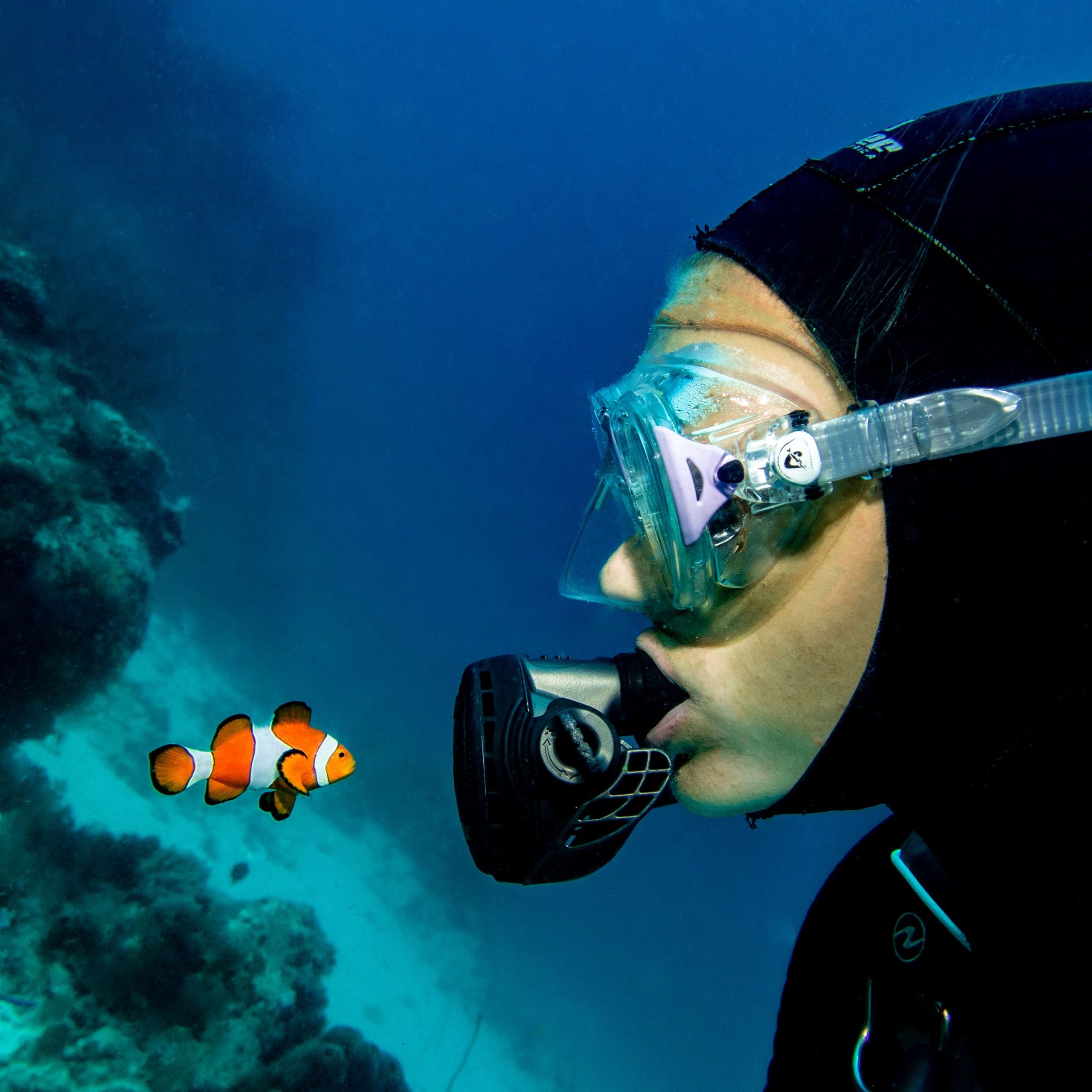
For solo female travellers, cabin-sharing policies can be an important consideration when choosing a liveaboard. Some operators in different diving destinations match solo guests with another diver of the same gender, while others do not offer shared-cabin matching, leaving a single cabin or single supplement as the main option. It is worth checking these details before booking.
Some operators also occasionally organise women-only liveaboard trips. For female divers who enjoy travelling in an all-women group, these departures can be a good way to combine diving with a different social atmosphere and some time away with other women who share the same interest. Emperor Fleet, for example, has offered women-only liveaboard trips on selected departures.
Where Things Stand Today
Certification numbers for female divers have grown steadily, rising from around 34 percent to close to 40 percent of all recreational certifications over roughly two decades. Women’s Dive Day has become one of the more widely observed diving events globally, and participation continues to grow each year.
So, Do Women Really Need a Separate Dive Day?
Ideally, there would be no need to discuss whether women have equal access to equipment, careers, training, leadership roles or recognition. But recognising a particular group does not mean dividing divers underwater.
None of the physical or physiological differences between male and female divers, aside from pregnancy, present a barrier to diving. What Women’s Dive Day highlights is less about physical capability and more about access, representation, and fit, in gear, in history, and in the industry itself. Recognizing that gap is part of closing it