- 1) Seasonality and Ocean Conditions
- 2) Target Marine Life and Timing
- 3) Experience Level, Training, and Site Difficulty
- 4) Budget, Fees, and Trip Length
- 5) Access and Logistics
- 6) Diving Types & What to Expect in the Top Liveaboard Destinations
- 7) Bonus Factor: Combining Scuba Diving with Other Experiences
- Frequently Asked Questions
Choosing where to point your compass for a liveaboard isn’t only about pinning a dream on a map; it’s matching that dream to season, sea, and your style of diving. Some travellers chase playful pinnipeds and manta trains; others want drift dives along dramatic pinnacles or a gentle glide over coral gardens with sea turtles for company. Whether you’re shortlisting the best liveaboard destinations, refining a few best liveaboard dive locations, or weighing the top liveaboard destinations in the world, these seven factors will help you zero in on the right boat, the right region, and the right time of year, so every splash counts.
1) Seasonality and Ocean Conditions
High season, low season, and shoulder season each reshuffle the deck for visibility, water temperature, currents, and even pricing. In some regions, conditions are remarkably stable all year; in others, the ocean changes character month by month. When you’re comparing the best liveaboard locations, start by asking what the sea is doing when you plan to travel.
Diving Conditions and Weather Patterns
Clear, calm days can turn an ordinary itinerary into a highlight reel, but it isn’t always postcard-blue. Sometimes cooler upwellings invite biomass and pelagics; sometimes warm, plankton-rich water brings the ocean’s largest fish. In places with pronounced wet seasons, think parts of Indonesia, rain can lower visibility and alter currents, while wind can add surface chop. None of this is a deal-breaker; it’s a reminder to align the month with your expectations. Indonesia liveaboard diving
Impact of Time of Year on Visibility and Temperature
Wind, rain, storms, tides, and currents all shape what you’ll see and how comfortably you’ll see it. Crystal-clear days reveal coral cathedrals, the geometry of reef walls, and the flicker of reef fish across sunlit ledges. Low-viz days add suspense and intimacy, inviting you to slow down and delight in the small nudibranchs on a gorgonian fringe, a shy blenny peering from limestone. Either way, knowing the seasonal range for visibility and temperatures at your chosen dive sites helps you pack right and set realistic goals.
Ocean Conditions: Currents, Waves, and Safety Considerations
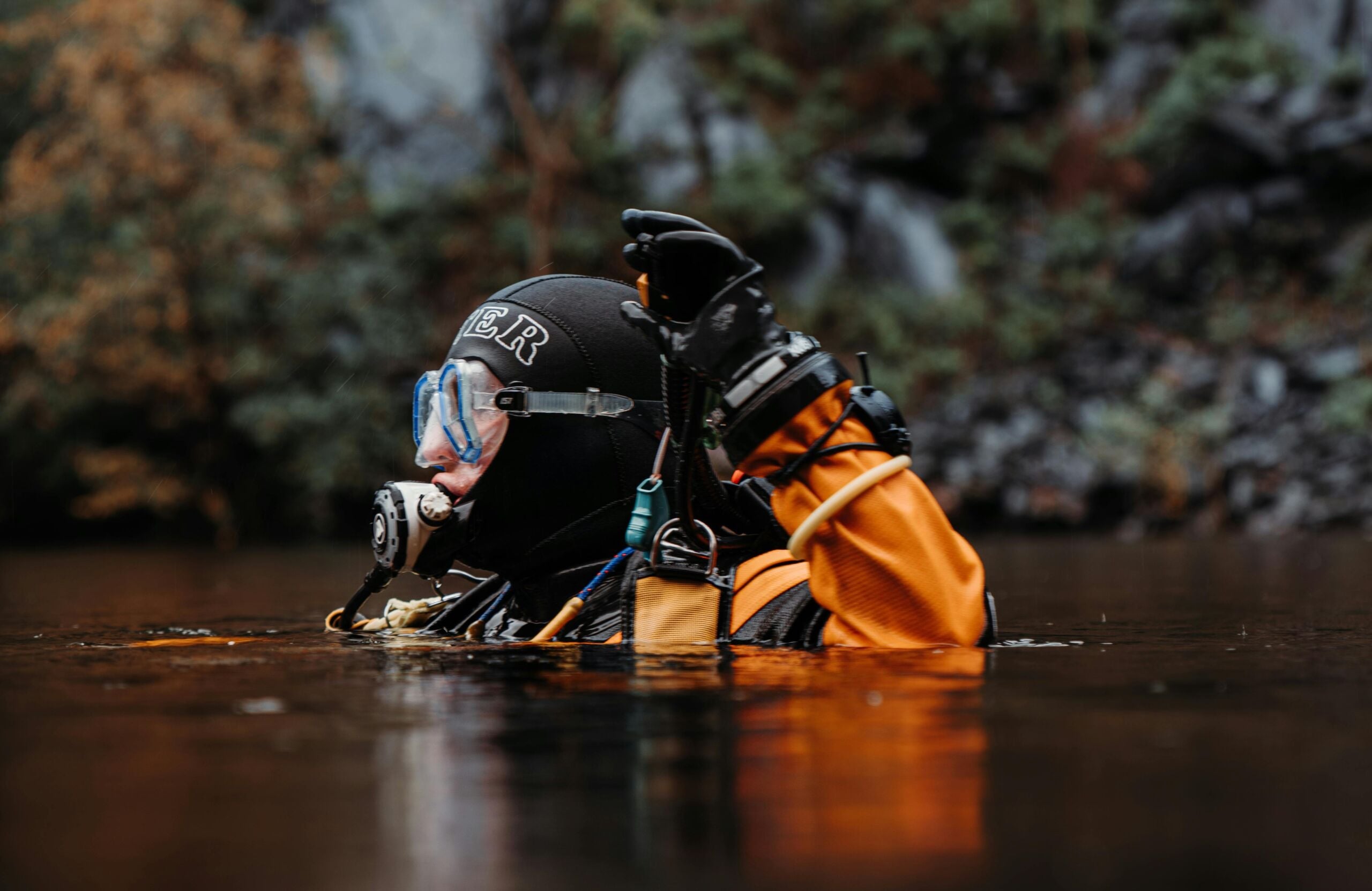
Currents deliver nutrients and occasionally a workout. Plan for drift entries and pickups, and carry a surface marker buoy and an audible signalling device; they’re small items that make big sense offshore. Tides can expose hazards at low water and open new swim-throughs at high; the same push and pull can stir sediment or quicken a channel. Respecting sea state is part of good dive travel and part of why the best liveaboard diving locations feel so dialled-in when conditions align.
2) Target Marine Life and Timing
Many divers choose the destination first and the wildlife second. Others flip the script and let a single creature lead the way. Either route works, but timing matters when you’re weighing the best liveaboard dive destinations.
Best Places to Dive with Whale Sharks and Manta Rays
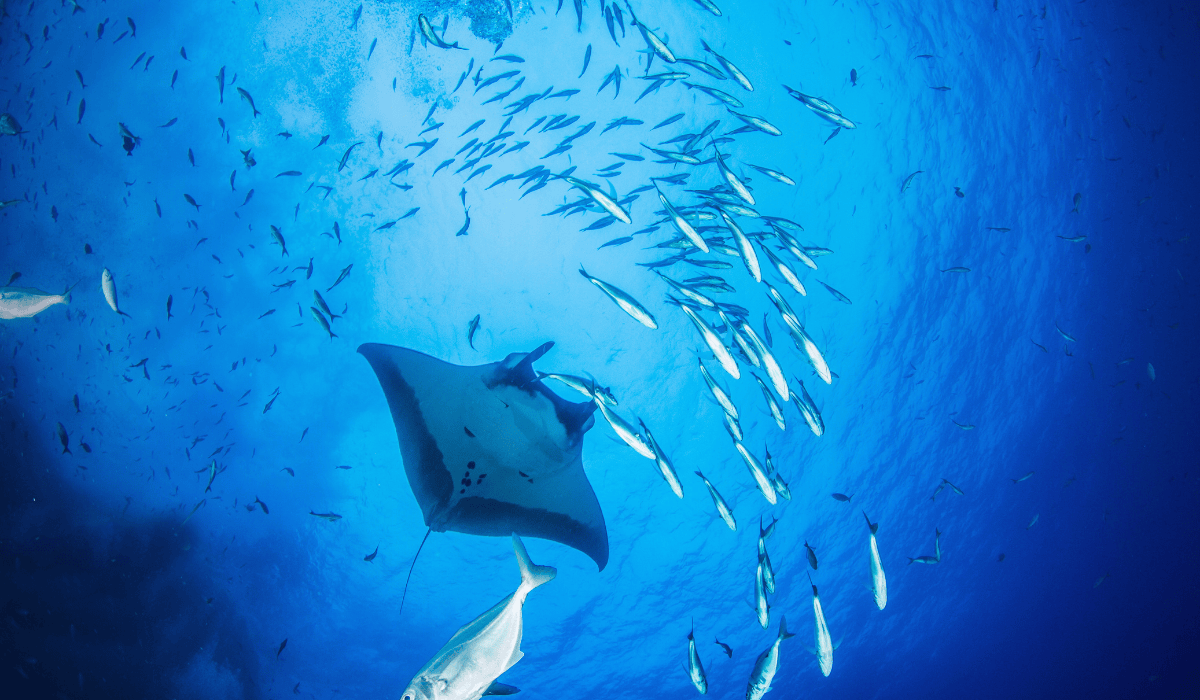
If it’s the ocean’s superstars you’re after, set your calendar with care. On the western rim of Australia, Ningaloo Reef stages iconic whale-shark encounters, often snorkel-centric. The Great Barrier Reef is famed for friendly manta encounters by the dozen, while in Indonesia, you can plan around both whale sharks and sweeping manta ballet in places like Komodo and Raja Ampat. In the central Pacific, Palau sees manta numbers peak around cleaning stations from December to April, and Micronesia offers near year-round encounters. The Socorro Islands (Revillagigedo) are celebrated for large pelagics, including giant mantas, and in the Maldives you can pair cleaning-station dives with seasonal aggregations. In Thailand, Richelieu Rock and the Similan Islands deliver whale-shark surprises and manta drive-bys when the season crests.
Opportunities for Shark Diving and Reef-Shark Encounters
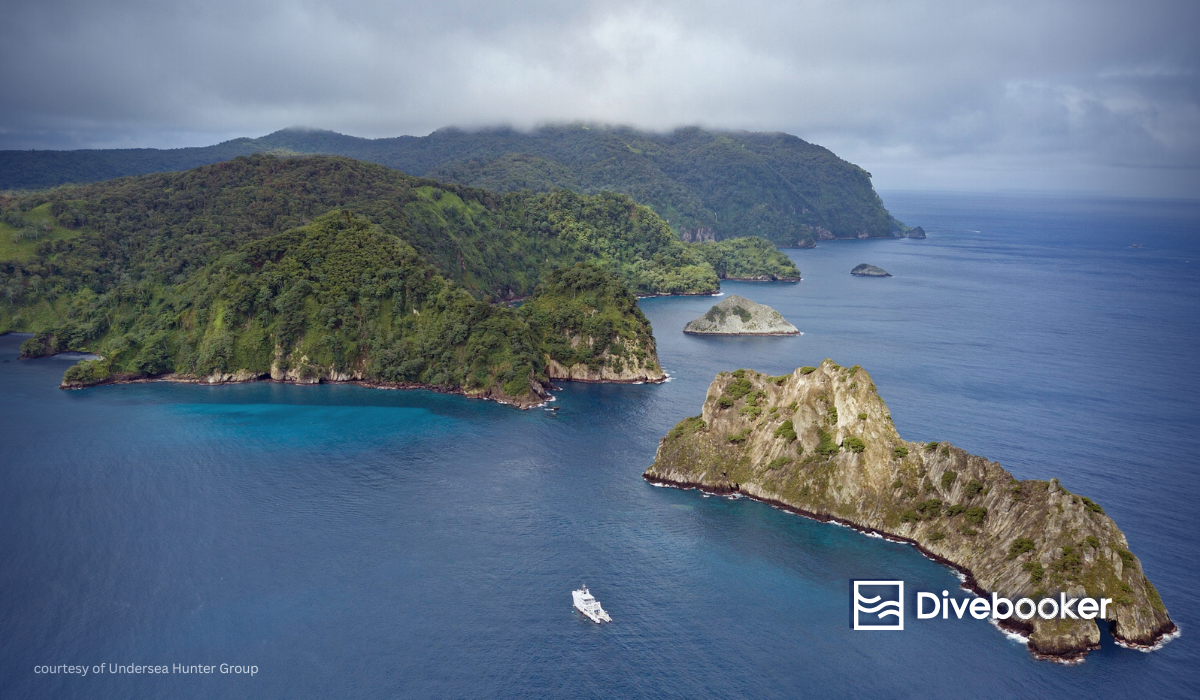
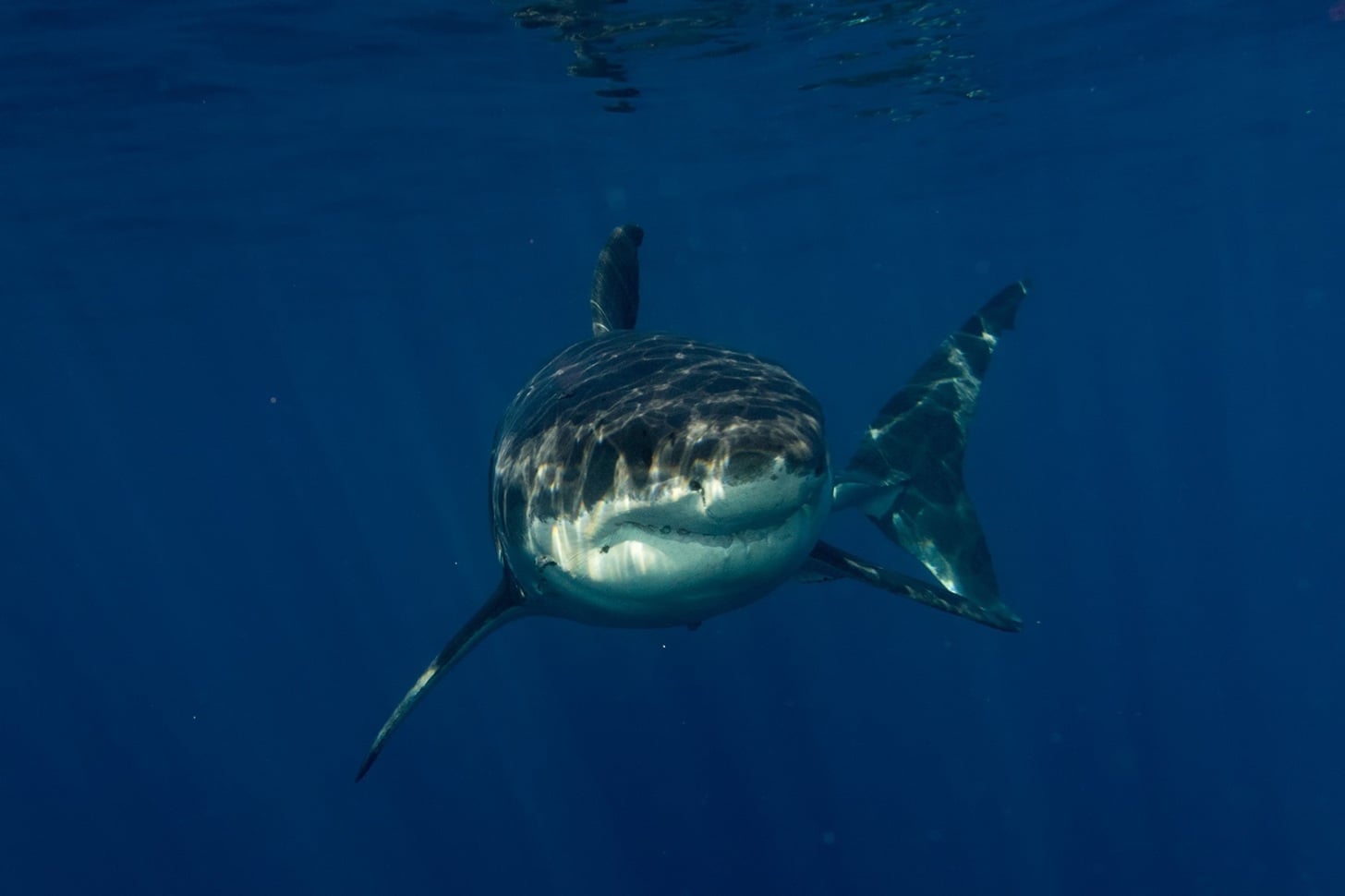
Some destinations feel purpose-built for shark lovers. In Ecuador’s Galápagos, divers cross paths with scalloped hammerheads, Galápagos sharks, and white-, black-, and grey-reef sharks. Cocos Island in Costa Rica draws schooling hammerheads, tiger sharks, and whale sharks. The Bahamas famously protects its sharks, making Tiger Beach a must-see for dedicated shark diving. In the Philippines, Malapascua is synonymous with pelagic thresher sharks. Belize is the Caribbean’s all-rounder blacktip, lemon, nurse, reef sharks, hammerheads, and even migrating whale sharks. In the Red Sea, Elphinstone’s blue drop-offs set the stage for classic encounters with reef and pelagic species.
Cocos Island liveaboard diving
Seasonal Sightings of Turtles and Other Marine Life
Turtles anchor many bucket lists. In the Galápagos, the local green sea turtle subspecies nests within the archipelago; along the Great Barrier Reef, rookeries dot the coast. Bunaken Marine Park in North Sulawesi counts growing turtle numbers, Baja California Sur welcomes loggerheads and critically endangered hawksbills, and the Seychelles hosts green and hawksbill turtles across dazzling beaches and granite-framed lagoons. When you sync your timing, you don’t just see species; you witness patterns: courtship, nesting, feeding, and migrations that make a dive feel like a front-row seat to the ocean’s calendar.
3) Experience Level, Training, and Site Difficulty
Matching skill to site is the most respectful thing you can do for yourself and the sea. It also opens doors to the top liveaboard destinations without stress.
Best Liveaboard Destinations for Advanced Divers
If you hold advanced certifications and love a challenge, the menu is rich. Micronesia’s Truk Lagoon rewards wreck qualifications with deep holds and steel corridors. Komodo blends current-fuelled drifts and big-fish action. Cocos Island typically asks for a healthy logbook before departure, for good reason. The Galápagos Islands are largely advanced thanks to cool water, energetic surge, and quick changes; Socorro sits hundreds of miles off Mexico’s Pacific coast, so conditions can swing. At the poles, Arctic and Antarctic itineraries demand cold-water training and the right kit.
Minimal Experience Required and Dive-Site Challenges
Newly certified and keen to build confidence? You can choose itineraries with shallow coral gardens, gentle profiles, and relaxed rhythms. The Similan and Surin Islands in Thailand are known for beautiful corals and generally forgiving depths; Egypt offers a broad spread of sites where you won’t be left on deck; in the Seychelles and Australia, some routes welcome divers with modest experience as long as conditions cooperate and you’re honest about comfort levels.
Depth, Currents, and Visibility by Season
A beginner certification sets depth limits for good reasons. Currents and limited visibility can tax buoyancy and situational awareness; better to time your trip for clearer water and milder flow if you’re still mastering trim. Advanced divers, meanwhile, often aim for the periods when currents “switch on” the reef. Either way, the right time of year transforms a destination from good to glorious.
4) Budget, Fees, and Trip Length
The best itinerary is the one you can book without flinching. When you compare the best liveaboard dive locations, read the fine print as closely as the map.
Average Trip Prices and Additional Fees Breakdown
Headline rates rarely tell the whole story. Add national park fees, local taxes, nitrox, and sometimes fuel surcharges to your tally. A handful of fleets advertise all-inclusive models, great when available, but more often you’ll piece together the total. Boats across well-travelled routes, whether in the Caribbean, Belize, the Turks and Caicos, the Cayman Islands, or the Red Sea, may structure fees differently. Asking early saves surprises later.
Turks and Caicos liveaboard diving
Cayman Islands liveaboard diving
Typical Trip Durations: From Long Weekends to 10+ Nights
Length changes everything: price, pace, and your odds of ticking a wish-list encounter. Shorter hops are common in Thailand and parts of Australia; a seven-night, eight-day “classic” is standard in Egypt and the Maldives; in Indonesia, you’ll find everything from quick circuits to expedition-length crossings of 18 nights and more. More nights mean more dives and more chances the ocean answers back.
Value for Money in Best Liveaboard Dive Destinations
Hunting for value isn’t only about the cheapest sticker. Read peer reviews, compare what’s included, and decide where you prefer to allocate budget cabins, camera facilities, nitrox, or park access. Collections that group budget-friendly boats can be useful shortcuts when you’re mapping the best liveaboard dive destinations against your wallet.
5) Access and Logistics
There’s romance in far-flung routes, but there can be layovers, too. Multiple connections can add cost and fatigue; a clever itinerary keeps excitement high and jet-lag low. For some travellers, an easy gateway, say, a direct hop into the Bahamas, British Virgin Islands, or the Philippines, beats a multi-stop relay to a remote anchorage. If you’re pairing the boat with a few boutique-hotel nights ashore, weigh the transfer times to and from the pier so your first day includes more reef time than road time.
How to Get There: Flights and Travel Times from Key Regions
Time is the quiet currency of any liveaboard holiday. Calendars, deadlines, and short breaks often decide how far you can roam, so the right route is the one that fits your week as neatly as it fits your wish list. Long itineraries pair well with a long-haul flight and a connection or two, the kind of journey that rewards you with remote horizons and empty moorings. If your window is tight, a nearer gateway lets you trade airport hours for extra dives and longer surface intervals spent actually relaxing. Start by matching distance to your available days, then choose the embarkation port that keeps transfers simple, check-ins smooth, and your fin-time maximized.
A little travel choreography goes a long way. When an overnight flight is involved, a buffer night near the pier helps you step on board rested and ready. If your route includes multiple hops, consider through-checked bags and longer layovers, so your dive gear arrives when you do. Think of the journey as the prologue to your week at sea, and arrange it with the same care you give to selecting cabins, camera tables, and the itinerary itself.
Logistics from Europe, North America, and Asia
For many European travellers, Egypt is the swiftest gateway to warm, saline adventure, and its variety of routes turns a short flight into serious diving. Wrecks, walls, and colourful coral gardens are all within easy reach, which is why the Red Sea remains a practical pick when you want depth of experience without days of transit. Liveaboard Destinations for European Divers
From North America, the Caribbean is the easy win. Quick hops to Mexico, the Turks and Caicos, or Roatán mean you arrive, gear up, and start logging dives while the jet lag stays light. If you have a little more time, the Galápagos can enter the conversation, rewarding the extra flight with powerful currents, dramatic silhouettes, and a feeling that you have sailed to the edge of the map.
In Asia, choice is a luxury. Indonesia offers an entire atlas of liveaboard circuits, from current-kissed channels to calm reef plateaus, while Thailand, the Philippines, and the Maldives present itineraries that fit different calendars and comfort levels. Pick the staging point that suits your schedule, then let the boat carry you to the sites that match your style.
6) Diving Types & What to Expect in the Top Liveaboard Destinations
Once you know what you love underwater, choosing among the top liveaboard destinations becomes delightfully simple. If steel and history set your pulse racing, wreck-rich routes will rise to the top. If you dream in hard corals and reef light, you will lean toward gardens of colour and bustling cleaning stations. If your heart belongs to pelagics, you will follow the seasons to blue corners and open-ocean plateaus. When macro is your muse, a slower pace and volcanic sand will keep you entranced for entire dives.
Wreck Diving Adventures in the Best Liveaboard Dive Locations
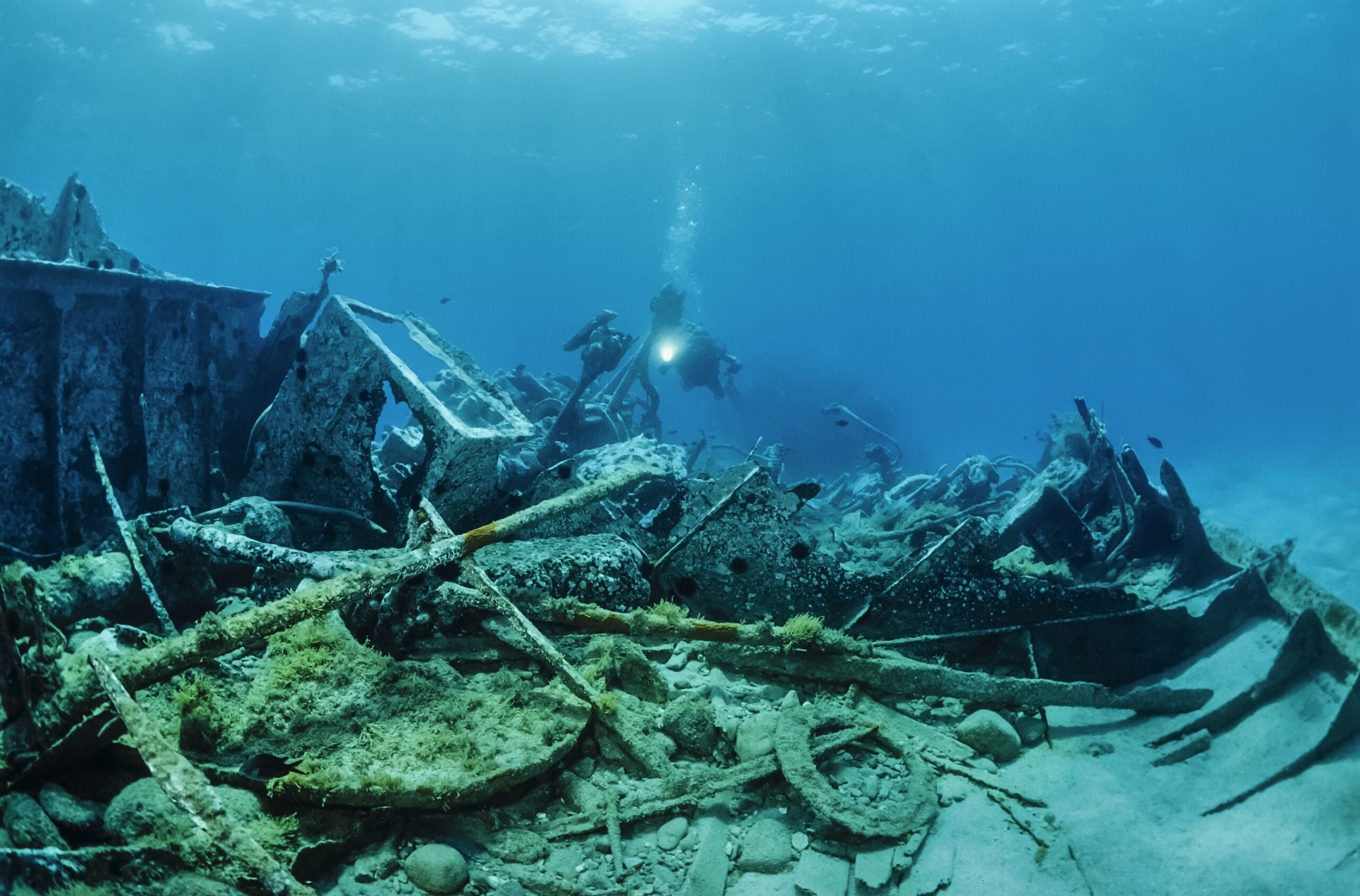
If the thrill of exploring sunken ships and planes is your idea of a perfect morning, you are spoiled for choice. Palau is counted among the famous wreck destinations in the world, where history and reef life intertwine in photogenic layers. Remote Truk Lagoon feels like an underwater museum of Japanese warships and support vessels, with holds and passageways preserved in remarkable ways by time and salt. The Red Sea keeps telling its stories through iron and timber, while Coron in the Philippines remains a long-time favourite for divers who want a week of atmosphere, artefacts, and soft corals draped over steel.
Exploring Historic Shipwrecks in the Red Sea
The Red Sea spans eras and emotions. You can hover beside a 19th-century wooden hull like Carnatic, then later contemplate the modern tragedy of Salem Express, a civilian ferry that sank in 1991 and still carries a solemn weight. The SS Thistlegorm, a British cargo steamer built in Sunderland and lost in 1941, continues to attract travellers from around the world, its cargo holds frozen in time and framed by clouds of fish. Today we descend quietly, observing these still-life scenes and letting the reef reclaim what it will, one coral polyp at a time.
Wreck Sites in Truk Lagoon and the Solomon Islands
Truk Lagoon was once among the most fortified naval bases in the Pacific, but was later devastated by air. Dozens of wrecks now rest at a range of depths. A handful of sites welcome newer divers, though most dives reward advanced training, and some invite technical skills for full appreciation. The allure lies in what the sea has preserved. Everyday objects remain recognisable, cargo rests where it was stowed, and each swim-through feels like a passage into another century. In the Solomon Islands, both Japanese and American seaplanes, cargo ships, minesweepers, and cruisers dot channels and bays from shallow snorkel depths to the twilight zone, offering a layered portrait of maritime history.
Best Destinations for Wreck Diving
Reef Diving in Vibrant Coral Ecosystems Around the World
Coral reefs are living architecture. Ridges and bommies glow in shades that no paint chart can match, and every ledge holds life in miniature. These are the places where you can spend an entire dive on a single patch of reef and never once be bored, where cleaning stations become theatres and the fish seem to choreograph themselves to the light.
Great Barrier Reef and Coral Sea: A UNESCO World Heritage Gem
Coral Sea scale is the headline here. Imagine bright pinnacles rising from the blue, baitfish flickering like mercury, and a horizon that suggests there is always another bommie worth visiting. On a good day, it feels like an amphitheatre for marine life, with currents that carry the scene forward and visibility that keeps you watching until your computer calls time.
The Philippines’ Tubbataha Reef: A Marine Biodiversity Hotspot
Richness defines this experience. Steep walls, schooling fish, and busy cleaning stations play against a deep blue backdrop. It is a reef system that rewards patience, inviting you to pause at a corner and let the ocean come to you, one moment and one species at a time.
Big Animal Encounters in Premier Liveaboard Dive Destinations
When your wish list includes ocean heavyweights, you will want itineraries designed for pelagics, along with thoughtful timing.
Shark Diving with Hammerheads in the Galápagos and Socorro Islands
In the Galápagos, you watch for the shifting outlines of scalloped hammerheads as they ride the current through points and channels, often flanked by other reef species below. At the Socorro Islands, scale becomes the story, with blue water asking you to scan constantly, reef sharks coursing along ledges, and the feeling that the next pass could bring something very large indeed.
Manta Ray Dives in the Maldives and Costa Rica’s Cocos Island
In the Maldives, manta encounters often revolve around cleaning stations, where the giants circle with unhurried grace and you settle into the sand to watch the ballet unfold. At Cocos Island in Costa Rica, the mood turns oceanic, with stretches of deep blue between shark highlights and the sudden thrill of a manta gliding in from the edge of visibility.
Macro Photography Opportunities in Unique Liveaboard Locations
If your favourite dives are measured in inches rather than metres, you will be happiest where the seafloor is full of secrets and the pace is unhurried.
Indonesia’s Raja Ampat and Komodo for Critter Enthusiasts
Volcanic sand and lush reefs create a perfect canvas for macro hunting. Careful finning keeps the silt down, a steady light brings out colour and texture, and a patient eye finds the tiny marvels that everyone else drifts past.
The Philippines and Similan Islands for Small Marine Life
From classic subjects to seasonal surprises, these areas deliver dependable macro sessions. Settle into a slow rhythm, scan for movement at the base of sea fans, and let the reef reveal itself while your air and your curiosity last in equal measure.
Snorkelling and Non-Diving Activities in Liveaboard Itineraries
If you are travelling with non-diving partners or kids, or you simply want variety between dives, choose an itinerary that welcomes time at the surface. The Red Sea is a reliable pick for boats that include snorkelling and kayaking, so everyone can enjoy clear shallows, reef gardens, and quiet coves. The Maldives offers similar flexibility, with lagoon snorkels that feel like a private aquarium. In the Maldives and in Indonesia, you can also find liveaboards that provide jacuzzis and spa treatments on board, which turns a regular week at sea into an easygoing retreat.
If non-diving time is a priority, shortlist vessels with a water-sports tender, easy swim platforms, shaded deck space, and a daily plan that spells out when you can snorkel between dives. To make the search faster, you can browse one of our handpicked collections and filter for the extras you care about most, from kayaks to spa services.
7) Bonus Factor: Combining Scuba Diving with Other Experiences
Comfort on board can shape your whole trip, so it is worth matching destination and boat to your preferred atmosphere. Some regions offer a broader range of luxury liveaboards, which is ideal if you want fine bedding, attentive service, and little touches like sunset canapés after a long day underwater. The Maldives and the Seychelles are strong choices when you want both excellent diving facilities and a higher level of comfort. Indonesia and Egypt also let you calibrate your week at sea, since you can choose from budget-friendly options to more luxurious platforms, all while keeping your focus on great diving and relaxed time on deck.
If you are planning a special occasion or a longer holiday, consider pairing your liveaboard with a few nights on shore. A quiet beach stay before or after the cruise helps with flight recovery, and it stretches the mood of the trip, so you return home rested as well as inspired
Frequently Asked Questions
Distance increases the need for preparation and experience. Cocos itineraries are considered advanced, with strong currents, blue-water ascents, and energetic surface conditions that reward solid skills. Smart planning for remote dive vacations includes carrying a DSMB and an audible signalling device, listening closely to tide and current briefings, and being comfortable with drift entries and pickups. Honest self-assessment and careful adherence to the plan are what turn a far-flung expedition into a confident, memorable week at sea
No. Diving in the British Virgin Islands requires at least an Advanced Open Water certification or an equivalent qualification. If you are mapping out your first liveaboard dive trips, consider destinations with gentler profiles until you have the training for BVI routes
Papua New Guinea can be dived year-round, with regional sweet spots that help you time your dive trips. The Solomon Sea is workable throughout the calendar. Kavieng and Kimbe Bay shine from May to November, although August can be windy. Milne Bay is strongest from November to January, and September is manta season. Typical water temperatures range from 25 to 30 degrees Celsius, so most travellers are comfortable in a three to five millimetre suit or even a rashie, depending on personal preference
Yes. All Star Cat Ppalu is set up for families and small private groups, combining sailing, scuba, and snorkelling in one easy package. Beyond the dives, there is time for kayaking, stand-up paddling, relaxed shore excursions, and quiet hours on uncrowded beaches. If you are designing multi-activity dive vacations where not everyone in the group will be underwater every day, this style of itinerary keeps the whole crew happy
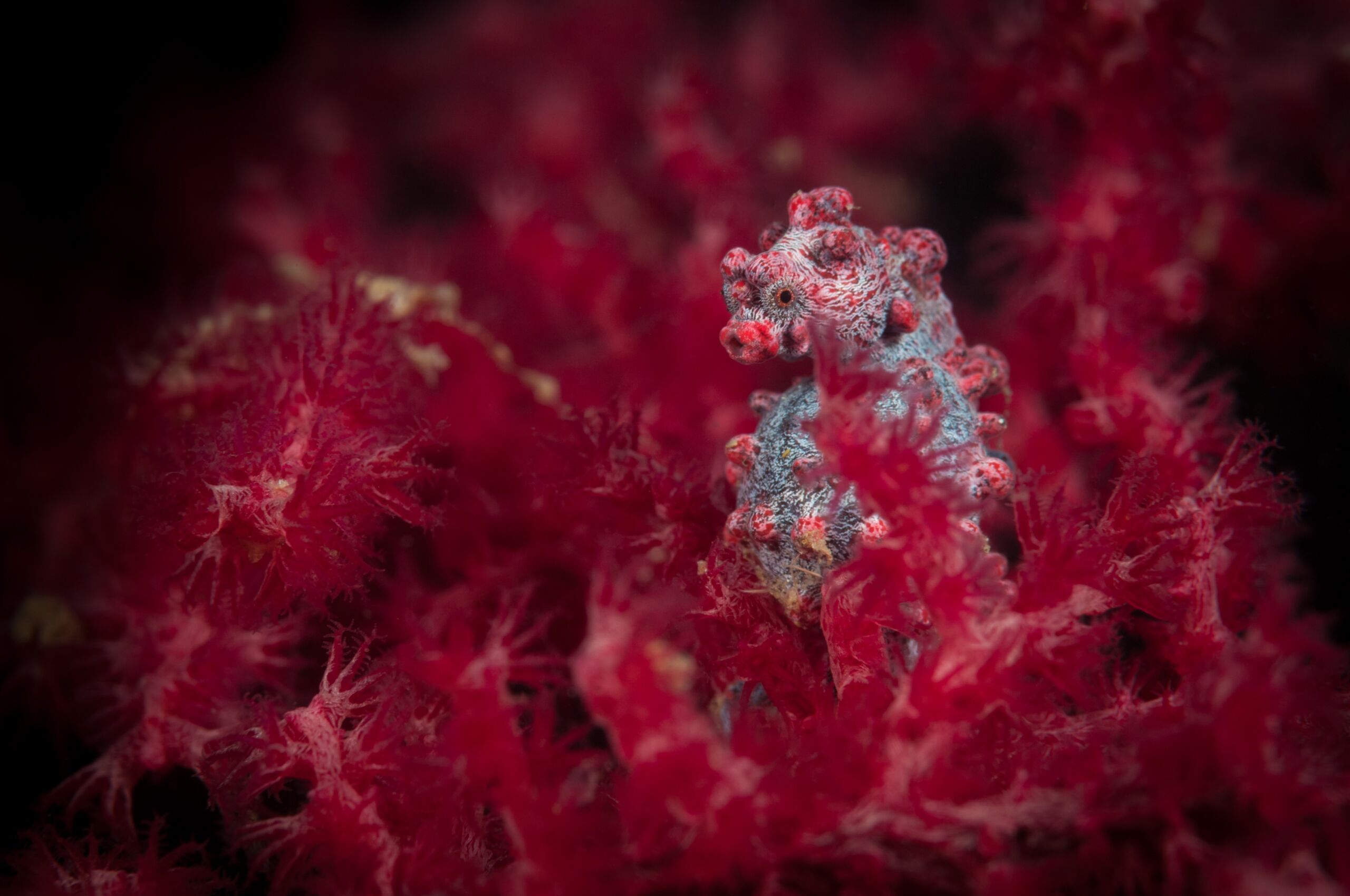
Lembeh and Komodo suit photographers who build their dive vacations around tiny, charismatic creatures. Lembeh is widely regarded as a muck diving capital, with friendly visibility and comfortable water that make long macro sessions easy. You can expect flamboyant cuttlefish, mimic and coconut octopuses, hairy and painted frogfish, cockatoo waspfish, rhinopias, ribbon eels at different life stages, ornate and robust ghost pipefishes, pygmy seahorses such as bargibanti, plus mantis shrimps, harlequin shrimps, and a rainbow of nudibranchs. Komodo benefits from nutrient flow where the Pacific and Indian Oceans meet, so macro life is reliably rich across volcanic sand, rubble slopes, coral gardens, and seagrass beds. For travellers planning photography-focused dive trips, these two are the best liveaboard dive destinations