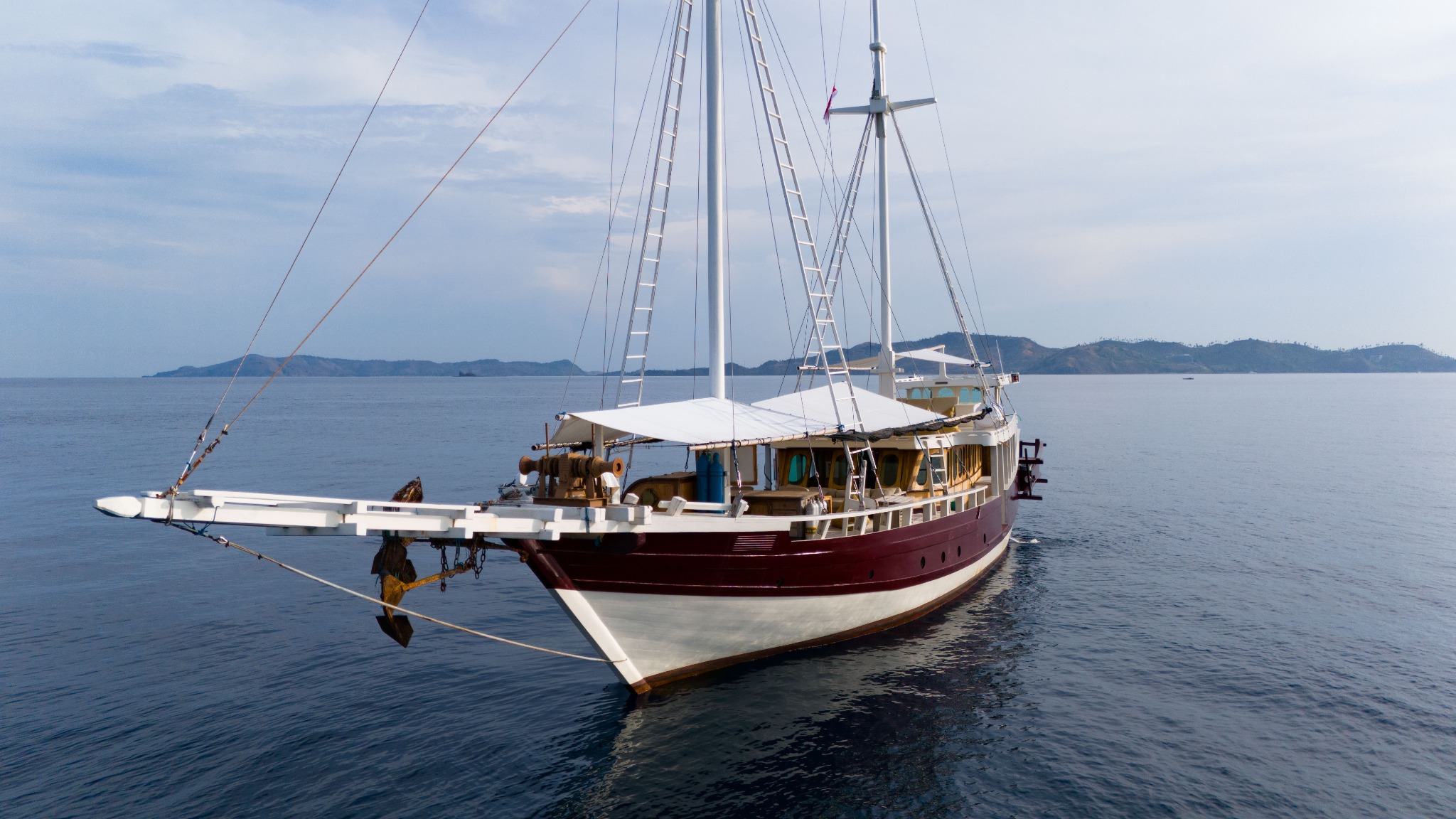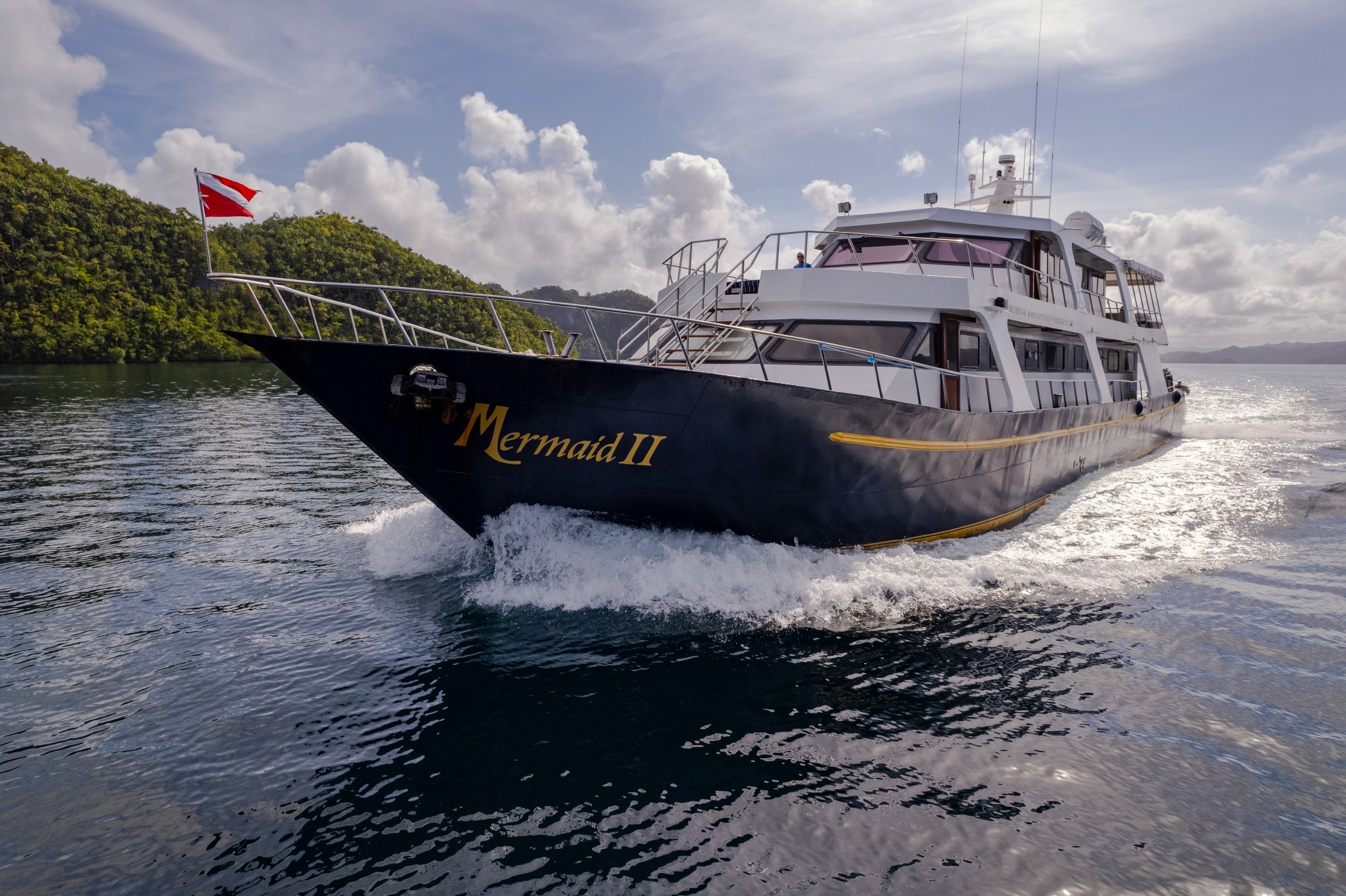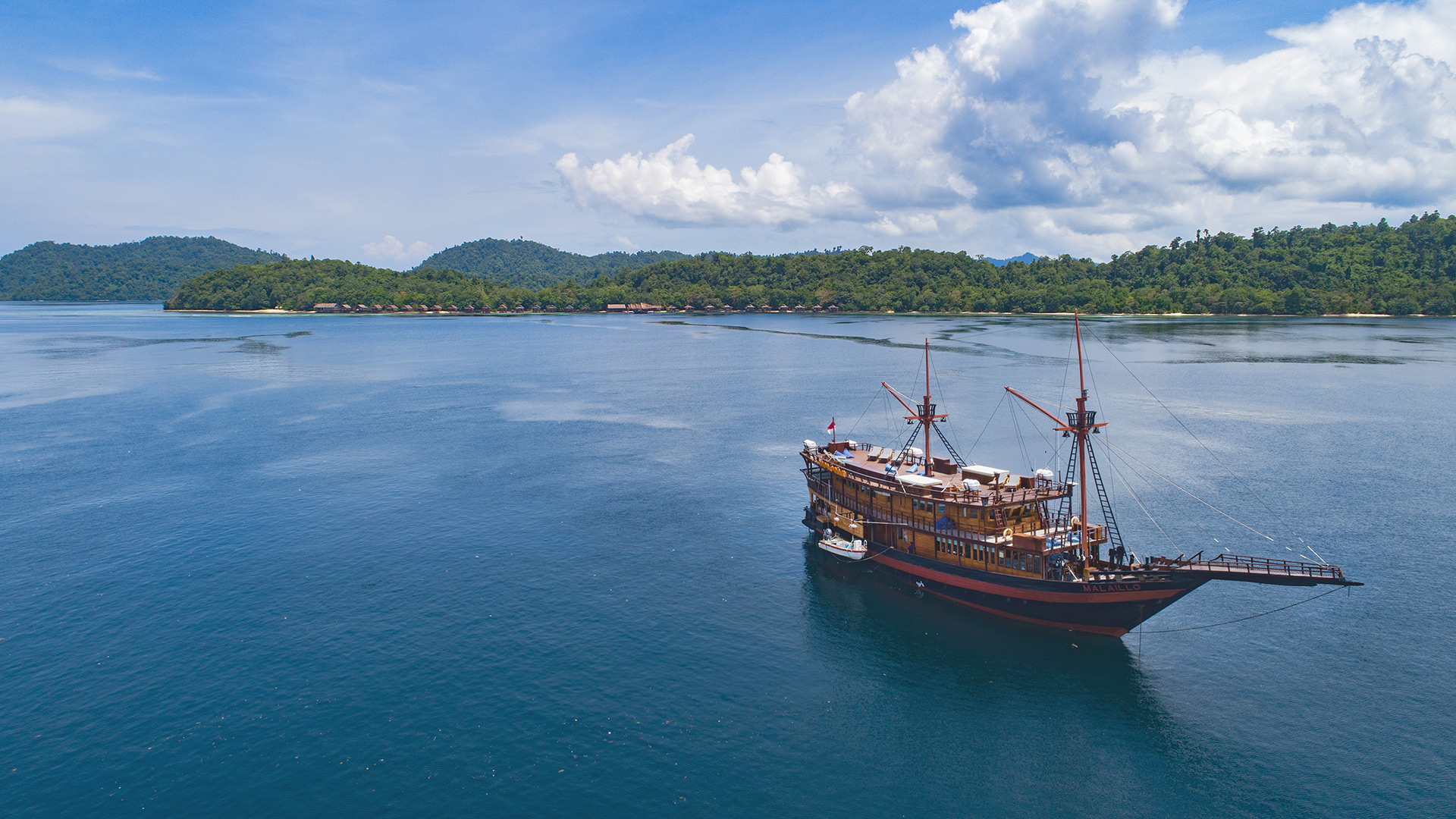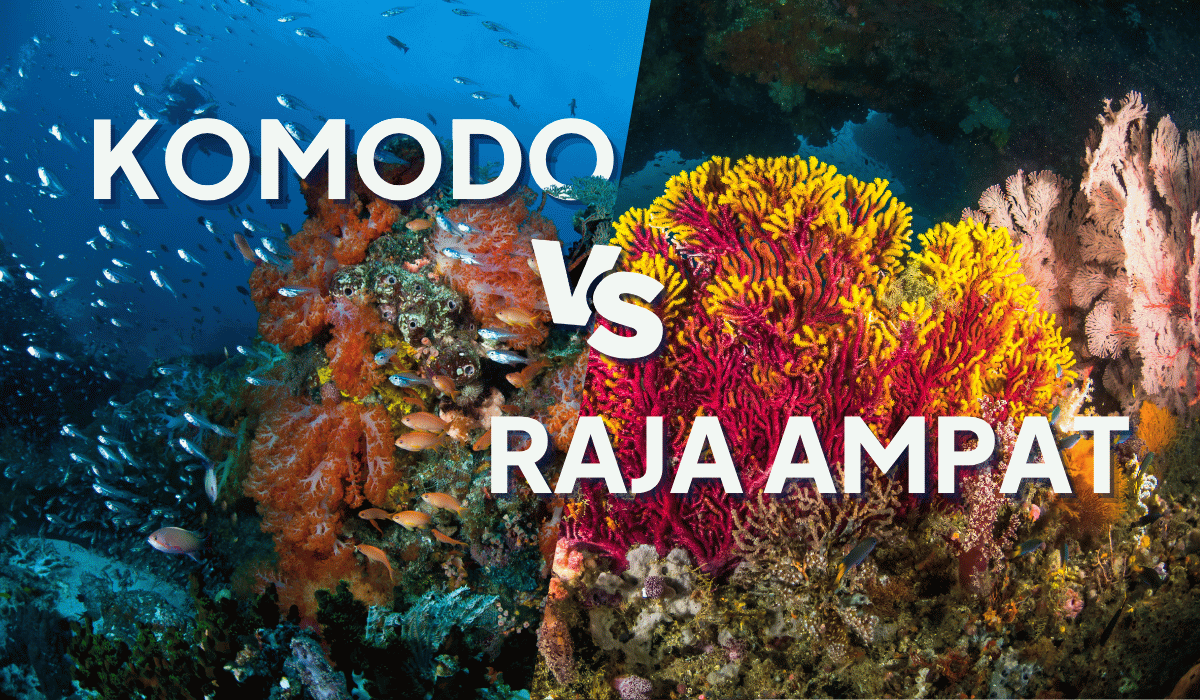
Komodo and Raja Ampat both deliver exceptional diving. They are among the strongest choices for an Indonesian dive holiday, but they are built around very different conditions, routes, and travel styles.
The two destinations share some surface similarities, with exceptional reefs, manta sites, remote scenery, and a wide choice of vessels. The differences that actually change your decision process are more related to currents, seasons, diver experience, available travel days, travel connections, and total budget.
This guide compares Raja Ampat vs Komodo diving in practical terms, so you can understand how each trip works before choosing the route that fits your skills, dates, expectations, and travel plans.
Komodo vs Raja Ampat at a glance
| Factor | Komodo | Raja Ampat |
|---|---|---|
| Best fit | Confident divers who enjoy currents, drift dives, and a more active route | Divers who want coral richness, reef life, remote scenery, and a slower pace to their diving |
| High season | Usually April and October | Usually October to April |
| Diver level | Best for confident divers, AOWD or equivalent, especially on current-heavy sites | Suitable for OWD or equivalent on most sites, but good buoyancy and current awareness are still important |
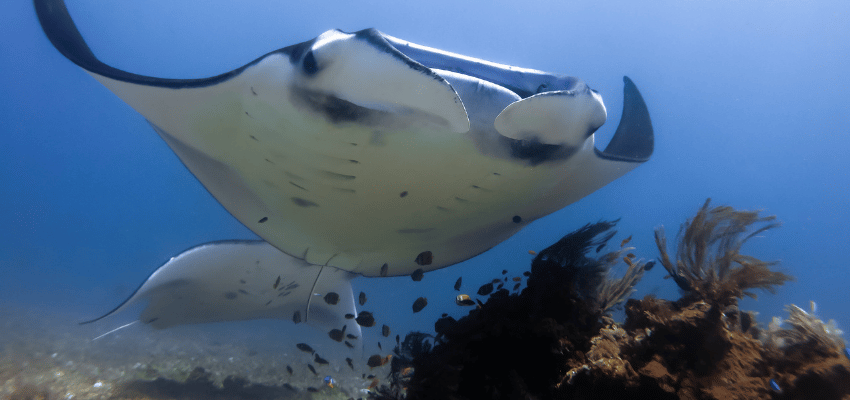
| Diving style | Current diving, channels, pinnacles, manta sites, reef sharks, schooling fish, and changing conditions | Coral gardens, reef slopes, manta sites, wobbegongs, reef fish density, and wide-angle scenery |
| Trip feel | Active, varied, dramatic, and easier to combine with a shorter holiday | Remote, scenic, spacious, and better suited to a longer journey |
| Main gateway | Labuan Bajo | Sorong |
| Trip duration | Shorter options are as common as longer ones, including 4-day to 10-day routes | Often 7 to 12 days, with longer expedition-style routes available |
| Logistics | Labuan Bajo generally has more flights from more starting points available | Usually requires more travel time, longer and more specific transfers, requiring careful planning around flights |
| Budget | Cost is often lower, with shorter itineraries available, though premium boats, with higher daily costs, and extra fees can raise the total. | Higher overall due to higher operator costs, longer itineraries, and more complex travel logistics. |
Both destinations can deliver exceptional diving, but they do it in different ways.
-
 from$324 /day
from$416 /day
from$337 /day
from$324 /day
from$416 /day
from$337 /day
The Real Difference Between Raja Ampat and Komodo
The real difference between Komodo and Raja Ampat is in how the whole trip is structured. Komodo is often shorter, definitely more current-driven, and easier to drop into a wider itinerary. Raja Ampat needs more days and rewards slower, reef-focused diving.
Diving style
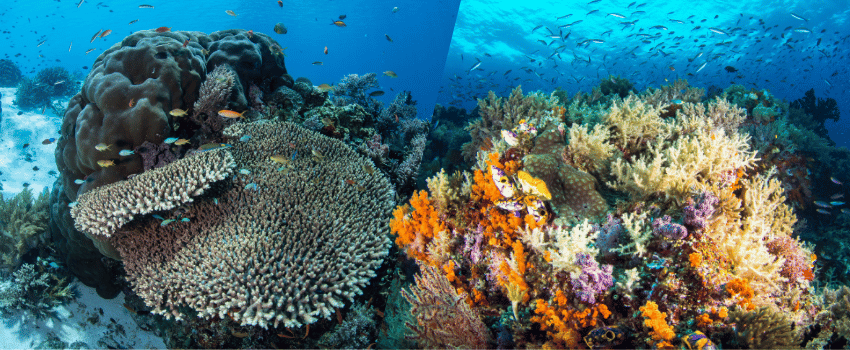
Komodo is shaped by movement. Strong north-south tidal flow between Komodo and Rinca Islands brings nutrient-rich water to channels and pinnaclescreating the kind of diving where sites can change quickly. WWF notes that Komodo National Park has strong daily tidal flows and upwelling from the southern Indian Ocean, which help support its coral and fish life.
That is why Komodo often feels more dynamic: drift dives, reef corners, schooling fish, and sites where timing is important. For a closer look at how the park’s northern and southern sites differ, see our guide to the best dive sites in Komodo North and South.
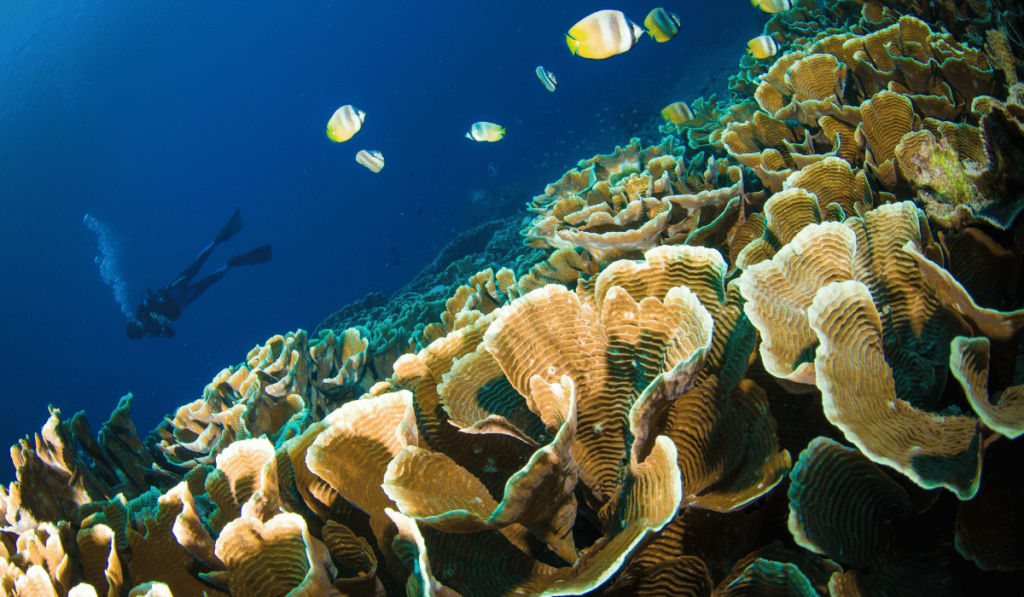
Raja Ampat is shaped by abundance. The diving is less about one dramatic current line and more about the scale of life on the reef. UNESCO describes Raja Ampat as hosting more than 75% of all known coral species and more than 1,320 coral reef fish species.
For divers, that usually means layered coral gardens, clouds of reef fish, rich bommies, mangrove-fringed sites, manta cleaning stations, and wide reef scenes that reward slow observation.
Marine life
Komodo has impressive biodiversity, but its identity is often built around energy and contrast. The park is home to more than 1,000 species of tropical fish and around 260 species of coral, according to WWF.
Divers commonly come for mantas, reef sharks, turtles, schooling fish, macro subjects in selected areas, and the chance to combine diving with a Komodo dragon land visit. UNESCO also notes that Komodo’s strong currents attract sea turtles, whales, dolphins, and dugongs.
Raja Ampat’s strength is the sheer density of reef life. WWF places Raja Ampat within the Bird’s Head Seascape, where more than 1,300 coral reef fish species, 600 hard coral species, 13 marine mammal species, 700 mollusc species, and five rare or endangered sea turtle species have been recorded.
In practical terms, Raja Ampat is often the better choice for coral-focused divers, underwater photographers, and anyone who wants the reef itself to be the main event. If Raja Ampat is already on your shortlist, our guide to the best of Raja Ampat on a liveaboard diving trip can help you understand the route experience in more detail.
Seasons
The seasons are one of the clearest differences between Komodo and Raja Ampat.
Komodo can be dived year-round, but is usually at its best from May to September, with April and October still being strong. These months tend to bring more reliable surface conditions and better access across the park. Water temperature can vary more than many divers expect, often ranging from about 22°C to 30°C, depending on the site, depth, and whether the route is focused on northern, central, or southern Komodo. Visibility is also site-dependent, commonly around 10 to 30 metres, with clearer water often found in the north and cooler, more nutrient-rich conditions possible in the south.
Raja Ampat’s best season usually runs directly opposite to Komodo, from October to April, when seas are generally calmer and longer routes are easier to plan. The water is also warmer and more consistent than Komodo, usually around 28°C to 30°C. Visibility is often around 15 to 30 metres, though it can change with plankton, rain, and currents. In Raja Ampat, slightly lower visibility is not always a bad sign, since nutrient-rich water is part of what supports the region’s dense reef life.
As a planning rule, Komodo works best for many mid-year trips, while Raja Ampat is better suited for late-year and early-year travel. If your travel dates are fixed, the season may narrow the choice before anything else.
For a wider month-by-month planning guide, see When Is the Best Time to Dive in Indonesia?
Trip duration
Trip duration can change the whole planning of the journey. Komodo is generally more flexible if you have limited time, because current Divebooker listings include short routes such as 4 d / 3 n, along with common 6 d / 5 n, 7 d / 6 n, and 8 d / 7 n itineraries. For example, current Komodo listings include short Komodo Highlights 4 d / 3 n trips from around USD 780, as well as 6 to 8 day routes on different vessels.
Raja Ampat routes are often longer. Current Divebooker listings include many 7 d / 6 n, 8 d / 7 n, 10 d / 9 n, 11 d / 10 n, and 12 d / 11 n options. Some itineraries also extend into Misool, Banda Sea, Halmahera, or Triton Bay, which makes the trip feel more expedition-style. For travellers, this usually means Raja Ampat needs more total days, not only more nights onboard.
Logistics
Komodo is easier to add to a wider Indonesia trip. Most routes start from Labuan Bajo, which is commonly reached via domestic flights from Bali or Jakarta. Because many dive areas are relatively close to the departure port, Komodo can work well if you want a shorter route or plan to combine diving with Flores, Bali, or other parts of the country.
Raja Ampat needs more planning. Most routes start from Sorong, and travellers often need to allow extra time for multiple domestic flights, airport connections, transfers, and a buffer day before boarding. This is especially important for longer routes or trips to more remote areas such as Misool. The diving can be very rewarding, but the logistics are less casual than simply choosing a departure date.
Prices and budget
Prices should be compared by total trip cost, not only by the daily rate. Current Divebooker listings show Komodo options starting from short trips around USD 780 for selected 4 d / 3 n routes, with many 6 to 8 day trips listed in the range of roughly USD 1,200 to USD 3,500 and more, depending on vessel, cabin, route, and inclusions. Premium Komodo vessels and longer routes can go much higher, for example, some 8 to 11-day luxury options are listed from USD 5,000 to USD 7,000.
Raja Ampat listings also vary widely, but many routes are longer from the start. Current Divebooker listings include 7 d / 6 n Raja Ampat trips from around USD 1,650, with many options sitting above USD 2,500 depending on the vessel and cabin. Longer 10 to 12-day premium or expedition-style routes can easily reach USD 5,000 to more than USD 6,800, and some remote itineraries may be even higher.
The important point is that Raja Ampat may cost more overall, even when the daily rate looks similar, because the route usually has more nights on board and the travel plan often needs more buffer time. Komodo can be easier to manage on a tighter budget if you choose a shorter itinerary, but the final cost still depends on cabin type, marine park fees, port fees, fuel surcharges, domestic flights, transfers, equipment rental, nitrox, and other operator-specific charges.
If Komodo is on your shortlist, check the latest Komodo National Park entrance fee update before finalizing your budget.
Should You Choose Komodo or Raja Ampat?

After comparing the main differences, use this quick check to narrow the choice:
- Choose Komodo for current diving, mantas, reef sharks, schooling fish, and a more energetic experience.
- Choose Raja Ampat for coral biodiversity, reef fish density, remote island scenery, wobbegong sharks, mantas, and wide-angle photography.
- Choose Komodo if you are travelling mainly from April to October.
- Choose Raja Ampat if you are travelling mainly from October to April.
- Choose Komodo if you are confident in currents and want a more adventurous route.
- Choose Raja Ampat if you want a slower, more immersive reef-focused trip, but still check the route difficulty carefully.
Final thoughts on Komodo vs Raja Ampat
The best choice is not only about which destination sounds more exciting. It needs to fit your real travel plan: the dates you can travel, the route length you can manage, your comfort in currents, and the full cost once flights, transfers, park and port fees, equipment, nitrox, and other obligatory charges are included.
Before booking, compare actual departures rather than only destination names. Look at the number of nights on board, start and end ports, cabin type, included services, experience requirements, and whether the schedule gives you enough buffer time before and after the trip.
If you have limited time or want a shorter, more active route, Komodo National Park will be generally easier to plan. If you can allow more days and want a more remote, reef-focused journey, Raja Ampat is worth the extra planning. Either way, the right trip is the one where the diving style, season, logistics, and total budget all work together.
If onboard comfort is a major part of the decision, this overview of the most expensive liveaboards in Indonesia is useful for comparing how premium vessels differ across Komodo, Raja Ampat, and other remote routes.
Frequently Asked Questions about Raja Ampat vs Komodo Diving
Which destination is more expensive, Komodo or Raja Ampat?Divebooker Team2026-06-26T07:43:39+00:00Raja Ampat is often more expensive overall because trips are usually longer, access through Sorong takes more planning, and remote routes add to the total cost. Komodo can be easier to fit into a shorter holiday through Labuan Bajo, which may make the final budget lower. The real price difference depends on trip length, vessel, cabin type, inclusions, flights, transfers, and season.
When is the best time to dive Komodo and Raja Ampat?Divebooker Team2026-06-26T07:41:42+00:00Komodo is strongest from May to September, with peak conditions often extending into April and October. Raja Ampat’s high season runs from October to April, when seas are generally calmer for longer routes. If your travel dates are fixed, season may be the easiest way to choose between them.
Is Raja Ampat easier than Komodo?Divebooker Team2026-06-26T07:41:18+00:00Raja Ampat can be more flexible on selected routes, but it should not be treated as an ‘easy’ destination by any means. Divers still need good buoyancy, reef awareness, and some comfort with currents. Komodo is more current-heavy overall and is often a better fit for confident divers with AOWD or equivalent and above.
Is Komodo or Raja Ampat better for diving?Divebooker Team2026-06-26T07:40:56+00:00Neither is better for every diver. Komodo has more current-driven sites, drift dives, mantas, reef sharks, and a generally more active trip style. Raja Ampat is stronger for coral biodiversity, reef fish density, remote scenery, wobbegong sharks, and wide-angle reef photography. The better choice depends on your season, comfort in currents, route difficulty, and how much time you have.