Best Colombia Liveaboards
Handpicked Colombia Selections
Get more with Divebooker rewards
- Free DAN insurance
- 5% money back
- Up to 10% savings for the next travel
- 2X money back on select days
- Extra care support package
Liveaboard Diving in Colombia
The Pelagic Peak of the Pacific: Diving Malpelo Island
Malpelo Island is a Colombian territory in the eastern Pacific, about 500 kilometres from the mainland. A single main island and eleven surrounding islets, the whole formation is volcanic, vertical, and remote. Above water, it's largely bare rock. Below, the walls drop into more than 4,000 metres of ocean, including legendary sites such as "Los Mosqueteros" in the north and "Los Tres Reyes" to the south that are simply breathtaking.
The Malpelo Fauna and Flora Sanctuary was named a UNESCO World Heritage dive site in 2006. The island is a testament to successful shark conservation in Colombia, strictly monitored by the Colombian National Navy to protect its many inhabitants from illegal fishing. For the luxury traveller seeking an escape from the ordinary, a Malpelo liveaboard offers an exclusive invitation to one of the most prestigious remote dive destinations on the planet, where only a few liveaboards are generally permitted.
A Confluence of Giants: Sharks and Pelagics
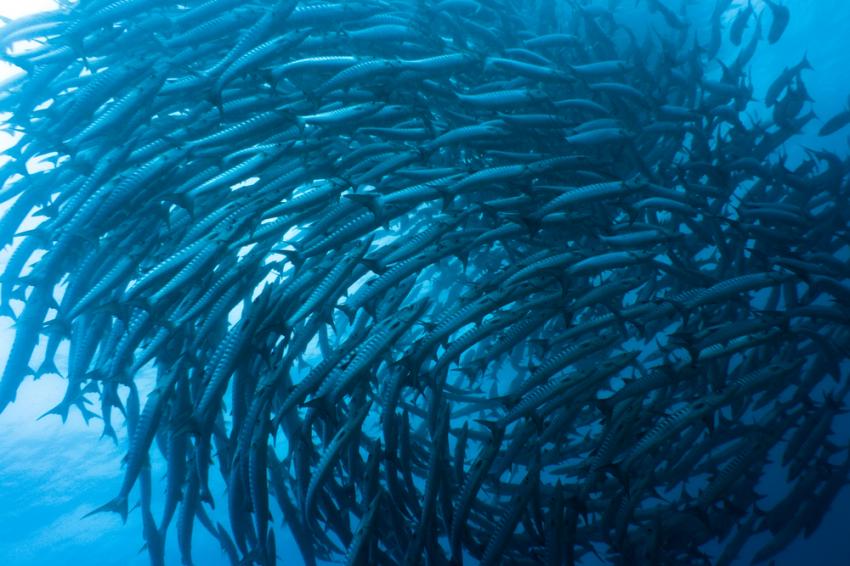
The currents around Malpelo draw nutrients from depth, which supports an unusually dense food chain. Hammerheads school here year-round. Silky sharks aggregate in the hundreds, sometimes in groups of over a thousand. You’ll find yourself in a world where marine biodiversity in Colombia reaches its zenith, with 395 recorded fish species and a biomass so dense it supports a permanent colony of playful dolphins.
Malpelo is the eastern vertex of the renowned "Hammerhead Triangle," and the encounters here are nothing short of cinematic. Hammerhead sharks school here in the hundreds throughout the year. Silky sharks congregate in similar numbers, particularly at the southern sites, like La Gringa and El Sahara.
From the largest to the fastest, you could find yourself alongside the sailfish, often cited as the quickest fish in the ocean, or drifting past oceanic manta rays, eagle rays, and shimmering bait balls of bigeye jacks that morph into dramatic, artistic shape
Must See Colombia Dive Sites
When To Go Diving in Colombia
Malpelo is a year-round destination, though the experience shifts with the seasons. The waters are generally warmest and clearest from the summer through to the fall. If you are hoping to encounter whale sharks in Colombia, you should plan your Malpelo diving liveaboard between July and October. Those looking to spot oceanic manta rays will find the best conditions from May to October. For the island's most famous residents, the schooling hammerhead sharks and silky sharks, the action is consistent year-round, fueled by nutrient-rich waters and powerful Pacific currents
Frequently Asked Questions About Colombia
Why can't you go on Malpelo Island?
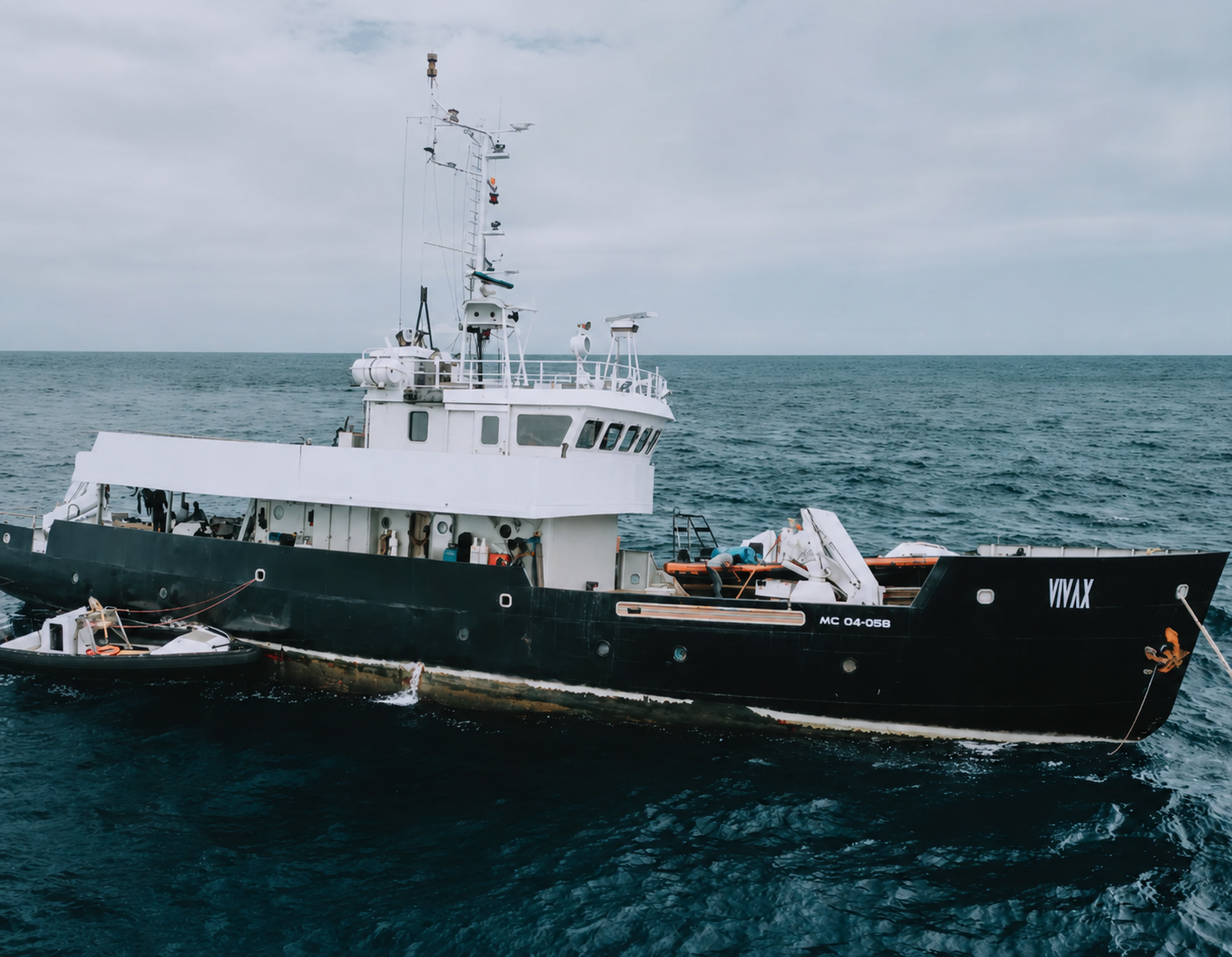
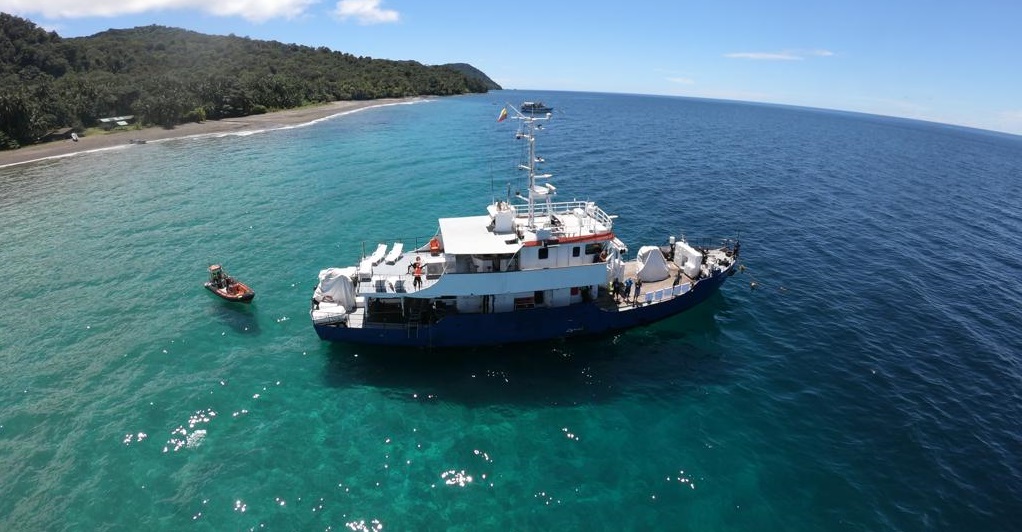
To maintain this pristine environment, park authorities strictly limit the number of visitors. At the time of writing, only two vessels, the Ferox and the Vivax, are permitted to offer Colombia liveaboard diving in this exclusive destination. This ensures that you’ll often have the entire park to yourself, providing a truly intimate experience with the marine biodiversity of Colombia
What kind of sharks are in Malpelo Island?
- Schooling scalloped hammerhead sharks: Often seen by the hundreds, especially as Malpelo forms the eastern point of the Hammerhead Triangle.
- Silky sharks: It’s possible to encounter gatherings of over a thousand of these sharks.
- Whale sharks: The ocean’s largest fish visit the island’s shark cleaning stations, particularly from July to October.
- Deep-sea sharks: Known locally as "monster sharks," the rare smalltooth sand tiger can be found at deeper volcanic island dive sites like El Bajo del Monstruo.
- Other species: The waters also host Galapagos sharks, oceanic whitetips, and an abundance of blacktip and whitetip reef sharks
How deep is the water around Malpelo Island?
Tips for travelers
Tourist Visas
For many international adventurers, including those from Canada, the US, and the UK, entering the Republic of Colombia is a breeze. Most travellers are granted a tourist stay of up to 90 days without a pre-arranged visa. You’ll simply need a passport valid for six months and a return ticket.Visitor Health
Your health is the priority when heading to remote dive destinations. While no specific shots are mandatory for Malpelo, it’s wise to be current on standard vaccinations. If your Colombian adventure includes the Amazon or certain national parks before boarding your Malpelo liveaboard, a Yellow Fever certificate may be required. Most importantly, don't forget high-quality motion sickness remedies for the crossing and the mandatory diving insurance required to explore the sanctuary.Tourist Security and Safety
Colombia’s "marine jewel" is exceptionally secure, under the constant watch of the Colombian National Navy to deter illegal activity and protect shark conservation efforts. On the mainland, travel safety is all about common sense: use reputable transport apps, stay in well-lit areas, and keep your high-end camera gear tucked away until you’re on the boat. Once at sea, your safety hinges on respecting the strong currents and diving environment and following the expert guidance of your dive team.Time Zone
Colombia keeps it simple by staying on Colombia Time (COT) year-round, which is UTC -5. Since the country doesn't observe Daylight Saving Time, it aligns with Eastern Standard Time (EST) for half the year and Central Daylight Time (CDT) for the other.Electricity
Staying powered up is easy for North Americans, as Colombia utilizes the same 110V / 60Hz system.- Plugs: Expect the standard two-prong Type A or three-prong Type B outlets.
- Tip: If you’re bringing professional camera rigs or lighting from Europe, ensure you have the appropriate voltage converters and plug adapters ready in your kit.
Communications
Expect a true "off-the-grid" experience once you depart for the Malpelo Fauna and Flora Sanctuary. While the mainland offers lightning-fast 4G and 5G through local SIMs or eSIMs, the island is a sanctuary of silence. Your vessel, whether it’s the Ferox or the Vivax, will typically have satellite communication for emergencies, but Malpelo is the perfect place to trade your screen for a view of the Pacific Ocean.Codes of Behavior
The culture in Colombia is rooted in "gentileza" (kindness).- Social Grace: A warm greeting goes a long way. Use "Usted" when speaking to elders or officials; it signals respect without formality.
- Marine Stewardship: As a guest in one of the world's most successful marine protected areas, your behavior underwater is critical. Adhere to strict buoyancy control to protect the reef and never harass the pelagic species.
- Tipping: On a liveaboard, it is customary to leave a tip for the hardworking crew at the end of the journey, usually as a percentage of the trip cost, to show your appreciation for their expertise and hospitality.