Best Turkey Liveaboards
Handpicked Turkey Selections

Liveaboard Diving in Turkey
Mediterranean diving
Turkey's Mediterranean coastline runs for over 1,600 kilometres, with dive sites scattered from Bodrum in the north down to Kas and beyond. For divers planning diving holidays in Turkey, the country offers a wide choice of experiences, from rocky reefs and underwater canyons to caverns, archaeological sites, and historic wrecks scattered along its impressive coastline.Diving in Türkiye is especially appealing because of the country’s position between the Mediterranean, Aegean, and Black Seas. Along the Mediterranean coast, conditions are often calm, visibility can easily reach 30 metres and beyond, and the water remains warm throughout a long season. This makes scuba diving in Turkey suitable for new divers completing training dives, certified divers looking for relaxed exploration, and more experienced divers interested in wrecks, caverns, and varied underwater terrain.
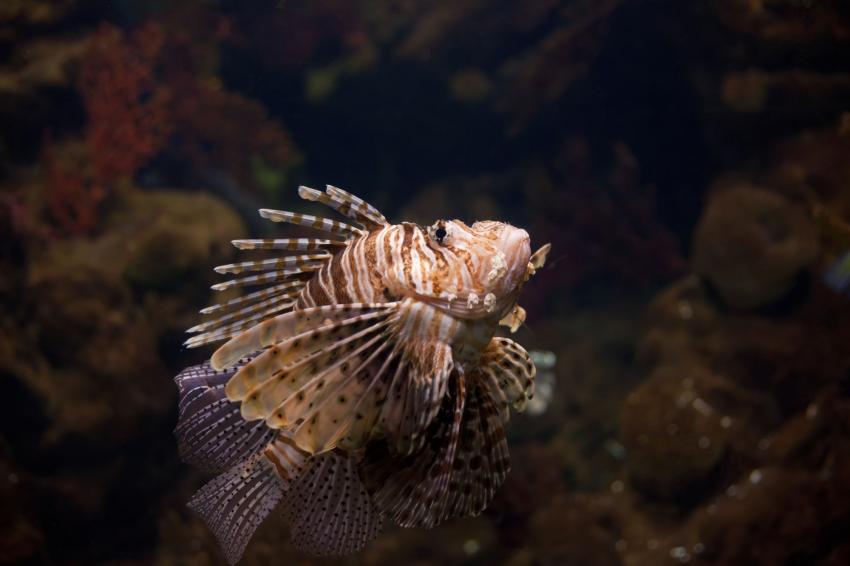
Many Turkish dive sites are shaped by rocky formations, caves, reefs, and wrecks, creating a mix of environments rather than one single diving style. Divers may encounter groupers, barracuda, octopus, moray eels, rays, rainbow wrasse, Mediterranean parrotfish, painted comber, small red scorpionfish, and seasonal pelagics. Lionfish are also now common along parts of the coastline. Although they are an invasive species and can affect native marine life, their striking appearance makes them a frequent subject for underwater photography.
Explore diving Fethiye
Fethiye sits on Turkey’s southwestern Turquoise Coast, often called the Turkish Riviera, and is one of the country’s most attractive areas for Mediterranean diving. The clear waters, clean beaches, and strong visibility make diving in Fethiye especially appealing for underwater photography, training dives, and relaxed exploration.
Visibility in the area can often reach 30 to 40 metres, depending on conditions. The dive sites in the area tend to have maximum depths of between 20 and 30 metres, often with shallow bay areas, making them suitable for divers of all experience levels. Beginners can use the shallow profile for training, while certified divers can enjoy an easy, scenic dive with enough structure to keep the route interesting.
The seabed is a mix of sand and rocky formations. These rock formations create natural corridors between boulders, which makes navigation easy even without a guide. The profiles are relatively shallow despite the structures rising from the seabed, making it seem otherwise.
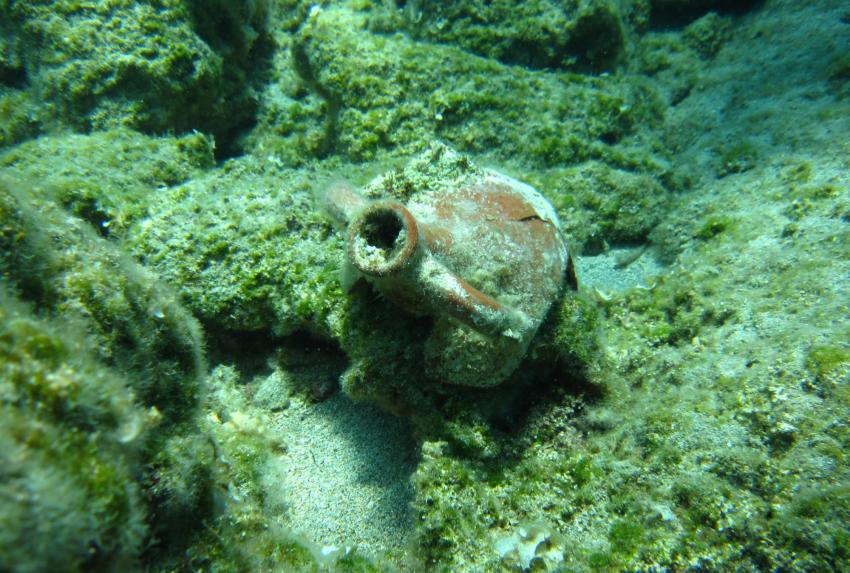
Around Fethiye, dive areas may include Kizilada, Amphores Bay, the TCSG-121 Wreck, and Aquarium Bay. The coastline offers caverns, attractive reef areas, wrecks, rocky formations, and corals, giving divers a varied introduction to Mediterranean dive sites. Octopus, barracuda, and grouper are among the marine species often associated with Turkish waters.
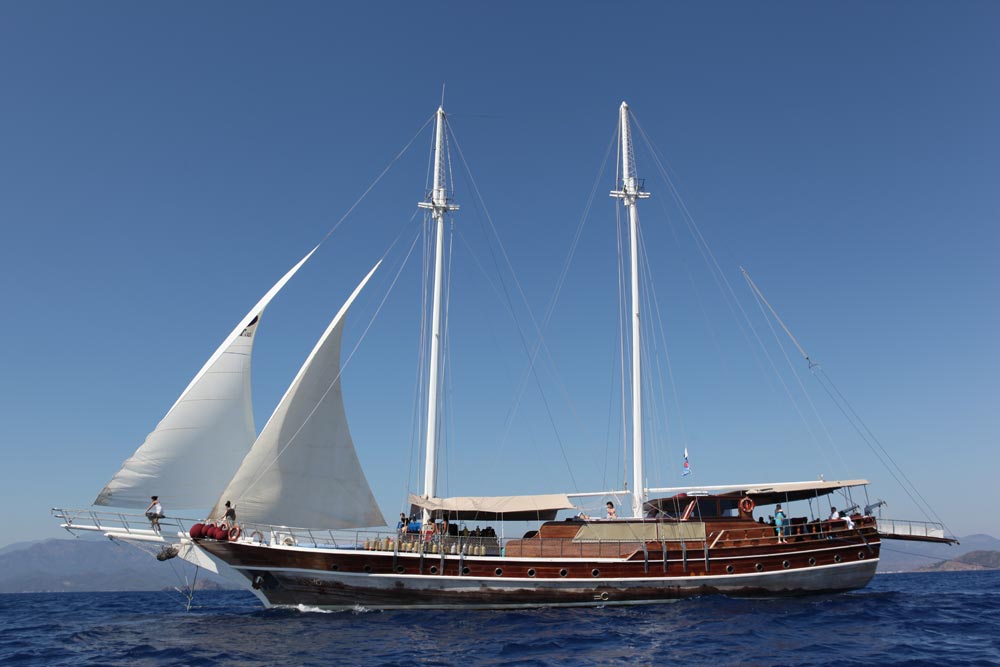
Fethiye is also commonly used as a departure port for liveaboards operating in the region. The nearest airport is Dalaman, located northwest of Fethiye, with direct flights available from many European countries. International travellers can also fly into Istanbul, Europe’s largest airport, and continue by domestic flight or local transfer.
Must See Turkey Dive Sites
When To Go Diving in Turkey
The main season for diving in Turkey runs from May to November, with the Mediterranean coast offering warm water, calm sea conditions, and good visibility through much of this period. Around Fethiye, the diving season can stretch from April to November, making it a strong choice for divers looking for a long, flexible travel window.
Water temperatures change significantly throughout the year. They can fall to around 14-15°C in early February and rise to about 28°C in mid-August, so the experience depends strongly on the month you choose. Summer and early autumn bring the warmest conditions and the liveliest atmosphere, while spring and late autumn can feel quieter, with fewer divers at popular sites.
Diving is possible outside the main season as well. Winter and early spring are cooler, but they can offer peaceful dive sites for those comfortable wearing a 5–7 mm wetsuit or even a drysuit. Thermal protection is recommended year-round, especially for longer dives, deeper profiles, windy surface intervals, or cooler month