Liveaboard Diving in New Caledonia
Sharks, Manta Rays and Pelagic Encounters
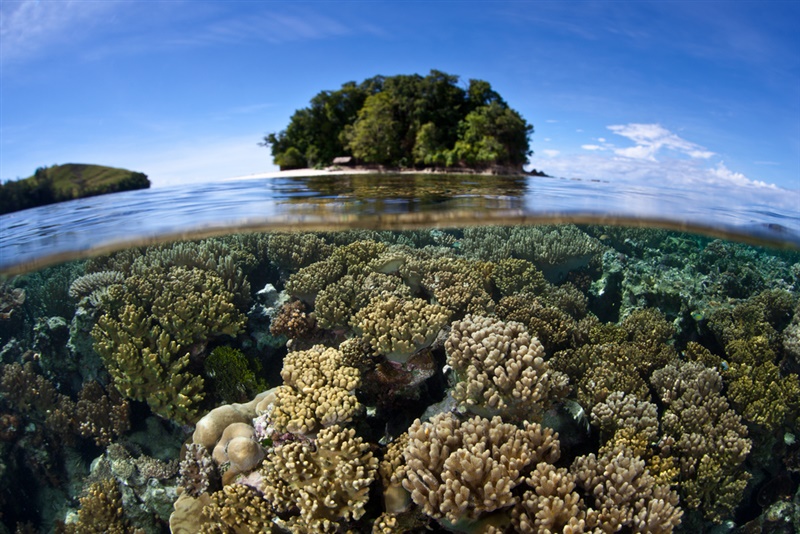
Coral Landscapes, Caves and Wrecks
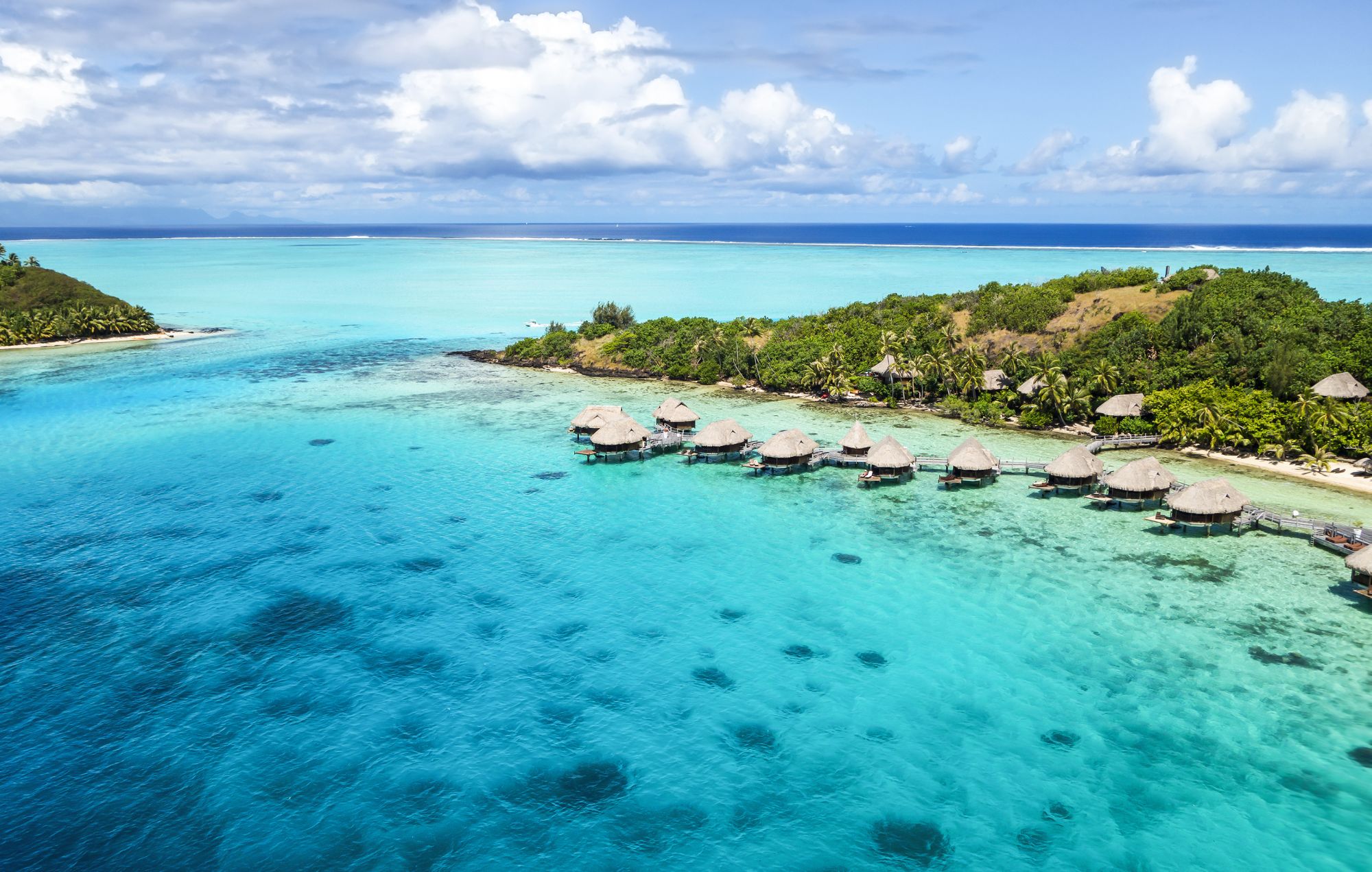
The World's Largest Lagoon
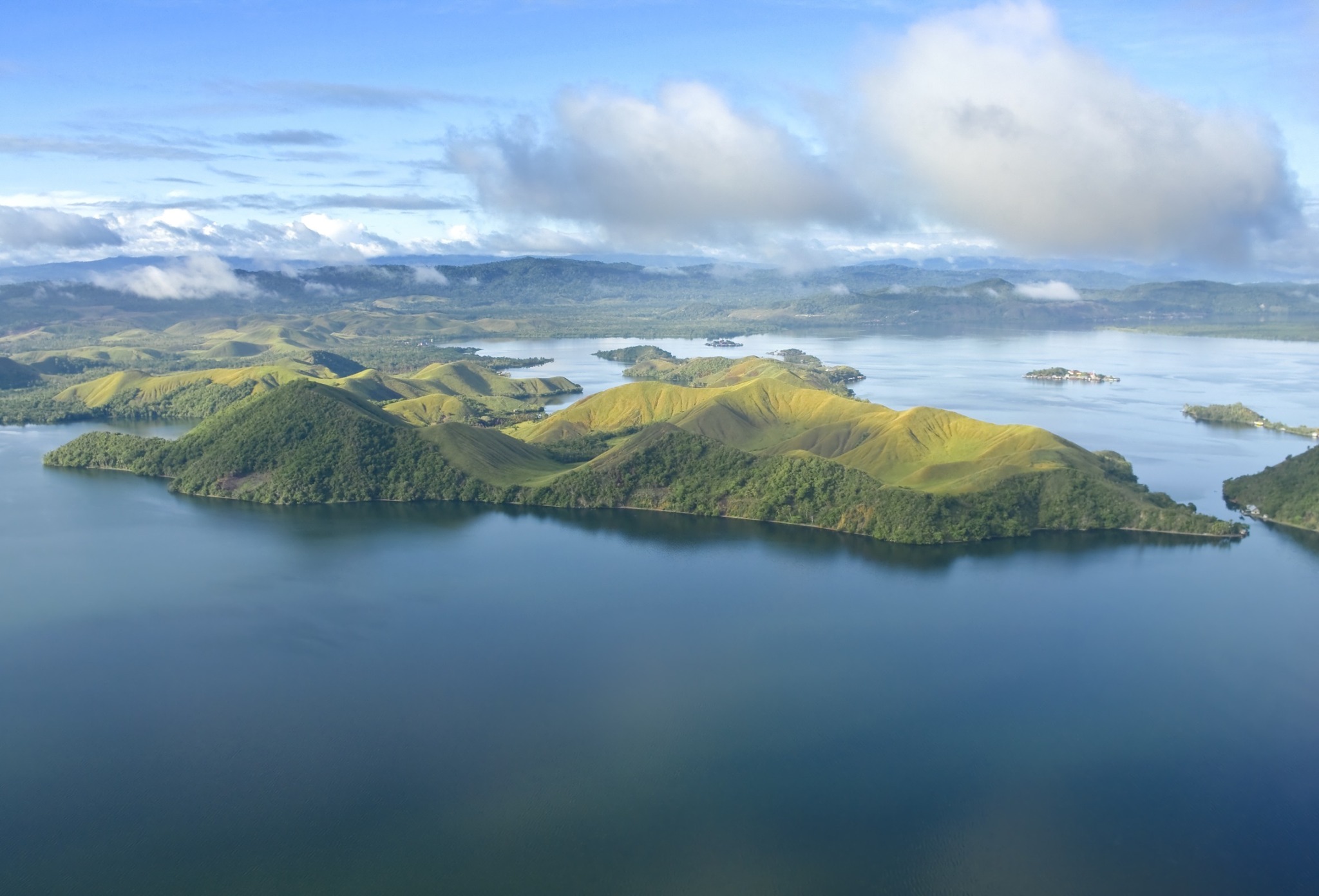
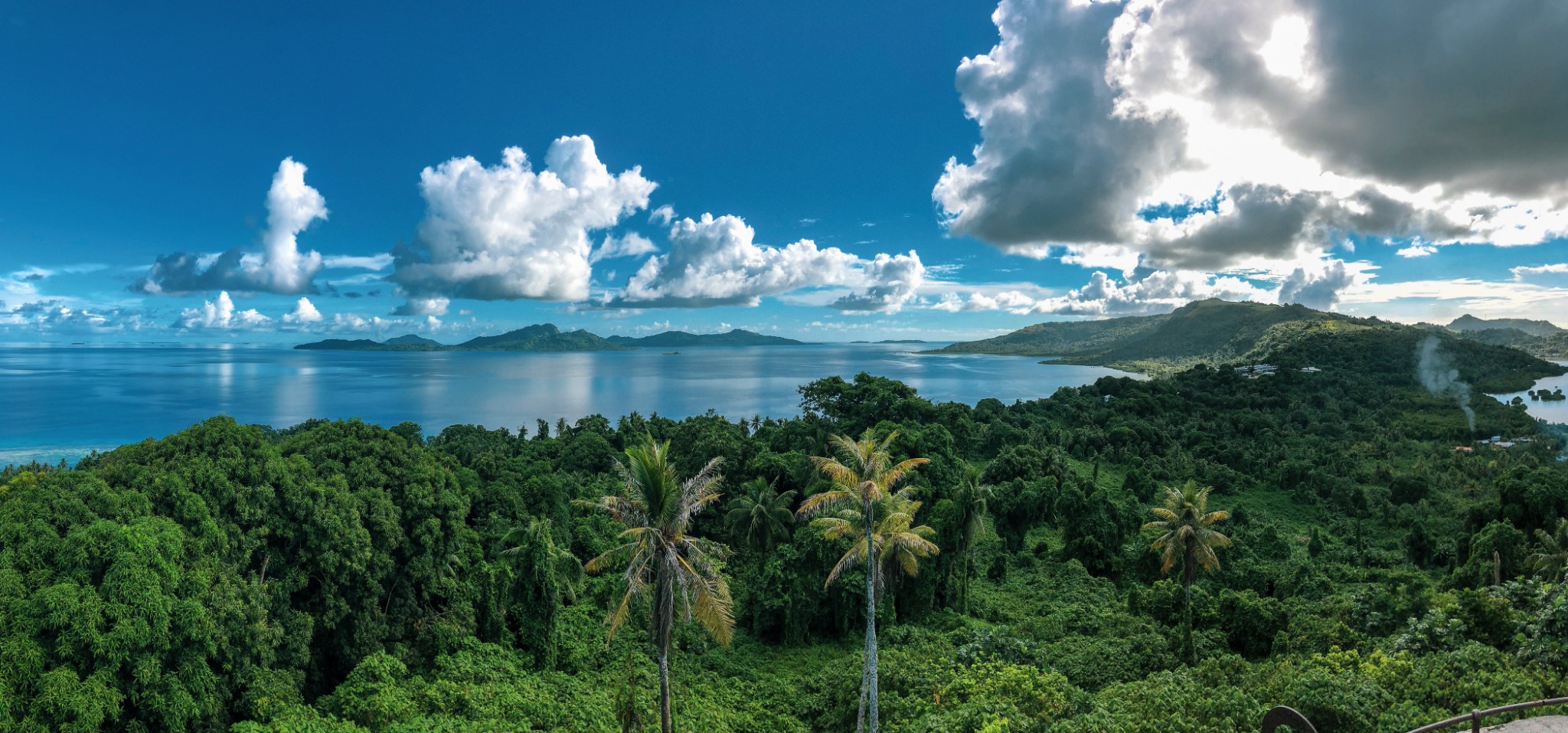
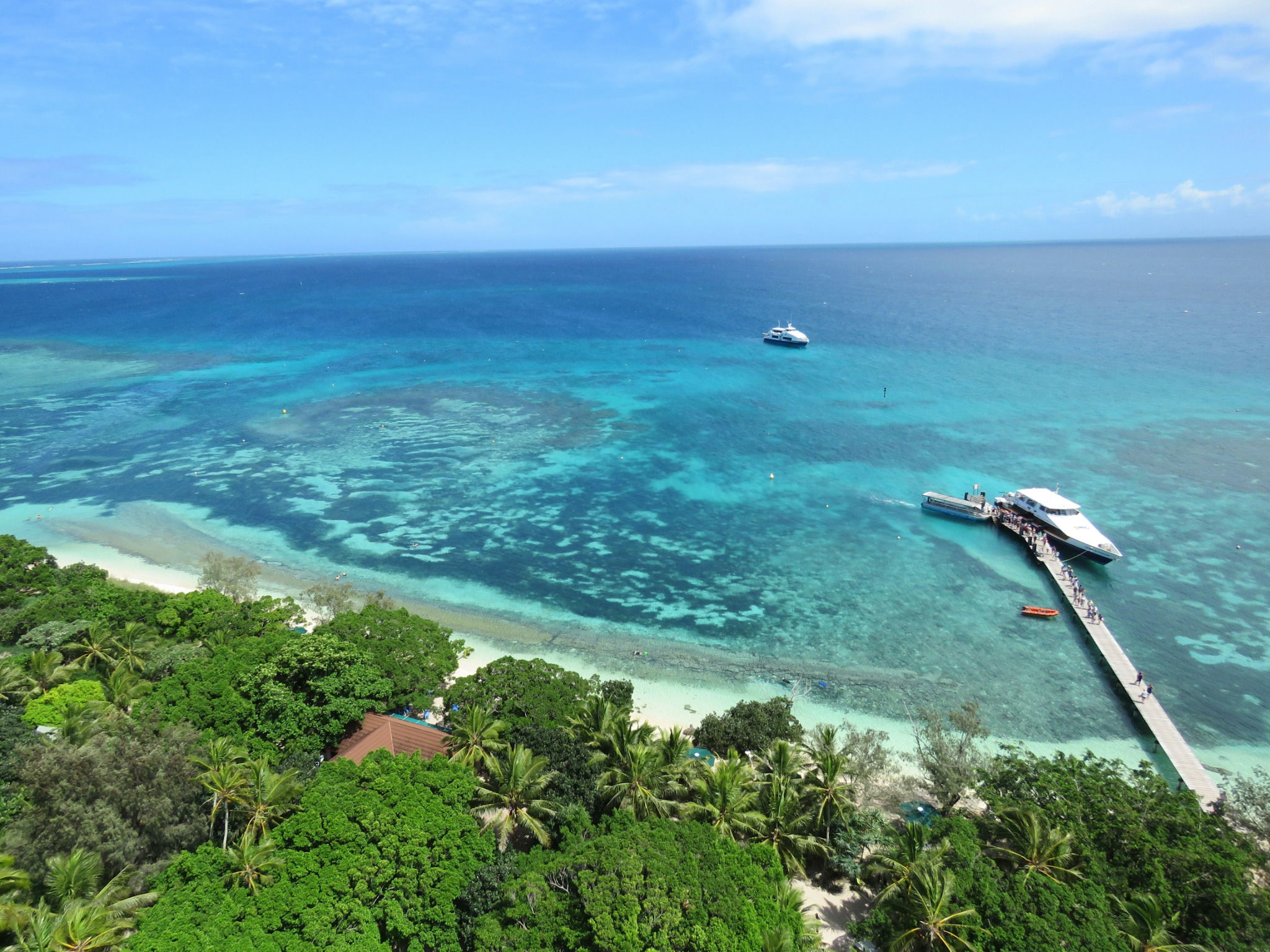
New Caledonia is a French collectivity in the South Pacific, situated between Australia and Fiji. Its main island, Grande Terre, is surrounded by an extensive barrier reef, while smaller islands, including the Loyalty Islands and the Isle of Pines, add to the diversity of its landscapes and diving opportunities.
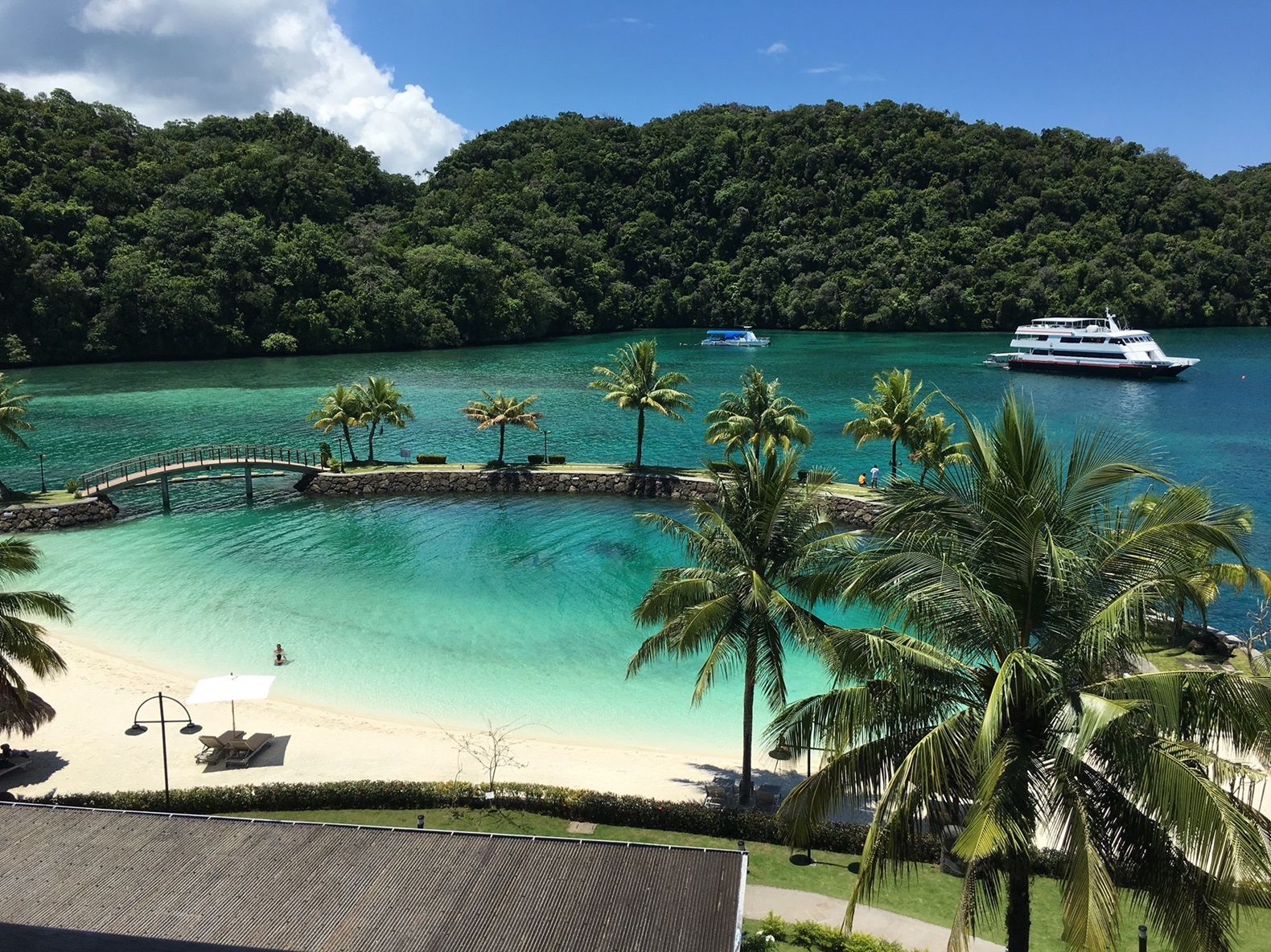
The destination's immense lagoon and healthy coral ecosystems create an exceptional setting for underwater exploration. Clear turquoise waters, colourful coral formations and an impressive variety of marine species distinguish New Caledonia from many other South Pacific destinations.
Along the mainland, diving conditions and underwater terrain vary considerably. Hienghène, on the northeastern coast, is celebrated for its caves, tunnels and giant gorgonians, with visibility exceeding 30 metres in favourable conditions. Further north, Koumac offers an intricate network of underwater cavities at Deverd Pass, where divers can explore the rocky formations while watching for passing pelagic fish.
Off the west coast, Bourail's Green Island Pass combines shallow, fish-rich waters with winding canyons and illuminated coral caves. The nearby Shark Pass adds opportunities for pelagic encounters. Farther south, the remarkable Aiguille de Prony rises from 38 metres to within just 2 metres of the surface. Formed by a freshwater resurgence, this unusual chimney-like structure provides an underwater experience unlike the surrounding coral reefs.
Beyond Grande Terre, the islands have their own distinct diving character. Lifou's Gorgone Reef features enormous gorgonians draped over connecting coral arches, with dogtooth tuna, scorpionfish and leopard sharks among the possible sightings. On the Isle of Pines, Gorgonian Valley and Gadji Cave combine dramatic geological formations with fascinating smaller marine species.
New Caledonia is also a higher-budget travel destination, where the natural beauty of the islands and their cultural heritage complement the experiences beneath the surface
When To Go Diving in New Caledonia
Water temperature
New Caledonia offers diving throughout the year, although seasonal changes affect water temperatures, visibility and marine encounters.
The warmer period, from October to May, is generally considered favourable for diving, with tropical water temperatures reaching approximately 27–28°C. Manta rays are particularly associated with the period from November to April, although Boulari Pass is known for encounters throughout the year.
The cooler season, from April to September, brings water temperatures of approximately 22–23°C. While slightly cooler, this period can offer exceptional underwater visibility, often reaching 30–40 metres. These clear conditions are particularly appealing for exploring dramatic reef formations, coral-covered drop-offs and underwater caves.
From mid-July to mid-September, divers travelling by boat may also encounter whales or dolphins during crossings. These sightings are a seasonal possibility rather than a guarantee.
With opportunities available throughout the year, the best time to visit depends on whether you prioritize warmer water, outstanding visibility or particular marine encounters
Tips for travelers
New Caledonia's dive sites offer considerable variety, but many of the most notable locations are better suited to experienced divers. Drift dives through barrier reef passes, deeper wrecks, caves and complex underwater terrain require appropriate skills and experience. Beginners can also enjoy the destination, with accessible shore diving opportunities available.
A 5 mm wetsuit is commonly recommended for diving in New Caledonia, particularly during the cooler months between April and September, when water temperatures can fall to around 22–23°C.
Many of the destination's best dive sites are reached by boat, making it worth considering which regions and underwater environments you would most like to explore when planning your itinerary. From the shark encounters around Nouméa to the gorgonian-covered formations of Hienghène and the Isle of Pines, different areas offer distinct diving experiences.
Underwater photographers will find plenty of subjects, including giant sea fans, colourful soft corals, pygmy seahorses, nudibranchs and larger pelagic species. Good visibility during the cooler season can be particularly rewarding for wide-angle photography.
New Caledonia is generally considered a higher-budget destination, so it is worth planning your travel expenses carefully. With its combination of colourful reefs, large marine life, fascinating wrecks and remarkable underwater geology, it offers an impressive range of diving experiences across the islands